
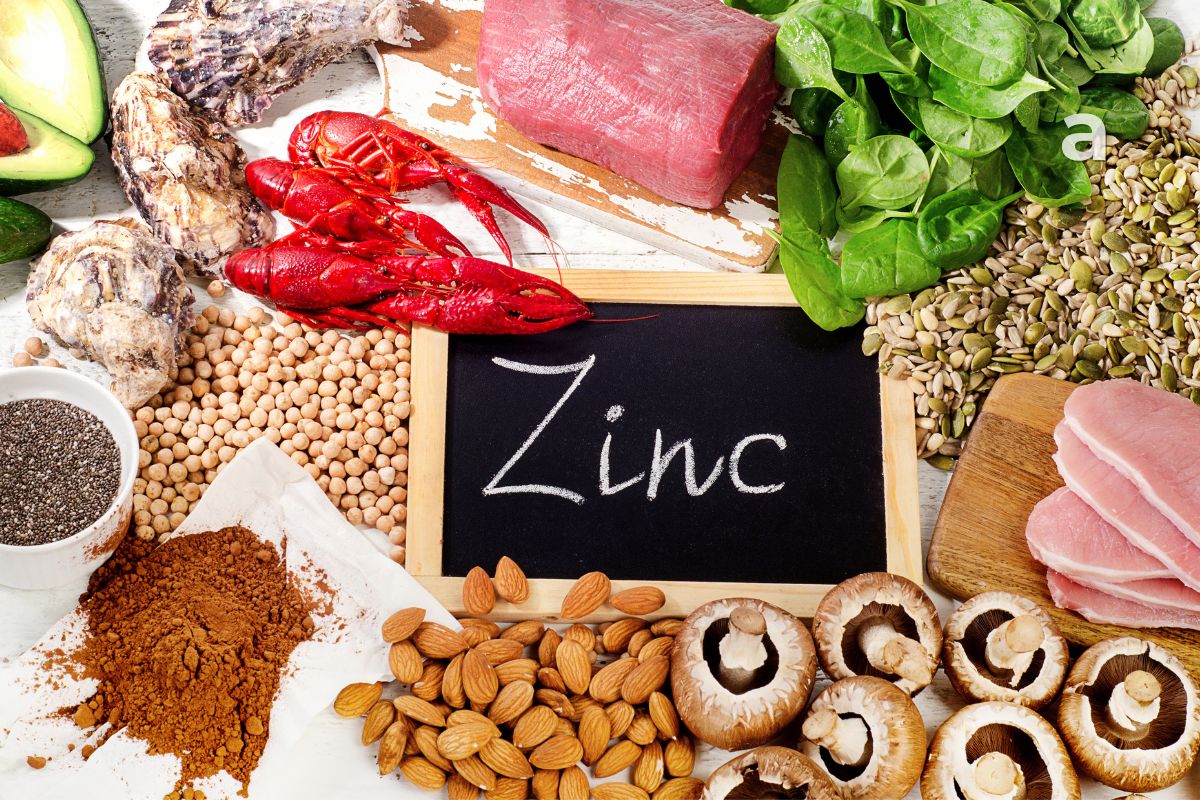
Zinc Benefits: Why Your Body Needs This Essential Mineral
Zinc benefits the body in many essential ways, supporting normal immune function, DNA and protein synthesis, cell division, wound healing, growth, and development. Although the body requires zinc in relatively small amounts, this essential mineral plays an important role in maintaining healthy skin, supporting normal taste and smell, and helping cells function properly.
Unlike nutrients that the body can produce itself, zinc must come from your diet. The body does not have a specialized zinc storage system, so maintaining an adequate and regular intake is important for normal health.
Many people know zinc mainly because it is associated with immunity. However, its functions extend much further. Zinc contributes to maintaining healthy skin, supporting normal wound healing, helping the body make proteins and DNA, and supporting normal taste and smell. It is also particularly important during periods of rapid growth, including childhood, adolescence, pregnancy, and breastfeeding.
Good dietary sources of zinc include:
- Oysters and other shellfish
- Meat and poultry
- Fish
- Eggs
- Dairy products
- Beans
- Lentils
- Chickpeas
- Nuts
- Seeds
- Whole grains
- Fortified breakfast cereals
The amount of zinc your body actually absorbs can vary depending on the food source. Plant foods such as beans, nuts, seeds, and whole grains contain phytates, compounds that can reduce zinc absorption. Food preparation methods such as soaking, sprouting, fermenting, and cooking can help improve mineral availability.
A zinc deficiency can develop when dietary intake is inadequate, absorption is impaired, or the body’s requirements increase. Deficiency may affect immune function, wound healing, appetite, growth, and other aspects of health. However, many symptoms of zinc deficiency can also occur with other nutritional or medical conditions, so symptoms alone cannot establish a diagnosis.
At the other extreme, more zinc is not necessarily better. Excessive zinc intake, particularly from high-dose supplements, can cause nausea and other gastrointestinal problems and may interfere with copper absorption. Long-term excessive intake can therefore create its own nutritional problems.
The good news is that most people can obtain zinc through a varied and balanced diet. Supplements may have a role in specific circumstances, but they should not automatically be considered necessary simply because zinc is important.
In this comprehensive guide, you’ll learn:
- What zinc is and why your body needs it
- The science-backed benefits of zinc
- How much zinc you need every day
- The best zinc-rich foods
- Signs and causes of zinc deficiency
- Who is most at risk of deficiency
- How zinc supports immunity and wound healing
- The relationship between zinc and skin health
- Whether zinc supplements are necessary
- Possible risks of taking too much zinc
- Common zinc myths and facts
- Practical ways to increase zinc intake through everyday foods
Rather than treating zinc as a miracle mineral or relying on supplement marketing, this guide focuses on what established nutritional science tells us—and how you can apply that knowledge to everyday eating.
What Is Zinc?
Zinc is an essential trace mineral required for normal human health.
It participates in numerous biological processes, including:
- Immune system function
- DNA synthesis
- Protein synthesis
- Cell division
- Wound healing
- Normal growth and development
- Maintenance of healthy skin
- Normal taste and smell
Because the body cannot manufacture zinc, it needs to be obtained from food or, when appropriate, supplements.
The term trace mineral means that the body requires relatively small quantities compared with nutrients such as protein, carbohydrates, or water. But “small amount” does not mean “unimportant.”
Zinc is required continuously because cells throughout the body rely on zinc-dependent enzymes and proteins.
Why Zinc Matters
Your body is constantly performing processes that depend on zinc.
Every day, your cells are:
- Producing proteins
- Repairing DNA
- Dividing and replacing cells
- Supporting immune responses
- Repairing damaged tissue
- Maintaining skin and connective tissues
Zinc contributes to many of these processes.
This is why adequate zinc intake matters throughout life—not only when you are feeling unwell.
How Zinc Works Inside Your Body
Zinc does not perform just one job. Instead, it participates in numerous biochemical reactions.
Step 1: You Consume Zinc
Zinc enters the diet through foods such as:
- Meat
- Seafood
- Eggs
- Dairy
- Legumes
- Nuts
- Seeds
- Whole grains
- Fortified foods
Step 2: Zinc Is Absorbed
After food is digested, zinc is absorbed primarily in the small intestine.
The amount absorbed depends on several factors, including:
- Dietary zinc intake
- The type of food
- Overall nutritional status
- The presence of compounds such as phytates
Animal-based foods generally provide zinc in a form that is more readily absorbed than many plant-based sources.
Step 3: Zinc Supports Cellular Processes
Once available to the body, zinc contributes to the activity of numerous proteins and enzymes involved in:
- DNA synthesis
- Protein production
- Cell division
- Immune responses
- Tissue repair
Step 4: The Body Regulates Zinc
The body carefully regulates zinc absorption and excretion because maintaining an appropriate zinc balance is important.
This is one reason why taking very high-dose zinc supplements without a nutritional need is not a good strategy.
Zinc Is More Than an “Immunity Mineral”
Zinc is frequently marketed as an immunity supplement, but its biological role is considerably broader.
Adequate zinc contributes to:
- Normal immune function
- Healthy skin
- Wound healing
- DNA synthesis
- Protein synthesis
- Cell division
- Growth and development
- Normal taste and smell
So while immunity is an important part of the zinc story, it is only one part.
Food First, Supplements When Appropriate
For most healthy people, a varied diet can provide sufficient zinc.
Good food choices include:
- Oysters
- Meat
- Poultry
- Fish
- Eggs
- Milk and dairy
- Lentils
- Chickpeas
- Beans
- Pumpkin seeds
- Cashews
- Whole grains
- Fortified cereals
People following restrictive diets or those with conditions affecting nutrient absorption may need individualized nutritional advice.
Supplements can be useful when a deficiency or increased requirement is identified, but taking high doses simply because zinc is “good for immunity” is not a substitute for balanced nutrition.
Key Takeaway
Zinc is an essential mineral involved in immune function, DNA and protein synthesis, cell division, wound healing, growth, and normal development. Because the body cannot produce zinc, regular dietary intake is important. Meat, seafood, eggs, dairy products, legumes, nuts, seeds, whole grains, and fortified foods can all contribute to zinc intake, while excessive supplementation can cause problems of its own.
Science-Backed Zinc Benefits
Zinc is a trace mineral, but its biological role is extensive. It participates in hundreds of enzymatic processes and contributes to immune function, protein synthesis, DNA synthesis, cell division, wound healing, growth, and normal development.
Unlike some supplement marketing claims, the established benefits of zinc are connected to maintaining normal biological functions rather than producing extraordinary health effects.
1. Supports Normal Immune Function
One of the best-known zinc benefits is its role in the immune system.
Zinc is required for the normal development and function of immune cells. Adequate zinc intake helps maintain the body’s natural defenses and supports normal immune responses.
Zinc contributes to:
- Normal immune-cell function
- Development of immune cells
- Communication between cells
- Maintenance of protective barriers such as the skin
However, taking extra zinc does not automatically make the immune system “stronger.” The goal is to maintain adequate zinc status.
2. Supports Wound Healing
Your body requires zinc for normal tissue repair and wound healing.
When tissue is damaged, the body must:
- Control the initial injury response
- Produce new cells
- Make proteins
- Repair damaged tissue
- Rebuild the surrounding structure
Zinc participates in several of these cellular processes.
People with severe zinc deficiency may experience impaired wound healing. Maintaining adequate zinc intake therefore supports the body’s normal repair mechanisms.
3. Supports Healthy Skin
Healthy skin depends on continuous cell renewal and repair.
Zinc contributes to:
- Normal skin maintenance
- Cell division
- Protein synthesis
- Wound healing
- Immune defenses within the skin
This is one reason zinc is commonly included in products marketed for skin health.
However, dietary zinc should not be confused with evidence for every topical or supplemental zinc product. The specific benefit depends on the condition and the form of zinc being used.
4. Helps With DNA Synthesis
DNA contains the instructions that allow cells to function, grow, and reproduce.
Zinc is required for proteins and enzymes involved in DNA synthesis and cellular processes.
This makes adequate zinc particularly important during periods when cells are rapidly developing or being replaced.
5. Supports Protein Synthesis
Your body continuously produces proteins.
Protein is required for:
- Muscles
- Skin
- Enzymes
- Hormones
- Immune components
- Structural tissues
Zinc contributes to the cellular machinery involved in protein synthesis.
6. Supports Normal Cell Division
Cells throughout your body constantly divide and renew themselves.
Zinc contributes to normal cell division, making adequate intake important for:
- Growth
- Tissue maintenance
- Wound repair
- Normal development
This is another reason zinc requirements can be particularly important during periods of rapid growth.
7. Important for Growth and Development
Zinc is particularly important during childhood, adolescence, pregnancy, and other periods of rapid growth.
Adequate zinc contributes to normal:
- Physical growth
- Cell development
- Tissue formation
- Reproductive development
Severe zinc deficiency during childhood can impair growth and development.
8. Supports Normal Taste and Smell
Zinc plays a role in maintaining normal taste and smell.
Changes in taste or smell can occur for many reasons, so they should not automatically be interpreted as evidence of zinc deficiency.
However, impaired taste or smell is recognized among the potential consequences of inadequate zinc status.
9. Supports Normal Metabolism
Zinc is involved in numerous enzymes that participate in metabolism.
These enzymes help the body process:
- Carbohydrates
- Proteins
- Fats
- Nucleic acids
Rather than acting as an energy stimulant, zinc helps the body’s normal biochemical machinery function properly.
10. Contributes to Healthy Cellular Protection
Zinc contributes to the activity of antioxidant enzymes and helps maintain cellular defenses against oxidative stress.
It is important to understand that zinc is not simply an antioxidant supplement in the same way that vitamin C can directly act as an antioxidant.
Its role is more complex and involves maintaining proteins and enzymes involved in cellular protection.
11. Supports Normal Reproductive Health
Zinc is involved in normal reproductive development and function.
Adequate zinc is particularly important during periods of growth and reproductive development.
However, claims that high-dose zinc supplements automatically improve fertility should be treated cautiously. Nutritional adequacy is important, but supplementation beyond requirements does not necessarily provide additional benefits.
12. Supports Healthy Connective Tissue
Zinc contributes to protein synthesis, cell division, and tissue repair.
These functions support the maintenance of tissues throughout the body.
Zinc therefore works alongside nutrients such as:
rather than operating independently.
13. Supports Normal Brain Function
The brain contains significant amounts of zinc, and zinc participates in cellular signaling and neurological processes.
Adequate zinc is therefore important for normal neurological function.
However, it would be misleading to claim that taking zinc supplements automatically improves memory, concentration, or intelligence in people who already have adequate zinc levels.
14. Supports Healthy Hair and Nails Indirectly
Hair and nails are produced through complex processes involving protein synthesis and cell growth.
Because zinc contributes to these processes, severe zinc deficiency can affect hair and nail health.
But hair loss or brittle nails have many possible causes, including:
- Iron deficiency
- Protein deficiency
- Hormonal changes
- Stress
- Certain medical conditions
Zinc supplements should therefore not be used as a universal solution for hair or nail problems.
15. Supports the Body During Periods of Rapid Growth
Zinc requirements are especially relevant when the body is growing quickly.
These periods include:
- Infancy
- Childhood
- Adolescence
- Pregnancy
During these stages, cells are dividing and tissues are developing rapidly, increasing the importance of adequate nutritional intake.
Zinc Works Together With Other Nutrients
Zinc does not work alone.
Zinc + Vitamin C
Both nutrients contribute to normal immune function and tissue maintenance.
Zinc + Protein
Protein supplies amino acids needed for tissue formation, while zinc supports protein synthesis and cellular processes.
Zinc + Iron
Both are essential minerals involved in important physiological functions.
Zinc + Vitamin D
Both contribute to normal health, but they perform different biological roles.
More Zinc Is Not Always Better
This is an important point when discussing zinc supplements.
The body needs zinc in relatively small quantities.
Taking excessive amounts can cause:
- Nausea
- Vomiting
- Stomach discomfort
- Loss of appetite
Long-term excessive zinc intake can also interfere with copper absorption, potentially leading to copper deficiency and other health problems.
Therefore, the objective should be adequate zinc intake—not maximum zinc intake.
Food First Still Wins
For most people, zinc-rich foods provide a balanced way to obtain this essential mineral.
Good choices include:
- Oysters
- Beef
- Chicken
- Fish
- Eggs
- Milk
- Yogurt
- Lentils
- Chickpeas
- Beans
- Pumpkin seeds
- Cashews
- Whole grains
- Fortified cereals
Animal foods generally provide zinc with higher bioavailability, while plant-based diets can still provide adequate zinc when food variety and preparation are considered carefully.
Key Takeaway
The most established zinc benefits come from its fundamental role in immune function, DNA and protein synthesis, cell division, wound healing, growth, development, and normal taste and smell. Zinc is essential, but high doses are not automatically better. For most people, a varied diet containing zinc-rich foods is the best foundation for maintaining adequate intake.
How Much Zinc Do You Need Every Day?
Zinc requirements are relatively small, but getting enough consistently is important because zinc supports immune function, DNA synthesis, protein production, cell division, wound healing, and normal growth and development.
The amount you need depends on your age, sex, pregnancy status, and breastfeeding status. People following predominantly plant-based diets may also need to pay particular attention to zinc intake because some plant foods contain phytates that reduce zinc absorption.
Recommended Daily Zinc Intake
According to the U.S. National Institutes of Health (NIH) Office of Dietary Supplements, the Recommended Dietary Allowance (RDA) for zinc varies throughout life.
| Life Stage | Recommended Zinc Intake |
|---|---|
| Infants 0–6 months | 2 mg (AI) |
| Infants 7–12 months | 3 mg |
| Children 1–3 years | 3 mg |
| Children 4–8 years | 5 mg |
| Children 9–13 years | 8 mg |
| Boys 14–18 years | 11 mg |
| Girls 14–18 years | 9 mg |
| Adult Men | 11 mg |
| Adult Women | 8 mg |
| Pregnancy (adult women) | 11 mg |
| Breastfeeding (adult women) | 12 mg |
The AI (Adequate Intake) is used when there is not enough evidence to establish an RDA for a particular age group.
Why Do Men Generally Need More Zinc Than Women?
Adult men have an RDA of approximately 11 mg per day, while adult women generally need 8 mg per day.
These recommendations account for differences in physiological requirements and zinc losses.
However, individual nutritional needs can vary depending on overall diet and health circumstances.
Zinc Requirements During Pregnancy
Pregnancy increases the need for zinc.
The recommended intake for:
Pregnant adults: 11 mg/day
Zinc is important during pregnancy because the developing baby requires zinc for:
- Cell division
- DNA synthesis
- Protein synthesis
- Growth
- Normal development
Pregnant individuals should discuss supplements with their healthcare professional rather than taking high-dose zinc independently.
Zinc During Breastfeeding
The recommended intake increases to:
12 mg/day for breastfeeding adults
This reflects the role of zinc in supporting both maternal nutritional needs and zinc supplied through breast milk.
A balanced diet containing meat, seafood, dairy products, eggs, legumes, nuts, seeds, and fortified foods can contribute to adequate zinc intake.
Zinc Requirements for Children and Teenagers
Children and teenagers require zinc for normal:
- Growth
- Cell division
- Tissue development
- Immune function
- Sexual maturation
Requirements increase as children get older.
For example:
- Children aged 1–3: 3 mg/day
- Children aged 4–8: 5 mg/day
- Children aged 9–13: 8 mg/day
- Boys aged 14–18: 11 mg/day
- Girls aged 14–18: 9 mg/day
Adequate nutrition during childhood and adolescence is particularly important because these are periods of rapid growth and development.
Do Vegetarians Need More Zinc?
Potentially, yes.
Plant foods can provide zinc, but many plant-based foods also contain phytates, naturally occurring compounds that can bind minerals and reduce zinc absorption.
Important plant sources include:
- Lentils
- Chickpeas
- Beans
- Pumpkin seeds
- Cashews
- Peanuts
- Oats
- Whole grains
People following vegetarian or vegan diets should focus on variety and adequate total zinc intake rather than assuming plant foods cannot provide enough zinc.
The NIH notes that people following vegetarian diets may need to consume more zinc because of lower zinc bioavailability in plant-based diets.
How Phytates Affect Zinc Absorption
Phytates are naturally present in many:
- Legumes
- Nuts
- Seeds
- Whole grains
They can bind zinc in the digestive tract and reduce the amount available for absorption.
This does not mean these foods are unhealthy or should be avoided.
Instead, traditional food-preparation methods can help.
Soaking, Sprouting & Fermentation Can Help
Traditional preparation methods may reduce phytate levels and improve mineral availability.
Useful approaches include:
Soaking
Soaking beans, lentils, and some grains before cooking can reduce certain antinutritional compounds.
Sprouting
Sprouting legumes and grains can alter their phytate content and may improve mineral availability.
Fermentation
Fermented foods and traditional fermentation processes can also reduce phytates.
This is one reason traditional food preparation practices remain nutritionally relevant today.
Zinc From Animal Foods
Animal-based foods generally provide zinc with relatively high bioavailability.
Excellent sources include:
- Oysters
- Beef
- Poultry
- Fish
- Eggs
- Dairy products
Shellfish, particularly oysters, can contain exceptionally high amounts of zinc.
Zinc From Plant Foods
Plant-based diets can also provide zinc.
Useful choices include:
- Chickpeas
- Lentils
- Beans
- Pumpkin seeds
- Sesame seeds
- Cashews
- Peanuts
- Oats
- Whole grains
- Fortified cereals
Combining different plant foods throughout the day can help increase overall zinc intake.
What Is the Upper Limit for Zinc?
More zinc is not necessarily better.
The Tolerable Upper Intake Level (UL) for adults is:
40 mg per day
This represents the highest average daily intake unlikely to cause adverse health effects for most healthy people.
The UL includes zinc from:
- Food
- Beverages
- Supplements
- Medications containing zinc
It is important to note that the UL is not a recommended daily target. You should not aim to consume 40 mg of zinc every day.
What Happens If You Take Too Much Zinc?
Excessive zinc intake can cause:
- Nausea
- Vomiting
- Loss of appetite
- Stomach cramps
- Diarrhea
- Headaches
Long-term excessive intake can interfere with copper absorption.
Severe or prolonged zinc excess may therefore contribute to copper deficiency and related health problems.
Zinc and Copper: Why Balance Matters
Zinc and copper interact nutritionally.
Taking very high amounts of zinc for prolonged periods can reduce copper absorption.
This is an important reason to avoid treating supplements as harmless simply because zinc is an essential mineral.
The objective is nutritional balance, not maximum intake.
Can You Get Enough Zinc From Food?
For most healthy people, yes.
A balanced diet containing a variety of:
- Seafood
- Meat
- Poultry
- Eggs
- Dairy
- Legumes
- Nuts
- Seeds
- Whole grains
can provide the zinc your body needs.
People with restrictive diets or certain medical conditions may need individualized nutritional advice.
A Simple Way to Meet Your Daily Zinc Needs
You don’t have to calculate every milligram of zinc you eat.
Instead, build meals around a variety of nutrient-dense foods.
Breakfast
Eggs + whole-grain toast + yogurt
Lunch
Chickpea curry + brown rice + vegetables
Snack
Pumpkin seeds + fruit
Dinner
Fish or chicken + vegetables + whole grains
This approach provides zinc alongside:
- Protein
- Iron
- Fiber
- Vitamin B12
- Other essential nutrients
Zinc and Iron: Similar but Different
Zinc and iron are both essential minerals, but they perform different roles.
Zinc
Primarily contributes to:
- Immune function
- Protein synthesis
- DNA synthesis
- Cell division
- Wound healing
Iron
Primarily contributes to:
- Hemoglobin production
- Oxygen transport
- Energy metabolism
- Normal cognitive development
A healthy diet needs both.
Zinc and Vitamin C
Zinc and vitamin C are frequently combined in supplements marketed for immunity.
Both nutrients contribute to normal immune function, but they are not interchangeable.
Vitamin C is particularly important for:
- Collagen production
- Antioxidant protection
- Iron absorption
Zinc contributes to:
- Immune-cell function
- DNA synthesis
- Protein synthesis
- Cell division
Should You Take Zinc Every Day?
If your diet provides enough zinc, routine supplementation may not be necessary.
A supplement may be appropriate when:
- A deficiency has been identified
- Dietary intake is inadequate
- A healthcare professional recommends it
- A medical condition affects nutritional status
Avoid taking high-dose zinc indefinitely without professional guidance.
Key Takeaway
Most adults need approximately 8 mg of zinc per day for women and 11 mg per day for men, with requirements increasing during pregnancy and breastfeeding. Vegetarians and vegans may need to pay closer attention to zinc intake because phytates in many plant foods can reduce zinc absorption. The adult Upper Intake Level is 40 mg per day, and this is a safety limit—not a daily target. For most people, a varied diet containing seafood, meat, dairy, legumes, nuts, seeds, and whole grains can provide adequate zinc without excessive supplementation.
20 Best Zinc-Rich Foods to Add to Your Diet
Zinc is found in a wide range of foods, from seafood and meat to legumes, nuts, seeds, dairy products, and fortified foods. The amount of zinc varies considerably between foods, and the body does not absorb zinc from every food equally.
In general, animal-based foods tend to provide zinc with greater bioavailability, while many plant foods contain phytates that can reduce zinc absorption. That doesn’t make plant foods poor choices. With enough variety and appropriate preparation, vegetarian and vegan diets can also provide zinc.
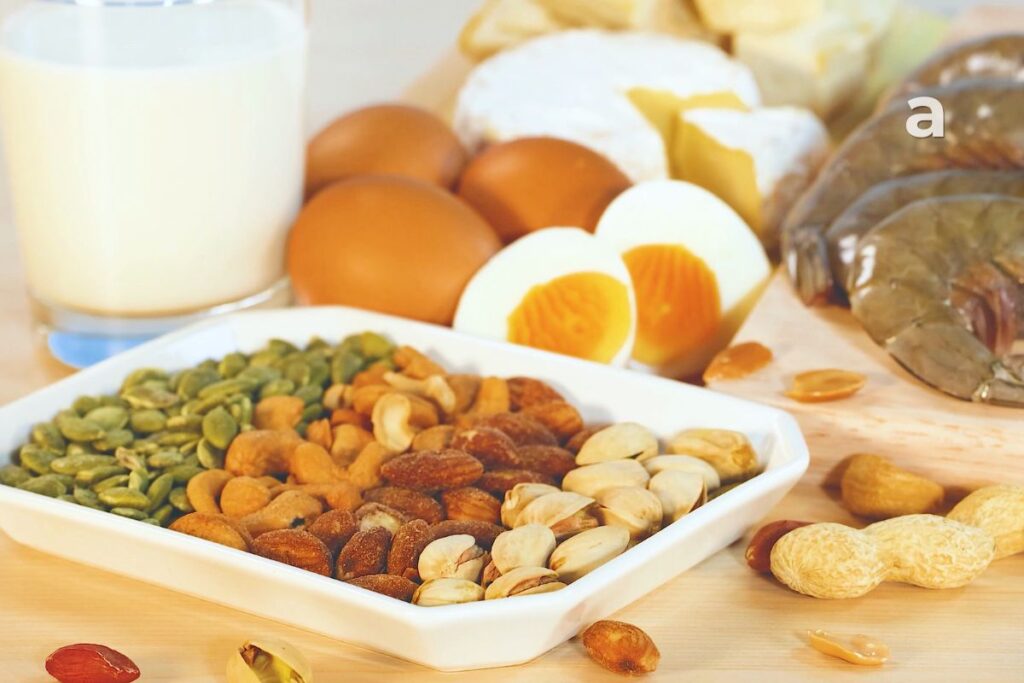
1. Oysters
Oysters are among the richest natural food sources of zinc.
They also provide:
- High-quality protein
- Vitamin B12
- Selenium
- Iron
- Omega-3 fatty acids
Because oysters can contain exceptionally high amounts of zinc, even a relatively small serving can provide a substantial portion of the daily requirement.
2. Beef
Beef is an excellent source of highly bioavailable zinc.
It also provides:
- Protein
- Vitamin B12
- Iron
- Selenium
Lean cuts can be incorporated into a balanced diet alongside vegetables and whole grains.
3. Crab
Crab provides zinc along with:
- Protein
- Vitamin B12
- Selenium
- Other minerals
Shellfish can be particularly useful for people looking for nutrient-dense sources of zinc.
4. Lobster
Lobster is another seafood source of zinc.
It also contributes:
- Protein
- Vitamin B12
- Selenium
- Copper
As with other seafood, portion size and preparation method matter when considering overall dietary quality.
5. Chicken
Chicken provides a moderate amount of zinc along with high-quality protein.
It can be especially practical because it is widely available and easy to include in everyday meals.
Good options include:
- Grilled chicken
- Chicken curry
- Roasted chicken
- Chicken soup
6. Turkey
Turkey is another poultry source of zinc and protein.
It can be used in:
- Sandwiches
- Salads
- Soups
- Grain bowls
Choosing minimally processed poultry is generally preferable to relying heavily on processed meat products.
7. Eggs
Eggs provide zinc along with:
- Protein
- Vitamin B12
- Selenium
- Choline
They are an affordable and versatile option for breakfast, lunch, or dinner.
8. Milk
Milk contains zinc as well as:
- Protein
- Calcium
- Vitamin B12
For people who consume dairy, milk can contribute to daily zinc intake.
9. Yogurt
Yogurt provides zinc together with:
- Protein
- Calcium
- Vitamin B12
Plain yogurt can be paired with fruit, nuts, or seeds for a nutrient-dense snack.
10. Pumpkin Seeds
Pumpkin seeds are one of the most useful plant-based sources of zinc.
They also provide:
Try adding them to:
- Oatmeal
- Yogurt
- Salads
- Smoothies
- Homemade trail mix
11. Hemp Seeds
Hemp seeds provide zinc along with:
- Protein
- Healthy fats
- Magnesium
- Other minerals
They can be sprinkled over salads, yogurt, oatmeal, or smoothies.
12. Sesame Seeds
Sesame seeds can contribute zinc to vegetarian and vegan diets.
They are also commonly used in:
- Tahini
- Chutneys
- Sesame rice
- Laddoos
- Vegetable dishes
Traditional foods can therefore contribute meaningful amounts of zinc when consumed as part of a varied diet.
13. Cashews
Cashews provide:
- Zinc
- Magnesium
- Copper
- Healthy fats
- Protein
A small handful makes a convenient snack.
However, nuts are energy-dense, so portion size still matters.
14. Chickpeas
Chickpeas are a practical plant-based source of zinc.
They also provide:
Popular preparations include:
- Chole
- Hummus
- Chickpea salads
- Roasted chickpeas
15. Lentils
Lentils are an affordable source of zinc for vegetarian diets.
They also provide:
- Plant protein
- Fiber
- Iron
- Folate
Common varieties include:
- Masoor dal
- Moong dal
- Toor dal
- Urad dal
- Chana dal
Traditional Indian dal-based meals can therefore contribute to overall zinc intake.
16. Kidney Beans
Kidney beans provide zinc alongside:
A classic rajma and rice meal can be part of a balanced vegetarian diet.
17. Oats
Oats provide modest amounts of zinc along with:
- Fiber
- Magnesium
- Protein
- Other minerals
They make a useful breakfast base when combined with:
- Milk or fortified plant milk
- Yogurt
- Pumpkin seeds
- Fruit
18. Whole-Grain Bread
Whole grains can contribute zinc to the diet.
They also provide:
- Fiber
- B vitamins
- Magnesium
- Other minerals
Because whole grains can contain phytates, zinc absorption may be lower than from some animal-based sources.
Traditional preparation methods such as fermentation can influence mineral availability.
19. Fortified Breakfast Cereals
Some breakfast cereals are fortified with zinc and other essential nutrients.
When choosing fortified cereal, check the nutrition label for:
- Zinc
- Iron
- Vitamin B12
- Vitamin D
- Added sugar
Fortified foods can be particularly useful for people following vegetarian or vegan diets.
20. Dark Chocolate
Dark chocolate can contain zinc, although the amount varies considerably depending on the product.
It also contains:
- Magnesium
- Iron
- Copper
However, chocolate is also relatively high in calories and, depending on the product, added sugar.
It should therefore be considered an occasional food rather than a primary zinc source.
Quick Zinc-Rich Food Guide
| Food | Zinc Contribution | Suitable For |
|---|---|---|
| Oysters | Excellent | Non-vegetarian |
| Beef | Excellent | Non-vegetarian |
| Crab | Very good | Non-vegetarian |
| Lobster | Very good | Non-vegetarian |
| Chicken | Good | Non-vegetarian |
| Turkey | Good | Non-vegetarian |
| Eggs | Moderate | Vegetarian |
| Milk | Moderate | Vegetarian |
| Yogurt | Moderate | Vegetarian |
| Pumpkin seeds | Excellent plant source | Vegetarian/Vegan |
| Hemp seeds | Good | Vegetarian/Vegan |
| Sesame seeds | Good | Vegetarian/Vegan |
| Cashews | Good | Vegetarian/Vegan |
| Chickpeas | Good | Vegetarian/Vegan |
| Lentils | Good | Vegetarian/Vegan |
| Kidney beans | Good | Vegetarian/Vegan |
| Oats | Moderate | Vegetarian/Vegan |
| Whole grains | Moderate | Vegetarian/Vegan |
| Fortified cereals | Variable | Vegetarian/Vegan |
| Dark chocolate | Variable | Vegetarian/Vegan |
Exact zinc content varies by serving size, variety, brand, growing conditions, and preparation method. Check nutrition labels and established food-composition databases when precise amounts are important.
Best Zinc Foods for Vegetarians
If you follow a vegetarian diet, consider regularly including:
- Eggs
- Milk
- Yogurt
- Pumpkin seeds
- Sesame seeds
- Cashews
- Chickpeas
- Lentils
- Beans
- Whole grains
- Fortified cereals
Combining several sources throughout the day can make it easier to meet zinc requirements.
Best Zinc Foods for Vegans
A well-planned vegan diet can provide zinc through:
- Pumpkin seeds
- Hemp seeds
- Sesame seeds
- Cashews
- Chickpeas
- Lentils
- Beans
- Oats
- Whole grains
- Fortified cereals
Because phytates can reduce zinc absorption, food variety and appropriate preparation become particularly important.
Traditional Indian Foods That Provide Zinc
Zinc doesn’t have to come from expensive imported “superfoods.”
Traditional Indian foods can contribute significantly to zinc intake.
Dal
Masoor, moong, toor, urad, and chana dal all contribute zinc.
Chole
Chickpeas provide zinc, protein, fiber, and folate.
Rajma
Kidney beans provide zinc along with plant protein, fiber, and iron.
Seeds
Pumpkin, sesame, and other seeds can be added to traditional meals.
Dairy
Milk, curd, and paneer can contribute zinc for people who consume dairy.
Eggs
Eggs are an affordable source of zinc and several other nutrients.
Budget-Friendly Zinc Sources
You don’t need oysters or expensive supplements to obtain zinc.
Affordable choices include:
- Eggs
- Milk
- Curd
- Lentils
- Chickpeas
- Kidney beans
- Peanuts
- Sesame seeds
- Pumpkin seeds
- Oats
- Fortified cereals
A simple combination of dal + beans + seeds + dairy or eggs, depending on your diet, can provide a useful amount of zinc.
How Food Preparation Can Improve Zinc Availability
Plant foods can contain phytates that reduce mineral absorption.
Traditional preparation methods may help improve zinc availability.
Soaking
Soaking legumes and grains before cooking can reduce some phytates.
Sprouting
Sprouting can alter phytate levels and improve mineral availability.
Fermentation
Fermentation can reduce phytates and may improve the bioavailability of certain minerals.
Cooking
Proper cooking makes many legumes and grains easier to digest while altering their nutritional composition.
These traditional techniques are especially useful when building a predominantly plant-based diet.
Build a Zinc-Rich Meal
Instead of focusing on a single “superfood,” combine several nutrient-rich foods.
Breakfast
Eggs + whole-grain toast + yogurt
Provides:
- Zinc
- Protein
- Vitamin B12
- Calcium
Lunch
Rajma + brown rice + tomato and vegetable salad
Provides:
Evening Snack
Pumpkin seeds + fruit
Provides:
- Zinc
- Magnesium
- Healthy fats
- Fiber
Dinner
Chickpea or lentil curry + vegetables + whole-grain roti
Provides:
- Zinc
- Plant protein
- Fiber
- Iron
Zinc + Vitamin C: A Smart Nutrition Combination
Zinc and vitamin C are often discussed together because both support normal immune function.
However, they perform different roles.
Zinc contributes to immune-cell function and numerous cellular processes.
Vitamin C supports collagen production, antioxidant protection, iron absorption, and normal immune function.
A balanced diet can provide both without requiring high-dose supplements.
Zinc + Vitamin B12
Animal foods such as meat, seafood, eggs, and dairy can provide both zinc and vitamin B12.
This makes them particularly nutrient-dense choices.
However, zinc and vitamin B12 have different functions:
- Zinc → immune function, DNA synthesis, protein synthesis, cell division
- Vitamin B12 → red blood cell formation, nervous system function, DNA synthesis
Zinc + Protein
Many zinc-rich foods are also rich in protein.
Examples include:
- Meat
- Seafood
- Eggs
- Dairy
- Legumes
- Seeds
This makes zinc-rich foods useful components of balanced meals rather than isolated nutritional ingredients.
Food First Still Wins
The best strategy is not to search for one “highest zinc food” and eat it every day.
Instead, build variety into your diet.
A healthy eating pattern might include:
- Seafood or meat when appropriate
- Eggs and dairy
- Beans and lentils
- Nuts and seeds
- Whole grains
- Fruits and vegetables
This provides zinc alongside many other nutrients your body needs.
Key Takeaway
The best zinc-rich foods include oysters, beef, seafood, poultry, eggs, dairy products, pumpkin seeds, sesame seeds, cashews, chickpeas, lentils, beans, whole grains, and fortified cereals. Animal foods generally provide zinc with higher bioavailability, while plant-based diets can still provide adequate zinc when they include a variety of sources and appropriate preparation methods such as soaking, sprouting, and fermentation.
Zinc Deficiency: Signs, Causes & Who Is at Risk?
Zinc deficiency occurs when the body does not have enough zinc to support its normal biological functions. Because zinc is involved in immune function, DNA synthesis, protein production, cell division, growth, and wound healing, inadequate zinc can affect several parts of the body.
Severe zinc deficiency is relatively uncommon in many populations, but inadequate intake or poor absorption can occur in certain groups. Mild deficiency can also be difficult to recognize because its symptoms are often nonspecific.
What Is Zinc Deficiency?
Zinc deficiency means that zinc availability is insufficient for the body’s physiological needs.
The body needs zinc continuously for processes such as:
- Cell division
- DNA synthesis
- Protein synthesis
- Immune responses
- Tissue repair
- Growth and development
- Maintaining healthy skin
- Normal taste and smell
When zinc intake or absorption remains inadequate for a prolonged period, these processes can be affected.
Early Signs of Zinc Deficiency
Early zinc deficiency may not produce obvious symptoms.
Possible signs include:
- Reduced appetite
- Frequent illness
- Slower wound healing
- Changes in taste or smell
- Hair changes
- Skin problems
- Reduced growth in children
These symptoms are not specific to zinc deficiency and can have many other causes.
Therefore, they should not be used to diagnose a deficiency by themselves.
1. Reduced Appetite
A reduced appetite can occur with zinc deficiency.
However, appetite changes can also result from:
- Stress
- Illness
- Medication
- Digestive problems
- Other nutrient deficiencies
Persistent appetite loss should therefore be evaluated rather than automatically attributed to low zinc.
2. Changes in Taste or Smell
Zinc contributes to maintaining normal taste and smell.
Inadequate zinc status can sometimes be associated with changes in these senses.
But changes in taste or smell can also occur because of:
- Respiratory infections
- Medications
- Dental problems
- Aging
- Other medical conditions
If the change persists, professional evaluation is appropriate.
3. Slow Wound Healing
Zinc contributes to:
- Cell division
- Protein synthesis
- Tissue repair
- Immune function
All of these processes are important during wound healing.
A persistent problem with wound healing may have multiple causes, including nutritional deficiencies, diabetes, circulation problems, infection, or other medical conditions.
Vitamin C also supports collagen formation and normal wound healing.
4. Skin Changes
Severe zinc deficiency can affect skin health.
Possible manifestations include:
- Dry or irritated skin
- Skin lesions
- Delayed wound healing
However, common skin problems such as acne, eczema, and dryness should not automatically be treated with high-dose zinc supplements.
The underlying cause needs to be established first.
5. Hair Changes
Zinc deficiency can be associated with hair loss or changes in hair growth.
But hair loss has many potential causes, including:
- Iron deficiency
- Protein deficiency
- Hormonal changes
- Thyroid disorders
- Stress
- Certain medications
- Other nutritional deficiencies
Zinc supplementation should not be considered a universal treatment for hair loss.
6. Impaired Growth in Children
Zinc is particularly important during childhood because it supports:
- Cell division
- Protein synthesis
- Growth
- Development
Severe zinc deficiency can impair normal growth.
Children with poor growth should receive a proper medical and nutritional assessment rather than being given zinc supplements without professional guidance.
7. Increased Susceptibility to Infections
Zinc is essential for normal immune function.
When zinc intake is inadequate, immune responses can be impaired.
However, getting frequent colds or infections does not automatically mean someone has a zinc deficiency.
Other factors include:
- Sleep
- Stress
- Exposure to infections
- Overall nutrition
- Underlying health conditions
What Causes Zinc Deficiency?
Several factors can contribute to inadequate zinc status.
1. Inadequate Dietary Intake
The simplest cause is not consuming enough zinc-rich foods.
This may happen with:
- Very restrictive diets
- Poor appetite
- Food insecurity
- Limited dietary variety
- Severe malnutrition
A diet consistently lacking both animal and plant sources of zinc can increase the risk.
2. Vegetarian or Vegan Diets With Poor Planning
Vegetarian and vegan diets can provide zinc.
However, many plant foods contain phytates, which can reduce zinc absorption.
A poorly planned plant-based diet may therefore increase the risk of inadequate zinc intake.
This does not mean vegetarian or vegan diets are inherently deficient.
Including:
- Legumes
- Nuts
- Seeds
- Whole grains
- Fortified foods
and using appropriate preparation methods can help.
3. Digestive Disorders
Certain gastrointestinal conditions can interfere with nutrient absorption.
Examples include:
- Crohn’s disease
- Ulcerative colitis
- Certain intestinal disorders
- Conditions involving intestinal surgery
People with chronic digestive problems may require individualized nutritional assessment.
4. Alcohol Use Disorder
Long-term excessive alcohol consumption can be associated with:
- Poor dietary intake
- Reduced nutrient absorption
- Increased nutritional losses
This may increase the risk of several nutrient deficiencies, including zinc deficiency.
5. Increased Requirements
Certain life stages can increase nutritional requirements.
These include:
- Pregnancy
- Breastfeeding
- Childhood
- Adolescence
During these periods, adequate zinc intake is particularly important for growth and development.
Who Is Most at Risk?
Some groups deserve particular attention.
Children
Growing bodies require zinc for normal development.
Pregnant and Breastfeeding Individuals
Zinc supports cellular growth and development.
Vegetarians and Vegans
Careful dietary planning is important because plant-based zinc sources may have lower bioavailability.
People With Digestive Disorders
Absorption may be impaired.
People With Alcohol Use Disorder
Dietary inadequacy and impaired nutrition can increase risk.
People With Severe Dietary Restrictions
Limited food variety can make it difficult to obtain sufficient zinc.
Zinc Deficiency and Iron Deficiency Are Not the Same
Zinc and iron are both essential minerals, but they have different functions.
Zinc
Supports:
- Immune function
- DNA synthesis
- Protein synthesis
- Cell division
- Wound healing
Iron
Supports:
- Hemoglobin production
- Oxygen transport
- Energy metabolism
- Normal cognitive development
Symptoms can overlap, which is why self-diagnosing a deficiency based on fatigue or weakness is unreliable.
Zinc Deficiency and Vitamin B12 Deficiency
Vitamin B12 and zinc perform different biological roles.
Vitamin B12 contributes to:
- Red blood cell formation
- Nervous system function
- DNA synthesis
Zinc contributes to:
- Immune function
- Protein synthesis
- DNA synthesis
- Cell division
- Wound healing
If someone experiences unexplained fatigue, weakness, neurological symptoms, or other persistent problems, several possible nutritional or medical causes should be considered.
Can You Diagnose Zinc Deficiency at Home?
No.
Symptoms alone cannot reliably establish zinc deficiency.
A healthcare professional may consider:
- Dietary history
- Symptoms
- Medical history
- Physical examination
- Laboratory testing when appropriate
Zinc status can be difficult to assess because zinc concentrations in the body are tightly regulated and can be influenced by several factors.
For this reason, testing and clinical assessment should be interpreted by a qualified healthcare professional.
Should You Take Zinc If You Think You’re Deficient?
It is better to seek professional advice before taking high-dose zinc.
Taking zinc without understanding the underlying problem can:
- Mask the actual cause
- Cause gastrointestinal side effects
- Interfere with copper absorption
- Lead to excessive zinc intake
A nutritional deficiency is best addressed according to its cause.
Can Zinc Deficiency Be Prevented?
In many cases, yes.
Helpful habits include:
✔ Eat a varied diet.
✔ Include zinc-rich foods regularly.
✔ Combine different plant-based zinc sources if following a vegetarian or vegan diet.
✔ Use soaking, sprouting, or fermentation where appropriate.
✔ Include fortified foods when useful.
✔ Avoid unnecessary high-dose supplementation.
A balanced diet remains the foundation.
When Should You Seek Medical Advice?
Consider speaking with a healthcare professional if you experience persistent:
- Loss of appetite
- Taste or smell changes
- Slow wound healing
- Hair loss
- Skin problems
- Poor growth in children
- Recurrent health problems
Professional evaluation is particularly important if you have a digestive disorder, follow a highly restrictive diet, or have another condition that may affect nutrient absorption.
Zinc Deficiency Is Treatable
When genuine zinc deficiency is identified, it can generally be addressed through:
- Dietary improvement
- Appropriate supplementation
- Treatment of underlying absorption problems
The appropriate dose and duration depend on the individual’s circumstances.
High-dose zinc should not be used indefinitely without professional supervision.
Key Takeaway
Zinc deficiency can affect immune function, wound healing, appetite, taste and smell, skin health, hair growth, and normal growth and development. People most likely to be at risk include those with inadequate dietary intake, poorly planned restrictive diets, certain digestive disorders, alcohol use disorder, or increased nutritional requirements. Because symptoms overlap with many other conditions, persistent symptoms should be evaluated by a qualified healthcare professional rather than treated through self-diagnosis.
Zinc, Immunity, Skin & Wound Healing: How They Work Together
Zinc is often promoted as an “immune booster,” but its role is more precise than that. Zinc is essential for normal immune-system function, skin integrity, cell division, protein synthesis, and tissue repair. These functions are closely connected: the skin forms an important physical barrier, immune cells help respond to injury and infection, and new tissue requires ongoing cell and protein production.
Understanding these connections helps explain why adequate zinc matters—and why taking very large amounts does not necessarily provide additional benefits.
Zinc and the Immune System
Your immune system is a complex network of cells, tissues, proteins, and organs.
Zinc contributes to the normal development and function of immune cells and helps regulate immune responses.
Adequate zinc is involved in:
- Immune-cell development
- Immune-cell communication
- Normal inflammatory responses
- Maintenance of protective barriers
- Cellular defense mechanisms
When zinc intake is inadequate, immune function can be impaired.
Vitamin C also contributes to normal immune function, but it performs different biological roles.
Zinc Does Not Simply “Boost” Immunity
The phrase “immune booster” is common in supplement advertising, but it can create the wrong impression.
A healthy immune system does not need to be pushed into constant overactivity.
The goal is normal immune function.
Adequate zinc helps the immune system:
- Develop normally
- Respond appropriately
- Maintain cellular defenses
- Support protective barriers
If someone already has adequate zinc status, taking substantially more does not necessarily make their immune system stronger.
Zinc and the Skin Barrier
Your skin is more than an outer covering.
It is an important physical barrier that helps protect the body from:
- Microorganisms
- Environmental irritants
- Excessive water loss
- Physical damage
Zinc contributes to normal cell division, protein synthesis, and tissue maintenance—all processes involved in maintaining healthy skin.
Adequate nutrition therefore supports the skin’s ability to maintain and repair itself.
Zinc and Wound Healing
Wound healing is a coordinated biological process.
When tissue is damaged, the body needs to:
- Control the initial injury response
- Remove damaged material
- Produce new cells
- Make structural proteins
- Rebuild tissue
- Restore the protective barrier
Zinc participates in several of these processes through its roles in cell division, protein synthesis, immune function, and tissue repair.
Zinc and Protein Synthesis
New tissue requires new proteins.
Protein provides the amino acids needed to build:
- Structural tissues
- Enzymes
- Immune proteins
- Connective tissue
- Skin components
Zinc supports the cellular machinery involved in protein synthesis.
This is one reason zinc and protein-rich foods often appear together in discussions about tissue repair.
Zinc and Cell Division
Wound healing requires cells to multiply and replace damaged tissue.
Zinc contributes to normal cell division, making it an important micronutrient for tissue maintenance and repair.
The same process is important during:
- Childhood growth
- Adolescence
- Pregnancy
- Normal tissue renewal
Adequate zinc is therefore important throughout life—not only when an injury occurs.
Zinc and Collagen: An Important Distinction
Collagen is frequently discussed alongside zinc, but it is important not to confuse their roles.
Vitamin C is directly required for collagen synthesis.
Zinc contributes to broader processes involved in:
- Cell division
- Protein synthesis
- Tissue repair
- Skin maintenance
So zinc and vitamin C can work alongside each other, but they are not interchangeable.
Zinc and Antioxidant Defenses
Zinc contributes to the activity and maintenance of several proteins involved in cellular protection.
It also plays a role in protecting cells from oxidative stress indirectly through zinc-dependent enzymes and proteins.
However, zinc should not be described simply as a “powerful antioxidant” in the same way vitamin C directly acts as an antioxidant.
Its biological role is more complex.
Zinc and Skin Health
Adequate zinc supports normal:
- Cell division
- Protein synthesis
- Immune function
- Tissue repair
These processes are important for healthy skin.
However, common skin conditions should not automatically be interpreted as signs of zinc deficiency.
For example, acne, eczema, dryness, or irritation can have numerous causes.
Zinc and Acne: What Should You Know?
Zinc is sometimes promoted as a natural acne treatment.
There is research investigating zinc in relation to acne, particularly because zinc participates in immune and inflammatory processes.
However, evidence does not mean that everyone with acne should take zinc supplements.
Acne can involve:
- Hormonal factors
- Genetics
- Skin oil production
- Bacterial activity
- Inflammation
- Lifestyle and environmental factors
Anyone considering zinc supplementation for a skin condition should discuss it with an appropriate healthcare professional.
Zinc and Hair Health
Zinc contributes to normal cell division and protein synthesis, both of which are relevant to hair growth.
Severe zinc deficiency can be associated with hair changes.
But hair loss is not automatically a zinc problem.
Other possible contributors include:
- Iron deficiency
- Inadequate protein
- Hormonal changes
- Thyroid conditions
- Stress
- Certain medications
- Other nutritional deficiencies
Zinc and Taste & Smell
Zinc contributes to maintaining normal taste and smell.
When zinc status is inadequate, changes in these senses may occur.
However, taste or smell changes can also result from:
- Respiratory infections
- Medications
- Dental conditions
- Aging
- Neurological conditions
Persistent changes should therefore be assessed rather than automatically treated with zinc.
Zinc + Vitamin C + Protein
These three nutrients demonstrate how nutrition works as a system.
Zinc Supports:
- Immune function
- Cell division
- Protein synthesis
- Tissue repair
Vitamin C Supports:
- Collagen formation
- Antioxidant protection
- Iron absorption
- Normal immune function
Protein Provides:
- Amino acids
- Building blocks for tissue
- Structural components
- Support for muscle and other tissues
A balanced meal can naturally provide all three.
Zinc + Iron
Zinc and iron are both essential minerals, but they have different primary functions.
Zinc contributes to:
- Immune function
- DNA synthesis
- Protein synthesis
- Cell division
- Wound healing
Iron contributes to:
- Hemoglobin formation
- Oxygen transport
- Energy metabolism
A varied diet can provide both nutrients through foods such as meat, seafood, legumes, seeds, and fortified products.
Zinc + Vitamin B12
Some foods—particularly seafood, meat, eggs, and dairy—can provide both zinc and vitamin B12.
However, their functions remain different.
Vitamin B12 supports:
- Red blood cell formation
- Nervous system function
- DNA synthesis
Zinc supports:
- Immune function
- Protein synthesis
- Cell division
- Wound healing
Does More Zinc Mean Better Immunity?
No.
This is one of the most important points to understand.
If your body has enough zinc, taking substantially more does not automatically produce stronger immunity.
Excessive zinc intake can instead cause:
- Nausea
- Vomiting
- Abdominal discomfort
- Diarrhea
- Reduced copper absorption
Long-term excessive intake can potentially result in copper deficiency.
Adequacy—not excess—is the goal.
Zinc Lozenges and the Common Cold
Zinc lozenges are sometimes used when cold symptoms begin.
Some research suggests that certain zinc lozenges, when started early, may shorten the duration of a common cold, although results vary depending on the zinc formulation, dose, timing, and study design.
This is different from saying that zinc prevents all colds or cures viral infections.
People considering zinc lozenges should follow product directions and avoid excessive total zinc intake.
A Balanced Approach to Immune Health
Zinc is only one part of a healthy immune system.
Other important factors include:
- Adequate protein
- Vitamin C-rich foods
- Sufficient sleep
- Regular physical activity
- Stress management
- Good hygiene
- Appropriate vaccination
- Overall dietary quality
Food First Still Wins
For most people, zinc-rich foods are the best foundation.
Include a variety of:
- Seafood
- Meat
- Eggs
- Dairy
- Lentils
- Chickpeas
- Beans
- Pumpkin seeds
- Sesame seeds
- Nuts
- Whole grains
- Fortified foods
This approach provides zinc together with protein, iron, vitamin B12, magnesium, fiber, and other nutrients.
When Supplements May Be Appropriate
Zinc supplements can be useful in specific circumstances, particularly when a deficiency or increased nutritional requirement has been identified.
A healthcare professional may consider supplementation for someone with:
- Confirmed deficiency
- Certain absorption disorders
- Significant dietary limitations
- Specific medical circumstances
The dose and duration should be individualized.
Avoid taking high-dose zinc indefinitely without professional guidance.
Key Takeaway
Zinc supports normal immune function, skin integrity, cell division, protein synthesis, and tissue repair, making it an important nutrient for both everyday health and the body’s normal response to injury. Zinc works alongside nutrients such as vitamin C, protein, iron, and vitamin B12, but taking more zinc than the body needs does not automatically improve immunity or skin health. A varied, nutrient-dense diet remains the best foundation.
Zinc Supplements: Benefits, Risks & Who Should Take Them?
Zinc supplements are widely available in tablets, capsules, lozenges, syrups, and multivitamin products. They can be useful when dietary intake is inadequate or when a healthcare professional identifies a need for supplementation.
But because zinc is required only in relatively small amounts, more is not better. High-dose or prolonged zinc supplementation can cause side effects and interfere with copper absorption.
The goal of supplementation should be to correct or prevent inadequate intake—not to consume the highest possible dose.
Do You Need a Zinc Supplement?
For most healthy adults eating a varied diet, a zinc supplement may not be necessary.
Foods such as:
- Oysters
- Meat
- Poultry
- Eggs
- Dairy
- Lentils
- Chickpeas
- Beans
- Pumpkin seeds
- Nuts
- Whole grains
- Fortified cereals
can contribute to daily zinc requirements.
A supplement may be considered when dietary intake is insufficient or when a healthcare professional recommends one.
Who May Benefit From Zinc Supplements?
Supplementation may be appropriate in certain circumstances.
These can include people with:
- Confirmed zinc deficiency
- Very limited dietary intake
- Certain gastrointestinal conditions
- Problems affecting nutrient absorption
- Increased nutritional requirements
- Specific medical conditions where supplementation is recommended
The appropriate dose depends on the individual.
Zinc Supplements for Vegetarians and Vegans
People following vegetarian or vegan diets can obtain zinc from:
- Lentils
- Chickpeas
- Beans
- Pumpkin seeds
- Sesame seeds
- Cashews
- Whole grains
- Fortified cereals
However, phytates in many plant foods can reduce zinc absorption.
This doesn’t mean that everyone following a plant-based diet needs supplements.
Instead, focus on:
- Variety
- Adequate total intake
- Appropriate food preparation
- Fortified foods when useful
If dietary intake remains inadequate, professional nutritional guidance can help determine whether supplementation is appropriate.
Common Forms of Zinc Supplements
Zinc supplements are available in several chemical forms.
Common examples include:
- Zinc gluconate
- Zinc sulfate
- Zinc acetate
- Zinc citrate
- Zinc picolinate
The amount of elemental zinc is more important when comparing products than the total weight of the zinc compound.
Always check the Supplement Facts or nutrition label for the actual amount of elemental zinc.
Zinc Gluconate
Zinc gluconate is a commonly available form used in supplements and some zinc lozenges.
It is widely available and relatively inexpensive.
Zinc Sulfate
Zinc sulfate is another established supplemental form.
It is often inexpensive but can cause gastrointestinal discomfort in some people.
Zinc Acetate
Zinc acetate is commonly used in some lozenges and supplements.
It has also been studied in relation to common cold symptoms.
Zinc Citrate
Zinc citrate is another commercially available form.
It provides elemental zinc and is used in a variety of dietary supplements.
Zinc Picolinate
Zinc picolinate is frequently marketed as a highly absorbable form of zinc.
However, consumers should be cautious about assuming that a particular form is automatically superior for everyone.
The overall dose, nutritional need, diet, and individual circumstances matter.
What Are Zinc Lozenges?
Zinc lozenges are supplements designed to dissolve slowly in the mouth.
They are commonly marketed for use at the beginning of a common cold.
Some studies suggest that certain zinc lozenges may modestly shorten the duration of a cold when started soon after symptoms appear, although findings have been inconsistent and depend on factors such as formulation, dose, and timing.
This does not mean zinc lozenges:
- Prevent every cold
- Cure viral infections
- Replace medical treatment
Zinc Lozenges Are Not the Same as Zinc Nasal Products
This distinction is important.
Intranasal zinc products should not be confused with oral zinc lozenges.
The U.S. Food and Drug Administration (FDA) previously warned consumers about certain zinc-containing nasal products because of reports of loss of smell.
For this reason, zinc should not be used inside the nose unless specifically directed by an appropriate healthcare professional.
How Much Supplemental Zinc Is Too Much?
The adult Tolerable Upper Intake Level (UL) for zinc is:
40 mg per day
This limit includes zinc from:
- Food
- Beverages
- Supplements
- Medications
It is important to understand that 40 mg is not a recommended daily target.
The RDA for adult men is approximately 11 mg/day, while adult women generally need 8 mg/day.
What Happens If You Take Too Much Zinc?
Excessive zinc intake can cause:
- Nausea
- Vomiting
- Stomach cramps
- Loss of appetite
- Diarrhea
- Headaches
These effects are particularly relevant to people taking high-dose supplements.
Food sources are generally much less likely to cause excessive zinc intake.
Long-Term High-Dose Zinc Can Affect Copper
One of the most important risks of excessive zinc supplementation is its effect on copper absorption.
Long-term high zinc intake can interfere with copper absorption and potentially contribute to copper deficiency.
Copper is itself an essential mineral involved in:
- Iron metabolism
- Connective tissue formation
- Energy production
- Nervous system function
This is why prolonged high-dose zinc supplementation should not be taken casually.
Can Zinc Cause Anemia?
Very high zinc intake over an extended period can contribute to copper deficiency, and severe copper deficiency can affect blood health.
This is one reason unexplained anemia should not automatically be treated with either iron or zinc supplements without appropriate evaluation.
Different nutritional deficiencies can produce overlapping symptoms.
Can Zinc Interact With Medicines?
Yes.
Zinc can interact with certain medications.
Important examples include:
Antibiotics
Zinc can reduce the absorption of certain antibiotics, particularly some quinolone and tetracycline antibiotics.
Healthcare professionals may recommend separating the timing of zinc supplements and these medications.
Penicillamine
Penicillamine, used for certain medical conditions, can interact with zinc and reduce its absorption.
Diuretics
Some diuretics may affect zinc levels in the body.
Because medication interactions depend on the specific drug and dose, always check with a healthcare professional or pharmacist before combining zinc supplements with prescription medicines.
Should You Take Zinc With Food?
Zinc supplements can cause nausea or stomach discomfort in some people.
Taking zinc with food may improve tolerance.
However, certain foods can also affect zinc absorption.
For this reason, the best approach depends on the specific supplement and individual circumstances.
Follow the product instructions or professional advice.
Can You Take Zinc Every Day?
Yes, zinc can be taken daily when there is an appropriate reason to supplement.
But daily supplementation does not mean that high doses are appropriate.
For long-term use, the total amount from food plus supplements should be considered.
The goal is to stay within safe intake levels unless a healthcare professional has provided a specific treatment plan.
Zinc Supplements During Pregnancy
Pregnancy increases the recommended zinc intake to approximately 11 mg per day for adults.
Zinc is important for normal growth and development.
However, pregnancy is not a reason to automatically add a separate high-dose zinc supplement.
Prenatal supplements may already contain zinc.
Always discuss additional supplementation with a qualified healthcare professional.
Zinc Supplements for Children
Children have different zinc requirements from adults.
Because excessive zinc can be harmful, children should not routinely receive adult-strength zinc supplements.
If a child has:
- Poor growth
- Restricted dietary intake
- Persistent appetite problems
- Suspected nutritional deficiency
professional assessment is preferable to self-treatment.
Zinc Supplements for Older Adults
Older adults may have inadequate zinc intake because of:
- Reduced appetite
- Limited food variety
- Difficulty preparing meals
- Dietary restrictions
However, supplementation should be based on nutritional needs rather than age alone.
A balanced diet remains the first step.
Food vs. Zinc Supplements
Whole Foods
Whole foods provide zinc together with:
- Protein
- Iron
- Vitamin B12
- Magnesium
- Fiber
- Healthy fats
- Other micronutrients
Supplements
Supplements provide a concentrated dose of zinc.
They can be useful when there is a genuine nutritional need, but they do not replace the broader nutritional value of food.
A Simple Zinc Supplement Checklist
Before starting a zinc supplement, ask:
1. Am I actually getting enough zinc from food?
Review your regular diet first.
2. Do I have a reason to supplement?
A confirmed deficiency, restricted diet, or professional recommendation provides a stronger reason than general supplement marketing.
3. How much elemental zinc does the product contain?
Check the label rather than judging the product by the weight of the zinc compound.
4. Am I taking other supplements containing zinc?
Multivitamins, immune products, cold remedies, and individual zinc supplements can add up.
5. Could zinc interact with my medication?
Ask a pharmacist or healthcare professional when in doubt.
Avoid “Megadose” Zinc
A common mistake is assuming:
“If a little is good, a lot must be better.”
That logic doesn’t apply to essential minerals.
Zinc is needed in relatively small quantities, and excessive intake can create nutritional problems.
A sensible approach is:
Food first → assess need → supplement appropriately → avoid unnecessary high doses.
When Should You Talk to a Healthcare Professional?
Seek professional advice before supplementation if you:
- Have a chronic digestive condition
- Take prescription medicines
- Are pregnant or breastfeeding
- Are considering high-dose zinc
- Have unexplained anemia
- Have persistent taste or smell changes
- Have ongoing wound-healing problems
- Are considering zinc supplementation for a child
This is particularly important because symptoms associated with zinc deficiency can have many different causes.
The Bottom Line on Zinc Supplements
Zinc supplements can be useful—but they are not automatically necessary.
For most people, the best strategy is to obtain zinc through a varied diet and use supplements when there is a genuine nutritional need.
When supplementation is appropriate, dose matters.
The adult Upper Intake Level of 40 mg/day should not be treated as a target, and prolonged high-dose zinc can interfere with copper absorption.
Key Takeaway
Zinc supplements can help correct or prevent inadequate zinc intake in appropriate circumstances, but high-dose supplementation is not automatically healthier. Common forms include zinc gluconate, sulfate, acetate, citrate, and picolinate. Zinc lozenges may modestly shorten the duration of some common colds when used early, but evidence varies. For long-term use, excessive zinc can cause gastrointestinal problems and interfere with copper absorption, making food-first nutrition and appropriate dosing the safest general approach.
10 Zinc Myths vs. Facts
Zinc is an essential mineral, but online advice often turns a legitimate nutritional benefit into exaggerated supplement claims. Some claims are based on limited evidence, while others confuse correcting a deficiency with giving additional zinc to someone who already has adequate intake.
Here are 10 common zinc myths, explained using established nutritional evidence.
Myth 1: Zinc Prevents Every Cold
Fact: Zinc does not guarantee protection from the common cold.
Zinc is essential for normal immune function. Some evidence suggests that certain oral zinc lozenges, when started soon after cold symptoms appear, may shorten the duration of a cold. However, results vary depending on the formulation, dose, and timing.
That is very different from saying zinc prevents every cold.
Remember:
Zinc supports normal immunity; it is not a guaranteed cold-prevention supplement.
Myth 2: Zinc Cures Viral Infections
Fact: Zinc is not a universal cure for viral infections.
Zinc contributes to normal immune function, but that does not mean zinc supplements can cure illnesses such as:
- Common cold
- Influenza
- COVID-19
- Other viral infections
Some zinc formulations have been studied for specific respiratory symptoms, but evidence for one use should not be generalized to every viral infection.
If you are ill, appropriate medical care remains more important than relying on supplements.
Myth 3: More Zinc Means Stronger Immunity
Fact: Your body needs an adequate amount—not unlimited amounts.
Zinc is essential, but excessive intake can cause problems.
Too much zinc can cause:
- Nausea
- Vomiting
- Stomach cramps
- Diarrhea
- Loss of appetite
Long-term excessive intake can also interfere with copper absorption.
The adult Upper Intake Level is 40 mg per day, and this is a safety limit—not a recommended daily target.
Myth 4: Everyone Should Take a Zinc Supplement
Fact: Most healthy people can obtain zinc through food.
Zinc-rich foods include:
- Oysters
- Meat
- Poultry
- Eggs
- Dairy
- Lentils
- Chickpeas
- Beans
- Pumpkin seeds
- Nuts
- Whole grains
- Fortified cereals
Supplements may be useful when dietary intake is inadequate or when a healthcare professional identifies a nutritional need.
Myth 5: Vegetarians Cannot Get Enough Zinc
Fact: Vegetarian and vegan diets can provide zinc.
Plant-based sources include:
- Lentils
- Chickpeas
- Beans
- Pumpkin seeds
- Sesame seeds
- Cashews
- Oats
- Whole grains
- Fortified foods
The important consideration is bioavailability.
Many plant foods contain phytates, which can reduce zinc absorption. Soaking, sprouting, fermenting, and cooking can help improve mineral availability.
A well-planned plant-based diet can therefore provide zinc without automatically requiring supplementation.
Myth 6: Zinc Automatically Stops Hair Loss
Fact: Zinc is important for normal cell division and tissue maintenance, but it is not a universal hair-loss treatment.
Severe zinc deficiency can affect hair health.
However, hair loss can also be caused by:
- Iron deficiency
- Inadequate protein
- Thyroid disorders
- Hormonal changes
- Stress
- Certain medications
- Other medical conditions
Taking zinc without identifying the cause may delay appropriate treatment.
Myth 7: Zinc Cures Acne
Fact: Zinc may have a role in certain skin conditions, but it should not be treated as a universal acne cure.
Zinc participates in immune function, cell division, and tissue repair.
Research has investigated zinc in acne management, but this does not mean every person with acne has a zinc deficiency or will benefit from high-dose zinc.
Acne can involve multiple factors, including:
- Hormones
- Genetics
- Oil production
- Inflammation
- Skin bacteria
Persistent or severe acne should be evaluated appropriately.
Myth 8: Expensive Zinc Forms Are Always Better
Fact: A higher price does not automatically mean better results.
Common forms include:
- Zinc gluconate
- Zinc sulfate
- Zinc acetate
- Zinc citrate
- Zinc picolinate
Different forms provide zinc in different chemical compounds, but marketing claims about one form being dramatically superior should be evaluated carefully.
When comparing products, pay attention to:
- Amount of elemental zinc
- Dose
- Intended use
- Product quality
- Total daily zinc intake
Don’t choose a supplement simply because its label sounds more advanced.
Myth 9: Zinc Improves Testosterone in Everyone
Fact: Zinc is important for normal reproductive and physiological function, but that does not mean zinc supplementation automatically raises testosterone in healthy people.
Zinc deficiency can affect normal physiological processes, and correcting a deficiency may help restore normal function.
That is different from claiming that taking extra zinc will increase testosterone beyond normal levels.
Be especially cautious with supplement marketing promising dramatic hormonal changes from zinc alone.
Myth 10: You Can Take Zinc Indefinitely Because It Is a Natural Mineral
Fact: Essential does not mean unlimited.
Zinc is naturally present in food, but concentrated supplements can provide much larger doses.
Long-term excessive intake can interfere with copper absorption and may lead to other nutritional problems.
This is why the adult Upper Intake Level of 40 mg/day matters.
The body needs zinc—but it also needs nutritional balance.
Bonus Myth: Zinc Works Better Than Vitamin C for Immunity
Fact: Zinc and vitamin C perform different roles.
Both nutrients contribute to normal immune function, but they are not interchangeable.
Zinc contributes to:
- Immune-cell function
- DNA synthesis
- Protein synthesis
- Cell division
- Wound healing
Vitamin C contributes to:
- Collagen production
- Antioxidant protection
- Iron absorption
- Normal immune function
A healthy diet provides both nutrients through a variety of foods.
Bonus Myth: A Zinc Supplement Is Better Than Zinc-Rich Food
Fact: Whole foods provide much more than zinc alone.
For example, pumpkin seeds provide zinc alongside:
- Magnesium
- Protein
- Healthy fats
- Fiber
Eggs provide zinc alongside:
- Protein
- Vitamin B12
- Selenium
- Choline
Oysters provide zinc alongside:
- Protein
- Vitamin B12
- Selenium
- Other nutrients
This is why a food-first approach is generally preferable when adequate nutrition can be achieved through diet.
Zinc Myths vs. Facts — Quick Summary
| Myth | Reality |
|---|---|
| Zinc prevents every cold | Some zinc lozenges may modestly shorten certain colds when used early |
| Zinc cures viral infections | It does not universally cure viral illnesses |
| More zinc means stronger immunity | Excess zinc can cause harm |
| Everyone needs supplements | Many people meet requirements through food |
| Vegetarians can’t get enough zinc | Well-planned plant-based diets can provide zinc |
| Zinc automatically stops hair loss | Hair loss has many possible causes |
| Zinc cures acne | Evidence does not support it as a universal cure |
| Expensive zinc is always better | Price doesn’t determine effectiveness |
| Zinc automatically raises testosterone | Adequacy is important; extra zinc isn’t a guaranteed hormone booster |
| Zinc can be taken indefinitely | Long-term excessive intake can interfere with copper |
How to Spot Zinc Supplement Marketing Hype
Before purchasing a zinc product, be skeptical of claims such as:
“Boosts immunity instantly.”
“Prevents all infections.”
“Raises testosterone naturally.”
“Stops hair loss.”
“Detoxes your body.”
“More zinc means better health.”
These statements often simplify complex biological processes.
A more reliable approach is to ask:
What does the evidence actually show?
The Smarter Way to Think About Zinc
Zinc isn’t a miracle mineral.
It is something more useful: an essential nutrient your body genuinely needs.
The objective is to maintain adequate intake through:
- A varied diet
- Zinc-rich foods
- Appropriate food preparation
- Supplements when genuinely necessary
- Sensible dosing
This approach is more sustainable than chasing high-dose supplement trends.
Key Takeaway
The biggest zinc misconception is that more zinc automatically means better health. In reality, zinc is essential for normal immune function, cell division, protein synthesis, wound healing, and growth—but excessive intake can cause side effects and interfere with copper absorption. For most people, the smartest strategy is to obtain zinc through a varied diet and use supplements only when there is a genuine nutritional reason.
Practical Ways to Get More Zinc Every Day
Getting enough zinc does not have to mean taking supplements every morning. For most people, the easier and more sustainable approach is to build zinc-rich foods into regular meals.
Because zinc is found in both animal and plant foods, there are plenty of options for different dietary preferences. The key is variety, adequate intake, and—especially for plant-based diets—using food preparation methods that can improve mineral availability.
1. Start Your Day With a Zinc-Rich Breakfast
Breakfast is an easy opportunity to add zinc.
Try combinations such as:
Option 1
Eggs + whole-grain toast + yogurt
Provides zinc along with:
- Protein
- Vitamin B12
- Calcium
Option 2
Oats + pumpkin seeds + milk + fruit
Provides:
- Zinc
- Fiber
- Magnesium
- Protein
Option 3
Besan chilla + yogurt
A practical Indian option providing protein and minerals.
2. Add Seeds to Everyday Meals
Seeds are an easy way to increase zinc intake without dramatically changing your diet.
Useful choices include:
- Pumpkin seeds
- Sesame seeds
- Hemp seeds
- Sunflower seeds
Try adding them to:
- Oatmeal
- Yogurt
- Salads
- Smoothies
- Chutneys
- Homemade energy bites
A small serving can make a useful contribution to daily mineral intake.
3. Make Dal a Regular Part of Your Diet
Dal is a traditional and affordable source of plant-based nutrition.
Options include:
- Masoor dal
- Moong dal
- Toor dal
- Urad dal
- Chana dal
They provide zinc alongside:
4. Include Chickpeas and Beans
Chickpeas, kidney beans, black beans, and other legumes can contribute zinc to a plant-based diet.
Easy options include:
- Chole
- Rajma
- Chana salad
- Hummus
- Roasted chickpeas
- Bean curry
Pairing different legumes throughout the week increases dietary variety.
5. Add Pumpkin Seeds as a Simple Snack
Instead of reaching for highly processed snacks, try a small portion of pumpkin seeds.
They provide:
- Zinc
- Magnesium
- Protein
- Healthy fats
- Fiber
They can also be added to yogurt or fruit bowls.
6. Include Dairy or Eggs If You Eat Them
For people who consume animal foods, eggs and dairy can provide zinc alongside other important nutrients.
Eggs
Provide:
- Zinc
- Protein
- Vitamin B12
- Selenium
- Choline
Milk and Yogurt
Provide:
- Zinc
- Protein
- Calcium
- Vitamin B12
7. Include Seafood or Meat When Appropriate
Seafood and meat can provide zinc with relatively high bioavailability.
Good options include:
- Oysters
- Crab
- Beef
- Chicken
- Fish
These foods can also provide protein, iron, vitamin B12, and other nutrients.
The goal doesn’t need to be eating these foods every day. Including appropriate portions within an overall balanced diet can help diversify nutrient intake.
8. Improve Zinc Availability From Plant Foods
Plant foods can contain phytates, which can reduce zinc absorption.
Traditional preparation methods can help reduce phytate levels.
Soaking
Soak beans, lentils, and some grains before cooking.
Sprouting
Sprouting legumes and grains can alter phytate content and potentially improve mineral availability.
Fermentation
Fermentation can reduce phytates in certain foods.
Cooking
Proper cooking also changes the nutritional composition and digestibility of legumes and grains.
These methods are particularly useful when most of your zinc comes from plant foods.
9. Don’t Depend on One “Superfood”
You don’t need to eat oysters or pumpkin seeds every day to maintain adequate zinc intake.
Instead, rotate different foods.
For example:
Monday: Lentils + yogurt
Tuesday: Eggs + whole grains
Wednesday: Chickpeas + seeds
Thursday: Chicken + vegetables
Friday: Rajma + rice
Saturday: Fish + whole grains
Sunday: Dal + paneer + seeds
Variety makes healthy eating more sustainable.
10. Build Balanced Indian Meals
Traditional Indian meals can naturally provide zinc.
Breakfast
Besan chilla + curd + vegetables
Lunch
Rajma + rice + vegetable salad
Evening
Roasted chickpeas + pumpkin seeds
Dinner
Dal + roti + paneer + vegetables
This type of eating pattern provides zinc together with:
- Protein
- Fiber
- Iron
- Calcium
- Magnesium
- Other micronutrients
11. Combine Zinc-Rich Foods With Protein
Many zinc-rich foods also contain protein.
Examples include:
- Eggs
- Seafood
- Meat
- Dairy
- Lentils
- Chickpeas
- Beans
- Seeds
This makes zinc-rich foods particularly useful components of balanced meals.
12. Pair Zinc With a Variety of Other Minerals
A good diet should not focus exclusively on zinc.
Include foods that provide:
Iron
Lentils, beans, spinach, meat and fortified foods.
Magnesium
Seeds, nuts, whole grains and legumes.
Calcium
Dairy products, fortified foods, tofu and certain leafy vegetables.
Potassium
Fruits, vegetables, beans and potatoes.
13. Use Fortified Foods Strategically
Some breakfast cereals and other fortified foods contain added zinc.
Check the nutrition label for:
- Zinc
- Iron
- Vitamin B12
- Vitamin D
- Added sugar
Fortified foods can be particularly useful for people with restricted diets.
However, remember that several fortified foods and supplements can contribute to your total daily intake.
14. Watch Your Total Supplement Intake
If you take:
- Multivitamins
- Zinc supplements
- Immune-support products
- Cold remedies
- Mineral supplements
check all labels for zinc.
It is easy to accidentally combine several products containing the same mineral.
For adults, the Upper Intake Level is 40 mg/day from all sources. This is a safety ceiling rather than a recommended target.
15. Don’t Use High-Dose Zinc as a Substitute for Healthy Eating
A zinc tablet cannot replace a balanced meal.
A meal containing:
Lentils + vegetables + yogurt + whole grains
provides a much broader nutritional profile than a zinc capsule.
Whole foods can provide:
- Zinc
- Protein
- Fiber
- Vitamins
- Minerals
- Healthy fats
- Plant compounds
This is why a food-first approach remains valuable.
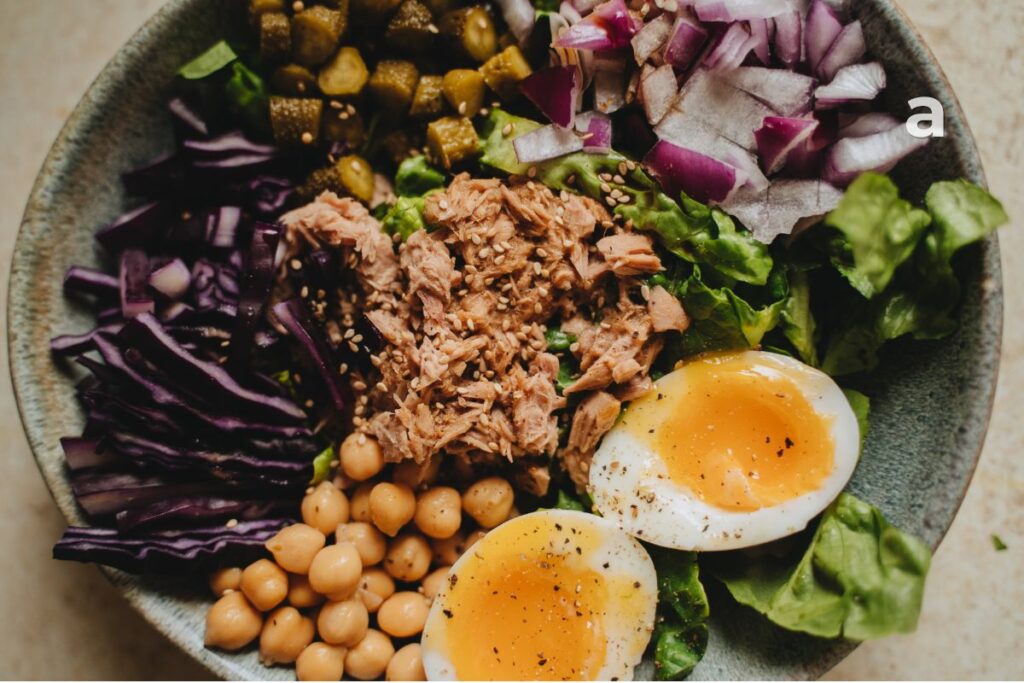
A Simple 7-Day Zinc-Friendly Meal Framework
Day 1
Breakfast: Eggs + whole-grain toast
Lunch: Dal + rice + vegetables
Snack: Pumpkin seeds
Dinner: Paneer + roti + salad
Day 2
Breakfast: Oats + milk + pumpkin seeds
Lunch: Rajma + rice
Snack: Yogurt + nuts
Dinner: Vegetable khichdi + curd
Day 3
Breakfast: Besan chilla + yogurt
Lunch: Chickpea curry + roti
Snack: Roasted chickpeas
Dinner: Fish + vegetables + whole grains
Day 4
Breakfast: Yogurt + oats + seeds
Lunch: Moong dal + rice + salad
Snack: Cashews
Dinner: Chicken + vegetables + roti
Day 5
Breakfast: Eggs + vegetables
Lunch: Chole + rice + salad
Snack: Pumpkin seeds + fruit
Dinner: Dal + paneer + roti
Day 6
Breakfast: Oats + milk + nuts
Lunch: Rajma + brown rice + vegetables
Snack: Yogurt + seeds
Dinner: Fish or paneer + vegetables
Day 7
Breakfast: Besan chilla + curd
Lunch: Mixed dal + rice + vegetables
Snack: Roasted chickpeas
Dinner: Chicken, fish, or legumes + whole grains + salad
This is a general meal framework, not an individualized diet plan. Portion sizes should depend on age, energy needs, dietary preferences, and overall health.
How Zinc Fits Into a Bigger Nutrition Strategy
Zinc is only one part of healthy nutrition.
A strong diet should provide a variety of:
- Protein
- Iron
- Vitamin B12
- Vitamin C
- Vitamin D
- Calcium
- Magnesium
- Fiber
- Healthy fats
This is why nutritional variety beats nutritional obsession.
A Simple Grocery List for Zinc
Plant-Based
- Lentils
- Chickpeas
- Kidney beans
- Pumpkin seeds
- Sesame seeds
- Cashews
- Peanuts
- Oats
- Whole grains
Vegetarian
- Eggs
- Milk
- Yogurt
- Paneer
Non-Vegetarian
- Chicken
- Fish
- Beef where culturally appropriate
- Shellfish
Fortified
- Fortified breakfast cereals
- Fortified plant-based beverages
The Easiest Rule to Remember
You don’t need to memorize every zinc value.
Simply remember:
Include a zinc-rich food in your meals regularly, rotate your sources, and avoid unnecessary high-dose supplements.
For plant-based diets, add one more principle:
Variety + appropriate preparation = better nutritional availability.
Key Takeaway
Getting enough zinc can be surprisingly simple. Include legumes, seeds, nuts, whole grains, eggs, dairy, seafood, poultry, or other zinc-rich foods regularly, depending on your dietary pattern. For plant-based diets, soaking, sprouting, fermentation, and cooking can help improve mineral availability. Most importantly, focus on dietary variety rather than relying on high-dose supplements.
Frequently Asked Questions About Zinc
How much zinc do I need every day?
For adults, the recommended intake is:
Men: 11 mg/day
Women: 8 mg/day
Pregnancy: 11 mg/day
Breastfeeding: 12 mg/day
The adult Upper Intake Level is 40 mg/day from all sources. This is a safety limit, not a daily target.
What are the best zinc-rich foods?
Excellent sources include:
Oysters
Beef
Crab
Poultry
Eggs
Dairy
Pumpkin seeds
Sesame seeds
Chickpeas
Lentils
Beans
Whole grains
Fortified cereals
Animal foods generally provide zinc with greater bioavailability, while plant-based diets can provide adequate zinc with variety and appropriate preparation.
What are the signs of zinc deficiency?
Possible signs include:
Reduced appetite
Changes in taste or smell
Slow wound healing
Skin changes
Hair changes
Impaired growth in children
Increased susceptibility to infections
These symptoms can have many other causes, so they should not be used alone to diagnose zinc deficiency.
Who is most at risk of zinc deficiency?
Higher-risk groups can include:
People with inadequate dietary intake
People following poorly planned restrictive diets
Vegetarians and vegans
People with certain gastrointestinal disorders
People with alcohol use disorder
Children and adolescents
Pregnant or breastfeeding individuals
Can zinc prevent the common cold?
Not reliably.
Some evidence suggests that certain oral zinc lozenges may modestly shorten a common cold when started soon after symptoms appear, but results vary according to formulation, dose, and timing.
This does not mean zinc prevents every cold.
Can zinc cure viral infections?
No.
Zinc supports normal immune function, but it is not a universal treatment or cure for viral illnesses such as the common cold, influenza, or COVID-19.
Is it safe to take zinc every day?
Zinc can be taken daily when there is an appropriate nutritional reason.
However, excessive long-term intake can cause gastrointestinal side effects and interfere with copper absorption.
For adults, total zinc intake should generally remain below the 40 mg/day Upper Intake Level unless a healthcare professional has provided specific guidance.
What happens if you take too much zinc?
Excessive zinc can cause:
Nausea
Vomiting
Stomach cramps
Loss of appetite
Diarrhea
Long-term excessive intake can interfere with copper absorption and potentially contribute to copper deficiency.
Zinc: Food First, Supplements When Needed
For most people, a varied diet remains the best way to obtain zinc.
A practical eating pattern can include:
- Legumes for zinc, protein, iron, and fiber
- Seeds and nuts for zinc, magnesium, and healthy fats
- Eggs and dairy for zinc, protein, and vitamin B12
- Seafood and meat for highly bioavailable zinc and other nutrients
- Fortified foods when useful
Final Thoughts
Zinc may be required in small quantities, but it supports a remarkable range of biological processes—from immune function and wound healing to DNA synthesis, protein production, cell division, growth, and normal development.
The best way to maintain adequate zinc intake is usually straightforward: eat a varied diet containing zinc-rich foods and pay attention to nutritional balance.
For plant-based diets, foods such as lentils, chickpeas, beans, pumpkin seeds, sesame seeds, nuts, and whole grains can contribute zinc, while traditional preparation methods such as soaking, sprouting, and fermentation can improve mineral availability.
Supplements have a role when dietary intake is inadequate or a healthcare professional identifies a specific need. But high-dose zinc is not automatically healthier. Excessive intake can cause gastrointestinal problems and interfere with copper absorption.
The goal is not maximum zinc.
The goal is adequate zinc, consistently obtained through a balanced diet.
Medical Disclaimer
This article is intended for educational and informational purposes only and is not medical advice, diagnosis, or treatment.
Zinc requirements and supplementation needs can vary according to age, pregnancy, breastfeeding, dietary pattern, medications, digestive health, and underlying medical conditions.
If you have persistent symptoms that may indicate a nutritional deficiency—including unexplained appetite changes, taste or smell changes, poor wound healing, hair changes, or impaired growth—consult a qualified healthcare professional.
Do not begin high-dose zinc supplementation or change prescribed medication without appropriate professional guidance.
Authoritative References
1. National Institutes of Health — Office of Dietary Supplements
Zinc — Fact Sheet for Health Professionals
2. National Institutes of Health — Office of Dietary Supplements
Zinc — Fact Sheet for Consumers
3. National Academies of Sciences, Engineering, and Medicine
Dietary Reference Intakes for Zinc
4. MedlinePlus
If this stayed with you, you can support Aarohi here🌿
If this piece stayed with you, you can support Aarohi 🌿
Secure payments via UPI, Cards, Net Banking & PayPal
This is not a transaction, it is an exchange of energy.

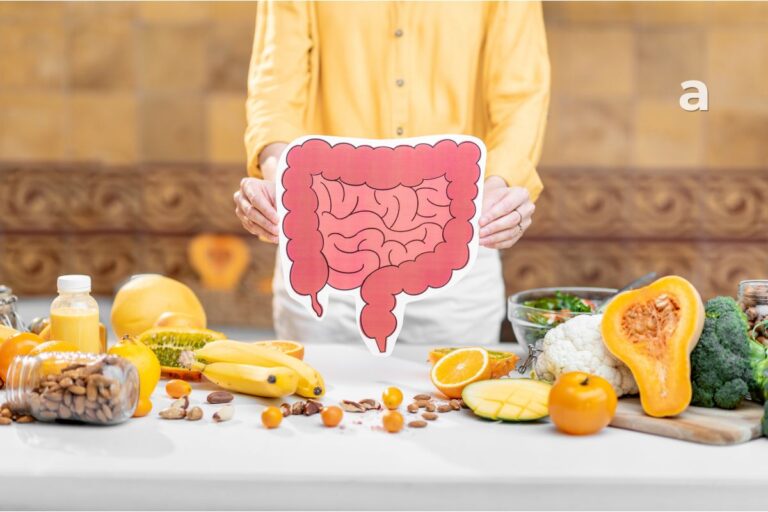


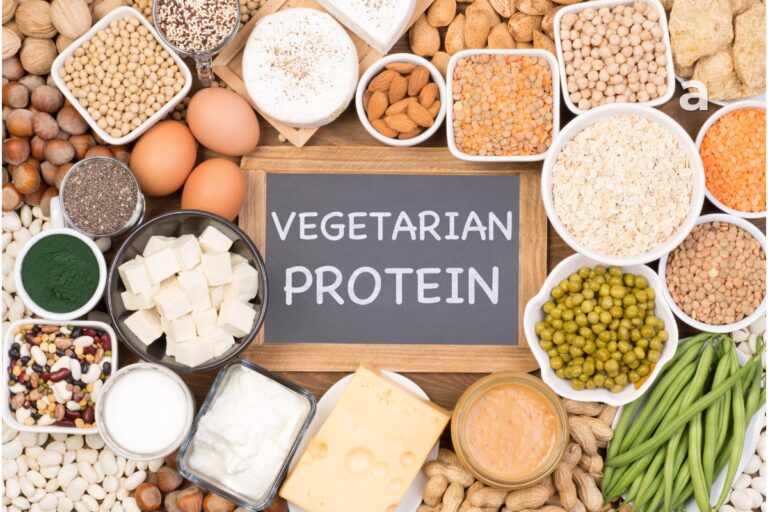
One of the most complete guides on zinc I’ve read. The practical advice, food sources, supplements, and common myths are explained clearly, making it useful for anyone trying to eat healthier.
I really liked the explanation about zinc-rich foods and why our body needs a regular supply. The article makes healthy nutrition feel simple instead of complicated.