
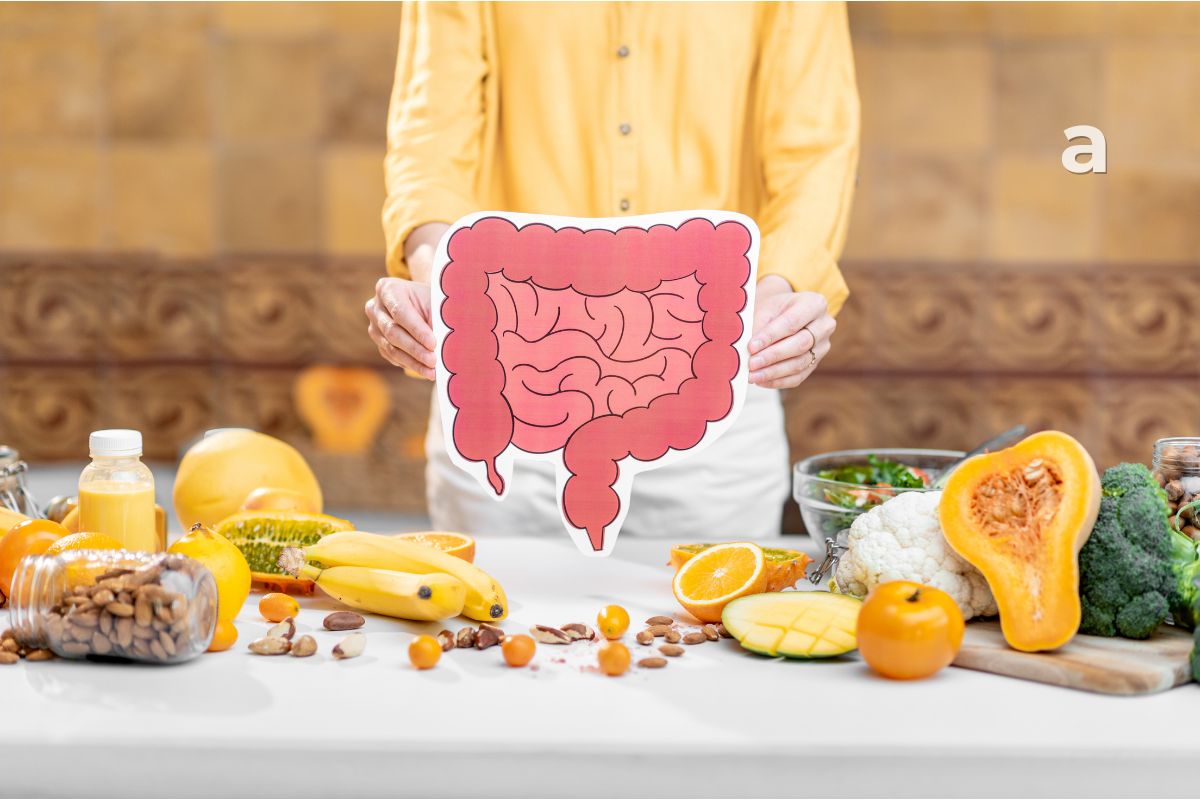
Gut Health: Why It Matters More Than You Think
Your gut does far more than digest the food you eat. It plays a vital role in your immune system, influences how your body absorbs nutrients, communicates with your brain, and even affects your mood and overall well-being. In recent years, scientists have uncovered fascinating evidence showing that a healthy gut is closely linked to better physical and mental health.
Inside your digestive tract lives a vast community of trillions of microorganisms—including bacteria, fungi, and viruses—collectively known as the gut microbiome. While the idea of bacteria may sound alarming, many of these microorganisms are beneficial. They help break down food, produce certain vitamins, support your immune system, and help keep harmful microbes in check.
Modern lifestyles, however, can disrupt this delicate balance. Diets high in ultra-processed foods, chronic stress, inadequate sleep, physical inactivity, excessive alcohol consumption, and unnecessary antibiotic use may all influence the diversity and balance of the gut microbiome. Over time, this imbalance may contribute to digestive discomfort and is an active area of research in relation to broader health.
Taking care of your gut isn’t about following trendy “detoxes” or buying expensive supplements. For most people, it starts with everyday habits—eating a varied, fibre-rich diet, staying hydrated, sleeping well, being physically active, and managing stress.
In this comprehensive guide, you’ll learn:
- What gut health really means
- How the gut microbiome works
- Why gut health affects much more than digestion
- Common signs that may suggest your gut needs attention
- Foods that support a healthy gut
- Everyday habits that can help maintain gut health
- Common myths and misconceptions
- Practical, science-informed tips you can start using today
Whether your goal is to improve digestion, support your immune system, or simply understand how your body works, learning about gut health is an important step toward making informed lifestyle choices.
What Is Gut Health?
When people talk about gut health, they often think only about digestion. In reality, gut health refers to the overall health and function of your gastrointestinal (GI) tract and the balance of the microorganisms that live within it.
Your digestive system is a long, interconnected pathway that begins in your mouth and ends at your large intestine. Along the way, it breaks down food, absorbs nutrients, removes waste, and interacts with nearly every major system in your body.
At the centre of gut health is the gut microbiome—a complex ecosystem of trillions of microorganisms living mainly in the large intestine. This community includes thousands of different species, many of which perform essential tasks that support normal body functions.
A healthy gut microbiome helps:
- Digest certain foods that your body cannot break down on its own
- Produce vitamins such as vitamin K and some B vitamins
- Ferment dietary fibre into beneficial compounds called short-chain fatty acids
- Support the immune system
- Help maintain the protective lining of the intestine
- Limit the growth of potentially harmful microorganisms
Rather than aiming to eliminate bacteria, the goal is to support a diverse and balanced microbiome. Diversity is one of the hallmarks of a healthy gut, and it is influenced by factors such as diet, sleep, physical activity, medications, age, and environment.
Scientists continue to study how the gut microbiome interacts with the rest of the body. While many links between gut health and conditions affecting metabolism, immunity, and mental well-being are still being explored, there is broad agreement that maintaining healthy lifestyle habits supports overall digestive health.
Understanding gut health is not about searching for a quick cure or a single “superfood.” It is about recognising that your digestive system is an active, living ecosystem that benefits from consistent, balanced care over time.
Why Gut Health Is So Important
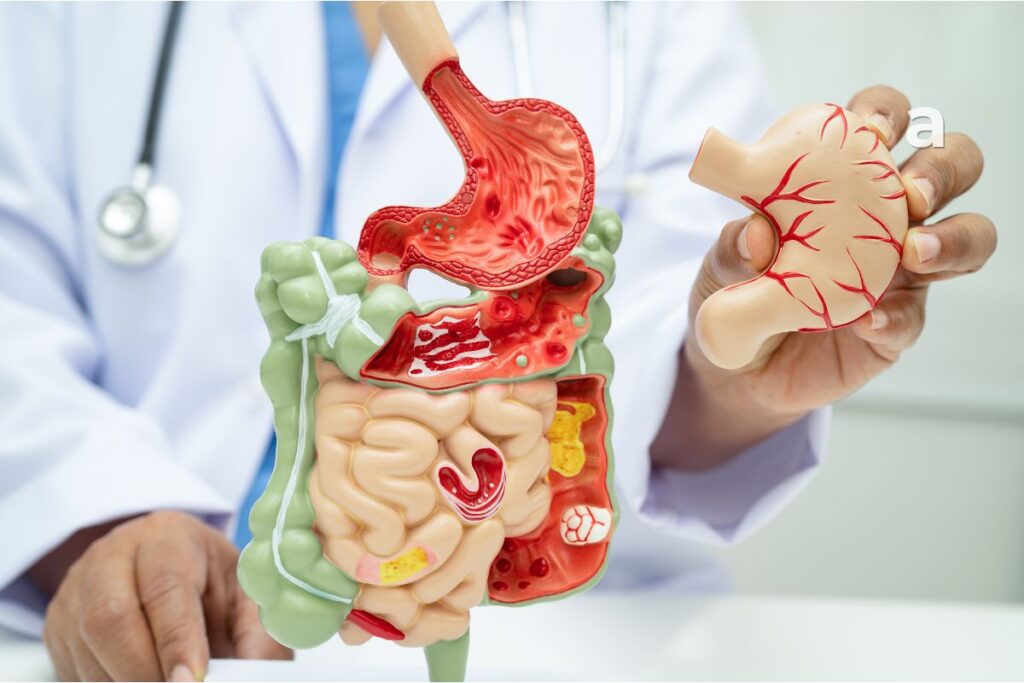
Your gut is often called the foundation of good health, and for good reason. While its primary role is to digest food and absorb nutrients, research has shown that a healthy digestive system influences many other aspects of your well-being—from your immune system and metabolism to your brain and skin.
Rather than working in isolation, your gut constantly communicates with different organs and systems throughout your body. The trillions of microorganisms that make up your gut microbiome help regulate many of these interactions, making gut health an important part of maintaining overall health.
Let’s explore some of the key ways your gut supports your body every day.
1. It Helps Digest Food and Absorb Nutrients
Every meal you eat begins a complex journey through your digestive system. Your stomach, small intestine, and large intestine work together to break down carbohydrates, proteins, fats, vitamins, and minerals into forms your body can absorb and use.
The gut microbiome plays an important supporting role in this process. Certain beneficial bacteria help ferment dietary fibre that your body cannot digest on its own, producing compounds called short-chain fatty acids (SCFAs). These compounds help nourish the cells lining your colon and contribute to maintaining a healthy intestinal environment.
When your digestive system functions well, your body is better able to absorb nutrients such as:
- Iron
- Calcium
- Magnesium
- Vitamin K
- Some B vitamins
- Healthy fats
- Amino acids
Efficient digestion doesn’t just affect your stomach—it supports every organ that depends on these nutrients to function properly.
2. It Supports Your Immune System
One of the most surprising facts about gut health is that a large portion of your immune system is associated with your digestive tract.
Your gut acts as a protective barrier between the outside world and your body’s internal environment. Every day, it encounters food, bacteria, viruses, and other substances that must be carefully managed.
Beneficial gut bacteria help by:
- Supporting normal immune responses
- Helping maintain the intestinal lining
- Competing with potentially harmful microbes
- Producing substances that contribute to a healthy gut environment
A healthy gut doesn’t mean you will never get sick, but maintaining a balanced microbiome is considered an important part of supporting normal immune function.
3. Your Gut and Brain Are Constantly Communicating
Scientists refer to this relationship as the gut-brain axis.
Your digestive system and your brain stay in constant communication through nerves, hormones, and chemical messengers. One of the most important communication pathways is the vagus nerve, which connects the brain directly to several organs, including the digestive tract.
This connection helps explain why emotions can affect digestion. Many people have experienced:
- A “butterflies in the stomach” feeling before a presentation
- Loss of appetite during stressful periods
- Stomach discomfort when feeling anxious
- Digestive changes during emotional events
Researchers are also exploring how the gut microbiome may influence mood, behaviour, and mental well-being. While this area of science continues to evolve, it highlights just how closely connected the gut and brain truly are.
4. A Healthy Gut Helps Maintain the Protective Intestinal Barrier
Your intestines are lined with a thin layer of specialised cells that act as a protective barrier. This lining allows nutrients and water to pass into your bloodstream while helping prevent harmful substances from entering.
A balanced gut microbiome supports the normal function of this barrier.
Lifestyle habits such as eating a varied diet rich in plant foods, staying physically active, sleeping well, and managing stress all contribute to maintaining healthy digestive function and supporting the integrity of this natural protective system.
5. Gut Health Influences Your Metabolism
Your metabolism is the collection of chemical processes that convert food into energy.
Research suggests that the gut microbiome interacts with metabolic processes in several ways, including how the body processes certain nutrients and stores energy. Scientists continue to study these relationships, but maintaining healthy eating habits and a diverse gut microbiome appears to play an important role in overall metabolic health.
Rather than focusing on quick weight-loss solutions, supporting your gut through balanced nutrition may contribute to healthier long-term habits.
6. It Can Affect Your Skin
Your skin and your digestive system are more connected than many people realise.
Researchers are investigating what is often called the gut-skin axis, which explores how gut health may influence skin conditions. While skin concerns have many possible causes—including genetics, hormones, environment, and skincare—overall nutrition and digestive health may also play a role.
Eating a diet rich in whole foods, fruits, vegetables, whole grains, legumes, nuts, and seeds supports both general health and healthy skin as part of an overall healthy lifestyle.
7. Gut Health Supports Healthy Ageing
As we grow older, the diversity of our gut microbiome naturally changes. Healthy lifestyle habits become even more important in maintaining digestive health.
Regular physical activity, a fibre-rich diet, adequate hydration, quality sleep, and a wide variety of plant-based foods may help support a healthy gut microbiome throughout life.
Looking after your gut isn’t only about solving today’s digestive issues—it’s an investment in your long-term health.
The Bigger Picture
Gut health is about much more than avoiding stomach discomfort. It reflects how well your digestive system, gut microbiome, and lifestyle work together to support your overall well-being.
When your gut is functioning well, it helps your body:
- Digest food efficiently
- Absorb essential nutrients
- Support normal immune function
- Communicate with the brain
- Maintain a healthy intestinal barrier
- Support metabolic health
- Contribute to healthy ageing
These benefits don’t come from a single “superfood” or supplement. They are built through consistent daily habits—eating a balanced diet, staying active, managing stress, sleeping well, and making sustainable lifestyle choices.
The Gut Microbiome Explained: Meet the Trillions of Tiny Organisms That Help Keep You Healthy
When people hear the word “bacteria,” they often think of germs that cause illness. However, the human body is home to trillions of microorganisms, many of which are not only harmless but also essential for good health.
Most of these microorganisms live in your large intestine, forming a complex ecosystem known as the gut microbiome. This community includes bacteria, fungi, viruses, and other microbes that work together to support digestion, immunity, and many other bodily functions.
In fact, scientists estimate that the human gut contains trillions of microorganisms representing hundreds of different species. Each person’s microbiome is unique—much like a fingerprint—and is shaped by genetics, diet, lifestyle, medications, environment, and age.
A healthy gut isn’t about having the most bacteria. It’s about having the right balance and diversity of beneficial microorganisms.
What Does the Gut Microbiome Do?
Although these microorganisms are microscopic, they perform remarkable tasks that help keep your body functioning properly.
1. They Help Digest Foods Your Body Can’t Break Down Alone
Your body can digest many nutrients on its own, but certain carbohydrates and fibres reach the large intestine without being fully broken down.
Here, beneficial gut bacteria step in.
They ferment these fibres and produce compounds called short-chain fatty acids (SCFAs), including butyrate, acetate, and propionate.
These compounds help:
- Nourish the cells lining the colon
- Support the intestinal barrier
- Maintain a healthy digestive environment
- Contribute to normal metabolic processes
This is one reason why eating enough dietary fibre is so important—it feeds the beneficial bacteria living in your gut.
2. They Help Produce Certain Vitamins
Your gut bacteria also contribute to the production of several nutrients, including:
- Vitamin K, which plays a role in normal blood clotting and bone health
- Certain B vitamins that support energy metabolism and nervous system function
While these bacteria don’t provide all the vitamins your body needs, they contribute to the body’s overall nutritional ecosystem.
3. They Help Protect Against Harmful Microorganisms
A healthy gut microbiome acts as one of your body’s natural defence systems.
Beneficial bacteria help by:
- Competing with potentially harmful microbes for space and nutrients
- Producing substances that discourage the growth of some unwanted organisms
- Supporting the normal function of your immune system
Think of your gut as a thriving garden. When healthy plants flourish, there’s less room for weeds to take over. Likewise, a diverse and balanced microbiome helps maintain a healthier digestive environment.
4. They Communicate With Your Immune System
Your immune system is constantly learning which microorganisms are helpful and which may pose a threat.
Beneficial gut microbes play an important role in educating and supporting normal immune responses.
Rather than constantly triggering inflammation, a balanced microbiome helps your immune system respond appropriately to everyday challenges while maintaining harmony within the digestive tract.
Scientists continue to study this fascinating relationship, but it’s clear that gut microbes and the immune system are closely connected.
5. They Communicate With Your Brain
One of the most exciting areas of modern research is the gut-brain axis.
Your gut microbiome communicates with your brain through:
- The vagus nerve
- Hormones
- Immune signalling molecules
- Metabolites produced by gut bacteria
Researchers are investigating how these interactions may influence mood, stress responses, sleep, and cognitive function.
While many questions remain, this growing field highlights that caring for your gut may benefit much more than digestion alone.
What Makes a Healthy Gut Microbiome?
A healthy microbiome isn’t defined by one “perfect” type of bacteria. Instead, scientists generally look for three important characteristics:
1. Diversity
The more diverse your gut bacteria, the more resilient your microbiome tends to be.
Eating a wide variety of plant-based foods—including fruits, vegetables, legumes, whole grains, herbs, nuts, and seeds—can help support microbial diversity.
2. Balance
No single type of bacteria should dominate the ecosystem.
Different microbes perform different jobs, and maintaining a balanced community helps support normal digestive and immune function.
3. Stability
A healthy microbiome can adapt to occasional changes—such as travel, illness, or dietary shifts—and gradually return to balance.
Daily healthy habits help build this resilience over time.
What Can Affect Your Gut Microbiome?
Your microbiome changes throughout your life. Some influences are beyond your control, but many are shaped by everyday choices.
Positive influences
- Eating a variety of plant foods
- Consuming adequate dietary fibre
- Regular physical activity
- Good-quality sleep
- Managing stress
- Staying hydrated
Factors that may disrupt balance
- Diets high in ultra-processed foods
- Excess added sugars
- Chronic stress
- Poor sleep habits
- Smoking
- Excessive alcohol intake
- Unnecessary antibiotic use (always take antibiotics only as prescribed by a healthcare professional)
None of these factors works in isolation. Gut health is influenced by your overall lifestyle rather than a single food or habit.
Can You Test Your Gut Microbiome?
In recent years, at-home gut microbiome tests have become increasingly popular.
These tests analyse a stool sample to identify the types of microorganisms present in your gut. While they can provide interesting information, scientists are still learning how best to interpret many of these results for everyday health decisions.
For most healthy people, there’s currently limited evidence that routine microbiome testing leads to better health outcomes. Instead, experts generally recommend focusing on well-established habits such as eating a balanced diet rich in fibre and plant foods, staying active, sleeping well, and managing stress.
Key Takeaway
Your gut microbiome is one of the most remarkable ecosystems in your body. It consists of trillions of microorganisms that quietly work around the clock to help digest food, support your immune system, produce beneficial compounds, and communicate with your brain.
The encouraging news is that you don’t need expensive supplements or complicated routines to support it. Small, consistent habits—such as eating a varied, fibre-rich diet, staying hydrated, being physically active, and getting enough sleep—can help create an environment where beneficial microbes thrive.
Understanding how your microbiome works is the first step toward making informed choices that support your overall health for years to come.
12 Signs Your Gut Health May Need Attention
Your digestive system is constantly working behind the scenes to help your body absorb nutrients, eliminate waste, and support many essential functions. When something disrupts this delicate balance, your body may begin sending signals that deserve your attention.
It’s important to remember that none of the signs below automatically mean you have poor gut health. Many digestive and non-digestive symptoms can have a variety of causes. Persistent, severe, or worsening symptoms should always be discussed with a qualified healthcare professional rather than self-diagnosed.
With that in mind, here are some common signs that may suggest your gut health needs attention.
1. Frequent Bloating
Occasional bloating after a large meal is perfectly normal. However, if you regularly experience abdominal swelling, tightness, or excessive gas—especially after eating—it may indicate that your digestive system isn’t functioning as efficiently as it could.
Possible contributing factors include:
- Eating too quickly
- Low-fibre or high-fat diets
- Food intolerances
- Changes in gut bacteria
- Digestive disorders
If bloating occurs frequently or interferes with your daily life, it’s worth discussing with your healthcare provider.
2. Constipation or Irregular Bowel Movements
Your bowel habits can offer valuable clues about your digestive health.
While “normal” varies from person to person, ongoing constipation, difficulty passing stools, or noticeable changes in bowel habits may signal that your digestive system needs attention.
Common contributing factors include:
- Not eating enough fibre
- Inadequate fluid intake
- Lack of physical activity
- Certain medications
- Stress
- Underlying medical conditions
Simple lifestyle changes often help, but persistent constipation should always be medically evaluated.
3. Frequent Diarrhoea
Occasional diarrhoea due to infections or temporary stomach upset is common.
However, diarrhoea that continues for several days, keeps returning, or is accompanied by weight loss, blood, fever, or severe pain requires prompt medical assessment.
Long-term diarrhoea can affect hydration and nutrient absorption and may indicate an underlying digestive condition.
4. Excessive Gas
Everyone produces gas as part of normal digestion.
However, unusually frequent, painful, or foul-smelling gas—especially when accompanied by bloating or abdominal discomfort—may suggest that certain foods are not being digested efficiently or that changes in your gut microbiome are affecting digestion.
Keeping a food diary can sometimes help identify patterns, particularly if symptoms occur after specific foods.
5. Persistent Heartburn or Acid Reflux
Occasional heartburn after spicy or heavy meals is common.
But if acid reflux becomes frequent, disrupts sleep, or occurs several times each week, it should not be ignored.
Although acid reflux is primarily related to the upper digestive tract rather than the gut microbiome itself, maintaining overall digestive health and seeking appropriate medical care can help manage symptoms effectively.
6. Food Intolerances or Increased Sensitivity to Certain Foods
Some people notice that certain foods consistently cause discomfort, bloating, diarrhoea, or stomach cramps.
Common examples include:
- Dairy products
- Gluten-containing foods
- Artificial sweeteners
- High-fat meals
- Certain fruits and vegetables
Food intolerances are different from food allergies and should not be self-diagnosed without professional guidance. Eliminating major food groups unnecessarily may lead to nutritional deficiencies.
7. Feeling Tired All the Time
Persistent fatigue can have many causes, including poor sleep, stress, nutritional deficiencies, thyroid disorders, anaemia, and chronic illness.
Digestive health may also play a role because your gut is responsible for absorbing many of the nutrients your body needs for energy.
If fatigue is ongoing or unexplained, a healthcare professional can help identify the underlying cause.
8. Frequent Illness
Your digestive tract plays an important role in supporting your immune system.
While no single symptom can predict immune health, frequent infections combined with poor nutrition or digestive problems may warrant a closer look at your overall health and lifestyle habits.
Supporting your gut through balanced nutrition, regular exercise, quality sleep, and stress management contributes to overall immune function.
9. Skin Problems
Researchers continue to explore the connection between digestive health and skin, often referred to as the gut-skin axis.
Some people notice digestive symptoms alongside skin concerns such as:
- Acne
- Eczema
- Rosacea
- Persistent dry skin
However, skin conditions are complex and can also be influenced by genetics, hormones, environment, and skincare habits. Gut health is just one piece of a much larger picture.
10. Unexplained Changes in Weight
Unexpected weight gain or weight loss can result from numerous factors, including changes in diet, physical activity, metabolism, hormones, medications, or underlying medical conditions.
Digestive disorders that affect nutrient absorption may also contribute in some cases.
Any significant or unexplained change in weight should always be discussed with a healthcare professional.
11. Mood Changes and Difficulty Concentrating
The relationship between the gut and the brain is one of the most exciting areas of modern medical research.
Many people notice that digestive symptoms become worse during periods of stress or anxiety.
Researchers are investigating how the gut microbiome may influence brain function through the gut-brain axis. Although this research is still evolving, it’s becoming increasingly clear that digestive health and emotional well-being are closely connected.
Supporting your overall health through healthy eating, physical activity, stress management, and quality sleep benefits both your body and your mind.
12. Poor Sleep
Sleep and gut health appear to influence each other in several ways.
Poor sleep may affect eating habits, hormone regulation, and digestive function, while digestive discomfort can make it harder to get restful sleep.
Building healthy routines—such as eating balanced meals, limiting late-night heavy meals, reducing caffeine close to bedtime, and maintaining a consistent sleep schedule—supports both digestive health and overall well-being.
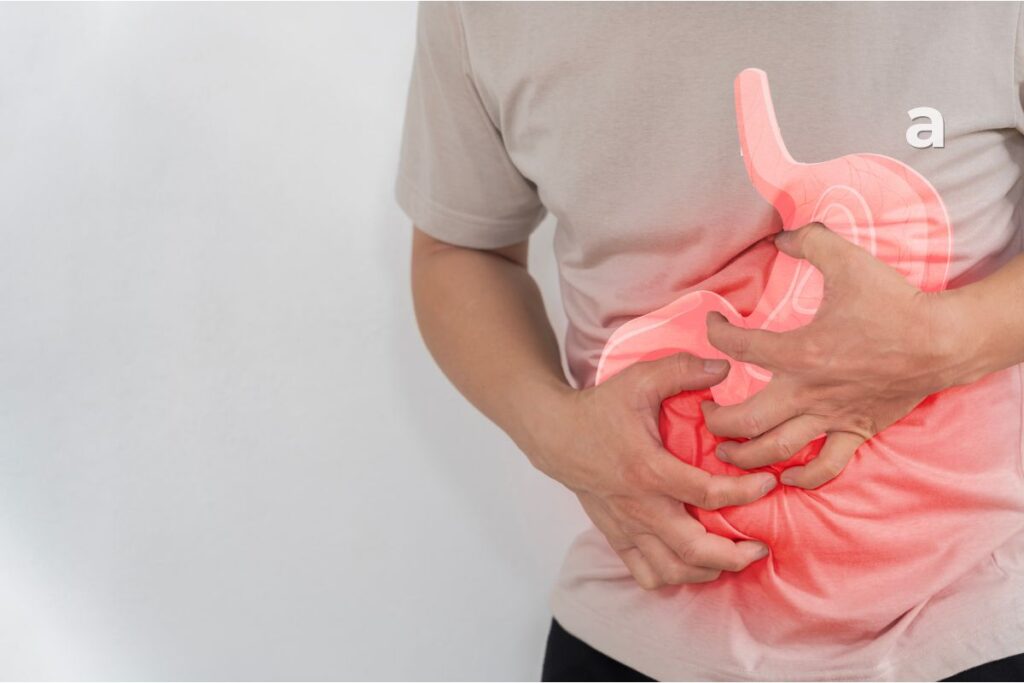
When Should You See a Doctor?
While many digestive symptoms improve with healthy lifestyle changes, some signs should never be ignored.
Seek medical advice if you experience:
- Blood in your stool
- Persistent diarrhoea lasting more than a few days
- Severe or ongoing abdominal pain
- Unexplained weight loss
- Difficulty swallowing
- Persistent vomiting
- High fever with digestive symptoms
- Black or tarry stools
- Symptoms that continue despite healthy lifestyle changes
Early evaluation can help identify conditions that may require medical treatment.
Key Takeaway
Your body often gives subtle clues when something isn’t quite right. Frequent bloating, irregular bowel movements, digestive discomfort, ongoing fatigue, or persistent changes in your overall health may be signals worth paying attention to—but they are not a diagnosis.
Rather than looking for quick fixes or relying on internet trends, focus on the fundamentals: eat a balanced diet rich in whole foods and fibre, stay hydrated, exercise regularly, sleep well, and seek professional medical advice if symptoms persist.
Listening to your body and responding with informed, healthy choices is one of the most effective ways to support your gut—and your overall health.
Common Causes of Poor Gut Health: Everyday Habits That Can Disrupt Your Microbiome
Your gut microbiome is remarkably resilient. Every day, trillions of beneficial microorganisms work together to digest food, support your immune system, and maintain a healthy digestive environment. However, like any ecosystem, it can be influenced by the choices you make each day.
Poor gut health rarely develops because of a single meal or one unhealthy habit. Instead, it often results from consistent lifestyle patterns over weeks, months, or even years. The good news is that many of these factors are within your control.
Let’s explore some of the most common reasons gut health may become unbalanced—and what you can do about them.
1. Eating Too Many Ultra-Processed Foods
Modern diets often rely heavily on packaged snacks, sugary cereals, processed meats, fast food, soft drinks, and ready-to-eat meals. While these foods are convenient, they are frequently high in added sugars, unhealthy fats, sodium, and artificial additives, while being low in dietary fibre.
Since beneficial gut bacteria thrive on fibre-rich foods, a diet dominated by ultra-processed foods may reduce the diversity of your gut microbiome over time.
Instead, aim to include more:
- Fresh fruits
- Vegetables
- Whole grains
- Beans and lentils
- Nuts
- Seeds
These foods provide the fibre and plant compounds that beneficial gut bacteria use as fuel.
2. Not Eating Enough Fibre
Fibre is one of the most important nutrients for maintaining a healthy gut, yet many adults consume less than the recommended amount.
Unlike other nutrients, fibre isn’t fully digested by your body. Instead, it travels to the large intestine, where beneficial bacteria ferment it and produce short-chain fatty acids (SCFAs) that support colon health.
A low-fibre diet may contribute to:
- Constipation
- Reduced microbial diversity
- Slower digestion
- Less production of beneficial compounds
Excellent sources of fibre include:
- Oats
- Apples
- Berries
- Lentils
- Chickpeas
- Brown rice
- Broccoli
- Carrots
- Chia seeds
- Flaxseeds
A varied intake of plant-based foods supports a healthier microbiome than relying on just one or two high-fibre foods.
3. Chronic Stress
Stress doesn’t only affect your mind—it also affects your digestive system.
Have you ever noticed stomach discomfort before an important interview or exam? That’s because your brain and gut are constantly communicating through the gut-brain axis.
Long-term stress may:
- Alter digestive function
- Affect appetite
- Influence gut motility
- Impact the balance of gut microorganisms
While stress is a normal part of life, managing it can support both mental and digestive well-being.
Helpful stress-management strategies include:
- Mindfulness or meditation
- Deep breathing exercises
- Regular physical activity
- Spending time in nature
- Maintaining strong social connections
- Getting adequate sleep
4. Poor Sleep
Sleep is one of the most overlooked factors affecting overall health.
Research suggests that poor sleep and disrupted sleep schedules may influence the gut microbiome, while digestive discomfort can also interfere with restful sleep.
To support both your gut and your sleep:
- Aim for 7–9 hours of quality sleep each night.
- Keep a consistent bedtime and wake-up time.
- Limit screen time before bed.
- Avoid heavy meals immediately before sleeping.
- Create a calm and comfortable sleep environment.
Healthy sleep habits benefit far more than your digestive system—they support your immune system, brain, and overall well-being.
5. Unnecessary or Improper Use of Antibiotics
Antibiotics are life-saving medicines that treat bacterial infections, but they can also affect beneficial bacteria in your gut.
This doesn’t mean antibiotics should be avoided when medically necessary. Instead, they should be used only under the guidance of a qualified healthcare professional and exactly as prescribed.
Never:
- Take antibiotics without a prescription.
- Use leftover antibiotics.
- Stop treatment early unless advised by your healthcare provider.
After completing a prescribed course, maintaining a balanced diet rich in fibre and plant-based foods may help support the recovery of your gut microbiome over time.
6. Not Drinking Enough Water
Hydration supports many aspects of digestion.
Adequate fluid intake helps:
- Move food through the digestive tract
- Support normal bowel movements
- Reduce the risk of constipation
- Maintain overall digestive function
While individual water needs vary depending on age, activity level, climate, and health status, drinking water regularly throughout the day is a simple habit that supports your digestive system.
Remember that fruits, vegetables, soups, and milk also contribute to your daily fluid intake.
7. Physical Inactivity
Regular movement benefits far more than your heart and muscles.
Studies suggest that physically active people often have greater microbial diversity than those with very sedentary lifestyles.
Exercise may also help:
- Improve digestion
- Support bowel regularity
- Reduce stress
- Promote overall metabolic health
You don’t need intense workouts to benefit.
Activities such as:
- Brisk walking
- Cycling
- Swimming
- Yoga
- Gardening
- Dancing
can all contribute to a healthier lifestyle.
Aim for at least 150 minutes of moderate-intensity physical activity each week, as recommended by many public health guidelines.
8. Excess Added Sugar
Many processed foods contain far more added sugar than people realise.
Common hidden sources include:
- Soft drinks
- Sweetened coffee beverages
- Breakfast cereals
- Flavoured yoghurts
- Energy drinks
- Packaged desserts
- Sweet sauces
While enjoying occasional treats is perfectly reasonable, regularly consuming large amounts of added sugar may contribute to an overall dietary pattern that is less supportive of gut health.
Instead, satisfy your sweet cravings with:
- Fresh fruit
- Plain yoghurt with berries
- Nuts
- Homemade smoothies without added sugar
9. Excessive Alcohol Consumption
Alcohol can affect many organs, including the digestive system.
Heavy or frequent alcohol consumption may:
- Irritate the digestive tract
- Affect nutrient absorption
- Influence the balance of gut microorganisms
- Contribute to dehydration
If you drink alcohol, following your country’s low-risk drinking guidelines can help reduce health risks.
10. Smoking
Smoking affects almost every organ in the body, including the digestive system.
Research suggests smoking may:
- Alter the composition of the gut microbiome
- Increase inflammation throughout the body
- Affect digestive function
- Raise the risk of several digestive diseases
Quitting smoking offers significant benefits not only for your gut but also for your heart, lungs, immune system, and overall health.
Healthy Habits Build a Healthy Gut
One unhealthy meal won’t damage your microbiome, just as one healthy meal won’t transform it overnight.
Gut health is built through consistent daily choices, not perfection.
Small habits repeated over time—such as eating more plant-based foods, drinking enough water, sleeping well, staying active, and managing stress—can have a meaningful impact on your digestive health and overall well-being.
Rather than chasing quick fixes or viral wellness trends, focus on creating a balanced lifestyle that you can maintain for years.
Key Takeaway
The health of your gut is shaped by the way you live every day. A diet rich in whole foods and fibre, regular exercise, adequate sleep, proper hydration, and mindful use of medications all contribute to a healthier gut microbiome.
The encouraging news is that many of these habits are simple, affordable, and achievable. Even small, consistent improvements can support your digestive system and help you build a stronger foundation for lifelong health.
12 Science-Backed Ways to Improve Gut Health Naturally
Improving your gut health doesn’t require expensive supplements, restrictive diets, or social media “detox” trends. In fact, the strongest evidence continues to point toward simple, sustainable lifestyle habits that support a diverse and balanced gut microbiome over time.
The key is consistency. Your gut microbiome responds to the choices you make every day—not just once in a while.
Here are 12 practical, science-informed ways to support your gut health naturally.
1. Eat More Fibre Every Day
If there is one nutrient that deserves the spotlight for gut health, it’s dietary fibre.
Unlike proteins, fats, and carbohydrates that are absorbed earlier in digestion, fibre reaches your large intestine where it becomes food for beneficial gut bacteria. As these bacteria ferment fibre, they produce short-chain fatty acids (SCFAs), which help support the health of your colon and maintain a balanced gut environment.
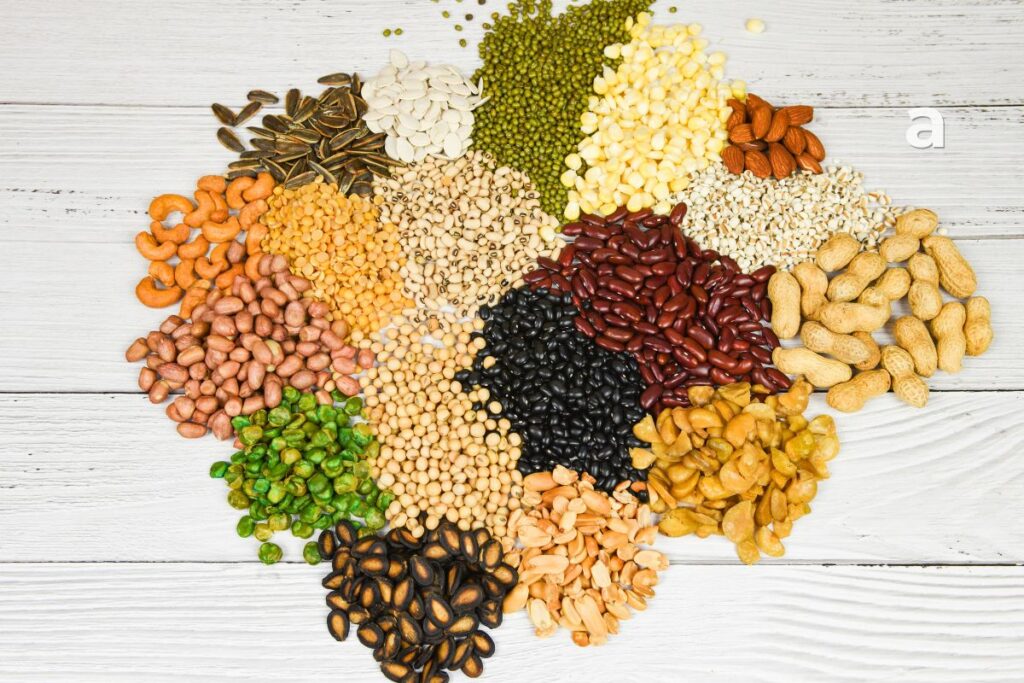
Aim to include a variety of fibre-rich foods each day, such as:
- Whole grains
- Oats
- Lentils
- Chickpeas
- Beans
- Apples
- Berries
- Broccoli
- Carrots
- Nuts
- Seeds
Rather than focusing on one “superfood,” try eating a wide range of plant-based foods throughout the week.
Tip: Increase your fibre intake gradually and drink plenty of water to help your digestive system adjust comfortably.
2. Eat a Wide Variety of Plant Foods
Diversity matters—not just in your gut microbiome, but also on your plate.
Research suggests that people who regularly eat a greater variety of plant foods tend to have a more diverse gut microbiome.
Challenge yourself to include different:
- Fruits
- Vegetables
- Herbs
- Whole grains
- Legumes
- Nuts
- Seeds
Each type of plant provides unique fibres and naturally occurring compounds that nourish different groups of beneficial bacteria.
Think of your meals as an opportunity to “feed your microbiome” with colour and variety.
3. Include Naturally Fermented Foods
Fermented foods contain beneficial microorganisms that may support a healthy gut when consumed as part of a balanced diet.
Examples include:
- Plain yoghurt with live cultures
- Kefir
- Kimchi
- Sauerkraut
- Miso
- Tempeh
These foods can add both flavour and variety to your meals.
If you’re new to fermented foods, introduce them gradually and choose products that contain live cultures whenever possible.
4. Stay Well Hydrated
Water supports nearly every function in your body, including digestion.
Adequate hydration helps:
- Move food through the digestive tract
- Support regular bowel movements
- Reduce the likelihood of constipation
- Maintain overall digestive function
Your hydration needs depend on factors such as age, activity level, climate, and health status.
Remember that hydration comes not only from water but also from foods such as:
- Cucumbers
- Watermelon
- Oranges
- Tomatoes
- Soups
- Milk
A simple habit like carrying a reusable water bottle can help you drink more consistently throughout the day.
5. Prioritise Quality Sleep
Your gut and your sleep influence one another more than many people realise.
Poor sleep may affect appetite regulation, food choices, hormone balance, and digestive function. Likewise, digestive discomfort can interfere with restful sleep.
Healthy sleep habits include:
- Maintaining a regular sleep schedule
- Creating a relaxing bedtime routine
- Limiting caffeine late in the day
- Reducing screen time before bed
- Sleeping in a cool, quiet, and dark room
Most adults benefit from 7–9 hours of quality sleep each night.
6. Manage Stress in Healthy Ways
Stress is a normal part of life, but chronic stress can affect digestion through the gut-brain axis.
During stressful periods, you may notice:
- Changes in appetite
- Bloating
- Stomach discomfort
- Altered bowel habits
While eliminating stress completely isn’t realistic, healthy coping strategies can support both your mental well-being and digestive health.
Consider:
- Meditation
- Deep breathing exercises
- Walking outdoors
- Yoga
- Journaling
- Spending time with family and friends
- Listening to calming music
Even ten minutes of relaxation each day can become a valuable habit.
7. Exercise Regularly
Physical activity benefits your digestive system in several ways.
Regular exercise may help:
- Improve bowel regularity
- Support metabolic health
- Reduce stress
- Encourage a diverse gut microbiome
You don’t need to spend hours in the gym.
Activities such as:
- Brisk walking
- Cycling
- Swimming
- Dancing
- Yoga
- Gardening
all contribute to better overall health.
Aim for at least 150 minutes of moderate-intensity physical activity per week, along with muscle-strengthening activities on two or more days each week, if appropriate for your health and fitness level.
8. Limit Ultra-Processed Foods
Highly processed foods are often low in fibre and high in added sugars, unhealthy fats, and sodium.
Examples include:
- Sugary soft drinks
- Packaged snacks
- Fast food
- Processed meats
- Confectionery
- Ready-to-eat meals
You don’t have to eliminate these foods completely.
Instead, focus on making whole or minimally processed foods the foundation of your daily eating pattern.
Progress—not perfection—is what matters most.
9. Reduce Added Sugar
Added sugars are found in many foods that don’t necessarily taste very sweet.
Examples include:
- Flavoured yoghurts
- Breakfast cereals
- Sauces
- Salad dressings
- Granola bars
- Energy drinks
Rather than eliminating sweetness altogether, choose naturally sweet foods more often, such as:
- Fresh fruit
- Dates
- Plain yoghurt with berries
- Homemade smoothies
Reading food labels can also help you become more aware of hidden sources of added sugar.
10. Use Antibiotics Responsibly
Antibiotics save lives by treating bacterial infections, but they can also affect beneficial bacteria in your gut.
Only take antibiotics:
- When prescribed by a qualified healthcare professional
- Exactly as directed
- For the full recommended course, unless your healthcare provider advises otherwise
Avoid requesting antibiotics for viral illnesses such as the common cold or most cases of influenza, where they are not effective.
11. Avoid Smoking and Limit Alcohol
Both smoking and excessive alcohol consumption can negatively affect many aspects of health, including digestion.
Reducing or quitting smoking and drinking alcohol in moderation can benefit:
- Digestive health
- Heart health
- Liver function
- Immune function
- Overall well-being
If you need support to quit smoking or reduce alcohol consumption, speak with a healthcare professional or local support service.
12. Be Patient and Consistent
Perhaps the most important advice is this:
Healthy gut changes don’t happen overnight.
Your microbiome is constantly adapting to your daily habits.
Instead of searching for a miracle supplement or a seven-day cleanse, focus on building routines you can maintain for months and years.
Small changes—like adding one extra serving of vegetables each day, drinking an extra glass of water, or taking a 20-minute walk after dinner—may seem minor, but over time they can contribute to meaningful improvements in your overall health.
Remember, lasting wellness is built through consistency, not perfection.
Your Daily Gut Health Checklist
Before you finish your day, ask yourself:
✅ Did I eat a variety of fruits and vegetables?
✅ Did I include enough fibre?
✅ Did I drink enough water?
✅ Did I move my body?
✅ Did I manage stress in a healthy way?
✅ Did I get enough sleep—or prepare for a good night’s rest?
You don’t need to check every box every day. The goal is to make these habits part of your lifestyle more often than not.
Key Takeaway
Supporting your gut health doesn’t require complicated rules or expensive products. The most effective approach is also the simplest: eat a varied, fibre-rich diet, stay hydrated, exercise regularly, sleep well, manage stress, and make informed choices about medications and lifestyle habits.
Over time, these everyday actions help create an environment where your gut microbiome can thrive—benefiting not just your digestion, but your overall health and well-being.
The Best Foods for Gut Health: What to Eat (and What to Limit) for a Happier Microbiome
The foods you eat every day have one of the biggest influences on your gut health. Unlike many organs in your body, your gut is in direct contact with everything you consume. Every meal either nourishes your gut microbiome or provides very little support for it.
The good news is that you don’t need an expensive “gut health diet” or complicated meal plan. Research consistently shows that a balanced, varied diet rich in whole, minimally processed foods is one of the most effective ways to support a healthy gut.
Instead of searching for one miracle food, focus on eating a wide range of nutrient-rich foods that work together to nourish your digestive system.
Let’s explore the best foods for your gut—and those you should enjoy more mindfully.
1. High-Fibre Foods: The Favourite Food of Your Gut Bacteria
If your gut microbiome had a favourite nutrient, it would almost certainly be dietary fibre.
Unlike other nutrients, fibre isn’t fully digested in the stomach or small intestine. Instead, it reaches the large intestine, where beneficial bacteria ferment it and produce short-chain fatty acids (SCFAs), which help maintain a healthy digestive environment.
Excellent high-fibre foods include:
Whole Grains
- Oats
- Brown rice
- Quinoa
- Whole wheat
- Barley
- Millets
Legumes
- Lentils
- Chickpeas
- Kidney beans
- Black beans
- Peas
Fruits
- Apples
- Pears
- Berries
- Oranges
- Bananas
- Kiwi
Vegetables
- Broccoli
- Spinach
- Carrots
- Brussels sprouts
- Sweet potatoes
- Beetroot
Nuts & Seeds
- Almonds
- Walnuts
- Chia seeds
- Flaxseeds
- Pumpkin seeds
- Sunflower seeds
Aim to “eat the rainbow.” Different coloured fruits and vegetables contain different fibres and plant compounds that support a more diverse gut microbiome.
2. Fermented Foods
Fermented foods naturally contain beneficial microorganisms that may contribute to a healthy gut when eaten as part of a balanced diet.
Examples include:
- Plain yoghurt with live cultures
- Kefir
- Kimchi
- Sauerkraut
- Miso
- Tempeh
Choose products with live and active cultures and be mindful that some commercial varieties can be high in added sugar or sodium.
3. Prebiotic Foods
Think of prebiotics as food for your beneficial gut bacteria.
Prebiotic fibres help nourish the microorganisms already living in your digestive system.
Excellent prebiotic foods include:
- Garlic
- Onions
- Leeks
- Asparagus
- Chicory root
- Jerusalem artichokes
- Green bananas
- Oats
- Apples
Including prebiotic-rich foods regularly can help support the growth of beneficial bacteria.
4. Fruits and Vegetables
Health experts around the world encourage eating more fruits and vegetables—and your gut microbiome agrees.
They provide:
- Fibre
- Vitamins
- Minerals
- Antioxidants
- Polyphenols (natural plant compounds)
These nutrients help create an environment where beneficial bacteria can thrive.
A simple goal is to include at least five servings of fruits and vegetables each day, while aiming for as much variety as possible throughout the week.
5. Healthy Protein Sources
Protein is essential for repairing tissues, maintaining muscles, and supporting overall health.
Choose a variety of protein sources such as:
Plant Proteins
- Lentils
- Chickpeas
- Beans
- Soy products
- Tofu
- Tempeh
Animal Proteins
- Fish
- Eggs
- Chicken
- Turkey
- Plain yoghurt
Plant proteins have the added benefit of providing fibre, making them especially valuable for gut health.
6. Healthy Fats
Healthy fats support many body functions and are an important part of a balanced diet.
Good choices include:
- Olive oil
- Avocados
- Nuts
- Seeds
- Fatty fish like salmon, sardines, and mackerel
These foods provide healthy unsaturated fats and other nutrients that contribute to overall wellness.
7. Plenty of Water
Water is often overlooked when discussing nutrition.
Adequate hydration helps:
- Support digestion
- Maintain regular bowel movements
- Prevent constipation
- Support overall digestive function
Carry a reusable water bottle and sip water throughout the day instead of waiting until you feel thirsty.
Foods to Enjoy in Moderation
No single food will “ruin” your gut health. What matters most is your overall eating pattern over time.
However, some foods are best enjoyed less often because diets high in these foods are generally associated with lower dietary quality.
Highly Processed Snacks
Examples include:
- Potato crisps
- Packaged biscuits
- Sugary breakfast cereals
- Instant noodles
These foods are often low in fibre and high in salt, added sugars, or unhealthy fats.
Sugary Drinks
Regularly drinking:
- Soft drinks
- Sweetened fruit drinks
- Energy drinks
can contribute excess added sugars without providing many nutrients.
Choose water, sparkling water, or unsweetened beverages more often.
Processed Meats
Examples include:
- Sausages
- Bacon
- Salami
- Hot dogs
These foods can be high in sodium and preservatives. If you eat them, try to keep portions moderate and balance them with plenty of vegetables and whole grains.
Deep-Fried Foods
Deep-fried foods can be enjoyed occasionally, but eating them frequently may contribute to a dietary pattern that is less supportive of long-term health.
Whenever possible, consider baking, grilling, steaming, or roasting instead.
Excess Alcohol
Heavy alcohol consumption can affect digestion and overall health.
If you choose to drink alcohol, following your country’s low-risk drinking guidelines is generally recommended.
What About Probiotic Supplements?
Probiotic supplements are widely available, but they are not a one-size-fits-all solution.
Different probiotic strains have different effects, and not everyone needs a supplement.
For many healthy people, a balanced diet that includes fibre-rich and fermented foods is a good place to start. If you’re considering probiotics for a specific health concern, it’s best to discuss this with a healthcare professional, who can advise whether a particular product is appropriate for your situation.
Build a Gut-Friendly Plate
A simple way to support your gut at each meal is to include:
🥗 Half your plate: Colourful vegetables and fruit
🌾 One-quarter: Whole grains or other high-fibre carbohydrates
🥩 One-quarter: Lean protein or plant-based protein
🥜 Add: Healthy fats such as nuts, seeds, or olive oil
💧 Drink: Water alongside your meal
This balanced approach provides fibre, protein, healthy fats, vitamins, and minerals—all of which contribute to overall digestive health.
Quick Reference Guide
| Eat More Often | Enjoy in Moderation |
|---|---|
| Fruits | Sugary drinks |
| Vegetables | Ultra-processed snacks |
| Whole grains | Deep-fried foods |
| Beans & lentils | Processed meats |
| Nuts & seeds | Foods high in added sugar |
| Fermented foods | Excess alcohol |
| Plain yoghurt | Highly refined grains |
| Water | Sugar-sweetened desserts |
Key Takeaway
There is no single “perfect” gut health food. The strongest evidence points to a balanced, varied diet rich in whole plant foods, fibre, lean proteins, healthy fats, and fermented foods, combined with adequate hydration and healthy lifestyle habits.
Rather than chasing the latest superfood or restrictive diet, focus on consistency. Every nourishing meal is an opportunity to support the trillions of beneficial microorganisms that help keep your digestive system—and your body—working at its best.
Gut Health Myths vs. Facts: Separating Science from Social Media
Gut health has become one of the most talked-about wellness topics in recent years. Scroll through social media, and you’ll find countless claims about miracle supplements, detox drinks, expensive tests, and “one-week gut reset” programmes that promise dramatic results.
While some advice is based on scientific evidence, much of it is oversimplified, exaggerated, or simply incorrect.
Understanding the difference between myths and evidence-based facts can help you make informed decisions and avoid wasting time, money, and effort on approaches that are unlikely to benefit your health.
Let’s separate fact from fiction.
Myth 1: Everyone Needs a Probiotic Supplement
❌ Myth
“If you want a healthy gut, you must take probiotics every day.”
✅ Fact
Probiotics can be helpful in certain situations, but they are not necessary for everyone.
Different probiotic products contain different strains of bacteria, and each strain may have different effects. Some have evidence supporting their use for specific conditions, while others have very limited research.
For many healthy adults, a balanced diet that includes:
- Fibre-rich foods
- Fruits
- Vegetables
- Whole grains
- Fermented foods
provides excellent support for gut health without the need for routine supplementation.
If you’re considering probiotics for a medical condition, consult your healthcare professional rather than relying on marketing claims.
Myth 2: Detoxes and Juice Cleanses Can “Clean” Your Gut
❌ Myth
“A three-day detox will remove toxins from your gut.”
✅ Fact
Your body already has highly effective systems for removing waste and harmful substances.
Your:
- Liver
- Kidneys
- Digestive system
- Skin
- Lungs
work continuously to perform these functions.
There is no strong scientific evidence that commercial detox teas, juice cleanses, or expensive detox programmes “clean” the gut or improve the microbiome in healthy individuals.
Instead of detoxing, focus on supporting your body’s natural processes by:
- Eating a balanced diet
- Drinking enough water
- Being physically active
- Sleeping well
- Limiting alcohol
- Not smoking
These habits are far more beneficial than short-term cleanses.
Myth 3: All Bacteria Are Bad
❌ Myth
“Bacteria cause disease, so we should eliminate them.”
✅ Fact
Only a small proportion of bacteria are harmful.
Your body naturally contains trillions of beneficial bacteria that play essential roles in:
- Digestion
- Immune function
- Vitamin production
- Gut barrier maintenance
- Metabolism
Without these beneficial microorganisms, your digestive system would not function as effectively.
The goal is balance, not sterilisation.
Myth 4: You Can Repair Your Gut in a Week
❌ Myth
“Fix your gut in just seven days.”
✅ Fact
Gut health is built gradually through consistent habits.
Although dietary changes can begin influencing the gut microbiome within days, creating lasting, meaningful improvements generally takes much longer.
Think of your gut like a garden.
You cannot grow a healthy garden by watering it once.
Instead, healthy plants flourish through regular care over weeks, months, and years.
The same principle applies to your microbiome.
Myth 5: You Should Eliminate Entire Food Groups
❌ Myth
“Everyone should avoid gluten, dairy, or carbohydrates.”
✅ Fact
Unless you have a medically diagnosed allergy, intolerance, or health condition that requires dietary restrictions, eliminating major food groups unnecessarily can make it harder to obtain important nutrients.
Healthy eating is about balance, variety, and personal needs, not following restrictive trends.
If you suspect a food intolerance, seek guidance from a qualified healthcare professional or registered dietitian rather than self-diagnosing.
Myth 6: Expensive Gut Tests Tell You Everything About Your Health
❌ Myth
“One microbiome test will reveal exactly what you should eat.”
✅ Fact
At-home microbiome testing is an exciting area of research, but scientists are still learning how to interpret many of these results.
While these tests can provide interesting information about the microorganisms in your gut, there is currently limited evidence that routine testing improves health outcomes for most healthy individuals.
For now, the strongest recommendations remain remarkably simple:
- Eat a varied, fibre-rich diet.
- Stay physically active.
- Sleep well.
- Manage stress.
- Stay hydrated.
These habits benefit nearly everyone, regardless of the exact composition of their microbiome.
Myth 7: More Fibre Is Always Better
❌ Myth
“The more fibre you eat, the healthier your gut becomes.”
✅ Fact
Fibre is essential, but increasing it too quickly can cause:
- Bloating
- Gas
- Abdominal discomfort
Especially if your current diet is low in fibre.
The best approach is to increase fibre gradually while drinking plenty of water, allowing your digestive system time to adapt.
Quality and variety matter just as much as quantity.
Myth 8: Gut Health Only Affects Digestion
❌ Myth
“If I don’t have stomach problems, my gut must be healthy.”
✅ Fact
Your gut influences much more than digestion.
Research has shown that the gut is closely connected with:
- Immune function
- Nutrient absorption
- Metabolism
- The gut-brain axis
- Overall well-being
However, it’s important not to assume that every health problem originates in the gut. Many conditions have multiple contributing factors, and gut health is just one part of a much bigger picture.
Myth 9: One “Superfood” Can Transform Your Gut
❌ Myth
“If I eat one particular food every day, my gut will become healthy.”
✅ Fact
No single food has the power to transform your microbiome.
Gut health depends on your overall dietary pattern, not one ingredient.
Rather than searching for miracle foods, aim for:
- Variety
- Colourful fruits and vegetables
- Whole grains
- Legumes
- Healthy fats
- Lean proteins
- Fermented foods
- Adequate hydration
It’s the combination of these habits that supports long-term health.
Myth 10: Gut Health Is Only About Food
❌ Myth
“What I eat is the only thing that matters.”
✅ Fact
Diet is incredibly important, but it’s only one piece of the puzzle.
Your gut health is also influenced by:
- Sleep quality
- Stress levels
- Physical activity
- Smoking
- Alcohol consumption
- Certain medications
- Age
- Genetics
- Overall lifestyle
Taking care of your gut means taking care of your whole body.
Evidence-Based Habits Always Beat Health Trends
Health trends come and go.
One year it’s celery juice.
The next it’s charcoal drinks, extreme fasting, or expensive supplements.
Scientific recommendations, however, remain surprisingly consistent.
The strongest evidence continues to support habits such as:
✅ Eating plenty of fruits and vegetables
✅ Choosing whole grains
✅ Getting enough dietary fibre
✅ Drinking enough water
✅ Exercising regularly
✅ Sleeping 7–9 hours
✅ Managing stress
✅ Avoiding smoking
These simple habits may not be as exciting as viral wellness trends, but they are far more likely to support your long-term health.
Key Takeaway
When it comes to gut health, it’s easy to be influenced by persuasive marketing and social media advice. However, lasting health rarely comes from quick fixes or miracle products.
The best approach is grounded in science: eat a varied, balanced diet, stay active, sleep well, manage stress, and seek professional medical advice when needed.
Remember, your gut doesn’t need perfection—it needs consistent care. By focusing on evidence-based habits instead of myths, you’ll build a healthier foundation not just for your digestive system, but for your overall well-being.
Final Thoughts
Your gut is much more than a digestive organ—it’s a complex ecosystem that plays an important role in your overall health. While there’s still much to learn about the gut microbiome, one message is consistently supported by scientific research: small, sustainable lifestyle choices matter more than quick fixes.
You don’t need a perfect diet or expensive supplements to support your gut. Start with simple changes:
- Add an extra serving of vegetables to your meals.
- Choose whole grains more often.
- Drink enough water throughout the day.
- Stay physically active.
- Prioritise sleep.
- Find healthy ways to manage stress.
Over time, these everyday habits can help create a healthier digestive system and support your long-term well-being.
Remember, lasting health is built one choice at a time. Your gut—and the rest of your body—will thank you for it.
References
For readers who want to explore further, the information in this article aligns with guidance and research from internationally recognised organisations, including:
- World Health Organization (WHO)
- Harvard T.H. Chan School of Public Health
- National Institutes of Health (NIH)
- Academy of Nutrition and Dietetics
- British Dietetic Association
- American Gastroenterological Association
Medical Disclaimer: This article is intended for educational purposes only and should not be considered medical advice. It does not diagnose, treat, cure, or prevent any disease. If you have persistent digestive symptoms, severe abdominal pain, unexplained weight loss, blood in your stool, or any other concerning health issues, consult a qualified healthcare professional for evaluation and personalised care.
Continue Reading
- The Power of Slow Living (stress reduction and its impact on health)
- Digital Detox: A Simple Guide for Mental Clarity (gut-brain connection and reducing stress)
- The Art of Doing Nothing (rest, recovery, and nervous system health)
- How to Feel Like Yourself Again (overall well-being and recovery)
- You’re Not Lazy, You’re Just Overstimulated (stress, nervous system, and lifestyle balance)
Frequently Asked Questions (FAQs) About Gut Health
Gut health is a topic that raises many questions, especially with so much information circulating online. Below are evidence-based answers to some of the most common questions people ask about maintaining a healthy digestive system.
What is gut health?
Gut health refers to the overall health and function of your digestive system, particularly the balance of microorganisms living in your gastrointestinal tract, known as the gut microbiome.
A healthy gut helps your body:
Digest food efficiently
Absorb essential nutrients
Support immune function
Maintain the intestinal barrier
Produce certain vitamins
Communicate with the brain through the gut-brain axis
Good gut health is supported by a balanced diet, regular physical activity, adequate sleep, hydration, and healthy lifestyle habits.
What are the signs of poor gut health?
Symptoms vary from person to person, but some common signs include:
Frequent bloating
Constipation or diarrhoea
Excessive gas
Acid reflux
Food intolerances
Persistent fatigue
Poor sleep
Frequent illness
Mood changes
Skin concerns
These symptoms can also be caused by many other health conditions. Persistent or severe symptoms should always be evaluated by a healthcare professional.
How can I improve my gut health naturally?
Supporting your gut naturally starts with consistent daily habits, including:
Eating more fruits and vegetables
Choosing whole grains
Increasing dietary fibre
Including fermented foods
Drinking enough water
Exercising regularly
Sleeping 7–9 hours each night
Managing stress
Avoiding smoking
Limiting alcohol consumption
There is no single food or supplement that can replace these healthy lifestyle habits.
What foods are best for gut health?
A gut-friendly diet focuses on a variety of whole, minimally processed foods.
Some of the best choices include:
Fruits
Vegetables
Whole grains
Beans and lentils
Nuts and seeds
Plain yoghurt with live cultures
Kefir
Kimchi
Sauerkraut
Olive oil
Fatty fish
Eating a diverse range of plant-based foods helps nourish beneficial gut bacteria.
Are probiotics necessary for everyone?
No.
While probiotics may be helpful for certain individuals or specific medical conditions, they are not recommended as a routine supplement for everyone.
Many healthy people can support their gut microbiome through a balanced diet rich in fibre and fermented foods.
If you’re considering probiotic supplements, consult a qualified healthcare professional for personalised advice.
How long does it take to improve gut health?
There is no fixed timeline.
Some dietary changes can begin influencing the gut microbiome within days, but meaningful improvements in overall gut health usually depend on maintaining healthy habits over weeks and months.
Consistency matters far more than quick fixes or short-term diets.
Can stress affect gut health?
Yes.
Your brain and digestive system communicate continuously through the gut-brain axis.
Chronic stress may affect digestion, appetite, bowel habits, and overall digestive comfort.
Managing stress through relaxation techniques, exercise, adequate sleep, and mindfulness can benefit both your mental well-being and your digestive health.
Does drinking more water improve gut health?
Adequate hydration supports normal digestion by helping food move through the digestive tract and reducing the likelihood of constipation.
While water alone won’t transform your gut microbiome, staying well hydrated is an important part of maintaining overall digestive health.
Your individual fluid needs depend on factors such as age, activity level, climate, and overall health.
Is gut health connected to mental health?
Researchers continue to study the relationship between the gut microbiome and the brain through the gut-brain axis.
There is growing evidence that these systems communicate closely through nerves, hormones, immune signals, and microbial metabolites.
However, mental health is influenced by many factors—including genetics, life experiences, environment, sleep, and physical health. Gut health is one important piece of this complex picture, but it is not the sole determinant.
Can antibiotics affect gut health?
Yes.
Antibiotics can reduce harmful bacteria that cause infections, but they may also temporarily affect beneficial bacteria living in the gut.
This is why antibiotics should only be used when prescribed by a qualified healthcare professional and taken exactly as directed.
After completing a prescribed course, returning to a balanced, fibre-rich eating pattern can help support your gut microbiome over time.
If this stayed with you, you can support Aarohi here🌿
If this piece stayed with you, you can support Aarohi 🌿
Secure payments via UPI, Cards, Net Banking & PayPal
This is not a transaction, it is an exchange of energy.




A wonderful reminder that lasting health comes from consistency rather than quick fixes. The sections on the gut microbiome and everyday lifestyle choices were especially helpful.
I never realised how closely gut health is connected to immunity, mood, and energy. This article has encouraged me to pay more attention to my daily habits. Thank you for such an informative and thoughtful guide.