
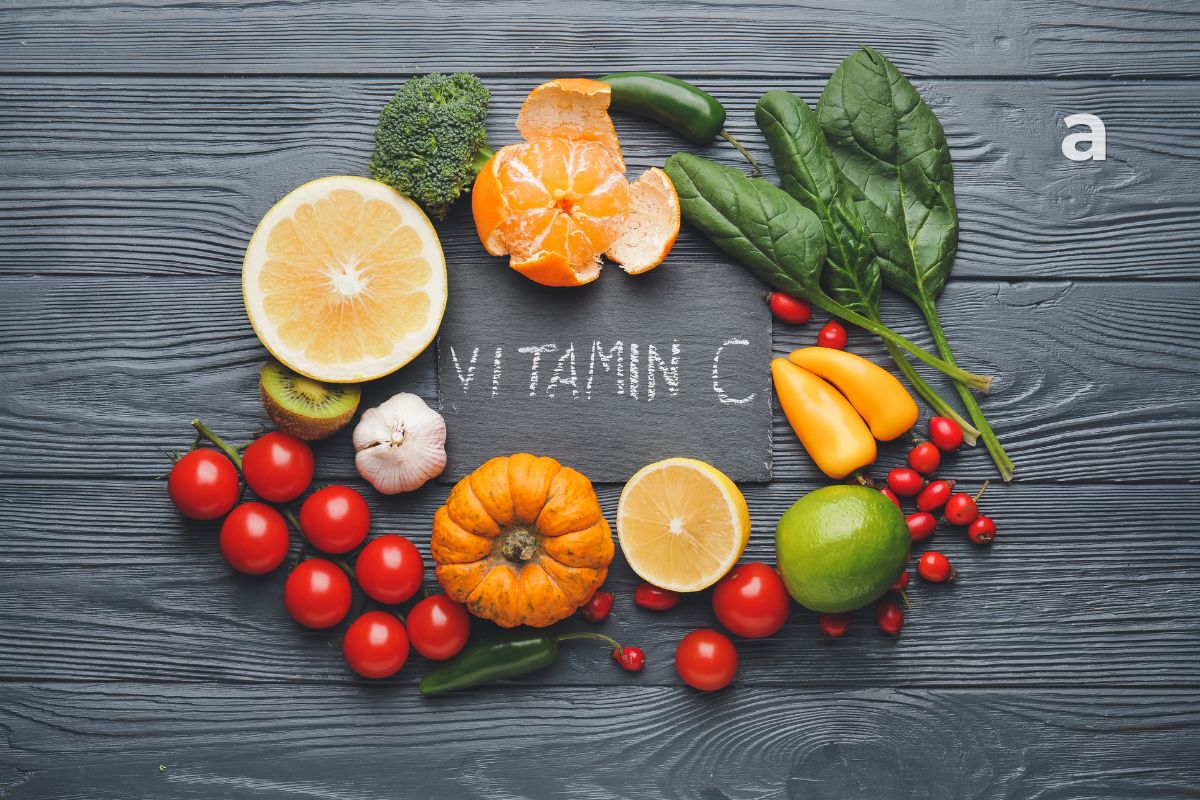
Vitamin C Benefits: Best Foods, Daily Needs & Health Benefits
Vitamin C is one of the best-known vitamins, yet many people associate it only with oranges or the common cold. In reality, vitamin C plays a much broader role in maintaining overall health. It supports collagen production, helps the body absorb iron from plant-based foods, protects cells from oxidative stress, contributes to normal immune function, and is essential for the growth and repair of tissues throughout the body.
Also known as ascorbic acid, vitamin C is a water-soluble vitamin. Unlike most animals, humans cannot produce vitamin C on their own, and because the body stores only limited amounts, it must be obtained regularly through food or dietary supplements when appropriate.
Vitamin C benefits people at every stage of life. It supports healthy skin by helping the body produce collagen, contributes to wound healing, maintains healthy bones, cartilage, teeth, and blood vessels, and enhances the absorption of non-heme iron from plant foods. It also acts as an antioxidant, helping protect cells from damage caused by free radicals generated during normal metabolism and exposure to environmental factors.
Vitamin C is naturally abundant in many fruits and vegetables, including:
- Oranges
- Guava
- Kiwi
- Strawberries
- Bell peppers
- Broccoli
- Tomatoes
- Papaya
- Citrus fruits
- Leafy green vegetables
A varied diet rich in colorful fruits and vegetables usually provides enough vitamin C for most healthy adults.
Although vitamin C deficiency is less common today than in the past, it can still occur in people with very limited diets, certain medical conditions that reduce nutrient absorption, or increased nutritional needs. Severe deficiency leads to scurvy, a condition characterized by fatigue, poor wound healing, bleeding gums, and other health problems.
The good news is that maintaining healthy vitamin C levels is usually straightforward through balanced nutrition, and supplements may be useful in specific situations when recommended by a healthcare professional.
In this comprehensive guide, you’ll learn:
- What vitamin C is and why your body needs it
- The science-backed benefits of vitamin C
- Recommended daily vitamin C intake
- The best vitamin C-rich foods
- Common signs and causes of vitamin C deficiency
- Who is most at risk
- How vitamin C supports collagen production and immune function
- Whether vitamin C supplements are necessary
- Common myths and frequently asked questions
- Practical ways to increase your vitamin C intake naturally
Rather than relying on marketing claims or internet myths, this guide explains what current scientific evidence says about vitamin C and how you can apply that knowledge in everyday life.
Vitamin C Benefits: Why This Essential Vitamin Matters
Vitamin C is an essential water-soluble vitamin that your body needs for numerous biological functions.
It helps:
- Produce collagen
- Support healthy skin
- Promote wound healing
- Maintain bones, cartilage, teeth, and blood vessels
- Support normal immune function
- Enhance iron absorption
- Protect cells from oxidative stress
Because your body cannot make or store large amounts of vitamin C, it must be consumed regularly through foods or supplements when appropriate.
Why Vitamin C Matters
Every day, your body repairs tissues, produces new cells, heals minor injuries, and protects itself from normal metabolic stress.
Vitamin C contributes to many of these processes by supporting:
- Collagen synthesis
- Healthy connective tissues
- Antioxidant defenses
- Normal immune function
- Iron absorption
- Tissue repair
Without enough vitamin C, these processes become less efficient, which is why maintaining adequate intake is important throughout life.
How Vitamin C Works Inside Your Body
Vitamin C follows a different pathway from fat-soluble vitamins because it dissolves in water and is not stored in significant amounts.
Step 1: You Eat Vitamin C-Rich Foods
Vitamin C enters your body through fruits, vegetables, fortified foods, or supplements.
Step 2: It Is Absorbed in the Small Intestine
After digestion, vitamin C is absorbed through the small intestine and enters the bloodstream, where it is transported to tissues that require it.
Step 3: Cells Use Vitamin C
Cells throughout the body use vitamin C to:
- Build collagen
- Support antioxidant defenses
- Aid wound healing
- Assist iron absorption
- Support normal immune function
Step 4: Excess Is Removed
Because vitamin C is water-soluble, excess amounts that the body does not need are generally excreted in the urine rather than stored for long periods. This is why regular dietary intake is important.
Vitamin C Is More Than an “Immunity Vitamin”
Many people think vitamin C is only important during cold and flu season.
In reality, it contributes to:
- Healthy skin
- Blood vessel health
- Bone and cartilage maintenance
- Collagen production
- Iron absorption
- Antioxidant protection
- Normal immune function
Its role extends far beyond supporting the immune system.
Food First, Supplements When Needed
For most healthy people, the best way to obtain vitamin C is through a balanced diet rich in fruits and vegetables.
Supplements can be helpful for individuals who have difficulty meeting their daily needs or have increased requirements, but they should complement—not replace—a nutritious eating pattern.
Key Takeaway
Vitamin C is an essential water-soluble vitamin that supports collagen production, healthy skin, tissue repair, iron absorption, antioxidant protection, and normal immune function. Because the body cannot produce or store large amounts of vitamin C, regular intake through fruits, vegetables, fortified foods, or supplements when medically appropriate is an important part of maintaining long-term health.
Science-Backed Vitamin C Benefits
Vitamin C is much more than a vitamin associated with oranges or seasonal immunity.
As an essential water-soluble vitamin, vitamin C supports collagen production, antioxidant protection, healthy skin, normal immune function, wound healing, iron absorption, and healthy connective tissues. Every day, your body uses vitamin C to help maintain and repair tissues while protecting cells from oxidative damage.
Let’s explore the most well-established vitamin C benefits supported by current scientific evidence.
1. Supports Normal Immune Function
One of the best-known vitamin C benefits is its role in supporting the immune system.
Vitamin C contributes to the normal function of several types of immune cells and helps maintain the body’s natural defense mechanisms.
It supports:
- White blood cell function
- Skin as a protective barrier
- Normal inflammatory response
- Immune cell communication
Although vitamin C is important for immune health, taking large doses does not prevent every illness or replace healthy lifestyle habits.
2. Helps Produce Collagen
Vitamin C is essential for the production of collagen, one of the body’s most abundant structural proteins.
Collagen helps maintain:
- Skin
- Bones
- Cartilage
- Blood vessels
- Tendons
- Ligaments
- Teeth
- Gums
Without adequate vitamin C, normal collagen formation cannot occur efficiently.
3. Supports Healthy Skin
Healthy skin depends on healthy collagen.
Vitamin C contributes to:
- Skin structure
- Skin elasticity
- Tissue repair
- Normal wound healing
Because of its antioxidant properties, vitamin C also helps protect skin cells from oxidative stress caused by normal metabolism and environmental exposure.
4. Promotes Wound Healing
Whenever the body repairs damaged tissue, collagen is required.
Vitamin C supports:
- Tissue repair
- Formation of new connective tissue
- Healing of cuts and minor injuries
Adequate vitamin C intake is therefore an important part of normal wound healing.
5. Improves Iron Absorption
One of vitamin C’s most valuable nutritional roles is helping the body absorb non-heme iron from plant-based foods.
This is especially beneficial for people who consume:
- Lentils
- Beans
- Spinach
- Chickpeas
- Whole grains
Simple food combinations include:
- Lentils + lemon
- Spinach + oranges
- Chickpeas + tomatoes
- Rajma + bell peppers
6. Acts as a Powerful Antioxidant
Vitamin C functions as an antioxidant.
Antioxidants help protect cells against damage caused by free radicals, unstable molecules produced during:
- Normal metabolism
- Air pollution
- Cigarette smoke
- UV exposure
- Environmental stress
This protective role helps maintain overall cellular health.
7. Supports Healthy Blood Vessels
Collagen is an important structural component of blood vessel walls.
By supporting collagen production, vitamin C contributes to maintaining:
- Healthy arteries
- Healthy veins
- Normal blood vessel integrity
Healthy connective tissue benefits many parts of the circulatory system.
8. Supports Healthy Bones and Cartilage
Bones contain more than calcium.
They also depend on collagen for strength and structure.
Vitamin C supports healthy:
- Bones
- Cartilage
- Connective tissue
through its role in collagen synthesis.
9. Supports Healthy Teeth and Gums
Healthy gums rely on strong connective tissue.
Vitamin C contributes to maintaining:
- Healthy gums
- Teeth support structures
- Oral connective tissues
Historically, severe vitamin C deficiency (scurvy) caused bleeding gums because collagen production was impaired.
10. Supports Eye Health
Vitamin C is naturally concentrated in several eye tissues.
It contributes to protecting eye cells from oxidative stress.
Researchers continue studying vitamin C’s relationship with age-related eye health, but maintaining adequate intake remains an important part of a balanced diet.
11. Supports Healthy Aging
Healthy aging depends on many lifestyle factors, including good nutrition.
Vitamin C contributes by supporting:
- Connective tissue
- Skin structure
- Blood vessels
- Antioxidant protection
- Tissue repair
These functions help maintain normal body structures throughout life.
12. Supports Overall Well-Being
Vitamin C participates in numerous biological processes simultaneously.
It supports:
- Immune function
- Skin health
- Blood vessel health
- Wound healing
- Iron absorption
- Connective tissue maintenance
- Antioxidant protection
Its importance extends far beyond immunity alone.
Vitamin C Works Together With Other Nutrients
Vitamin C does not work alone.
It interacts with several important nutrients.
Iron
Vitamin C increases the absorption of non-heme iron from plant foods.
Protein
Protein provides amino acids needed to build collagen, while vitamin C helps the body form mature collagen fibers.
Vitamin D
Vitamin D supports bone health, while vitamin C contributes to collagen formation within bone tissue.
Zinc
Zinc and vitamin C both contribute to normal immune function and tissue repair.
Vitamin C Is More Than an Immunity Vitamin
Many advertisements promote vitamin C solely as an immune-support nutrient.
Scientific evidence shows its biological roles are much broader.
Vitamin C contributes to:
- Collagen production
- Skin health
- Wound healing
- Blood vessel maintenance
- Iron absorption
- Antioxidant protection
- Normal immune function
These combined functions make vitamin C one of the body’s most versatile nutrients.
Food First Still Wins
For most healthy adults, obtaining vitamin C through food remains the preferred approach.
Excellent dietary sources include:
- Guava
- Oranges
- Kiwi
- Strawberries
- Bell peppers
- Broccoli
- Tomatoes
- Papaya
These foods provide vitamin C together with:
- Fiber
- Potassium
- Folate
- Phytochemicals
- Natural antioxidants
Key Takeaway
Vitamin C is an essential water-soluble vitamin that supports collagen production, healthy skin, wound healing, antioxidant protection, iron absorption, blood vessel health, connective tissue maintenance, and normal immune function. Because vitamin C works closely with nutrients such as iron, protein, vitamin D, and zinc, eating a variety of colorful fruits and vegetables is one of the best ways to support long-term health.
How Much Vitamin C Do You Need Every Day?
Vitamin C requirements are relatively modest, but because the body cannot produce or store large amounts of vitamin C, regular intake through food is essential.
Unlike fat-soluble vitamins that can be stored for long periods, vitamin C is water-soluble, and excess amounts are generally excreted in the urine. This makes consistent daily intake important for supporting collagen production, antioxidant protection, iron absorption, wound healing, and normal immune function.
Recommended Daily Vitamin C Intake
The Food and Nutrition Board of the National Academies of Sciences, Engineering, and Medicine has established the following Recommended Dietary Allowances (RDAs):
| Life Stage | Recommended Vitamin C Intake |
|---|---|
| Infants (0–6 months) | 40 mg (AI) |
| Infants (7–12 months) | 50 mg (AI) |
| Children (1–3 years) | 15 mg |
| Children (4–8 years) | 25 mg |
| Children (9–13 years) | 45 mg |
| Boys (14–18 years) | 75 mg |
| Girls (14–18 years) | 65 mg |
| Adult Men | 90 mg |
| Adult Women | 75 mg |
| Pregnancy | 85 mg |
| Breastfeeding | 120 mg |
These recommendations are designed to meet the nutritional needs of nearly all healthy people.
Why Adults Need Vitamin C Every Day
Your body uses vitamin C continuously for many essential functions.
These include:
- Collagen production
- Tissue repair
- Antioxidant protection
- Iron absorption
- Immune function
- Blood vessel maintenance
Because vitamin C is not stored in large amounts, regular dietary intake helps maintain healthy levels.
Vitamin C Needs During Pregnancy
Pregnancy slightly increases vitamin C requirements.
The recommended intake is:
85 mg per day
Vitamin C supports:
- Healthy connective tissue development
- Placental function
- Collagen formation
- Antioxidant protection
- Iron absorption
A balanced diet rich in fruits and vegetables usually provides adequate amounts for most pregnant individuals.
Vitamin C During Breastfeeding
Breastfeeding requires the highest vitamin C intake during adulthood.
Recommended intake:
120 mg per day
Adequate vitamin C intake helps maintain normal vitamin C levels in breast milk, supporting infant growth and development.
Smokers Need More Vitamin C
People who smoke have higher vitamin C requirements because smoking increases oxidative stress and accelerates vitamin C turnover.
Health authorities recommend:
An additional 35 mg of vitamin C per day
For example:
- Adult man: 90 mg + 35 mg = 125 mg/day
- Adult woman: 75 mg + 35 mg = 110 mg/day
People who are regularly exposed to secondhand smoke should also ensure they meet at least the recommended daily intake.
Can Older Adults Meet Their Needs?
Most healthy older adults have the same recommended intake as younger adults:
- Men: 90 mg/day
- Women: 75 mg/day
However, older adults may benefit from paying closer attention to diet quality, especially if appetite, food variety, or certain health conditions reduce fruit and vegetable intake.
Can You Get Enough Vitamin C From Food Alone?
For most healthy adults, yes.
Excellent dietary sources include:
- Guava
- Oranges
- Kiwi
- Strawberries
- Papaya
- Bell peppers
- Broccoli
- Brussels sprouts
- Tomatoes
Eating a variety of colorful fruits and vegetables throughout the day usually provides enough vitamin C without supplementation.
Factors That Affect Vitamin C Needs
Individual vitamin C requirements may vary depending on several factors, including:
- Smoking
- Pregnancy
- Breastfeeding
- Limited fruit and vegetable intake
- Certain digestive disorders
- Medical conditions affecting nutrient absorption
A healthcare professional can provide personalized advice when additional vitamin C may be needed.
What Is the Upper Safe Limit?
More vitamin C is not always better.
The Tolerable Upper Intake Level (UL) for adults is:
2,000 mg per day
Consistently exceeding this amount—usually through supplements rather than food—may increase the likelihood of:
- Diarrhea
- Nausea
- Abdominal cramps
- Gastrointestinal discomfort
Whole foods rarely cause excessive vitamin C intake.
Food First Is Still the Best Strategy
For most people, food remains the best source of vitamin C.
Vitamin C-rich foods also provide:
These nutrients work together to support overall health.
Vitamin C Works Best With Other Nutrients
Vitamin C supports healthy body function alongside several nutrients.
These include:
- Iron for improved non-heme iron absorption
- Protein for collagen formation
- Zinc for normal immune function
- Calcium for healthy bones
- Hydration for overall cellular health
Balanced meals naturally provide many of these nutrients together.
Daily Intake Is Better Than Occasional Large Doses
Because vitamin C is water-soluble and not stored extensively, consistent daily intake from fruits and vegetables is generally more beneficial than relying on occasional very large doses from supplements.
A balanced eating pattern is usually enough to meet the body’s ongoing needs.
Key Takeaway
Most healthy adults need 90 mg of vitamin C per day for men and 75 mg per day for women, while pregnancy, breastfeeding, and smoking increase daily requirements. Eating a variety of vitamin C-rich fruits and vegetables is the best way to meet these needs, and the Upper Intake Level (UL) for adults is 2,000 mg per day, primarily to reduce the risk of gastrointestinal side effects from excessive supplementation.
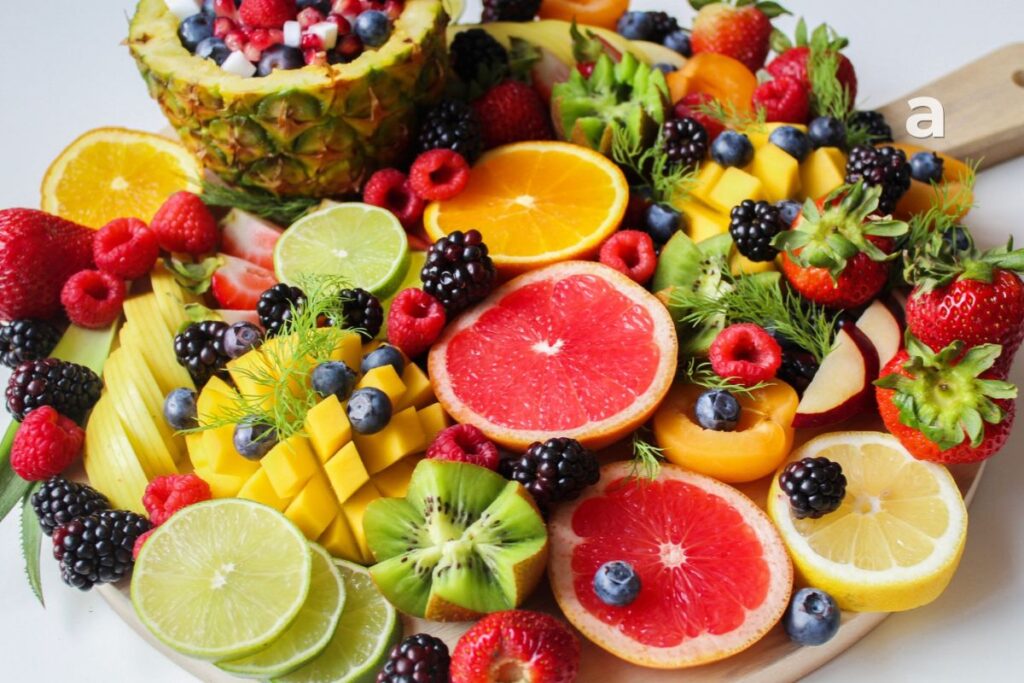
20 Best Vitamin C-Rich Foods to Add to Your Diet
Vitamin C is naturally found in a wide variety of fruits and vegetables.
Contrary to popular belief, oranges are not the richest source of vitamin C. Several everyday foods—including guava, bell peppers, kiwi, and strawberries—contain even higher amounts.
Choosing a variety of colorful fruits and vegetables is one of the easiest ways to meet your daily vitamin C requirements while also providing fiber, antioxidants, and other essential nutrients.
1. Guava
Guava is one of the richest natural sources of vitamin C.
It also provides:
One medium guava can provide well over the daily vitamin C requirement for most adults.
2. Kakadu Plum
Native to Australia, Kakadu plum contains one of the highest known natural concentrations of vitamin C.
Although not commonly available worldwide, it demonstrates how diverse vitamin C sources can be.
3. Acerola Cherry
Acerola cherries are exceptionally rich in vitamin C and are often used in vitamin C supplements and functional foods.
4. Bell Peppers
Red, yellow, and orange bell peppers are among the best everyday vegetable sources of vitamin C.
They also provide:
- Vitamin A
- Fiber
- Antioxidants
Eating them raw or lightly cooked helps preserve more vitamin C.
5. Kiwi
Kiwi provides:
It makes an excellent breakfast or snack option.
6. Strawberries
Strawberries naturally provide:
- Vitamin C
- Fiber
- Manganese
- Polyphenols
Fresh strawberries are one of the easiest ways to increase vitamin C intake.
7. Oranges
Although famous for vitamin C, oranges are just one of many excellent sources.
They also provide:
- Fiber
- Folate
- Potassium
Fresh oranges are generally a better choice than sugary fruit drinks.
8. Papaya
Papaya contributes:
- Vitamin C
- Vitamin A
- Folate
- Fiber
It is widely available and easy to include in smoothies, fruit bowls, or breakfast.
9. Pineapple
Pineapple supplies:
- Vitamin C
- Manganese
- Bromelain (a natural enzyme)
It adds both nutrition and flavor to meals.
10. Mango
Mango provides:
- Vitamin C
- Vitamin A
- Fiber
It is a nutritious seasonal fruit enjoyed across many parts of the world.
11. Broccoli
Broccoli is one of the best vegetable sources of vitamin C.
It also contains:
- Fiber
- Folate
- Vitamin K
Light steaming helps preserve more vitamin C than prolonged boiling.
12. Brussels Sprouts
Brussels sprouts provide:
- Vitamin C
- Fiber
- Vitamin K
- Folate
Roasting or steaming helps retain nutrients.
13. Tomatoes
Tomatoes contribute:
- Vitamin C
- Potassium
- Lycopene
Fresh tomatoes are an excellent addition to salads, sandwiches, and curries.
14. Cabbage
Cabbage is an affordable source of:
- Vitamin C
- Fiber
- Phytochemicals
Raw cabbage in salads retains more vitamin C than prolonged cooking.
15. Cauliflower
Cauliflower provides:
- Vitamin C
- Fiber
- Folate
It is versatile and works well in soups, curries, and roasted dishes.
16. Spinach
Spinach contains:
Vitamin C in spinach also helps improve the absorption of its own non-heme iron.
17. Kale
Kale provides:
- Vitamin C
- Vitamin K
- Calcium
- Fiber
It is one of the most nutrient-dense leafy greens.
18. Lemon
Lemon is widely used to enhance the flavor of meals while adding vitamin C.
Adding fresh lemon juice to:
- Lentils
- Rajma
- Spinach
- Salads
can also improve non-heme iron absorption.
19. Amla (Indian Gooseberry)
Amla is one of India’s richest natural sources of vitamin C.
It is traditionally consumed as:
- Fresh fruit
- Juice
- Murabba
- Powder
- Chutney
Amla also contains naturally occurring plant compounds with antioxidant properties.
20. Green Chili
Green chili contains surprisingly high amounts of vitamin C.
Because it is usually eaten in small quantities, its overall contribution varies, but it can still complement other vitamin C-rich foods in Indian meals.
Quick Vitamin C Food Chart
| Food | Category | Vitamin C Source |
|---|---|---|
| Guava | Fruit | Excellent |
| Kakadu Plum | Fruit | Excellent |
| Acerola Cherry | Fruit | Excellent |
| Bell Peppers | Vegetable | Excellent |
| Kiwi | Fruit | Excellent |
| Strawberries | Fruit | Very Good |
| Oranges | Fruit | Very Good |
| Papaya | Fruit | Very Good |
| Pineapple | Fruit | Good |
| Mango | Fruit | Good |
| Broccoli | Vegetable | Excellent |
| Brussels Sprouts | Vegetable | Excellent |
| Tomatoes | Vegetable/Fruit | Good |
| Cabbage | Vegetable | Good |
| Cauliflower | Vegetable | Good |
| Spinach | Leafy Green | Good |
| Kale | Leafy Green | Excellent |
| Lemon | Citrus | Good |
| Amla | Fruit | Excellent |
| Green Chili | Vegetable | Good |
Indian-Friendly Vitamin C Foods
Many vitamin C-rich foods are easy to find across India.
Excellent choices include:
Fruits
- Amla
- Guava
- Orange
- Sweet lime (Mosambi)
- Papaya
- Mango
- Lemon
Vegetables
- Tomatoes
- Bell peppers
- Green chili
- Spinach
- Cabbage
- Cauliflower
- Broccoli
Eating a variety of seasonal produce is one of the simplest ways to maintain healthy vitamin C intake.
Build Vitamin C-Rich Meals
Rather than focusing on one food, build balanced meals.
Breakfast
Papaya with yogurt and whole-grain toast.
Lunch
Rajma, brown rice, salad, and lemon.
Snack
Guava or kiwi.
Dinner
Grilled chicken with broccoli and bell peppers.
These meals naturally provide:
How to Preserve Vitamin C While Cooking
Vitamin C is sensitive to:
- Heat
- Light
- Air
- Water
To retain more vitamin C:
✔ Eat some fruits and vegetables raw.
✔ Steam instead of boiling when possible.
✔ Avoid overcooking vegetables.
✔ Cut produce just before serving.
✔ Store fresh produce properly.
Gentle cooking methods help preserve more vitamin C than prolonged boiling.
Budget-Friendly Vitamin C Sources
Healthy eating doesn’t need to be expensive.
Affordable options include:
- Amla
- Guava
- Oranges
- Tomatoes
- Cabbage
- Spinach
- Green chili
- Lemon
- Papaya
Buying seasonal fruits and vegetables often provides the best value.
Food First Still Wins
Whole foods remain the best source of vitamin C.
They provide vitamin C together with:
- Fiber
- Potassium
- Folate
- Natural antioxidants
- Phytochemicals
These nutrients work together to support overall health in ways that supplements alone cannot fully replicate.
Key Takeaway
The best sources of vitamin C include guava, amla, bell peppers, kiwi, strawberries, oranges, broccoli, papaya, tomatoes, and leafy green vegetables. Eating a colorful variety of fruits and vegetables each day is the most effective way to meet vitamin C requirements while also providing fiber, antioxidants, and other essential nutrients that support long-term health.
Vitamin C Deficiency: Signs, Causes & Who Is at Risk?
Vitamin C deficiency develops when the body does not receive enough vitamin C over an extended period. Because humans cannot produce vitamin C and store only limited amounts, a regular dietary supply is essential.
In most developed countries, severe vitamin C deficiency is uncommon. However, mild deficiency can still occur in people who eat very few fruits and vegetables or have medical conditions that affect nutrient absorption. If left untreated, severe deficiency can lead to scurvy, a disease once common among sailors during long sea voyages before fresh produce was widely available.
Fortunately, vitamin C deficiency is usually preventable through a balanced diet and, when necessary, appropriate supplementation.
What Is Vitamin C Deficiency?
Vitamin C deficiency occurs when the body’s vitamin C stores become too low to support normal biological functions.
Because vitamin C is involved in:
- Collagen production
- Wound healing
- Iron absorption
- Connective tissue maintenance
- Antioxidant protection
- Normal immune function
low vitamin C levels can gradually affect multiple body systems.
Why Does Vitamin C Deficiency Matter?
Vitamin C plays an important role in maintaining healthy connective tissues throughout the body.
Without enough vitamin C:
- Collagen production becomes impaired.
- Wounds heal more slowly.
- Blood vessels become more fragile.
- Gums may become unhealthy.
- Iron absorption decreases.
- Connective tissues weaken.
Over time, these changes can significantly affect health and quality of life.
Early Warning Signs
Vitamin C deficiency usually develops gradually.
Early symptoms may include:
- Fatigue
- Weakness
- Irritability
- Reduced energy
- Mild muscle aches
These symptoms are common to many health conditions, so they should not be used alone to diagnose vitamin C deficiency.
Common Symptoms
As deficiency progresses, symptoms may include:
- Dry, rough skin
- Easy bruising
- Slow wound healing
- Bleeding gums
- Swollen gums
- Frequent nosebleeds
- Joint discomfort
- Poor wound repair
These symptoms occur because collagen production becomes impaired.
What Is Scurvy?
Scurvy is the classic disease caused by severe vitamin C deficiency.
Although rare today, it can still occur in people with prolonged, extremely low vitamin C intake.
Symptoms of scurvy may include:
- Severe fatigue
- Bleeding gums
- Loose teeth
- Poor wound healing
- Joint pain
- Easy bruising
- Corkscrew-shaped body hair
- Anemia
Scurvy is preventable and treatable with appropriate vitamin C intake under medical supervision.
What Causes Vitamin C Deficiency?
Several factors may contribute to inadequate vitamin C levels.
1. Low Fruit and Vegetable Intake
The most common cause is simply eating too few vitamin C-rich foods.
Examples include diets lacking:
- Fresh fruits
- Fresh vegetables
- Citrus fruits
- Guava
- Bell peppers
- Broccoli
2. Restrictive Diets
People following highly restrictive eating patterns may struggle to obtain enough vitamin C if they avoid fruits and vegetables.
Examples include:
- Extremely limited food choices
- Certain eating disorders
- Poor dietary variety
3. Smoking
Smoking increases oxidative stress throughout the body.
Smokers use vitamin C more rapidly and therefore require about 35 mg more vitamin C each day than non-smokers.
4. Medical Conditions Affecting Absorption
Certain health conditions may reduce vitamin C absorption or increase nutritional needs.
Examples include:
- Crohn’s disease
- Ulcerative colitis
- Chronic diarrhea
- Certain gastrointestinal disorders
5. Alcohol Misuse
Long-term excessive alcohol consumption may contribute to poor overall nutrition, increasing the risk of vitamin deficiencies, including vitamin C.
Who Is Most at Risk?
Some groups are more likely to develop vitamin C deficiency.
Smokers
Smoking increases vitamin C requirements due to higher oxidative stress.
Older Adults
Some older adults may consume fewer fruits and vegetables because of reduced appetite, chewing difficulties, or limited food access.
People With Restricted Diets
Individuals who avoid most fruits and vegetables for long periods have an increased risk.
People With Digestive Disorders
Conditions affecting nutrient absorption may reduce vitamin C availability.
Examples include:
- Crohn’s disease
- Ulcerative colitis
- Certain intestinal disorders
People With Alcohol Dependence
Poor dietary intake combined with impaired nutritional status increases deficiency risk.
Vitamin C Deficiency and Iron Absorption
One often overlooked consequence of vitamin C deficiency is reduced absorption of non-heme iron.
Without enough vitamin C, the body absorbs less iron from plant foods such as:
- Lentils
- Spinach
- Beans
- Chickpeas
Over time, this may contribute to iron deficiency in susceptible individuals.
How Is Vitamin C Deficiency Diagnosed?
Healthcare professionals usually diagnose vitamin C deficiency using:
- Medical history
- Dietary assessment
- Physical examination
- Blood tests when appropriate
Symptoms alone are not enough to confirm a deficiency because many conditions produce similar signs.
Can You Diagnose Vitamin C Deficiency at Home?
No.
Although certain symptoms may raise suspicion, only a qualified healthcare professional can determine whether vitamin C deficiency—or another medical condition—is responsible.
Self-diagnosis may delay appropriate treatment.
Vitamin C Works With Other Nutrients
Vitamin C supports healthy body function alongside several nutrients.
These include:
- Iron for improved iron absorption
- Protein for collagen production
- Calcium for healthy bones
- Vitamin D for musculoskeletal health
A balanced diet naturally provides these nutrients together.
Don’t Ignore Persistent Symptoms
Persistent symptoms such as:
- Bleeding gums
- Poor wound healing
- Unexplained bruising
- Ongoing fatigue
- Severe dietary restrictions
should be discussed with a healthcare professional.
Many medical conditions can produce similar symptoms, making proper evaluation important.
When Should You Seek Medical Advice?
Speak with a qualified healthcare professional if you experience:
- Persistent fatigue
- Bleeding gums
- Poor wound healing
- Easy bruising
- Severe dietary restrictions
- Symptoms that interfere with daily life
Early assessment allows deficiencies and other medical conditions to be identified and treated appropriately.
Prevention Is Easier Than Treatment
Fortunately, vitamin C deficiency is usually easy to prevent.
Simple habits include:
✔ Eating fruits every day.
✔ Including vegetables with most meals.
✔ Choosing colorful produce.
✔ Avoiding prolonged restrictive diets.
✔ Following medical advice if supplementation is recommended.
For most healthy adults, these habits provide sufficient vitamin C without the need for routine supplementation.
Key Takeaway
Vitamin C deficiency usually develops because of low fruit and vegetable intake, increased requirements, or conditions that reduce nutrient absorption. Early symptoms may include fatigue and poor wound healing, while severe deficiency can lead to scurvy, a preventable condition caused by prolonged vitamin C deficiency. Regular consumption of vitamin C-rich foods remains the most effective strategy for maintaining healthy levels and supporting collagen production, iron absorption, and overall health.
Vitamin C, Collagen & Immunity: How They Work Together
Vitamin C is one of the few nutrients that plays a central role in both collagen production and normal immune function. These two systems may seem unrelated, but they are closely connected.
Collagen provides the structural framework for your skin, bones, cartilage, tendons, ligaments, blood vessels, and gums, while your immune system relies on healthy tissues and specialized immune cells to protect your body from harmful microorganisms.
Vitamin C supports both by contributing to collagen synthesis, protecting cells from oxidative stress, and helping immune cells function normally.
Vitamin C and Collagen Production
One of the most important functions of vitamin C is helping the body produce collagen.
Collagen is the most abundant protein in the human body.
It provides strength and structure to:
- Skin
- Bones
- Cartilage
- Tendons
- Ligaments
- Blood vessels
- Teeth
- Gums
Without sufficient vitamin C, the body cannot properly form stable collagen fibers.
What Is Collagen?
Collagen is a structural protein that acts like the body’s natural scaffolding.
Think of it as the framework that helps hold tissues together.
Healthy collagen contributes to:
- Firm skin
- Strong bones
- Flexible joints
- Healthy blood vessels
- Healthy gums
- Tendons and ligaments
Although collagen supplements are widely marketed, the body still requires adequate vitamin C to naturally produce collagen.
How Vitamin C Helps Build Collagen
Vitamin C acts as a cofactor for enzymes involved in collagen synthesis.
These enzymes help strengthen collagen fibers by stabilizing specific amino acids during collagen formation.
Without enough vitamin C:
- Collagen becomes weaker.
- Tissue repair slows.
- Blood vessels become more fragile.
- Wounds heal less efficiently.
This explains why severe vitamin C deficiency affects many connective tissues throughout the body.
Vitamin C Supports Healthy Skin
Healthy skin depends on healthy collagen.
Vitamin C contributes to:
- Skin structure
- Skin elasticity
- Connective tissue maintenance
- Normal wound healing
It also functions as an antioxidant, helping protect skin cells from oxidative stress caused by normal metabolism and environmental factors such as sunlight and pollution.
Vitamin C and Wound Healing
Whenever the body repairs damaged tissue, collagen is required.
Vitamin C supports the healing process by helping produce new connective tissue.
Healthy wound healing depends on several nutrients working together, including:
A balanced diet supports all of these nutrients simultaneously.
Vitamin C and Blood Vessel Health
Blood vessels contain collagen within their walls.
Vitamin C helps maintain:
- Healthy arteries
- Healthy veins
- Capillaries
- Connective tissue surrounding blood vessels
Healthy collagen contributes to normal blood vessel structure and function.
Vitamin C and Bone Health
Bones are made of more than minerals alone.
Along with calcium and phosphorus, collagen provides the structural framework that supports bone strength.
Vitamin C contributes to this process by supporting collagen formation.
Vitamin C and Healthy Gums
Your gums contain connective tissue that depends on healthy collagen.
Adequate vitamin C intake supports:
- Healthy gum tissue
- Strong connective tissue
- Oral health
Historically, bleeding gums were one of the hallmark signs of severe vitamin C deficiency (scurvy).
Vitamin C and Normal Immune Function
Vitamin C supports the immune system in several important ways.
It contributes to:
- Normal white blood cell function
- Healthy skin barriers
- Protection of immune cells from oxidative stress
- Communication between immune cells
Rather than “boosting” immunity beyond normal levels, vitamin C helps the immune system function as it should.
Vitamin C Is an Antioxidant
Every day, normal metabolism produces free radicals.
These unstable molecules can contribute to oxidative stress if not balanced by antioxidants.
Vitamin C helps protect cells by neutralizing free radicals generated through:
- Normal metabolism
- Air pollution
- Cigarette smoke
- UV exposure
- Environmental stress
This antioxidant activity supports healthy cells throughout the body.
Vitamin C Helps Regenerate Vitamin E
One lesser-known role of vitamin C is helping regenerate vitamin E, another important antioxidant.
By restoring vitamin E after it neutralizes free radicals, vitamin C supports the body’s broader antioxidant defense network.
This demonstrates how nutrients often work together rather than independently.
Vitamin C and Iron Work Together
Vitamin C improves the absorption of non-heme iron, the form of iron found in plant foods.
Examples include:
- Lentils
- Beans
- Spinach
- Chickpeas
- Whole grains
Adding vitamin C-rich foods to these meals can improve iron absorption.
Examples:
- Dal with lemon juice
- Rajma with tomatoes
- Spinach salad with oranges
- Chickpeas with bell peppers
Vitamin C and Protein Work Together
Protein provides the amino acids needed to build collagen.
Vitamin C helps convert those amino acids into strong, stable collagen fibers.
Neither nutrient can fully perform this process alone.
Vitamin C and Zinc Support Tissue Repair
Both vitamin C and zinc contribute to:
- Normal immune function
- Tissue repair
- Wound healing
Although they perform different biological roles, they complement one another within the body’s repair processes.
Vitamin C Supports Healthy Connective Tissues
Connective tissues are found throughout the body.
Vitamin C contributes to maintaining:
- Skin
- Bones
- Cartilage
- Tendons
- Ligaments
- Blood vessels
- Gums
This widespread role explains why vitamin C deficiency can affect many different body systems.
Healthy Immunity Depends on More Than One Vitamin
Although vitamin C is important, healthy immunity depends on many lifestyle factors.
These include:
- Balanced nutrition
- Adequate protein intake
- Regular physical activity
- Sufficient sleep
- Stress management
- Vaccination when recommended
- Good hygiene practices
No single vitamin can replace these healthy habits.
Food First Remains the Best Strategy
For most healthy adults, vitamin C-rich foods remain the preferred source.
Excellent choices include:
- Guava
- Amla
- Bell peppers
- Kiwi
- Strawberries
- Broccoli
- Papaya
- Citrus fruits
These foods provide vitamin C alongside:
Whole foods provide a broader nutritional package than isolated supplements.
Why Balance Matters More Than One Nutrient
Collagen production and immune function depend on many nutrients working together.
These include:
- Vitamin C
- Protein
- Iron
- Zinc
- Vitamin D
- Calcium
A balanced eating pattern naturally provides these nutrients, supporting healthy tissues and overall well-being throughout life.
Key Takeaway
Vitamin C is essential for collagen production, healthy skin, connective tissue maintenance, wound healing, antioxidant protection, and normal immune function. It also works closely with protein, iron, zinc, calcium, and vitamin D, demonstrating that long-term health depends on balanced nutrition rather than any single vitamin or supplement. Obtaining vitamin C primarily through a variety of fruits and vegetables remains the most effective strategy for supporting these important biological functions.
Vitamin C Supplements: Benefits, Risks & Who Should Take Them?
Vitamin C supplements are among the most widely used dietary supplements worldwide. Many people take them to support their immune system, while others use them to help meet their daily nutritional needs.
For most healthy adults, however, a balanced diet rich in fruits and vegetables provides enough vitamin C. Supplements are generally most helpful for people who cannot meet their requirements through food alone or who have increased vitamin C needs due to specific health conditions or lifestyle factors.
Understanding **when supplements are beneficial—and when they are unnecessary—**can help you make informed decisions.
Do Most People Need Vitamin C Supplements?
Not necessarily.
Many healthy adults who regularly eat a variety of fruits and vegetables already consume enough vitamin C through their diet.
Excellent natural sources include:
- Guava
- Amla
- Oranges
- Kiwi
- Strawberries
- Bell peppers
- Broccoli
- Papaya
- Tomatoes
For these individuals, routine supplementation is usually unnecessary.
Food First Remains the Best Approach
Whole foods offer far more than vitamin C alone.
For example:
Guava provides
- Vitamin C
- Fiber
- Potassium
- Folate
- Natural antioxidants
Bell peppers provide
- Vitamin C
- Vitamin A
- Fiber
Broccoli provides
- Vitamin C
- Fiber
- Folate
- Vitamin K
Whole foods deliver nutrients that work together to support overall health.
Who May Benefit From Vitamin C Supplements?
Healthcare professionals may recommend supplements for people with increased vitamin C needs or reduced dietary intake.
These groups may include:
- People with confirmed vitamin C deficiency
- Individuals who eat very few fruits and vegetables
- Smokers
- People with certain digestive disorders affecting nutrient absorption
- Individuals recovering from severe malnutrition
- Older adults with poor dietary intake
Supplementation should ideally be based on individual nutritional needs rather than routine use.
Smokers Often Need More Vitamin C
Smoking increases oxidative stress and accelerates vitamin C turnover.
Because of this, smokers are advised to consume:
An additional 35 mg of vitamin C per day
Some smokers may meet this increased requirement through food, while others may require supplements after discussing their nutritional needs with a healthcare professional.
Common Types of Vitamin C Supplements
Vitamin C supplements are available in several forms.
Ascorbic Acid
This is the most common and well-researched form.
It is:
- Widely available
- Cost-effective
- Well absorbed
Most vitamin C supplements contain ascorbic acid.
Sodium Ascorbate
A buffered form of vitamin C that may be preferred by people who experience stomach discomfort with standard ascorbic acid.
Because it contains sodium, it may not be appropriate for everyone, particularly those following sodium-restricted diets.
Calcium Ascorbate
Another buffered form that combines vitamin C with calcium.
Some people find it gentler on the stomach.
Liposomal Vitamin C
Liposomal vitamin C is marketed as having improved absorption because the vitamin is enclosed within tiny lipid (fat-like) particles.
Although early research is promising, current evidence does not consistently show that it provides meaningful advantages for most healthy people compared with standard vitamin C supplements.
Are Vitamin C Supplements Effective?
Yes—when used appropriately.
Vitamin C supplements are effective for:
- Preventing vitamin C deficiency
- Treating vitamin C deficiency
- Correcting low dietary intake
However, for healthy individuals who already consume adequate vitamin C, supplements have not been shown to provide broad additional health benefits beyond meeting nutritional requirements.
Can Vitamin C Prevent the Common Cold?
This is one of the most common questions.
Current research suggests:
- Routine vitamin C supplementation does not prevent the common cold in the general population.
- In some people, regular supplementation may slightly reduce the duration or severity of cold symptoms.
- Starting vitamin C after cold symptoms begin has not consistently shown significant benefits.
Vitamin C supports normal immune function, but it should not be viewed as a cure for viral infections.
Can You Take Vitamin C Every Day?
Yes.
Vitamin C can be taken daily when needed.
Most multivitamins and individual vitamin C supplements are designed for regular use.
The appropriate amount depends on:
- Age
- Sex
- Pregnancy
- Breastfeeding
- Smoking status
- Overall diet
- Individual medical conditions
Can You Take Too Much Vitamin C?
Yes.
Unlike vitamin B12, vitamin C has an established Tolerable Upper Intake Level (UL).
For adults:
2,000 mg per day
Regularly consuming amounts above this limit—primarily from supplements rather than food—may increase the risk of gastrointestinal side effects.
Possible Side Effects of High-Dose Supplements
High-dose vitamin C supplements may cause:
- Diarrhea
- Nausea
- Stomach cramps
- Bloating
- Gastrointestinal discomfort
These symptoms often improve after reducing the dosage.
Vitamin C obtained from food rarely causes these problems.
Can Vitamin C Cause Kidney Stones?
For most healthy people consuming recommended amounts, vitamin C from food is not associated with kidney stone formation.
However, very high supplemental doses over long periods may increase urinary oxalate levels, which could increase the risk of kidney stones in susceptible individuals.
People with a history of kidney stones should consult their healthcare professional before taking high-dose vitamin C supplements.
Can Vitamin C Interact With Medicines?
Yes.
Vitamin C supplements may interact with certain medications.
Examples include:
- Some chemotherapy medicines
- Certain cholesterol-lowering medications (statins)
- Aluminum-containing antacids (with high-dose vitamin C)
Anyone taking prescription medications should discuss supplement use with a healthcare professional.
Do not stop prescribed medicines without medical advice.
Vitamin C Supplements During Pregnancy
Pregnant individuals should aim to meet vitamin C requirements primarily through food.
Prenatal vitamins often contain appropriate amounts of vitamin C.
High-dose supplementation beyond recommended levels should only be used under healthcare supervision.
Vitamin C Supplements for Older Adults
Older adults who consume adequate fruits and vegetables usually do not require additional vitamin C.
However, supplements may be appropriate for individuals with:
- Poor appetite
- Limited dietary variety
- Difficulty preparing meals
- Nutritional deficiencies
Healthcare guidance helps determine the most appropriate approach.
Food vs. Supplements
Whenever possible, food remains the preferred source of vitamin C.
Whole foods provide:
Supplements provide only isolated nutrients.
Vitamin C Works With Other Nutrients
Vitamin C supports healthy body function alongside:
- Iron by improving non-heme iron absorption
- Protein by supporting collagen formation
- Zinc in normal immune function
- Vitamin D for overall musculoskeletal health
Balanced nutrition remains more beneficial than focusing on a single supplement.
A Simple Vitamin C Supplement Checklist
Before taking a supplement, ask yourself:
✔ Do I regularly eat fruits and vegetables?
✔ Am I meeting my daily vitamin C requirement through food?
✔ Has a healthcare professional recommended supplementation?
✔ Am I staying below the Upper Intake Level?
✔ Am I using supplements to complement—not replace—a healthy diet?
These questions encourage informed, evidence-based supplement use.
Food First Remains the Best Strategy
For most healthy adults, a colorful diet rich in fruits and vegetables provides enough vitamin C to support long-term health.
Supplements are valuable when they address a genuine nutritional need, but they cannot replace healthy eating, regular physical activity, adequate sleep, and other healthy lifestyle habits.
Key Takeaway
Vitamin C supplements are effective for preventing and treating vitamin C deficiency and may be appropriate for people with low dietary intake, increased nutritional needs, smoking, or conditions that affect nutrient absorption. Most healthy adults can meet their vitamin C requirements through a balanced diet, making whole foods the preferred source. If supplementation is needed, it should complement a healthy lifestyle and remain within the recommended Upper Intake Level of 2,000 mg per day unless otherwise advised by a qualified healthcare professional.
10 Vitamin C Myths vs. Facts
Vitamin C has been studied for decades, yet it remains surrounded by myths and exaggerated health claims.
From promises of preventing every cold to suggestions that everyone should take high-dose supplements, misinformation is common. Understanding what current scientific evidence actually shows can help you make informed decisions about your health.
Let’s separate the myths from the facts.
Myth 1: Vitamin C Prevents the Common Cold
Fact: Vitamin C supports normal immune function but does not prevent the common cold for most people.
This is perhaps the most widespread misconception.
Research shows that:
- Routine vitamin C supplementation does not reduce the risk of developing the common cold in the general population.
- Regular supplementation may slightly reduce the duration and severity of cold symptoms in some individuals.
- People exposed to extreme physical stress (such as marathon runners or soldiers in very cold environments) may experience greater benefits.
Vitamin C should be viewed as one part of a healthy immune system—not a cure for viral infections.
Myth 2: More Vitamin C Is Always Better
Fact: Your body only needs a certain amount of vitamin C.
Once daily requirements are met, taking increasingly larger doses does not automatically provide additional health benefits.
Very high supplemental doses may instead increase the risk of:
- Diarrhea
- Nausea
- Stomach cramps
- Digestive discomfort
The goal is adequate intake, not excessive intake.
Myth 3: Oranges Are the Best Source of Vitamin C
Fact: Many foods contain even more vitamin C than oranges.
Examples include:
- Guava
- Amla (Indian Gooseberry)
- Bell peppers
- Kiwi
- Acerola cherries
- Kakadu plum
- Strawberries
Oranges remain an excellent choice—but they are far from the only one.
Myth 4: Vitamin C Supplements Can Replace Fruits and Vegetables
Fact: Supplements provide vitamin C, but not the full nutritional package found in whole foods.
Whole fruits and vegetables also provide:
These nutrients work together to support overall health.
Myth 5: Cooking Destroys All Vitamin C
Fact: Cooking can reduce vitamin C, but it does not eliminate it completely.
Vitamin C is sensitive to:
- Heat
- Water
- Air
Gentle cooking methods such as:
- Steaming
- Microwaving
- Quick stir-frying
generally preserve more vitamin C than prolonged boiling.
Raw fruits and vegetables also remain valuable dietary sources.
Myth 6: Vitamin C Is Only Important for Immunity
Fact: Vitamin C supports many essential functions throughout the body.
Vitamin C contributes to:
- Collagen production
- Skin health
- Wound healing
- Blood vessel maintenance
- Iron absorption
- Antioxidant protection
- Connective tissue health
Its biological roles extend far beyond immune support.
Myth 7: Everyone Should Take High-Dose Vitamin C Supplements
Fact: Most healthy adults meet their needs through food.
Supplements may be appropriate for:
- People with confirmed deficiency
- Individuals with limited fruit and vegetable intake
- Smokers
- Certain digestive disorders
- Increased nutritional needs
Routine high-dose supplementation is unnecessary for most healthy people consuming a balanced diet.
Myth 8: Vitamin C Cures Viral Infections
Fact: No vitamin can cure viral illnesses.
Vitamin C supports the normal function of the immune system, but it does not cure viral infections such as:
- The common cold
- Influenza
- COVID-19
Medical treatment should always follow current healthcare guidance.
Myth 9: Natural Vitamin C Is Better Than Synthetic Vitamin C
Fact: Chemically, vitamin C from supplements (ascorbic acid) is identical to naturally occurring vitamin C.
Research shows that the body absorbs ascorbic acid effectively.
The advantage of fruits and vegetables lies not in a different form of vitamin C, but in the many additional nutrients they naturally provide.
Examples include:
- Fiber
- Potassium
- Folate
- Polyphenols
- Carotenoids
Whole foods remain the preferred source for this reason.
Myth 10: Vitamin C Alone Creates Perfect Skin
Fact: Healthy skin depends on many factors.
Vitamin C supports collagen production, but healthy skin also depends on:
No single vitamin can replace healthy lifestyle habits.
Bonus Myth: You Can’t Get Too Much Vitamin C
Fact: Vitamin C has an established Upper Intake Level.
For healthy adults:
Upper Intake Level (UL): 2,000 mg/day
Very high supplemental doses may increase the risk of gastrointestinal discomfort and, in susceptible individuals, kidney stone formation.
Vitamin C obtained through food rarely causes excessive intake.
Bonus Myth: If You Feel Healthy, Vitamin C Doesn’t Matter
Fact: Vitamin C supports everyday biological functions whether or not you feel sick.
Every day, vitamin C contributes to:
- Tissue repair
- Collagen production
- Healthy blood vessels
- Antioxidant defense
- Iron absorption
- Normal immune function
Maintaining adequate intake supports long-term health—not just recovery from illness.
How to Evaluate Vitamin C Advice Online
Before believing health claims about vitamin C, ask yourself:
Does it promise to prevent or cure disease?
Be cautious of claims that any vitamin alone can prevent or cure illnesses.
Does it recommend extremely high doses?
Scientific recommendations are based on established nutritional requirements—not megadoses for everyone.
Does it encourage a balanced diet?
Reliable guidance emphasizes:
- Fruits
- Vegetables
- Whole foods
- Healthy lifestyle habits
rather than relying entirely on supplements.
Does it reference trustworthy organizations?
Look for information from:
- National Institutes of Health (NIH)
- World Health Organization (WHO)
- National Health Service (NHS)
- Registered healthcare professionals
- Peer-reviewed scientific research
These sources are more reliable than anecdotal social media advice.
A Better Way to Think About Vitamin C
Vitamin C is not a miracle nutrient.
It is an essential vitamin that quietly supports:
- Collagen production
- Healthy skin
- Wound healing
- Iron absorption
- Blood vessel health
- Antioxidant protection
- Normal immune function
The goal is not to consume the highest possible dose.
The goal is to consistently meet your daily vitamin C needs through balanced nutrition.
Food First Remains the Best Strategy
For most healthy adults, fruits and vegetables remain the ideal source of vitamin C.
Colorful foods naturally provide:
- Vitamin C
- Fiber
- Potassium
- Folate
- Natural antioxidants
These nutrients work together in ways that isolated supplements cannot fully replicate.
Key Takeaway
Vitamin C is an essential nutrient, but many popular beliefs about it are inaccurate. Scientific evidence shows that vitamin C supports collagen production, antioxidant protection, iron absorption, tissue repair, and normal immune function, while whole fruits and vegetables remain the best source for most healthy adults. Supplements are valuable when there is a genuine nutritional need, but they should complement—not replace—a balanced diet.
Practical Ways to Get More Vitamin C Every Day
Getting enough vitamin C doesn’t require expensive supplements or complicated diets. For most healthy adults, eating a variety of colorful fruits and vegetables every day is the simplest and most effective way to meet daily vitamin C requirements.
Since the body cannot make or store large amounts of vitamin C, developing consistent eating habits is far more beneficial than occasionally taking very large doses of supplements. Small daily choices can make a significant difference over time.
1. Eat At Least Two Vitamin C-Rich Fruits Every Day
Fruit is one of the easiest ways to increase vitamin C intake naturally.
Excellent choices include:
- Guava
- Amla (Indian gooseberry)
- Orange
- Kiwi
- Papaya
- Strawberries
- Pineapple
- Mango
- Sweet lime (Mosambi)
Rotating seasonal fruits throughout the week also provides a wider variety of vitamins, minerals, and antioxidants.
2. Fill Half Your Plate With Vegetables
Vegetables are another major source of vitamin C.
Try including:
- Bell peppers
- Broccoli
- Cabbage
- Cauliflower
- Spinach
- Kale
- Tomatoes
Eating a colorful variety of vegetables improves overall nutrient intake.
3. Pair Vitamin C With Plant-Based Iron
One of the easiest ways to improve iron absorption is by combining vitamin C-rich foods with plant-based iron sources.
Examples include:
✔ Dal + fresh lemon juice
✔ Rajma + tomato salad
✔ Chole + bell peppers
✔ Spinach + orange slices
✔ Sprouted moong + tomatoes
Vitamin C helps the body absorb non-heme iron, making these combinations especially useful for people who rely on plant-based foods.
4. Choose Seasonal Fruits
Seasonal produce is often:
- Fresher
- More affordable
- Better tasting
- Higher in nutritional quality
Examples:
Summer
- Mango
- Watermelon
- Pineapple
Monsoon
- Guava
- Papaya
Winter
- Oranges
- Sweet lime
- Amla
- Strawberries
Seasonal eating also supports dietary variety throughout the year.
5. Include Raw Fruits and Vegetables Daily
Vitamin C is sensitive to heat.
Eating some produce raw each day helps preserve naturally occurring vitamin C.
Simple ideas include:
- Fresh fruit bowl
- Mixed salad
- Tomato slices
- Cucumber with lemon
- Bell pepper sticks
- Fresh guava
6. Cook Vegetables Gently
When cooking vegetables:
✔ Steam instead of boiling.
✔ Stir-fry briefly.
✔ Microwave with minimal water.
✔ Avoid prolonged cooking.
These methods help retain more vitamin C than extended boiling.
7. Add Lemon to Meals
Fresh lemon juice is an easy way to increase vitamin C intake.
Try adding it to:
- Dal
- Soup
- Salads
- Grilled vegetables
- Rajma
- Chickpeas
Lemon also improves the absorption of iron from plant foods.
8. Snack Smarter
Instead of highly processed snacks, choose naturally vitamin C-rich options.
Healthy snack ideas include:
- Guava slices
- Orange wedges
- Kiwi
- Strawberries
- Bell pepper strips with hummus
- Tomato and cucumber salad
- Amla pieces (fresh or lightly prepared)
These snacks provide vitamin C along with fiber and other beneficial nutrients.
9. Build Balanced Meals
Rather than focusing on one nutrient, aim for meals that combine several essential nutrients.
Breakfast
- Papaya
- Yogurt
- Whole-grain toast
Lunch
- Dal
- Brown rice
- Mixed vegetable salad
- Lemon
Evening Snack
- Guava
- Handful of nuts
Dinner
- Grilled chicken or paneer
- Broccoli
- Bell peppers
- Whole-grain roti
These meals naturally provide:
10. Store Fruits and Vegetables Properly
Vitamin C gradually decreases when produce is stored for long periods.
To retain more nutrients:
- Buy fresh produce regularly.
- Refrigerate when appropriate.
- Avoid cutting fruits long before eating.
- Store vegetables away from excessive heat and sunlight.
Fresh produce generally retains more vitamin C than produce stored for extended periods.
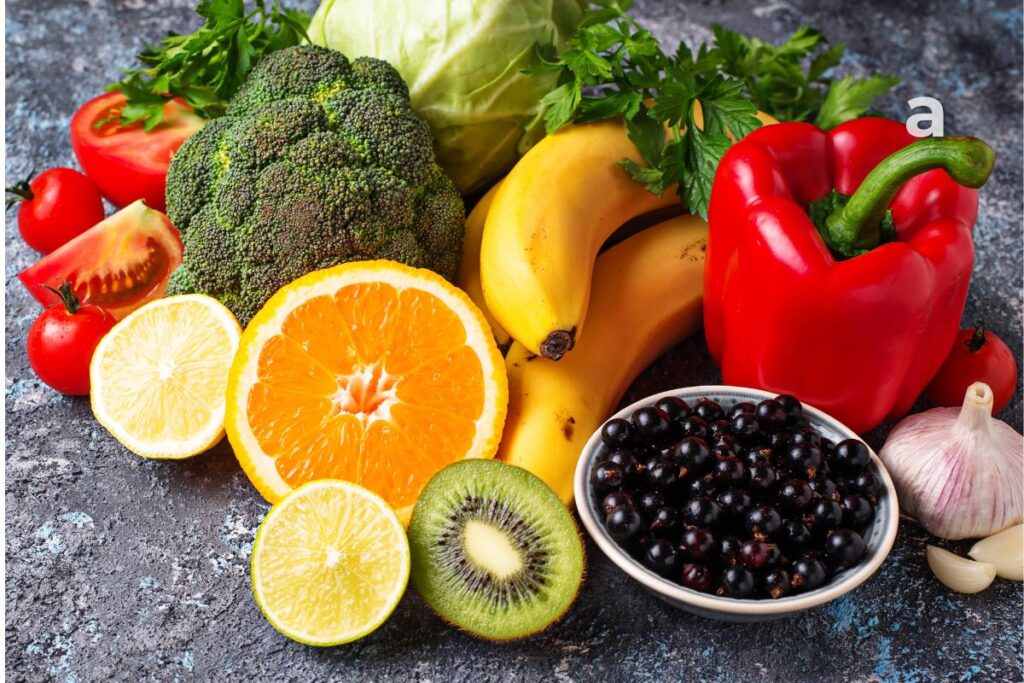
A Simple Vitamin C-Rich Day
Breakfast
Papaya, yogurt, and whole-grain toast.
Mid-Morning Snack
One guava.
Lunch
Rajma, brown rice, tomato salad, and lemon.
Evening Snack
Orange or kiwi.
Dinner
Grilled fish or paneer with broccoli, bell peppers, and whole-grain roti.
This eating pattern naturally provides:
- Vitamin C
- Protein
- Fiber
- Iron
- Potassium
without relying on supplements for most healthy adults.
Indian-Friendly Vitamin C Meal Ideas
Vitamin C-rich foods fit naturally into traditional Indian diets.
Examples include:
Breakfast
Vegetable poha with lemon.
Lunch
Dal, spinach sabzi, cucumber salad, and orange.
Evening Snack
Fresh guava or amla.
Dinner
Paneer tikka with bell peppers and cabbage salad.
These meals are practical, affordable, and nutrient-dense.
Budget-Friendly Vitamin C Shopping List
Healthy eating doesn’t have to be expensive.
Affordable vitamin C-rich foods include:
- Amla
- Guava
- Lemon
- Tomatoes
- Cabbage
- Green chili
- Papaya
- Spinach
- Seasonal oranges
Buying local, seasonal produce often provides the best value.
Grocery Checklist
Keep these foods on hand each week:
Fruits
✔ Guava
✔ Orange
✔ Papaya
✔ Kiwi (when available)
✔ Amla
Vegetables
✔ Bell peppers
✔ Broccoli
✔ Tomatoes
✔ Spinach
✔ Cabbage
✔ Cauliflower
✔ Lemon
This simple checklist makes healthy choices easier throughout the week.
Hydration Also Matters
Although water does not contain vitamin C, staying well hydrated supports normal body functions and complements a healthy diet rich in fruits and vegetables.
Aim to drink enough fluids throughout the day while choosing water as your primary beverage.
Food First Remains the Best Strategy
For most healthy adults, obtaining vitamin C through food remains the preferred approach.
Whole foods naturally provide:
- Vitamin C
- Fiber
- Potassium
- Folate
- Phytochemicals
- Natural antioxidants
These nutrients work together to support overall health far beyond what isolated supplements can provide.
Small Daily Habits Create Long-Term Results
Healthy nutrition doesn’t require perfection.
Simple habits such as:
✔ Eating fruit every day
✔ Including vegetables with lunch and dinner
✔ Adding lemon to plant-based meals
✔ Choosing seasonal produce
✔ Limiting heavily processed foods
can help maintain healthy vitamin C intake over the long term.
Consistency is more important than occasional large changes.
Key Takeaway
The easiest way to maintain healthy vitamin C levels is to eat a variety of colorful fruits and vegetables every day. Foods such as guava, amla, oranges, bell peppers, broccoli, tomatoes, papaya, and spinach naturally provide vitamin C while also supplying fiber, antioxidants, and other essential nutrients. Building balanced meals, choosing seasonal produce, and pairing vitamin C-rich foods with plant-based iron sources are simple habits that support long-term health.
Frequently Asked Questions About Vitamin C
Vitamin C is one of the most searched nutrients online. Below are evidence-based answers to the questions people ask most often.
How much vitamin C do I need every day?
The Recommended Dietary Allowance (RDA) varies by age and sex.
For healthy adults:
Men: 90 mg/day
Women: 75 mg/day
Additional requirements include:
Pregnancy: 85 mg/day
Breastfeeding: 120 mg/day
Smokers: An extra 35 mg/day because smoking increases vitamin C turnover.
What are the best natural sources of vitamin C?
Many fruits and vegetables are excellent sources.
Some of the richest include:
Guava
Amla (Indian Gooseberry)
Bell peppers
Kiwi
Strawberries
Broccoli
Oranges
Papaya
Tomatoes
Kale
Eating a variety of colorful produce helps meet daily vitamin C requirements naturally.
Can vitamin C prevent the common cold?
Not for most people.
Research shows that routine vitamin C supplementation does not prevent the common cold in the general population.
However, regular supplementation may slightly reduce the duration and severity of symptoms in some individuals.
Vitamin C supports normal immune function, but it is not a cure for viral infections.
What are the signs of vitamin C deficiency?
Early symptoms may include:
Fatigue
Weakness
Irritability
Poor wound healing
Easy bruising
Severe deficiency may lead to scurvy, which can cause:
Bleeding gums
Joint pain
Loose teeth
Corkscrew-shaped body hair
Severe fatigue
Who is most at risk of vitamin C deficiency?
Higher-risk groups include:
Smokers
People with very limited fruit and vegetable intake
Older adults with poor nutrition
Individuals with digestive disorders affecting nutrient absorption
People with alcohol dependence
Those following highly restrictive diets
Is vitamin C important for skin health?
Yes.
Vitamin C contributes to collagen production, which supports:
Skin structure
Skin elasticity
Connective tissue
Normal wound healing
Healthy skin also depends on adequate protein intake, hydration, sun protection, sleep, and overall nutrition.
Why does vitamin C help with iron absorption?
Vitamin C improves the absorption of non-heme iron, the type of iron naturally found in plant foods.
Helpful food combinations include:
Dal with lemon juice
Spinach with oranges
Rajma with tomatoes
Chickpeas with bell peppers
These combinations help the body absorb more iron from meals.
Can I get enough vitamin C from food alone?
For most healthy adults, yes.
A balanced diet containing fruits and vegetables usually provides enough vitamin C without supplements.
Supplements may be appropriate for people with:
Confirmed deficiency
Poor dietary intake
Increased nutritional needs
Certain digestive disorders
Final Thoughts
Vitamin C is much more than an “immunity vitamin.”
It supports collagen production, healthy skin, connective tissue maintenance, wound healing, antioxidant protection, iron absorption, and normal immune function. Because the body cannot produce or store large amounts of vitamin C, obtaining it regularly through fruits, vegetables, and other vitamin C-rich foods is essential for long-term health.
For most healthy adults, a colorful, balanced diet provides all the vitamin C needed. Supplements can be valuable in certain situations—such as confirmed deficiency, poor dietary intake, or increased nutritional needs—but they should complement rather than replace healthy eating.
When viewed as part of an overall healthy lifestyle, vitamin C contributes to the body’s everyday maintenance and repair, supporting well-being throughout every stage of life.
Medical Disclaimer
This article is intended for educational and informational purposes only and should not be considered medical advice, diagnosis, or treatment.
Individual vitamin C requirements vary depending on age, pregnancy, breastfeeding, smoking status, diet, medications, digestive health, and underlying medical conditions.
If you experience persistent fatigue, poor wound healing, bleeding gums, easy bruising, or other symptoms suggestive of vitamin C deficiency, consult a qualified healthcare professional. Appropriate evaluation and testing can help identify the underlying cause and determine the most suitable treatment.
Do not begin or discontinue supplements or medications without professional medical guidance.
References
The information in this article is based on guidance from internationally recognized health organizations and scientific resources.
1. National Institutes of Health (NIH), Office of Dietary Supplements
Vitamin C Fact Sheet for Health Professionals
2. National Institutes of Health (NIH), Office of Dietary Supplements
Vitamin C Fact Sheet for Consumers
3. National Academies of Sciences, Engineeahttps://www.ncbi.nlm.nih.gov/books/NBK225480ring, and Medicine
Dietary Reference Intakes for Vitamin C
4. MedlinePlus
Vitamin C
5. Merck Manual Professional Edition
Vitamin C Deficiency
If this stayed with you, you can support Aarohi here🌿
If this piece stayed with you, you can support Aarohi 🌿
Secure payments via UPI, Cards, Net Banking & PayPal
This is not a transaction, it is an exchange of energy.





This article completely changed how I think about Vitamin C. I always associated it with immunity, but I didn’t know how important it is for collagen production, healthy skin, and iron absorption. Very informative and easy to understand.
The section explaining how Vitamin C improves the absorption of plant-based iron was especially helpful. It shows how simple food combinations can make everyday meals even more nutritious.