
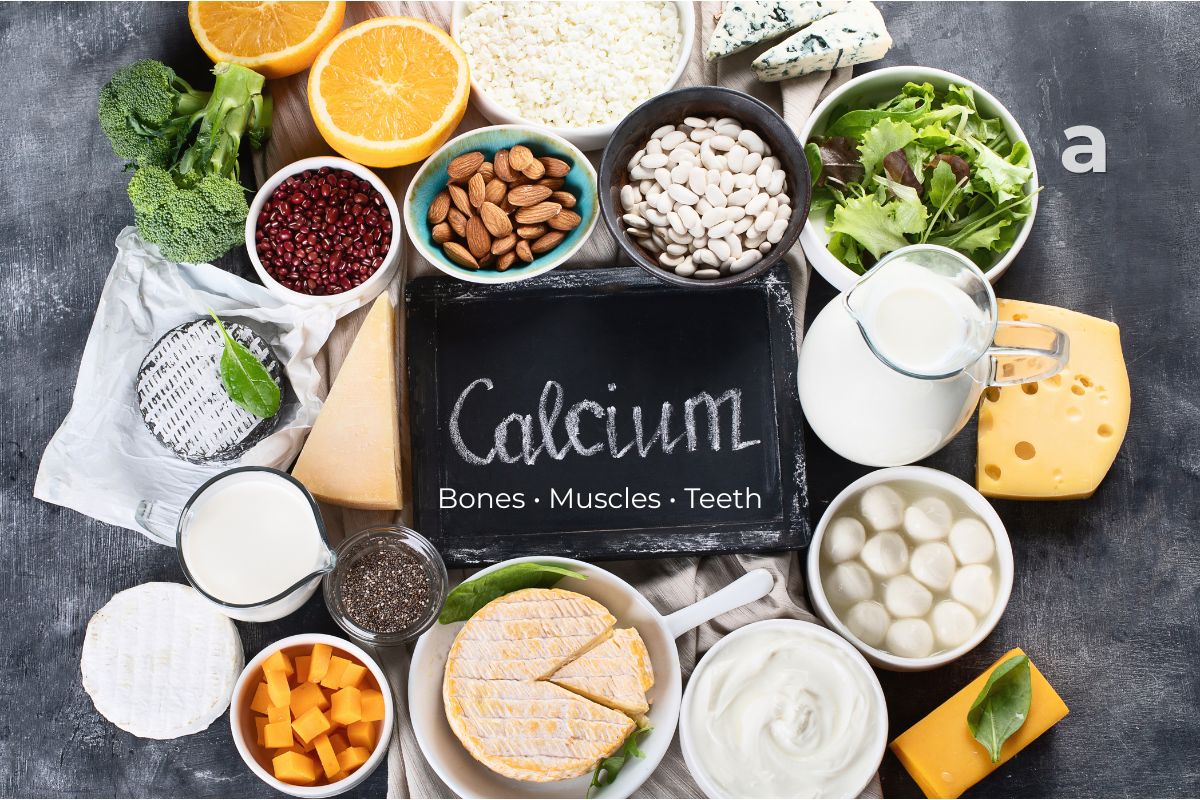
Calcium Benefits: 12 Science-Backed Reasons Your Body Needs This Essential Mineral
Calcium benefits nearly every system in the body, making this essential mineral far more important than many people realize. While calcium is best known for building strong bones and teeth, it also supports normal muscle function, nerve signalling, heart rhythm, blood clotting, and healthy cellular communication throughout life.
Calcium is the most abundant mineral in the human body, and every day it quietly supports essential functions that keep you alive and active. From helping your heart beat normally to enabling muscles to contract and nerves to transmit signals, calcium plays a vital role in nearly every organ system.
Around 99% of your body’s calcium is stored in your bones and teeth, where it provides strength and structure. The remaining 1% circulates in your blood and soft tissues, supporting processes such as muscle movement, blood clotting, hormone release, and nerve communication. Although this percentage is small, it is so important that your body carefully regulates calcium levels every moment of the day.
Despite its importance, many people do not consume enough calcium-rich foods. Busy lifestyles, highly processed diets, avoiding dairy without suitable alternatives, and misinformation about nutrition can all contribute to inadequate calcium intake.
The good news is that improving your calcium intake doesn’t require expensive supplements or trendy health products. Many everyday foods—including dairy products, leafy green vegetables, tofu, legumes, nuts, seeds, and fortified foods—can help you meet your daily calcium needs as part of a balanced diet.
In this comprehensive guide, you’ll learn:
- What calcium is and why your body needs it
- 12 science-backed calcium benefits
- The best calcium-rich foods
- Recommended daily calcium intake
- Signs and causes of calcium deficiency
- Whether calcium supplements are necessary
- Calcium and vitamin D: why they work together
- Safety considerations and possible side effects
- Common myths and facts about calcium
Rather than relying on nutrition myths or supplement marketing, this article explains what current scientific evidence tells us about calcium and how you can naturally include more of it in your daily meals.
What Is Calcium?
Calcium is an essential mineral that your body needs for growth, maintenance, and normal physiological function.
Unlike vitamins, your body cannot produce calcium on its own. Every day, calcium must come from the foods you eat or, when medically appropriate, from supplements.
Although calcium is best known for building strong bones and teeth, its role is much broader. Calcium helps cells communicate, supports muscle contractions, enables blood clotting, assists with hormone release, and allows nerves to send electrical signals throughout the body.
Approximately 99% of the body’s calcium is stored in bones and teeth, forming a mineral reserve that helps maintain their strength. The remaining 1% is found in blood, muscles, and other tissues, where it performs essential functions that keep your body working normally.
Because this small amount is so critical, your body tightly controls blood calcium levels. If your diet doesn’t provide enough calcium, your body may draw calcium from your bones to maintain normal blood levels. Over many years, inadequate calcium intake may contribute to weaker bones.
Fortunately, calcium is naturally found in many nutritious foods, including:
- Milk
- Yogurt
- Cheese
- Tofu
- Sardines (with edible bones)
- Spinach
- Kale
- Broccoli
- Sesame seeds
- Almonds
- Fortified plant-based beverages
These foods don’t just provide calcium—they also contribute protein, vitamins, minerals, and other beneficial nutrients that support overall health.
Why Calcium Matters
Calcium performs hundreds of important functions behind the scenes.
Unlike nutrients that are famous for one specific benefit, calcium works continuously throughout the body to support normal physiological processes.
Your body needs calcium to help:
- Build and maintain strong bones
- Support healthy teeth
- Enable muscle contraction
- Assist nerve communication
- Support normal heart function
- Help blood clot normally
- Contribute to hormone release
- Support normal cellular signalling
These functions explain why calcium deficiency can affect more than just bone health.
Your body prioritizes maintaining a stable level of calcium in the blood because many organs depend on it.
When dietary calcium intake is consistently too low, the body may compensate by using calcium stored in bones.
This is one reason why adequate calcium intake throughout life is important, especially during childhood, adolescence, pregnancy, and older adulthood.
How Calcium Works Inside Your Body
Every second, billions of cells communicate with one another.
Calcium acts as a cellular messenger, helping cells respond to signals and perform specific functions.
For example, calcium helps:
- Muscles contract and relax
- Nerves transmit electrical impulses
- The heart maintain its normal rhythm
- Blood clot after an injury
- Hormones be released when needed
- Cells communicate effectively
These processes occur continuously, whether you’re walking, exercising, studying, working, or sleeping.
Your body carefully regulates blood calcium through the coordinated actions of:
- Bones
- Kidneys
- Intestines
- Vitamin D
- Parathyroid hormone (PTH)
Together, these systems help maintain calcium balance even when daily intake varies.
However, consistently consuming too little calcium may eventually reduce the body’s calcium stores, particularly in bones.
Calcium Is More Than a “Bone Mineral”
Many people think calcium’s only job is building bones.
In reality, calcium supports multiple body systems every day.
Think of calcium as a multitasking mineral that contributes to:
- Skeletal strength
- Muscle movement
- Heart function
- Nerve signalling
- Blood clotting
- Cellular communication
This is why calcium remains essential throughout life—not just during childhood or old age.
Food First: The Best Calcium Strategy
Social media often promotes calcium supplements as the fastest way to improve bone health.
For most healthy adults, a food-first approach is usually the better starting point.
Whole foods provide calcium together with many other nutrients.
For example:
- Yogurt provides calcium, protein, vitamin B12, and probiotics.
- Tofu provides calcium, plant protein, and iron.
- Sesame seeds provide calcium, healthy fats, magnesium, and antioxidants.
- Leafy green vegetables provide calcium, fiber, folate, and vitamin K.
This highlights an important nutrition principle:
Healthy eating is about overall dietary patterns—not one isolated nutrient.
Calcium supplements can be helpful in certain situations, but they should complement—not replace—a balanced diet when possible.
Key Takeaway
Calcium is the most abundant mineral in the body and supports far more than healthy bones.
It contributes to normal muscle function, nerve communication, blood clotting, heart function, hormone release, and cellular signalling, while also maintaining strong bones and teeth.
Because your body cannot produce calcium on its own, obtaining enough through a balanced diet is essential throughout every stage of life.
12 Science-Backed Calcium Benefits
Calcium is often associated with strong bones, but that’s only part of the story.
As the body’s most abundant mineral, calcium supports many essential physiological processes every day. From enabling muscles to contract to helping nerves communicate and blood clot normally, calcium is involved in functions that keep nearly every organ system working properly.
Let’s explore what current scientific evidence tells us about the most important calcium benefits.
1. Builds and Maintains Strong Bones
One of the best-known calcium benefits is its role in building and maintaining healthy bones.
Approximately 99% of the body’s calcium is stored in bones and teeth, where it provides strength and structural support.
Bone is living tissue that is constantly being broken down and rebuilt through a natural process called bone remodeling.
Throughout life, your body continually:
- Removes old bone tissue
- Builds new bone tissue
- Stores calcium in bones
- Releases calcium when needed
During childhood and adolescence, bones grow rapidly and accumulate calcium.
As we age, maintaining adequate calcium intake becomes increasingly important to support normal bone health.
However, calcium doesn’t work alone.
Healthy bones also depend on:
- Vitamin D
- Protein
- Magnesium
- Regular weight-bearing exercise
- Overall dietary quality
Simply taking calcium supplements cannot replace these other essential factors.
2. Supports Healthy Teeth
Bones aren’t the only tissues that rely on calcium.
Teeth also contain large amounts of calcium, which contributes to their structure and strength.
Adequate calcium intake throughout life helps support healthy teeth alongside:
- Good oral hygiene
- Fluoride exposure where appropriate
- Regular dental care
- A balanced diet
Calcium should be viewed as one part of lifelong oral health—not a substitute for brushing, flossing, or professional dental care.
3. Enables Normal Muscle Function
Every movement you make depends on calcium.
Whether you’re:
- Walking
- Smiling
- Typing
- Exercising
- Breathing
your muscles rely on calcium to contract and relax normally.
Calcium acts as a messenger inside muscle cells.
When a nerve stimulates a muscle, calcium helps trigger the contraction.
Afterward, calcium levels return to normal, allowing the muscle to relax.
This process occurs continuously throughout the body.
It includes:
- Skeletal muscles
- Smooth muscles
- Heart muscle
Without adequate calcium balance, normal muscle function becomes more difficult.
4. Supports Normal Heart Function
Your heart is a specialized muscle that beats continuously throughout your life.
Calcium contributes to the electrical and mechanical processes that help the heart contract normally.
It works together with other essential electrolytes such as:
These minerals help support:
- Normal heart rhythm
- Muscle contraction
- Electrical signalling
This doesn’t mean calcium supplements strengthen the heart in healthy people.
Instead, calcium supports the normal physiological processes required for heart function.
5. Helps Nerves Communicate
Your nervous system depends on billions of electrical messages every day.
Calcium helps nerve cells transmit signals between:
- Brain
- Spinal cord
- Muscles
- Organs
Without calcium, normal communication between nerve cells would not occur efficiently.
This constant signalling allows you to:
- Move
- Feel sensations
- Think
- React
- Coordinate movement
Although we rarely notice it, calcium is involved in these processes every second of the day.
6. Supports Normal Blood Clotting
Blood clotting is one of the body’s natural protective mechanisms.
When you cut your finger, your body begins a carefully regulated clotting process to reduce blood loss.
Calcium participates in several steps of this complex process.
This does not mean that eating more calcium causes excessive blood clotting.
Rather, adequate calcium helps support the body’s normal clotting mechanisms.
Blood clotting also depends on:
- Platelets
- Clotting proteins
- Vitamin K
- Healthy blood vessels
Calcium is one important component of this coordinated system.
7. Helps Maintain Normal Cellular Function
Every cell in the body depends on calcium.
Calcium helps regulate:
- Cell signalling
- Enzyme activity
- Hormone release
- Cellular communication
Because calcium acts as an intracellular messenger, it helps cells respond appropriately to changing conditions.
This explains why calcium supports much more than bones alone.
8. Supports Hormone Release
Many hormones are released through calcium-dependent processes.
Hormones help regulate functions such as:
- Growth
- Metabolism
- Blood sugar regulation
- Reproduction
- Stress responses
Calcium assists cells in releasing hormones when they receive the appropriate signals.
Again, calcium isn’t acting alone.
It works within a highly coordinated network involving multiple nutrients, organs, and hormones.
9. Supports Healthy Ageing
Bone health becomes increasingly important with age.
As people grow older, bone remodeling gradually changes.
Maintaining adequate calcium intake throughout adulthood helps support normal bone health as part of healthy ageing.
However, healthy ageing also depends on:
- Physical activity
- Protein intake
- Vitamin D
- Magnesium
- Overall nutrition
- Avoiding smoking
- Limiting excessive alcohol
Calcium is an important piece of a much larger lifestyle picture.
10. Supports Children’s Growth and Development
Childhood and adolescence are critical periods for building bone mass.
During these years, adequate calcium intake helps support:
- Bone growth
- Tooth development
- Muscle function
- Normal growth
Peak bone mass is largely achieved during early adulthood.
Building healthy bones during childhood may help support bone health later in life.
This highlights the importance of balanced nutrition from an early age.
11. May Support Bone Health During Pregnancy and Breastfeeding
Pregnancy increases nutritional demands, including the need for calcium.
The developing baby requires calcium for normal skeletal development.
Fortunately, healthy physiological adaptations help many pregnant women absorb calcium more efficiently.
Even so, obtaining adequate calcium through food remains important during pregnancy and breastfeeding.
Routine calcium supplementation should only be used when medically appropriate or recommended by a healthcare professional.
12. Encourages a Nutrient-Rich Eating Pattern
One of the most overlooked calcium benefits isn’t calcium itself—it’s the foods that provide it.
Calcium-rich foods often contain:
- Protein
- Magnesium
- Vitamin D (in fortified foods)
- Vitamin K
- Phosphorus
Examples include:
- Yogurt
- Milk
- Tofu
- Sardines
- Leafy greens
- Sesame seeds
Many plant-based calcium sources also contribute dietary fiber, supporting overall digestive health.
A balanced eating pattern rich in calcium-containing whole foods may also support gut health because many of these foods contribute fiber and other beneficial nutrients.
Why Food Matters More Than Supplements
After reading about calcium benefits, it’s easy to assume that supplements are the fastest solution.
For most healthy adults, a balanced diet remains the preferred starting point.
Calcium-rich foods provide much more than calcium.
They also contribute:
- Protein
- Magnesium
- Vitamins
- Healthy fats
- Fiber
- Beneficial plant compounds
Whole foods offer nutritional combinations that supplements cannot fully replicate.
We’ll discuss calcium supplements, different forms, safety, and who may benefit from them later in this guide.
Key Takeaway
Calcium supports healthy bones, teeth, muscles, nerves, heart function, blood clotting, hormone release, and normal cellular communication.
Its benefits extend far beyond bone health, making it one of the body’s most important minerals.
The strongest evidence supports obtaining calcium primarily from calcium-rich foods as part of a balanced dietary pattern rather than relying solely on supplements.
How Much Calcium Do You Need Every Day?
Calcium is essential throughout life, but your daily calcium needs change with age, sex, pregnancy, and breastfeeding.
Growing children require calcium to build strong bones, adults need it to maintain bone health and support normal body functions, and older adults often need additional calcium to help preserve bone strength as natural bone loss increases with age.
The encouraging news is that most healthy people can meet their calcium needs through a balanced diet without relying on supplements.
Recommended Daily Calcium Intake
Health organizations recommend the following daily calcium intake for healthy individuals.
| Group | Calcium per Day |
|---|---|
| Adults (19–50 years) | 1,000 mg |
| Men (51–70 years) | 1,000 mg |
| Women (51–70 years) | 1,200 mg |
| Adults (71+ years) | 1,200 mg |
| Teenagers (9–18 years) | 1,300 mg |
These recommendations refer to total calcium intake from foods, beverages, and supplements combined.
For most people, food should remain the primary source.
Calcium Requirements During Pregnancy
Pregnancy increases nutritional demands, but calcium requirements remain similar for most healthy adults.
Current recommendations are:
| Group | Calcium per Day |
|---|---|
| Pregnant adults (19+ years) | 1,000 mg |
| Pregnant teenagers | 1,300 mg |
The developing baby needs calcium for:
- Bones
- Teeth
- Heart
- Muscles
- Nervous system
Fortunately, pregnancy naturally increases calcium absorption in many women.
Even so, maintaining a calcium-rich diet remains important.
Calcium Needs While Breastfeeding
Breastfeeding mothers also require adequate calcium.
Current recommendations include:
| Group | Calcium per Day |
|---|---|
| Breastfeeding adults | 1,000 mg |
| Breastfeeding teenagers | 1,300 mg |
Breast milk naturally contains calcium.
A balanced diet helps support the mother’s nutritional needs during this period.
Calcium Requirements for Children
Calcium is particularly important during childhood because bones are growing rapidly.
Approximate recommendations include:
| Age | Calcium per Day |
|---|---|
| 1–3 years | 700 mg |
| 4–8 years | 1,000 mg |
| 9–18 years | 1,300 mg |
Childhood and adolescence are critical years for building peak bone mass.
Healthy eating habits during these years may support bone health throughout adulthood.
Why Do Older Adults Need More Calcium?
As people age, bone remodeling gradually changes.
Bone breakdown may begin to exceed new bone formation.
For this reason, adults over age 70—and women over 50—generally require more calcium to help maintain normal bone health.
However, calcium is only one part of healthy ageing.
Other important factors include:
- Vitamin D
- Protein
- Physical activity
- Weight-bearing exercise
- Not smoking
- Balanced nutrition
Can You Get Enough Calcium From Food?
For most healthy adults, yes.
Many nutritious foods naturally contain calcium.
Examples include:
- Milk
- Yogurt
- Cheese
- Tofu
- Sardines
- Leafy green vegetables
- Sesame seeds
- Almonds
- Fortified plant-based beverages
Improving calcium intake usually doesn’t require expensive supplements.
Instead, focus on eating a variety of calcium-rich foods throughout the week.
Best Calcium-Rich Foods
Some excellent sources include:
- Milk
- Yogurt
- Cheese
- Tofu
- Sardines (with edible bones)
- Salmon (with edible bones)
- Kale
- Broccoli
- Bok choy
- Sesame seeds
- Almonds
- Fortified soy milk
- Fortified oat milk
We’ll explore these foods in much greater detail in the next section.
Indian Foods Rich in Calcium
Traditional Indian meals can provide plenty of calcium.
Excellent choices include:
Milk
A simple and familiar calcium source.
Curd (Dahi)
Provides calcium together with:
- Protein
- Probiotics
Many people also include curd as part of meals that support gut health.
Paneer
Paneer contributes:
- Calcium
- Protein
making it a nutritious addition to many Indian dishes.
Ragi (Finger Millet)
One of the richest plant-based calcium sources commonly eaten in India.
Ragi can be used in:
- Roti
- Porridge
- Dosa
- Idli
Sesame Seeds (Til)
Small but surprisingly rich in calcium.
They also provide:
- Healthy fats
- Magnesium
Soy Products
Fortified soy milk and calcium-set tofu are useful options for people following vegetarian or vegan diets.
Leafy Green Vegetables
Examples include:
- Palak
- Methi
- Sarson
- Chaulai
They contribute calcium alongside vitamins, minerals, and dietary fiber.
A Simple Calcium-Rich Day
Meeting your calcium needs doesn’t require complicated planning.
Here’s one example.
Breakfast
Ragi porridge with milk
or
Plain yogurt with fruit and nuts.
Mid-Morning
A glass of milk
or
Fortified soy milk.
Lunch
Palak paneer
Whole-wheat roti
Curd
Salad
Evening Snack
Roasted almonds
or
Curd with fruit.
Dinner
Tofu and vegetable curry
or
Dal with leafy greens.
Notice that calcium comes from multiple meals, not one “superfood.”
Do You Need to Count Calcium Every Day?
Usually not.
Instead of tracking every milligram, ask yourself:
- Do I include dairy or fortified alternatives?
- Do I eat leafy green vegetables regularly?
- Do I consume beans or tofu?
- Do I include nuts or seeds?
- Is my overall diet balanced?
These questions are often more helpful than trying to calculate exact calcium intake every day.
Is Dairy the Only Good Source of Calcium?
No.
Although dairy products are excellent calcium sources, many non-dairy foods also provide calcium.
Examples include:
- Tofu
- Ragi
- Sesame seeds
- Kale
- Broccoli
- Fortified plant-based beverages
- Sardines
- Almonds
People who avoid dairy can still meet their calcium needs with careful meal planning.
Can You Get Too Much Calcium From Food?
For healthy adults, excessive calcium from ordinary foods is uncommon.
However, very high calcium intake from supplements may increase the risk of side effects in some individuals.
That’s one reason why food is generally preferred over supplements whenever possible.
We’ll discuss supplement safety later in this guide.
Calcium and Vitamin D
Calcium and vitamin D are closely connected.
Vitamin D helps the body absorb calcium from the intestine.
Without enough vitamin D, calcium absorption becomes less efficient.
This is why discussions about bone health usually include both nutrients.
However, vitamin D doesn’t replace calcium—and calcium doesn’t replace vitamin D.
They work together.
Calcium, Protein and Healthy Bones
Bones are not made of calcium alone.
They also contain protein, which forms the structural framework that calcium helps strengthen.
A healthy eating pattern should therefore include adequate protein alongside calcium-rich foods.
Food Before Supplements
Before buying calcium tablets, look at your plate.
If it regularly contains:
- Dairy products (or fortified alternatives)
- Leafy green vegetables
- Tofu
- Ragi
- Sesame seeds
- Nuts
you may already be obtaining substantial calcium naturally.
Food also provides many additional nutrients that supplements cannot fully replicate.
Key Takeaway
Most healthy adults need about 1,000 mg of calcium per day, while teenagers and many older adults require 1,200–1,300 mg daily.
The easiest way to meet these needs is through a balanced diet that includes milk, yogurt, paneer, ragi, tofu, leafy greens, sesame seeds, and other calcium-rich foods.
Rather than focusing on one food or supplement, aim to include calcium-rich foods throughout the day as part of an overall healthy dietary pattern.
20 Best Calcium-Rich Foods to Add to Your Diet
Getting enough calcium doesn’t have to mean taking supplements every day.
Many everyday foods naturally provide calcium while also supplying protein, vitamins, healthy fats, and other nutrients that contribute to overall health.
Rather than depending on one “superfood,” aim to include a variety of calcium-rich foods throughout your daily meals.
The calcium values below are approximate and may vary depending on preparation methods, serving size, and food variety.
1. Plain Yogurt (Curd)
One cup of plain yogurt provides approximately 300–400 mg of calcium, making it one of the richest natural dietary sources.
Yogurt also supplies:
- Protein
- Vitamin B12
- Phosphorus
- Beneficial live cultures (in products containing active cultures)
Many people enjoy yogurt as breakfast, a snack, or alongside Indian meals.
Gut-Health“…beneficial live cultures…”
2. Milk
One cup of milk provides approximately 300 mg of calcium.
Milk also contributes:
- Protein
- Vitamin B12
- Riboflavin
- Phosphorus
It remains one of the easiest ways to increase calcium intake.
3. Cheese
Cheese provides varying amounts of calcium depending on the variety.
Many hard cheeses contain 200–300 mg of calcium per serving.
Cheese also provides:
- Protein
- Phosphorus
Because some cheeses are relatively high in sodium and saturated fat, moderation remains important.
4. Paneer
Paneer is an excellent calcium-rich food commonly eaten across India.
It provides:
- Calcium
- Protein
- Phosphorus
Paneer works well in:
- Palak paneer
- Paneer bhurji
- Grilled dishes
- Salads
5. Calcium-Set Tofu
Tofu prepared with calcium salts can provide 250–450 mg of calcium per serving, depending on the brand.
It also supplies:
- Plant protein
- Iron
For vegetarians and vegans, tofu is one of the best non-dairy calcium sources.
6. Sardines (With Edible Bones)
Sardines naturally provide calcium because their small bones are edible.
They also contain:
- Protein
- Vitamin D
- Omega-3 fatty acids
This combination supports overall bone health.
7. Salmon (With Edible Bones)
Canned salmon with soft edible bones provides useful amounts of calcium together with:
- Protein
- Vitamin D
- Healthy fats
8. Ragi (Finger Millet)
Ragi is one of India’s richest plant-based calcium sources.
It can be prepared as:
- Roti
- Porridge
- Dosa
- Idli
Ragi also provides:
- Dietary fiber
- Iron
9. Sesame Seeds (Til)
Sesame seeds contain impressive amounts of calcium for their size.
They also contribute:
- Magnesium
- Healthy fats
- Plant compounds
Sprinkle them over:
- Salads
- Curries
- Yogurt
- Smoothies
10. Almonds
Almonds provide moderate amounts of calcium together with:
- Healthy fats
- Vitamin E
- Magnesium
- Protein
They make a nutritious snack in appropriate portions.
11. Kale
Kale is one of the leafy green vegetables with highly absorbable calcium.
It also provides:
- Vitamin K
- Vitamin C
- Fiber
Unlike some leafy greens, kale is relatively low in compounds that reduce calcium absorption.
12. Broccoli
Broccoli contributes calcium alongside:
- Vitamin C
- Fiber
- Folate
It fits easily into soups, stir-fries, and salads.
13. Bok Choy
This leafy vegetable provides calcium together with:
- Vitamin A
- Vitamin C
- Potassium
It is another excellent plant-based option.
14. Fortified Soy Milk
Many fortified soy beverages provide calcium amounts similar to dairy milk.
Always check the nutrition label, as calcium content varies between brands.
15. Fortified Oat Milk
Fortified oat beverages can also contribute meaningful calcium.
Again, calcium content depends on fortification.
16. White Beans
White beans provide:
- Calcium
- Protein
- Fiber
- Iron
They work well in soups, salads, and stews.
17. Chickpeas (Chana)
Chickpeas contribute modest amounts of calcium together with:
- Protein
- Fiber
- Iron
18. Spinach (Palak)
Spinach contains calcium.
However, it also contains oxalates, which reduce calcium absorption.
That doesn’t mean spinach is unhealthy.
It simply means spinach shouldn’t be your only calcium source.
It remains an excellent source of:
- Folate
- Magnesium
- Vitamin K
19. Figs (Dried)
Dried figs naturally provide calcium together with:
- Fiber
- Potassium
- Antioxidants
Enjoy them in moderation because dried fruits are more calorie-dense than fresh fruit.
20. Chia Seeds
Chia seeds contribute:
- Calcium
- Fiber
- Omega-3 fats
They can be added to:
- Yogurt
- Oats
- Smoothies
for an easy nutritional boost.

Quick Calcium Food Chart
| Food | Typical Serving | Approx. Calcium |
|---|---|---|
| Yogurt | 1 cup | ~350 mg |
| Milk | 1 cup | ~300 mg |
| Cheese | 40–50 g | ~250–300 mg |
| Calcium-set tofu | ½ cup | ~250–450 mg |
| Sardines | 85 g | ~325 mg |
| Ragi | 100 g (raw) | ~340 mg |
| Sesame seeds | 2 tbsp | ~175 mg |
| Kale | 1 cup cooked | ~175 mg |
| Broccoli | 1 cup cooked | ~60 mg |
| Almonds | 30 g | ~75 mg |
Calcium values are approximate and may vary depending on brand, preparation, and serving size.
Best Vegetarian Sources of Calcium
If you follow a vegetarian diet, excellent calcium-rich foods include:
- Milk
- Yogurt
- Paneer
- Ragi
- Tofu
- Sesame seeds
- Almonds
- Kale
- Broccoli
- Chickpeas
- White beans
These foods also contribute protein, magnesium, and other essential nutrients.
Best Indian Foods Rich in Calcium
Many traditional Indian foods naturally contain calcium.
Excellent options include:
- Milk
- Dahi (Curd)
- Paneer
- Ragi
- Til (Sesame)
- Chana
- Rajma
- Palak
- Methi
- Tofu
Healthy eating doesn’t require imported “superfoods.”
Traditional Indian meals already provide many excellent calcium sources.
Calcium-Rich Breakfast Ideas
Option 1
Ragi porridge with milk
Option 2
Plain yogurt with fruit and almonds
Option 3
Paneer-stuffed whole-wheat paratha
Option 4
Fortified soy milk smoothie
Option 5
Overnight oats with chia seeds
Calcium-Rich Lunch Ideas
Indian Meal
Palak paneer + roti + curd
Vegetarian Bowl
Tofu + vegetables + brown rice
Dal Meal
Dal + methi sabzi + yogurt
Grain Bowl
Chickpeas + broccoli + sesame dressing
Calcium-Rich Snack Ideas
Try:
- Yogurt
- Almonds
- Roasted chana
- Dried figs
- Fresh fruit with paneer
- Fortified soy milk
Whole foods provide much more than calcium alone.
Calcium, Protein and Bone Health
Strong bones require more than calcium.
Protein forms the structural framework of bone tissue, while calcium helps mineralize and strengthen it.
This is why balanced meals matter more than focusing on one nutrient.
Calcium and Magnesium Work Together
Calcium and magnesium help regulate muscle contraction, nerve signalling, and many cellular processes.
Maintaining adequate intake of both minerals supports normal physiological function.
Rather than viewing them as competing nutrients, think of them as complementary parts of a healthy diet.
Food First Still Wins
Before buying calcium supplements, look at your meals.
If they regularly include:
- Dairy products or fortified alternatives
- Leafy green vegetables
- Ragi
- Sesame seeds
- Tofu
- Beans
you’re already building a strong nutritional foundation.
Whole foods provide calcium alongside protein, fiber, vitamins, minerals, and beneficial plant compounds that supplements cannot fully replace.
Key Takeaway
Some of the best calcium-rich foods include yogurt, milk, paneer, tofu, ragi, sesame seeds, sardines, kale, broccoli, and almonds.
Instead of relying on one food or supplement, include a variety of calcium-rich foods throughout the week. This food-first approach naturally supports healthy bones, muscles, nerves, and overall nutrition while also providing many other essential nutrients.
Calcium Deficiency: Signs, Causes & Who Is at Risk?
Calcium is essential for healthy bones, muscles, nerves, and many other vital functions.
Because your body carefully regulates calcium levels in the blood, calcium deficiency doesn’t always develop quickly. Instead, it may occur gradually over time when dietary intake is consistently inadequate, calcium absorption is reduced, or certain medical conditions affect calcium balance.
It’s also important to understand that low dietary calcium intake is not always the same as low blood calcium.
Your body works hard to keep blood calcium levels stable—even if that means drawing calcium from your bones.
Let’s look at what current scientific evidence tells us about calcium deficiency.
What Is Calcium Deficiency?
Calcium deficiency can refer to two different situations:
1. Inadequate Calcium Intake
This means a person is not consuming enough calcium through food or supplements over time.
Although blood calcium may remain normal initially, prolonged inadequate intake can affect bone health because the body may gradually use calcium stored in bones.
2. Hypocalcemia
Hypocalcemia is the medical term for abnormally low calcium levels in the blood.
Unlike inadequate dietary intake, hypocalcemia is usually caused by medical conditions such as:
- Vitamin D deficiency
- Kidney disease
- Disorders of the parathyroid glands
- Certain medications
- Magnesium deficiency
- Some digestive disorders
Hypocalcemia requires medical evaluation because calcium is essential for many life-sustaining functions.
What Are the Early Signs of Calcium Deficiency?
Mild calcium deficiency may cause no obvious symptoms.
When symptoms develop, they may include:
- Muscle cramps
- Muscle spasms
- Tingling in the fingers
- Tingling around the mouth
- Fatigue
- Muscle weakness
These symptoms are not unique to calcium deficiency.
They can also occur with:
- Magnesium deficiency
- Vitamin D deficiency
- Dehydration
- Certain neurological conditions
- Medication side effects
- Other electrolyte imbalances
Symptoms alone cannot diagnose calcium deficiency.
Can Calcium Deficiency Cause Muscle Cramps?
Yes, it can.
Calcium helps muscles contract and relax normally.
When calcium balance becomes significantly abnormal, muscle function may be affected.
However, muscle cramps may also result from:
- Exercise
- Muscle fatigue
- Dehydration
- Magnesium imbalance
- Potassium imbalance
- Certain medications
Taking calcium supplements every time you experience a muscle cramp isn’t an evidence-based approach.
Can Low Calcium Cause Tingling?
Yes.
One of the more characteristic symptoms of significant hypocalcemia is:
- Tingling around the mouth
- Tingling in the fingers
- Tingling in the toes
These symptoms occur because calcium plays an important role in normal nerve signalling.
However, tingling has many possible causes and should always be evaluated in the proper medical context.
Does Calcium Deficiency Affect Bones?
Yes.
This is one of the most important long-term effects.
When dietary calcium intake remains too low for extended periods, the body may remove calcium from bones to maintain normal blood calcium levels.
Over time, this may contribute to:
- Reduced bone mineral density
- Weaker bones
- Increased fracture risk
Bone health depends on many factors, including:
- Calcium
- Vitamin D
- Protein
- Physical activity
- Hormones
- Age
- Genetics
Calcium is essential—but it isn’t the only factor.
Can Calcium Deficiency Cause Fatigue?
Possibly.
Some people with calcium deficiency may experience:
- Fatigue
- Low energy
- Muscle weakness
However, fatigue is a very common symptom with many possible causes, including:
- Poor sleep
- Iron deficiency
- Thyroid disorders
- Chronic illness
- Stress
- Depression
Persistent fatigue should never be assumed to result from low calcium.
What Causes Calcium Deficiency?
Several factors can contribute.
1. Low Calcium Intake
Consistently eating too few calcium-rich foods may eventually affect calcium stores.
Examples include diets lacking:
- Dairy products
- Fortified alternatives
- Leafy greens
- Tofu
- Sesame seeds
2. Vitamin D Deficiency
Vitamin D helps the intestine absorb calcium.
Without enough vitamin D, calcium absorption becomes less efficient.
This is one of the most common reasons healthcare professionals consider both nutrients together.
3. Digestive Disorders
Certain gastrointestinal conditions can reduce calcium absorption.
Examples include disorders affecting nutrient absorption after intestinal surgery or chronic digestive diseases.
These situations require individualized medical care.
4. Kidney Disease
Healthy kidneys help regulate calcium and vitamin D metabolism.
Chronic kidney disease may interfere with this process.
5. Disorders of the Parathyroid Glands
The parathyroid glands produce parathyroid hormone (PTH), which plays a central role in calcium regulation.
Conditions affecting these glands may contribute to hypocalcemia.
6. Magnesium Deficiency
Magnesium and calcium work closely together.
Significant magnesium deficiency may interfere with normal calcium regulation.
7. Certain Medications
Some medications may influence calcium balance.
Examples include certain treatments for osteoporosis, seizures, or other medical conditions.
Medication-related calcium issues should always be evaluated by a healthcare professional.
Who Is More Likely to Develop Calcium Deficiency?
Certain groups have a higher risk.
Older Adults
Ageing may affect:
- Calcium absorption
- Bone remodeling
- Vitamin D status
This increases the importance of balanced nutrition.
Postmenopausal Women
After menopause, hormonal changes accelerate bone loss.
Adequate calcium intake becomes particularly important as part of an overall bone-health strategy.
People Who Avoid Dairy
People who avoid dairy products can still meet calcium needs.
However, they should include suitable alternatives such as:
- Calcium-set tofu
- Fortified plant-based beverages
- Ragi
- Sesame seeds
- Leafy greens
Vegans
Well-planned vegan diets can provide adequate calcium.
Careful food choices become especially important.
People With Vitamin D Deficiency
Because vitamin D supports calcium absorption, deficiency may affect calcium status.
People With Chronic Kidney Disease
Kidney disease alters calcium metabolism.
Nutritional advice should be individualized.
People With Digestive Disorders
Conditions affecting nutrient absorption may increase the risk of calcium deficiency.
Can Children Become Calcium Deficient?
Yes.
Children need calcium to support:
- Bone growth
- Tooth development
- Muscle function
Balanced meals that include calcium-rich foods are generally sufficient for healthy children.
Routine supplementation should only be used when medically appropriate.
How Is Calcium Deficiency Diagnosed?
Healthcare professionals may consider:
- Medical history
- Diet
- Symptoms
- Physical examination
- Blood tests
The most common laboratory test measures serum calcium.
Additional tests may include:
- Vitamin D
- Parathyroid hormone (PTH)
- Magnesium
- Phosphate
- Kidney function
These tests help determine the underlying cause of abnormal calcium levels.
Can You Test Calcium at Home?
Not reliably.
Although some home testing services exist, diagnosing calcium deficiency requires proper interpretation by a healthcare professional.
Blood calcium alone does not always reflect total body calcium stores.
Medical evaluation remains the most reliable approach.
Should You Take Calcium Supplements If You Feel Tired?
Not automatically.
Fatigue has many possible causes.
Taking calcium supplements without understanding the underlying reason isn’t appropriate.
For most healthy adults, improving dietary quality is a better starting point than self-prescribing supplements.
Calcium and Protein Work Together
Bones are composed of both minerals and protein.
Calcium strengthens bone, while protein provides much of its structural framework.
This is why adequate protein intake is also important for lifelong bone health.
Calcium, Fiber and Whole Foods
Many nutritious foods that provide calcium also contribute dietary fiber.
Examples include:
- Ragi
- Beans
- Chickpeas
- Leafy greens
- Fortified cereals
Whole-food dietary patterns support far more than one nutrient at a time.
When Should You Seek Medical Care?
Seek prompt medical attention if you experience:
- Persistent muscle spasms
- Severe muscle cramps
- Tingling around the mouth
- Seizures
- Confusion
- Irregular heartbeat
These symptoms may indicate significant electrolyte disturbances requiring immediate medical evaluation.
Don’t Self-Diagnose Calcium Deficiency
Social media often encourages people to diagnose themselves using simple symptom lists.
For example:
“Muscle cramps mean you need calcium.”
Real medicine is much more complex.
Similar symptoms may result from:
- Magnesium deficiency
- Potassium imbalance
- Vitamin D deficiency
- Dehydration
- Neurological disorders
- Medication side effects
- Many other medical conditions
Symptoms provide clues—not diagnoses.
Key Takeaway
Calcium deficiency may develop because of low dietary intake, vitamin D deficiency, digestive disorders, kidney disease, magnesium deficiency, or certain medical conditions.
Possible symptoms include muscle cramps, tingling, weakness, and fatigue, but these symptoms are not specific to calcium deficiency.
If calcium imbalance is suspected, appropriate medical evaluation—including blood tests and assessment of vitamin D and other related nutrients—is the safest way to identify the cause and determine the appropriate treatment.
Calcium, Bones, Muscles & Vitamin D: How They Work Together
Calcium rarely works alone.
Although it is the body’s most abundant mineral, its benefits depend on a network of other nutrients, hormones, and organs working together. Healthy bones, muscles, nerves, and the heart all rely on this carefully balanced system.
This is why nutrition experts focus on overall dietary patterns rather than one “miracle nutrient.”
Let’s explore how calcium works with other nutrients to support your health.
Calcium and Bone Health
When most people think of calcium, they think of bones—and for good reason.
Approximately 99% of the body’s calcium is stored in bones and teeth, providing strength and structural support.
However, bones are not lifeless structures.
Throughout your life they continuously undergo bone remodeling, a process in which:
- Old bone tissue is broken down
- New bone tissue is formed
- Calcium is stored and released as needed
This constant remodeling allows bones to remain strong while repairing everyday wear and tear.
Because bone is living tissue, adequate calcium intake is important throughout life—not only during childhood.
Calcium Doesn’t Build Bones Alone
One of the biggest nutrition myths is:
“If you take calcium supplements, your bones will automatically become stronger.”
Bone health depends on many factors working together, including:
- Calcium
- Vitamin D
- Protein
- Magnesium
- Phosphorus
- Regular physical activity
- Weight-bearing exercise
- Healthy lifestyle habits
Calcium is essential—but it is only one piece of the puzzle.
Calcium and Vitamin D
Vitamin D and calcium have one of the closest relationships in human nutrition.
Vitamin D helps the small intestine absorb calcium from the foods you eat.
Without adequate vitamin D:
- Calcium absorption becomes less efficient.
- The body may draw more calcium from bones to maintain normal blood calcium levels.
This explains why healthcare professionals often evaluate both calcium and vitamin D together.
Think of it this way:
- Calcium provides the building material.
- Vitamin D helps your body use that material effectively.
Neither nutrient replaces the other.
They work together.
Can You Get Enough Calcium Without Vitamin D?
Sometimes—but it may be more difficult.
Even if your diet contains plenty of calcium, inadequate vitamin D may reduce how much calcium your body absorbs.
Sources of vitamin D include:
- Safe sun exposure (depending on location and skin type)
- Fatty fish
- Egg yolks
- Fortified foods
Some people may require vitamin D supplements based on medical advice.
Calcium and Muscle Function
Bones aren’t the only tissues that require calcium.
Every voluntary movement depends on calcium.
Whether you’re:
- Walking
- Smiling
- Typing
- Exercising
- Breathing
your muscles rely on calcium to contract properly.
Here’s how it works:
- A nerve sends a signal.
- Calcium enters muscle cells.
- Muscle fibers contract.
- Calcium is pumped back out.
- The muscle relaxes.
This process repeats thousands of times every day.
Calcium and Heart Muscle
Your heart is a specialized muscle that contracts approximately 100,000 times each day.
Calcium helps support the normal contraction of heart muscle cells.
It works alongside:
to maintain coordinated electrical activity and muscle contraction.
Calcium is essential for normal heart function—but more calcium does not necessarily mean a healthier heart.
The goal is normal calcium balance, not excessive intake.
Calcium and Nerve Signalling
Your nervous system depends on electrical messages.
Calcium helps nerve cells communicate with one another by supporting the release of neurotransmitters.
These signals allow you to:
- Think
- Move
- Feel sensations
- Maintain balance
- Coordinate muscles
Every second, billions of nerve cells rely on calcium-dependent processes.
Calcium and Blood Clotting
When you cut your finger, your body immediately begins repairing the injury.
Calcium participates in several stages of the normal blood-clotting process.
However, this does not mean increasing calcium intake makes blood clot faster.
Blood clotting depends on multiple factors working together, including:
- Platelets
- Clotting proteins
- Vitamin K
- Healthy blood vessels
- Calcium
Calcium and Phosphorus
Calcium and phosphorus are the two primary minerals found in bones.
Together they form hydroxyapatite, the mineral that gives bones and teeth their hardness.
Most healthy diets naturally provide adequate phosphorus.
Because phosphorus is widely available in foods, calcium intake is usually the nutrient receiving greater attention.
Calcium and Magnesium
Calcium and magnesium work together to support:
- Muscle contraction
- Muscle relaxation
- Nerve signalling
- Heart rhythm
- Cellular communication
Although these minerals have different roles, maintaining adequate intake of both supports normal physiological function.
Rather than viewing calcium and magnesium as competing nutrients, think of them as partners.
Calcium and Protein
Many people associate protein only with muscles.
In reality, protein is also essential for healthy bones.
Bones contain a protein framework called collagen, which gives bone flexibility and structure.
Calcium then helps strengthen and mineralize this framework.
Without adequate protein, healthy bone development and maintenance become more difficult.
Calcium and Potassium
Calcium and potassium both support normal muscle and nerve function.
Potassium helps regulate electrical activity, while calcium helps trigger muscle contraction.
Foods such as yogurt, leafy greens, beans, and dairy products often contribute both minerals as part of a balanced diet.
Calcium and Hydration
Although hydration is usually discussed in relation to water, maintaining normal fluid balance also helps support the body’s electrolyte systems.
During severe dehydration caused by prolonged vomiting, diarrhea, or excessive sweating, electrolyte balance—including calcium—may be affected.
For everyday life, however, most healthy adults can maintain normal calcium balance through a balanced diet and adequate hydration.
Calcium, Fiber and Gut Health
Some of the healthiest calcium-rich foods also support digestive health.
Examples include:
- Beans
- Chickpeas
- Leafy greens
- Fortified cereals
- Almonds
Many of these foods also provide dietary fiber, which contributes to overall digestive health and supports a healthy eating pattern.
A varied diet rich in calcium-containing whole foods may also support gut health because many calcium-rich foods naturally provide fiber and other beneficial nutrients.
Why Balance Matters More Than One Nutrient
Nutrition rarely depends on one vitamin or mineral.
Healthy bones require:
- Calcium
- Vitamin D
- Protein
- Magnesium
- Phosphorus
- Physical activity
Healthy muscles depend on:
- Calcium
- Potassium
- Magnesium
- Protein
- Hydration
Healthy nerves rely on:
- Calcium
- Potassium
- Magnesium
- Balanced nutrition
This is why the healthiest approach isn’t chasing one nutrient.
It’s building balanced meals that naturally provide many nutrients together.
Food First Still Wins
Whole foods deliver far more than isolated calcium.
For example:
A bowl of yogurt provides:
- Calcium
- Protein
- Vitamin B12
- Phosphorus
A serving of ragi provides:
- Calcium
- Fiber
- Iron
Tofu provides:
- Calcium
- Plant protein
- Iron
These natural combinations explain why nutrition experts consistently recommend obtaining nutrients primarily through food whenever possible.
Key Takeaway
Calcium works together with vitamin D, protein, magnesium, potassium, and other nutrients to support healthy bones, muscles, nerves, heart function, and normal cellular communication.
Rather than focusing on calcium alone, aim to build balanced meals that include a variety of nutrient-rich foods. This food-first approach supports lifelong health more effectively than relying on a single nutrient or supplement.
Calcium Supplements: Benefits, Risks & Who Should Avoid Them?
Calcium is an essential mineral, but that doesn’t mean everyone needs a calcium supplement.
For most healthy adults, calcium needs can be met through a balanced diet that includes dairy products, leafy green vegetables, fortified foods, tofu, beans, and other calcium-rich foods.
Supplements can be helpful in certain situations, but they should be used thoughtfully because more calcium is not always better.
Let’s examine what current scientific evidence says.
Do Most People Need Calcium Supplements?
Usually no.
Most healthy adults can obtain enough calcium through food.
Healthcare professionals may recommend supplements when:
- Dietary calcium intake is consistently inadequate.
- Calcium deficiency has been identified.
- Osteoporosis or low bone density requires treatment.
- Certain medical conditions reduce calcium absorption.
- A healthcare professional determines supplementation is appropriate.
For most people, improving diet quality is the preferred first step.
Why Food Is Usually Better Than Supplements
Whole foods provide much more than calcium.
For example:
A bowl of yogurt provides:
- Calcium
- Protein
- Vitamin B12
- Phosphorus
- Beneficial live cultures (in products containing active cultures)
Tofu provides:
- Calcium
- Plant protein
- Iron
Ragi provides:
- Calcium
- Fiber
- Iron
Whole foods deliver nutrients that work together in ways supplements cannot fully replicate.
This is why nutrition experts consistently recommend food first whenever possible.
Common Types of Calcium Supplements
Not all calcium supplements are the same.
The two most common forms are:
Calcium Carbonate
Calcium carbonate is one of the most widely used calcium supplements.
Advantages
- Contains a relatively high percentage of elemental calcium.
- Often more affordable.
- Widely available.
Best Taken
Calcium carbonate is generally absorbed best with meals, as stomach acid helps dissolve it.
Calcium Citrate
Calcium citrate is another commonly used form.
Advantages
- Absorbed well with or without food.
- May be a suitable option for people with lower stomach acid production.
It contains less elemental calcium per tablet than calcium carbonate, so more tablets may sometimes be needed to achieve the same calcium intake.
Which Is Better?
Neither form is universally “better.”
The appropriate choice depends on factors such as:
- Individual tolerance
- Medical history
- Digestive health
- Personal preference
- Advice from a healthcare professional
Can Calcium Supplements Strengthen Bones?
Calcium is essential for bone health.
However, supplements alone cannot guarantee stronger bones.
Healthy bones also require:
Calcium supplements work best when they support—not replace—a healthy lifestyle.
Are Calcium Supplements Safe?
For most healthy adults who use them appropriately, calcium supplements are generally considered safe.
However, they are not risk-free.
Potential concerns include:
- Constipation
- Bloating
- Gas
- Stomach discomfort
These effects are often mild but may vary between individuals.
Can You Take Too Much Calcium?
Yes.
While calcium obtained from food is rarely excessive in healthy people, large amounts of supplemental calcium may increase the risk of adverse effects.
This is why supplements should not be taken simply because they are available over the counter.
The goal is adequate intake, not maximum intake.
What Is the Upper Limit for Calcium?
Health organizations have established Tolerable Upper Intake Levels (ULs) to help reduce the risk of excessive intake.
Approximate upper limits include:
| Age Group | Upper Limit |
|---|---|
| Adults (19–50 years) | 2,500 mg/day |
| Adults (51+ years) | 2,000 mg/day |
These limits include calcium from food, beverages, and supplements combined.
Consistently exceeding these levels without medical supervision is not recommended.
Can Calcium Supplements Cause Kidney Stones?
This topic often causes confusion.
Current evidence suggests that adequate calcium from food does not increase kidney stone risk in most healthy people and may even help reduce the risk of certain calcium oxalate stones as part of a balanced diet.
However, high-dose calcium supplements, particularly when used without medical advice, may not have the same effect in every individual.
Anyone with a history of kidney stones should discuss supplementation with a healthcare professional.
Can Calcium Supplements Affect the Heart?
Research has explored whether calcium supplements influence cardiovascular health.
At present, scientific findings are mixed and continue to be studied.
Current evidence does not support taking calcium supplements specifically to improve heart health.
The strongest evidence continues to support obtaining calcium primarily through food.
Who May Benefit From Calcium Supplements?
Healthcare professionals may recommend supplements for certain individuals, including:
Older Adults
Some older adults have difficulty meeting calcium needs through food alone.
People With Osteoporosis
Supplements may be included as part of a broader treatment plan.
People Who Avoid Dairy
Those who consume little or no dairy may require careful dietary planning and, in some cases, supplementation.
Individuals With Certain Digestive Disorders
Conditions that reduce calcium absorption may increase the need for individualized nutritional advice.
People With Documented Calcium Deficiency
Supplements may be prescribed or recommended when deficiency has been confirmed.
Who Should Be Careful With Calcium Supplements?
Extra caution is needed for people with:
- Chronic kidney disease
- Recurrent kidney stones
- High blood calcium (hypercalcemia)
- Certain parathyroid disorders
- Sarcoidosis and some other medical conditions
These individuals should only use calcium supplements under medical supervision.
Can Medications Affect Calcium?
Yes.
Some medications may reduce calcium absorption or alter calcium metabolism.
Examples include certain:
- Osteoporosis medications
- Thyroid medications
- Corticosteroids
- Antacids containing aluminum (when used excessively)
Because interactions vary, medication timing and supplementation should be discussed with a healthcare professional.
Should Calcium and Iron Be Taken Together?
Calcium may reduce the absorption of iron when taken at the same time in supplement form.
For people who take both supplements, healthcare professionals sometimes recommend taking them at different times of the day.
This is less of a concern when calcium and iron come from a balanced diet.
Is More Calcium Always Better?
No.
Nutrition is about balance, not excess.
Once your calcium needs are met, taking additional calcium does not necessarily provide extra health benefits.
A healthy lifestyle remains the foundation of long-term bone health.
Calcium Supplements During Pregnancy
Pregnant women need adequate calcium, but routine calcium supplementation isn’t necessary for everyone.
Many women meet their calcium needs through food.
Supplements may be recommended in specific situations based on dietary intake and medical advice.
Calcium While Breastfeeding
Calcium remains important during breastfeeding.
Again, food is generally the preferred source.
Supplements should only be used when medically appropriate.
Can Children Take Calcium Supplements?
Children require calcium for normal growth and bone development.
However, calcium supplements should not be given routinely unless recommended by a qualified healthcare professional.
Most healthy children can meet their calcium needs through a balanced diet.
Calcium and Hydration
Adequate hydration supports overall health and normal kidney function.
People taking calcium supplements should also maintain appropriate fluid intake unless advised otherwise by their healthcare professional.
Calcium and Magnesium Work Together
Calcium and magnesium support many of the same physiological systems, including:
- Muscle function
- Nerve signalling
- Heart rhythm
A balanced diet naturally provides both minerals.
Rather than focusing on one supplement, aim for an overall nutrient-rich eating pattern.
Food First Still Wins
Before purchasing calcium supplements, ask yourself:
Can I improve my meals instead?
Simple additions such as:
- Yogurt
- Milk
- Paneer
- Ragi
- Tofu
- Sesame seeds
- Leafy greens
often increase calcium intake naturally while also providing:
- Protein
- Fiber
- Vitamins
- Healthy fats
- Other essential minerals
Whole foods remain the preferred foundation of good nutrition.
A Simple Calcium Supplement Checklist
Before taking a calcium supplement, ask:
✔ Am I getting enough calcium from food?
✔ Has a healthcare professional recommended supplementation?
✔ Do I have osteoporosis or another condition affecting bone health?
✔ Do I have kidney disease or a history of kidney stones?
✔ Am I taking medications that may interact with calcium?
Answering these questions can help determine whether supplementation is appropriate.
Key Takeaway
Calcium supplements can be helpful for some people, but they are not necessary for everyone.
For most healthy adults, obtaining calcium through milk, yogurt, paneer, tofu, leafy green vegetables, ragi, sesame seeds, and other calcium-rich foods remains the safest and most effective approach.
Supplements may be appropriate in specific medical situations, but they should complement a balanced diet—not replace it—and should ideally be used with guidance from a qualified healthcare professional.
10 Calcium Myths vs. Facts
Calcium is one of the most recognized nutrients in the world, yet it’s also surrounded by countless misconceptions.
From social media health tips to supplement advertisements, calcium is often portrayed as a miracle mineral that can solve every bone problem.
The reality is much more balanced.
Let’s separate common myths from evidence-based facts.
Myth 1: Milk Is the Only Good Source of Calcium
Fact: Many foods naturally provide calcium.
Milk is an excellent calcium source, but it isn’t the only one.
Other calcium-rich foods include:
- Yogurt
- Paneer
- Tofu
- Ragi (Finger Millet)
- Sesame seeds
- Kale
- Broccoli
- Sardines (with edible bones)
- Fortified soy milk
- Almonds
People who avoid dairy can still meet their calcium needs through careful meal planning.
Myth 2: Everyone Needs Calcium Supplements
Fact: Most healthy adults can obtain enough calcium through food.
Calcium supplements are generally recommended only when:
- Dietary intake is inadequate
- A healthcare professional advises supplementation
- Certain medical conditions require it
For most people, improving diet quality is a better first step than purchasing supplements.
Myth 3: More Calcium Means Stronger Bones
Fact: Bone health depends on much more than calcium.
Healthy bones require:
- Calcium
- Vitamin D
- Protein
- Magnesium
- Weight-bearing exercise
- Overall balanced nutrition
Taking extra calcium beyond your needs does not automatically make bones stronger.
Myth 4: Calcium Alone Prevents Osteoporosis
Fact: Osteoporosis has many contributing factors.
Bone health is influenced by:
- Age
- Genetics
- Hormones
- Physical activity
- Nutrition
- Smoking
- Alcohol
- Certain medical conditions
Adequate calcium is important, but it is only one part of lifelong bone health.
Myth 5: Plant Foods Don’t Contain Calcium
Fact: Many plant foods naturally provide calcium.
Excellent plant-based sources include:
- Ragi
- Tofu
- Sesame seeds
- Kale
- Broccoli
- White beans
- Chickpeas
- Fortified plant beverages
A well-planned vegetarian or vegan diet can provide substantial calcium.
Myth 6: Calcium Supplements Are Completely Safe Because They’re Natural
Fact: Natural does not automatically mean harmless.
Although calcium is essential, excessive supplemental calcium may increase the risk of side effects in some individuals.
People with:
- Kidney disease
- Certain medical conditions
- A history of kidney stones
should seek medical advice before taking calcium supplements.
Myth 7: Calcium Causes Kidney Stones
Fact: The picture is more complicated.
Current evidence suggests that calcium obtained from food does not increase kidney stone risk in most healthy people and may actually help reduce the risk of certain calcium oxalate stones.
High-dose supplements are different and should only be used when appropriate.
Food remains the preferred source.
Myth 8: Older Adults Can’t Absorb Calcium
Fact: Older adults can still absorb calcium, although absorption may become less efficient.
Healthy ageing depends on:
- Adequate calcium
- Vitamin D
- Protein
- Regular physical activity
- Overall dietary quality
Growing older doesn’t mean calcium becomes useless.
It simply becomes even more important to maintain healthy lifestyle habits.
Myth 9: Calcium and Vitamin D Are the Same Thing
Fact: They are completely different nutrients.
Calcium is a mineral.
Vitamin D is a vitamin.
Vitamin D helps your body absorb calcium, but it cannot replace calcium itself.
Likewise, calcium cannot replace vitamin D.
They work together to support healthy bones.
Myth 10: You Can Never Get Too Much Calcium
Fact: Excess calcium isn’t always beneficial.
Your body needs enough calcium—not unlimited calcium.
While excessive calcium from food is uncommon in healthy adults, taking large amounts of supplements without medical advice may increase the risk of unwanted effects in some people.
More isn’t always better.
Balance matters.
Bonus Myth: Children Need Calcium Supplements to Grow Properly
Fact: Most healthy children can meet their calcium needs through food.
Calcium-rich foods such as:
- Milk
- Yogurt
- Paneer
- Fortified soy beverages
- Ragi
- Sesame seeds
generally provide enough calcium when included as part of a balanced diet.
Routine supplementation should only be used when recommended by a healthcare professional.
Bonus Myth: If You Drink Milk Every Day, You Never Need to Think About Calcium Again
Fact: Bone health depends on your entire lifestyle.
Milk contributes calcium, but healthy bones also require:
- Vitamin D
- Protein
- Magnesium
- Physical activity
- Weight-bearing exercise
- Adequate sleep
- Not smoking
- Balanced nutrition
One food alone cannot guarantee lifelong bone health.
How to Evaluate Calcium Claims Online
Before believing a health claim about calcium, ask yourself:
Does it promise one nutrient will solve many unrelated problems?
If calcium is claimed to cure weak bones, joint pain, fatigue, muscle cramps, poor posture, arthritis, and ageing all at once, be skeptical.
Does it recommend supplements before discussing food?
Evidence-based nutrition almost always recommends improving dietary intake first.
Does it ignore vitamin D?
Reliable information usually explains that calcium and vitamin D work together.
Does it mention balance?
Good nutrition advice focuses on:
- Balanced meals
- Healthy lifestyle
- Appropriate supplementation when necessary
rather than miracle products.
A Better Way to Think About Calcium
Calcium isn’t a miracle nutrient.
It doesn’t need to be.
Its importance comes from quietly supporting hundreds of essential processes every single day.
It helps:
- Build strong bones
- Maintain healthy teeth
- Support muscle contraction
- Enable nerve communication
- Assist blood clotting
- Support normal heart function
- Facilitate hormone release
Rather than chasing supplements or viral nutrition trends, focus on building meals that naturally include calcium-rich foods.
Small, consistent habits almost always outperform quick fixes.
Key Takeaway
Calcium is an essential mineral—not a miracle cure.
Milk is only one of many calcium-rich foods, most healthy adults don’t need routine calcium supplements, and stronger bones depend on much more than calcium alone.
The strongest scientific evidence supports obtaining calcium through a balanced diet rich in dairy products or fortified alternatives, leafy green vegetables, legumes, tofu, nuts, seeds, and other minimally processed foods.
Healthy bones—and overall health—are built through consistent lifestyle habits, not a single nutrient.
Practical Ways to Get More Calcium Every Day
Getting enough calcium doesn’t require expensive supplements or dramatic changes to your diet.
For most healthy adults, the easiest approach is to include calcium-rich foods in every meal rather than trying to consume a large amount at once.
Many traditional Indian foods naturally provide calcium while also supplying protein, healthy fats, vitamins, and other essential nutrients.
Small daily habits often make a bigger difference than occasional large doses of calcium.
1. Start Your Day With a Calcium-Rich Breakfast
Breakfast is one of the easiest opportunities to increase calcium intake.
Try meals such as:
Option 1
Plain yogurt with fresh fruit and almonds
Option 2
Ragi porridge made with milk
Option 3
Paneer-stuffed whole-wheat paratha
Option 4
Fortified soy milk smoothie
Option 5
Overnight oats with yogurt and chia seeds
These breakfasts also provide:
- Protein
- Fiber
- Healthy fats
- Vitamins
Instead of focusing only on calcium, they improve the nutritional quality of the entire meal.
2. Include Dairy If It Fits Your Diet
Milk and dairy products remain among the richest natural calcium sources.
Examples include:
- Milk
- Yogurt
- Paneer
- Cheese
Besides calcium, they also provide:
- Protein
- Vitamin B12
- Phosphorus
Choose plain or minimally processed options whenever possible.
3. Add More Leafy Green Vegetables
Leafy greens contribute calcium together with many other nutrients.
Excellent choices include:
- Palak (Spinach)
- Methi (Fenugreek leaves)
- Sarson (Mustard greens)
- Chaulai (Amaranth leaves)
They fit naturally into:
- Dal
- Sabzi
- Soups
- Curries
- Parathas
Eating a variety of greens provides broader nutritional benefits than relying on one vegetable.
4. Include Ragi More Often
Ragi (Finger Millet) is one of India’s richest plant-based calcium sources.
You can enjoy it as:
- Ragi dosa
- Ragi roti
- Ragi porridge
- Ragi idli
It also provides:
- Dietary fiber
- Iron
5. Choose Calcium-Rich Plant Foods
If you eat little or no dairy, many plant foods can help increase calcium intake.
Examples include:
- Calcium-set tofu
- Sesame seeds
- White beans
- Chickpeas
- Almonds
- Fortified soy milk
These foods also contribute:
- Protein
- Magnesium
- Healthy fats
6. Snack Smarter
Instead of processed snacks, choose naturally nutritious options.
Good ideas include:
- Plain yogurt
- Roasted chana
- Almonds
- Dried figs
- Fresh fruit with paneer
- Fortified soy yogurt
Simple whole foods often provide better nutrition than highly marketed “health snacks.”
7. Build Balanced Lunches
Try combining several calcium-rich foods in one meal.
Example 1
Palak paneer + whole-wheat roti + curd
Example 2
Dal + methi sabzi + yogurt
Example 3
Tofu stir-fry + brown rice
Example 4
Chickpea salad with sesame seeds
These meals naturally provide:
- Calcium
- Protein
- Fiber
- Magnesium
without relying on supplements.
8. Eat More Beans and Legumes
Beans contribute moderate amounts of calcium while providing many additional nutrients.
Excellent choices include:
- Rajma
- White beans
- Chickpeas
- Lobia
- Lentils
They naturally supply:
- Protein
- Fiber
- Iron
9. Don’t Forget Nuts and Seeds
Although eaten in smaller amounts, nuts and seeds make valuable contributions.
Good options include:
- Sesame seeds
- Almonds
- Chia seeds
They also provide:
- Magnesium
- Healthy fats
Sprinkle seeds over:
- Salads
- Yogurt
- Smoothies
- Oatmeal
10. Think Beyond Milk
Many people assume milk is the only meaningful calcium source.
In reality, calcium also comes from:
- Yogurt
- Paneer
- Tofu
- Ragi
- Sesame seeds
- Kale
- Broccoli
- Beans
- Fortified plant beverages
Variety makes it easier to meet your calcium needs while improving overall nutrition.

A Simple Calcium-Rich Day
Meeting your calcium needs doesn’t require complicated planning.
Breakfast
Ragi porridge with milk
or
Plain yogurt with fruit
Mid-Morning
A handful of almonds
or
Fortified soy milk
Lunch
Palak paneer
Whole-wheat roti
Curd
Salad
Evening Snack
Roasted chana
or
Plain yogurt
Dinner
Tofu vegetable curry
or
Dal with leafy greens
Notice how calcium is spread throughout the day rather than coming from one meal.
Vegetarian Calcium Meal Ideas
Vegetarians have plenty of calcium-rich choices.
Breakfast
Yogurt with fruit
Lunch
Palak paneer with roti
Snack
Roasted almonds
Dinner
Dal with sesame seed garnish
These meals naturally combine calcium with protein.
Budget-Friendly Calcium Foods
Healthy eating doesn’t have to be expensive.
Affordable calcium-rich foods include:
- Milk
- Curd
- Ragi
- Sesame seeds
- Chickpeas
- Lentils
- Spinach
- Methi
- White beans
Traditional home-cooked meals often provide excellent nutrition at a lower cost than processed convenience foods.
Calcium, Fiber and Gut Health
Many calcium-rich foods also provide dietary fiber.
Examples include:
- Ragi
- Beans
- Chickpeas
- Leafy greens
Fiber-rich foods support digestive health while contributing calcium and other essential nutrients.
Calcium and Potassium Work Together
A balanced diet naturally supplies both calcium and potassium.
Foods such as:
- Yogurt
- Beans
- Leafy greens
provide multiple minerals that support normal muscle, nerve, and heart function.
Stay Hydrated Too
Healthy bones and muscles don’t depend on calcium alone.
Adequate hydration supports overall body function, circulation, and normal physiological processes.
Water should remain your primary beverage throughout the day.
Easy Calcium Food Swaps
| Instead of… | Try… |
|---|---|
| Sugary breakfast cereal | Ragi porridge with milk |
| Processed snack | Plain yogurt with fruit |
| Sugary dessert | Fresh fruit with paneer |
| White bread snack | Whole-grain toast with paneer |
| Packaged chips | Roasted chana |
| Supplement-first thinking | Calcium-rich whole foods |
Small improvements repeated consistently often have a greater impact than dramatic diet changes.
You Don’t Need to Count Every Milligram
Most healthy adults don’t need to track calcium intake every day.
Instead, ask yourself:
- Did I include dairy or fortified alternatives today?
- Did I eat leafy green vegetables?
- Did I include beans or tofu?
- Did I eat nuts or seeds?
- Was my diet varied?
If the answer is usually “yes,” you’re likely building a calcium-rich eating pattern.
Build Better Habits, Not Perfect Diets
Healthy nutrition isn’t about perfection.
You don’t need:
- The perfect calcium intake
- The perfect meal plan
- The perfect supplement
Instead, focus on simple habits:
✔ Include calcium-rich foods at every meal.
✔ Eat leafy greens regularly.
✔ Choose beans and legumes often.
✔ Enjoy yogurt or fortified alternatives.
✔ Stay physically active.
✔ Drink enough water.
✔ Prepare more meals at home.
These habits support bone health while improving your overall nutrition.
A Simple Food-First Formula
Build every meal around:
1. A calcium-rich food
Milk, yogurt, paneer, tofu, ragi, sesame seeds, or leafy greens.
2. A protein source
Dal, beans, yogurt, tofu, eggs, fish, or lean poultry.
3. Plenty of vegetables
Aim for colour and variety.
4. Whole grains where appropriate
Choose minimally processed options more often.
5. Adequate fluids
Drink according to your thirst, activity level, and environment.
This balanced approach naturally provides calcium alongside many other essential nutrients.
Key Takeaway
The easiest way to increase calcium intake isn’t through supplements—it’s through better meals.
Traditional foods such as milk, curd, paneer, ragi, tofu, sesame seeds, leafy greens, beans, and almonds naturally provide calcium while also supplying protein, fiber, vitamins, minerals, and other beneficial nutrients.
Rather than searching for one perfect food, focus on eating a variety of calcium-rich whole foods consistently. This food-first approach supports healthy bones, muscles, nerves, and overall well-being.
Frequently Asked Questions About Calcium
Calcium is one of the most important minerals for lifelong health, yet many people have questions about how much they need, where to get it, and whether supplements are necessary. Here are evidence-based answers to some of the most commonly searched questions.
How much calcium do I need every day?
Daily calcium needs depend on age and life stage.
General recommendations include:
Adults (19–50 years): 1,000 mg/day
Women (51+ years): 1,200 mg/day
Men (71+ years): 1,200 mg/day
Teenagers (9–18 years): 1,300 mg/day
For most healthy adults, these needs can be met through a balanced diet.
Which foods are highest in calcium?
Excellent calcium-rich foods include:
Yogurt
Milk
Paneer
Cheese
Calcium-set tofu
Sardines (with edible bones)
Ragi (Finger Millet)
Sesame seeds
Kale
Broccoli
Almonds
Fortified soy milk
Eating a variety of these foods helps improve overall nutrition.
Is milk the best source of calcium?
Milk is one of the richest and most convenient calcium sources.
However, it isn’t the only one.
Other excellent options include:
Yogurt
Paneer
Tofu
Ragi
Sesame seeds
Leafy green vegetables
Fortified plant-based beverages
People who avoid dairy can still obtain adequate calcium with careful meal planning.
Can I get enough calcium without dairy?
Yes.
Many people meet their calcium needs without consuming dairy.
Examples include:
Calcium-set tofu
Ragi
Sesame seeds
Kale
Broccoli
White beans
Chickpeas
Fortified soy milk
A well-planned vegetarian or vegan diet can provide sufficient calcium.
What are the signs of calcium deficiency?
Possible symptoms include:
Muscle cramps
Muscle spasms
Tingling around the mouth
Tingling in the fingers
Muscle weakness
Fatigue
These symptoms are not specific to calcium deficiency and may have many other causes.
Only appropriate medical evaluation can determine the underlying reason.
What causes calcium deficiency?
Common causes include:
Low calcium intake
Vitamin D deficiency
Digestive disorders
Kidney disease
Certain medications
Disorders of the parathyroid glands
Magnesium deficiency
Simply skipping calcium-rich foods for a day or two is unlikely to cause clinical calcium deficiency.
Do I need calcium supplements?
Not necessarily.
Most healthy adults can obtain enough calcium from food.
Supplements are generally considered when:
Dietary intake is consistently low
Osteoporosis treatment requires them
Calcium deficiency has been confirmed
A healthcare professional recommends supplementation
Food remains the preferred source whenever possible.
Is calcium important during pregnancy?
Yes.
Calcium helps support the normal development of the baby’s:
Bones
Teeth
Muscles
Heart
Nervous system
Most healthy pregnant women can meet their calcium needs through a balanced diet.
Routine supplementation should only be used when medically indicated.
Is calcium important while breastfeeding?
Yes.
Breastfeeding mothers continue to require adequate calcium.
Foods such as:
Milk
Yogurt
Paneer
Tofu
Sesame seeds
can naturally contribute to daily calcium intake.
Can children take calcium supplements?
Children need calcium for healthy growth and bone development.
However, routine calcium supplements are not recommended unless advised by a healthcare professional.
Most healthy children can obtain sufficient calcium through a varied diet.
Final Thoughts
Calcium is much more than a “bone mineral.”
It supports healthy bones, teeth, muscles, nerves, heart function, blood clotting, hormone release, and normal cellular communication throughout every stage of life.
The encouraging news is that most healthy adults don’t need expensive supplements to meet their calcium needs.
A balanced eating pattern that includes milk, yogurt, paneer, ragi, tofu, leafy green vegetables, beans, nuts, seeds, and fortified foods naturally provides calcium alongside protein, vitamins, minerals, and other nutrients that support overall health.
Rather than focusing on one food or one supplement, aim to build consistent eating habits that include a variety of nutrient-rich foods.
Healthy bones—and a healthy body—are built over time through balanced nutrition, regular physical activity, and everyday lifestyle choices.
Important Medical Note
This article is intended for educational purposes only and should not be used to diagnose, treat, cure, or prevent any medical condition.
Calcium requirements vary depending on age, pregnancy, breastfeeding, kidney function, medications, and underlying health conditions.
If you have kidney disease, osteoporosis, persistent symptoms, high blood calcium, a history of kidney stones, or are considering calcium supplements, consult a qualified healthcare professional before making significant dietary or supplement changes.
References
The information in this article is based on guidance and educational resources from internationally recognized health organizations and scientific institutions, including:
- National Institutes of Health (NIH), Office of Dietary Supplements – Calcium Fact Sheet for Health Professionals
- National Academies of Sciences, Engineering, and Medicine – Dietary Reference Intakes for Calcium and Vitamin D
- World Health Organization (WHO) – Calcium Supplementation Guidance
- MedlinePlus – Calcium
- Academy of Nutrition and Dietetics – Food and Nutrition Resources
- Dietary Guidelines for Americans
If this stayed with you, you can support Aarohi here🌿
If this piece stayed with you, you can support Aarohi 🌿
Secure payments via UPI, Cards, Net Banking & PayPal
This is not a transaction, it is an exchange of energy.

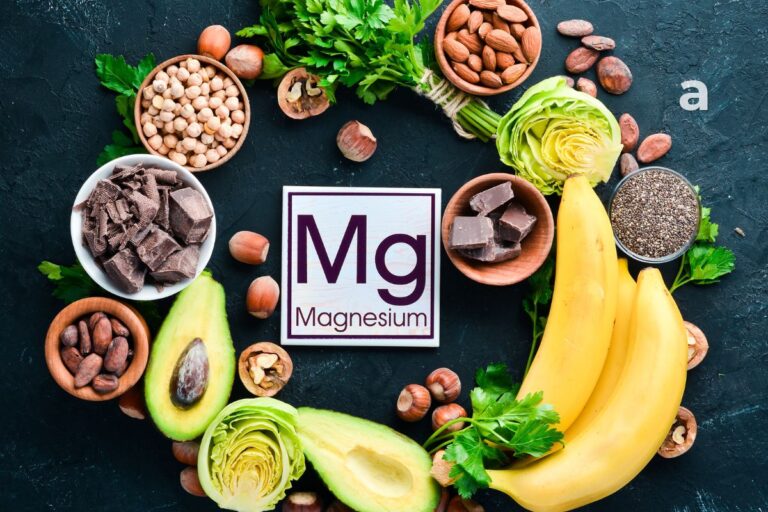



I always associated calcium only with bones, but this article explains how important it is for muscles, nerves, heart function, and everyday health. It completely changed my understanding of this essential mineral.
The explanation about calcium working together with vitamin D, magnesium, protein, and potassium was excellent. It shows why balanced nutrition is much more important than focusing on a single nutrient.