
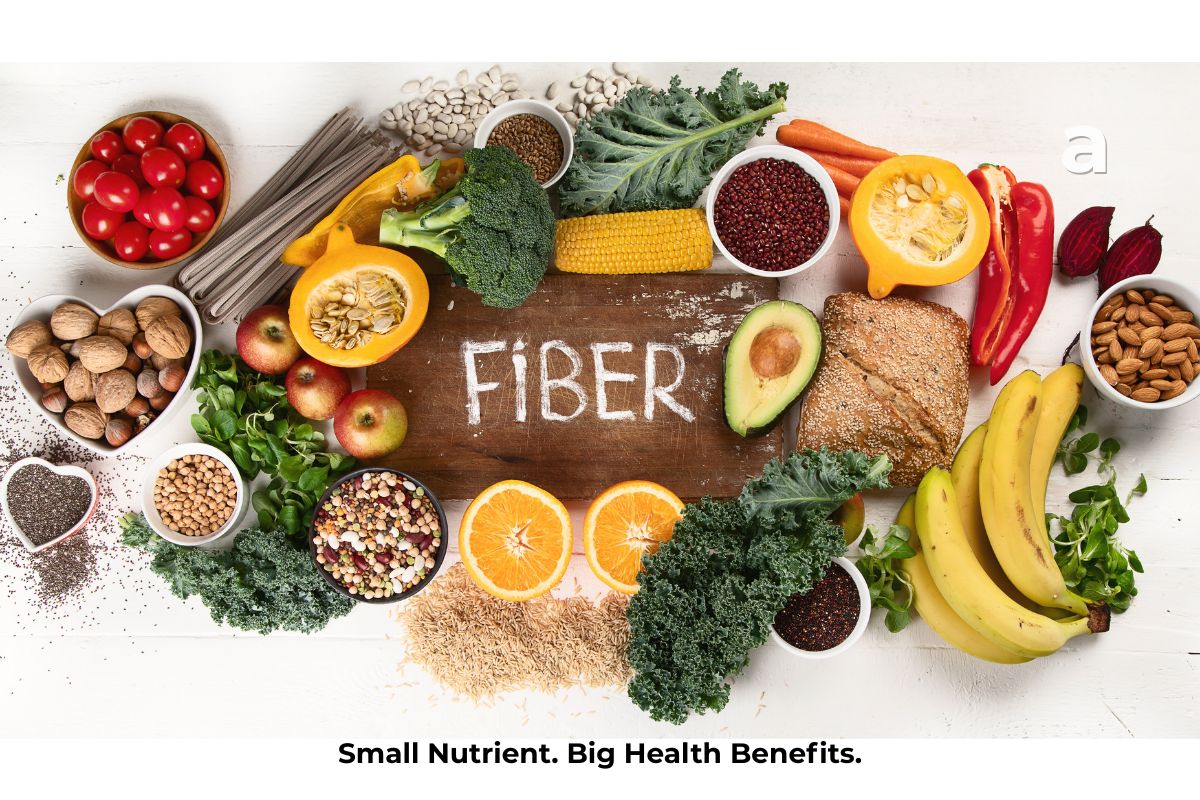
Fiber: The Nutrient Most People Don’t Get Enough Of (+ Why Your Body Needs It)
When people think about healthy eating, they often focus on protein, vitamins, or calories. Yet one of the most important nutrients for overall health is frequently overlooked—dietary fiber.
Unlike carbohydrates, proteins, and fats, fiber isn’t fully digested by your body. Instead of being broken down and absorbed, it travels through your digestive system, where it performs a variety of essential functions. It supports healthy digestion, nourishes beneficial gut bacteria, helps regulate blood sugar levels, contributes to heart health, and may even help you feel full for longer after meals.
Despite these benefits, many people consume far less fiber than recommended. Modern diets that rely heavily on refined grains, sugary snacks, and ultra-processed foods often provide plenty of calories but very little fiber. Over time, this shortfall can affect digestive health and overall well-being.
The encouraging news is that increasing your fiber intake doesn’t require expensive supplements or complicated meal plans. Simple choices—such as eating more fruits, vegetables, legumes, whole grains, nuts, and seeds—can make a meaningful difference.
In this comprehensive guide, you’ll learn:
- What dietary fiber is
- The different types of fiber
- Why fiber is essential for your health
- How much fiber you need each day
- The best high-fiber foods
- Signs you may not be getting enough fiber
- Practical ways to increase your fiber intake safely
- Common myths and misconceptions about fiber
Whether your goal is to improve digestion, support gut health, manage your weight, or simply eat a healthier diet, understanding fiber is one of the best places to start.
What Is Fiber?
Dietary fiber is a type of carbohydrate found naturally in plant foods such as fruits, vegetables, whole grains, legumes, nuts, and seeds. Unlike most carbohydrates, however, fiber cannot be completely broken down by the enzymes in your digestive system.
Rather than being absorbed into the bloodstream, much of the fiber you eat passes through your digestive tract largely intact. This unique characteristic is what makes fiber so valuable. Instead of serving as a direct source of energy, it supports many important processes that keep your digestive system and the rest of your body functioning well.
One of fiber’s most important roles is supporting the health of your gut microbiome. When certain types of fiber reach the large intestine, beneficial bacteria ferment them to produce short-chain fatty acids (SCFAs). These compounds help nourish the cells lining the colon and contribute to a healthy digestive environment.
Fiber also influences how food moves through your digestive tract. Some types absorb water and form a gel-like substance that slows digestion, while others add bulk to stool and help food move more efficiently through the intestines. Together, these actions support regular bowel movements and overall digestive comfort.
Because fiber is naturally found in plant foods, increasing your intake usually means eating a wider variety of nutritious foods, including:
- Fruits
- Vegetables
- Whole grains
- Beans and lentils
- Chickpeas
- Peas
- Nuts
- Seeds
These foods provide not only fiber but also vitamins, minerals, antioxidants, and other beneficial plant compounds that support long-term health.
It’s also important to distinguish dietary fiber from fiber supplements. While supplements may be appropriate in certain situations under the guidance of a healthcare professional, whole foods offer additional nutrients and a broader range of health benefits that supplements cannot fully replace.
According to MedlinePlus (National Library of Medicine) – Dietary Fiber, dietary fiber is found in plant foods and includes both soluble and insoluble fiber, each with important health benefits.
In short, fiber is far more than just a nutrient that helps prevent constipation. It is an essential part of a balanced diet and plays a vital role in digestive health, heart health, blood sugar regulation, and the overall function of your gut microbiome.
Dietary fiber is found naturally in fruits, vegetables, whole grains, legumes, nuts, and seeds and plays an important role in supporting overall health. For a detailed overview of fiber and its different types, see the Harvard T.H. Chan School of Public Health – The Nutrition Source: Fiber.
Types of Fiber: Understanding Soluble, Insoluble, and Functional Fiber
When people hear the word “fiber,” they often assume it’s a single nutrient. In reality, dietary fiber includes several types, each with unique properties and health benefits. While all types of fiber contribute to a healthy diet, they work in different ways throughout your digestive system.
Rather than asking “Which type of fiber is best?”, a better question is “Am I getting enough variety?” A balanced diet that includes different plant-based foods naturally provides a combination of fibers that work together to support digestion, gut health, heart health, and overall well-being.
Let’s explore the different types of fiber and why each one matters.
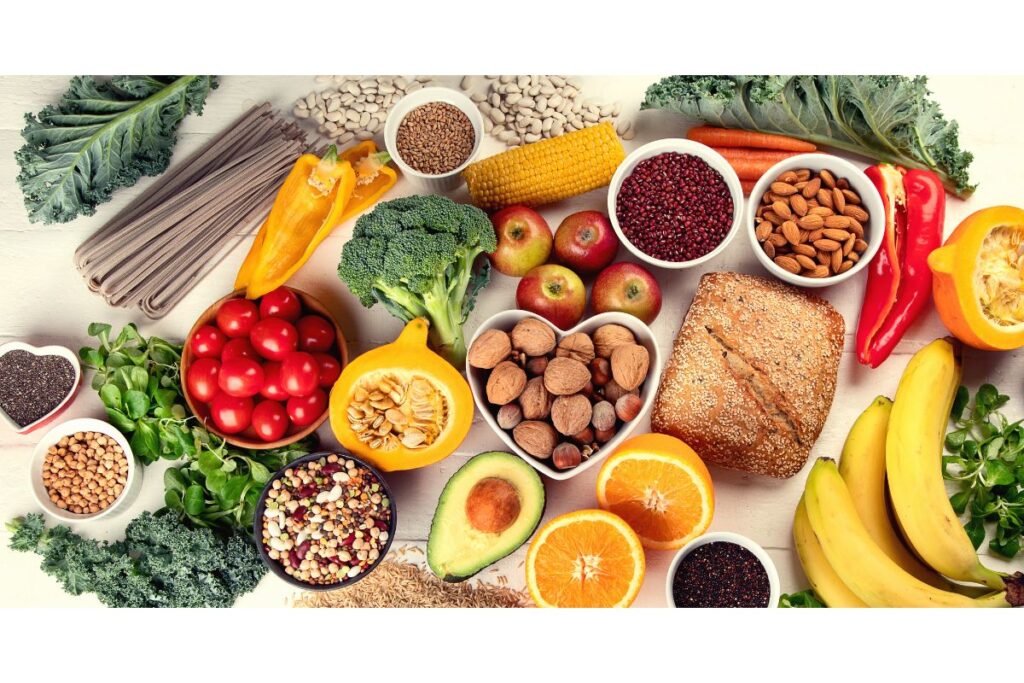
1. Soluble Fiber
As its name suggests, soluble fiber dissolves in water, forming a soft, gel-like substance in your digestive tract.
This gel slows the movement of food through the stomach and intestines, allowing nutrients to be absorbed more gradually. As a result, soluble fiber may help maintain healthy blood sugar levels after meals and contribute to normal cholesterol levels as part of a balanced diet.
When soluble fiber reaches the large intestine, beneficial gut bacteria ferment it, producing short-chain fatty acids (SCFAs) that help support the health of the colon and nourish your gut microbiome.
Health Benefits of Soluble Fiber
Soluble fiber may help:
- Support a healthy gut microbiome
- Promote regular digestion
- Help maintain healthy cholesterol levels
- Support healthy blood sugar regulation
- Increase feelings of fullness after meals
- Contribute to heart health
Foods Rich in Soluble Fiber
Excellent sources include:
- Oats
- Barley
- Apples
- Pears
- Citrus fruits
- Berries
- Carrots
- Sweet potatoes
- Beans
- Lentils
- Chickpeas
- Psyllium husk
Adding just one serving of these foods to each meal can significantly increase your daily fiber intake.
2. Insoluble Fiber
Unlike soluble fiber, insoluble fiber does not dissolve in water. Instead, it passes through your digestive system largely unchanged.
Its primary role is to add bulk to stool and help food move efficiently through the digestive tract. This supports regular bowel movements and contributes to overall digestive health.
For this reason, insoluble fiber is often associated with maintaining bowel regularity.
Health Benefits of Insoluble Fiber
Insoluble fiber helps:
- Support regular bowel movements
- Add bulk to stool
- Promote healthy digestion
- Support overall colon health
- Reduce the likelihood of constipation as part of a healthy lifestyle
Foods Rich in Insoluble Fiber
Good sources include:
- Whole wheat
- Brown rice
- Wheat bran
- Cauliflower
- Green beans
- Leafy greens
- Cabbage
- Broccoli
- Nuts
- Seeds
- Potato skins
Most whole plant foods naturally contain a mixture of both soluble and insoluble fiber.
3. Resistant Starch
Although technically a type of starch rather than traditional dietary fiber, resistant starch behaves similarly to fiber because it resists digestion in the small intestine.
Instead of being absorbed immediately, it travels to the large intestine, where beneficial bacteria ferment it.
This process supports the production of short-chain fatty acids and contributes to a healthy gut environment.
Foods Containing Resistant Starch
Examples include:
- Cooked and cooled potatoes
- Cooked and cooled rice
- Green bananas
- Oats
- Beans
- Lentils
- Chickpeas
Interestingly, cooling cooked potatoes or rice changes part of their starch into resistant starch, making them a valuable addition to a balanced diet.
4. Functional Fiber
Functional fiber refers to isolated or manufactured fibers that are added to foods or taken as supplements because they provide specific health benefits.
Examples include:
- Psyllium
- Inulin
- Beta-glucan
- Polydextrose
Some functional fibers are added to products such as breakfast cereals, nutrition bars, yogurts, and fiber supplements.
While they can be useful in certain situations, they should not replace a diet rich in naturally fiber-containing foods.
Whole foods provide many additional nutrients—including vitamins, minerals, antioxidants, and plant compounds—that supplements cannot fully replicate.
Why Variety Matters More Than One Type
Your digestive system doesn’t rely on a single kind of fiber.
Different fibers perform different jobs:
- Some nourish beneficial gut bacteria.
- Some support bowel regularity.
- Some slow digestion.
- Some contribute to heart health.
- Some help you stay satisfied after meals.
Eating a variety of plant-based foods naturally provides this balance.
For example:
🥣 Breakfast: Oats with berries
🥗 Lunch: Lentil salad with vegetables
🍎 Snack: Apple with almonds
🍛 Dinner: Brown rice, vegetables, and beans
Together, these meals provide multiple types of fiber without requiring special products or supplements.
Can You Eat Too Much Fiber?
Fiber is beneficial, but more isn’t always better.
Increasing fiber too quickly may cause temporary symptoms such as:
- Bloating
- Gas
- Abdominal discomfort
- Changes in bowel habits
This doesn’t necessarily mean fiber is harmful—it often means your digestive system needs time to adjust.
To increase fiber comfortably:
- Add fiber gradually over several weeks.
- Drink enough water throughout the day.
- Eat a variety of fiber-rich foods rather than relying on one source.
- Stay physically active to support healthy digestion.
If you have certain digestive conditions, such as inflammatory bowel disease or other gastrointestinal disorders, follow the advice of your healthcare professional regarding fiber intake.
Whole Foods First
While fiber supplements have their place, most nutrition experts recommend getting fiber primarily from whole foods.
Whole plant foods offer much more than fiber alone. They also provide:
- Vitamins
- Minerals
- Antioxidants
- Phytochemicals
- Healthy carbohydrates
- Natural hydration
These nutrients work together in ways that supplements cannot fully replicate.
Instead of asking, “Which fiber supplement should I buy?”, consider asking:
“How can I add one more serving of fruits, vegetables, legumes, or whole grains to my meals today?”
Small changes like these often have the greatest long-term impact.
Key Takeaway
Fiber isn’t a single nutrient—it comes in different forms, each with its own role in supporting your health. Soluble fiber helps nourish your gut microbiome and supports heart and metabolic health, while insoluble fiber promotes regular digestion. Resistant starch and functional fibers add further benefits in specific contexts.
The best strategy isn’t to focus on one type of fiber but to enjoy a wide variety of plant-based foods every day. A colourful, balanced diet naturally provides the mix of fibers your body needs to support digestion, gut health, and overall well-being.
Why Fiber Is Essential for Your Health: 10 Science-Backed Benefits
Dietary fiber is often associated with preventing constipation, but its role extends far beyond digestive health. Modern research has shown that eating enough fiber supports multiple systems throughout the body, including your gut microbiome, heart, metabolism, immune system, and overall well-being.
Rather than acting as a medicine, fiber works as a foundation for long-term health. It supports the body’s natural processes through everyday eating habits, making it one of the most valuable nutrients in a balanced diet.
Let’s explore the science-backed benefits of getting enough fiber every day.
1. Supports a Healthy Digestive System
One of fiber’s most recognised roles is keeping your digestive system functioning smoothly.
Insoluble fiber adds bulk to stool and helps food move through the digestive tract more efficiently, supporting regular bowel movements. Soluble fiber absorbs water and forms a gel-like consistency that helps soften stool and supports normal digestion.
Together, these two types of fiber contribute to:
- Regular bowel movements
- Healthy digestion
- Reduced digestive discomfort
- Overall intestinal health
A well-functioning digestive system also allows your body to absorb nutrients more effectively from the foods you eat.
2. Nourishes Your Gut Microbiome
One of the most exciting discoveries in nutrition science is how fiber supports the gut microbiome.
Certain fibers, known as prebiotic fibers, become food for beneficial bacteria living in the large intestine.
As these bacteria ferment fiber, they produce short-chain fatty acids (SCFAs) that help:
- Nourish the cells lining the colon
- Support the intestinal barrier
- Maintain a balanced gut environment
- Support communication between the gut and immune system
This is one reason why eating a wide variety of plant-based foods is strongly encouraged.
3. Helps Maintain Heart Health
Heart disease remains one of the leading causes of death worldwide, making heart-healthy eating habits especially important.
Research suggests that diets naturally rich in fiber—particularly soluble fiber—may help maintain healthy cholesterol levels already within the normal range as part of a balanced diet.
Fiber-rich foods such as:
- Oats
- Barley
- Beans
- Lentils
- Apples
- Citrus fruits
are frequently included in dietary patterns associated with better cardiovascular health.
Remember, no single food protects your heart on its own. Instead, a diet consistently rich in fruits, vegetables, whole grains, legumes, nuts, and seeds contributes to overall heart health.
4. Supports Healthy Blood Sugar Regulation
Fiber slows the digestion and absorption of carbohydrates.
This means glucose enters the bloodstream more gradually after meals, helping support healthy blood sugar regulation.
For this reason, many nutrition experts recommend choosing:
- Whole grains instead of refined grains
- Whole fruit instead of fruit juice
- Legumes several times each week
- High-fiber snacks instead of highly processed alternatives
These choices provide more stable energy throughout the day while supporting overall metabolic health.
5. Helps You Feel Fuller for Longer
Have you ever noticed that a bowl of oatmeal keeps you satisfied longer than a sugary pastry?
Fiber contributes to feelings of fullness by:
- Slowing stomach emptying
- Increasing the volume of food without adding many calories
- Supporting gradual digestion
This may naturally reduce the urge to snack between meals and make balanced eating patterns easier to maintain.
Rather than focusing on restrictive diets, building meals around fiber-rich foods can support healthy eating habits over the long term.
6. Supports Healthy Weight Management
Fiber is not a weight-loss solution, but it can be a valuable part of a healthy lifestyle.
Many foods naturally high in fiber are also:
- Nutrient-dense
- Lower in energy density
- Rich in vitamins and minerals
Examples include:
- Vegetables
- Fruits
- Beans
- Lentils
- Whole grains
Choosing these foods more often can help create satisfying meals that support a healthy body weight as part of an overall balanced diet and regular physical activity.
7. Supports Colon Health
The large intestine relies on fiber to function effectively.
When beneficial gut bacteria ferment certain fibers, they produce short-chain fatty acids that help nourish the cells lining the colon.
Maintaining a healthy digestive environment through a varied, fiber-rich diet is considered an important part of supporting long-term colon health.
Rather than waiting for digestive problems to appear, eating enough fiber each day is a simple preventive habit that benefits your digestive system throughout life.
8. Encourages a More Diverse Diet
One overlooked benefit of fiber is that it naturally encourages healthier food choices.
Foods high in fiber include:
- Fruits
- Vegetables
- Whole grains
- Legumes
- Nuts
- Seeds
By increasing your fiber intake, you also increase your intake of:
- Vitamins
- Minerals
- Antioxidants
- Plant compounds (polyphenols)
This creates a healthier overall dietary pattern rather than focusing on a single nutrient.
9. Supports Healthy Ageing
Healthy ageing isn’t about one supplement or one superfood.
It results from years of consistent healthy habits.
A diet rich in fiber supports several aspects of healthy ageing, including:
- Digestive health
- Heart health
- Metabolic health
- Gut microbiome diversity
- Regular bowel function
Combined with physical activity, quality sleep, stress management, and adequate hydration, fiber contributes to maintaining overall well-being as we age.
10. Promotes Long-Term Wellness
Perhaps the greatest benefit of fiber is that it supports multiple systems in your body at the same time.
Unlike nutrients that perform one specific function, fiber contributes to:
- Healthy digestion
- Gut microbiome balance
- Heart health
- Blood sugar regulation
- Healthy cholesterol levels
- Satiety
- Colon health
- Overall dietary quality
These combined benefits make fiber one of the cornerstones of a balanced, sustainable eating pattern.
Small Changes Can Make a Big Difference
You don’t need to completely transform your diet overnight.
Simple changes can significantly increase your daily fiber intake.
For example:
Instead of white bread → choose whole-grain bread.
Instead of fruit juice → eat a whole orange.
Instead of crisps → snack on roasted chickpeas or a handful of almonds.
Instead of white rice every day → occasionally choose brown rice or quinoa.
Instead of sugary breakfast cereals → enjoy oats topped with fresh berries and seeds.
These small swaps become meaningful when repeated consistently over time.
Key Takeaway
Fiber is much more than a nutrient that supports regular bowel movements. It nourishes your gut microbiome, supports heart health, helps regulate blood sugar, promotes satiety, contributes to colon health, and encourages a more nutritious eating pattern overall.
The strongest evidence continues to show that the best way to get enough fiber is through a varied diet rich in fruits, vegetables, legumes, whole grains, nuts, and seeds—not through quick fixes or restrictive eating plans.
By making simple, sustainable changes to your daily meals, you can enjoy the many health benefits that fiber offers throughout every stage of life.
How Much Fiber Do You Need Every Day?
Knowing that fiber is important is only the first step. The next question most people ask is:
“How much fiber should I actually eat every day?”
The answer depends on several factors, including your age, sex, activity level, and overall health. While individual needs may vary, nutrition experts around the world provide recommended daily fiber intake guidelines that help support healthy digestion, heart health, and overall well-being.
Unfortunately, studies consistently show that most adults consume significantly less fiber than recommended. Many people eat only about half of their daily requirement because modern diets often include refined grains, sugary snacks, and ultra-processed foods instead of whole plant foods.
The good news is that meeting your daily fiber goal is achievable through simple dietary choices.
Recommended Daily Fiber Intake
The following recommendations are based on guidance from leading health and nutrition organisations.
| Age Group | Recommended Daily Fiber Intake |
|---|---|
| Children (1–3 years) | 19 g |
| Children (4–8 years) | 25 g |
| Girls (9–18 years) | 26 g |
| Boys (9–13 years) | 31 g |
| Boys (14–18 years) | 38 g |
| Adult Women (19–50 years) | 25 g |
| Adult Men (19–50 years) | 38 g |
| Women (51+ years) | 21 g |
| Men (51+ years) | 30 g |
| Pregnant Women | 28 g |
| Breastfeeding Women | 29 g |
These values are general recommendations and may vary slightly between countries. If you have a medical condition that affects digestion or nutrient absorption, consult a healthcare professional or registered dietitian for personalised advice.
Why Do Fiber Needs Change With Age?
Fiber requirements are not the same throughout life because nutritional needs evolve as our bodies grow, develop, and age.
Children
Fiber supports healthy digestion and helps establish lifelong healthy eating habits. Parents should encourage children to eat a variety of fruits, vegetables, whole grains, beans, and legumes instead of relying on processed snacks.
Adults
During adulthood, adequate fiber supports:
- Healthy digestion
- Heart health
- Blood sugar regulation
- Gut microbiome diversity
- Healthy body weight
Adults who regularly eat whole plant foods are generally more likely to meet their fiber needs naturally.
Older Adults
As people age, digestion often becomes slower, and physical activity may decrease. Adequate fiber, combined with sufficient fluid intake and regular movement, helps support healthy bowel function and overall digestive health.
Pregnancy and Breastfeeding
Fiber becomes especially important during pregnancy because hormonal changes may contribute to constipation.
Eating fiber-rich foods alongside adequate hydration can help support comfortable digestion during pregnancy. Pregnant and breastfeeding women should always follow the guidance of their healthcare provider regarding individual nutritional needs.
What Does 25–38 Grams of Fiber Look Like?
Many people imagine they need large amounts of special foods to reach their fiber goal.
In reality, everyday meals can provide enough fiber when built around whole plant foods.
Example Daily Meal Plan
Breakfast
- Bowl of oatmeal
- One apple
- One tablespoon of chia seeds
Approximate fiber: 12–14 g
Mid-Morning Snack
- Handful of almonds
Approximate fiber: 3–4 g
Lunch
- Lentil soup
- Mixed salad
- Whole-grain bread
Approximate fiber: 10–12 g
Afternoon Snack
- Pear
Approximate fiber: 5–6 g
Dinner
- Brown rice
- Grilled vegetables
- Chickpea curry
Approximate fiber: 10–12 g
Total Daily Fiber
Approximately 40–45 grams
This example demonstrates that meeting your daily fiber goal is possible without relying on supplements or highly specialised diets.
Are You Getting Enough Fiber?
Ask yourself these simple questions.
Do you eat:
✅ Fruits every day?
✅ Vegetables with most meals?
✅ Whole grains instead of refined grains?
✅ Beans or lentils several times each week?
✅ Nuts or seeds regularly?
If you answered “no” to several of these questions, your daily fiber intake may be lower than recommended.
Common Reasons People Don’t Get Enough Fiber
Many modern eating habits unintentionally reduce fiber intake.
Examples include:
- Choosing white bread instead of whole-grain bread
- Eating refined breakfast cereals
- Drinking fruit juice instead of eating whole fruit
- Eating very few vegetables
- Relying on fast food and ultra-processed meals
- Rarely eating legumes such as beans or lentils
These choices often reduce both fiber intake and the diversity of beneficial nutrients that support overall health.
Should You Use Fiber Supplements?
Fiber supplements may be appropriate for some individuals, particularly under the guidance of a healthcare professional.
However, for most healthy adults, experts recommend obtaining fiber primarily from whole foods because they also provide:
- Vitamins
- Minerals
- Antioxidants
- Phytochemicals
- Healthy fats
- Plant protein
Whole foods nourish both your body and your gut microbiome in ways that supplements alone cannot fully replicate.
Increase Fiber Gradually
If your current diet is low in fiber, avoid making dramatic changes overnight.
A sudden increase may temporarily cause:
- Bloating
- Gas
- Abdominal discomfort
Instead:
- Add one extra serving of vegetables each day.
- Replace white bread with whole-grain bread.
- Choose oatmeal instead of sugary cereal.
- Snack on fruit instead of biscuits.
- Include beans or lentils in meals several times each week.
Most importantly, drink plenty of water as you increase your fiber intake. Fiber works best when combined with adequate hydration.
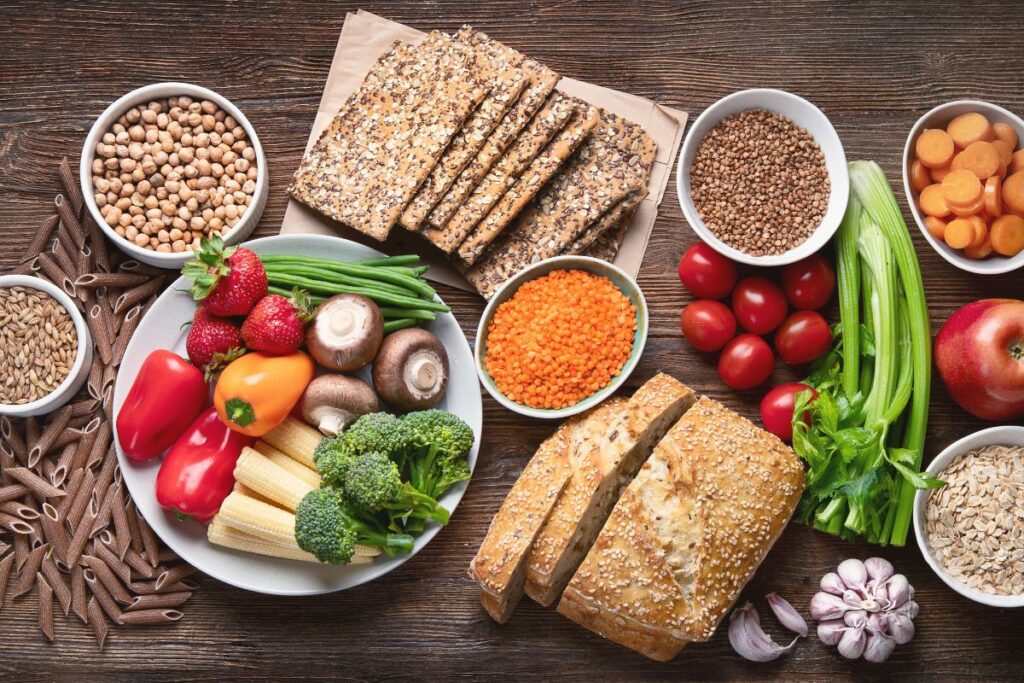
Quality Matters More Than Numbers
Reaching your daily fiber target is important, but where your fiber comes from matters just as much.
Twenty-five grams of fiber from a wide variety of fruits, vegetables, legumes, whole grains, nuts, and seeds provides far more nutritional value than relying heavily on processed foods fortified with added fiber.
Aim for diversity rather than perfection.
A colorful plate filled with whole plant foods naturally provides the combination of fiber and nutrients your body needs.
Key Takeaway
Most people don’t need complicated calculations to improve their fiber intake. By replacing refined foods with whole plant foods and including fruits, vegetables, legumes, whole grains, nuts, and seeds throughout the day, it’s entirely possible to meet your daily fiber needs naturally.
Remember, increasing fiber isn’t about chasing a number—it’s about building healthier eating habits that support digestion, gut health, heart health, and long-term wellness.
20 Best High-Fiber Foods: The Ultimate Fiber-Rich Foods List
One of the easiest ways to improve your health is to eat more foods that are naturally rich in fiber. The good news is that fiber isn’t found in one special ingredient or expensive “superfood.” Instead, it’s present in many everyday foods that are affordable, delicious, and easy to include in balanced meals.
A fiber-rich diet isn’t about eating the same food every day. Different fruits, vegetables, legumes, whole grains, nuts, and seeds provide different types of fiber along with vitamins, minerals, antioxidants, and other beneficial plant compounds. The more variety you include, the more diverse your diet—and your gut microbiome—can become.
The Harvard Nutrition Source: Fiber guide explains why minimally processed whole grains such as oats, barley, brown rice, and quinoa are valuable sources of dietary fiber.
Below are 20 excellent sources of dietary fiber, along with their approximate fiber content per typical serving.
Top 20 High-Fiber Foods
| Food | Serving Size | Approx. Fiber |
|---|---|---|
| Chia Seeds | 2 tablespoons | 10 g |
| Lentils (Cooked) | 1 cup | 15–16 g |
| Black Beans (Cooked) | 1 cup | 15 g |
| Chickpeas (Cooked) | 1 cup | 12–13 g |
| Oats | 1 cup cooked | 4 g |
| Pear (with skin) | 1 medium | 5–6 g |
| Apple (with skin) | 1 medium | 4–5 g |
| Avocado | Half medium | 6–7 g |
| Raspberries | 1 cup | 8 g |
| Broccoli | 1 cup cooked | 5 g |
| Sweet Potato (with skin) | 1 medium | 4 g |
| Brown Rice | 1 cup cooked | 3–4 g |
| Quinoa | 1 cup cooked | 5 g |
| Almonds | 30 g (about 23 nuts) | 3–4 g |
| Flaxseeds | 2 tablespoons | 4 g |
| Brussels Sprouts | 1 cup cooked | 4 g |
| Green Peas | 1 cup cooked | 8–9 g |
| Popcorn (Air-popped) | 3 cups | 3–4 g |
| Whole Wheat Bread | 2 slices | 4–5 g |
| Bananas | 1 medium | 3 g |
Fiber values are approximate and may vary depending on the variety, preparation method, and serving size.
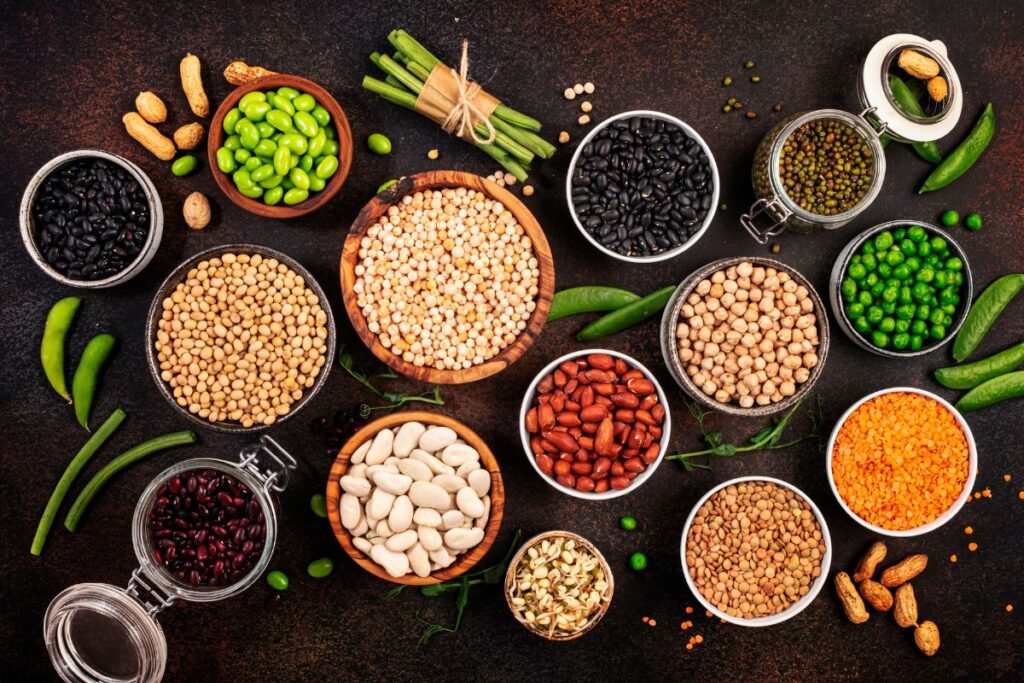
1. Chia Seeds
Despite their tiny size, chia seeds are among the richest natural sources of dietary fiber.
They also provide:
- Plant-based omega-3 fats
- Protein
- Calcium
- Magnesium
- Antioxidants
Easy ways to eat them
- Sprinkle over yogurt
- Mix into oatmeal
- Blend into smoothies
- Add to overnight oats
- Stir into homemade puddings
2. Lentils
Lentils are nutritional powerhouses.
Besides being high in fiber, they are also rich in:
- Plant protein
- Iron
- Folate
- Potassium
Adding lentils to soups, curries, salads, or grain bowls is one of the simplest ways to increase both fiber and protein.
3. Beans
Beans—including black beans, kidney beans, cannellini beans, and pinto beans—are excellent for both digestive health and overall nutrition.
Their combination of fiber and protein makes them especially filling.
Try adding beans to:
- Salads
- Burritos
- Soups
- Chili
- Pasta dishes
4. Chickpeas
Chickpeas are incredibly versatile.
Enjoy them as:
- Hummus
- Roasted snacks
- Curry
- Salad topping
- Grain bowl ingredient
They provide both soluble and insoluble fiber.
5. Oats
Oats contain beta-glucan, a type of soluble fiber that has been widely studied for its role in supporting heart health as part of a balanced diet.
A bowl of oatmeal is a nutritious way to begin the day.
Top it with:
- Berries
- Banana
- Chia seeds
- Walnuts
for an even bigger fiber boost.
6. Fruits
Whole fruits naturally provide fiber, water, vitamins, and antioxidants.
Some of the highest-fiber fruits include:
- Pears
- Apples
- Raspberries
- Blackberries
- Oranges
- Kiwi
Whenever possible, eat fruits with their edible skins because that’s where much of the fiber is found.
7. Vegetables
Vegetables contribute significantly to daily fiber intake.
Excellent choices include:
- Broccoli
- Carrots
- Brussels sprouts
- Spinach
- Green peas
- Sweet potatoes
Aim to include vegetables with both lunch and dinner.
8. Whole Grains
Unlike refined grains, whole grains retain the bran and germ, which contain much of the fiber.
Good options include:
- Brown rice
- Whole wheat
- Quinoa
- Barley
- Bulgur
- Millets
Replacing refined grains with whole grains is one of the easiest ways to increase fiber intake.
9. Nuts and Seeds
Although often eaten in small portions, nuts and seeds make valuable contributions to daily fiber intake.
Examples include:
- Almonds
- Pistachios
- Walnuts
- Flaxseeds
- Pumpkin seeds
- Sunflower seeds
They’re also rich in healthy fats, vitamins, and minerals.
10. Air-Popped Popcorn
Surprisingly, plain air-popped popcorn is a whole grain and contains a useful amount of fiber.
Avoid excessive butter, sugar, or salt to keep it a healthier snack option.
Fiber-Rich Foods by Category
Fruits
- Pears
- Apples
- Raspberries
- Oranges
- Bananas
- Kiwi
Vegetables
- Broccoli
- Green peas
- Brussels sprouts
- Sweet potatoes
- Carrots
Legumes
- Lentils
- Chickpeas
- Black beans
- Kidney beans
Whole Grains
- Oats
- Brown rice
- Quinoa
- Whole wheat
- Barley
Nuts & Seeds
- Chia seeds
- Flaxseeds
- Almonds
- Pumpkin seeds
Simple Ways to Eat More Fiber Every Day
Increasing fiber doesn’t require dramatic changes.
Instead, try these practical swaps:
🥣 Replace sugary cereal with oatmeal.
🍞 Choose whole-grain bread instead of white bread.
🍚 Swap white rice for brown rice or quinoa.
🥗 Add beans or lentils to soups and salads.
🍎 Snack on whole fruit instead of fruit juice.
🥜 Keep a handful of nuts instead of processed snacks.
🌱 Sprinkle chia or flaxseeds over yogurt or smoothies.
🥦 Fill half your plate with vegetables at lunch and dinner.
These small changes can significantly increase your daily fiber intake without making meals complicated.
Quality Over Quantity
While it’s helpful to know how many grams of fiber foods contain, remember that the overall quality of your diet matters more than chasing numbers.
A plate filled with colorful fruits, vegetables, legumes, whole grains, nuts, and seeds provides much more than fiber. It also supplies vitamins, minerals, healthy fats, antioxidants, and plant compounds that work together to support long-term health.
Instead of trying to eat one “perfect” high-fiber food every day, aim for variety. Different foods nourish different beneficial bacteria in your gut, creating a healthier and more diverse microbiome.
Key Takeaway
The best high-fiber foods are everyday foods—not expensive supplements or trendy health products. By including a variety of fruits, vegetables, legumes, whole grains, nuts, and seeds in your meals, you can naturally increase your fiber intake while supporting digestion, gut health, heart health, and overall wellness.
Rather than striving for perfection, focus on adding one or two fiber-rich foods to your meals each day. Small, consistent improvements are far more sustainable than drastic dietary changes.
Signs You’re Not Getting Enough Fiber: 10 Warning Signs Your Body May Be Giving You
Fiber plays an essential role in maintaining digestive health, supporting your gut microbiome, regulating blood sugar, and promoting overall well-being. When your diet consistently falls short of the recommended daily intake, your body may begin sending subtle signals that deserve attention.
It’s important to remember that these signs are not unique to fiber deficiency. Many health conditions can cause similar symptoms. However, if several of these signs occur together and your diet is low in fruits, vegetables, whole grains, legumes, nuts, and seeds, increasing your fiber intake may be one positive step to discuss with your healthcare professional.
Let’s look at some of the most common signs that you may not be eating enough fiber.
1. Frequent Constipation
Constipation is one of the most common signs of inadequate fiber intake.
Fiber helps add bulk to stool and supports its movement through the digestive tract. Without enough fiber—and enough water—stools can become harder and more difficult to pass.
You may experience:
- Fewer bowel movements than usual
- Hard or dry stools
- Straining during bowel movements
- A feeling of incomplete emptying
Increasing fiber gradually, drinking adequate water, and staying physically active often support healthy bowel function.
2. Feeling Hungry Soon After Eating
Have you ever finished a meal only to feel hungry again an hour later?
Meals that are low in fiber are often digested more quickly, which may reduce feelings of fullness.
Fiber slows digestion and helps you stay satisfied for longer.
To create more satisfying meals, include foods such as:
- Whole grains
- Beans
- Lentils
- Fruits
- Vegetables
- Nuts
- Seeds
3. Frequent Blood Sugar Highs and Lows
Meals high in refined carbohydrates but low in fiber are digested rapidly.
This may lead to:
- Sudden energy spikes
- Mid-afternoon crashes
- Feeling hungry again quickly
Choosing fiber-rich carbohydrates instead of refined alternatives helps create a more balanced eating pattern.
Examples include:
Instead of white bread → Whole-grain bread
Instead of white rice → Brown rice
Instead of fruit juice → Whole fruit
4. Bloating After Low-Quality Meals
Although increasing fiber too quickly may temporarily cause gas or bloating, regularly eating highly processed, low-fiber foods can also contribute to digestive discomfort.
A healthy gut microbiome depends on a consistent supply of dietary fiber.
If your meals rely mainly on refined carbohydrates and ultra-processed foods, your digestive system may not receive the variety of nutrients it needs.
5. You Rarely Eat Fruits or Vegetables
One of the simplest indicators of low fiber intake isn’t a symptom—it’s your plate.
Ask yourself:
- Do I eat vegetables with most meals?
- Do I eat fruit every day?
- Do I regularly include beans or lentils?
- Do I choose whole grains instead of refined grains?
If the answer is “rarely,” your fiber intake is likely below recommended levels.
6. Digestive Health Feels Inconsistent
Your digestive system often reflects your overall eating habits.
A low-fiber diet may contribute to:
- Irregular bowel habits
- Digestive discomfort
- Feeling sluggish after meals
Healthy digestion depends on many factors, including hydration, physical activity, stress, sleep, and overall diet—not fiber alone.
7. You Rely Heavily on Ultra-Processed Foods
Many packaged foods contain:
- Refined flour
- Added sugars
- Unhealthy fats
- Very little dietary fiber
Examples include:
- Packaged snacks
- Sugary breakfast cereals
- Instant noodles
- Fast food
- Biscuits
- Sweetened beverages
These foods often replace naturally fiber-rich options rather than complement them.
8. You Rarely Feel Full After Meals
A balanced meal should leave you feeling comfortably satisfied.
If you often find yourself searching for snacks shortly after eating, your meals may lack:
- Fiber
- Protein
- Healthy fats
These nutrients work together to promote satiety.
A simple way to improve meal satisfaction is to fill half your plate with vegetables and include whole grains, legumes, or other high-fiber foods.
9. Your Daily Diet Lacks Variety
Fiber comes from plant foods.
If your meals consist mainly of:
- White bread
- Refined rice
- Processed meat
- Packaged snacks
your gut microbiome receives far less variety than it would from a colorful, plant-rich diet.
Nutrition experts often recommend aiming for 30 or more different plant foods each week, including fruits, vegetables, legumes, herbs, spices, nuts, seeds, and whole grains. Variety helps support a more diverse gut microbiome and encourages a wider intake of beneficial nutrients.
10. Your Fiber Intake Is Simply Too Low
Sometimes the clearest sign is looking at what you eat.
A typical day might include:
Breakfast:
- Sugary cereal
Lunch:
- White bread sandwich
Snack:
- Crisps
Dinner:
- White rice with little or no vegetables
Although these meals may provide enough calories, they often fall well short of daily fiber recommendations.
Now compare that with:
Breakfast:
- Oatmeal topped with berries and chia seeds
Lunch:
- Lentil salad with mixed vegetables
Snack:
- Apple and almonds
Dinner:
- Brown rice, broccoli, and chickpea curry
The second day naturally provides far more fiber, vitamins, minerals, and beneficial plant compounds.
When Should You See a Doctor?
While increasing fiber can support digestive health, persistent symptoms should never be ignored.
Seek medical advice if you experience:
- Blood in your stool
- Severe or persistent abdominal pain
- Unexplained weight loss
- Ongoing constipation despite dietary changes
- Persistent diarrhoea
- Difficulty swallowing
- Persistent vomiting
- Black or tarry stools
These symptoms require professional medical evaluation and should not be treated through diet alone.
How to Increase Fiber Safely
If you suspect you’re eating too little fiber, avoid making dramatic changes overnight.
Instead:
✅ Add one serving of fruit each day.
✅ Include vegetables at lunch and dinner.
✅ Replace refined grains with whole grains.
✅ Eat beans or lentils two to three times each week.
✅ Snack on nuts or seeds instead of processed foods.
✅ Drink plenty of water.
✅ Increase fiber gradually over several weeks.
These small, consistent changes are more comfortable for your digestive system and easier to maintain long term.
This approach also aligns with the recommendations in the World Health Organization Healthy Diet guidance, which encourages eating plenty of vegetables, fruits, legumes, and whole grains as part of a healthy dietary pattern.
Key Takeaway
Your body often gives gentle reminders when your diet lacks fiber. Frequent constipation, feeling hungry soon after meals, relying on ultra-processed foods, and eating very few fruits or vegetables may all suggest that it’s time to increase your intake of fiber-rich foods.
Rather than focusing on one symptom or one “superfood,” aim to improve your overall eating pattern. A varied diet rich in fruits, vegetables, legumes, whole grains, nuts, and seeds naturally provides the fiber your body needs to support healthy digestion, a thriving gut microbiome, and long-term wellness.
How to Increase Your Fiber Intake Safely: 15 Simple Everyday Habits That Work
Increasing your fiber intake is one of the most effective ways to support digestive health, nourish your gut microbiome, and improve the overall quality of your diet. However, how you increase fiber matters just as much as how much you eat.
A sudden jump from a low-fiber diet to a very high-fiber diet can sometimes lead to temporary bloating, gas, or abdominal discomfort. This doesn’t mean fiber is harmful—it simply means your digestive system and gut bacteria need time to adapt.
The best approach is to make gradual, sustainable changes that fit naturally into your daily routine. Here are 15 practical strategies to help you eat more fiber comfortably.
1. Increase Fiber Gradually
If your current diet is low in fiber, avoid doubling your intake overnight.
Instead, add one or two fiber-rich foods each week. This gives your digestive system time to adjust and allows your gut microbiome to adapt to the increased amount of fermentable fiber.
For example:
- Week 1: Add one piece of fruit each day.
- Week 2: Switch to whole-grain bread.
- Week 3: Include beans or lentils twice a week.
Small, consistent changes are more sustainable than dramatic dietary overhauls.
2. Drink Enough Water
Fiber and water work together.
Some types of fiber absorb water, helping to soften stool and support healthy digestion. Without adequate hydration, increasing fiber may contribute to constipation or digestive discomfort.
Aim to drink water regularly throughout the day, especially as you increase your fiber intake.
Good hydration habits include:
- Carrying a reusable water bottle
- Drinking water with meals
- Choosing water over sugary drinks
- Eating water-rich fruits and vegetables
3. Fill Half Your Plate with Vegetables
Vegetables are among the easiest and most nutritious ways to increase fiber.
Try filling half your plate with a colourful variety of vegetables at both lunch and dinner.
Examples include:
- Broccoli
- Spinach
- Carrots
- Green beans
- Cauliflower
- Bell peppers
- Brussels sprouts
Different vegetables provide different types of fiber and beneficial plant compounds, so variety is key.
4. Eat Whole Fruits Instead of Fruit Juice
Whole fruits naturally contain fiber, while most fruit juices contain little or none because much of the fiber is removed during processing.
Instead of drinking a glass of apple juice, choose a whole apple.
Instead of orange juice, enjoy a whole orange.
Keeping the edible skin on fruits like apples and pears (after washing them thoroughly) can further increase your fiber intake.
5. Choose Whole Grains More Often
Replacing refined grains with whole grains is one of the simplest ways to boost your daily fiber intake.
Try swapping:
- White bread → Whole-grain bread
- White rice → Brown rice
- Refined pasta → Whole-wheat pasta
- Sugary cereals → Oats or whole-grain cereals
These small substitutions can add several extra grams of fiber each day.
6. Include Beans and Lentils Every Week
Legumes are among the richest natural sources of dietary fiber.
Examples include:
- Lentils
- Chickpeas
- Kidney beans
- Black beans
- Split peas
Add them to:
- Soups
- Salads
- Curries
- Wraps
- Grain bowls
- Pasta sauces
They’re also excellent sources of plant protein.
7. Snack Smarter
Many packaged snacks are low in fiber and high in added sugar, salt, or unhealthy fats.
Instead, choose naturally fiber-rich snacks such as:
- Fresh fruit
- A handful of almonds
- Walnuts
- Roasted chickpeas
- Vegetable sticks with hummus
- Plain popcorn
- Unsweetened yogurt with berries and chia seeds
These options provide fiber along with other important nutrients.
8. Add Seeds to Everyday Meals
Small seeds can make a big difference.
Consider adding:
- Chia seeds
- Flaxseeds
- Pumpkin seeds
- Sunflower seeds
to foods like:
- Oatmeal
- Yogurt
- Smoothies
- Salads
- Soups
They provide fiber along with healthy fats, vitamins, and minerals.
9. Eat a Variety of Plant Foods
Different plant foods contain different types of fiber.
Aim to include a wide range of:
- Fruits
- Vegetables
- Whole grains
- Legumes
- Nuts
- Seeds
- Herbs
- Spices
A more diverse diet supports a more diverse gut microbiome, which plays an important role in digestive and overall health.
10. Read Nutrition Labels
When buying packaged foods, compare nutrition labels.
Look for products that contain:
- Higher amounts of dietary fiber
- Whole grains as the first ingredient
- Lower amounts of added sugars
This simple habit can help you make more informed food choices.
11. Cook More Meals at Home
Preparing meals at home gives you greater control over the ingredients you use.
Homemade meals often make it easier to include:
- Extra vegetables
- Whole grains
- Beans and lentils
- Healthy snacks
Even making one or two additional home-cooked meals each week can increase your fiber intake.
12. Build Balanced Meals
Instead of focusing on a single nutrient, build meals that combine several healthy food groups.
For example:
🥣 Breakfast
- Oatmeal
- Berries
- Chia seeds
🥗 Lunch
- Lentil salad
- Mixed vegetables
- Whole-grain bread
🍎 Snack
- Apple
- Almonds
🍛 Dinner
- Brown rice
- Broccoli
- Chickpea curry
Balanced meals naturally provide fiber, protein, healthy fats, vitamins, and minerals.
13. Don’t Rely Only on Fiber Supplements
Fiber supplements may be recommended in certain situations by a healthcare professional, but they shouldn’t replace a balanced diet.
Whole foods provide much more than fiber alone.
They also contain:
- Vitamins
- Minerals
- Antioxidants
- Phytochemicals
- Healthy fats
- Plant protein
For most people, obtaining fiber from foods is the preferred approach.
14. Stay Physically Active
Healthy digestion depends on more than just what you eat.
Regular physical activity supports overall digestive function and complements a fiber-rich diet.
Activities such as:
- Walking
- Cycling
- Swimming
- Yoga
- Strength training
all contribute to overall health and well-being.
Even a daily 30-minute walk can become part of a healthy lifestyle.
15. Focus on Consistency, Not Perfection
Healthy eating isn’t about having a perfect diet every day.
Instead of trying to dramatically increase your fiber intake overnight, focus on small habits that you can maintain for years.
Remember:
- One extra serving of vegetables matters.
- Choosing whole fruit instead of juice matters.
- Replacing white bread with whole-grain bread matters.
- Eating beans twice a week matters.
Over time, these seemingly small choices can add up to meaningful improvements in your overall diet and health.
A One-Day High-Fiber Eating Plan
If you’re unsure where to start, here’s a simple example of a balanced, fiber-rich day:
| Meal | Example |
|---|---|
| Breakfast | Oatmeal topped with blueberries, banana slices, and chia seeds |
| Morning Snack | Apple with a handful of almonds |
| Lunch | Lentil and vegetable soup with whole-grain bread |
| Afternoon Snack | Carrot sticks with hummus |
| Dinner | Grilled salmon (or tofu), brown rice, steamed broccoli, and mixed salad |
| Dessert (Optional) | Plain yogurt with raspberries and ground flaxseed |
This eating pattern provides fiber from multiple sources while also delivering protein, healthy fats, vitamins, and minerals.
Common Mistakes to Avoid
When increasing your fiber intake, keep these common mistakes in mind:
- ❌ Increasing fiber too quickly without giving your digestive system time to adapt.
- ❌ Forgetting to drink enough water.
- ❌ Relying only on supplements instead of whole foods.
- ❌ Eating the same fiber-rich food every day instead of including a variety of plant foods.
- ❌ Expecting immediate results—healthy eating habits often take time to show lasting benefits.
Key Takeaway
Improving your fiber intake doesn’t require expensive products or restrictive diets. By gradually adding more fruits, vegetables, legumes, whole grains, nuts, and seeds to your meals—and drinking enough water—you can comfortably increase your fiber intake while supporting healthy digestion, a thriving gut microbiome, heart health, and long-term wellness.
The goal isn’t perfection. It’s consistency. Small, sustainable habits practiced every day are far more powerful than short-term dietary changes.
Fiber Myths vs Facts: 10 Common Misconceptions You Should Stop Believing
Fiber is one of the most researched nutrients in nutrition science, yet it’s also one of the most misunderstood. From social media trends to outdated advice, myths about fiber can make healthy eating seem more confusing than it needs to be.
The truth is that fiber isn’t a miracle nutrient, but it is an essential part of a balanced diet. Understanding what the evidence actually says can help you make informed choices without falling for myths or marketing claims.
Let’s separate fact from fiction.
Myth 1: Fiber Is Only Important for Constipation
Fact
While fiber is well known for supporting regular bowel movements, its benefits extend far beyond digestive health.
Research has shown that adequate fiber intake also supports:
- A healthy gut microbiome
- Heart health
- Healthy blood sugar regulation
- Feelings of fullness after meals
- Overall dietary quality
Thinking of fiber only as a remedy for constipation overlooks its important role in overall health.
Myth 2: All Fiber Is the Same
Fact
There isn’t just one type of fiber.
Different forms of fiber have different functions.
For example:
- Soluble fiber forms a gel in the digestive tract and helps nourish beneficial gut bacteria.
- Insoluble fiber adds bulk to stool and supports regular bowel movements.
- Resistant starch behaves similarly to fiber by feeding beneficial bacteria in the large intestine.
Rather than focusing on one type, aim to eat a variety of plant foods that naturally provide different kinds of fiber.
Myth 3: Fiber Supplements Are Just as Good as Whole Foods
Fact
Fiber supplements can be useful in certain situations, particularly when recommended by a healthcare professional.
However, they do not provide everything found in whole foods.
Foods naturally rich in fiber also contain:
- Vitamins
- Minerals
- Antioxidants
- Phytochemicals
- Healthy fats
- Plant protein
These nutrients work together to support health in ways that isolated supplements cannot fully replicate.
For most healthy people, obtaining fiber from whole foods remains the preferred approach.
Myth 4: You Should Eat as Much Fiber as Possible
Fact
More isn’t always better.
Eating excessive amounts of fiber—especially if you increase it suddenly—may lead to:
- Bloating
- Gas
- Abdominal discomfort
- Changes in bowel habits
The healthiest approach is to meet the recommended daily intake gradually while drinking enough water and eating a varied diet.
Balance is more important than extremes.
Myth 5: Only Older Adults Need Fiber
Fact
Fiber is important throughout every stage of life.
Children, teenagers, adults, pregnant women, and older adults all benefit from eating enough fiber.
Developing healthy eating habits early in life helps support long-term digestive and overall health.
Myth 6: Fruit Doesn’t Count Because It Contains Sugar
Fact
Whole fruits naturally contain sugars, but they also provide:
- Dietary fiber
- Vitamins
- Minerals
- Water
- Antioxidants
The fiber in whole fruit helps slow digestion compared with fruit juice or many sugary beverages.
For most people, whole fruit is an important part of a balanced diet.
Myth 7: White Bread and Whole-Grain Bread Are Basically the Same
Fact
Refining grains removes much of the bran and germ, where a significant portion of the fiber is found.
Whole grains generally provide:
- More fiber
- More vitamins
- More minerals
Choosing whole-grain bread, brown rice, oats, or whole-wheat pasta more often is a simple way to increase your fiber intake.
Myth 8: You Can Get Enough Fiber Without Eating Vegetables
Fact
While grains, fruits, legumes, nuts, and seeds all contribute to your daily fiber intake, vegetables remain one of the most important sources.
Different vegetables provide different types of fiber and beneficial plant compounds.
Aim to include vegetables with both lunch and dinner for greater variety and nutritional value.
Myth 9: High-Fiber Foods Are Expensive
Fact
Many of the best sources of fiber are surprisingly affordable.
Budget-friendly options include:
- Oats
- Lentils
- Chickpeas
- Beans
- Brown rice
- Carrots
- Cabbage
- Apples
- Bananas
- Frozen vegetables
Healthy eating doesn’t always require expensive “superfoods.” Everyday pantry staples can provide plenty of fiber while fitting most household budgets.
Myth 10: You Need a Special Detox to Improve Your Gut Health
Fact
There is no strong scientific evidence that detox teas, juice cleanses, or expensive supplements are necessary to “clean” your digestive system.
Your body already has highly effective organs—including the liver, kidneys, lungs, and digestive system—that naturally remove waste products.
Instead of relying on detox products, focus on habits supported by evidence:
- Eat plenty of fiber-rich foods.
- Drink enough water.
- Stay physically active.
- Get adequate sleep.
- Manage stress.
- Eat a varied, balanced diet.
These everyday habits are far more beneficial than short-term detox trends.
Quick Myth vs Fact Summary
| Myth | Fact |
|---|---|
| Fiber is only for constipation. | Fiber supports digestive, heart, metabolic, and gut health. |
| All fiber is the same. | Different types of fiber perform different functions. |
| Supplements are just as good as food. | Whole foods provide fiber plus many other beneficial nutrients. |
| More fiber is always better. | Increase fiber gradually and aim for recommended amounts. |
| Only older adults need fiber. | People of all ages benefit from adequate fiber intake. |
| Fruit should be avoided because of sugar. | Whole fruit provides fiber, vitamins, minerals, and antioxidants. |
| Whole grains offer no advantage over refined grains. | Whole grains generally contain significantly more fiber and nutrients. |
| Vegetables aren’t necessary if you eat cereal. | A varied diet that includes vegetables provides a wider range of nutrients and fiber types. |
| Healthy, high-fiber foods are expensive. | Many excellent fiber sources are affordable everyday foods. |
| Detox products improve gut health. | Long-term healthy eating habits have stronger scientific support than detox products. |
Evidence-Based Habits Matter More Than Health Trends
Nutrition advice changes over time, and it’s easy to become distracted by social media trends or products that promise quick results.
However, decades of research consistently point toward the same core habits:
- Eat a variety of fruits and vegetables.
- Choose whole grains more often.
- Include beans and lentils regularly.
- Snack on nuts and seeds in moderation.
- Drink enough water.
- Stay physically active.
- Build habits you can maintain over time.
These simple, sustainable choices are supported by far stronger scientific evidence than restrictive diets or miracle products.
Key Takeaway
Many of the most common beliefs about fiber are based on misconceptions rather than evidence. Fiber isn’t just for preventing constipation, supplements aren’t a substitute for whole foods, and more fiber isn’t always better.
The healthiest approach is surprisingly simple: enjoy a varied diet rich in fruits, vegetables, legumes, whole grains, nuts, and seeds. Combined with adequate hydration and an active lifestyle, these habits provide the fiber your body needs to support digestion, gut health, heart health, and long-term wellness.
Final Thoughts
Dietary fiber is one of the most important nutrients for long-term health, yet many people still don’t get enough of it. By understanding what fiber is, why it matters, and how to include more fiber-rich foods in your meals, you can take a simple but meaningful step toward supporting your digestive health, gut microbiome, heart health, and overall well-being.
Rather than aiming for perfection, focus on building sustainable habits—such as eating more fruits, vegetables, legumes, whole grains, nuts, and seeds—that you can maintain over time.
Conclusion
Fiber is much more than a nutrient that supports regular bowel movements. It plays an important role in nourishing your gut microbiome, supporting heart health, helping regulate blood sugar, promoting feelings of fullness, and contributing to an overall balanced diet.
The encouraging news is that improving your fiber intake doesn’t require expensive supplements or restrictive eating plans. Simple, everyday choices—like replacing refined grains with whole grains, eating more fruits and vegetables, adding beans or lentils to meals, and choosing healthy snacks—can significantly increase the amount of fiber in your diet.
Remember that healthy eating is built on consistency, not perfection. Small improvements repeated over weeks, months, and years often have the greatest impact on long-term health.
If you have digestive conditions, persistent gastrointestinal symptoms, or specific dietary concerns, speak with your healthcare professional or a registered dietitian before making significant dietary changes.
By making fiber-rich foods a regular part of your meals, you’re investing in healthier digestion, better nutrition, and long-term wellness—one meal at a time.
Frequently Asked Questions (FAQs) About Fiber
Fiber is one of the most searched nutrition topics online. Below are answers to some of the most common questions people have about dietary fiber, based on current nutrition guidance and scientific evidence.
What is dietary fiber?
Dietary fiber is a type of carbohydrate found naturally in plant foods such as fruits, vegetables, whole grains, legumes, nuts, and seeds. Unlike other carbohydrates, fiber is not completely digested by the body. Instead, it supports healthy digestion, nourishes beneficial gut bacteria, and contributes to heart health, blood sugar regulation, and overall well-being.
How much fiber should I eat every day?
Daily fiber needs vary by age and sex.
General recommendations include:
Adult women (19–50 years): About 25 grams per day
Adult men (19–50 years): About 38 grams per day
Adults over 50: Slightly lower recommendations due to changing nutritional needs
The best way to meet these recommendations is by eating a variety of whole plant foods throughout the day.
Which foods are highest in fiber?
Many everyday foods are excellent sources of fiber.
Some of the best include:
Lentils
Chickpeas
Black beans
Oats
Chia seeds
Flaxseeds
Pears
Apples
Raspberries
Broccoli
Sweet potatoes
Brown rice
Whole-grain bread
Almonds
Eating a variety of these foods provides different types of fiber and many other important nutrients.
Is fiber good for weight management?
Fiber can support healthy weight management because it helps increase feelings of fullness after meals and slows digestion.
Foods naturally high in fiber are often rich in vitamins, minerals, and water while being less energy-dense than many highly processed foods. Rather than causing weight loss on its own, fiber can be part of an overall healthy eating pattern that supports maintaining a healthy weight.
Can eating too much fiber be harmful?
Fiber is beneficial, but increasing your intake too quickly may lead to temporary symptoms such as:
Bloating
Gas
Abdominal discomfort
Changes in bowel habits
To reduce the chance of discomfort:
Increase fiber gradually.
Drink enough water.
Eat a variety of fiber-rich foods instead of relying on a single source.
If symptoms persist or are severe, seek medical advice.
Are fiber supplements necessary?
For most healthy people, nutrition experts recommend getting fiber primarily from whole foods.
Fiber supplements may be appropriate in certain situations or when recommended by a healthcare professional, but they should not replace a balanced diet rich in fruits, vegetables, legumes, whole grains, nuts, and seeds.
Whole foods provide many additional nutrients that supplements cannot fully replace.
Does cooking vegetables reduce their fiber?
Cooking can affect the levels of some vitamins, but fiber remains largely intact.
Whether vegetables are eaten raw, steamed, roasted, stir-fried, or lightly boiled, they continue to provide valuable dietary fiber.
The most important goal is to eat vegetables regularly in the form you enjoy most.
Which fruit contains the most fiber?
Several fruits are naturally high in fiber.
Excellent choices include:
Raspberries
Blackberries
Pears
Apples (with the skin)
Avocados
Oranges
Kiwi
Eating whole fruit is generally recommended over fruit juice because whole fruit retains its natural fiber.
Is oatmeal high in fiber?
Yes. Oats are an excellent source of dietary fiber, particularly beta-glucan, a type of soluble fiber that has been widely studied for its role in supporting heart health as part of a balanced diet.
For a higher-fiber breakfast, try adding:
Fresh berries
Chia seeds
Ground flaxseed
Nuts
Can children eat high-fiber foods?
es. Children benefit from eating a variety of fiber-rich foods appropriate for their age.
Good choices include:
Fruits
Vegetables
Whole grains
Beans
Oats
Parents should introduce fiber gradually and encourage children to drink enough water.
If you have concerns about your child’s diet or digestive health, consult a healthcare professional or registered dietitian.
What is the easiest way to eat more fiber every day?
Simple habits can make a big difference.
Try to:
Add one serving of fruit to your breakfast.
Fill half your plate with vegetables at lunch and dinner.
Choose whole grains instead of refined grains.
Include beans or lentils in meals several times each week.
Snack on nuts, seeds, or fresh fruit instead of highly processed foods.
Drink enough water throughout the day.
Small, consistent changes are more sustainable than trying to overhaul your diet overnight.
If this stayed with you, you can support Aarohi here🌿
If this piece stayed with you, you can support Aarohi 🌿
Secure payments via UPI, Cards, Net Banking & PayPal
This is not a transaction, it is an exchange of energy.





The section explaining how small daily habits lead to long-term health really stood out to me. This article is practical, encouraging, and easy to understand.
I always thought fiber was only important for digestion, but I never realised how closely it’s connected to gut health, heart health, and blood sugar balance. Thank you for such a well-researched guide.