
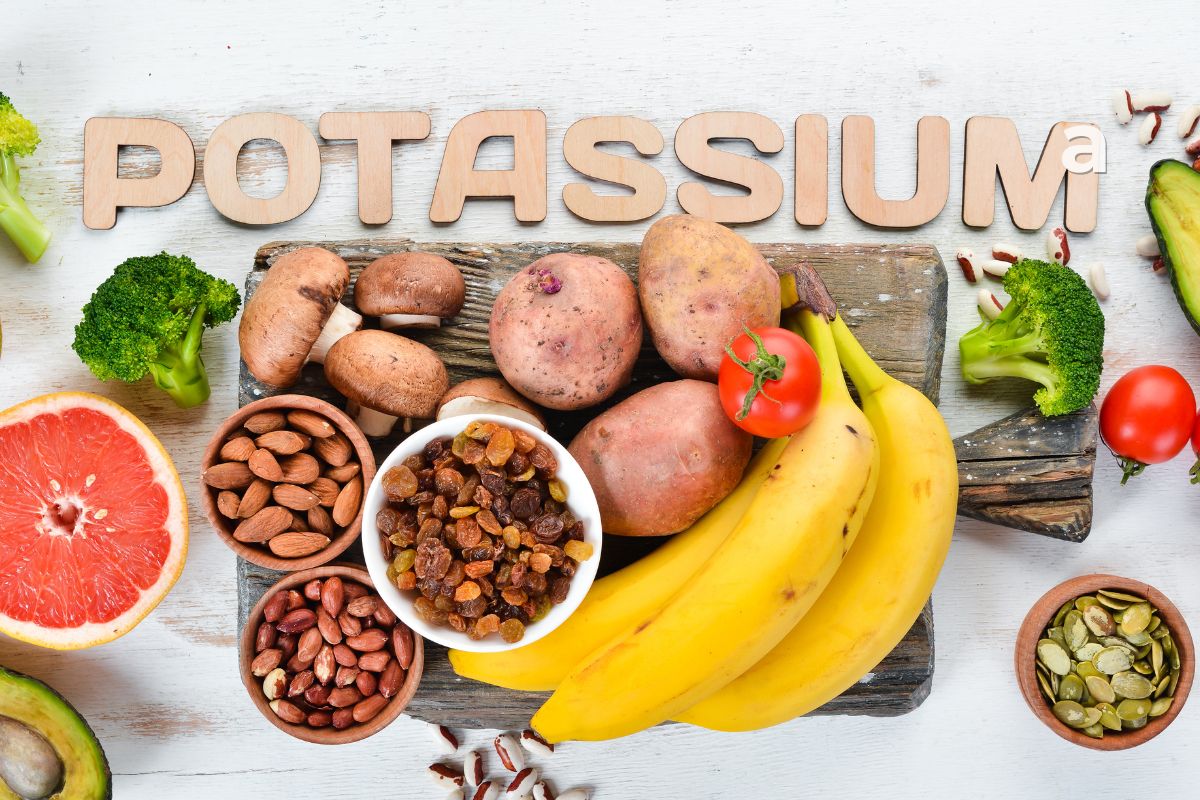
Potassium Benefits: 12 Science-Backed Reasons Your Body Needs This Essential Mineral
Potassium benefits nearly every major system in the body, yet this essential mineral rarely receives the same attention as calcium, iron or vitamin D. Potassium supports normal heart rhythm, muscle contraction, nerve signalling and fluid balance, making it one of the body’s most important electrolytes.
From helping your heart beat normally to supporting healthy muscles, nerves, hydration, and blood pressure, Every cell relies on potassium to function properly, making it one of the body’s most essential electrolytes.
Despite its importance, many people don’t consume enough potassium-rich foods. Modern diets often contain more processed foods that are high in sodium but relatively low in potassium, creating an imbalance that may affect overall health over time.
The good news is that increasing potassium intake doesn’t require expensive supplements or trendy health products. Many everyday foods—including fruits, vegetables, legumes, dairy products, and potatoes—naturally provide potassium as part of a balanced diet.
In this comprehensive guide, you’ll learn:
- What potassium is and why your body needs it
- 12 science-backed potassium benefits
- The best potassium-rich foods
- Recommended daily potassium intake
- Signs and causes of potassium deficiency
- Whether potassium supplements are necessary
- Safety considerations and possible side effects
- Common myths and facts about potassium
Rather than relying on nutrition myths or social media trends, this article explains what current scientific evidence tells us about potassium and how you can naturally include more of it in your daily meals.
What Is Potassium?
Potassium is an essential mineral and electrolyte that helps regulate many vital processes throughout the body.
Unlike vitamins, which often serve as coenzymes or antioxidants, potassium carries an electrical charge when dissolved in body fluids. This electrical property allows it to help transmit nerve signals, support muscle contractions, regulate heartbeat, and maintain the body’s fluid balance.
Around 98% of the body’s potassium is found inside cells, where it works closely with another important electrolyte—sodium. Together, these minerals help maintain the movement of water and nutrients into and out of cells.
Every heartbeat, muscle movement, and nerve impulse depends on this delicate balance.
Your body cannot produce potassium on its own.
That means you must obtain it regularly through food.
Fortunately, potassium is naturally present in many nutritious foods, including:
- Bananas
- Potatoes
- Sweet potatoes
- Spinach
- Tomatoes
- Beans
- Lentils
- Yogurt
- Avocados
- Coconut water
- Oranges
These foods don’t just provide potassium—they also contain fiber, vitamins, antioxidants, and numerous other nutrients that contribute to overall health.
Is Potassium an Electrolyte?
Yes.
Potassium is one of the body’s major electrolytes.
Electrolytes are minerals that carry an electrical charge when dissolved in body fluids.
The major electrolytes include:
- Potassium
- Sodium
- Calcium
- Magnesium
- Chloride
- Phosphate
Together, they help regulate:
- Fluid balance
- Nerve signalling
- Muscle contraction
- Heart rhythm
- Acid-base balance
- Cellular communication
Because potassium functions as an electrolyte, it is sometimes promoted in sports drinks and hydration products.
However, that doesn’t mean everyone needs electrolyte drinks every day.
Most healthy people obtain adequate electrolytes through a varied diet and normal fluid intake.
Electrolyte replacement becomes more relevant in situations involving substantial fluid and mineral losses, such as prolonged endurance exercise, severe diarrhea, persistent vomiting, or excessive sweating.
Why Does Your Body Need Potassium?
Potassium performs hundreds of important functions behind the scenes.
Unlike nutrients that receive attention because of one specific health benefit, potassium quietly supports normal physiology every second of every day.
Your body needs potassium to help:
- Maintain normal muscle function
- Support nerve communication
- Regulate heartbeat
- Balance fluids inside and outside cells
- Help regulate blood pressure
- Support normal kidney function
- Participate in cellular metabolism
These functions explain why potassium deficiency can affect multiple body systems rather than just one organ.
It’s also why healthcare professionals pay close attention to potassium levels in certain medical conditions.
The body works hard to keep potassium within a narrow range.
Both too little potassium and too much potassium can interfere with normal physiological function.
Maintaining balance—not simply consuming more potassium—is the goal.
How Potassium Works Inside Your Body
One of potassium’s most important jobs is maintaining the electrical activity of cells.
Every nerve impulse and muscle contraction depends on tiny electrical signals moving across cell membranes.
Potassium works together with sodium through a mechanism often called the sodium-potassium pump.
Without going into unnecessary technical detail, this system helps:
- Move nutrients into cells
- Remove waste products
- Generate electrical signals
- Maintain normal cell function
- Support muscle contractions
- Enable nerve communication
This process happens continuously throughout your body.
Whether you’re reading, walking, exercising, or sleeping, potassium is helping billions of cells perform their normal functions.
Potassium and Sodium: A Team, Not Enemies
Potassium and sodium are often portrayed as opponents.
In reality, they are partners.
Both are essential electrolytes.
The issue isn’t that sodium is “bad.”
The challenge is that many modern diets provide:
- Too much sodium
- Too little potassium
Many processed foods contain large amounts of sodium while providing relatively little potassium.
By contrast, diets rich in fruits, vegetables, legumes, and minimally processed foods naturally provide more potassium while often containing less sodium.
Researchers continue to study how this overall dietary pattern influences cardiovascular health.
Rather than focusing on eliminating one nutrient, it’s often more helpful to improve the overall quality and balance of the diet.
Can Your Body Store Potassium?
Unlike some nutrients, the body doesn’t maintain large long-term stores of potassium that can compensate indefinitely for poor dietary intake.
Potassium balance depends on:
- Daily dietary intake
- Kidney regulation
- Hormonal control
- Fluid balance
- Overall health
Healthy kidneys continuously adjust how much potassium is excreted in urine to help maintain stable blood levels.
This regulation is remarkably effective.
However, certain medical conditions, medications, or kidney disorders can interfere with this balance.
That’s why both potassium deficiency and excessive potassium can become medically significant.
Potassium From Food vs. Potassium Supplements
For most healthy adults, obtaining potassium from food is the preferred approach.
Foods naturally provide potassium together with many other valuable nutrients.
For example:
Bananas provide potassium, fiber, vitamin B6, and carbohydrates.
Beans provide potassium, protein, fiber, iron, and folate.
Spinach provides potassium, magnesium, vitamin K, folate, and antioxidants.
This illustrates an important nutrition principle:
Whole foods deliver nutrients as part of a complete package—not in isolation.
Potassium supplements, on the other hand, may be appropriate in certain clinical situations but should not automatically replace a balanced diet.
We’ll explore supplements, safety, and when they may be appropriate later in this guide.
Why Potassium Is Often Called a “Heart-Healthy” Mineral
Potassium is frequently associated with heart health because it contributes to:
- Normal muscle contraction
- Healthy nerve signalling
- Fluid balance
- Blood pressure regulation
- Normal heart rhythm
This doesn’t mean potassium supplements prevent heart disease or replace prescribed treatment.
Rather, maintaining adequate potassium intake through a balanced diet supports normal cardiovascular function as part of an overall healthy lifestyle.
Food First: A Better Potassium Strategy
Social media often encourages people to search for:
“The highest-potassium food.”
A better question is:
“How can I include potassium-rich foods throughout the day?”
Instead of relying on one “superfood,” aim for variety.
For example:
- Fruit with breakfast
- Vegetables at lunch
- Beans or lentils at dinner
- Yogurt as a snack
- Leafy greens several times a week
Small habits repeated consistently are usually more effective than chasing one perfect food.
Key Takeaway
Potassium is an essential mineral and electrolyte that supports normal muscle function, nerve communication, heart rhythm, fluid balance, and blood pressure regulation.
Your body cannot make potassium, so it must come from food.
Fortunately, many everyday foods—including fruits, vegetables, legumes, dairy products, and whole foods—naturally provide potassium alongside other important nutrients.
The goal isn’t to consume the highest possible amount of potassium.
It’s to maintain a balanced diet that consistently supplies enough of this essential mineral for normal body function.
12 Science-Backed Potassium Benefits
Potassium is sometimes associated with just one health claim—usually blood pressure.
In reality, its role is much broader.
As an essential electrolyte, potassium helps regulate communication between cells, supports muscle contractions, contributes to normal heart rhythm, and maintains fluid balance throughout the body.
Let’s explore what current scientific evidence tells us about the most important potassium benefits.
1. Supports Normal Heart Function
One of the most important potassium benefits is its role in supporting normal heart function.
Your heart beats because specialized muscle cells generate and transmit tiny electrical signals. Potassium helps these cells function normally by contributing to the electrical activity that coordinates each heartbeat.
Potassium also works closely with other electrolytes such as:
- Sodium
- Calcium
- Magnesium
Together, these minerals help maintain normal heart rhythm and muscle contraction.
This doesn’t mean that taking extra potassium makes the heart “stronger.”
Instead, adequate potassium intake helps support normal cardiovascular physiology.
People with heart disease or those taking certain medications should never begin potassium supplements without medical advice, as excessive potassium can also affect heart rhythm.
2. Helps Maintain Healthy Blood Pressure
Among all potassium benefits, this is probably the most extensively studied.
Research suggests that diets naturally rich in potassium are associated with healthier blood pressure in many people.
One reason is that potassium helps balance the effects of sodium within the body.
Many modern diets contain:
- High sodium
- Low potassium
This imbalance may contribute to elevated blood pressure over time.
Foods naturally rich in potassium include:
- Fruits
- Vegetables
- Beans
- Lentils
- Dairy products
These foods also provide fiber, antioxidants, and other nutrients, making it difficult to attribute their health benefits to potassium alone.
For people diagnosed with hypertension, potassium-rich foods may complement an overall heart-healthy eating pattern—but they do not replace prescribed blood pressure medications.
3. Supports Normal Muscle Function
Every movement you make depends on potassium.
Whether you’re:
- Walking
- Climbing stairs
- Typing
- Smiling
- Exercising
your muscles rely on electrical signals that require appropriate potassium balance.
Potassium helps muscles:
- Contract normally
- Relax appropriately
- Respond to nerve signals
This includes:
- Skeletal muscles
- Smooth muscles
- Heart muscle
Because potassium participates in normal muscle physiology, both low and high potassium levels can interfere with muscle function.
That is why maintaining balance is more important than consuming excessive amounts.
4. Helps Nerves Communicate
Your nervous system constantly sends electrical messages throughout your body.
These signals allow you to:
- Feel sensations
- Move muscles
- Think
- React
- Coordinate movement
Potassium contributes to the electrical gradients that make nerve signalling possible.
Without appropriate potassium balance, normal nerve communication becomes more difficult.
This is another reason potassium is classified as an essential electrolyte.
Rather than acting on one specific organ, it supports communication throughout the entire body.
5. Supports Healthy Fluid Balance
Potassium plays a central role in maintaining fluid balance inside cells.
It works together with sodium to regulate how water moves between:
- Cells
- Blood
- Surrounding tissues
This process helps maintain normal cellular function throughout the body.
Because potassium is an electrolyte, people sometimes assume they need electrolyte drinks every day.
That’s usually unnecessary.
Most healthy adults can maintain electrolyte balance through a varied diet and appropriate hydration.
Electrolyte supplements become more relevant during situations involving substantial fluid loss, such as prolonged endurance exercise, persistent vomiting, severe diarrhea, or excessive sweating.
6. Supports Kidney Function
Healthy kidneys help regulate potassium balance by continuously adjusting how much potassium leaves the body in urine.
This regulation is remarkably precise.
When dietary potassium increases, healthy kidneys usually remove more.
When intake decreases, they conserve potassium.
This process helps maintain stable potassium levels within a narrow range.
However, kidney disease can interfere with this regulation.
People with significant kidney impairment may have difficulty removing excess potassium, which is one reason potassium supplements should never be started without professional guidance in these situations.
7. May Support Bone Health
Bone health isn’t determined by calcium alone.
Researchers continue to investigate how dietary patterns—including potassium-rich foods—may influence bone health over time.
Some evidence suggests that diets rich in fruits and vegetables, which naturally contain potassium, may contribute to better bone health.
However, this doesn’t prove that potassium supplements prevent osteoporosis.
Bone health depends on many interacting factors, including:
- Calcium
- Vitamin D
- Protein
- Physical activity
- Hormones
- Age
- Genetics
Potassium is one piece of that much larger picture.
8. Supports Normal Exercise Function
Exercise places greater demands on muscles, nerves, and fluid regulation.
Potassium contributes to these normal physiological processes.
During prolonged exercise accompanied by substantial sweating, electrolytes—including potassium—may be lost.
Most recreational exercisers replace these losses through normal meals and fluids.
Sports drinks or electrolyte products become more relevant during:
- Endurance events
- Long-duration exercise
- Very hot environments
- Heavy sweating
For ordinary workouts, a balanced diet plus appropriate hydration is usually sufficient.
9. Helps Maintain Normal Cellular Function
Every cell in the body depends on potassium.
Potassium contributes to:
- Cell signalling
- Nutrient transport
- Electrical activity
- Fluid regulation
- Energy metabolism
Although these processes aren’t visible, they occur continuously.
Potassium therefore supports not just one organ but the normal functioning of virtually every tissue in the body.
10. Contributes to Normal Metabolism
Potassium participates in many enzyme-dependent reactions involved in normal metabolism.
It helps support:
- Energy production
- Carbohydrate metabolism
- Protein synthesis
This does not mean potassium supplements increase metabolism or promote weight loss.
Rather, potassium is one of many nutrients required for normal metabolic processes.
Several potassium-rich foods—such as beans and lentils—also provide meaningful amounts of protein.
11. Helps Maintain Electrolyte Balance
Electrolytes work together.
Potassium does not function independently.
Instead, it interacts with:
- Sodium
- Magnesium
- Calcium
- Chloride
Maintaining appropriate electrolyte balance supports normal:
- Muscle function
- Nerve function
- Fluid regulation
- Cardiovascular physiology
This is why nutrition experts emphasize overall dietary quality rather than focusing on one electrolyte in isolation.
12. Encourages a Nutrient-Rich Dietary Pattern
One of the most overlooked potassium benefits isn’t potassium itself—it’s the foods that provide it.
Potassium-rich foods often contain:
- Dietary fiber
- Vitamins
- Antioxidants
- Plant compounds
- Healthy carbohydrates
Examples include:
- Bananas
- Beans
- Lentils
- Spinach
- Potatoes
- Sweet potatoes
- Yogurt
- Tomatoes
Many of these foods also contribute to gut health because they contain dietary fiber and other compounds that support a diverse, balanced eating pattern.
This reinforces an important nutrition principle:
Health benefits often come from the overall dietary pattern, not from one isolated nutrient.
Why Food Matters More Than Supplements
After reading about potassium benefits, it may be tempting to assume that supplements are the fastest solution.
For most healthy adults, that’s not the case.
A balanced diet containing:
- Fruits
- Vegetables
- Legumes
- Dairy products
- Whole foods
usually provides potassium together with many other beneficial nutrients.
Supplements have an important role in specific medical situations, but they should not replace healthy eating.
We’ll discuss potassium supplements, safety, and who may need them later in this guide.
Key Takeaway
Potassium supports normal heart function, blood pressure regulation, muscle contraction, nerve signalling, fluid balance, kidney function, metabolism, and overall cellular health.
Many of these benefits come not only from potassium itself but also from the nutrient-rich foods that naturally provide it.
The simplest way to increase potassium intake is to build meals around whole foods such as fruits, vegetables, legumes, dairy products, and minimally processed grains rather than relying on supplements.
How Much Potassium Do You Need Every Day?
Potassium is essential for life, but your daily requirement depends on factors such as age, sex, pregnancy, and breastfeeding.
Unlike many vitamins and minerals, potassium requirements are relatively high because it plays a major role in fluid balance, nerve signalling, muscle contraction, and normal heart function.
The good news is that most healthy people can obtain enough potassium through food without needing supplements.
Recommended Daily Potassium Intake
Health organizations provide Adequate Intake (AI) values for potassium because current evidence is insufficient to establish a Recommended Dietary Allowance (RDA).
For healthy adults, the recommended daily intake is:
| Group | Potassium per Day |
|---|---|
| Men (19+ years) | 3,400 mg |
| Women (19+ years) | 2,600 mg |
| Pregnancy | 2,900 mg |
| Breastfeeding | 2,800 mg |
These values represent total potassium intake from food and beverages.
Unlike magnesium, potassium supplements are not intended simply to help everyone reach these numbers.
Food remains the preferred source.
Potassium Requirements for Children and Teenagers
Potassium needs increase as children grow.
Approximate daily recommendations include:
| Age | Potassium per Day |
|---|---|
| 1–3 years | 2,000 mg |
| 4–8 years | 2,300 mg |
| 9–13 years (Boys) | 2,500 mg |
| 9–13 years (Girls) | 2,300 mg |
| 14–18 years (Boys) | 3,000 mg |
| 14–18 years (Girls) | 2,300 mg |
Most children can meet these needs through a balanced diet containing fruits, vegetables, dairy products, legumes, and whole foods.
Routine potassium supplementation isn’t recommended simply because a child is growing.
Why Do Men Need More Potassium Than Women?
Adult men generally have a higher Adequate Intake than women.
This reflects differences considered when establishing dietary reference values, including average body size and nutritional requirements.
It doesn’t mean:
Every man must consume exactly 3,400 mg every day.
Nor does it mean:
Every woman only needs 2,600 mg regardless of individual circumstances.
Daily intake naturally varies.
These recommendations are designed to guide healthy dietary patterns over time rather than judge every individual meal.
Do Potassium Needs Increase During Pregnancy?
Yes.
During pregnancy, potassium requirements increase modestly.
Potassium supports many normal physiological processes, including:
- Fluid balance
- Nerve function
- Muscle function
- Cellular activity
However, pregnancy is not a reason to begin potassium supplements without professional advice.
Many prenatal vitamins contain little or no potassium because dietary intake is generally preferred.
Healthcare professionals consider the whole clinical picture—including diet, medications, kidney function, and overall health—before recommending supplementation.
What About Breastfeeding?
Potassium continues to be important during breastfeeding.
Recommended intake remains slightly higher than for many non-pregnant adults.
Fortunately, potassium-rich foods can easily fit into a balanced breastfeeding diet.
Examples include:
- Yogurt
- Milk
- Bananas
- Potatoes
- Beans
- Lentils
- Tomatoes
- Spinach
Again, food should generally be the primary source unless a healthcare professional recommends otherwise.
Can You Get Enough Potassium From Food?
For most healthy adults, yes.
Potassium occurs naturally in many everyday foods.
Unlike many social-media nutrition trends, increasing potassium intake usually doesn’t require:
- Expensive powders
- Imported superfoods
- Electrolyte drinks
- Daily supplements
Instead, focus on eating a variety of:
- Fruits
- Vegetables
- Beans
- Lentils
- Dairy products
- Whole foods
One reason nutrition experts emphasize food first is that potassium-rich foods also provide many other beneficial nutrients.
Best Potassium-Rich Foods
Some of the best dietary sources include:
- Potatoes
- Sweet potatoes
- Spinach
- Tomatoes
- Bananas
- Avocados
- Beans
- Lentils
- Chickpeas
- Yogurt
- Milk
- Coconut water
- Oranges
- White beans
- Kidney beans
We’ll explore these foods in much greater detail in the next section.
Indian Foods Rich in Potassium
Indian diets naturally include many excellent potassium sources.
Examples include:
Lentils (Dal)
Dal provides potassium alongside protein and dietary fiber.
Chickpeas (Chana)
A versatile source of potassium and plant protein.
Rajma
Kidney beans contribute potassium, fiber, iron, and other nutrients.
Spinach (Palak)
One of the most nutrient-dense leafy vegetables.
Potatoes (Aloo)
Despite their reputation, potatoes naturally provide substantial potassium.
Preparation matters more than avoiding potatoes altogether.
Sweet Potatoes (Shakarkandi)
A nutritious source of potassium, fiber, and vitamin A.
Yogurt (Curd)
Provides potassium together with calcium and protein.
Coconut Water
Naturally contains potassium, although it shouldn’t be viewed as a miracle hydration drink.
Several of these foods also contribute meaningful protein.
A Simple Potassium-Rich Day
Getting enough potassium doesn’t require complicated meal planning.
Here’s an example.
Breakfast
Oats with banana and plain yogurt.
Provides:
- Potassium
- Protein
- Calcium
- Fiber
Mid-Morning
Orange or another fresh fruit.
Lunch
Dal + whole-wheat roti + palak + salad.
This meal combines several potassium-containing foods.
Evening Snack
Roasted chana.
Dinner
Rajma with rice and mixed vegetables.
Again, notice the emphasis:
Not one “superfood.”
Multiple potassium-containing foods throughout the day.
Do You Need to Count Potassium Every Day?
Usually not.
Nutrition becomes unnecessarily stressful when every meal is treated like a mathematics exam.
Instead of calculating every milligram, ask:
- Am I eating fruits regularly?
- Do I include vegetables every day?
- Do I eat beans or lentils?
- Do I consume dairy products if appropriate?
- Is my diet varied?
These questions are generally more useful than trying to hit an exact potassium target every single day.
Can Too Much Potassium From Food Be Harmful?
For healthy people with normal kidney function, excess potassium from ordinary foods is usually not a concern.
Healthy kidneys help regulate potassium balance by removing excess amounts.
The situation is different for:
- Potassium supplements
- Certain medications
- Kidney disease
These situations require much greater caution.
We’ll discuss potassium safety in detail later in this guide.
Potassium and Hydration
Because potassium is an electrolyte, many people assume they need potassium-enhanced drinks throughout the day.
That’s usually unnecessary.
Most healthy adults can maintain normal electrolyte balance through food and appropriate hydration.
Electrolyte drinks become more relevant during prolonged exercise, heavy sweating, persistent vomiting, or severe diarrhea.
Potassium, Fiber and Gut Health
Many potassium-rich foods also happen to be naturally high in dietary fiber.
Examples include:
- Beans
- Lentils
- Fruits
- Vegetables
- Sweet potatoes
This means that increasing potassium through whole foods often increases fiber intake as well.
These plant-rich eating patterns are also associated with dietary habits that support gut health.
Potassium Supplements Aren’t the First Step
Reading about potassium’s importance can make supplements seem appealing.
However, potassium supplements are quite different from many vitamin supplements.
Because excessive potassium can become dangerous—particularly in people with kidney disease or those taking certain medications—supplementation should not be treated casually.
For most healthy adults, improving dietary quality is a far safer and more effective starting point.
Food Before Supplements
A potassium-rich plate might include:
- Dal
- Spinach
- Potatoes
- Beans
- Yogurt
- Fruit
Instead of:
One potassium supplement.
Food supplies potassium together with:
- Protein
- Fiber
- Vitamins
- Minerals
- Plant compounds
That’s one reason dietary patterns remain more important than individual nutrients.
Key Takeaway
Most healthy adults can meet their potassium needs through a balanced diet rich in fruits, vegetables, legumes, dairy products, and other whole foods.
Current Adequate Intake recommendations are approximately:
- 3,400 mg/day for adult men
- 2,600 mg/day for adult women
Rather than counting every milligram, focus on regularly including potassium-rich foods across your meals.
Food remains the safest and most effective way to obtain potassium for most people.
20 Best Potassium-Rich Foods to Add to Your Diet
Getting enough potassium doesn’t require expensive supplements or special “superfoods.”
Many everyday foods naturally provide potassium while also supplying fiber, vitamins, antioxidants, protein, and other nutrients that contribute to overall health.
Rather than focusing on one food, aim to include a variety of potassium-rich foods throughout the day.
The potassium values below are approximate and may vary depending on variety, preparation, and serving size.
1. White Beans
White beans are among the richest natural food sources of potassium.
A 1-cup cooked serving provides approximately 1,000 mg of potassium.
They also contain:
- Plant protein
- Dietary fiber
- Iron
- Folate
- Magnesium
White beans are excellent in soups, stews, salads, and grain bowls.
2. Lentils (Dal)
Lentils are one of the easiest ways to increase potassium in an Indian diet.
A cooked cup provides roughly 700–730 mg of potassium.
Lentils also supply:
- Protein
- Fiber
- Iron
- Folate
- Magnesium
A bowl of dal offers far more than just potassium.
“Lentils also supply protein…”
3. Kidney Beans (Rajma)
Rajma provides approximately 700 mg of potassium per cooked cup.
It also contributes:
- Plant protein
- Fiber
- Iron
- Magnesium
Rajma with rice and vegetables creates a nutrient-rich meal suitable for most healthy diets.
4. Chickpeas (Chana)
Cooked chickpeas contain approximately 470–480 mg of potassium per cup.
They’re also rich in:
- Protein
- Fiber
- Iron
- Folate
Use chickpeas in:
- Chana masala
- Salads
- Soups
- Hummus
- Roasted snacks
“They’re also rich in protein and fiber.”
5. Potatoes
Potatoes are one of the best-known potassium-rich foods.
One medium baked potato can provide approximately 900 mg of potassium.
Potatoes have sometimes developed an unfair nutritional reputation.
Prepared sensibly, potatoes can comfortably fit into a balanced eating pattern.
Remember:
Preparation matters more than the potato itself.
6. Sweet Potatoes
Sweet potatoes provide approximately 540–550 mg of potassium per medium potato.
They also contribute:
- Vitamin A
- Fiber
- Vitamin C
Roasted sweet potatoes make an excellent side dish.
7. Spinach (Palak)
Cooked spinach provides roughly 800–840 mg of potassium per cooked cup.
It also supplies:
- Magnesium
- Folate
- Vitamin K
- Iron
Palak combines particularly well with dal, creating a meal rich in several important nutrients.
8. Tomatoes
Tomatoes contribute potassium in several forms.
Examples include:
- Fresh tomatoes
- Tomato puree
- Tomato sauce
Because tomatoes are used so frequently in Indian cooking, they quietly contribute potassium to many everyday meals.
9. Avocado
One medium avocado contains approximately 700 mg of potassium.
It also provides:
- Healthy fats
- Fiber
- Folate
Avocados can be added to:
- Salads
- Sandwiches
- Grain bowls
They are nutritious—but not essential.
Traditional foods can provide similar nutritional value.
10. Bananas
Bananas are perhaps the most famous potassium-rich food.
One medium banana contains approximately 420 mg of potassium.
Bananas also provide:
- Carbohydrates
- Vitamin B6
- Fiber
Although bananas are excellent, they are not the highest-potassium food.
Many vegetables and legumes actually provide more potassium.
11. Yogurt
Plain yogurt provides potassium alongside:
- Protein
- Calcium
- Vitamin B12
It pairs well with:
- Fruit
- Oats
- Nuts
Making it an easy breakfast or snack.
12. Milk
Milk naturally contains potassium.
It also contributes:
- Calcium
- Protein
- Riboflavin
For people who consume dairy, milk can contribute meaningfully to daily potassium intake.
13. Coconut Water
Coconut water naturally contains potassium and has become popular as a hydration drink.
However, it isn’t necessary for everyday hydration.
Most healthy adults can maintain electrolyte balance through ordinary fluids and balanced meals.
14. Oranges
Oranges provide potassium together with:
- Vitamin C
- Fiber
- Antioxidants
Whole fruit is generally preferable to relying solely on fruit juice because it also provides fiber.
15. Dried Apricots
Dried apricots contain concentrated potassium because water has been removed.
They also contain:
- Fiber
- Iron
- Antioxidants
Because dried fruit is calorie-dense, moderate portions are usually appropriate.
16. Beet Greens
Although less commonly eaten, beet greens are exceptionally rich in potassium.
They also contain:
- Vitamin K
- Folate
- Magnesium
Leafy greens remain among the most nutrient-dense foods available.
17. Mushrooms
Several mushroom varieties provide useful amounts of potassium.
They can be added to:
- Stir-fries
- Soups
- Pasta
- Vegetable dishes
Mushrooms contribute nutrients while adding flavor with relatively few calories.
18. Salmon
Salmon provides potassium together with:
- High-quality protein
- Omega-3 fats
- Vitamin D
It illustrates an important point:
Animal foods can contribute potassium too.
Potassium isn’t limited to fruits and vegetables.
19. Tofu
Tofu provides potassium along with:
- Plant protein
- Calcium (depending on preparation)
- Iron
For vegetarians, tofu offers another valuable source of multiple nutrients.
20. Pumpkin
Pumpkin contributes potassium while also providing:
- Vitamin A
- Fiber
- Antioxidants
It fits naturally into soups, curries, and roasted vegetable dishes.
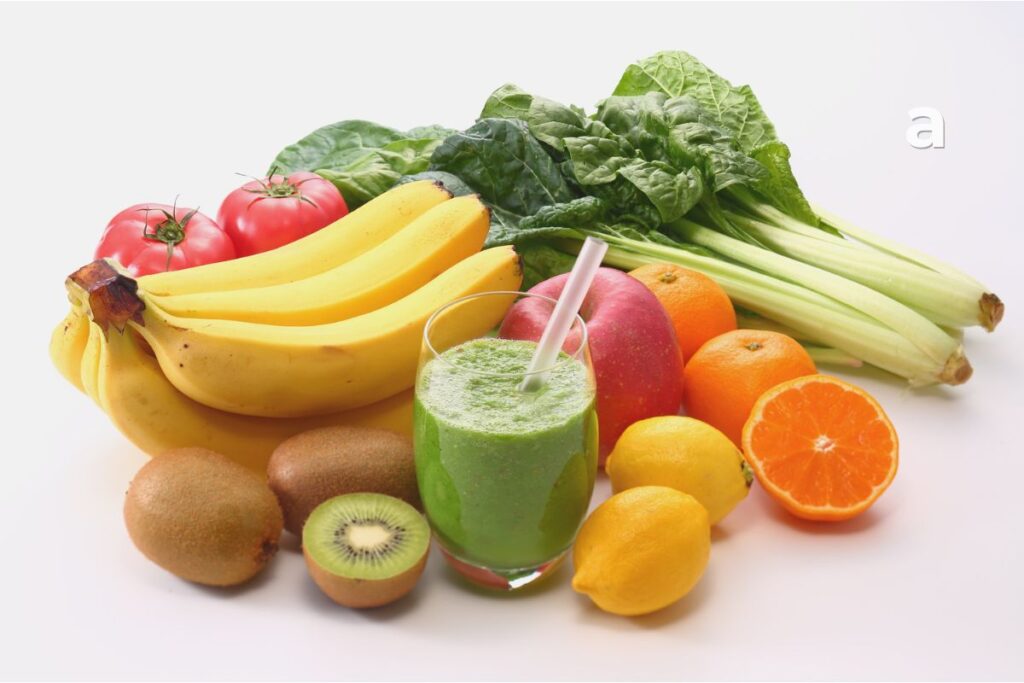
Quick Potassium Food Chart
| Food | Typical Serving | Approx. Potassium |
|---|---|---|
| White beans | 1 cup | ~1,000 mg |
| Potato | 1 medium | ~900 mg |
| Cooked spinach | 1 cup | ~840 mg |
| Lentils | 1 cup | ~730 mg |
| Kidney beans | 1 cup | ~700 mg |
| Avocado | 1 medium | ~700 mg |
| Sweet potato | 1 medium | ~540 mg |
| Chickpeas | 1 cup | ~475 mg |
| Banana | 1 medium | ~420 mg |
| Yogurt | 1 cup | ~380 mg |
Potassium values are approximate and vary with preparation, variety, and serving size.
Best Vegetarian Sources of Potassium
Vegetarian diets can easily provide adequate potassium.
Excellent options include:
- Lentils
- Chickpeas
- White beans
- Kidney beans
- Potatoes
- Sweet potatoes
- Spinach
- Tomatoes
- Avocados
- Bananas
- Yogurt
- Tofu
Many also provide meaningful amounts of protein and fiber.
Best Indian Foods Rich in Potassium
Many traditional Indian foods naturally contribute potassium.
Excellent choices include:
- Dal
- Rajma
- Chana
- Palak
- Aloo
- Shakarkandi
- Dahi
- Coconut water
- Tomatoes
- Pumpkin
- Bananas
Healthy eating doesn’t require imported health foods.
Traditional meals often already provide an excellent nutritional foundation.
Potassium-Rich Breakfast Ideas
Option 1
Oats with banana and yogurt
Option 2
Vegetable poha with peanuts
Option 3
Besan chilla with curd
Option 4
Whole-grain toast with avocado
Option 5
Fruit bowl with yogurt and nuts
Potassium-Rich Lunch Ideas
Indian Meal
Dal + roti + palak + salad
Rajma Bowl
Rajma + rice + vegetables
Chana Meal
Chana masala + whole-wheat roti
Vegetarian Bowl
Tofu + vegetables + brown rice
Potassium-Rich Snack Ideas
Try:
- Banana
- Orange
- Yogurt
- Roasted chana
- Coconut water
- Mixed nuts
Simple foods often outperform expensive processed “health snacks.”
Potassium, Gut Health and Fiber
Many potassium-rich foods are also naturally rich in dietary fiber.
Examples include:
- Beans
- Lentils
- Fruits
- Vegetables
- Sweet potatoes
These foods support an overall eating pattern associated with gut health, while simultaneously increasing potassium intake.
Food First Still Wins
Before searching for potassium supplements, look at your plate.
If it regularly contains:
- Fruits
- Vegetables
- Beans
- Lentils
- Dairy products
- Whole foods
you’re already providing your body with potassium in the form nature intended—alongside dozens of other nutrients.
Whole foods deliver far more than isolated minerals.
That’s why nutrition professionals consistently recommend improving diet quality first, with supplements considered only when clinically appropriate.
Key Takeaway
Some of the best potassium-rich foods are everyday staples, including white beans, lentils, rajma, chickpeas, potatoes, spinach, bananas, yogurt, tomatoes, and avocados.
Instead of chasing one “perfect” food, aim to include a variety of potassium-rich foods throughout the day. This food-first approach naturally provides potassium along with protein, fiber, vitamins, minerals, and beneficial plant compounds, supporting overall health rather than focusing on a single nutrient.
Potassium Deficiency: Signs, Causes & Who Is at Risk?
Potassium is essential for normal muscle function, nerve signalling, heart rhythm, and fluid balance.
Because every cell depends on potassium, low potassium levels can affect multiple body systems.
However, there’s an important distinction to understand.
Eating fewer potassium-rich foods for a few days is not the same as having clinical potassium deficiency.
True potassium deficiency—known medically as hypokalemia—usually develops because the body loses too much potassium, doesn’t absorb enough, or certain medical conditions or medications interfere with potassium balance.
Let’s look at what the evidence actually shows.
What Is Potassium Deficiency?
Hypokalemia is the medical term for an abnormally low level of potassium in the blood.
Healthy kidneys normally regulate potassium very carefully.
The body works hard to keep blood potassium within a narrow range because both too little and too much potassium can interfere with normal muscle and heart function.
Hypokalemia is more commonly associated with:
- Excess potassium loss
- Certain medications
- Gastrointestinal illness
- Medical conditions affecting potassium balance
rather than simply eating one low-potassium meal.
What Are the Early Signs of Potassium Deficiency?
Mild potassium deficiency may produce few or no obvious symptoms.
When symptoms do occur, they can include:
- Fatigue
- Weakness
- Muscle cramps
- Muscle aches
- Constipation
These symptoms are not unique to potassium deficiency.
Many other conditions—including dehydration, inadequate sleep, certain medications, thyroid disorders, iron deficiency, and other electrolyte imbalances—can produce similar symptoms.
That is why symptoms alone cannot diagnose hypokalemia.
Does Low Potassium Cause Muscle Cramps?
Possibly—but muscle cramps do not automatically mean low potassium.
Potassium contributes to normal muscle contraction and relaxation.
When potassium levels become significantly abnormal, muscle function may be affected.
However, muscle cramps may also result from:
- Muscle fatigue
- Intense exercise
- Dehydration
- Magnesium imbalance
- Certain medications
- Nerve disorders
- Poor circulation
Taking potassium supplements every time you experience a leg cramp isn’t an evidence-based approach.
The underlying cause matters.
Can Potassium Deficiency Cause Fatigue?
Yes.
Low potassium may contribute to:
- Fatigue
- General weakness
- Reduced exercise tolerance
But fatigue is one of the least specific symptoms in medicine.
Poor sleep, stress, illness, anemia, thyroid disorders, depression, nutritional deficiencies, and many other conditions can also cause fatigue.
Persistent or unexplained fatigue deserves a broader evaluation rather than automatically being attributed to potassium deficiency.
Can Low Potassium Affect the Heart?
Yes.
One of potassium’s most important roles is supporting the heart’s normal electrical activity.
Significant potassium deficiency can interfere with normal heart rhythm.
In more severe cases, hypokalemia may contribute to:
- Palpitations
- Irregular heartbeat
- Abnormal heart rhythms
These situations require prompt medical evaluation.
Symptoms such as:
- Chest pain
- Fainting
- Persistent palpitations
- Severe dizziness
should never be treated by simply taking potassium supplements.
Does Potassium Deficiency Affect the Nervous System?
It can.
Because potassium is essential for nerve signalling, significant deficiency may contribute to symptoms such as:
- Tingling
- Numbness
- Muscle weakness
- Reduced reflexes
Again, these symptoms have many possible causes.
Only appropriate medical evaluation can determine whether potassium is actually involved.
What Causes Potassium Deficiency?
For most people, potassium deficiency isn’t caused by one missed banana.
It usually develops because potassium is lost faster than it is replaced.
Common causes include:
1. Persistent Vomiting
Vomiting can result in substantial fluid and electrolyte losses.
Repeated vomiting over time may contribute to potassium depletion.
2. Chronic Diarrhea
Persistent diarrhea is one of the most common causes of potassium loss.
Large amounts of fluid leaving the body may also carry away important electrolytes.
This is why gastrointestinal illness affects both potassium and hydration.
3. Diuretic Medications
Certain medications used to treat:
- High blood pressure
- Heart failure
- Fluid retention
can increase potassium loss through urine.
However, different diuretics affect potassium differently.
Never stop prescribed medication because you read it may influence potassium.
Medication changes should always be discussed with the healthcare professional managing your treatment.
4. Excessive Laxative Use
Long-term or excessive laxative use may contribute to electrolyte disturbances, including potassium loss.
Constipation shouldn’t automatically be managed through frequent laxative use without understanding the underlying cause.
5. Eating Disorders
Conditions involving severe restriction, vomiting, or laxative misuse may contribute to significant electrolyte abnormalities, including hypokalemia.
These conditions require comprehensive medical and psychological care.
6. Certain Kidney Disorders
Although healthy kidneys regulate potassium remarkably well, some kidney disorders can lead to excessive potassium loss.
Others may have the opposite effect and cause potassium to build up.
This is why kidney disease should never be managed with self-prescribed potassium supplements.
7. Hormonal Disorders
Certain hormonal conditions affecting the adrenal glands can alter potassium balance.
These are medical conditions requiring professional diagnosis and treatment.
Who Is More Likely to Develop Potassium Deficiency?
Some groups have a higher risk than others.
These include:
People Taking Certain Diuretics
Some blood-pressure medications increase urinary potassium loss.
People With Chronic Gastrointestinal Illness
Persistent diarrhea, vomiting, or malabsorption disorders can contribute to potassium depletion.
People With Eating Disorders
Electrolyte disturbances are an important medical concern in these situations.
Older Adults
Older adults may:
- Take multiple medications
- Have chronic illnesses
- Experience reduced dietary intake
All of these factors may influence potassium balance.
People With Certain Kidney Disorders
Depending on the type of kidney disease, potassium levels may become either too low or too high.
Can Athletes Become Low in Potassium?
Most recreational exercisers replace potassium through ordinary meals.
However, prolonged endurance events involving:
- Heavy sweating
- High fluid losses
- Inadequate nutrition
may contribute to electrolyte depletion.
Even then, potassium is only one part of the picture.
Sodium, fluids, energy intake, environmental conditions, and exercise duration also matter.
Most people don’t need potassium supplements simply because they exercise regularly.
Does Eating Too Little Potassium Cause Deficiency?
It can contribute over time.
However, healthy kidneys adjust potassium excretion remarkably well.
Clinical hypokalemia usually involves:
- Inadequate intake plus
- Increased potassium loss or another medical factor.
This distinction helps explain why deficiency is less common than many social-media posts suggest.
How Is Potassium Deficiency Diagnosed?
Healthcare professionals may evaluate potassium status using:
- Medical history
- Symptoms
- Medication review
- Physical examination
- Blood tests
The most common laboratory test measures serum potassium.
Because abnormal potassium levels can affect the heart, additional evaluation such as an electrocardiogram (ECG) may sometimes be appropriate when potassium abnormalities are suspected.
Diagnosis should never rely on symptoms alone.
Can You Test Potassium at Home?
Reliable diagnosis requires laboratory testing interpreted within the context of your medical history and symptoms.
Home wellness quizzes and symptom checklists cannot determine whether your potassium level is normal.
Only appropriate medical evaluation can confirm hypokalemia.
Should You Take Potassium Supplements if You Feel Tired?
Not automatically.
Fatigue has many possible causes.
Taking potassium supplements without knowing your potassium status can be inappropriate—and in some situations, potentially dangerous.
Unlike many vitamins, excessive potassium can become medically serious.
Food-first remains the safer approach for most healthy adults.
Potassium and Magnesium Often Work Together
Potassium and magnesium are both important electrolytes.
Magnesium helps support normal muscle and nerve function, while potassium contributes to normal electrical activity and muscle contraction.
Sometimes, low magnesium can make it more difficult to correct low potassium.
This illustrates why electrolyte balance involves multiple nutrients rather than one mineral in isolation.
Potassium, Fiber and Whole Foods
Many potassium-rich foods also contain dietary fiber.
Examples include:
- Beans
- Lentils
- Fruits
- Vegetables
- Sweet potatoes
This means improving potassium intake often improves overall dietary quality as well.
Potassium and Gut Health
Many potassium-rich foods are also part of dietary patterns that support gut health.
Legumes, fruits, vegetables, and whole foods provide fiber and other plant compounds that contribute to a diverse eating pattern.
Rather than viewing potassium as a standalone solution, think about improving the quality of the entire diet.
When Should You Seek Medical Care?
Seek prompt medical evaluation if you experience symptoms such as:
- Persistent muscle weakness
- Severe muscle cramps
- Fainting
- Irregular heartbeat
- Chest pain
- Difficulty breathing
- Persistent vomiting or diarrhea
These symptoms should not be treated by guessing which electrolyte is low.
Appropriate testing is important because both low and high potassium can become serious.
Don’t Self-Diagnose Potassium Deficiency
Social media often encourages people to diagnose themselves using symptom lists.
For example:
“Muscle cramps + fatigue = low potassium.”
Real medicine is rarely that simple.
Many symptoms associated with potassium deficiency also occur in:
- Dehydration
- Magnesium deficiency
- Iron deficiency
- Thyroid disorders
- Medication side effects
- Viral illness
- Sleep deprivation
- Numerous other conditions
Symptoms provide clues—not diagnoses.
Key Takeaway
Potassium deficiency, known as hypokalemia, usually develops because of excessive potassium loss, certain medications, gastrointestinal illness, or underlying medical conditions—not simply because someone skipped potassium-rich foods for a day or two.
Possible symptoms include fatigue, weakness, muscle cramps, constipation, numbness, and abnormal heart rhythms, but these symptoms are not specific to potassium deficiency.
If potassium imbalance is suspected, proper medical evaluation—including blood testing—is the safest way to identify the cause and determine the appropriate treatment.
Potassium and Heart Health, Blood Pressure & Hydration
Potassium is perhaps best known for its role in heart health and blood pressure, but its importance extends far beyond the cardiovascular system.
As one of the body’s major electrolytes, potassium contributes to normal muscle contraction, nerve signalling, fluid balance, and cellular communication. These functions help explain why maintaining healthy potassium levels is important for overall health.
At the same time, potassium is often surrounded by exaggerated claims.
You may see statements such as:
“Potassium prevents heart attacks.”
“Just eat more bananas to lower your blood pressure.”
“Potassium supplements protect your heart.”
These claims oversimplify a much more complex picture.
Let’s look at what current scientific evidence actually supports.
Potassium and Normal Heart Function
Every heartbeat depends on carefully coordinated electrical signals.
Potassium helps generate and regulate these electrical impulses by working with other electrolytes such as:
- Sodium
- Calcium
- Magnesium
Together they help support:
- Normal heart rhythm
- Electrical conduction
- Muscle contraction
- Cellular communication
Because the heart is a muscle, appropriate potassium balance is essential for its normal function.
However, this does not mean that taking extra potassium makes a healthy heart even healthier.
The body functions best when potassium levels remain within the normal physiological range.
Potassium and Heart Rhythm
One of potassium’s most important jobs is helping regulate the heart’s electrical activity.
Both:
- Low potassium (hypokalemia)
- High potassium (hyperkalemia)
can interfere with normal heart rhythm.
Depending on severity, abnormal potassium levels may contribute to:
- Palpitations
- Irregular heartbeat
- Cardiac rhythm disturbances
This is one reason potassium is carefully monitored in hospitals, particularly among people with:
- Heart disease
- Kidney disease
- Certain medications
- Severe illness
Symptoms such as:
- Chest pain
- Fainting
- Persistent palpitations
- Severe dizziness
should never be treated with over-the-counter potassium supplements.
These symptoms require prompt medical evaluation.
Potassium and Blood Pressure
One of the strongest areas of potassium research involves blood pressure.
Research suggests that dietary patterns naturally rich in potassium are associated with healthier blood pressure in many populations.
Several mechanisms may contribute.
Potassium helps:
- Support normal blood vessel function
- Balance the effects of sodium
- Maintain fluid regulation
But an important distinction is often missed.
Researchers generally study potassium-rich dietary patterns, not simply potassium tablets.
Foods rich in potassium also provide:
- Fiber
- Magnesium
- Vitamins
- Plant compounds
- Antioxidants
These nutrients work together within an overall healthy diet.
Potassium and Sodium: Balance Matters
Potassium and sodium often receive opposite reputations.
Reality is more balanced.
Both are essential minerals.
Both are required for life.
Problems usually arise when the diet contains:
- Very high sodium
- Relatively low potassium
Many processed foods contribute large amounts of sodium while providing little potassium.
By contrast, diets emphasizing:
- Fruits
- Vegetables
- Beans
- Lentils
- Dairy products
- Whole foods
naturally provide more potassium while often containing less sodium.
Rather than viewing sodium as the enemy, nutrition experts generally encourage improving the overall balance of the diet.
Potassium-Rich Diets vs. Potassium Supplements
This distinction deserves special attention.
A diet rich in potassium-containing foods is not the same thing as taking potassium supplements.
For example:
A meal containing:
- Spinach
- Lentils
- Tomatoes
- Yogurt
provides potassium together with:
- Protein
- Fiber
- Calcium
- Magnesium
- Vitamins
- Phytochemicals
A potassium tablet provides potassium.
The nutritional context is completely different.
That’s one reason why research on dietary patterns cannot automatically be interpreted as evidence that potassium supplements produce identical results.
Potassium and Hydration
Potassium is an electrolyte.
Electrolytes help regulate how water moves between cells and body fluids.
Because of this, potassium is frequently advertised in:
- Sports drinks
- Electrolyte powders
- Hydration tablets
This marketing often creates the impression that everyone needs electrolyte products every day.
For most healthy adults, that simply isn’t true.
Ordinary meals combined with appropriate hydration generally provide sufficient electrolytes for normal daily life.
Electrolyte replacement becomes more important during situations involving substantial fluid losses, such as:
- Endurance exercise
- Heavy sweating
- Persistent diarrhea
- Repeated vomiting
- Extreme heat exposure
Coconut Water: Helpful or Overrated?
Coconut water is often promoted as a natural electrolyte drink.
It does naturally contain potassium.
However, it shouldn’t be viewed as a miracle hydration beverage.
For many healthy people:
Plain water plus balanced meals remains entirely appropriate for everyday hydration.
Coconut water can certainly be enjoyed as part of a balanced diet, but it isn’t necessary for maintaining electrolyte balance during ordinary daily activities.
Potassium During Exercise
Exercise increases the body’s demand for coordinated muscle contraction and fluid regulation.
Potassium participates in these processes.
During prolonged endurance exercise accompanied by heavy sweating, potassium losses may increase.
However, for most people exercising for:
- 30–60 minutes
- Recreational fitness
- Strength training
- Walking
- Cycling
ordinary meals usually replace potassium adequately.
Electrolyte drinks become more relevant primarily during:
- Marathon events
- Ultra-endurance exercise
- Very hot environments
- Long-duration athletic training
Most gym sessions don’t require potassium supplements.
Can Potassium Prevent High Blood Pressure?
This question deserves careful wording.
Current evidence supports encouraging diets naturally rich in potassium-containing foods.
However, potassium should not be described as preventing hypertension in every individual.
Blood pressure depends on many interacting factors, including:
- Genetics
- Age
- Body weight
- Physical activity
- Sodium intake
- Alcohol
- Smoking
- Sleep
- Stress
- Overall dietary pattern
Potassium is one important piece of a much larger picture.
Potassium and Kidney Function
Healthy kidneys continuously regulate potassium levels.
They remove excess potassium through urine while conserving potassium when intake decreases.
This regulation helps maintain stable blood potassium concentrations.
However, people with significant kidney disease may lose the ability to remove excess potassium efficiently.
For these individuals:
High-potassium diets or potassium supplements may actually become dangerous.
This is why kidney disease changes nutritional advice considerably.
Never assume that more potassium is always better.
Why People With Kidney Disease Should Be Careful
Many health articles encourage readers to eat unlimited potassium-rich foods.
That advice is not appropriate for everyone.
Individuals with:
- Chronic kidney disease
- Advanced kidney impairment
- Dialysis
- Certain medications
may require individualized potassium guidance.
Some people need more potassium.
Others must intentionally limit potassium.
This illustrates why nutrition advice always depends on context.
Potassium and Magnesium Work Together
Potassium doesn’t function alone.
It works alongside magnesium, another essential electrolyte involved in:
- Muscle function
- Nerve signalling
- Heart rhythm
- Cellular metabolism
Low magnesium may sometimes make correcting low potassium more difficult.
This doesn’t mean everyone needs supplements containing both minerals.
Rather, it highlights the importance of an overall nutrient-rich diet.
Potassium, Fiber and Heart-Healthy Foods
Many potassium-rich foods also contain substantial dietary fiber.
Examples include:
- Lentils
- Beans
- Fruits
- Vegetables
- Sweet potatoes
Fiber-rich eating patterns have long been associated with overall cardiovascular health and digestive health.
The combination of potassium plus fiber illustrates why whole foods are generally preferred over isolated nutrients.
Potassium and Gut Health
Potassium itself isn’t a probiotic or gut-health supplement.
However, many potassium-rich foods are also naturally rich in fiber and plant compounds that support dietary patterns associated with gut health.
Think of foods such as:
- Beans
- Lentils
- Fruits
- Vegetables
Rather than focusing on one nutrient, improving the overall quality and diversity of your diet provides broader nutritional benefits.
Can Potassium Supplements Protect Your Heart?
Current evidence does not support recommending potassium supplements to healthy people simply to “protect the heart.”
Supplements may be prescribed or recommended in specific medical situations, particularly when documented potassium deficiency exists.
But self-prescribing potassium tablets for cardiovascular protection isn’t evidence-based.
Food-first remains the preferred approach for most healthy adults.
A Heart-Healthy Plate Naturally Contains Potassium
Instead of searching for one miracle mineral, build meals around nutrient-rich foods.
A balanced plate might include:
- Dal or beans
- Leafy vegetables
- Tomatoes
- Whole grains
- Yogurt
- Fresh fruit
This approach naturally provides:
- Potassium
- Magnesium
- Fiber
- Protein
- Vitamins
- Minerals
The heart benefits from the overall dietary pattern, not from one isolated nutrient.
Potassium Is Part of the Bigger Picture
Heart health depends on much more than potassium alone.
Other important lifestyle factors include:
- Regular physical activity
- Balanced nutrition
- Maintaining a healthy weight
- Adequate sleep
- Not smoking
- Limiting alcohol
- Managing chronic medical conditions
- Following prescribed treatment when necessary
No single mineral can replace these foundations.
Key Takeaway
Potassium plays an essential role in normal heart function, blood pressure regulation, fluid balance, muscle contraction, and nerve signalling.
The strongest evidence supports obtaining potassium through potassium-rich foods rather than relying on supplements.
A dietary pattern rich in fruits, vegetables, legumes, dairy products, and other minimally processed foods naturally provides potassium alongside fiber, magnesium, protein, and other nutrients that work together to support overall cardiovascular health.
For most healthy adults, the goal isn’t to consume the highest possible amount of potassium—it’s to maintain a balanced diet that consistently provides enough.
Potassium Supplements: Benefits, Risks & Who Should Avoid Them?
Potassium is an essential nutrient, but that doesn’t mean everyone needs a potassium supplement.
In fact, potassium is different from many other vitamins and minerals because excess potassium can become medically dangerous, particularly for people with kidney disease or those taking certain medications.
For most healthy adults, the safest and most effective way to obtain potassium is through food.
Let’s explore when supplements may be appropriate—and when they may do more harm than good.
Do Most People Need Potassium Supplements?
Usually no.
Unlike magnesium, vitamin D, or vitamin B12 supplements, potassium supplements are not routinely recommended for the general population.
Most healthy people can obtain adequate potassium by regularly eating foods such as:
- Fruits
- Vegetables
- Beans
- Lentils
- Dairy products
- Potatoes
- Whole foods
Supplements are generally considered only when:
- Potassium deficiency has been confirmed
- Potassium losses are occurring
- A healthcare professional recommends supplementation
- Certain medical conditions require treatment
Potassium supplements should never be started simply because a social media post recommends them.
Why Aren’t Potassium Supplements More Common?
One simple reason:
Too much potassium can be dangerous.
Healthy kidneys carefully regulate potassium levels.
When potassium intake becomes excessive—especially from supplements or medications—the body may not always be able to remove the excess efficiently.
This is particularly important for people with:
- Kidney disease
- Heart disease
- Diabetes with kidney involvement
- Certain medications
Unlike food, supplements can deliver concentrated amounts of potassium very quickly.
Potassium From Food vs. Potassium Supplements
This distinction is extremely important.
Potassium From Food
Foods provide potassium together with:
- Fiber
- Protein
- Vitamins
- Minerals
- Antioxidants
- Water
- Plant compounds
For example:
A bowl of dal provides potassium plus protein, fiber, magnesium and folate.
A baked potato provides potassium together with vitamin C, fiber and carbohydrates.
Potassium Supplements
A supplement provides concentrated potassium.
It does not replace the broader nutritional value of whole foods.
This is why healthcare professionals generally recommend improving dietary intake before considering supplementation.
Common Types of Potassium Supplements
Several forms of potassium are available.
The most common include:
Potassium Chloride
This is the most frequently prescribed form for treating potassium deficiency.
It is commonly used because it effectively replaces potassium.
Potassium Citrate
Potassium citrate is sometimes used in people with certain types of kidney stones under medical supervision.
It should not be viewed simply as a “better potassium.”
Different potassium compounds have different medical uses.
Potassium Bicarbonate
Sometimes used in specific clinical situations.
Again, this is not a general wellness supplement.
Potassium Gluconate
Often found in over-the-counter supplements.
These products usually contain relatively small amounts of elemental potassium.
Why Do Over-the-Counter Potassium Supplements Usually Contain Small Amounts?
Many people notice that potassium supplements often provide much less potassium than foods.
For example:
A banana may naturally provide more potassium than many non-prescription potassium tablets.
This is intentional.
Because excessive supplemental potassium can be dangerous, over-the-counter products generally contain relatively modest amounts.
Medical treatment of potassium deficiency often requires individualized dosing under professional supervision rather than self-treatment.
Can Potassium Supplements Lower Blood Pressure?
Potassium supplements should not be viewed as a replacement for blood pressure treatment.
Research has shown benefits from dietary patterns naturally rich in potassium-containing foods.
That does not mean everyone should begin taking potassium tablets.
Blood pressure management usually involves:
- Diet
- Physical activity
- Weight management
- Sodium intake
- Medications (when prescribed)
- Sleep
- Stress management
- Other medical considerations
Potassium is one part of that larger picture.
Can Potassium Supplements Improve Exercise Performance?
There is little evidence to support routine potassium supplementation for recreational exercisers.
Most people replace potassium naturally through meals after exercise.
Endurance athletes participating in prolonged events with heavy sweating may have different nutritional needs.
Even then, nutrition plans typically consider:
- Fluids
- Sodium
- Carbohydrates
- Overall electrolyte balance
rather than potassium alone.
Can Potassium Supplements Prevent Muscle Cramps?
Not necessarily.
Because potassium contributes to normal muscle function, many advertisements imply:
“Muscle cramps mean you need potassium.”
Reality is more complex.
Muscle cramps may result from:
- Muscle fatigue
- Exercise
- Dehydration
- Magnesium imbalance
- Certain medications
- Neurological conditions
- Other medical causes
Taking potassium supplements without understanding the cause is not an evidence-based approach.
What Is Hyperkalemia?
Hyperkalemia is the medical term for high blood potassium.
This condition can become serious because potassium influences the electrical activity of the heart.
Hyperkalemia may occur due to:
- Kidney disease
- Certain medications
- Excessive potassium intake in susceptible individuals
- Hormonal disorders
- Other medical conditions
Unlike mild dietary variation, clinically significant hyperkalemia requires medical assessment.
Symptoms of High Potassium
Mild hyperkalemia may produce few noticeable symptoms.
More significant elevations may contribute to:
- Muscle weakness
- Fatigue
- Numbness or tingling
- Palpitations
- Irregular heartbeat
Because these symptoms overlap with many other conditions, blood testing is required to diagnose hyperkalemia.
Who Should Avoid Potassium Supplements?
Potassium supplements require particular caution in people with:
Chronic Kidney Disease
Healthy kidneys remove excess potassium.
Kidney disease may reduce this ability.
People Taking ACE Inhibitors
Certain blood pressure medications can increase potassium levels.
Examples include some ACE inhibitors.
People Taking ARBs
Angiotensin receptor blockers may also increase potassium.
Potassium-Sparing Diuretics
Unlike some other diuretics, potassium-sparing diuretics reduce potassium loss.
Combining them with potassium supplements may increase the risk of hyperkalemia.
Certain Heart Conditions
Potassium management may require individualized medical supervision.
Older Adults Taking Multiple Medications
Medication combinations may alter potassium balance.
Can Medications Affect Potassium Levels?
Yes.
Some medications lower potassium.
Others raise potassium.
Examples include:
May Lower Potassium
- Some diuretics
- Certain laxatives (with excessive use)
May Raise Potassium
- ACE inhibitors
- ARBs
- Potassium-sparing diuretics
- Certain other prescription medicines
Never stop prescribed medication because you read that it affects potassium.
Medication changes should always be supervised by the clinician managing your treatment.
Can You Take Too Much Potassium?
Yes.
Unlike potassium naturally occurring in food, concentrated potassium supplements can increase potassium levels more rapidly.
Healthy kidneys usually regulate potassium effectively.
However, excessive supplemental potassium—particularly in susceptible individuals—may become dangerous.
This is one reason potassium supplements should never be treated like ordinary wellness products.
Potassium and Kidney Disease
This deserves special emphasis.
Many online nutrition articles encourage everyone to eat more potassium.
That advice does not apply universally.
For someone with advanced kidney disease:
Large amounts of potassium may accumulate because the kidneys cannot remove it efficiently.
Dietary advice for kidney disease should therefore be individualized.
Potassium Supplements During Pregnancy
Pregnant women require potassium, but routine potassium supplementation is not recommended unless medically indicated.
Most healthy pregnancies obtain potassium through food.
Healthcare professionals evaluate:
- Diet
- Kidney function
- Medications
- Medical conditions
before recommending supplements.
Potassium While Breastfeeding
Potassium remains important during breastfeeding.
Again, a balanced diet usually provides adequate potassium for healthy individuals.
Supplements should be used only when appropriate and recommended by a qualified healthcare professional.
Can Children Take Potassium Supplements?
Children need potassium for normal growth and development.
However:
Adult potassium supplements should never be given to children without professional advice.
Most children can meet potassium requirements through a varied diet.
Food First Still Makes Sense
Before purchasing potassium supplements, ask:
Can I improve my meals first?
Simple choices such as:
- Dal
- Rajma
- Chana
- Spinach
- Potatoes
- Yogurt
- Fruits
can substantially increase potassium intake while also improving overall diet quality.
Many of these foods also provide fiber and protein.
Potassium and Hydration
Electrolyte powders often combine potassium with sodium and other minerals.
For most healthy adults:
Balanced meals plus appropriate hydration are usually sufficient.
Electrolyte supplements become more relevant when there are substantial electrolyte losses through prolonged exercise, severe diarrhea, or persistent vomiting.
A Simple Potassium Supplement Checklist
Before taking a potassium supplement, ask:
✔ Has potassium deficiency actually been diagnosed?
✔ Am I already eating potassium-rich foods?
✔ Do I have kidney disease?
✔ Am I taking medications that affect potassium?
✔ Has a healthcare professional recommended supplementation?
If the answer to several of these questions raises concerns, supplementation should be discussed with a qualified healthcare professional rather than started independently.
Key Takeaway
Potassium supplements can be valuable in specific medical situations, but they are not routine wellness supplements.
For most healthy adults, potassium-rich foods remain the safest and most effective source because they provide potassium alongside fiber, protein, vitamins, minerals, and other beneficial nutrients.
People with kidney disease, those taking ACE inhibitors, ARBs, or potassium-sparing diuretics, and anyone with a suspected potassium imbalance should seek individualized medical advice before using potassium supplements.
The healthiest strategy is simple:
Improve your diet first. Use supplements only when there is a clear medical reason.
10 Potassium Myths vs. Facts
Potassium is one of the body’s most important minerals, yet it is also one of the most misunderstood.
Social media, wellness blogs, and supplement advertisements often reduce potassium to catchy slogans:
“Eat more bananas.”
“Potassium cures cramps.”
“Electrolytes solve everything.”
The reality is more nuanced.
Let’s separate evidence from common misconceptions.
Myth 1: Bananas Are the Best Source of Potassium
Fact: Bananas are healthy, but many foods contain even more potassium.
Bananas have become the symbol of potassium-rich foods.
A medium banana provides about 420 mg of potassium, making it a nutritious choice.
However, several foods provide considerably more potassium per serving, including:
- White beans
- Lentils
- Potatoes
- Spinach
- Sweet potatoes
- Kidney beans
Bananas deserve their healthy reputation—but they aren’t the only, or even the richest, source of potassium.
A varied diet is far more valuable than relying on one fruit.
Myth 2: Everyone Needs a Potassium Supplement
Fact: Most healthy adults can meet their potassium needs through food.
Unlike vitamin D or vitamin B12, potassium supplements are not routinely recommended for the general population.
Many people can obtain adequate potassium by eating:
- Fruits
- Vegetables
- Legumes
- Dairy products
- Whole foods
Supplements may be appropriate when potassium deficiency has been diagnosed or when recommended by a healthcare professional.
For most people, improving diet quality comes first.
Myth 3: More Potassium Is Always Better
Fact: Both low and high potassium can become serious.
Potassium works best within a narrow physiological range.
Too little potassium may affect:
- Muscle function
- Nerve signalling
- Heart rhythm
Too much potassium may also affect:
- Heart rhythm
- Muscle function
- Nerve activity
Healthy nutrition isn’t about consuming the largest possible amount of potassium.
It’s about maintaining appropriate balance.
Myth 4: Potassium Supplements Are Completely Safe Because They’re Natural
Fact: Natural does not automatically mean risk-free.
Potassium is essential—but excessive supplemental potassium can become dangerous, particularly in people with:
- Kidney disease
- Certain heart conditions
- Medications that increase potassium
Unlike ordinary foods, supplements provide concentrated amounts of potassium.
This is why potassium supplements should only be used when appropriate.
Myth 5: Sports Drinks Are Necessary Every Day
Fact: Most healthy people don’t need electrolyte drinks for ordinary daily activities.
Electrolyte beverages can be useful during:
- Marathon running
- Endurance cycling
- Heavy sweating
- Prolonged exercise
- Significant fluid losses
But for everyday work, walking, gym sessions, or routine activities, ordinary meals and appropriate hydration usually provide enough electrolytes.
Myth 6: Muscle Cramps Always Mean Low Potassium
Fact: Muscle cramps have many possible causes.
Potassium contributes to normal muscle contraction.
However, cramps may also be related to:
- Exercise
- Muscle fatigue
- Dehydration
- Magnesium imbalance
- Nerve disorders
- Certain medications
Taking potassium supplements every time you experience a cramp isn’t evidence-based.
Understanding the underlying cause is far more important.
Myth 7: You Can’t Get Enough Potassium on a Vegetarian Diet
Fact: Many of the richest potassium sources are plant foods.
Excellent vegetarian sources include:
- Lentils
- Rajma
- Chickpeas
- White beans
- Potatoes
- Sweet potatoes
- Spinach
- Tomatoes
- Bananas
- Avocados
- Tofu
Many also provide protein and dietary fiber.
A well-planned vegetarian diet can easily supply substantial potassium.
Myth 8: Coconut Water Is the Best Way to Stay Hydrated
Fact: Coconut water contains potassium, but plain water is sufficient for most healthy adults.
Coconut water has become popular as a natural electrolyte drink.
It does provide potassium.
However, for everyday hydration:
- Water
- Balanced meals
- Fruits
- Vegetables
are usually all that’s needed.
Coconut water can certainly be enjoyed—but it isn’t essential.
Myth 9: Potassium Alone Protects Your Heart
Fact: Heart health depends on much more than one mineral.
Potassium contributes to:
- Normal heart rhythm
- Blood pressure regulation
- Muscle contraction
But cardiovascular health also depends on:
- Overall diet
- Physical activity
- Blood pressure management
- Blood glucose
- Cholesterol
- Sleep
- Smoking status
- Genetics
- Medical care
No single nutrient can replace these fundamentals.
Myth 10: Feeling Tired Means You Need More Potassium
Fact: Fatigue has many possible causes.
Low potassium is only one possibility—and usually not the most common one.
Fatigue may also result from:
- Poor sleep
- Stress
- Anemia
- Thyroid disorders
- Illness
- Depression
- Dehydration
- Other nutritional deficiencies
Persistent fatigue should not be self-treated with potassium supplements.
Professional evaluation is often needed when symptoms continue.
Bonus Myth: Potassium Is Only Important for Athletes
Fact: Every cell in your body depends on potassium.
Potassium isn’t just an exercise nutrient.
It supports:
- Heart function
- Nerve signalling
- Muscle contraction
- Fluid balance
- Cellular communication
Whether you’re an athlete, office worker, student, or retiree, your body requires potassium every day.
Bonus Myth: One Banana a Day Guarantees Enough Potassium
Fact: A banana is nutritious—but it isn’t enough by itself.
A banana contributes potassium, but healthy potassium intake comes from an overall dietary pattern.
Try including foods such as:
- Dal
- Rajma
- Spinach
- Potatoes
- Yogurt
- Beans
- Fruits
- Vegetables
Variety matters much more than relying on one food.
How to Evaluate Potassium Claims Online
Before believing a social media post or wellness article, ask yourself:
Does it promise one nutrient will solve many unrelated problems?
If potassium is claimed to cure cramps, fatigue, anxiety, poor sleep, dehydration, and heart disease all at once, be skeptical.
Does it encourage supplements without discussing safety?
Responsible advice explains that potassium supplements can be risky for some people.
Does it ignore medical conditions?
Kidney disease, medications, and heart conditions all affect potassium recommendations.
Does it recommend food first?
Reliable nutrition advice usually begins with dietary improvement rather than supplements.
A Better Way to Think About Potassium
Potassium isn’t a miracle nutrient.
It doesn’t need to be.
Its real value lies in supporting essential physiological processes every second of every day.
It helps your:
- Heart beat normally
- Muscles contract
- Nerves communicate
- Cells function
- Body regulate fluids
That’s already remarkable.
Rather than chasing high-potassium supplements or wellness trends, focus on consistently eating nutrient-rich foods.
Small daily habits almost always outperform dramatic nutrition hacks.
Key Takeaway
Potassium is an essential mineral—not a miracle cure.
Bananas are healthy, but they aren’t the only potassium-rich food. Most healthy adults don’t need potassium supplements, sports drinks aren’t necessary for everyday hydration, and muscle cramps don’t automatically mean low potassium.
The strongest evidence supports a food-first approach built around fruits, vegetables, legumes, dairy products, and other minimally processed foods.
A balanced diet provides potassium naturally—alongside protein, fiber, vitamins, minerals, and countless other beneficial nutrients that no single supplement can fully replace.
Practical Ways to Get More Potassium Every Day
Improving your potassium intake doesn’t require expensive supplements, imported superfoods, or complicated meal plans.
For most healthy adults, the simplest strategy is to build meals around whole, minimally processed foods that naturally contain potassium.
Many traditional Indian foods already provide excellent amounts of this essential mineral.
Rather than asking:
“Which food has the most potassium?”
A better question is:
“How can I include potassium-rich foods at every meal?”
Small daily habits are far more effective than chasing one “miracle food.”
1. Start Your Morning With Potassium-Rich Foods
Breakfast is an easy opportunity to increase potassium naturally.
Try combinations such as:
Option 1
Oats + banana + plain yogurt
Option 2
Vegetable poha + peanuts
Option 3
Besan chilla + curd
Option 4
Whole-grain toast + avocado
Option 5
Fruit bowl + yogurt + chia seeds
These meals also provide:
- Protein
- Fiber
- Calcium
- Magnesium
Instead of relying on one nutrient, they improve the overall quality of your diet.
2. Include Dal Almost Every Day
One of the easiest ways to improve potassium intake in an Indian diet is beautifully traditional.
Eat more:
- Moong dal
- Masoor dal
- Toor dal
- Urad dal
Dal provides potassium together with:
- Protein
- Fiber
- Iron
- Folate
- Magnesium
“Dal provides potassium together with protein…”
3. Eat More Beans and Legumes
Beans are nutritional powerhouses.
Examples include:
- Rajma
- Chana
- White beans
- Black beans
- Lobia
These foods naturally provide:
- Potassium
- Protein
- Fiber
- Iron
- Magnesium
Instead of treating beans as occasional foods, make them part of your weekly meal plan.
4. Don’t Be Afraid of Potatoes
Potatoes often receive unnecessary criticism.
Prepared sensibly—not deep-fried—they are excellent sources of potassium.
Good choices include:
- Baked potatoes
- Boiled potatoes
- Roasted potatoes
- Homemade potato curry with vegetables
Preparation matters much more than eliminating potatoes completely.
5. Add More Leafy Green Vegetables
Leafy greens naturally provide potassium along with numerous other nutrients.
Examples include:
- Spinach (Palak)
- Mustard greens (Sarson)
- Fenugreek leaves (Methi)
- Amaranth leaves (Chaulai)
They fit easily into:
- Dal
- Sabzi
- Soups
- Curries
- Parathas
Traditional cooking already makes it easy to include these foods regularly.
6. Snack Smarter
Instead of highly processed packaged snacks, choose foods that naturally contain potassium.
Good options include:
- Banana
- Orange
- Yogurt
- Roasted chana
- Mixed nuts
- Fresh fruit
Simple foods often provide better nutrition than expensive “health snacks.”
7. Include Dairy if It Fits Your Diet
Milk and yogurt contribute potassium while also providing:
- Calcium
- Protein
- Vitamin B12
Plain yogurt works well with:
- Breakfast
- Lunch
- Fruit
- Smoothies
For people who consume dairy, these foods make potassium intake easy.
8. Build Balanced Lunches
Rather than focusing on one nutrient, combine several potassium-rich foods.
Example 1
Dal + roti + palak + salad
Example 2
Rajma + rice + vegetables
Example 3
Chana masala + whole-wheat roti
Example 4
Vegetable khichdi + curd
Notice how these meals naturally provide:
- Potassium
- Protein
- Fiber
- Magnesium
without requiring supplements.
9. Eat a Variety of Fruits
Many fruits contribute useful amounts of potassium.
Examples include:
- Bananas
- Oranges
- Kiwi
- Melons
- Papaya
- Mango (seasonally)
Rather than eating one banana every day because “it’s good for potassium,” aim for variety.
Different fruits provide different nutrients.
10. Think Beyond Bananas
Bananas deserve their healthy reputation.
But don’t overlook foods such as:
- Lentils
- White beans
- Spinach
- Potatoes
- Sweet potatoes
- Yogurt
- Tomatoes
Several actually contain more potassium per serving than a medium banana.
A diverse diet always beats relying on one famous food.
A Simple Potassium-Rich Day
Here’s how potassium-rich eating might look without any supplements.
Breakfast
Oats with banana and yogurt
Provides:
- Potassium
- Protein
- Fiber
Mid-Morning
Orange
or
Papaya
Lunch
Dal
Whole-wheat roti
Palak
Mixed vegetable salad
Evening Snack
Roasted chana
or
Plain yogurt
Dinner
Rajma
Rice
Vegetable curry
Salad
This pattern naturally includes potassium throughout the day.
Vegetarian Potassium Meal Ideas
Vegetarians have plenty of excellent potassium-rich foods.
Examples include:
Breakfast
Besan chilla with curd
Lunch
Rajma with brown rice
Snack
Fruit with yogurt
Dinner
Palak dal with whole-wheat roti
Several of these meals also provide meaningful protein.
Budget-Friendly Potassium Foods
Healthy eating doesn’t have to be expensive.
Affordable potassium-rich foods include:
- Potatoes
- Bananas
- Lentils
- Chickpeas
- Rajma
- Spinach (seasonal)
- Tomatoes
- Yogurt
- Peanuts
Traditional home-cooked meals often provide excellent nutrition at a lower cost than heavily marketed wellness products.
Potassium, Fiber and Gut Health
One reason food-first works so well is that many potassium-rich foods also provide dietary fiber.
Examples include:
- Lentils
- Beans
- Fruits
- Vegetables
- Sweet potatoes
Fiber-rich foods support overall gut health while increasing potassium intake at the same time.
Potassium and Magnesium: Better Together
Potassium and magnesium are both essential electrolytes.
Many foods naturally contain both minerals.
Examples include:
- Spinach
- Beans
- Lentils
- Nuts
- Seeds
Rather than buying separate supplements, improving your diet often increases both nutrients simultaneously.
Hydration Still Matters
Potassium works alongside fluids to help maintain normal electrolyte balance.
However, most healthy adults don’t need potassium-enhanced drinks every day.
Plain water, combined with potassium-rich foods, is usually enough for routine daily activities.
Electrolyte drinks become more relevant during prolonged endurance exercise, severe diarrhea, persistent vomiting, or heavy sweating.
Easy Potassium Food Swaps
| Instead of… | Try… |
|---|---|
| Sugary breakfast cereal | Oats with banana and yogurt |
| Packaged chips | Roasted chana |
| Sugary dessert | Fresh fruit with yogurt |
| Low-vegetable lunch | Dal with palak and salad |
| Processed snack | Banana or orange |
| Supplement-first thinking | Whole foods first |
Small substitutions repeated consistently often make a bigger difference than dramatic diet changes.
You Don’t Need to Count Every Milligram
Nutrition apps can estimate potassium intake, but most healthy people don’t need to track every milligram.
Instead, ask yourself:
- Did I eat fruit today?
- Did I include vegetables?
- Did I eat beans or lentils?
- Did I have dairy if appropriate?
- Was my diet varied?
If the answer is usually “yes,” you’re already building a potassium-rich eating pattern.
Build Better Habits, Not Perfect Diets
Healthy eating isn’t about perfection.
You don’t need:
- The perfect potassium intake
- The perfect meal plan
- The perfect superfood
Instead, build habits such as:
✔ Eat vegetables every day.
✔ Include fruit regularly.
✔ Choose legumes several times a week.
✔ Add leafy greens often.
✔ Drink enough water.
✔ Prepare more meals at home.
These habits naturally improve potassium intake while supporting overall health.
A Simple Food-First Formula
Build every meal around:
1. A potassium-rich food
Beans, potatoes, fruit, vegetables, yogurt or legumes.
2. A protein source
Dal, beans, tofu, yogurt, eggs, fish or lean poultry.
3. Plenty of vegetables
Aim for colour and variety.
4. Whole grains where appropriate
Choose minimally processed options more often.
5. Adequate fluids
Drink according to your activity level, environment and thirst.
This approach naturally provides potassium alongside many other essential nutrients.
Key Takeaway
The easiest way to increase potassium isn’t through supplements—it’s through better meals.
Traditional foods such as dal, rajma, chana, spinach, potatoes, yogurt, tomatoes, bananas, and seasonal fruits naturally provide potassium while also delivering protein, fiber, vitamins, minerals, and other beneficial nutrients.
You don’t need a perfect meal plan or a “superfood.”
Focus on eating a variety of whole foods consistently, and your potassium intake will usually improve as part of an overall healthy dietary pattern.
Frequently Asked Questions About Potassium
Potassium is essential for normal heart, muscle, and nerve function, yet many people are unsure about how much they need or whether they should take supplements. Here are evidence-based answers to the most frequently asked questions.
How much potassium do I need every day?
Current Adequate Intake (AI) recommendations for healthy adults are approximately:
Men (19+ years): 3,400 mg/day
Women (19+ years): 2,600 mg/day
Pregnancy: 2,900 mg/day
Breastfeeding: 2,800 mg/day
These values refer to total potassium intake from food and beverages.
Most healthy adults can meet these needs through a balanced diet.
What foods are highest in potassium?
Excellent potassium-rich foods include:
White beans
Lentils
Kidney beans
Potatoes
Sweet potatoes
Spinach
Bananas
Yogurt
Tomatoes
Avocados
Coconut water
Oranges
Traditional Indian foods such as dal, rajma, chana, palak, dahi, and aloo also contribute significant amounts of potassium.
Is one banana enough for daily potassium?
No.
A medium banana provides approximately 420 mg of potassium.
While bananas are nutritious, they supply only part of an adult’s daily potassium needs.
Instead of relying on one food, include a variety of:
Fruits
Vegetables
Legumes
Dairy products
Whole foods
throughout the day.
What are the signs of potassium deficiency?
Possible symptoms include:
Fatigue
Muscle weakness
Muscle cramps
Constipation
Tingling or numbness
Heart rhythm disturbances (in more severe cases)
However, these symptoms are not specific to potassium deficiency and can have many other causes.
Only appropriate medical evaluation and blood testing can diagnose hypokalemia.
What causes low potassium?
Common causes include:
Persistent vomiting
Chronic diarrhea
Certain diuretic medications
Excessive laxative use
Some kidney disorders
Certain hormonal conditions
Eating disorders
Simply missing potassium-rich foods for a day or two usually does not cause clinical potassium deficiency.
Is potassium good for blood pressure?
Research suggests that diets naturally rich in potassium-containing foods are associated with healthier blood pressure in many people.
However:
Potassium is not a replacement for prescribed blood pressure medication.
Blood pressure depends on many factors including:
Diet
Sodium intake
Physical activity
Body weight
Genetics
Sleep
Medical conditions
Potassium is one important part of an overall heart-healthy lifestyle.
Does potassium help muscle cramps?
Sometimes—but not always.
Potassium contributes to normal muscle function, but muscle cramps may also result from:
Exercise
Muscle fatigue
Dehydration
Magnesium imbalance
Certain medications
Neurological conditions
Persistent or unexplained cramps should not automatically be treated with potassium supplements.
Does potassium help with hydration?
Potassium is an important electrolyte that helps regulate fluid balance.
However, most healthy adults do not need potassium-enhanced drinks every day.
Ordinary meals plus appropriate hydration usually provide enough electrolytes for routine daily activities.
Who should be careful with potassium supplements?
Particular caution is needed for people who:
Have chronic kidney disease
Take ACE inhibitors
Take ARBs
Take potassium-sparing diuretics
Have certain heart conditions
Use multiple medications that influence potassium
These individuals should discuss potassium supplementation with their healthcare professional before using any potassium product.
Final Thoughts
Potassium rarely receives the attention given to protein, calcium, or vitamin D, yet it quietly supports some of the body’s most fundamental functions.
Every heartbeat, muscle contraction, nerve impulse, and countless cellular processes depend on maintaining the right potassium balance.
The encouraging news is that most healthy adults don’t need expensive supplements or specialty drinks to obtain potassium.
A dietary pattern built around:
- Fruits
- Vegetables
- Legumes
- Dairy products
- Whole grains
- Minimally processed foods
naturally provides potassium alongside protein, fiber, vitamins, minerals, and beneficial plant compounds.
That’s one of the reasons nutrition experts continue to recommend food first.
Potassium is important—but it works best as part of an overall healthy eating pattern rather than as a stand-alone supplement.
The goal isn’t to consume the highest possible amount of potassium.
It’s to consistently eat a balanced, varied diet that supplies enough of this essential mineral for your body’s everyday needs.
Important Medical Note
This article is intended for educational purposes only and should not be used to diagnose, treat, cure, or prevent any medical condition.
Potassium requirements and supplement safety vary depending on factors such as age, kidney function, medications, pregnancy, and existing health conditions.
If you have chronic kidney disease, persistent symptoms, heart disease, take prescription medications that affect potassium, or are considering potassium supplements, consult an appropriately qualified healthcare professional before making significant dietary or supplement changes.
References
This article was developed using evidence-based guidance and educational resources from internationally recognized health organizations, government agencies, and scientific institutions.
- National Institutes of Health (NIH), Office of Dietary Supplements — Potassium: Fact Sheet for Health Professionals
- National Academies of Sciences, Engineering, and Medicine — Dietary Reference Intakes for Sodium and Potassium
- World Health Organization (WHO) — Guideline: Potassium Intake for Adults and Children
- American Heart Association (AHA) — Potassium and Heart Health
- MedlinePlus, U.S. National Library of Medicine — Potassium
- National Health Service (NHS) — Healthy Eating
- Dietary Guidelines for Americans
- Centers for Disease Control and Prevention (CDC) — Nutrition
If this stayed with you, you can support Aarohi here🌿
If this piece stayed with you, you can support Aarohi 🌿
Secure payments via UPI, Cards, Net Banking & PayPal
This is not a transaction, it is an exchange of energy.


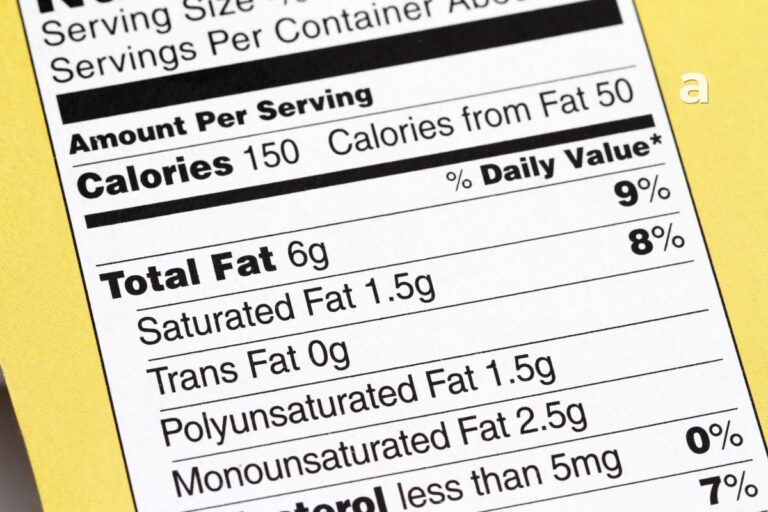
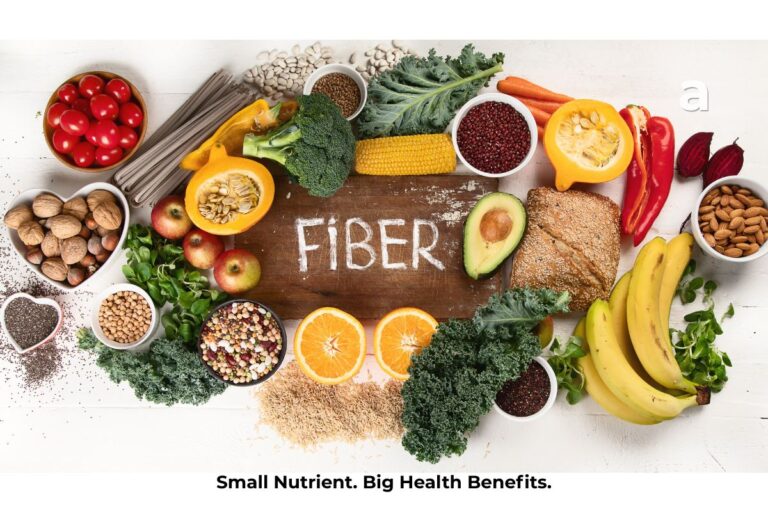
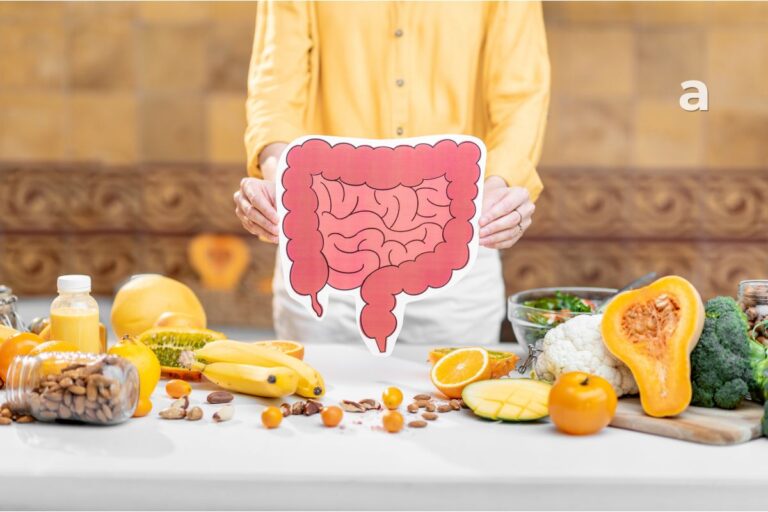

This article completely changed how I think about potassium. I always associated it only with bananas, but I didn’t realize how important it is for heart health, hydration, muscles, and nerves. Very informative and easy to understand.
I liked the food-first approach. Instead of immediately recommending supplements, the article explains how everyday foods like spinach, beans, potatoes, and avocados naturally provide potassium. That’s practical advice everyone can follow.