
Protein: How Much Do You Really Need Every Day? (+ Best Sources & Daily Requirements)
Protein is one of the three essential macronutrients your body needs every day. It plays a vital role in building and repairing tissues, supporting muscle health, producing enzymes and hormones, maintaining a healthy immune system, and helping your body perform countless everyday functions.
Despite its importance, protein is often surrounded by confusion. Some people believe everyone needs a high-protein diet, while others think protein is only important for athletes or people who exercise regularly. In reality, protein is essential for everyone—from growing children and busy adults to older adults, pregnant women, and people recovering from illness or injury.
Your body cannot store protein in the same way it stores carbohydrates or fats. Instead, it relies on a steady supply from the foods you eat. Every meal is an opportunity to provide your body with the amino acids it needs to repair cells, support healthy muscles, and maintain normal body functions.
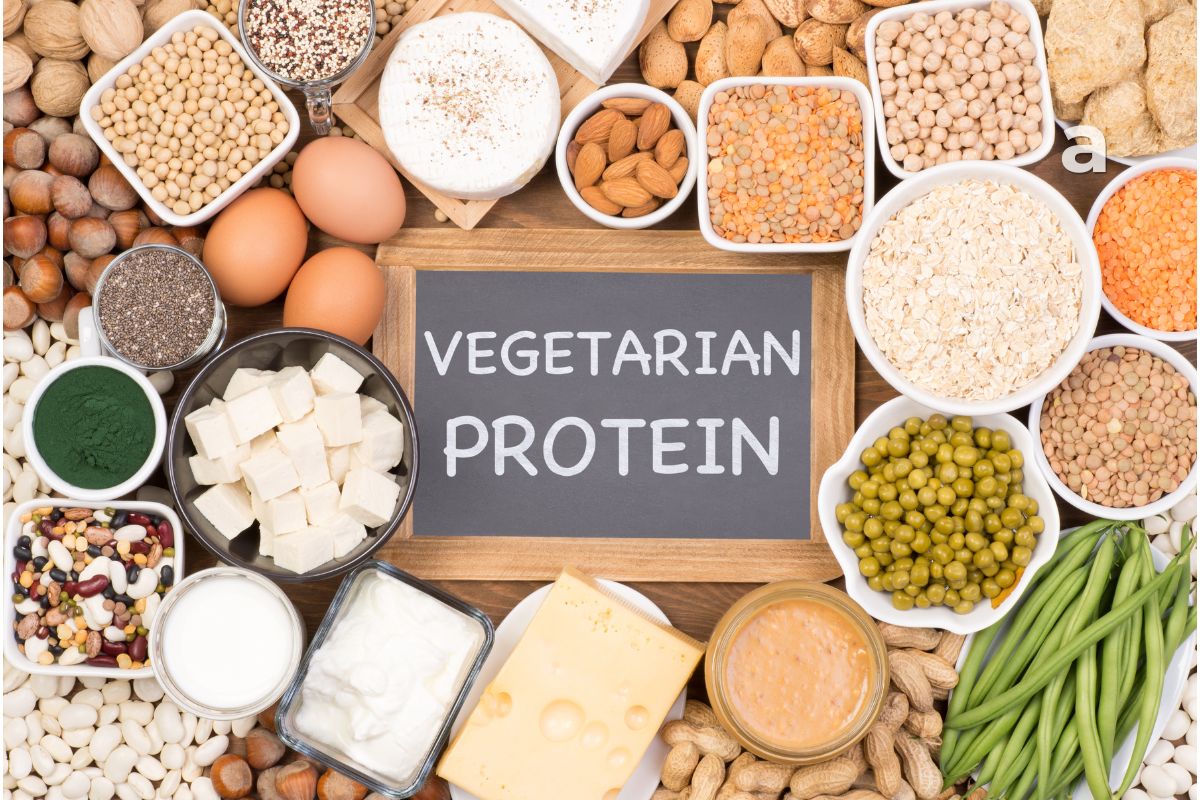
Fortunately, getting enough protein doesn’t require expensive supplements or restrictive diets. A balanced meal becomes even stronger when you pair protein with fiber-rich foods and other whole plant foods. Many everyday foods—including beans, lentils, eggs, dairy products, fish, poultry, soy foods, nuts, and seeds—can help you meet your daily protein needs as part of a balanced eating pattern.
This guide explains everything you need to know about protein, including:
- What protein is and why your body needs it
- Essential and non-essential amino acids
- Complete and incomplete proteins
- Science-backed health benefits of protein
- Daily protein requirements by age and life stage
- The best protein-rich foods
- Plant protein vs. animal protein
- Signs you may not be getting enough protein
- Common myths about protein
- Practical ways to include more protein in your daily meals
Whether your goal is to support healthy ageing, build balanced meals, stay active, or simply understand your nutritional needs, learning about protein is an important step toward better health.
What Is Protein?
Protein is one of the three macronutrients your body needs in relatively large amounts, alongside carbohydrates and fats. Unlike vitamins and minerals, which are required in smaller quantities, protein provides the building blocks needed to grow, repair, and maintain nearly every tissue in your body.
Proteins are made up of smaller units called amino acids. These amino acids are often described as the body’s “building blocks” because they are used to create muscles, skin, organs, enzymes, hormones, antibodies, and many other important structures.
Every day, your body breaks down old proteins and builds new ones. This constant cycle makes a regular dietary supply of protein essential throughout life.

Amino Acids: The Building Blocks of Protein
There are 20 amino acids that your body uses to build proteins.
These amino acids are divided into two main groups:
Essential Amino Acids
Essential amino acids cannot be made by your body in sufficient amounts.
They must come from the foods you eat.
There are nine essential amino acids, all of which are needed for normal growth, repair, and body function.
Non-Essential Amino Acids
Non-essential amino acids can be produced naturally by your body.
Although they are still important, they do not necessarily need to come directly from your diet because your body can make them when needed.
Complete vs. Incomplete Proteins
Protein-rich foods are often classified as either complete or incomplete proteins based on their amino acid profile.
Complete Proteins
Complete proteins contain all nine essential amino acids in adequate amounts.
Examples include:
- Eggs
- Fish
- Chicken
- Turkey
- Lean meat
- Milk
- Yogurt
- Cheese
- Soy foods (tofu, tempeh, edamame)
- Quinoa
These foods provide a complete set of amino acids in a single serving.
Incomplete Proteins
Many plant foods are naturally lower in one or more essential amino acids.
Examples include:
- Lentils
- Chickpeas
- Beans
- Peas
- Nuts
- Seeds
- Whole grains
However, this does not mean plant proteins are inferior.
Eating a variety of plant-based foods throughout the day provides your body with all the essential amino acids it needs. Most people following a balanced vegetarian or vegan diet can easily meet their protein requirements without combining specific foods at every meal.
What Does Protein Do in the Body?
Protein is involved in almost every major system of the body.
It helps:
- Build and repair muscles
- Maintain bones
- Support healthy skin
- Produce enzymes
- Produce hormones
- Support immune function
- Transport nutrients throughout the body
- Maintain fluid balance
- Support growth and development
- Promote recovery after physical activity or illness
Without adequate protein, these normal body processes cannot function efficiently.
Protein Is More Than Muscle
Protein is often associated with bodybuilding and fitness, but muscles are only one part of the story.
Every heartbeat, every immune response, every healing wound, and countless chemical reactions inside your body depend on proteins.
For example:
- Collagen is a protein that supports skin, bones, tendons, and ligaments.
- Hemoglobin, the protein in red blood cells, carries oxygen throughout your body.
- Antibodies are proteins that help your immune system respond to infections.
- Many hormones, including insulin, rely on proteins or amino acids to perform their functions.
This is why protein is essential regardless of your age, activity level, or fitness goals.
Does Your Body Store Protein?
Unlike carbohydrates, which are stored as glycogen, or fats, which are stored in body fat, your body does not have a dedicated storage system for protein.
Instead, it relies on a regular supply from your daily diet to replace proteins that are continuously broken down and rebuilt.
For most healthy adults, including a source of protein with each meal can help support normal body functions and contribute to a balanced eating pattern.
Protein from Food First
Protein supplements and powders are widely marketed, but they are not necessary for most people.
A balanced diet that includes foods such as:
- Eggs
- Dairy products
- Fish
- Poultry
- Lentils
- Beans
- Chickpeas
- Tofu
- Nuts
- Seeds
- Whole grains
can provide the protein most healthy adults need.
Whole foods also supply vitamins, minerals, healthy fats, fiber, and other beneficial nutrients that protein powders cannot fully replace.
Key Takeaway
Protein is much more than a nutrient for building muscle. It is essential for growth, tissue repair, immune function, hormone production, enzyme activity, and countless processes that keep your body functioning every day.
Understanding what protein is—and choosing a variety of high-quality protein foods—lays the foundation for healthy eating at every stage of life.
Why Protein Is Essential for Your Health: 10 Science-Backed Benefits
Protein is much more than a nutrient associated with fitness or muscle building. Every cell in your body contains protein, and nearly every biological process depends on it in some way. From repairing tissues after everyday wear and tear to supporting your immune system and producing hormones, protein is essential throughout every stage of life.
The good news is that you don’t need an extreme high-protein diet to enjoy these benefits. For most healthy people, meeting the recommended daily protein intake through a balanced diet is enough to support normal body functions and long-term health.
Let’s explore the science-backed benefits of protein.
1. Builds and Repairs Body Tissues
One of protein’s most important roles is building, maintaining, and repairing tissues throughout your body.
Every day, your body breaks down old cells and replaces them with new ones. Protein provides the amino acids needed for this continuous process.
Protein helps build and repair:
- Muscles
- Skin
- Bones
- Tendons
- Ligaments
- Blood vessels
- Internal organs
Whether you’re recovering from exercise, healing after a minor injury, or simply going about your daily activities, your body depends on protein to maintain healthy tissues.
2. Supports Healthy Muscle Mass
Muscle isn’t only important for athletes or bodybuilders.
Healthy muscles help you:
- Move comfortably
- Maintain balance
- Support your joints
- Perform everyday activities
- Stay active as you age
Adequate protein intake, combined with regular physical activity—especially strength training—helps maintain muscle mass throughout life.
As people grow older, maintaining muscle becomes increasingly important because natural muscle loss can occur with age.
3. Helps Produce Enzymes and Hormones
Many of the proteins in your body act as enzymes or hormones.
Enzymes
Enzymes help speed up thousands of chemical reactions, including:
- Digestion
- Energy production
- DNA repair
- Nutrient metabolism
Without enzymes, these essential processes would occur far too slowly.
Hormones
Some hormones are proteins or are made from amino acids.
Examples include hormones involved in:
- Growth
- Metabolism
- Blood sugar regulation
- Appetite
- Reproduction
Protein therefore plays an indirect role in regulating many body functions every day.
4. Supports a Healthy Immune System
Your immune system relies on protein to function effectively.
Antibodies—the proteins that help your body recognize and respond to bacteria, viruses, and other foreign substances—are made from amino acids.
Protein also supports the production and repair of immune cells.
While eating more protein won’t prevent illness, consuming enough protein as part of a balanced diet helps support normal immune function.
5. Promotes Healthy Hair, Skin, and Nails
Protein contributes to the structure of many tissues you see every day.
Examples include:
- Keratin, the primary protein found in hair and nails.
- Collagen, an important structural protein in skin, tendons, bones, and connective tissue.
Healthy hair, skin, and nails depend on many factors—including genetics, hormones, overall nutrition, sleep, and lifestyle—but consuming adequate protein supports the body’s normal maintenance and repair processes.
6. Helps You Feel Fuller After Meals
Protein is one of the nutrients that contributes to satiety—the feeling of fullness after eating.
Meals that include protein, along with fiber and healthy fats, are often more satisfying than meals made primarily from refined carbohydrates.
For example:
Instead of:
- White toast with jam
Choose:
- Whole-grain toast with eggs
- Greek yogurt with berries and nuts
- Oatmeal topped with chia seeds and almonds
These balanced meals combine protein and fiber, helping support sustained energy and satisfaction.
7. Supports Healthy Bones
Although calcium and vitamin D are often highlighted for bone health, protein also plays an important role.
Bones contain a framework of protein that provides structure and strength.
A balanced diet containing adequate protein, calcium, vitamin D, and regular weight-bearing exercise helps support healthy bones throughout life.
Healthy bones rely on the combined effect of multiple nutrients—not one nutrient alone.
8. Supports Healthy Ageing
As we age, maintaining muscle strength, mobility, and independence becomes increasingly important.
Protein, together with regular physical activity, supports healthy ageing by helping maintain muscle mass and physical function.
Older adults may especially benefit from spreading protein intake across meals rather than consuming most of it in a single meal.
Healthy ageing is supported by:
- Adequate protein
- Physical activity
- Quality sleep
- Balanced nutrition
- Regular health care
9. Supports Recovery After Exercise and Illness
Physical activity naturally places stress on muscles.
Protein provides the amino acids needed to repair and rebuild muscle tissue after exercise.
Similarly, during recovery from illness, surgery, or injury, protein supports the body’s natural healing processes and tissue repair.
Individual protein needs during recovery may vary depending on the situation, so medical advice should be followed when appropriate.
10. Contributes to Overall Health and Wellness
Protein doesn’t work alone.
It works alongside:
- Carbohydrates
- Healthy fats
- Vitamins
- Minerals
- Fiber
- Water
to support countless body systems.
A balanced eating pattern that includes a variety of protein-rich foods contributes to:
- Normal growth and development
- Tissue maintenance
- Immune function
- Healthy ageing
- Muscle health
- Overall nutritional quality
Rather than focusing on consuming excessive amounts of protein, aim for consistent intake from a variety of nutritious foods.
Protein Works Best with Other Nutrients
No single nutrient determines your health.
Protein is most beneficial when combined with other healthy eating habits.
For example:
🥣 Breakfast
Greek yogurt with oats and berries
🥗 Lunch
Grilled chicken, brown rice, and mixed vegetables
🍎 Snack
Apple with peanut butter
🍛 Dinner
Lentil curry with whole-grain roti and steamed vegetables
This type of balanced eating pattern provides:
- Protein
- Fiber
- Healthy fats
- Vitamins
- Minerals
- Antioxidants
Working together, these nutrients support overall health more effectively than any single food or supplement.
Quality Matters More Than Quantity
Eating more protein isn’t always better.
For most healthy adults, the focus should be on choosing high-quality protein sources from both animal and plant foods while meeting—not greatly exceeding—daily protein needs.
Excellent choices include:
- Fish
- Eggs
- Dairy products
- Beans
- Lentils
- Chickpeas
- Tofu
- Tempeh
- Nuts
- Seeds
A varied diet provides not only protein but also the many other nutrients needed for long-term health.
Key Takeaway
Protein is essential for far more than building muscle. It supports tissue repair, immune function, hormone and enzyme production, healthy bones, recovery, satiety, and healthy ageing. By including a variety of protein-rich foods in your daily meals, you can meet your body’s needs while supporting overall health and wellness.
The strongest evidence continues to support a balanced eating pattern that combines adequate protein with fruits, vegetables, whole grains, healthy fats, and fiber—rather than relying on high-protein trends or supplements alone.
How Much Protein Do You Need Every Day? (Daily Requirements by Age & Life Stage)
Protein is essential throughout life, but the amount you need isn’t the same for everyone. Your daily protein requirements depend on several factors, including your age, sex, body weight, physical activity level, and life stage.
Growing children need protein to support development, adults require it for maintaining muscles and repairing tissues, and older adults may benefit from adequate protein intake to help preserve muscle mass and physical function as they age.
The encouraging news is that most healthy people can meet their protein needs through a balanced diet without relying on protein powders or expensive supplements.
Recommended Daily Protein Intake
The Recommended Dietary Allowance (RDA) for healthy adults is 0.8 grams of protein per kilogram (kg) of body weight per day. This amount is considered sufficient to meet the nutritional needs of most healthy adults with a typical activity level.
The table below provides general guidance for different age groups and life stages.
| Group | General Recommendation |
|---|---|
| Children (1–3 years) | 13 g/day |
| Children (4–8 years) | 19 g/day |
| Children (9–13 years) | 34 g/day |
| Girls (14–18 years) | 46 g/day |
| Boys (14–18 years) | 52 g/day |
| Adult Women | 46 g/day* |
| Adult Men | 56 g/day* |
| Pregnant Women | About 71 g/day |
| Breastfeeding Women | About 71 g/day |
| Older Adults | Individual needs may vary; discuss with a healthcare professional |
*These values are general recommendations. Individual protein needs vary based on body weight, activity level, overall health, and specific medical conditions.
Protein Needs Based on Body Weight
Many healthcare professionals estimate protein needs using body weight.
General guideline
0.8 grams of protein per kilogram of body weight per day
Here are some examples:
| Body Weight | Approximate Daily Protein |
|---|---|
| 50 kg | 40 g |
| 60 kg | 48 g |
| 70 kg | 56 g |
| 80 kg | 64 g |
| 90 kg | 72 g |
These estimates are intended for healthy adults with average activity levels.
People who are highly active, pregnant, breastfeeding, recovering from illness, or managing certain medical conditions may have different protein requirements.
Protein Requirements Through Different Stages of Life
Children and Teenagers
Protein supports:
- Growth and development
- Muscle development
- Bone growth
- Organ development
- Healthy immune function
Children usually meet their protein needs by eating a balanced diet that includes dairy products, eggs, beans, lentils, fish, poultry, soy foods, and whole grains.
Adults
Healthy adults need protein every day to support:
- Tissue repair
- Muscle maintenance
- Hormone production
- Enzyme production
- Immune function
Rather than eating most of your protein in one meal, it’s generally helpful to include a source of protein at breakfast, lunch, and dinner.
Older Adults
As people age, maintaining muscle strength becomes increasingly important.
Combined with regular physical activity—especially strength and balance exercises—adequate protein intake supports healthy ageing and helps preserve physical function.
Older adults with specific health conditions should seek personalised nutrition advice from their healthcare provider or a registered dietitian.
Pregnancy
During pregnancy, protein requirements increase to support:
- Growth of the baby
- Development of the placenta
- Expansion of maternal tissues
- Increased blood volume
Pregnant women should obtain protein from a variety of nutritious foods while following the guidance of their healthcare provider.
Breastfeeding
Breastfeeding also increases protein needs because the body uses nutrients to produce breast milk.
A balanced eating pattern that includes adequate protein, fruits, vegetables, whole grains, and healthy fats supports both maternal nutrition and milk production.
Do Active People Need More Protein?
Yes—but “active” doesn’t automatically mean “extremely high protein.”
People who regularly participate in activities such as:
- Strength training
- Running
- Cycling
- Swimming
- Team sports
often have higher protein requirements than sedentary adults.
However, these needs vary depending on the type, intensity, and frequency of exercise.
Most recreational exercisers can meet their protein needs through a well-balanced diet that includes protein-rich foods throughout the day.
Is It Better to Spread Protein Throughout the Day?
Yes.
Research suggests that distributing protein across meals may support muscle protein synthesis more effectively than consuming most of your daily protein in a single meal.
For example:
Breakfast
- Greek yogurt with oats
- Eggs on whole-grain toast
- Tofu scramble
Lunch
- Lentil soup
- Grilled chicken salad
- Chickpea wrap
Dinner
- Baked fish
- Brown rice
- Mixed vegetables
This approach also helps create balanced meals that combine protein with fiber, vitamins, and minerals.
Can You Eat Too Little Protein?
Consistently eating too little protein may affect your body’s ability to maintain and repair tissues over time.
Possible signs can include:
- Reduced muscle mass
- Fatigue
- Slow recovery from illness or injury
- Hair thinning
- Brittle nails
- Poor wound healing
These symptoms are not specific to low protein intake and can have many other causes. If you have ongoing concerns, consult a healthcare professional for a proper evaluation.
Do You Need Protein at Every Meal?
Including protein with each meal can make it easier to meet your daily needs while promoting balanced eating habits.
Simple examples include:
🥣 Breakfast
Greek yogurt with berries
🥗 Lunch
Bean salad with whole-grain bread
🍎 Snack
Handful of almonds
🍛 Dinner
Grilled salmon with vegetables and quinoa
These meals also provide fiber, healthy fats, vitamins, and minerals.
Everyday Protein Sources
You don’t need specialty products to eat enough protein.
Affordable options include:
- Eggs
- Milk
- Yogurt
- Cottage cheese
- Lentils
- Chickpeas
- Kidney beans
- Black beans
- Tofu
- Fish
- Chicken
- Peanuts
- Pumpkin seeds
- Oats
A varied diet makes it easier to meet your nutritional needs while keeping meals enjoyable.
Protein Quality Matters Too
Getting enough protein is important, but the quality and variety of your protein sources matter just as much.
Aim to include:
- Lean animal proteins (if you eat them)
- Plant-based proteins
- Dairy or fortified alternatives
- Legumes
- Nuts
- Seeds
Combining different protein sources with fruits, vegetables, and whole grains creates a balanced eating pattern that supports long-term health.
Key Takeaway
Most healthy adults can meet their daily protein needs through a balanced diet that includes a variety of protein-rich foods. While individual requirements vary depending on age, body weight, activity level, and life stage, focusing on regular, well-balanced meals is generally more beneficial than chasing extremely high protein intakes.
Choosing a mix of animal and plant protein sources—and spreading them across your meals—helps support muscle maintenance, tissue repair, healthy ageing, and overall wellness.
25 Best Protein-Rich Foods: The Ultimate Guide to Healthy Protein Sources
One of the easiest ways to meet your daily protein needs is by including a variety of naturally protein-rich foods in your meals. Contrary to popular belief, you don’t need expensive protein powders or specialty products to eat enough protein. Everyday foods—from lentils and eggs to fish, tofu, yogurt, and nuts—can provide the protein your body needs while also supplying vitamins, minerals, healthy fats, and other essential nutrients.
The healthiest approach isn’t to rely on a single protein source. Instead, aim for a balanced diet that includes both animal and plant proteins (depending on your dietary preferences). Different foods offer different nutritional advantages, and variety helps create a more complete and enjoyable eating pattern.
Below are some of the best protein-rich foods, along with their approximate protein content per typical serving.
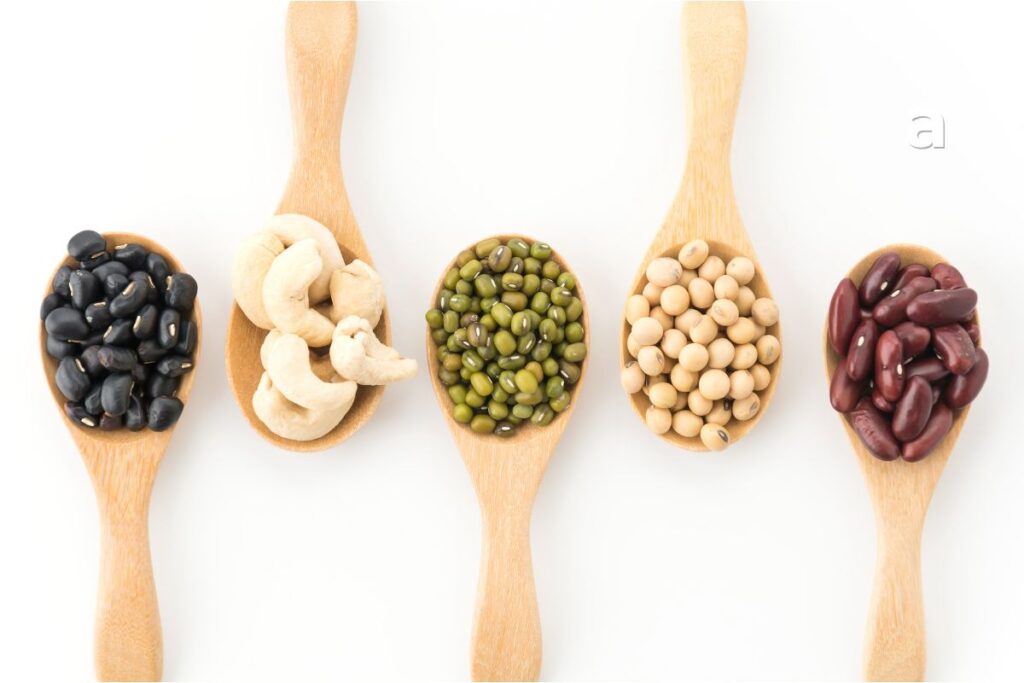
Top 25 Protein-Rich Foods
| Food | Serving Size | Approx. Protein |
|---|---|---|
| Chicken Breast (Cooked) | 100 g | 31 g |
| Salmon (Cooked) | 100 g | 22–25 g |
| Tuna (Cooked) | 100 g | 29 g |
| Eggs | 2 large | 12–13 g |
| Greek Yogurt (Plain) | 170 g | 17–20 g |
| Cottage Cheese | ½ cup | 14 g |
| Milk | 1 cup (250 ml) | 8 g |
| Tofu (Firm) | 100 g | 15–17 g |
| Tempeh | 100 g | 19–20 g |
| Edamame | 1 cup | 18 g |
| Lentils (Cooked) | 1 cup | 18 g |
| Chickpeas (Cooked) | 1 cup | 14–15 g |
| Black Beans | 1 cup | 15 g |
| Kidney Beans | 1 cup | 15 g |
| Quinoa (Cooked) | 1 cup | 8 g |
| Oats | 1 cup cooked | 6 g |
| Almonds | 30 g | 6 g |
| Peanuts | 30 g | 7 g |
| Pumpkin Seeds | 30 g | 8–9 g |
| Chia Seeds | 2 tablespoons | 5 g |
| Flaxseeds | 2 tablespoons | 4 g |
| Peanut Butter | 2 tablespoons | 8 g |
| Turkey Breast | 100 g | 29 g |
| Shrimp | 100 g | 24 g |
| Soy Milk (Fortified) | 1 cup | 7–8 g |
Protein values are approximate and may vary depending on the brand, preparation method, and serving size.
1. Chicken Breast
Chicken breast is one of the most widely consumed lean protein sources.
It provides high-quality complete protein while being relatively low in saturated fat when prepared without the skin.
Healthy preparation methods include:
- Grilling
- Baking
- Roasting
- Steaming
Avoid regularly deep-frying chicken, as this can increase the amount of added fat and calories.
2. Fish
Fish provides protein along with many important nutrients.
Fatty fish such as:
- Salmon
- Sardines
- Mackerel
- Trout
also contain omega-3 fatty acids, which support heart and brain health as part of a balanced diet.
Nutrition experts generally recommend eating fish regularly, particularly oily fish, while following local guidance regarding sustainable choices and mercury intake.
3. Eggs
Eggs are among the most nutritious and affordable protein-rich foods.
They provide:
- High-quality complete protein
- Vitamin B12
- Choline
- Selenium
- Vitamin D (in small amounts)
For most healthy people, eggs can be included as part of a balanced eating pattern.
4. Greek Yogurt and Dairy Products
Greek yogurt contains more protein than regular yogurt and can be an excellent breakfast or snack option.
Other protein-rich dairy foods include:
- Cottage cheese
- Milk
- Cheese (consume in moderation due to sodium and saturated fat in some varieties)
Choose plain, unsweetened yogurt whenever possible to reduce added sugar intake.
5. Lentils
Lentils are one of the best plant-based protein sources.
They also provide:
- Dietary fiber
- Iron
- Folate
- Potassium
This combination makes lentils especially valuable for supporting both protein intake and digestive health.
6. Chickpeas and Beans
Beans and chickpeas are excellent choices for both vegetarians and non-vegetarians.
They provide:
- Protein
- Fiber
- Complex carbohydrates
- Minerals
Use them in:
- Soups
- Salads
- Curries
- Wraps
- Grain bowls
Their combination of protein and fiber helps create satisfying meals.
7. Soy Foods
Soy foods are unique because they naturally provide complete protein.
Healthy soy foods include:
- Tofu
- Tempeh
- Edamame
- Fortified soy milk
These foods are excellent protein options for vegetarian and vegan eating patterns.
8. Quinoa
Unlike many grains, quinoa contains all nine essential amino acids, making it a complete protein.
It also provides:
- Fiber
- Magnesium
- Iron
- Manganese
Quinoa works well in salads, grain bowls, and as a substitute for rice.
9. Nuts and Seeds
Although often eaten in smaller portions, nuts and seeds contribute valuable protein along with healthy unsaturated fats.
Good choices include:
- Almonds
- Walnuts
- Pistachios
- Pumpkin seeds
- Chia seeds
- Flaxseeds
Because they are energy-dense, enjoy them in moderate portions as part of a balanced diet.
10. Peanut Butter
Natural peanut butter can be a convenient protein source.
Spread it on:
- Whole-grain toast
- Apple slices
- Banana
- Oatmeal
Choose varieties without added sugars or hydrogenated oils whenever possible.
Animal vs. Plant Protein
Both animal and plant foods can help you meet your protein needs.
Animal Protein Sources
Examples include:
- Fish
- Chicken
- Turkey
- Eggs
- Milk
- Yogurt
- Cottage cheese
Advantages
- Complete protein
- Rich in vitamin B12
- Highly bioavailable
Considerations
Choose lean cuts of meat and include fish regularly. Limit processed meats such as sausages, bacon, and salami, as frequent consumption has been associated with poorer health outcomes.
Plant Protein Sources
Examples include:
- Lentils
- Chickpeas
- Beans
- Tofu
- Tempeh
- Soy milk
- Quinoa
- Nuts
- Seeds
Advantages
- Naturally rich in fiber
- Lower in saturated fat
- Provide vitamins, minerals, and beneficial plant compounds
For most people, eating a variety of plant protein sources throughout the day provides all the essential amino acids needed.
How to Include More Protein in Everyday Meals
Simple additions can help increase your protein intake naturally.
Breakfast
- Greek yogurt with berries
- Eggs on whole-grain toast
- Oatmeal with milk and chia seeds
Lunch
- Lentil soup
- Chickpea salad
- Grilled chicken wrap
- Tofu stir-fry
Snacks
- Cottage cheese
- Handful of almonds
- Roasted chickpeas
- Peanut butter with apple slices
Dinner
- Grilled salmon with vegetables
- Bean curry with brown rice
- Tofu and vegetable stir-fry
- Turkey with quinoa and broccoli
Building meals around whole foods makes it easier to meet your protein needs without relying on supplements.
Protein Quality Matters More Than Popularity
Not every trendy high-protein food is automatically healthy.
When choosing protein sources, consider the overall nutritional quality of the food.
A balanced protein choice should ideally provide:
- High-quality protein
- Vitamins and minerals
- Healthy fats (where appropriate)
- Minimal added sugars
- Lower amounts of sodium and saturated fat
Foods like lentils, fish, eggs, yogurt, beans, tofu, and nuts offer much more nutritional value than highly processed protein snacks or sugary protein bars.
Key Takeaway
Meeting your daily protein needs doesn’t require expensive supplements or restrictive diets. A wide variety of everyday foods—including eggs, fish, dairy products, beans, lentils, tofu, nuts, seeds, and whole grains—can provide the protein your body needs while also supplying many other essential nutrients.
Rather than focusing on a single “best” protein source, aim for diversity. Including both plant and animal proteins (if you eat them) helps create balanced meals that support muscle health, tissue repair, immune function, healthy ageing, and overall wellness.
Plant Protein vs. Animal Protein: Which Is Better?
One of the most common nutrition questions is whether plant protein or animal protein is better. The truth is that both can be part of a healthy, balanced diet. Rather than thinking of one as “good” and the other as “bad,” it’s more helpful to understand their differences and choose foods that suit your health needs, preferences, culture, and lifestyle.
Animal proteins naturally contain all nine essential amino acids and are often described as complete proteins. Many plant proteins contain lower amounts of one or more essential amino acids, but eating a variety of plant foods throughout the day easily provides the amino acids most healthy people need.
The best choice isn’t about choosing one over the other—it’s about building a varied eating pattern that includes nutritious, minimally processed protein sources.
What Is Animal Protein?
Animal protein comes from foods derived from animals.
Examples include:
- Fish
- Chicken
- Turkey
- Eggs
- Milk
- Yogurt
- Cheese
- Lean meat
These foods naturally provide all nine essential amino acids in sufficient amounts, making them complete proteins.
Many animal foods also provide important nutrients such as:
- Vitamin B12
- Iron (heme iron)
- Zinc
- Calcium (in dairy)
- Iodine (certain seafood)
- Omega-3 fatty acids (fatty fish)
Advantages of Animal Protein
Animal protein offers several nutritional benefits.
1. Complete Protein
Animal foods naturally provide all essential amino acids required for growth, repair, and maintenance of body tissues.
2. High Bioavailability
Protein from animal foods is generally well digested and efficiently used by the body.
3. Rich in Key Nutrients
Many animal foods contain nutrients that may be more difficult to obtain from plant foods alone, including:
- Vitamin B12
- Highly absorbable iron
- Zinc
- DHA and EPA omega-3 fats (from oily fish)
Considerations When Choosing Animal Protein
Not all animal protein sources are equally healthy.
Healthier choices include:
- Fish
- Skinless chicken
- Turkey
- Eggs
- Plain yogurt
- Cottage cheese
Try to limit frequent consumption of highly processed meats such as:
- Bacon
- Sausages
- Hot dogs
- Salami
- Processed deli meats
These foods are often high in sodium, saturated fat, and preservatives.
What Is Plant Protein?
Plant protein comes from foods grown from plants.
Examples include:
- Lentils
- Chickpeas
- Kidney beans
- Black beans
- Soybeans
- Tofu
- Tempeh
- Edamame
- Quinoa
- Oats
- Nuts
- Seeds
Many of these foods also provide nutrients that are often lacking in modern diets.
Advantages of Plant Protein
Plant-based protein offers several important health benefits.
1. Naturally High in Fiber
Unlike animal foods, plant protein sources usually contain dietary fiber.
Fiber supports:
- Healthy digestion
- Gut microbiome diversity
- Regular bowel movements
- Satiety
2. Rich in Vitamins and Minerals
Many plant proteins provide:
- Folate
- Magnesium
- Potassium
- Iron
- Copper
- Manganese
3. Contains Beneficial Plant Compounds
Plant foods naturally contain phytochemicals, antioxidants, and polyphenols that contribute to overall dietary quality.
These compounds are associated with various health benefits as part of an overall healthy dietary pattern.
4. Lower in Saturated Fat
Many plant protein sources are naturally lower in saturated fat than some animal products.
Examples include:
- Lentils
- Beans
- Chickpeas
- Tofu
- Tempeh
Are Plant Proteins Incomplete?
This is one of the biggest nutrition myths.
While many plant foods contain lower amounts of one or more essential amino acids, this does not mean plant proteins are “poor quality.”
The human body maintains a pool of amino acids throughout the day.
As long as you eat a variety of protein-rich plant foods, you can obtain all nine essential amino acids without needing to combine specific foods at every meal.
For example, eating combinations of foods such as:
- Lentils and rice
- Beans and whole grains
- Hummus and whole-grain pita
- Peanut butter on whole-grain bread
over the course of the day helps provide a balanced amino acid intake.
Soy: A Unique Plant Protein
Soy foods are an exception among plant proteins because they naturally contain all nine essential amino acids.
Examples include:
- Tofu
- Tempeh
- Edamame
- Fortified soy milk
Soy foods are excellent protein choices for vegetarians, vegans, and anyone looking to include more plant-based meals.
Animal Protein vs. Plant Protein
| Feature | Animal Protein | Plant Protein |
|---|---|---|
| Complete protein | ✅ Usually | Some (soy, quinoa) |
| Dietary fiber | ❌ No | ✅ Yes |
| Vitamin B12 | ✅ Yes | ❌ Usually absent |
| Healthy fats | Varies | Mostly unsaturated |
| Phytochemicals | Minimal | Rich source |
| Omega-3 fats | Fatty fish provide EPA & DHA | Some seeds provide ALA |
| Saturated fat | Varies by food | Generally lower |
Both types can contribute to a nutritious diet. The overall quality of your eating pattern matters more than relying exclusively on one category.
Do Vegetarians Get Enough Protein?
Yes.
Most vegetarians and vegans can meet their protein needs by eating enough calories and including a variety of protein-rich plant foods each day.
Excellent vegetarian protein sources include:
- Lentils
- Chickpeas
- Beans
- Tofu
- Tempeh
- Edamame
- Dairy products (for lacto-vegetarians)
- Eggs (for ovo-vegetarians)
- Quinoa
- Nuts
- Seeds
People following vegan diets should also pay attention to nutrients such as vitamin B12, which usually requires fortified foods or supplements.
Should You Choose One Over the Other?
For most people, there is no need to choose only plant protein or only animal protein.
A balanced diet can include:
- Fish once or twice a week
- Beans and lentils several times a week
- Yogurt or milk
- Tofu or tempeh
- Nuts and seeds
- Eggs
- Whole grains
This approach increases dietary variety and provides a wide range of nutrients.
Practical Tips for Building Balanced Protein Meals
Aim to combine protein with other nutrient-rich foods.
Breakfast
- Greek yogurt with berries and chia seeds
- Tofu scramble with vegetables
Lunch
- Lentil soup with whole-grain bread
- Grilled chicken salad
Snack
- Roasted chickpeas
- Handful of almonds
Dinner
- Baked salmon with quinoa and vegetables
- Chickpea curry with brown rice
Balanced meals naturally provide protein, fiber, healthy fats, vitamins, and minerals. They also help support a healthy digestive system and a diverse gut microbiome. Learn more about why gut health matters and how your daily food choices influence long-term wellness.
Quality Matters More Than Labels
Whether you choose plant or animal protein, focus on foods that are:
- Minimally processed
- Rich in nutrients
- Lower in added sugars
- Lower in excess sodium
- Appropriate for your dietary needs
A diet built around whole foods is generally more beneficial than one centered on highly processed “high-protein” products.
Key Takeaway
Plant protein and animal protein each have unique nutritional strengths, and neither is universally “better” than the other. Animal proteins provide complete amino acids and nutrients like vitamin B12, while plant proteins contribute fiber, antioxidants, and beneficial plant compounds.
For most healthy people, the ideal approach is to enjoy a variety of high-quality protein sources that fit their preferences and lifestyle. A balanced eating pattern that includes legumes, nuts, seeds, whole grains, dairy or fortified alternatives, fish, eggs, or lean poultry (if consumed) provides the nutrients needed to support muscle health, immunity, healthy ageing, and overall well-being.
Signs You May Not Be Getting Enough Protein (Protein Deficiency Symptoms & Risk Factors)
Protein is essential for maintaining muscles, organs, skin, hormones, enzymes, and a healthy immune system. Most people who eat a varied, balanced diet get enough protein to meet their daily needs. However, some individuals may not consume adequate protein due to limited food intake, restrictive diets, certain health conditions, or increased nutritional requirements.
Mild protein deficiency can develop gradually and may not cause noticeable symptoms at first. Over time, inadequate protein intake may affect the body’s ability to repair tissues, maintain muscle mass, and perform normal physiological functions.
It’s important to remember that many of the symptoms below can have multiple causes and are not specific to protein deficiency. If symptoms persist or worsen, consult a qualified healthcare professional for proper evaluation and diagnosis.
Common Signs You May Not Be Getting Enough Protein
1. Loss of Muscle Mass or Muscle Weakness
One of the earliest effects of inadequate protein intake is a gradual loss of muscle tissue.
Protein supplies the amino acids needed to repair and maintain muscles. When dietary protein is consistently too low, the body may begin breaking down muscle tissue to meet its protein needs.
Possible signs include:
- Reduced muscle strength
- Difficulty lifting everyday objects
- Loss of muscle definition
- Feeling weaker during physical activities
- Reduced exercise performance
Older adults are particularly vulnerable to age-related muscle loss, making adequate protein intake especially important.
2. Feeling Tired or Low in Energy
Persistent fatigue has many possible causes, including poor sleep, stress, anemia, thyroid disorders, and inadequate calorie intake.
In some cases, insufficient protein intake may contribute to feelings of tiredness because protein supports tissue repair, enzyme production, and normal body functions.
If fatigue continues despite healthy lifestyle habits, seek medical advice to identify the underlying cause.
3. Slow Recovery After Exercise or Injury
Your body relies on protein to repair damaged tissues.
Without adequate protein, recovery from:
- Exercise
- Minor injuries
- Surgery
- Illness
may take longer than expected.
Eating enough protein as part of a balanced diet helps support normal recovery processes.
4. Frequent Hunger Between Meals
Protein contributes to satiety—the feeling of fullness after eating.
Meals that contain adequate protein along with fiber and healthy fats are often more satisfying than meals consisting mainly of refined carbohydrates.
For example:
Instead of:
- Sugary cereal
Choose:
- Greek yogurt with fruit
- Eggs on whole-grain toast
- Oatmeal with nuts and seeds
These balanced meals may help you stay satisfied for longer.
5. Hair Thinning
Hair is largely made of a protein called keratin.
If protein intake remains very low for an extended period, hair growth may be affected.
However, hair thinning can also result from:
- Genetics
- Hormonal changes
- Iron deficiency
- Certain medications
- Medical conditions
- Stress
If you notice significant hair loss, consult a healthcare professional rather than assuming protein is the cause.
6. Brittle Nails
Nails also contain keratin.
Poor nutrition—including inadequate protein or certain vitamin and mineral deficiencies—may contribute to brittle or fragile nails.
Healthy nail growth depends on many nutrients, not protein alone.
7. Slow Wound Healing
Protein helps build new tissue during the body’s natural healing process.
Inadequate protein intake may slow recovery from:
- Cuts
- Minor burns
- Surgical wounds
- Skin injuries
People recovering from surgery or illness often have increased nutritional needs, which should be discussed with their healthcare team.
8. Increased Risk of Illness
Proteins are involved in producing antibodies and other immune system components.
A balanced diet that includes enough protein supports normal immune function.
However, immune health also depends on:
- Adequate sleep
- Regular physical activity
- Vaccinations
- Stress management
- Overall nutrition
Protein is one part of a much bigger picture.
9. Swelling (Edema) in Severe Protein Deficiency
In severe cases of prolonged protein deficiency, fluid may accumulate in body tissues, causing swelling (known as edema), especially in the feet, ankles, or legs.
This is uncommon in healthy adults with access to adequate food but may occur in cases of severe malnutrition or certain medical conditions.
Swelling should always be evaluated promptly by a healthcare professional because it can also be caused by heart, liver, kidney, or circulatory disorders.
Who Is More Likely to Have Low Protein Intake?
Although most people can meet their protein needs through a balanced diet, some groups may have a higher risk of inadequate intake.
These include:
- Older adults with reduced appetite
- People recovering from surgery or illness
- Individuals following very restrictive diets without proper planning
- People with eating disorders
- Individuals with certain digestive disorders that affect nutrient absorption
- People experiencing food insecurity
These groups may benefit from personalized nutrition guidance from a registered dietitian or healthcare professional.
Protein Deficiency vs. Serious Medical Conditions
Many symptoms associated with low protein intake are also linked to other health conditions.
For example:
| Symptom | Other Possible Causes |
|---|---|
| Fatigue | Anemia, thyroid disorders, poor sleep, stress |
| Hair loss | Hormonal changes, iron deficiency, genetics |
| Muscle weakness | Aging, inactivity, neurological conditions |
| Slow healing | Diabetes, infection, poor circulation |
| Swelling | Heart, liver, kidney disease |
This is why self-diagnosing based on symptoms alone is not recommended.
How to Prevent Inadequate Protein Intake
Simple daily habits can help you meet your protein needs.
✔ Include a protein source at each meal.
✔ Choose a variety of protein-rich foods.
✔ Eat plenty of legumes, dairy, fish, eggs, tofu, nuts, or lean poultry according to your dietary preferences.
✔ Pair protein with fruits, vegetables, whole grains, and healthy fats for balanced nutrition.
✔ Stay physically active to help maintain muscle health.
When Should You See a Doctor?
Seek medical advice if you experience:
- Unexplained weight loss
- Persistent muscle weakness
- Ongoing fatigue
- Difficulty recovering from illness
- Significant hair loss
- Swelling in your legs or feet
- Poor wound healing
- Loss of appetite lasting several weeks
A healthcare professional can determine whether these symptoms are related to protein intake or another medical condition.
Key Takeaway
Most healthy people can meet their protein needs by eating a varied and balanced diet. While inadequate protein intake may contribute to muscle loss, fatigue, slow recovery, and other symptoms, these signs are not unique to protein deficiency and can have many different causes.
Instead of focusing on a single nutrient, aim for an overall healthy eating pattern that includes high-quality protein, fiber, fruits, vegetables, whole grains, and healthy fats. If you have persistent symptoms or concerns about your nutritional status, seek guidance from a qualified healthcare professional for individualized advice.
Can You Eat Too Much Protein? Benefits, Risks & Common Myths
Protein is an essential nutrient, but more isn’t always better. In recent years, high-protein diets have become increasingly popular for weight management, muscle building, and fitness. While protein is important for overall health, eating significantly more protein than your body needs does not necessarily provide additional health benefits.
For most healthy adults, the goal should be to meet your individual protein needs through a balanced diet, rather than consuming excessive amounts or relying heavily on supplements.
Let’s look at what current evidence tells us.
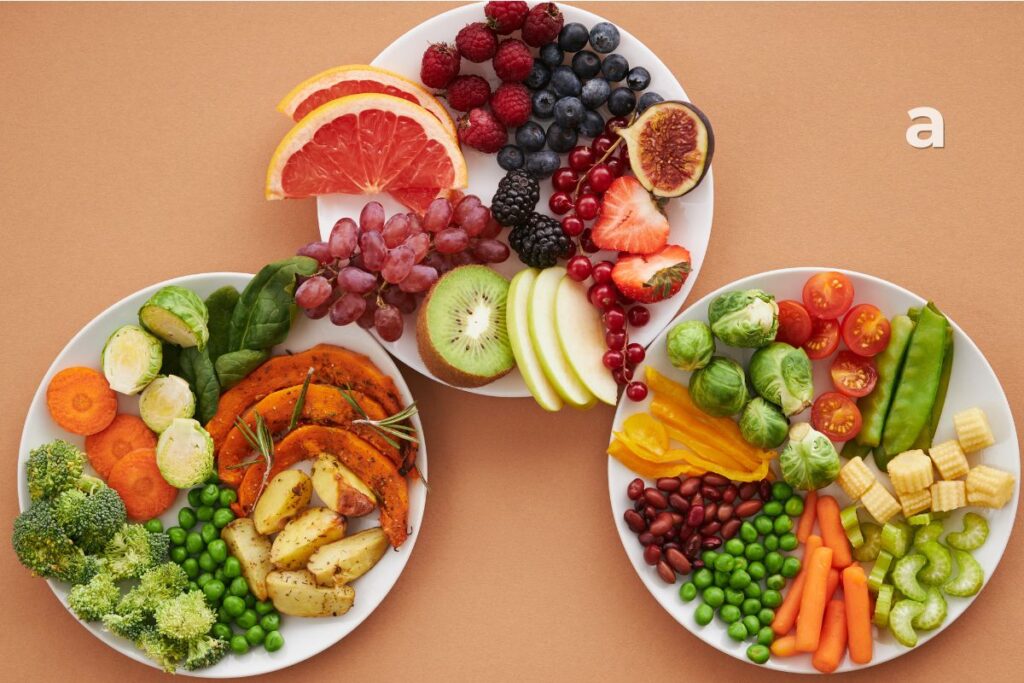
Is Too Much Protein Harmful?
For most healthy people, consuming a diet that is moderately higher in protein than the minimum recommended amount is generally considered safe when it is part of an overall balanced eating pattern.
However, consistently consuming very large amounts of protein—especially at the expense of other nutritious foods—may not provide extra benefits and can reduce dietary variety.
A healthy diet should include:
- Protein
- Whole grains
- Fruits
- Vegetables
- Healthy fats
- Fiber
- Adequate water
Protein works best as one part of a balanced nutritional pattern.
What Happens If You Eat More Protein Than You Need?
Your body does not store excess protein in the same way it stores fat or carbohydrates.
Instead:
- Amino acids are used for tissue repair and other essential functions.
- Excess amino acids may be converted into energy.
- If energy intake exceeds your body’s needs over time, excess calories—regardless of whether they come from protein, carbohydrates, or fat—can contribute to weight gain.
This means overall calorie balance matters, not just protein intake.
Potential Concerns of Excessive Protein Intake
For healthy individuals, moderate increases in protein are usually well tolerated. However, extremely high-protein diets may have drawbacks.
1. Reduced Dietary Variety
If protein-rich foods replace fruits, vegetables, legumes, or whole grains, you may consume less:
- Dietary fiber
- Vitamin C
- Folate
- Potassium
- Antioxidants
- Beneficial plant compounds
Over time, this may reduce the overall nutritional quality of your diet.
2. Lower Fiber Intake
Some very high-protein eating patterns include fewer whole grains, beans, fruits, and vegetables.
Low fiber intake may contribute to:
- Constipation
- Reduced gut microbiome diversity
- Poor digestive health
Including plant-based protein foods such as lentils, beans, chickpeas, and soy products helps increase both protein and fiber intake.
3. Kidney Disease Considerations
One of the most common myths is that high-protein diets damage healthy kidneys.
What does the evidence say?
Current research suggests that there is no strong evidence that higher protein intake harms kidney function in healthy people.
However, individuals with chronic kidney disease (CKD) or other kidney disorders may need to limit protein intake based on their medical condition.
If you have kidney disease, always follow the advice of your nephrologist or registered dietitian rather than general nutrition recommendations.
4. Dehydration
Protein metabolism produces waste products that the kidneys remove from the body.
While healthy kidneys manage this process efficiently, people following higher-protein diets should maintain adequate hydration by drinking enough water throughout the day.
Staying hydrated supports overall health regardless of protein intake.
Do High-Protein Diets Help with Weight Loss?
Protein can contribute to weight management because it:
- Helps increase feelings of fullness (satiety)
- Supports maintenance of lean muscle mass during weight loss
- Has a slightly higher thermic effect than carbohydrates or fat, meaning the body uses some energy to digest and process it
However, protein alone does not cause weight loss.
Successful, sustainable weight management also depends on:
- Total calorie intake
- Physical activity
- Sleep
- Stress management
- Long-term eating habits
There is no single “magic” nutrient for weight loss.
Do You Need Protein Supplements?
For most healthy people, protein supplements are not necessary.
Everyday foods usually provide enough protein, including:
- Eggs
- Milk
- Yogurt
- Fish
- Chicken
- Lentils
- Beans
- Chickpeas
- Tofu
- Tempeh
- Nuts
- Seeds
Protein powders may be useful in certain situations, such as:
- Individuals with increased protein needs who struggle to meet them through food
- Some athletes under professional guidance
- Certain medical conditions where advised by a healthcare provider
However, supplements should complement—not replace—a nutritious diet.
Can Eating Too Much Protein Cause Weight Gain?
Protein itself does not automatically cause weight gain.
However, eating more calories than your body burns, regardless of the source, may lead to weight gain over time.
For example:
- Excess protein
- Excess carbohydrates
- Excess fat
can all contribute to weight gain if consumed in excess.
This is why portion sizes and overall dietary balance remain important.
Common Myths About Protein
Myth 1: More Protein Is Always Better
Fact: Once your protein needs are met, consuming substantially more protein does not necessarily provide additional health benefits for most people.
Myth 2: Only Athletes Need Protein
Fact: Everyone needs protein. Children, adults, older adults, and pregnant women all require protein to support normal growth, repair, and body function.
Myth 3: Plant Protein Is Inferior
Fact: Plant proteins can fully support nutritional needs when a variety of plant-based protein foods are consumed throughout the day.
Myth 4: You Must Drink Protein Shakes Every Day
Fact: Most healthy adults can meet their protein needs through regular meals without using supplements.
Myth 5: High-Protein Diets Damage Healthy Kidneys
Fact: Current evidence does not support this claim for healthy individuals. People with existing kidney disease should follow personalized medical advice regarding protein intake.
How to Build a Balanced Plate
Instead of focusing only on protein, aim to create meals that include:
🥗 ½ Plate
Vegetables and fruits
🍚 ¼ Plate
Whole grains
🍗 ¼ Plate
Protein-rich foods
Add healthy fats such as:
- Nuts
- Seeds
- Olive oil
- Avocado
This balanced approach supports overall nutrition rather than emphasizing one nutrient alone.
Quality Matters More Than Quantity
Choosing high-quality, minimally processed protein sources is generally more beneficial than simply increasing the amount of protein you eat.
Good choices include:
- Fish
- Eggs
- Yogurt
- Lentils
- Beans
- Tofu
- Chickpeas
- Nuts
- Seeds
Limiting heavily processed meats and highly processed “protein snacks” can help improve the overall quality of your diet.
Key Takeaway
Protein is essential for good health, but consuming more than your body needs is not necessarily better. For most healthy adults, a balanced diet that provides adequate protein from a variety of whole-food sources is the best approach. While moderately higher protein intake is generally safe for healthy individuals, extreme high-protein diets may reduce dietary variety and are not appropriate for everyone, particularly those with chronic kidney disease.
Focus on quality over quantity by including lean animal proteins, legumes, dairy or fortified alternatives, nuts, seeds, and soy foods as part of a balanced eating pattern that also includes fruits, vegetables, whole grains, and healthy fats.
Protein Myths vs. Facts: 10 Common Misconceptions Explained
Protein is one of the most talked-about nutrients in nutrition, but it’s also one of the most misunderstood. Social media, fitness trends, and marketing campaigns often exaggerate the benefits of high-protein diets or spread misconceptions about where protein should come from.
Understanding what the science actually says can help you make informed food choices without falling for myths or fad diets.
Let’s separate fact from fiction.
Myth 1: Everyone Needs a High-Protein Diet
❌ Myth
The more protein you eat, the healthier you’ll be.
✅ Fact
Protein is essential, but your body only needs an appropriate amount based on your age, body weight, activity level, and health status.
For most healthy adults, meeting—not dramatically exceeding—daily protein needs is sufficient to support normal body functions.
Eating extremely large amounts of protein doesn’t automatically improve health or build more muscle.
Myth 2: Protein Is Only Important for Bodybuilders
❌ Myth
Protein is mainly for athletes and people who lift weights.
✅ Fact
Every person needs protein every day.
Protein supports:
- Growth and development
- Muscle maintenance
- Tissue repair
- Hormone production
- Enzyme production
- Immune function
- Healthy ageing
Whether you’re a student, office worker, parent, or older adult, protein is an essential part of a balanced diet.
Myth 3: Plant Protein Isn’t Complete
❌ Myth
Vegetarians can’t get enough complete protein.
✅ Fact
Most healthy vegetarians and vegans can easily meet their protein needs by eating a variety of plant-based foods.
Excellent plant protein sources include:
- Lentils
- Chickpeas
- Beans
- Tofu
- Tempeh
- Soy milk
- Edamame
- Quinoa
- Nuts
- Seeds
Soy foods and quinoa are naturally complete proteins, and a varied plant-based diet provides all the essential amino acids needed throughout the day.
Myth 4: You Need Protein Supplements Every Day
❌ Myth
Everyone should drink protein shakes.
✅ Fact
Most healthy people can meet their protein needs through whole foods.
Examples include:
- Eggs
- Fish
- Milk
- Yogurt
- Lentils
- Chickpeas
- Tofu
- Chicken
- Nuts
- Seeds
Protein supplements may be helpful in specific situations, but they are not a requirement for good health.
Myth 5: More Protein Builds More Muscle
❌ Myth
Eating unlimited protein automatically increases muscle size.
✅ Fact
Building muscle depends on several factors, including:
- Progressive resistance training
- Adequate overall calorie intake
- Sufficient sleep
- Recovery
- Consistent protein intake
Simply eating more protein without exercise will not result in significant muscle growth.
Myth 6: High-Protein Diets Damage Healthy Kidneys
❌ Myth
Eating extra protein harms everyone’s kidneys.
✅ Fact
Current research indicates that higher protein intake does not appear to damage kidney function in healthy individuals.
However, people with chronic kidney disease (CKD) or certain other kidney conditions may need individualized protein recommendations from their healthcare provider.
Myth 7: Only Animal Foods Provide Quality Protein
❌ Myth
Animal protein is the only “real” protein.
✅ Fact
Both animal and plant foods can provide high-quality protein.
Healthy protein sources include:
Animal foods:
- Fish
- Eggs
- Yogurt
- Milk
- Chicken
Plant foods:
- Lentils
- Beans
- Chickpeas
- Tofu
- Tempeh
- Quinoa
- Soy foods
A varied diet can meet protein needs regardless of whether it includes animal foods.
Myth 8: Eating Protein Causes Weight Gain
❌ Myth
Protein automatically makes you gain weight.
✅ Fact
Weight gain occurs when you consistently consume more calories than your body uses, regardless of whether those calories come from protein, carbohydrates, or fats.
Protein can actually help support satiety as part of a balanced eating pattern, but total calorie intake remains the key factor in long-term weight management.
Myth 9: You Must Eat Protein Immediately After Exercise
❌ Myth
If you don’t drink a protein shake within minutes after exercise, you’ve wasted your workout.
✅ Fact
Consuming protein after exercise can support muscle repair, but your total daily protein intake and overall eating pattern are generally more important than a very short “anabolic window.”
For most recreational exercisers, eating a balanced meal containing protein within a reasonable time after activity is sufficient.
Myth 10: Protein Alone Makes You Healthy
❌ Myth
As long as you eat enough protein, the rest of your diet doesn’t matter.
✅ Fact
Protein is just one part of healthy nutrition.
Good health also depends on:
- Fruits
- Vegetables
- Whole grains
- Healthy fats
- Dietary fiber
- Vitamins and minerals
- Regular physical activity
- Quality sleep
- Stress management
No single nutrient can replace an overall healthy lifestyle.
Evidence-Based Protein Tips
Instead of following nutrition myths, focus on habits supported by scientific evidence:
✔ Include a source of protein with most meals.
✔ Choose a variety of protein-rich foods.
✔ Eat more whole foods and fewer highly processed protein snacks.
✔ Include plant proteins regularly—even if you eat animal foods—to support a diverse gut microbiome and overall digestive health.
✔ Pair protein with fiber-rich foods such as fruits, vegetables, legumes, and whole grains.
What Nutrition Experts Recommend
Most international nutrition guidelines emphasize a balanced dietary pattern rather than excessive protein intake.
General recommendations include:
- Meet your individual protein requirements.
- Choose minimally processed protein sources whenever possible.
- Include both plant and animal proteins according to your dietary preferences.
- Eat plenty of fruits, vegetables, whole grains, and legumes.
- Stay physically active.
- Maintain a healthy lifestyle overall.
Protein works best when it’s part of a varied, nutrient-rich diet—not when it’s treated as the only important nutrient.
Key Takeaway
Protein is an essential nutrient, but many popular beliefs about it are misleading. Most healthy adults do not need extremely high-protein diets, daily protein shakes, or expensive supplements to meet their nutritional needs. A balanced eating pattern that includes a variety of high-quality protein sources—alongside fruits, vegetables, whole grains, healthy fats, and fiber—provides the foundation for long-term health.
Rather than following trends, focus on evidence-based nutrition and sustainable eating habits that you can maintain for years to come.
Final Thoughts
Protein is a fundamental nutrient that supports growth, tissue repair, muscle maintenance, immune function, hormone production, and many other essential processes. Most healthy adults can meet their protein needs through a balanced diet that includes a variety of protein-rich foods from both plant and animal sources, depending on their preferences.
Rather than focusing on consuming as much protein as possible, prioritize quality, variety, and overall dietary balance. Choosing minimally processed protein sources, eating plenty of fruits and vegetables, including whole grains and fiber-rich foods, staying physically active, and maintaining healthy lifestyle habits all contribute to long-term well-being.
Remember that nutritional needs vary from person to person. If you’re pregnant, breastfeeding, an older adult, living with a chronic medical condition, or have concerns about your diet, seek personalized advice from a qualified healthcare professional or registered dietitian.
References
The information in this article is based on guidance and educational resources from internationally recognized health organizations, including:
- World Health Organization (WHO)
- National Institutes of Health (NIH)
- Harvard T.H. Chan School of Public Health – The Nutrition Source
- Academy of Nutrition and Dietetics
- U.S. Department of Agriculture (USDA)
These organizations regularly review scientific evidence and provide nutrition recommendations for the general public.
Frequently Asked Questions (FAQs) About Protein
Protein is one of the most searched nutrition topics online. Below are evidence-based answers to some of the most common questions people ask about protein, daily requirements, and healthy food choices.
How much protein do I need every day?
For most healthy adults, the Recommended Dietary Allowance (RDA) is 0.8 grams of protein per kilogram (kg) of body weight per day.
For example:
50 kg → about 40 g
60 kg → about 48 g
70 kg → about 56 g
80 kg → about 64 g
Individual needs may vary depending on age, activity level, pregnancy, breastfeeding, and certain medical conditions.
What foods are highest in protein?
Some of the best natural protein sources include:
Chicken breast
Fish (salmon, tuna)
Eggs
Greek yogurt
Cottage cheese
Lentils
Chickpeas
Beans
Tofu
Tempeh
Edamame
Milk
Nuts
Seeds
Quinoa
A varied diet helps provide protein along with many other important nutrients.
Is plant protein as good as animal protein?
Yes. Both plant and animal proteins can support a healthy diet.
Animal proteins naturally contain all essential amino acids, while eating a variety of plant-based protein foods throughout the day provides the amino acids most healthy people need.
Plant proteins also provide dietary fiber, antioxidants, and beneficial plant compounds.
Can I get enough protein without eating meat?
Yes.
Vegetarians and vegans can meet their protein needs by eating foods such as:
Lentils
Chickpeas
Beans
Tofu
Tempeh
Soy milk
Edamame
Quinoa
Nuts
Seeds
People following a vegan diet should also ensure adequate vitamin B12 intake through fortified foods or supplements if recommended by a healthcare professional.
Are protein shakes necessary?
Not for most people.
Healthy adults can usually meet their protein needs through whole foods such as dairy products, eggs, legumes, fish, poultry, soy foods, nuts, and seeds.
Protein supplements may be useful in certain situations, but they should complement—not replace—a balanced diet.
What happens if I don’t eat enough protein?
Long-term inadequate protein intake may contribute to:
Loss of muscle mass
Muscle weakness
Slow wound healing
Fatigue
Hair thinning
Brittle nails
Reduced physical function
These symptoms are not unique to protein deficiency and can have many other causes. Consult a healthcare professional if you have ongoing concerns.
Can eating too much protein be harmful?
For most healthy people, moderate increases in protein intake are generally considered safe.
However, extremely high-protein diets may reduce dietary variety if they replace fruits, vegetables, legumes, and whole grains.
People with chronic kidney disease should follow individualized medical advice regarding protein intake.
Is protein good for weight loss?
Protein can support weight management because it helps increase feelings of fullness and supports lean muscle mass during weight loss.
However, no single nutrient causes weight loss. Long-term success depends on a balanced diet, regular physical activity, adequate sleep, and maintaining an appropriate calorie intake.
Which protein foods are best for vegetarians?
Excellent vegetarian protein sources include:
Lentils
Chickpeas
Kidney beans
Black beans
Tofu
Tempeh
Edamame
Greek yogurt
Cottage cheese
Milk
Eggs
Quinoa
Nuts
Seeds
Including a variety of these foods helps provide protein and other essential nutrients.
Is it okay to eat protein at every meal?
Yes.
Including a source of protein with breakfast, lunch, and dinner can help you meet your daily protein needs and create balanced meals.
Examples include:
Eggs at breakfast
Lentils or chicken at lunch
Fish or tofu at dinner
Pairing protein with vegetables, whole grains, and healthy fats creates a nutritious eating pattern.
If this stayed with you, you can support Aarohi here🌿
If this piece stayed with you, you can support Aarohi 🌿
Secure payments via UPI, Cards, Net Banking & PayPal
This is not a transaction, it is an exchange of energy.



This article explains protein in such a simple and practical way. I always associated protein with fitness, but now I understand how important it is for immunity, healthy aging, tissue repair, and overall well-being.
I really appreciated the balanced approach in this guide. The comparison of animal and plant-based protein sources, along with practical meal ideas, makes it useful for everyone—not just fitness enthusiasts.