

Hydration: How Much Water Do You Really Need Every Day?
Hydration is one of the foundations of good health, yet water is so ordinary that we rarely think about it until we feel thirsty. Yet hydration influences almost every system in the human body—from regulating body temperature and transporting nutrients to supporting digestion, physical performance, and normal brain function.
You can carefully plan your protein intake, eat plenty of fiber, and choose nutritious foods, but adequate fluids remain an essential part of a balanced diet.
Still, hydration advice can be surprisingly confusing.
You’ve probably heard rules such as:
- “Drink eight glasses of water every day.”
- “Everyone needs two litres of water.”
- “Coffee dehydrates you.”
- “If you’re thirsty, you’re already dehydrated.”
- “The more water you drink, the healthier you are.”
Some of these ideas contain a little truth, while others oversimplify how hydration actually works.
The reality is that there is no single amount of water that’s perfect for everyone.
Your fluid needs can change depending on your age, body size, activity level, climate, diet, pregnancy or breastfeeding, illness, medications, and other individual factors. Someone exercising outdoors in hot weather may require considerably more fluid than someone spending most of the day in a cool indoor environment.
Another common misconception is that all of our hydration must come from plain water.
It doesn’t.
Milk, tea, coffee, soups, fruits, vegetables, and many other foods and beverages contribute to total fluid intake. Foods such as watermelon, oranges, cucumber, tomatoes, and strawberries contain substantial amounts of water.
So rather than obsessing over a universal number, it is more useful to understand how hydration works, what influences your needs, and how your body signals when it may need more fluid.
In this guide, we’ll explore:
- What hydration actually means
- Why water is essential for the body
- Science-backed benefits of adequate hydration
- How much water you may need each day
- Whether the “8 glasses a day” rule is accurate
- What counts toward daily fluid intake
- Common signs of dehydration
- Hydrating foods
- Hydration during exercise and hot weather
- Whether coffee and tea count
- What happens when you drink too much water
- Common hydration myths
- Practical ways to stay hydrated throughout the day
The goal isn’t to encourage you to carry an enormous water bottle everywhere or force yourself to drink when you aren’t thirsty.
It’s to help you understand hydration well enough to make sensible choices based on your body, environment, and lifestyle.
What Is Hydration?
Hydration is the process of maintaining enough water in the body to support normal physiological functions.
Water makes up a substantial proportion of the human body, although the exact percentage varies according to factors such as age, sex, and body composition.
Unlike some nutrients that can be stored in significant quantities, the body’s water balance is constantly changing.
Throughout the day, you lose water through:
- Urination
- Sweating
- Breathing
- Bowel movements
That water needs to be replaced through beverages and foods.
When fluid intake roughly matches fluid losses, the body can maintain normal hydration.
When losses become greater than intake, dehydration can occur.
Why Does Your Body Need Water?
Water isn’t simply something that prevents thirst.
It participates in many essential processes throughout the body.
Adequate hydration helps support:
Body Temperature Regulation
When your body becomes hot, sweating helps release heat.
As sweat evaporates from the skin, it helps cool the body. This makes adequate fluid intake particularly important during exercise and hot weather.
Transportation of Nutrients
Blood contains a large amount of water.
It helps transport oxygen, nutrients, hormones, and other substances throughout the body while carrying metabolic waste toward organs responsible for eliminating it.
Digestion
Fluids contribute to normal digestion and help food move through the digestive system.
Water also works alongside dietary fiber to support normal bowel function.
Joint and Tissue Function
Water is a component of fluids that help cushion and lubricate joints and protect tissues.
Normal Kidney Function
The kidneys regulate water and electrolyte balance and remove many waste products through urine.
Adequate fluid intake helps support these normal processes.
Your Body Is Constantly Managing Water Balance
Fortunately, you don’t have to consciously calculate every millilitre entering and leaving your body.
Your brain, kidneys, hormones, and thirst mechanisms work together to regulate fluid balance.
When your body needs more water, thirst generally increases.
At the same time, the kidneys can conserve water by producing more concentrated urine.
When fluid intake increases, the kidneys can excrete more water.
This sophisticated system is one reason hydration requirements differ from person to person.
Hydration Is Closely Connected to Nutrition
Hydration shouldn’t be considered separately from food.
Many nutritious foods naturally contain significant amounts of water, particularly:
- Watermelon
- Oranges
- Strawberries
- Cucumber
- Tomatoes
- Lettuce
- Yogurt
- Soups
- Melons
Plant foods can therefore contribute both fluids and nutrients to your diet.
Foods such as fruits, vegetables, legumes, and whole grains also provide fiber, while other foods provide protein, vitamins, minerals, and electrolytes.
Together, these components form a much more complete picture of nutrition than focusing on water alone.
Hydration and Gut Health
Water and digestive health are also closely connected.
Fiber absorbs water and affects stool consistency and movement through the digestive tract. Increasing fiber intake without consuming adequate fluids may be uncomfortable for some people.
A balanced approach therefore includes both adequate hydration and fiber-rich foods.
This is particularly relevant when increasing foods such as:
- Lentils
- Beans
- Chickpeas
- Whole grains
- Fruits
- Vegetables
- Nuts
- Seeds
Does Hydration Only Mean Drinking Water?
No.
Plain water is an excellent hydration choice because it contains no calories or added sugars, but it isn’t the body’s only source of fluid.
Your total water intake comes from both:
Beverages
Water, milk, tea, coffee and other drinks.
Foods
Particularly fruits, vegetables, soups, yogurt and other water-rich foods.
This distinction becomes important when we later answer the question:
“How much water should I drink every day?”
Recommendations for total water intake aren’t necessarily the same as recommendations for the amount of plain drinking water you need.
What Are Electrolytes?
Discussions about hydration often mention electrolytes.
Electrolytes are minerals that carry an electrical charge when dissolved in body fluids. Important electrolytes include:
- Sodium
- Potassium
- Chloride
- Calcium
- Magnesium
They contribute to functions including fluid balance, nerve signalling, and muscle function.
For normal everyday activities, most healthy people can obtain electrolytes through a balanced diet and usually don’t need specialized electrolyte drinks.
Situations involving prolonged intense exercise, heavy sweating, vomiting, diarrhea, or certain medical conditions can be different and may require individualized guidance.
Hydration Is About Balance, Not Maximum Water
Perhaps the most important concept to understand is this:
Good hydration does not mean drinking as much water as possible. It means maintaining an appropriate fluid balance.
Both too little and, in unusual circumstances, excessive water intake can cause problems.
Your goal therefore isn’t to chase an arbitrary number of glasses every day.
Instead, it is to understand your individual needs, pay attention to circumstances that increase fluid loss, and make water and other nutritious fluids readily available throughout the day.
Key Takeaway
Hydration is the body’s ongoing process of maintaining enough water to support normal functions such as temperature regulation, circulation, digestion, kidney function, and physical activity.
Your body continuously loses and replaces water, and your individual fluid requirements can change according to your environment, activity level, diet, and stage of life.
And importantly, hydration doesn’t come from plain water alone—foods and other beverages contribute too.
10 Science-Backed Benefits of Staying Hydrated
Adequate hydration supports far more than simply preventing thirst. Water is involved in circulation, temperature regulation, digestion, kidney function, physical performance, and many other processes that take place continuously throughout the body.
However, hydration is sometimes presented online as if drinking more water can “detox” the body, dramatically boost metabolism, or cure common health problems. Those claims often go beyond the evidence.
The real benefits of hydration are simpler—and much more important.
Here are ten ways adequate fluid intake helps support normal health and everyday functioning.
1. Helps Regulate Body Temperature
One of water’s most important roles is helping the body maintain a safe internal temperature.
When body temperature rises—particularly during exercise or hot weather—the body produces sweat. As sweat evaporates from the skin, heat is released and the body cools.
Sweating, however, also causes fluid loss.
If those fluids aren’t replaced, dehydration can develop, making temperature regulation more difficult.
Fluid needs may therefore increase during:
- Hot or humid weather
- Exercise
- Outdoor physical work
- Fever
- Activities that cause heavy sweating
This is especially important during periods of extreme heat, when dehydration and heat-related illness can become serious.
2. Supports Normal Brain Function
The brain depends on adequate hydration like the rest of the body.
Even relatively modest fluid deficits may influence aspects of cognitive performance and how a person feels, although effects vary depending on the degree of dehydration and individual circumstances.
Dehydration may be associated with symptoms such as:
- Headache
- Difficulty concentrating
- Tiredness
- Irritability
- Reduced alertness
This doesn’t mean drinking extra water will suddenly make someone smarter or dramatically improve memory.
Rather, avoiding dehydration helps the brain function under normal physiological conditions.
3. Supports Physical Performance
Exercise increases fluid loss, particularly when you sweat heavily.
As dehydration becomes more significant, physical performance may suffer.
Possible effects include:
- Increased perception of effort
- Reduced endurance
- Greater fatigue
- Difficulty regulating body temperature
People exercising intensely or for long periods—especially in hot environments—need to pay greater attention to replacing fluids.
For ordinary daily activity, however, complicated hydration strategies usually aren’t necessary. Drinking regularly and responding to thirst is often sufficient for healthy adults under normal conditions.
4. Supports Healthy Digestion
Water plays an important role throughout the digestive process.
It contributes to digestive fluids and helps food and waste move normally through the gastrointestinal tract.
Hydration becomes particularly important when eating a fiber-rich diet because some types of fiber absorb water.
A healthy combination of adequate fluids and dietary fiber helps support normal bowel function.
For example, foods such as:
- Oats
- Beans
- Lentils
- Fruits
- Vegetables
- Whole grains
provide fiber, while water helps support the digestive environment in which that fiber works.
This is another reason nutrition should be considered as a complete system rather than as isolated nutrients.
5. Helps Support Regular Bowel Movements
Constipation can have many causes, but inadequate fluid intake can contribute in some people.
The large intestine absorbs water from digestive contents. When fluid availability is limited, stools may become harder and more difficult to pass.
Adequate hydration, together with sufficient dietary fiber and physical activity, can help support regular bowel habits.
If constipation is persistent, severe, or accompanied by pain, bleeding, unexplained weight loss, or other concerning symptoms, it should be discussed with a healthcare professional rather than treated simply by drinking more water.
6. Supports Normal Kidney Function
Your kidneys perform an extraordinary amount of work every day.
They help:
- Filter the blood
- Remove metabolic waste
- Regulate fluid balance
- Maintain electrolyte balance
- Produce urine
Water is essential to these processes.
When fluid intake is inadequate, the kidneys conserve water and urine becomes more concentrated.
Adequate hydration also plays a role in reducing the risk of certain types of kidney stones in susceptible people, although individual prevention strategies depend on the type of stone and medical history.
More water is not automatically better, however. People with kidney disease, heart failure, or certain other medical conditions may receive specific fluid recommendations from their healthcare team.
7. Supports Circulation and Nutrient Transport
Blood is largely composed of water.
Through circulation, the body transports:
- Oxygen
- Glucose
- Amino acids
- Vitamins
- Minerals
- Hormones
to tissues throughout the body.
Blood also helps carry metabolic waste products toward organs involved in processing and eliminating them.
This doesn’t mean water “cleanses toxins” in the popular detox sense.
Your kidneys, liver, lungs, digestive system, and other organs already perform the body’s normal waste-processing and elimination functions.
Adequate hydration simply supports the physiological environment in which these systems operate.
8. Helps Maintain Normal Fluid and Electrolyte Balance
Water and electrolytes work closely together.
Important electrolytes include:
- Sodium
- Potassium
- Chloride
- Magnesium
- Calcium
These minerals contribute to normal nerve signalling, muscle function, and fluid balance.
Your kidneys and hormones carefully regulate both water and electrolyte concentrations.
This is why hydration isn’t simply about consuming maximum amounts of water—the body needs balance.
For most healthy people performing normal daily activities, a varied diet and regular fluid intake provide what is needed.
Sports drinks and electrolyte products are generally unnecessary for routine hydration, although they may have a role during prolonged strenuous exercise or significant fluid and electrolyte losses.
9. May Help Replace High-Sugar Drinks
One practical benefit of drinking water has little to do with water itself.
Choosing water instead of beverages high in added sugar can reduce intake of:
- Added sugars
- Excess calories
- Sugary soft drinks
- Sweetened beverages
For example, replacing a sugar-sweetened soft drink with plain or sparkling water changes the nutritional quality of the meal without requiring a complicated diet.
If plain water feels boring, try adding:
- Lemon
- Lime
- Mint
- Cucumber
- Orange slices
without needing large amounts of added sugar.
10. Supports Everyday Well-Being
Adequate hydration supports the basic physiological processes that allow you to function normally throughout the day.
That includes:
- Concentration
- Physical activity
- Digestion
- Circulation
- Temperature regulation
- Kidney function
But it’s important to keep hydration in perspective.
Water cannot replace:
- A nutritious diet
- Adequate sleep
- Regular physical activity
- Medical care
- Stress management
Hydration is one part of an overall healthy lifestyle—not a miracle solution.
Does Drinking More Water Automatically Make You Healthier?
Not necessarily.
If you’re already adequately hydrated, forcing yourself to drink substantially more water doesn’t automatically provide additional benefits.
Your fluid needs change from day to day.
For example, you may need more fluid when:
- Exercising
- Sweating heavily
- Spending time in hot weather
- Experiencing fever
- Having vomiting or diarrhea
- Pregnant or breastfeeding
On a cool, relatively inactive day, your needs may be different.
That’s why rigid rules such as “everyone must drink exactly eight glasses” can be misleading.
What About Skin Health?
You’ve probably heard that drinking huge amounts of water gives you glowing skin.
The relationship is more complicated.
Adequate hydration is important for normal body function, including the skin, but drinking excessive water is not a proven substitute for skincare, sun protection, nutrition, sleep, or treatment of skin conditions.
If someone is dehydrated, restoring normal hydration is sensible.
That is different from claiming that progressively increasing water intake will continually improve skin appearance.
Hydration and Gut Health
Hydration also works alongside nutrition to support normal digestive function.
Water helps support bowel regularity, while fiber provides material that influences stool bulk and the digestive environment.
Many fiber-rich foods—particularly fruits and vegetables—also contain substantial amounts of water.
This creates an important nutritional connection:
Hydration + fiber + a varied diet work together to support digestive health.
Adequate hydration works alongside fiber and a varied diet to support normal digestive function. Water helps maintain stool consistency and supports the movement of food and waste through the digestive tract, while fiber plays an important role in the digestive environment. Together, these everyday habits can contribute to better gut health and overall digestive well-being.
Key Takeaway
The benefits of hydration don’t come from drinking enormous quantities of water. They come from maintaining an appropriate fluid balance.
Adequate hydration supports normal temperature regulation, brain function, physical performance, digestion, bowel regularity, kidney function, circulation, and electrolyte balance.
The practical goal is simple: replace the fluids your body loses and adjust your intake when circumstances increase those losses.
But that leads to the biggest question of all:
How much water do you actually need?
How Much Water Should You Drink Every Day?
“How much water should I drink every day?” sounds like a simple question, but there isn’t one universal number that works for everyone.
You may have heard that everyone should drink eight glasses of water a day, two litres daily, or even four litres regardless of activity. In reality, hydration needs vary considerably from person to person—and even from one day to another.
Your individual water requirements can be influenced by:
- Age
- Sex
- Body size
- Physical activity
- Climate and temperature
- Pregnancy or breastfeeding
- Diet
- Illness
- Medications
- How much you sweat
There’s another important distinction: recommendations often refer to total water intake, not simply glasses of plain water.
Total water includes fluid obtained from both beverages and food.
What Are the General Daily Water Recommendations?
The U.S. National Academies of Sciences, Engineering, and Medicine established Adequate Intake (AI) values for total water from all beverages and foods.
For generally healthy adults, commonly cited values are approximately:
| Group | Approximate Total Water Intake |
|---|---|
| Adult Men | 3.7 litres/day |
| Adult Women | 2.7 litres/day |
| Pregnancy | 3.0 litres/day |
| Breastfeeding | 3.8 litres/day |
These are total water intake values—not instructions to drink 2.7 or 3.7 litres of plain water every day.
Some of that water comes naturally from food.
Individual requirements can also be higher or lower depending on circumstances.
Total Water vs. Drinking Water: An Important Difference
Suppose someone hears:
“Men need about 3.7 litres of water every day.”
They might assume they need to drink 3.7 litres of plain water in addition to everything else they consume.
That’s not what the recommendation means.
Total water intake includes:
Beverages
- Plain water
- Milk
- Tea
- Coffee
- Other beverages
Foods
- Fruits
- Vegetables
- Soups
- Yogurt
- Cooked grains and other water-containing foods
The National Academies has estimated that, in a typical U.S. diet, roughly 20% of total water intake may come from food, although this varies considerably according to what someone eats.
A person eating plenty of fruits, vegetables, soups, and other water-rich foods may obtain more water from food than someone whose diet contains mostly dry or highly processed foods.
Do You Really Need 8 Glasses of Water a Day?
The familiar “8 glasses a day” rule can be a convenient reminder to drink regularly, but it isn’t a universal physiological requirement.
Eight 8-ounce glasses equal roughly 1.9 litres of water.
For some people, this may be reasonable.
Others may need more.
Some may need less from plain water because they obtain substantial fluids from other beverages and water-rich foods.
Instead of treating eight glasses as a medical rule, think of it as a simple hydration reminder.
Your actual needs depend on your body and circumstances.
What Makes You Need More Water?
Several situations can increase fluid requirements.
1. Exercise
Physical activity increases water loss through sweat.
The amount varies depending on:
- Exercise intensity
- Duration
- Temperature
- Humidity
- Clothing
- Individual sweat rate
A gentle 20-minute walk and a two-hour endurance workout obviously don’t create the same hydration demands.
2. Hot and Humid Weather
When temperatures rise, your body may produce more sweat to regulate temperature.
This increases fluid losses.
People who work outdoors, exercise outside, or live in hot climates may therefore require more fluids than standard estimates suggest.
3. High Altitude
Higher altitudes can affect breathing and fluid balance, potentially increasing water losses.
People travelling to or exercising at altitude should pay attention to hydration along with other altitude-related precautions.
4. Fever
Fever can increase fluid losses.
Illness may also reduce appetite or make drinking more difficult, increasing the risk of dehydration.
5. Vomiting and Diarrhea
Both can cause significant losses of water and electrolytes.
In these circumstances, plain water may not always be sufficient—particularly when losses are substantial.
Oral rehydration solutions may sometimes be recommended because they provide water and electrolytes in proportions designed to support fluid absorption.
Severe or persistent vomiting or diarrhea requires medical attention, particularly in infants, young children, older adults, and other vulnerable individuals.
6. Pregnancy
Fluid requirements increase during pregnancy.
Water supports increased blood volume and other physiological changes associated with pregnancy.
Pregnant individuals should drink regularly and follow personalized advice from their healthcare provider when necessary.
7. Breastfeeding
Fluid requirements generally increase further during breastfeeding because water is used in breast milk production.
Rather than forcing excessive amounts of water, breastfeeding individuals can respond to thirst, drink regularly, and keep fluids readily available.
Does Your Diet Affect Hydration Needs?
Yes.
Your diet contributes both water and substances that influence fluid balance.
Water-rich foods include:
- Watermelon
- Cucumber
- Tomatoes
- Oranges
- Strawberries
- Melons
- Lettuce
- Yogurt
- Soups
A diet rich in fruits and vegetables can therefore make a meaningful contribution to total water intake.
This is another reason hydration and nutrition shouldn’t be treated as completely separate subjects.
Does Protein Mean You Need More Water?
Protein metabolism produces nitrogen-containing waste products that are removed primarily through the kidneys.
However, a healthy person eating a normal balanced diet generally doesn’t need to calculate a special amount of additional water for every gram of protein consumed.
Instead, maintain adequate hydration according to thirst, activity, climate, and overall diet.
If you’re following a specialized high-protein diet because of athletic or medical needs, individualized guidance may be useful.
What About Fiber?
Fiber and water work closely together in the digestive system.
Certain types of fiber absorb water, helping influence stool consistency and bowel function.
If you’re increasing your intake of:
- Whole grains
- Beans
- Lentils
- Fruits
- Vegetables
- Seeds
it’s sensible to maintain adequate fluid intake as well.
This is particularly important when someone rapidly increases fiber consumption after previously eating a low-fiber diet.
Can Thirst Tell You When to Drink?
For many healthy adults under ordinary conditions, thirst is an important physiological signal that helps regulate fluid intake.
But thirst isn’t perfect in every circumstance.
Older adults, for example, may experience a reduced thirst response. People exercising intensely, working in extreme heat, or experiencing illness may also need to pay closer attention to fluid intake.
Rather than ignoring thirst because you’ve been told you’re “already dehydrated,” treat thirst as one of your body’s useful hydration signals.
Can Urine Colour Tell You If You’re Hydrated?
Urine colour can provide a rough clue, but it isn’t a perfect diagnostic tool.
Generally:
Pale yellow urine
Often suggests adequate hydration.
Darker yellow urine
May indicate that urine is more concentrated and that you could need additional fluids.
Completely clear urine all day
Doesn’t necessarily mean “perfect hydration.” It may simply reflect high fluid intake.
Urine colour can also be affected by:
- Vitamins
- Medications
- Certain foods
- Medical conditions
So it shouldn’t be used as the only measure of hydration.
Persistent unusual urine colour, blood in the urine, pain during urination, or major changes in urinary habits should be medically evaluated.
Do Children Need the Same Amount of Water as Adults?
No.
Children’s fluid requirements vary according to age, body size, activity, diet, and climate.
Young children also depend more heavily on parents and caregivers to make fluids readily available.
Water and milk are generally preferable everyday beverage choices, while frequent consumption of sugar-sweetened drinks should be limited.
During illness, vomiting, diarrhea, or extreme heat, children can become dehydrated more quickly and may require specific medical guidance.
What About Older Adults?
Hydration deserves particular attention with increasing age.
Some older adults may:
- Experience less pronounced thirst
- Take medications that influence fluid balance
- Have mobility difficulties that make obtaining drinks harder
- Intentionally drink less because of urinary concerns
Regular access to fluids can therefore become particularly important.
However, some heart or kidney conditions require fluid restriction, so generic advice to “drink more water” isn’t appropriate for everyone.
A Practical Hydration Approach
Instead of obsessively counting every glass, most healthy adults can use a combination of simple signals and habits.
Drink regularly throughout the day.
Keep water available rather than waiting until you’re extremely thirsty.
Respond to thirst.
Thirst is an important part of the body’s fluid-regulation system.
Drink more when you’re losing more.
Increase attention to fluids during:
- Exercise
- Hot weather
- Heavy sweating
- Fever or illness
Eat water-rich foods.
Fruits, vegetables, soups, and other water-containing foods contribute to hydration.
Look at the bigger picture.
Urine colour, thirst, activity level, climate, and how you feel can provide useful context.
Don’t Force Water Just to Hit a Number
Hydration tracking can be useful for some people, but it can also create unnecessary anxiety.
You don’t need to reach exactly the same number every day.
One day you might:
- Exercise outdoors
- Sweat heavily
- Eat mostly dry foods
Another day you might:
- Stay indoors
- Be relatively inactive
- Eat soup, fruit, yogurt, and vegetables
Your fluid requirements won’t necessarily be identical.
The goal is appropriate hydration—not mathematical perfection.
Key Takeaway
There is no universal amount of plain water that every person needs each day.
General reference values of approximately 3.7 litres for adult men and 2.7 litres for adult women refer to total water from foods and beverages, not just drinking water.
Your actual needs can change according to activity, climate, diet, illness, pregnancy, breastfeeding, age, and individual physiology.
Instead of forcing yourself to follow a rigid “8 glasses” rule, build regular hydration habits, respond to thirst, eat water-rich foods, and increase fluids appropriately when losses rise.
What Counts Toward Your Daily Water Intake?
When people think about hydration, they often picture glasses of plain water lined up on a table. But your body doesn’t receive water from plain drinking water alone.
Your total water intake comes from a combination of beverages and foods. Tea, coffee, milk, soups, fruits, vegetables, and many other foods all contribute water to the body.
This matters because someone who drinks six glasses of plain water but also eats plenty of fruit, vegetables, yogurt, and soup may receive substantial additional fluid throughout the day.
So, what actually counts toward hydration?
1. Plain Water
Plain water is one of the best everyday choices for hydration.
It:
- Contains no calories
- Contains no added sugar
- Is widely available
- Helps replace normal fluid losses
Still or sparkling water can both contribute to hydration.
For most healthy people, plain water should be one of the primary beverages consumed throughout the day.
2. Tea
Yes, tea counts toward your daily fluid intake.
This includes beverages such as:
- Black tea
- Green tea
- Herbal tea
- Unsweetened iced tea
Tea is mostly water, so it contributes to hydration.
Some teas contain caffeine, but moderate caffeine consumption does not automatically cancel out the fluid they provide.
The nutritional picture changes when large amounts of sugar, syrup, or cream are added, so unsweetened or lightly sweetened tea is generally a better everyday choice.
3. Coffee
Here’s one of the most persistent hydration myths:
“Coffee dehydrates you.”
Caffeine can have a mild diuretic effect, particularly at higher doses or in people who aren’t accustomed to it. However, the water contained in typical servings of coffee still contributes to overall fluid intake.
For most people consuming moderate amounts, coffee can therefore count toward hydration.
That doesn’t mean unlimited coffee should replace water.
Excessive caffeine may contribute to:
- Sleep problems
- Restlessness
- Anxiety or jitteriness
- Increased heart rate in some people
Water should still remain an important everyday beverage.
4. Milk
Milk contains a large proportion of water and therefore contributes to hydration.
It also provides nutrients such as:
- Protein
- Calcium
- Vitamin B12
- Phosphorus
- Other vitamins and minerals depending on the product
Fortified plant-based alternatives may also contribute fluid and nutrients, although their nutritional profiles can vary considerably.
For example, fortified soy milk typically provides more protein than many other plant-based beverages.
5. Sparkling Water
Yes, unsweetened sparkling water counts toward hydration.
For people who find plain water boring, sparkling water can provide some variety.
Check the label, however, because products marketed as sparkling or flavored water can differ substantially.
Some contain:
- Added sugar
- Sweeteners
- Significant sodium
- Flavorings
Plain carbonated water without added sugar is generally a straightforward alternative to still water.
6. Soups and Broths
Soup can contribute significantly to fluid intake because water or broth usually makes up much of the meal.
Examples include:
- Vegetable soup
- Lentil soup
- Chicken soup
- Bean soup
Soup can also provide vegetables, protein, fiber, and other nutrients depending on the ingredients.
However, packaged soups and instant broths can sometimes contain large amounts of sodium, so checking nutrition labels can be useful.
7. Fruits
Many fruits contain substantial amounts of water.
Hydrating choices include:
- Watermelon
- Strawberries
- Oranges
- Grapefruit
- Peaches
- Pineapple
- Melons
Whole fruits also provide nutrients that plain water does not, including:
- Fiber
- Vitamins
- Minerals
- Beneficial plant compounds
This makes fruit a useful part of both hydration and overall nutrition.
8. Vegetables
Vegetables also contribute water.
Examples with particularly high water content include:
- Cucumber
- Lettuce
- Tomatoes
- Celery
- Zucchini
- Bell peppers
Vegetables provide the additional benefit of fiber, vitamins, minerals, and phytochemicals.
Do Fruit Juice and Smoothies Count?
Yes, they contain water and therefore contribute to fluid intake.
But hydration value and nutritional quality aren’t exactly the same thing.
Fruit juice may provide vitamins and minerals, but it usually contains less fiber than whole fruit and can deliver substantial amounts of naturally occurring sugar in a relatively small volume.
Smoothies may retain more fiber when whole fruits and vegetables are blended, but their nutritional content depends heavily on the ingredients and serving size.
For everyday hydration, plain water and whole fruits are generally preferable to relying heavily on juice.
What About Soft Drinks?
Sugar-sweetened soft drinks contain water, so technically they contribute fluid.
But that doesn’t make them an ideal hydration choice.
Regular consumption can add significant amounts of:
- Added sugar
- Calories
without providing the nutritional benefits of whole foods.
A beverage can therefore contribute to hydration while still being a poor everyday nutritional choice.
This distinction is important.
Do Sports Drinks Count?
Yes, sports drinks provide fluid.
They also commonly contain:
- Carbohydrates
- Sodium
- Other electrolytes
For someone exercising intensely for a prolonged period, particularly in hot conditions with substantial sweating, a sports drink may sometimes be useful.
For routine daily activities or short workouts, however, most healthy people don’t need specialized sports drinks.
Plain water and normal meals are usually sufficient.
What About Coconut Water?
Coconut water contributes to hydration and naturally contains electrolytes such as potassium.
However, it isn’t inherently superior to plain water for everyday hydration.
Think of it as another beverage option rather than a hydration necessity.
Some commercial products also contain added sugar, so check the ingredient list.
Can Alcohol Hydrate You?
Alcoholic beverages contain water, but alcohol can increase urine production and impair fluid balance, particularly when consumed in larger amounts.
Alcohol therefore shouldn’t be used as a hydration strategy.
During hot weather or prolonged physical activity, alcohol can be particularly problematic because it may contribute to dehydration and impair judgment about heat exposure.
Does Caffeine Really Dehydrate You?
This deserves special attention because the myth is so widespread.
Caffeine can increase urine production under certain circumstances, especially at relatively high doses.
However, research suggests that moderate amounts of caffeinated beverages such as coffee and tea still make a net contribution to daily fluid intake for habitual consumers.
In practical terms:
Your morning coffee doesn’t suddenly remove more water from your body than the drink provides.
Water remains an excellent primary hydration choice, but there’s generally no need to subtract every cup of coffee or tea from your daily fluid intake.
Foods Can Provide a Meaningful Amount of Water
A person’s diet can make a noticeable difference to overall hydration.
Consider two lunches:
Lunch A
- Crackers
- Processed snack
- Dry sandwich
Lunch B
- Lentil and vegetable soup
- Mixed salad
- Orange
- Yogurt
Lunch B naturally provides considerably more water from food.
It also provides more:
- Fiber
- Vitamins
- Minerals
- Plant compounds
This demonstrates why hydration and healthy eating are interconnected.
Hydration, Fiber and Gut Health Work Together
Water-rich fruits and vegetables provide more than fluid.
Many also provide dietary fiber, which supports normal bowel function and helps nourish the gut environment.
Meanwhile, adequate fluids help fiber perform its normal role within the digestive system.
A varied diet containing fruits, vegetables, legumes, whole grains, nuts, and seeds therefore supports hydration and gut health simultaneously.
Quick Hydration Guide
| Food or Drink | Counts Toward Fluid Intake? | Everyday Choice? |
|---|---|---|
| Plain water | ✅ Yes | ⭐ Excellent |
| Sparkling water | ✅ Yes | ⭐ Excellent if unsweetened |
| Tea | ✅ Yes | ✅ Good |
| Coffee | ✅ Yes | ✅ In moderation |
| Milk | ✅ Yes | ✅ Nutritious option |
| Soup | ✅ Yes | ✅ Depends on sodium |
| Fruits | ✅ Yes | ⭐ Excellent |
| Vegetables | ✅ Yes | ⭐ Excellent |
| Fruit juice | ✅ Yes | ⚠️ Moderate portions |
| Soft drinks | ✅ Yes | ⚠️ Limit sugary varieties |
| Sports drinks | ✅ Yes | ⚠️ Usually unnecessary for everyday activity |
| Coconut water | ✅ Yes | ✅ Optional |
| Alcohol | Not recommended for hydration | ❌ No |
Key Takeaway
Your daily hydration doesn’t have to come exclusively from plain water.
Water, tea, coffee, milk, soups, fruits, vegetables, and many other foods and beverages all contribute to total fluid intake.
The important distinction is that something can provide water without necessarily being a healthy everyday beverage.
Plain water remains one of the simplest choices, while water-rich whole foods provide the added benefits of fiber, vitamins, minerals, and other nutrients.
Rather than counting only glasses of water, think about hydration as part of your overall eating and drinking pattern.
10 Signs You May Not Be Drinking Enough Water
Your body continuously regulates its water balance, and thirst is one of the most obvious signals that you may need more fluid. But when fluid losses exceed intake, other signs of dehydration can begin to appear.
Dehydration can occur for many reasons, including hot weather, heavy sweating, exercise, fever, vomiting, diarrhea, or simply not drinking enough throughout the day.
The signs can range from mild to serious depending on how much fluid has been lost.
Importantly, symptoms such as fatigue, headache, or dizziness are not specific to dehydration. They can have many other causes. Persistent or severe symptoms should therefore be evaluated appropriately rather than automatically blamed on low water intake.
Here are some common signs to watch for.

1. Feeling Thirsty
Thirst is your body’s natural signal encouraging you to drink.
For most healthy adults under ordinary conditions, thirst is an important part of the body’s fluid-regulation system.
You may notice thirst more quickly when:
- Exercising
- Spending time outdoors in hot weather
- Eating salty foods
- Sweating heavily
- Experiencing fever or illness
Rather than viewing thirst as something you’ve “failed” to prevent, think of it as useful information from your body.
2. Darker Yellow Urine
Urine colour can provide a rough indication of hydration status.
When the body needs to conserve water, the kidneys produce more concentrated urine, which generally appears darker.
As a simple guide:
Pale yellow: Often consistent with adequate hydration.
Darker yellow: May indicate more concentrated urine and a need for additional fluids.
Completely clear throughout the day: May simply reflect high fluid intake and isn’t necessarily a goal.
However, vitamins, medications, foods, and medical conditions can also alter urine colour.
Persistent unusual urine colour or blood in the urine should be medically evaluated.
3. Dry Mouth
A dry or sticky feeling in the mouth can occur when fluid intake is inadequate.
You may also notice:
- Increased thirst
- Dry lips
- Less saliva
However, dry mouth can have other causes, including medications and certain medical conditions.
If dry mouth persists despite adequate fluid intake, speak with a healthcare professional or dentist.
4. Headache
Some people experience headaches when they become dehydrated.
The exact relationship is complex, and headache can have numerous causes, including:
- Stress
- Lack of sleep
- Migraine
- Illness
- Eyestrain
- Caffeine withdrawal
If you’ve been exercising, sweating heavily, or spending time in hot weather and develop a headache alongside thirst or darker urine, inadequate fluid intake could be one contributing factor.
Persistent, severe, or unusual headaches require appropriate medical evaluation.
5. Fatigue or Low Energy
Feeling unusually tired can sometimes accompany dehydration.
Reduced fluid availability can affect normal physiological function and may make physical activity feel more difficult.
But fatigue is highly nonspecific.
It can also result from:
- Poor sleep
- Stress
- Inadequate nutrition
- Anemia
- Infection
- Thyroid disorders
- Numerous other medical conditions
Drinking more water isn’t a universal treatment for unexplained fatigue.
6. Dizziness or Light-Headedness
More significant fluid loss can contribute to reductions in blood volume and blood pressure, potentially causing dizziness or light-headedness, particularly when standing.
This can occur after:
- Heavy sweating
- Prolonged exercise
- Vomiting
- Diarrhea
- Significant heat exposure
Dizziness can also have many other causes.
If it is severe, persistent, associated with fainting, chest pain, neurological symptoms, or difficulty breathing, seek medical attention.
7. Urinating Less Often
When the body needs to conserve water, the kidneys reduce the amount of water lost through urine.
You may therefore notice:
- Fewer trips to the bathroom
- Smaller amounts of urine
- More concentrated urine
This can be particularly important when monitoring someone who is ill with vomiting, diarrhea, or fever.
8. Reduced Physical Performance
If you’re exercising while inadequately hydrated, your workout may feel harder than usual.
Possible effects include:
- Earlier fatigue
- Reduced endurance
- Increased perception of effort
- Difficulty regulating body temperature
Fluid losses through sweat become particularly important during prolonged exercise and activities performed in hot or humid conditions.
Maintaining hydration before, during, and after demanding activity can help support normal physical performance.
9. Difficulty Concentrating or Irritability
Dehydration may affect aspects of mood and cognitive performance in some circumstances.
You might notice:
- Difficulty concentrating
- Reduced alertness
- Irritability
- Feeling mentally tired
However, these symptoms can also result from poor sleep, hunger, stress, illness, or numerous other factors.
Hydration should therefore be considered as one part of the bigger picture.
10. Constipation
Inadequate fluid intake can contribute to constipation in some people, particularly when combined with insufficient dietary fiber.
Water helps maintain stool consistency, while fiber contributes bulk and influences movement through the digestive tract.
For healthy bowel habits, consider the combination of:
- Adequate fluids
- Fiber-rich foods
- Regular physical activity
- A varied diet
Persistent constipation, particularly when accompanied by bleeding, severe pain, vomiting, or unexplained weight loss, should be medically evaluated.
Mild vs. More Serious Dehydration
Not every episode of thirst means you have a medical problem.
Mild fluid deficits can often be corrected by drinking appropriate fluids and addressing the reason for increased losses.
More significant dehydration, however, can become dangerous.
Possible warning signs of more serious dehydration include:
- Extreme thirst
- Very little or no urination
- Very dark urine
- Significant dizziness
- Fainting
- Confusion
- Rapid heartbeat
- Rapid breathing
- Unusual drowsiness or difficulty staying alert
Infants, young children, older adults, and people with certain illnesses can be particularly vulnerable.
Dehydration During Vomiting or Diarrhea
Vomiting and diarrhea are different from simply forgetting to drink enough water.
The body may lose both water and electrolytes, sometimes rapidly.
In these circumstances, an appropriately prepared oral rehydration solution (ORS) may be more suitable than plain water alone because it contains glucose and electrolytes in specific proportions that help replace losses.
Severe or persistent vomiting or diarrhea requires medical attention, especially in:
- Babies and young children
- Older adults
- Pregnant individuals
- People unable to keep fluids down
- Anyone showing signs of significant dehydration
Dehydration and Hot Weather
Hot weather increases the risk of dehydration because the body loses additional fluid through sweating.
During extreme heat, pay particular attention to:
- Regular fluid intake
- Access to cool environments
- Reducing strenuous activity during the hottest periods
- Symptoms of heat-related illness
Confusion, fainting, very high body temperature, or altered consciousness during heat exposure can indicate a medical emergency and require urgent care.
Who May Be at Greater Risk of Dehydration?
Some people require additional attention to hydration.
These include:
Older Adults
The sensation of thirst may become less pronounced with age.
Infants and Young Children
They have smaller fluid reserves and can lose water rapidly during vomiting, diarrhea, or fever.
Athletes and Outdoor Workers
Heavy sweating can substantially increase fluid losses.
People Experiencing Illness
Fever, vomiting, and diarrhea can all increase water requirements.
People Taking Certain Medications
Some medications influence urine production or fluid balance.
People who have been given specific fluid instructions by a healthcare professional should follow those recommendations rather than generic hydration advice.
Don’t Diagnose Dehydration from One Symptom
This is particularly important for a health article.
A headache doesn’t automatically mean dehydration.
Fatigue doesn’t automatically mean dehydration.
Dark urine doesn’t always mean dehydration.
Instead, consider several pieces of information together:
- Have you been drinking normally?
- Have you been sweating heavily?
- Is the weather particularly hot?
- Have you had vomiting or diarrhea?
- Are you thirsty?
- Are you urinating less than usual?
- Are several symptoms occurring together?
Context matters.
When Should You Seek Medical Help?
Seek prompt medical attention if dehydration is suspected and someone experiences symptoms such as:
- Confusion
- Fainting
- Inability to drink or keep fluids down
- Very little or no urine
- Severe weakness
- Rapid breathing or heartbeat
- Persistent vomiting or diarrhea
- Significant symptoms after prolonged heat exposure
Children, older adults, and people with underlying health conditions may require earlier assessment.
Key Takeaway
Thirst, darker urine, dry mouth, reduced urination, headache, fatigue, dizziness, difficulty concentrating, reduced physical performance, and constipation can sometimes occur when you’re not getting enough fluids.
But no single symptom proves that you’re dehydrated.
Your activity level, environment, fluid intake, illness, medications, and other symptoms all provide important context.
For everyday hydration, drinking regularly and responding to thirst is usually a sensible approach for healthy adults. When fluid losses become substantial—particularly from heat, prolonged exercise, vomiting, or diarrhea—more careful fluid and electrolyte replacement may be necessary.
Best Foods for Hydration: 15 Water-Rich Foods to Add to Your Diet
Drinking water is important, but your water bottle isn’t the only way your body stays hydrated.
A meaningful portion of daily water intake can come from food, particularly fruits, vegetables, soups, yogurt, and other foods with naturally high water content. These foods have another advantage: unlike plain water, they can also provide fiber, vitamins, minerals, protein, and beneficial plant compounds.
This is one reason a balanced diet can support hydration naturally throughout the day.
Here are 15 water-rich foods that can help contribute to your daily fluid intake.
1. Cucumber
Cucumber is approximately 95% water, making it one of the most water-rich foods commonly eaten.
It is refreshing, versatile, and easy to include in:
- Salads
- Sandwiches
- Yogurt-based dips
- Infused water
- Vegetable bowls
Cucumber also provides small amounts of vitamins and minerals while being naturally low in calories.
Try combining cucumber with yogurt, herbs, and other vegetables for a hydrating snack or side dish.
2. Lettuce
Many varieties of lettuce contain approximately 95% water.
Lettuce can add volume and freshness to meals while contributing fluids.
Use it in:
- Salads
- Wraps
- Sandwiches
- Grain bowls
Different leafy greens provide different nutrient profiles, so variety is useful. Darker leafy greens generally offer more vitamins and minerals than pale varieties.
3. Celery
Celery contains approximately 95% water.
Its high water content and crisp texture make it a simple snack or addition to meals.
Try celery with:
- Hummus
- Peanut butter
- Yogurt-based dips
Combining water-rich vegetables with protein or healthy fats can create a more satisfying snack.
4. Tomatoes
Tomatoes are approximately 94–95% water.
They also provide nutrients and plant compounds, including vitamin C, potassium, and lycopene.
Tomatoes work well in:
- Salads
- Sandwiches
- Soups
- Curries
- Sauces
- Grain bowls
Their combination of water and nutrients makes them an easy everyday addition to a balanced diet.
5. Zucchini
Zucchini, also known as courgette, contains approximately 94–95% water.
It can be:
- Grilled
- Roasted
- Stir-fried
- Added to soups
- Mixed into pasta dishes
Because vegetables like zucchini provide water as part of the food itself, they contribute to total daily hydration even when you aren’t consciously drinking.
6. Watermelon
The name gives this one away.
Watermelon contains approximately 91–92% water, making it a refreshing choice during warm weather.
It also provides nutrients such as:
- Vitamin C
- Potassium
- Carotenoids, including lycopene
Watermelon can be eaten on its own or added to fruit salads.
However, there’s no need to eat enormous amounts simply for hydration. Think of it as one component of a varied diet.
7. Strawberries
Strawberries contain approximately 90–91% water.
Along with water, they provide:
- Vitamin C
- Fiber
- Folate
- Various plant compounds
Try adding strawberries to:
- Plain yogurt
- Oatmeal
- Fruit salad
- Smoothies
Because whole strawberries contain fiber, they generally offer nutritional advantages over relying on strawberry-flavored drinks.
8. Cantaloupe and Other Melons
Melons typically contain around 89–90% water, depending on the variety.
They provide a naturally sweet way to add fluids along with vitamins and minerals.
Melon works well:
- As a snack
- With yogurt
- In fruit salads
- Alongside breakfast
During hot weather, chilled melon can be an especially refreshing food.
9. Oranges
Oranges contain approximately 86–87% water.
They also provide:
- Vitamin C
- Folate
- Potassium
- Dietary fiber
For everyday nutrition, eating a whole orange is generally preferable to drinking orange juice because the whole fruit retains more fiber.
That doesn’t mean juice provides no nutrition—it simply isn’t nutritionally identical to whole fruit.
10. Peaches
Fresh peaches contain approximately 88–89% water.
They can contribute fluid while also providing fiber, vitamin C, potassium, and other nutrients.
Try peaches:
- Fresh
- Sliced into yogurt
- Added to oatmeal
- Combined with other fruit
When choosing canned peaches, options packed in water or juice generally contain less added sugar than varieties packed in heavy syrup.
11. Pineapple
Pineapple contains approximately 86% water.
It also provides vitamin C, manganese, and other nutrients.
Fresh or frozen pineapple can be added to:
- Yogurt
- Fruit bowls
- Smoothies
- Salads
As with other fruits, the nutritional benefit goes beyond hydration.
12. Plain Yogurt
Yogurt may not immediately come to mind as a hydrating food, but it contains a substantial amount of water.
It also provides nutrients such as:
- Protein
- Calcium
- Vitamin B12
- Phosphorus
Some yogurts contain live bacterial cultures as well.
Choose plain or lower-added-sugar varieties when possible.
It also provides nutrients such as protein, calcium, vitamin B12, and phosphorus.
13. Soups
Broth-based soups can make a meaningful contribution to fluid intake.
A vegetable and lentil soup, for example, may provide:
- Water
- Protein
- Fiber
- Vegetables
- Vitamins
- Minerals
Soup can therefore support hydration while contributing to a balanced meal.
Be mindful of sodium, particularly in packaged, canned, and instant soups.
14. Plain Milk
Milk is primarily water and therefore contributes to total fluid intake.
It also provides:
- Protein
- Calcium
- Vitamin B12
- Phosphorus
- Other nutrients depending on the product
Fortified plant beverages can also contribute fluid, although their protein, vitamin, mineral, and sugar content varies substantially.
15. Bell Peppers
Bell peppers contain approximately 92% water, with the exact amount varying by variety.
They also provide vitamin C and carotenoids.
Eat them:
- Raw with hummus
- In salads
- Roasted
- Stir-fried
- In sandwiches or wraps
They’re another example of how vegetables can simultaneously contribute fluid and nutrients.
Water Content of Hydrating Foods
Here’s a quick comparison:
| Food | Approximate Water Content |
|---|---|
| Cucumber | 95% |
| Lettuce | 95% |
| Celery | 95% |
| Tomatoes | 94–95% |
| Zucchini | 94–95% |
| Bell peppers | ~92% |
| Watermelon | 91–92% |
| Strawberries | 90–91% |
| Melons | 89–90% |
| Peaches | 88–89% |
| Oranges | 86–87% |
| Pineapple | ~86% |
Values are approximate. Water content varies according to variety, ripeness, growing conditions, and food preparation.
Are Fruits Better Than Water for Hydration?
Not necessarily.
Plain water and water-rich foods serve somewhat different nutritional purposes.
Water is:
- Calorie-free
- Convenient
- Effective for replacing normal fluid losses
Fruits and vegetables provide water plus additional nutrients.
For example, an orange provides fluid along with fiber and vitamin C. Watermelon contributes water along with vitamins and plant compounds.
The best approach isn’t:
Water or hydrating foods.
It’s:
Water + water-rich whole foods as part of a balanced diet.
Hydrating Foods and Fiber
There’s another useful connection.
Many of the foods on this list—particularly fruits and vegetables—provide both water and dietary fiber.
This combination helps support normal digestive function.
Examples include:
- Strawberries
- Oranges
- Peaches
- Tomatoes
- Bell peppers
In the sentence:
Many of the foods on this list—particularly fruits and vegetables—provide both water and dietary fiber.
Hydrating Foods and Gut Health
Fruits, vegetables, legumes, and other plant foods aren’t valuable only because they contain water.
They also provide different types of fiber and plant compounds that interact with the digestive system and gut microbiome.
Eating a diverse range of plant foods while maintaining adequate hydration can therefore contribute to an overall dietary pattern that supports gut health.
What About Indian Foods?
Hydration doesn’t require imported “superfoods.”
Many familiar foods commonly eaten in India can contribute meaningful amounts of water.
Good examples include:
- Cucumber (kheera)
- Watermelon (tarbooz)
- Muskmelon (kharbuja)
- Orange (santra)
- Tomato (tamatar)
- Bottle gourd (lauki)
- Ridge gourd (turai)
- Curd (dahi)
- Buttermilk (chaas)
- Vegetable soups
- Fresh seasonal fruits
Traditional meals can naturally provide fluids alongside nutrients when they include vegetables, dals, curd, soups, and seasonal fruits.
There’s no need to chase expensive hydration products when ordinary whole foods can do the job remarkably well.
A Simple Hydrating Day
You don’t need to calculate the water percentage of every food you eat.
A normal day might look like:
Breakfast:
Oatmeal with yogurt and strawberries + water
Lunch:
Dal, vegetables, cucumber salad, roti + water
Afternoon:
Orange or watermelon + tea
Dinner:
Vegetable soup, rice and a protein-rich dish + water
Throughout the day, both your drinks and your food contribute to total water intake.
Can Hydrating Foods Replace Drinking Water?
Not completely.
Water-rich foods can contribute meaningfully to hydration, but most people still need beverages throughout the day.
Fluid requirements also increase under circumstances such as:
- Heavy exercise
- Hot weather
- Prolonged sweating
- Fever
- Vomiting
- Diarrhea
During these situations, relying only on fruits and vegetables wouldn’t usually be practical.
Think of water-rich foods as contributors to hydration rather than replacements for drinking fluids.
Key Takeaway
Hydration isn’t limited to what you drink.
Cucumber, tomatoes, watermelon, strawberries, oranges, melons, yogurt, soups, milk, and many other foods contain substantial amounts of water and contribute to your overall fluid intake.
Fruits and vegetables are particularly useful because they provide water alongside fiber, vitamins, minerals, and beneficial plant compounds.
Instead of trying to hydrate exclusively through water, build a balanced diet containing plenty of water-rich whole foods while drinking regularly throughout the day.
Hydration During Exercise and Hot Weather
Your hydration needs are not fixed. They can change substantially when you exercise, sweat heavily, spend time outdoors, or live in a hot and humid climate.
During physical activity, your muscles produce heat. To prevent your internal temperature from rising too much, your body increases blood flow to the skin and produces sweat. As sweat evaporates, it helps cool you down—but you also lose water and electrolytes in the process.
The amount of fluid lost varies enormously from person to person. Exercise intensity, duration, temperature, humidity, clothing, body size, fitness level, and individual sweat rate all play a role.
This is why there isn’t one hydration formula that works perfectly for every workout.
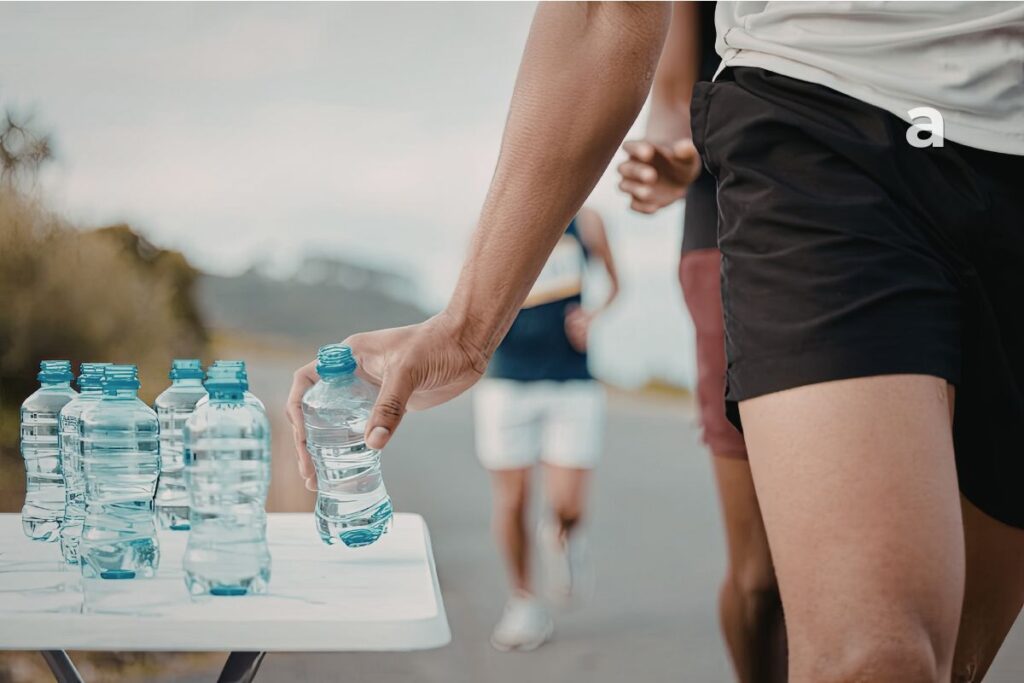
Why Hydration Matters During Exercise
Even modest fluid losses can make physical activity feel harder, particularly during prolonged or intense exercise in the heat.
As dehydration becomes more significant, you may experience:
- Increased thirst
- Greater fatigue
- Reduced endurance
- Increased perception of effort
- Headache
- Dizziness
- Difficulty concentrating
- Reduced ability to regulate body temperature
The goal during exercise isn’t to replace every drop of sweat immediately.
Instead, the aim is to avoid excessive dehydration while also avoiding excessive fluid intake.
Both extremes can cause problems.
Hydration Before Exercise
You don’t need to suddenly drink a huge amount of water immediately before exercising.
A better strategy is to begin activity normally hydrated.
Throughout the hours before exercise:
- Drink fluids regularly.
- Respond to thirst.
- Eat normal meals.
- Pay additional attention to hydration if the weather is hot.
- Avoid deliberately starting a workout dehydrated.
If your urine is unusually dark and you’re very thirsty before exercising, you may benefit from drinking some fluid before beginning.
However, urine colour should only be considered a rough indicator rather than a precise hydration test.
Hydration During Exercise
For shorter, moderate workouts under comfortable conditions, many healthy people can rely largely on thirst and have water available when needed.
Examples might include:
- A short gym session
- A brisk walk
- Recreational cycling
- Light jogging
- Yoga
- Moderate strength training
Hydration becomes more important when exercise is:
- Prolonged
- Intense
- Performed in high temperatures
- Performed in high humidity
- Associated with heavy sweating
Under these conditions, fluid losses can accumulate much more quickly.
How Much Should You Drink During Exercise?
There isn’t one exact amount that works for everybody.
Sweat rates vary considerably.
Two people doing the same workout in the same environment may lose very different amounts of fluid.
Factors include:
- Body size
- Genetics
- Fitness
- Exercise intensity
- Clothing
- Temperature
- Humidity
- Acclimatization to heat
For long or demanding training sessions, athletes sometimes estimate their personal sweat rate to develop a more individualized hydration strategy.
For everyday recreational exercise, that level of calculation usually isn’t necessary.
Hydration After Exercise
After exercising, continue drinking fluids to replace what you’ve lost.
Normal meals can also help replace electrolytes and nutrients.
For example, a post-workout meal might include:
- Water
- Yogurt
- Fruit
- Eggs
- Lentils
- Rice or whole grains
- Vegetables
This combination can provide fluid, carbohydrates, protein, vitamins, minerals, and electrolytes.
Do You Need Electrolytes During Exercise?
Not necessarily.
For ordinary daily activities and many shorter workouts, plain water plus a balanced diet is generally sufficient for healthy people.
Electrolyte replacement becomes more relevant when there are substantial losses through sweat.
This can happen during:
- Prolonged endurance exercise
- Long training sessions
- Heavy sweating
- Exercise in extreme heat
- Certain physically demanding occupations
Sodium is one of the major electrolytes lost in sweat.
Other electrolytes involved in normal body function include:
- Potassium
- Chloride
- Magnesium
- Calcium
Individual requirements vary considerably, particularly among athletes.
When Might a Sports Drink Be Useful?
Sports drinks typically contain:
- Water
- Carbohydrates
- Sodium
- Sometimes other electrolytes
They can be useful during prolonged, strenuous exercise, especially when someone is sweating heavily for an extended period.
For example:
- Marathon running
- Long-distance cycling
- Extended outdoor sports
- Long-duration training in hot weather
For a typical 30–60 minute recreational workout, however, most healthy adults don’t automatically need a sports drink.
Plain water and normal meals are often enough.
Sports Drinks Aren’t the Same as Energy Drinks
This distinction is important.
Sports Drinks
Usually designed to provide:
- Fluid
- Carbohydrates
- Electrolytes
Energy Drinks
Often contain:
- Large amounts of caffeine
- Sugar or sweeteners
- Other stimulants
Energy drinks aren’t designed primarily for hydration and shouldn’t be treated as interchangeable with sports drinks.
Children and adolescents should be particularly cautious with highly caffeinated beverages.
Exercising in Hot Weather
Hot weather places additional stress on the body’s temperature-regulation system.
When the environment is hot, your body may increase sweat production to release heat.
If humidity is also high, sweat may evaporate less efficiently.
This creates a difficult combination:
More sweating + less efficient cooling.
People exercising outdoors in hot and humid environments should pay attention not only to hydration but also to heat exposure itself.
Drinking water cannot completely protect you from excessive heat.
Practical Tips for Exercising in Hot Weather
Choose Cooler Times
When possible, exercise during the:
- Early morning
- Evening
rather than during the hottest part of the day.
Reduce Intensity When Necessary
A workout that feels comfortable in cool weather may become much harder in extreme heat.
It’s sensible to adjust intensity and duration.
Wear Appropriate Clothing
Lightweight, breathable clothing can help the body release heat.
Take Breaks
Rest in shaded or air-conditioned areas when possible.
Keep Fluids Available
Don’t wait until you’re far from water to think about hydration.
Pay Attention to Symptoms
Dizziness, weakness, nausea, headache, confusion, or unusual fatigue during heat exposure should not simply be “pushed through.”
Heat Exhaustion vs. Heat Stroke
Heat-related illnesses can range from relatively mild symptoms to life-threatening emergencies.
Heat Exhaustion
Possible symptoms can include:
- Heavy sweating
- Weakness
- Headache
- Dizziness
- Nausea
- Muscle cramps
- Rapid pulse
- Feeling faint
A person experiencing possible heat exhaustion should stop strenuous activity, move to a cooler environment, and begin appropriate cooling and hydration measures.
If symptoms are severe, worsen, or don’t improve, medical attention is appropriate.
Heat Stroke
Heat stroke is much more serious and can be life-threatening.
Warning signs can include:
- Very high body temperature
- Confusion
- Altered mental state
- Loss of consciousness
- Seizures
- Severe neurological symptoms
Heat stroke requires urgent emergency medical treatment.
Do not assume that simply drinking water will solve it.
Hydration in India’s Hot Climate
For readers in India and other hot climates, hydration deserves particular attention during summer and periods of extreme heat.
People at greater risk can include:
- Outdoor workers
- Delivery workers
- Construction workers
- Farmers
- Athletes
- Older adults
- Young children
- People without reliable access to cooling
During hot weather:
- Keep drinking water readily available.
- Reduce strenuous activity during peak heat when possible.
- Use shade or cooler indoor environments.
- Wear lightweight clothing.
- Pay attention to official heat advisories.
- Check on older family members and other vulnerable people.
Traditional drinks such as chaas (buttermilk) can also contribute fluids and nutrients, provided they’re prepared hygienically and don’t contain excessive salt or added sugar.
Does Coconut Water Replace Electrolytes?
Coconut water naturally contains potassium and smaller amounts of other electrolytes.
It can contribute to hydration, but it isn’t automatically better than water or a properly formulated sports drink in every situation.
For everyday hydration:
Coconut water is optional, not essential.
For prolonged intense exercise involving significant sweat losses, hydration requirements may need to consider sodium replacement as well—not simply potassium.
What About Lemon Water?
Lemon water is essentially water flavored with lemon.
If adding lemon encourages you to drink more water, that’s perfectly reasonable.
However, lemon water doesn’t provide magical hydration or “detox” benefits compared with ordinary water.
Your liver and kidneys already perform the body’s normal detoxification and waste-processing functions.
Can You Drink Too Much During Exercise?
Yes.
Athletes are often warned about dehydration, but overhydration can also be dangerous.
Drinking excessive amounts of water faster than the body can eliminate it can dilute sodium levels in the blood.
This condition is known as hyponatremia.
Exercise-associated hyponatremia has occurred particularly during long endurance events when people drink excessive amounts of hypotonic fluid.
Symptoms can include:
- Headache
- Nausea
- Vomiting
- Confusion
- Swelling
- Seizures in severe cases
This is another reason the goal isn’t:
“Drink as much water as possible.”
The goal is:
Maintain appropriate fluid balance.
We’ll discuss overhydration in greater detail later in this guide.
Hydration and Recovery
After physical activity, recovery depends on more than water.
Your body may also need:
- Carbohydrates
- Protein
- Electrolytes
- Vitamins and minerals
- Rest
- Sleep
A balanced post-exercise meal could include:
Yogurt + fruit + oats + nuts
or:
Dal + rice + vegetables + curd
These combinations provide fluids alongside nutrients needed for recovery.
This reinforces one of the central themes of this guide:
Hydration works best as part of good overall nutrition—not as an isolated health strategy.
Key Takeaway
Exercise and hot weather can substantially increase fluid requirements because the body loses water and electrolytes through sweat.
For shorter recreational workouts, plain water and a normal balanced diet are often sufficient. Longer, more intense exercise—particularly in hot conditions—may require greater attention to both fluids and electrolytes.
Most importantly, don’t treat hydration as protection against unlimited heat exposure. Rest, shade, cooling, appropriate clothing, and reducing activity during extreme heat are just as important.
And remember: both dehydration and excessive water intake can be harmful. The goal is always balance.
Coffee, Tea & Hydration: Do Caffeinated Drinks Dehydrate You?
For years, coffee and tea have carried an unfortunate reputation in conversations about hydration.
You’ve probably heard advice such as:
“For every cup of coffee you drink, you need an extra glass of water.”
Or:
“Coffee doesn’t count toward your daily water intake because caffeine dehydrates you.”
The reality is more nuanced.
Caffeine can have a mild diuretic effect, meaning it may temporarily increase urine production. But coffee and tea also contain a substantial amount of water. For most healthy adults consuming moderate amounts of caffeine, these beverages still make a net contribution to daily fluid intake.
In other words, your morning coffee doesn’t automatically cancel itself out.
Let’s look at how caffeine and hydration actually work.
Does Coffee Dehydrate You?
For most healthy adults drinking coffee in moderate amounts, coffee does not appear to cause dehydration under normal circumstances.
Coffee is mostly water.
Although caffeine can temporarily increase urine production, particularly in people who don’t regularly consume caffeine or when relatively large amounts are consumed, the fluid contained in a typical cup of coffee generally outweighs this effect.
Therefore, coffee can contribute to your overall daily fluid intake.
That doesn’t mean coffee should completely replace water.
Plain water remains one of the simplest and most reliable everyday hydration choices.
Does Tea Count Toward Hydration?
Yes.
Tea is also primarily water and contributes to total fluid intake.
This includes:
- Black tea
- Green tea
- White tea
- Oolong tea
- Herbal tea
- Unsweetened iced tea
Some varieties contain caffeine, while many herbal teas contain little or none.
As with coffee, moderate consumption of caffeinated tea generally still contributes fluid rather than causing a net fluid loss.
Why Is Caffeine Called a Diuretic?
A diuretic is a substance that increases urine production.
Caffeine can influence kidney function and temporarily increase urine output, particularly when consumed in larger amounts.
However, this doesn’t automatically mean that every caffeinated beverage causes dehydration.
Consider the difference:
A cup of coffee contains both:
- Caffeine
- A substantial amount of water
The body’s overall fluid balance depends on the combined effect.
At moderate intake levels, the water supplied by coffee or tea generally still contributes to hydration.
Does Your Body Adapt to Caffeine?
People who regularly consume caffeine may develop some tolerance to certain physiological effects.
This may reduce caffeine’s diuretic effect compared with someone who rarely drinks caffeinated beverages.
That’s another reason the claim that:
“Coffee always dehydrates everyone”
is too simplistic.
Individual responses can vary depending on:
- Habitual caffeine intake
- Amount consumed
- Body size
- Medications
- Pregnancy
- Individual sensitivity
- Overall health
How Much Caffeine Is in Coffee and Tea?
Caffeine content varies considerably depending on the beverage, serving size, brewing method, and product.
Approximate amounts may look like this:
| Beverage | Typical Serving | Approx. Caffeine |
|---|---|---|
| Brewed coffee | 240 ml | 80–100 mg |
| Espresso | 30 ml | ~60 mg |
| Black tea | 240 ml | 40–50 mg |
| Green tea | 240 ml | 20–45 mg |
| Decaffeinated coffee | 240 ml | 2–15 mg |
| Herbal tea | 240 ml | Usually 0 mg |
Actual caffeine content can vary significantly between products and preparation methods.
How Much Caffeine Is Too Much?
For most healthy adults, the U.S. Food and Drug Administration states that up to 400 mg of caffeine per day is an amount not generally associated with negative effects.
That is roughly equivalent to about four 8-ounce cups of brewed coffee, although actual caffeine content varies considerably.
This should not be treated as a target.
You don’t need 400 mg of caffeine.
Some people experience unwanted effects at much lower amounts.
Possible signs that you’re consuming more caffeine than your body tolerates include:
- Jitteriness
- Restlessness
- Difficulty sleeping
- Headache
- Anxiety
- Increased heart rate
- Stomach discomfort
If coffee is affecting your sleep or making you feel uncomfortable, reducing intake may be more useful than worrying about whether it “counts” as water.
Caffeine and Sleep: The Bigger Issue
When discussing coffee and health, hydration isn’t necessarily the biggest concern.
Sleep may matter more.
Caffeine can remain active in the body for several hours.
Drinking coffee late in the afternoon or evening may interfere with sleep in caffeine-sensitive individuals.
Poor sleep can then affect:
- Mood
- Concentration
- Appetite
- Physical recovery
- Daytime energy
So while your afternoon coffee may contribute to fluid intake, that doesn’t automatically make it the best beverage choice at every time of day.
Coffee Isn’t the Same as a Sugary Coffee Drink
Another important distinction:
Coffee itself and a dessert-like coffee beverage aren’t nutritionally equivalent.
Plain coffee contains very few calories.
But some commercial coffee drinks can contain substantial amounts of:
- Added sugar
- Syrups
- Cream
- Whipped toppings
- Calories
These drinks still contain water, but hydration is only one aspect of their nutritional impact.
Remember:
A drink can contribute fluid and still be something you should consume only occasionally.
What About Indian Chai?
Tea is deeply integrated into everyday life across India.
A typical cup of chai may contain:
- Water
- Milk
- Tea
- Spices
- Sugar
The water and milk contribute fluid.
However, if several cups contain significant added sugar, the total sugar intake can add up quickly.
You don’t need to stop enjoying chai.
A practical approach is simply to pay attention to:
- Portion size
- Number of cups
- Added sugar
- Timing, particularly close to bedtime
Traditional foods and beverages can comfortably fit within a healthy lifestyle without turning nutrition into an all-or-nothing exercise.
Does Milk in Tea or Coffee Reduce Hydration?
No.
Adding milk doesn’t suddenly stop tea or coffee from contributing fluid.
Milk itself contains a substantial amount of water and provides nutrients such as:
- Protein
- Calcium
- Vitamin B12
- Phosphorus
The overall nutritional profile simply changes depending on how much milk, sugar, cream, or other ingredients are added.
What About Decaf Coffee?
Decaffeinated coffee still contains water and therefore contributes to hydration.
It usually contains a small amount of caffeine rather than being completely caffeine-free.
For people who enjoy coffee but are sensitive to caffeine, decaf can be a useful option, particularly later in the day.
Are Herbal Teas Good for Hydration?
Unsweetened herbal teas can be an excellent way to add variety to your fluid intake.
Examples include:
- Peppermint tea
- Ginger tea
- Chamomile tea
- Hibiscus tea
Many herbal teas contain no caffeine.
However, “natural” doesn’t automatically mean appropriate for everyone. Some herbs may interact with medications or may not be suitable during pregnancy or with certain medical conditions.
For routine hydration, simple commercially prepared herbal teas consumed in moderation are generally more sensible than highly concentrated herbal preparations marketed with therapeutic claims.
Should You Drink Extra Water After Coffee?
For most healthy adults, you don’t need to automatically drink an extra glass of water for every cup of coffee.
If you’re thirsty, drink.
If you’re exercising, sweating heavily, or spending time in hot weather, you’ll naturally need additional fluids regardless of whether you’ve had coffee.
A practical daily pattern could include:
Morning:
Water + breakfast + coffee or tea
Midday:
Water with lunch
Afternoon:
Water, tea, or another unsweetened beverage
Evening:
Water with dinner
This is far more practical than trying to mathematically “cancel out” caffeinated beverages.
Should Coffee Replace Water?
No.
The fact that coffee contributes to hydration doesn’t mean your entire fluid intake should come from coffee.
Excessive caffeine can interfere with:
- Sleep
- Comfort
- Heart rate
- Anxiety levels in sensitive people
Plain water has none of these caffeine-related effects.
The simplest approach is to allow coffee and tea to contribute to your total fluid intake while continuing to drink water regularly.
What About Coffee Before Exercise?
Moderate caffeine consumption can affect exercise performance in some people, but coffee shouldn’t replace appropriate hydration.
If you’re exercising in hot weather, particularly for a prolonged period, your hydration strategy should account for:
- Sweat losses
- Temperature
- Exercise duration
- Exercise intensity
- Individual tolerance
Coffee isn’t a substitute for fluids during significant heat exposure or heavy sweating.
Caffeine During Pregnancy
Pregnancy requires more caution with caffeine.
Health authorities generally recommend limiting caffeine intake during pregnancy rather than following the limits used for the general adult population.
Caffeine comes from more than coffee.
Sources can include:
- Tea
- Chocolate
- Cola
- Energy drinks
- Certain medications
Pregnant individuals should follow current guidance from their healthcare provider regarding caffeine consumption.
Coffee, Tea and Gut Health
Coffee and tea contain numerous naturally occurring plant compounds, including polyphenols.
Research continues to investigate how these compounds interact with the gut microbiome and overall health.
However, it would be an oversimplification to describe coffee or tea as a “gut health treatment.”
A diverse dietary pattern containing fruits, vegetables, whole grains, legumes, nuts, seeds, and adequate fluids remains much more important.
If you’d like to connect this section to your existing article, this is the most natural sentence:
A diverse dietary pattern containing fruits, vegetables, whole grains, legumes, nuts, seeds, and adequate fluids remains much more important for supporting gut health.
Coffee and Tea: Myth vs. Fact
| Claim | Reality |
|---|---|
| Coffee always dehydrates you | ❌ Generally false at moderate intake |
| Tea counts toward hydration | ✅ Yes |
| Caffeine can increase urine output | ✅ Yes |
| Every coffee requires an extra glass of water | ❌ Not generally necessary |
| Coffee should replace water entirely | ❌ No |
| Decaf contributes to hydration | ✅ Yes |
| Herbal tea can provide fluids | ✅ Yes |
| More caffeine means better hydration | ❌ No |
Key Takeaway
Coffee and tea do count toward your daily fluid intake.
Although caffeine can have a mild diuretic effect, moderate consumption of caffeinated beverages generally still provides a net contribution to hydration for healthy adults.
That doesn’t mean unlimited coffee is a good idea.
Caffeine tolerance varies, and excessive intake can interfere with sleep or cause jitteriness, restlessness, headaches, and other unwanted effects.
The sensible approach is simple:
Enjoy coffee or tea in moderation, drink water regularly, and don’t assume every caffeinated drink is dehydrating you.
Can You Drink Too Much Water? Understanding Overhydration & Hyponatremia
We’ve spent most of this guide discussing the importance of drinking enough fluids. But hydration has another side that receives much less attention:
It is possible to drink too much water.
For most healthy people, this is uncommon because the kidneys are very effective at regulating water balance. However, consuming very large amounts of water over a short period can overwhelm the body’s ability to remove the excess.
When this happens, the concentration of sodium in the blood can become dangerously low—a condition known as hyponatremia.
This is why good hydration isn’t about drinking the maximum amount of water possible.
It’s about maintaining the right balance.
What Is Overhydration?
Overhydration occurs when the body contains more water than it can appropriately manage.
Normally, your kidneys regulate water balance by adjusting how much water is excreted in urine.
When you drink more fluid than you need, healthy kidneys usually remove the excess.
Problems can arise when:
- Extremely large amounts of water are consumed rapidly.
- Fluid intake repeatedly exceeds the body’s ability to excrete it.
- Certain medical conditions impair normal water balance.
- Certain medications affect fluid or sodium regulation.
- Excessive fluid is consumed during prolonged endurance exercise.
In these situations, excess water can dilute sodium in the bloodstream.
What Is Hyponatremia?
Hyponatremia means that the concentration of sodium in the blood is abnormally low.
Sodium is an important electrolyte involved in:
- Fluid balance
- Nerve function
- Muscle function
- Normal cellular activity
When excessive water dilutes blood sodium, water can move into cells.
Swelling of cells is particularly dangerous in the brain because the skull provides very little room for expansion.
Severe hyponatremia can therefore become a medical emergency.
Is Hyponatremia Always Caused by Drinking Too Much Water?
No.
This distinction is important.
Hyponatremia can result from many different medical situations, including:
- Kidney problems
- Heart failure
- Liver disease
- Hormonal disorders
- Certain medications
- Prolonged vomiting or diarrhea
- Excessive water intake in some circumstances
Therefore, someone with low blood sodium shouldn’t assume that drinking too much water is necessarily the cause.
Diagnosis and treatment require appropriate medical evaluation.
What Are the Symptoms of Hyponatremia?
Symptoms depend on how low sodium levels become and how rapidly the change occurs.
Possible symptoms can include:
- Nausea
- Headache
- Fatigue
- Muscle weakness or cramps
- Confusion
- Restlessness
More severe cases may involve:
- Vomiting
- Significant confusion
- Seizures
- Reduced consciousness
Severe neurological symptoms require urgent medical attention.
Who Is More Likely to Experience Overhydration?
Most people drinking according to thirst and normal daily habits are unlikely to develop water intoxication.
Certain situations can increase risk.
1. Endurance Athletes
People participating in long-duration events such as:
- Marathons
- Ultramarathons
- Triathlons
- Long-distance cycling
may drink large quantities of fluid over several hours.
If someone drinks substantially more fluid than they lose while also losing sodium through sweat, blood sodium concentration can fall.
This is known as exercise-associated hyponatremia.
It is one reason athletes shouldn’t follow the advice:
“Drink as much water as possible.”
More is not always safer.
2. People With Certain Medical Conditions
Conditions affecting the kidneys, heart, liver, or hormones can alter the body’s ability to regulate water.
Some people may even be advised by their healthcare team to restrict fluid intake.
For these individuals, generic online advice encouraging everyone to drink several litres of extra water can be inappropriate.
3. People Taking Certain Medications
Some medications can influence sodium or water balance.
Examples can include certain:
- Diuretics
- Antidepressants
- Anti-seizure medications
This doesn’t mean people should stop prescribed medication because of hydration concerns.
Medication changes should always be discussed with the prescribing healthcare professional.
How Much Water Is Too Much?
There is no single daily number that automatically defines “too much” for every person.
Risk depends not only on how much you drink, but also:
- How quickly you drink it
- Kidney function
- Body size
- Sweat losses
- Sodium balance
- Medications
- Medical conditions
Drinking several litres spread throughout an entire day is physiologically very different from rapidly consuming a very large volume within a short period.
This is another reason rigid water challenges can be problematic.
Why “One Gallon a Day” Isn’t Right for Everyone
Social media has popularized challenges encouraging people to drink a gallon—approximately 3.8 litres—of plain water every day.
But remember what we discussed earlier:
General water recommendations often refer to total water from beverages and food, not exclusively plain water.
Someone who:
- Is relatively small
- Does little physical activity
- Spends the day in a cool environment
- Eats plenty of water-rich foods
may have very different needs from someone who:
- Works outdoors
- Exercises intensely
- Sweats heavily
- Lives in a hot climate
A fixed gallon target ignores these differences.
Is Completely Clear Urine a Sign of Perfect Hydration?
Not necessarily.
Many people believe their urine should be completely transparent all day.
That’s not required.
Very pale or clear urine may simply indicate that you’re drinking substantial amounts of fluid.
Urine colour naturally changes throughout the day.
Pale yellow urine is commonly consistent with adequate hydration, although urine colour is only a rough indicator.
The goal shouldn’t be to force water until your urine is permanently colourless.
Should You Drink Water Even When You’re Not Thirsty?
There are circumstances where planned drinking is useful.
For example:
- During prolonged exercise
- During hot weather
- During illness
- For some older adults with reduced thirst
- When healthcare professionals provide specific instructions
But for many healthy adults living under ordinary conditions, thirst remains an important physiological guide.
You don’t need to continuously force water simply because an app says you’ve missed your hourly target.
Can Too Much Water Harm Your Kidneys?
Healthy kidneys are remarkably effective at adjusting water excretion.
The primary concern with rapid excessive water consumption isn’t that water simply “damages” healthy kidneys.
Rather, the problem occurs when water intake exceeds the body’s capacity to maintain normal fluid and electrolyte concentrations.
This can lead to dangerously diluted blood sodium.
People with existing kidney disease may have very different fluid requirements and should follow individualized medical guidance.
Electrolytes Don’t Make Unlimited Water Safe
Another misconception is that adding electrolytes means you can drink unlimited amounts of fluid.
Not necessarily.
Electrolytes play important roles in fluid balance, but excessive fluid intake can still be problematic.
Sports drinks, electrolyte powders, and hydration products should therefore not be viewed as permission to consume fluids without considering actual needs.
Water Challenges: Be Careful with Social Media Trends
Hydration challenges often encourage goals such as:
“Drink 4 litres every day for 30 days.”
or
“Drink one litre immediately after waking.”
There is generally no reason for every healthy person to follow these rigid routines.
Your fluid needs vary with:
- Weather
- Activity
- Diet
- Body size
- Health
- Sweat losses
A hydration habit should adapt to your life—not force your body to adapt to an arbitrary social-media number.
More Water Doesn’t Mean More “Detox”
Another popular claim is that drinking huge quantities of water “flushes toxins” from the body.
This oversimplifies normal physiology.
Your body already has sophisticated systems responsible for processing and eliminating waste, involving organs such as the:
- Kidneys
- Liver
- Lungs
- Digestive system
Water supports normal physiological function, but drinking excessive amounts doesn’t turn these organs into a more powerful detox system.
Adequate hydration is beneficial. Excessive hydration is not an upgrade.
How to Avoid Both Dehydration and Overhydration
The goal isn’t to become afraid of drinking water.
Instead, adopt a balanced approach.
Drink Regularly
Make water readily available throughout the day.
Respond to Thirst
For most healthy adults, thirst provides useful information about fluid needs.
Adjust for Activity and Weather
Drink more attention to fluids when you’re sweating heavily or spending time in hot environments.
Remember That Food Provides Water
Fruits, vegetables, yogurt, soups, and other foods contribute to total water intake.
Don’t Force Huge Amounts Quickly
There is rarely a good reason for a healthy person to rapidly consume litres of water.
Follow Medical Advice
If you have kidney, heart, liver, or other conditions affecting fluid balance, individualized recommendations take priority over general hydration advice.
Hydration Is About Balance
This entire discussion brings us back to the central principle of the article.
Healthy hydration isn’t:
As little water as possible.
And it isn’t:
As much water as possible.
It is:
Enough fluid to replace your body’s losses and support normal physiological function.
The same principle applies to nutrition more broadly.
More protein isn’t automatically better.
More fiber isn’t automatically better.
More water isn’t automatically better.
Appropriate amounts, dietary variety, and balance matter.
Key Takeaway
Yes, it is possible to drink too much water.
Although uncommon among healthy people following normal drinking habits, excessive water intake—particularly large amounts consumed rapidly—can contribute to dangerously low blood sodium known as hyponatremia.
People participating in prolonged endurance exercise or living with certain medical conditions may require particular attention to fluid and electrolyte balance.
For most healthy adults, the practical message is straightforward:
Drink regularly, respond to thirst, adjust for heat and activity, and don’t force yourself to consume excessive amounts simply to reach an arbitrary water target.
Good hydration is about balance—not volume.
10 Common Hydration Myths vs. Facts
Hydration advice is everywhere. Some of it is useful, but much of it turns simple physiological principles into rigid rules.
You’ve probably heard that everyone must drink eight glasses of water, coffee always dehydrates you, perfectly clear urine means you’re optimally hydrated, or lemon water somehow “detoxes” the body.
These claims sound convincing because they’re repeated so often.
But hydration is more individual than that.
Let’s separate some of the most common hydration myths from the facts.
Myth 1: Everyone Needs Exactly 8 Glasses of Water a Day
❌ Myth
Every adult needs exactly eight glasses of plain water every day.
✅ Fact
There is no universal eight-glass requirement that applies to everyone.
Fluid needs vary according to:
- Age
- Body size
- Activity level
- Climate
- Diet
- Pregnancy or breastfeeding
- Illness
- Individual physiology
And remember: total water intake includes water obtained from food and other beverages, not only glasses of plain water.
Eight glasses may be a convenient reminder for some people, but it shouldn’t be treated as a precise biological requirement.
Myth 2: If You’re Thirsty, You’re Already Dehydrated
❌ Myth
Feeling thirsty means you’ve waited too long and are already dangerously dehydrated.
✅ Fact
For most healthy adults under ordinary conditions, thirst is a normal part of the body’s fluid-regulation system.
Your brain, hormones, and kidneys work together to help regulate water balance, and thirst is one of the signals encouraging you to drink.
There are situations where relying only on thirst may be less appropriate, including prolonged strenuous exercise, extreme heat, certain illnesses, and in some older adults whose thirst response may be reduced.
But thirst itself isn’t evidence that you’ve failed at hydration.
Myth 3: Coffee and Tea Dehydrate You
❌ Myth
Caffeinated beverages don’t count toward your fluid intake.
✅ Fact
Coffee and tea contain substantial amounts of water and can contribute to total fluid intake.
Caffeine can have a mild diuretic effect, particularly at higher doses, but moderate amounts of coffee and tea generally still provide a net contribution to hydration for healthy adults.
That doesn’t mean coffee should completely replace water.
It simply means you don’t need to treat every cup of tea or coffee as a hydration loss.
Myth 4: Your Urine Should Always Be Completely Clear
❌ Myth
Clear urine means you’re perfectly hydrated.
✅ Fact
Urine colour naturally varies throughout the day.
Pale yellow urine is commonly consistent with adequate hydration.
Completely clear urine may simply indicate that you’ve recently consumed a large amount of fluid.
Urine colour can also be affected by:
- Foods
- Vitamins
- Supplements
- Medications
- Medical conditions
So it is better used as a rough clue rather than a precise hydration test.
Myth 5: Drinking More Water Always Makes You Healthier
❌ Myth
If some water is good, more water must be even better.
✅ Fact
Your body needs an appropriate amount of water—not unlimited water.
Once hydration needs are met, drinking substantially more doesn’t automatically produce additional health benefits.
Extremely excessive water intake can even disturb electrolyte balance and contribute to hyponatremia, although this is uncommon under normal drinking habits.
The goal is adequate hydration, not maximum hydration.
Myth 6: Lemon Water Detoxes Your Body
❌ Myth
Drinking lemon water removes toxins and “cleanses” the body.
✅ Fact
Adding lemon to water can make it more enjoyable and provides small amounts of certain nutrients, but there is no need to rely on lemon water as a special detoxification treatment.
Your body already has organs and systems responsible for processing and eliminating waste, including the:
- Liver
- Kidneys
- Lungs
- Digestive system
Water supports normal physiological function, but lemon doesn’t transform it into a detox drink.
If lemon makes you enjoy water more, that’s a perfectly good reason to drink it.
Myth 7: Bottled Water Is Always Healthier Than Tap Water
❌ Myth
Water sold in a bottle is automatically safer or healthier.
✅ Fact
The safety and quality of drinking water depend on the local water supply, treatment standards, storage, and infrastructure.
In places where tap water meets established safety standards, bottled water isn’t automatically nutritionally superior.
In areas where drinking-water safety is uncertain, however, properly treated, filtered, boiled, or otherwise safe drinking water may be necessary.
The important question isn’t whether water comes from a fashionable bottle.
It’s whether the water is safe to drink.
Myth 8: Sports Drinks Are Better Than Water for Everyone
❌ Myth
Electrolyte drinks provide better hydration than plain water regardless of activity.
✅ Fact
Most healthy people performing normal daily activities or shorter recreational workouts generally don’t need specialized sports drinks.
Sports drinks may be useful in circumstances involving:
- Prolonged strenuous exercise
- Heavy sweating
- Extended endurance events
- Significant electrolyte losses
But many commercial sports drinks also contain added sugars and calories.
For everyday hydration, plain water remains an excellent choice.
Myth 9: You Must Drink a Gallon of Water Every Day
❌ Myth
Drinking approximately 3.8 litres of plain water every day is necessary for optimal health.
✅ Fact
A fixed gallon target ignores enormous differences between individuals.
Someone working outdoors in India’s summer heat may have very different fluid requirements from someone working at a desk in an air-conditioned room.
Your total fluid needs also include water from:
- Food
- Milk
- Tea
- Coffee
- Soups
- Other beverages
There is no reason for every healthy adult to force themselves to drink exactly one gallon of plain water each day.
Myth 10: Water Alone Is Always Enough for Dehydration
❌ Myth
Any dehydration can be treated simply by drinking plain water.
✅ Fact
For ordinary fluid losses, water is often perfectly appropriate.
But significant fluid losses from persistent vomiting or diarrhea can involve both water and electrolytes.
In these circumstances, appropriately formulated oral rehydration solution (ORS) may be recommended because it contains glucose and electrolytes in proportions designed to support fluid replacement.
Severe dehydration requires medical assessment rather than simply drinking increasing quantities of water.
Bonus Myth: Drinking Water During Meals Is Bad for Digestion
❌ Myth
Water consumed with meals “dilutes digestive juices” and prevents proper digestion.
✅ Fact
For most healthy people, drinking water with meals is completely normal.
The digestive system continuously regulates digestive secretions and processes food and fluids together.
Drinking reasonable amounts of water with meals does not normally prevent digestion.
In fact, fluids are naturally part of many meals through soups, fruits, vegetables, sauces, and other foods.
Bonus Myth: Cold Water Is Bad for Your Body
❌ Myth
Cold water is unhealthy and room-temperature water is always better.
✅ Fact
For most healthy people, water temperature is largely a matter of personal preference.
Cold water may feel particularly refreshing during exercise or hot weather, while some people simply prefer room-temperature or warm water.
The more important issue is drinking safe fluids in appropriate amounts—not obsessing over temperature.
What Good Hydration Actually Looks Like
Once these myths are removed, hydration becomes surprisingly simple.
For most healthy adults:
✔ Drink regularly throughout the day.
✔ Respond to thirst.
✔ Keep water easily available.
✔ Increase attention to fluids during hot weather and physical activity.
✔ Remember that foods and other beverages contribute to total water intake.
✔ Eat plenty of fruits and vegetables.
✔ Don’t force excessive amounts simply to meet an arbitrary target.
✔ Follow individualized medical advice if you have a condition affecting fluid balance.
Hydration Works With Nutrition, Not Separately From It
Water isn’t the only thing your body needs.
A healthy eating pattern also provides:
- Protein
- Fiber
- Carbohydrates
- Healthy fats
- Vitamins
- Minerals
For example, fruits and vegetables can contribute both water and dietary fiber, while foods such as lentils, yogurt, eggs, tofu, fish, and beans can contribute protein alongside other nutrients.
Together, adequate hydration and a varied diet support overall health much more effectively than focusing obsessively on any single nutrient.
Key Takeaway
Hydration doesn’t need to be complicated.
You don’t have to drink exactly eight glasses, force yourself through a gallon of water, avoid coffee entirely, or keep your urine completely clear.
The most useful principle is much simpler:
Drink enough to meet your body’s needs, adjust for activity and environment, and remember that more isn’t automatically better.
Good hydration is about balance, consistency, and context rather than following viral rules.
Practical Ways to Stay Hydrated Every Day
Knowing that hydration matters is easy. Remembering to drink regularly during a busy day can be harder.
Meetings run long, travel disrupts routines, children get distracted, and sometimes you simply don’t notice thirst until late in the day. The good news is that staying hydrated doesn’t require complicated tracking systems, expensive electrolyte products, or carrying an enormous water bottle everywhere.
For most healthy people, a few simple habits can make adequate hydration part of everyday life.
1. Start Your Day With Fluids
After several hours of sleep, having something to drink with or around breakfast is a simple way to begin replacing normal overnight fluid losses.
That could be:
- A glass of water
- Milk
- Tea
- Coffee
- Water alongside breakfast
You don’t need to drink one or two litres immediately after waking.
There is also no evidence that everyone must drink warm water, lemon water, or a special “detox” drink first thing in the morning.
Plain water works perfectly well.
2. Keep Water Where You Can See It
One of the simplest hydration strategies is environmental rather than nutritional:
Make water easy to reach.
Keep a bottle or glass:
- On your desk
- Beside your bed
- In your bag
- In your car when appropriate
- Near your exercise area
If water is readily available, you’re more likely to drink when you become thirsty instead of postponing it.
3. Drink With Your Meals
Meals provide natural reminders to drink.
Try having water or another appropriate beverage with:
- Breakfast
- Lunch
- Dinner
This creates three consistent opportunities for fluid intake without needing to monitor every sip.
And despite a common myth, drinking reasonable amounts of water with meals does not normally “dilute” digestion in healthy people.
4. Eat More Water-Rich Foods
Hydration doesn’t have to come entirely from beverages.
Include foods such as:
- Cucumber
- Tomatoes
- Watermelon
- Oranges
- Strawberries
- Melons
- Lettuce
- Yogurt
- Soups
These foods contribute water while also providing nutrients.
Fruits and vegetables are especially useful because many provide dietary fiber alongside water.
5. Pair Fiber With Adequate Fluids
If you’re intentionally increasing fiber intake, remember hydration too.
Fiber-rich foods include:
- Lentils
- Beans
- Chickpeas
- Whole grains
- Fruits
- Vegetables
- Nuts
- Seeds
Certain types of fiber interact with water in the digestive system and influence stool consistency and bowel function.
Rather than dramatically increasing fiber overnight, increase it gradually while maintaining appropriate fluid intake.
This combination can help support normal digestive function and gut health.
6. Make Water More Enjoyable
Some people simply don’t enjoy plain water.
That’s okay.
You can add natural flavor using:
- Lemon
- Lime
- Orange slices
- Cucumber
- Mint
- Fresh berries
Unsweetened sparkling water is another option.
The goal isn’t to turn water into a “detox drink.” It’s simply to make hydration more enjoyable if that helps you drink appropriately.
7. Don’t Depend on Sugary Drinks
Soft drinks, sweetened teas, energy drinks, and many packaged beverages contain water, but they can also contain substantial amounts of added sugar.
They don’t need to be completely forbidden, but they shouldn’t be your primary hydration strategy.
For routine hydration, prioritize options such as:
- Water
- Unsweetened tea
- Milk when appropriate
- Unsweetened sparkling water
Simple choices usually work best.
8. Adjust Your Intake During Hot Weather
Your hydration routine shouldn’t look exactly the same every day.
During hot or humid weather, you may lose considerably more fluid through sweat.
Pay additional attention to hydration if you:
- Work outdoors
- Exercise outside
- Travel during extreme heat
- Spend prolonged periods without air conditioning
- Sweat heavily
In hot climates such as much of India during summer, planning ahead is particularly important.
Carry safe drinking water when travelling and avoid waiting until you’re already feeling unwell from heat exposure.
9. Drink Around Exercise
Physical activity increases fluid requirements when sweating increases.
For ordinary workouts:
- Begin reasonably hydrated.
- Keep water available.
- Drink according to thirst and conditions.
- Continue replacing fluids afterward.
Long-duration strenuous exercise, particularly in heat, may require a more individualized strategy involving both fluids and electrolytes.
But a short gym session doesn’t automatically require a brightly colored sports drink.
10. Use Reminders If You Frequently Forget
Some people benefit from reminders, especially during busy workdays.
You could:
- Set a simple phone reminder.
- Keep a bottle beside your computer.
- Drink when taking work breaks.
- Refill your glass after using the bathroom.
- Have water with meals.
However, reminders should encourage sensible drinking—not force you to consume water when you clearly don’t need it.
Hydration apps can be useful tools, but their targets shouldn’t override your individual circumstances or medical advice.
Hydration Tips for Office Workers
Long periods of focused work can make it surprisingly easy to forget fluids.
A practical office routine might look like this:
Morning
Water with breakfast, followed by tea or coffee if desired.
At your desk
Keep water within reach.
Lunch
Have water with your meal.
Afternoon
Refill your bottle and have fruit or another nutritious snack.
Evening
Drink according to thirst with and after dinner.
You don’t need to finish a bottle every hour.
The aim is simply to avoid going through most of the day without drinking anything.
Hydration Tips for Children
Children may become absorbed in playing, studying, or sports and forget to drink.
Parents and caregivers can help by:
- Making water readily available
- Offering fluids with meals
- Providing water during physical activity
- Including fruits and vegetables
- Paying extra attention during hot weather
- Limiting frequent sugar-sweetened beverages
Children experiencing vomiting, diarrhea, fever, or signs of dehydration may require specific medical guidance.
Hydration Tips for Older Adults
Hydration deserves particular attention later in life because the thirst response can become less pronounced in some older adults.
Helpful strategies may include:
- Keeping drinks easily accessible
- Offering fluids regularly
- Having drinks with meals
- Including soups and water-rich foods
- Using a preferred cup or bottle if that makes drinking easier
However, some older adults have heart, kidney, or other conditions requiring fluid restrictions.
In those cases, healthcare instructions should take priority over general hydration advice.
Staying Hydrated While Travelling
Travel can disrupt even good hydration habits.
Long journeys, flights, hot weather, unfamiliar environments, and limited access to safe drinking water can all make hydration more difficult.
Useful habits include:
- Carry safe drinking water when possible.
- Drink regularly during long journeys.
- Be cautious about drinking-water safety when travelling.
- Include fruits and other water-rich foods.
- Don’t rely entirely on alcohol or caffeinated drinks.
- Increase attention to fluids in hot destinations.
In places where tap-water safety is uncertain, use water that has been appropriately treated or comes from a reliable source.
Hydration During Illness
Normal everyday hydration advice changes when someone is ill.
Fever can increase fluid requirements, while vomiting and diarrhea can cause substantial losses of both water and electrolytes.
Small, frequent amounts of fluid may sometimes be easier to tolerate than drinking large quantities at once.
For significant vomiting or diarrhea, properly prepared oral rehydration solution (ORS) may be appropriate.
Seek medical advice if someone:
- Cannot keep fluids down
- Has persistent vomiting or diarrhea
- Is urinating very little
- Becomes confused or unusually drowsy
- Shows signs of significant dehydration
Infants, young children, older adults, and vulnerable individuals require particular attention.
Do You Need a Hydration Tracking App?
Probably not.
For many healthy adults, hydration can be managed using:
- Thirst
- Regular access to water
- Meals
- Activity level
- Weather
- General urine patterns
A tracking app may help if you routinely forget to drink, but it isn’t necessary for good health.
And an app-generated target isn’t automatically more accurate than your body’s needs.
Should You Carry a Huge Water Bottle?
Only if you find it convenient.
A large reusable bottle can be useful because:
- Water remains available.
- You refill less frequently.
- It may help reduce disposable plastic use.
But owning a two-litre bottle doesn’t mean you must empty it several times every day.
The bottle is a tool—not a prescription.
A Simple Daily Hydration Routine
For someone who doesn’t have medical fluid restrictions, a practical routine could be:
Morning
Have water or another beverage around breakfast.
Mid-Morning
Drink if thirsty and keep water accessible.
Lunch
Have water with your meal.
Afternoon
Drink regularly, particularly during warm weather or physical activity.
Exercise
Adjust fluid intake according to duration, intensity, sweating, and climate.
Dinner
Have water or another suitable beverage.
Evening
Drink according to thirst rather than forcing large amounts immediately before bed.
This routine doesn’t require counting every millilitre.
The Best Hydration Habit Is the One You Can Maintain
Hydration advice often becomes unnecessarily complicated.
You don’t need:
- A detox water recipe
- An expensive smart bottle
- A gallon challenge
- A strict hourly drinking schedule
- Electrolyte powder every morning
For most healthy adults, the basics remain remarkably effective:
Keep water available, drink regularly, respond to thirst, eat water-rich foods, and adjust when heat, exercise, or illness increases fluid losses.
Consistency matters more than perfection.
Key Takeaway
Staying hydrated doesn’t require obsessively tracking every glass of water.
Small habits—keeping water nearby, drinking with meals, eating fruits and vegetables, adjusting for exercise and heat, and responding to thirst—can make hydration naturally fit into everyday life.
And remember that hydration works alongside the rest of your diet. Water-rich fruits and vegetables provide fluids and fiber, while balanced meals provide protein, carbohydrates, healthy fats, vitamins, and minerals.
Final Thoughts: Hydration Is About Balance, Not a Magic Number
Hydration doesn’t need to be complicated.
You don’t need to obsessively count every glass, carry a gallon-sized bottle everywhere, eliminate coffee, or force yourself to drink water when you’re already comfortably hydrated.
What matters is maintaining an appropriate fluid balance.
Your body needs water to support normal functions including:
- Temperature regulation
- Circulation
- Digestion
- Kidney function
- Physical performance
- Normal brain function
But your individual needs aren’t fixed.
They change according to your activity, environment, diet, age, health, and how much fluid you’re losing.
For most healthy adults, a practical approach is straightforward:
Drink regularly, respond to thirst, keep water available, eat water-rich whole foods, and increase attention to fluids during exercise, hot weather, or illness.
And remember that hydration is only one part of good nutrition.
Protein helps provide amino acids needed for normal body functions, while fiber-rich foods contribute to digestive health and a balanced eating pattern. Fruits and vegetables can simultaneously provide water, fiber, vitamins, minerals, and beneficial plant compounds.
Rather than chasing one perfect number, focus on sustainable habits that fit your body and lifestyle.
Because when it comes to hydration, more isn’t always better—appropriate is better.
Important Note
This article is intended for general educational purposes and is not a substitute for personalized medical advice. Fluid requirements may differ for people with kidney, heart, liver, endocrine, or other medical conditions, and certain medications can also affect fluid balance.
If a healthcare professional has advised you to restrict or modify your fluid intake, follow that individualized guidance rather than general hydration recommendations.
References
The information in this article is based on guidance and educational resources from recognized health organizations, academic institutions, and evidence-based nutrition resources.
National Academies of Sciences, Engineering, and Medicine — Dietary Reference Intakes for Water, Potassium, Sodium, Chloride, and Sulfate
Harvard T.H. Chan School of Public Health — The Nutrition Source: Water
MedlinePlus, U.S. National Library of Medicine — Dehydration
World Health Organization (WHO) — Diarrhoeal Disease
World Health Organization (WHO) — Oral Rehydration Salts: Production of the New ORS
Frequently Asked Questions About Hydration
How much water should I drink every day?
There is no single amount of plain water that is right for everyone. Fluid needs vary according to age, body size, activity, climate, diet, pregnancy or breastfeeding, illness, and other individual factors.
Commonly cited adequate-intake values for total water from food and beverages are about 3.7 litres per day for adult men and 2.7 litres per day for adult women. These figures include water from foods and all beverages—not just plain drinking water.
Is 2 litres of water a day enough?
Two litres may be adequate for some people but too little or more than necessary for others.
Someone exercising heavily in hot weather may need considerably more fluid than someone who is relatively inactive in a cool environment.
Remember that fruits, vegetables, milk, tea, coffee, soups, and other foods and beverages also contribute to total water intake.
Do you really need 8 glasses of water every day?
No universal scientific rule says every person must drink exactly eight glasses of water daily.
The 8-glasses-a-day rule can be a convenient reminder, but individual requirements vary.
Rather than focusing exclusively on a fixed number, consider thirst, activity, climate, diet, and other circumstances that affect fluid needs.
Does coffee count toward your daily water intake?
Yes. Coffee contains a substantial amount of water and can contribute to daily fluid intake.
Although caffeine can have a mild diuretic effect, moderate coffee consumption generally still provides a net contribution to hydration for healthy adults.
However, coffee shouldn’t necessarily replace plain water entirely, particularly because excessive caffeine can interfere with sleep or cause other unwanted effects.
Does tea count as water?
Yes.
Black tea, green tea, herbal tea, and other teas contribute fluid to your daily intake.
Caffeinated tea can still contribute to hydration when consumed in moderate amounts.
Unsweetened tea can therefore be a useful alternative when you want something other than plain water.
What are the first signs of dehydration?
Common early signs may include:
Thirst
Darker urine
Dry mouth
Reduced urination
Headache
Fatigue
Dizziness
However, these symptoms aren’t specific to dehydration and can have other causes.
More serious symptoms such as confusion, fainting, very little urine, inability to keep fluids down, or significant symptoms following heat exposure require medical attention.
What is the best drink for hydration?
For routine everyday hydration, plain water is an excellent choice.
Other beverages—including milk, tea, coffee, and unsweetened sparkling water—can also contribute to fluid intake.
During prolonged strenuous exercise or significant fluid and electrolyte losses, different hydration strategies may sometimes be appropriate.
Does drinking water improve your skin?
Adequate hydration supports normal body function, including the skin, but drinking excessive amounts of water isn’t a proven shortcut to perfect or “glowing” skin.
Skin health is also influenced by factors such as:
Genetics
Nutrition
Sun exposure
Sleep
Environment
Skincare
Medical conditions
Correcting dehydration is sensible, but more water isn’t automatically better once your needs are met.
Can drinking water help with weight loss?
Water itself isn’t a weight-loss treatment.
However, choosing water instead of sugar-sweetened beverages can reduce added sugar and calorie intake. Drinking water with meals may also help some people with their overall eating routine.
Long-term weight management depends on many factors, including diet, physical activity, sleep, health, and overall energy balance.
How can I tell if I’m drinking enough water?
There isn’t one perfect home test.
Useful clues can include:
Your thirst
General urine colour
How often you’re urinating
Your activity level
How much you’re sweating
Weather conditions
Your diet
Pale-yellow urine is often consistent with adequate hydration, although urine colour can be affected by foods, vitamins, medications, and medical conditions.
If this stayed with you, you can support Aarohi here🌿
If this piece stayed with you, you can support Aarohi 🌿
Secure payments via UPI, Cards, Net Banking & PayPal
This is not a transaction, it is an exchange of energy.


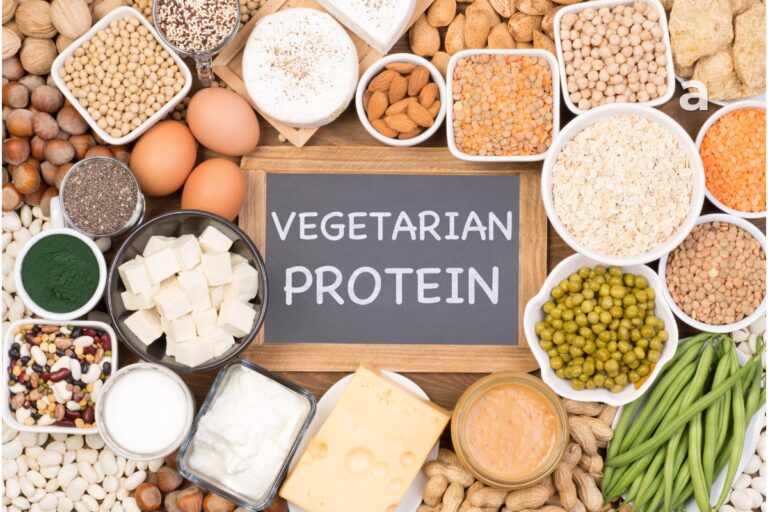
I knew hydration was important, but I never realised how many different processes in the body depend on proper fluid balance. The sections on electrolytes and hydration myths were particularly useful. Very informative article.
The connection between hydration, fiber, digestion, and overall nutrition really stood out to me. We often focus on individual nutrients without thinking about how they work together. Definitely saving this guide.