What to Eat in Summer: 9 Foods for Hydration, Nutrition and Seasonal Eating
What to eat in summer is a practical question when hot weather changes your appetite, activity level and hydration needs. Summer does not require a special “detox” diet or a list of magical cooling foods. A sensible approach is to stay hydrated, eat a varied diet, include fruits and vegetables, and choose meals that feel comfortable and practical in hot weather.
Ayurveda has its own traditional ideas about seasonal eating and foods considered cooling or suitable for summer. These ideas are part of a traditional health system and should not automatically be treated as modern scientific facts.
This guide brings the two perspectives together carefully.
You will find nine foods commonly associated with summer eating, along with practical ways to include them in everyday meals.
What Should You Eat in Summer?
There is no single summer diet that works for everyone.
Your food choices can depend on:
- your age
- activity level
- climate
- appetite
- dietary preferences
- cultural food habits
- health conditions
- medications
- individual nutritional needs
A useful summer eating pattern can include:
- plenty of fluids
- fruits and vegetables
- balanced meals
- adequate protein
- whole grains or other carbohydrate sources
- healthy fats
- lighter meals when heavy meals feel uncomfortable
- foods you can safely store and prepare in hot weather
Hydration deserves particular attention during hot weather. The CDC notes that water is important for normal body function and that people generally need more water in hot climates and when physically active. Foods with high water content, including many fruits and vegetables, can also contribute to overall fluid intake.
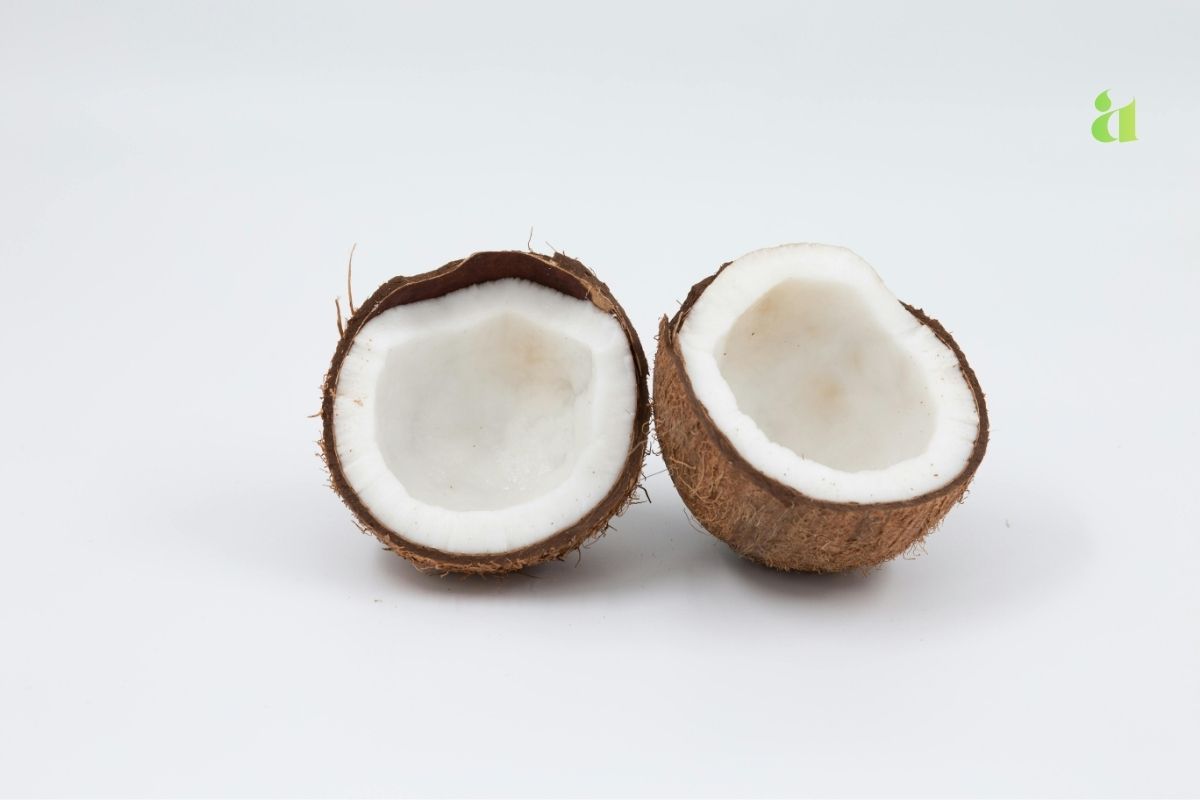
1. Coconut Water
Coconut water is a popular summer drink in India and is naturally refreshing.
It contains water and some electrolytes, including potassium.
It can be one option for hydration, especially when you want something different from plain water.
However, coconut water does not need to replace regular drinking water.
For everyday hydration, plain water remains a simple and reliable choice.
If you buy packaged coconut water, check the ingredient list and choose products without unnecessary added sugar when possible.
A simple way to enjoy it
Choose fresh or unsweetened coconut water when available and pair it with a balanced meal or snack rather than treating it as a complete source of nutrition.
2. Cucumber
Cucumber has a high water content and can be an easy addition to summer meals.
You can use it in:
- salads
- raita
- sandwiches
- wraps
- vegetable bowls
- simple snacks
Cucumber is also useful when you want something fresh and light alongside a meal.
The idea of cucumber as a “cooling” food is common in traditional Indian and Ayurvedic dietary discussions.
From a modern nutrition perspective, the more straightforward point is that cucumber contributes water and nutrients to the diet.
That is enough reason to include it if you enjoy it.
3. Watermelon
Watermelon is one of the most recognizable summer fruits.
It contains a high proportion of water and can contribute to fluid intake while also providing nutrients.
Whole fruits are generally preferable to fruit-flavoured drinks or sugar-sweetened beverages.
The CDC recommends choosing whole fruits over fruit juice because whole fruits provide fiber and can help with fullness.
How to include watermelon
You can enjoy it:
- as a whole fruit
- in a simple fruit bowl
- alongside a meal
- as a chilled snack
There is no need to describe watermelon as a treatment for dehydration or heat-related illness.
If you are actually dehydrated or experiencing symptoms of heat illness, proper hydration and appropriate medical attention matter more than any particular food.
4. Mint
Mint, or pudina, is widely used in Indian cooking and summer beverages.
Its fresh flavour makes it useful in:
- chutneys
- salads
- raita
- infused water
- homemade beverages
- light meals
In traditional dietary practices, mint is sometimes associated with cooling and digestive properties.
Those traditional descriptions should be understood in their cultural context rather than treated as guaranteed medical effects.
From a practical perspective, mint is simply an easy way to add flavour to summer meals without relying heavily on salt, sugar or rich sauces.
5. Fennel Seeds
Fennel seeds, commonly known as saunf, have a long history of culinary and traditional use in India.
They are often used after meals and may also be prepared as an infusion.
Fennel can add flavour without requiring added sugar or large amounts of salt.
However, it is important not to turn traditional use into medical promises.
The original article described fennel as reducing “heat accumulation” and recommended fennel-infused water as a summer practice.
A safer editorial approach is to say that fennel is a traditional culinary ingredient that some people enjoy as part of their summer routine.
If you are considering concentrated herbal preparations or supplements rather than ordinary culinary use, additional safety considerations apply. NCCIH notes that herbal products can have side effects and interactions with medicines.
6. Buttermilk
Buttermilk is a familiar summer drink in many Indian households.
Depending on how it is prepared, it can provide fluids and nutrients from yogurt or curd.
A simple version can be made with:
- diluted plain curd
- water
- roasted cumin
- mint
- a small amount of salt, according to preference
Buttermilk is not suitable for everyone.
People with lactose intolerance, milk allergies or specific dietary restrictions may need alternatives.
It is also important to consider food safety in hot weather. Dairy-based foods should be kept refrigerated and handled appropriately.
Summer nutrition is not only about what you eat.
It is also about how safely you store and prepare it.
7. Seasonal Fruits
Summer offers a wide variety of fruits.
Depending on where you live, these may include:
- mango
- watermelon
- muskmelon
- papaya
- guava
- berries
- pomegranate
- local seasonal fruits
There is no need to label one fruit as a “superfood.”
Different fruits provide different nutrients.
The more useful principle is variety.
The CDC notes that fruits and vegetables provide vitamins, minerals, fiber and other substances important for health. It also recommends choosing whole fruits over juice when possible. CDC
What about mango?
Mango can absolutely be part of a balanced summer diet.
The important point is portion and overall dietary pattern—not treating mango as either a forbidden food or a miracle food.
Enjoy it as part of a varied diet.
8. Leafy Greens and Other Vegetables
Summer eating does not need to revolve entirely around fruit and drinks.
Vegetables remain an important part of a balanced diet.
Depending on local availability, you can include:
- spinach
- coriander
- beans
- gourds
- carrots
- tomatoes
- okra
- other seasonal vegetables
Preparation matters too.
If very rich, oily meals feel uncomfortable in hot weather, simpler cooking methods may make meals easier to enjoy.
Try:
- lightly cooked vegetables
- soups when appropriate
- simple curries
- salads where food safety allows
- vegetable-based dals
- mixed vegetable dishes
The goal is variety rather than following a rigid “cooling food” list.
9. Nuts and Seeds in Practical Portions
Nuts and seeds can contribute healthy fats, protein, fiber and other nutrients.
Almonds are often included in traditional Indian dietary routines, including the practice of soaking them before eating.
However, soaking almonds is not necessary for everyone, and there is no need to describe soaked almonds as uniquely “cooling” or easier to digest for every person.
What matters more is the overall diet.
You can include almonds or other nuts according to your preferences, dietary needs and portion size.
For people with nut allergies, obviously avoid the relevant foods.
What Does Ayurveda Say About Summer Eating?
Ayurveda has traditional concepts about seasonal changes, digestion, food qualities and the balance of doshas, including Pitta.
The original article framed summer primarily through the Ayurvedic idea that heat increases Pitta and that certain foods help restore balance. storiesofmindfulliving.WordPres…
That is an important part of the article’s subject, but it should be presented accurately.
Ayurveda is a traditional system of medicine and health practices.
Its concepts should not automatically be treated as equivalent to modern nutritional science.
The National Center for Complementary and Integrative Health notes that evidence for Ayurvedic medicine varies and that relatively few well-designed clinical trials support many Ayurvedic approaches. It also warns that some Ayurvedic preparations can contain potentially harmful substances.
For a broader introduction to Ayurveda, Yoga and related traditions, see our guide to Indian traditional wisdom.
So when using Ayurvedic ideas about food, a thoughtful approach is:
Learn the traditional concept.
Understand what modern nutrition supports.
Avoid promising medical outcomes.
Use professional healthcare advice for medical conditions.
Hydration Matters More Than Any “Cooling Food”
One of the biggest mistakes in summer nutrition is focusing too heavily on individual foods while ignoring hydration.
Water is essential for normal body function.
The CDC recommends drinking enough water and notes that water needs can increase in hot climates and with physical activity.
Practical habits include:
- carrying a water bottle
- drinking regularly throughout the day
- drinking more during increased physical activity or heat exposure
- choosing water instead of sugary drinks more often
- including water-rich foods such as fruits and vegetables
You do not need to force yourself to drink a fixed amount that is inappropriate for your circumstances.
Fluid needs vary between people.
Certain medical conditions can also affect fluid requirements, so people with specific health concerns should follow advice from their healthcare professional.
What to Drink in Summer
For most people, water should be the foundation of hydration.
Other options can include:
- unsweetened beverages
- plain or lightly flavoured water
- milk or suitable fortified alternatives
- homemade drinks with limited added sugar
- coconut water as an occasional option
Be careful with beverages that contain a lot of added sugar.
Also remember that alcohol can contribute to dehydration risk and is not a hydration strategy.
The CDC recommends water as a simple healthy beverage and notes that foods with high water content can contribute to total fluid intake.
Foods and Drinks to Limit in Excess
There is no universal list of foods that everyone must completely avoid in summer.
Instead, pay attention to foods that you personally find difficult to tolerate in large amounts.
Depending on your overall diet, it may be useful to limit excessive amounts of:
- heavily fried foods
- very sugary drinks
- highly processed snacks
- very large meals
- foods high in added sugar
- excessive alcohol
This does not mean that one samosa, dessert or cup of tea suddenly makes a summer diet unhealthy.
Overall dietary patterns matter more than individual foods.
Summer Food Safety Matters Too
Hot weather changes the way we should think about food.
Perishable foods need careful storage.
Be particularly careful with:
- milk and dairy products
- cooked rice
- cooked meats
- cut fruits
- salads
- homemade beverages
- foods left outside for long periods
Keep perishable foods appropriately refrigerated and avoid eating food that has been stored unsafely.
A nutritious meal is not helpful if it has become unsafe to eat.
For people preparing food for children, older adults, pregnant people or anyone with increased vulnerability to foodborne illness, careful food handling becomes especially important.
What to Eat in Summer: A Simple Plate
You do not need to memorize nine “superfoods.”
A simple summer meal can look like:
Half the plate
Vegetables and/or fruit
A quarter
A protein source such as dal, beans, curd, eggs, fish, chicken, tofu or another suitable option
A quarter
Rice, roti, millets, potatoes or another carbohydrate source
Alongside
Water or another suitable unsweetened beverage
The exact proportions do not have to be perfect.
Your nutritional needs will depend on your individual circumstances.
The point is to create variety rather than relying on one supposedly special food.
The exact proportions can vary, but the overall idea is consistent with the principles discussed in our guide to a balanced diet.
Eating Seasonally Without Making It Complicated
Seasonal eating can be surprisingly simple.
Start with what is:
- locally available
- fresh
- affordable
- culturally familiar
- easy to prepare
- enjoyable to eat
Seasonal eating does not have to mean buying expensive “organic” products or following a strict Ayurvedic food chart.
It can simply mean paying attention to what is naturally available during the season.
This connects with a broader idea of conscious living—making everyday choices with greater attention rather than following trends automatically.
How to Build a Simple Summer Food Routine
Instead of creating a complicated diet plan, try this:
Morning
Start the day with fluids and a normal breakfast that provides the nutrients you need.
Midday
Choose a balanced meal with vegetables, a protein source and an appropriate carbohydrate.
Afternoon
If you are hungry, choose a fruit, curd, nuts or another suitable snack.
Evening
Keep dinner appropriate to your appetite and activity level rather than assuming that everyone needs a very light meal.
Throughout the day
Drink water regularly, especially during hot weather or physical activity.
This is more sustainable than trying to follow a long list of “summer superfoods.”
Food is only one part of everyday self-care; rest, hydration, movement and healthy boundaries matter too.
What to Eat in Summer and Your Individual Needs
Nutrition advice becomes more complicated when someone has a specific health condition.
For example, people with:
- diabetes
- kidney disease
- heart conditions
- gastrointestinal conditions
- food allergies
- eating disorders
- pregnancy-related nutritional needs
may need individualized dietary advice.
Similarly, children and older adults may have different hydration and nutritional considerations.
A general lifestyle article cannot safely replace individualized medical or nutrition advice.
If you have a medical condition or are unsure about your dietary needs, consult an appropriately qualified healthcare professional.
A Simple Summer Eating Checklist
Before planning your meals, ask:
☐ Am I drinking enough fluids for my circumstances?
☐ Am I eating a variety of fruits and vegetables?
☐ Am I including a protein source?
☐ Am I eating enough overall rather than relying on drinks and fruit alone?
☐ Am I choosing whole fruits more often than juice?
☐ Am I keeping dairy and other perishable foods safely refrigerated?
☐ Am I paying attention to my appetite and comfort?
☐ Am I avoiding unnecessary restriction?
☐ Am I considering my own health conditions and dietary needs?
☐ Am I treating Ayurveda as a traditional framework rather than a substitute for medical nutrition advice?
This is a more useful summer nutrition checklist than simply memorizing a list of “cooling foods.”
You can also review your eating, hydration and daily routines during a weekly life audit to notice patterns rather than judging yourself by one day.
FAQ: What to Eat in Summer
What should I eat in summer?
Choose a varied diet that includes fruits, vegetables, protein sources, whole grains or other carbohydrate sources, healthy fats and sufficient fluids. Your exact needs depend on your individual circumstances.
Which fruits are good to eat in summer?
Watermelon, mango, muskmelon, papaya, guava and other seasonal fruits can all be part of a balanced diet. Variety matters more than identifying one fruit as a “superfood.” Whole fruit generally provides more fiber than juice. CDC
Is coconut water better than water in summer?
Coconut water contains water and electrolytes, but it does not need to replace plain water. For everyday hydration, water remains a simple choice.
What does Ayurveda say about summer foods?
Ayurveda has traditional seasonal concepts involving food qualities, digestion and doshas such as Pitta. These are part of a traditional health framework and should not automatically be presented as established modern nutritional science.
Are Ayurvedic foods scientifically proven to cool the body?
The term “cooling” can have a specific meaning in Ayurvedic dietary traditions, but it should not automatically be interpreted as a scientifically demonstrated reduction in body temperature. Evidence for Ayurvedic medicine varies, and many claims require further research.
Should I avoid mango in summer?
No. Mango can be part of a balanced diet. Portion size and your overall dietary pattern matter more than treating mango as either completely unhealthy or a miracle food.
How much water should I drink in summer?
There is no single amount appropriate for everyone. Water needs vary according to factors such as age, activity, climate and health status. Hot weather and physical activity can increase fluid needs.
Is buttermilk good for summer?
Buttermilk can be a refreshing food or beverage option for people who tolerate dairy. It should be prepared and stored safely, particularly in hot weather.
Can summer foods treat dehydration or heat illness?
No particular food should be relied upon to treat heat illness. If someone develops symptoms such as dizziness, weakness, nausea, heavy sweating or other signs of overheating, follow appropriate heat-safety guidance and seek medical care when needed.
Final Reflection
What to eat in summer does not need to become a complicated question.
You do not need a perfect Ayurvedic food chart.
You do not need nine “superfoods.”
And you do not need to eliminate every food that someone has labelled “heating.”
A sensible summer approach can be much simpler:
Drink enough fluids.
Eat a varied diet.
Include fruits and vegetables.
Choose balanced meals.
Pay attention to food safety.
Respect your individual nutritional needs.
And if you are interested in Ayurveda, learn its traditional ideas with curiosity while keeping a clear distinction between traditional concepts and modern scientific evidence.
The best summer diet is not the one with the most rules.
It is the one that is nutritious, practical, safe and sustainable for your life.
If this stayed with you, you can support Aarohi here🌿
If this piece stayed with you, you can support Aarohi 🌿
Secure payments via UPI, Cards, Net Banking & PayPal
This is not a transaction, it is an exchange of energy.