
Iron Benefits: Best Foods, Deficiency Signs & Daily Requirements
Iron is one of the most important minerals your body needs every day, yet it often doesn’t receive as much attention as calcium, protein, or vitamin D. While many people associate iron only with preventing anemia, its role extends far beyond healthy blood.
Iron benefits nearly every cell in your body. It helps transport oxygen through the bloodstream, supports energy production, contributes to normal brain function, assists the immune system, and plays an essential role in growth and development. Without enough iron, your body cannot produce enough healthy red blood cells to carry oxygen efficiently, which may affect how you feel and function in daily life.
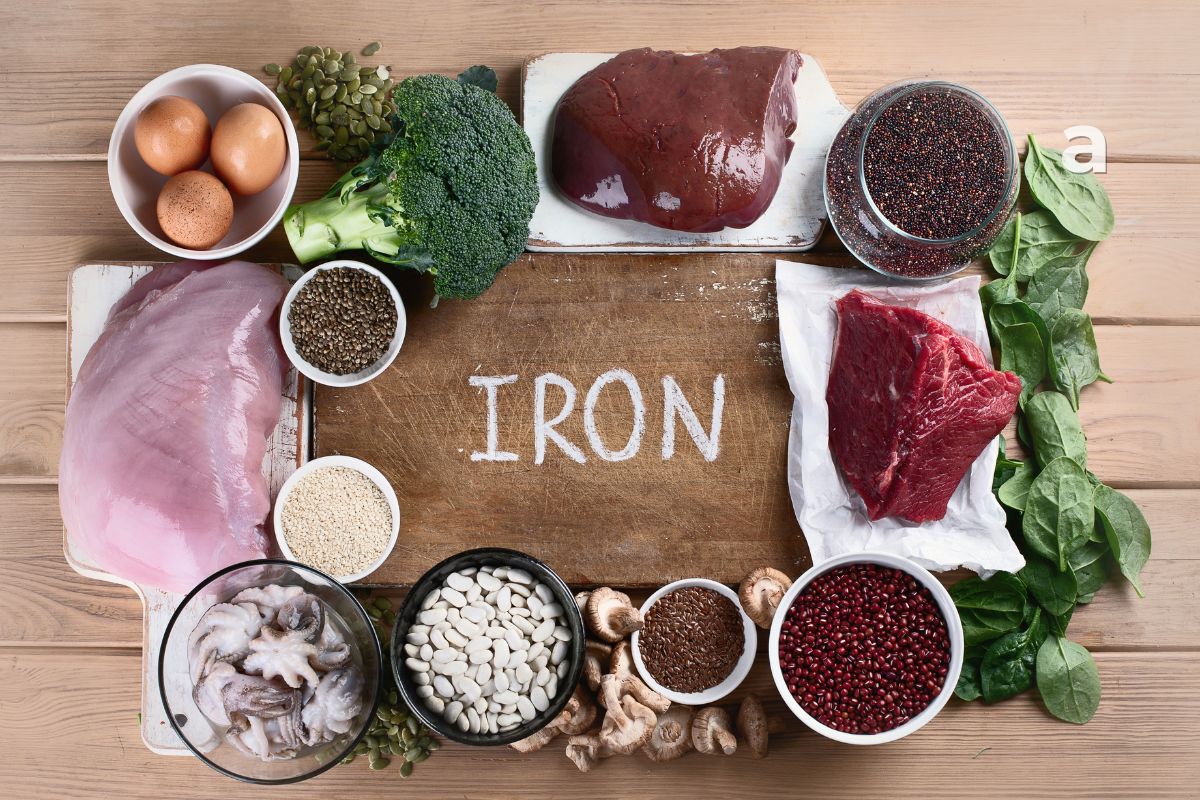
Unlike some nutrients that the body can produce on its own, iron must come from the foods you eat or, when medically appropriate, from dietary supplements. Fortunately, a wide variety of foods—including lean meats, seafood, beans, lentils, spinach, fortified cereals, and tofu—can help you meet your daily iron needs.
Iron deficiency is one of the most common nutritional deficiencies worldwide, affecting people of all ages. Women of reproductive age, pregnant women, infants, adolescents, vegetarians, vegans, and frequent blood donors may have a higher risk of inadequate iron intake or increased iron requirements. At the same time, taking iron supplements without medical advice is not recommended, as excessive iron can also be harmful.
The good news is that understanding how iron works—and choosing iron-rich foods as part of a balanced diet—can help support healthy energy levels, oxygen transport, cognitive function, and overall well-being.
In this comprehensive guide, you’ll learn:
- What iron is and why your body needs it
- The science-backed benefits of iron
- The difference between heme and non-heme iron
- The best iron-rich foods
- Recommended daily iron intake
- Common signs and causes of iron deficiency
- Who is most at risk of low iron
- Whether iron supplements are necessary
- Foods and nutrients that improve or reduce iron absorption
- Common myths and frequently asked questions about iron
Rather than relying on social media health tips or supplement marketing, this guide explains what current scientific evidence says about iron and provides practical advice you can apply to everyday life.
What Is Iron?
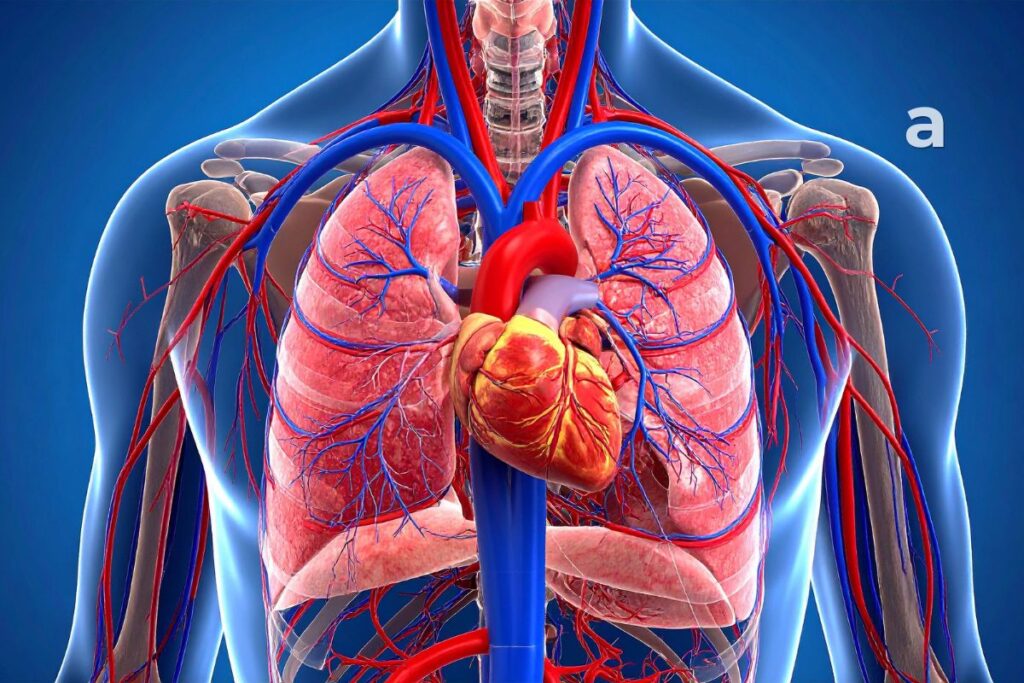
Iron is an essential mineral that your body needs to produce hemoglobin, a protein found inside red blood cells.
Hemoglobin binds to oxygen in your lungs and carries it through the bloodstream to tissues and organs throughout the body. Without enough iron, your body cannot produce enough healthy red blood cells, making it harder to deliver oxygen where it is needed.
Iron is also an important component of myoglobin, a protein that stores oxygen inside muscle tissue. This helps muscles receive the oxygen they need during physical activity.
In addition to oxygen transport, iron supports many other vital processes, including:
- Energy production
- Normal cognitive function
- Immune system function
- DNA synthesis
- Growth and development
- Normal cellular function
Because iron participates in so many essential processes, maintaining healthy iron levels is important throughout every stage of life.
Why Iron Matters
Every second, billions of cells throughout your body require oxygen to function properly.
Iron makes this possible by helping red blood cells transport oxygen from the lungs to the rest of the body.
When iron intake or iron stores become too low, oxygen delivery becomes less efficient, which may contribute to symptoms such as fatigue, weakness, reduced physical performance, and difficulty concentrating.
However, iron is not simply an “energy mineral.”
It also contributes to:
- Healthy blood formation
- Muscle function
- Brain development
- Learning and memory
- Healthy pregnancy
- Immune function
- Growth during childhood and adolescence
These diverse roles explain why iron remains one of the most important minerals for lifelong health.
Heme Iron vs. Non-Heme Iron
Dietary iron exists in two forms.
Heme Iron
Heme iron is found naturally in animal-based foods such as:
- Lean red meat
- Poultry
- Fish
- Seafood
This form is generally absorbed more efficiently than non-heme iron.
Non-Heme Iron
Non-heme iron is found in plant-based foods such as:
- Lentils
- Beans
- Chickpeas
- Spinach
- Tofu
- Pumpkin seeds
- Fortified cereals
Although non-heme iron is nutritious, its absorption can vary depending on the overall meal.
Eating vitamin C-rich foods alongside plant-based iron sources can help improve non-heme iron absorption.
How Iron Works Inside Your Body
Iron follows a remarkable journey from the foods you eat to the cells that depend on oxygen.
Step 1: Iron Is Absorbed
Iron is absorbed primarily in the small intestine.
The amount absorbed depends on:
- The type of iron consumed
- Your current iron stores
- Other foods eaten during the same meal
Step 2: Iron Enters the Bloodstream
After absorption, iron binds to a transport protein called transferrin, which carries it through the bloodstream.
Step 3: Iron Is Used or Stored
The body uses iron to produce:
- Hemoglobin
- Myoglobin
- Various enzymes involved in energy production
Any extra iron is stored mainly in the liver, spleen, and bone marrow as ferritin, allowing your body to draw upon these reserves when needed.
Iron Is More Than a Blood Mineral
Many people think iron only affects blood.
In reality, iron supports several systems throughout the body, including:
- Oxygen transport
- Energy production
- Brain function
- Muscle performance
- Healthy pregnancy
- Immune function
- Normal growth and development
Its influence extends well beyond preventing iron deficiency.
Food First, Supplements When Needed
For most healthy adults, the best way to meet iron needs is through a balanced diet that includes a variety of iron-rich foods.
Iron supplements may be recommended in certain situations, such as documented iron deficiency or increased physiological needs, but they should only be taken under the guidance of a qualified healthcare professional.
Whole foods remain the preferred foundation because they provide iron together with protein, vitamins, fiber, and many other beneficial nutrients.
Key Takeaway
Iron is an essential mineral that helps your body transport oxygen, produce healthy red blood cells, support energy production, and maintain normal brain and immune function.
A balanced diet that includes a variety of iron-rich foods is the best way to support healthy iron levels for most people, while supplements should be used only when medically appropriate.
12 Science-Backed Iron Benefits
Iron is best known for helping the body make healthy red blood cells, but its role extends much further.
As an essential mineral, iron supports oxygen transport, energy production, brain function, muscle performance, immune health, growth, and many normal cellular processes. Nearly every organ depends on iron to function properly.
Let’s explore the most well-established iron benefits supported by scientific evidence.
1. Helps Transport Oxygen Throughout Your Body
One of the most important iron benefits is its role in oxygen transport.
Iron is a key component of hemoglobin, the protein inside red blood cells that carries oxygen from the lungs to every tissue and organ.
Without enough iron:
- Less hemoglobin can be produced.
- Oxygen delivery becomes less efficient.
- The body may struggle to meet its energy demands.
This is why iron is essential for life itself.
2. Supports Healthy Red Blood Cell Production
Iron is necessary for the production of healthy red blood cells.
Red blood cells continuously wear out and are replaced throughout life.
Adequate iron intake helps support this ongoing process and contributes to healthy blood formation.
When iron stores become too low, the body cannot produce enough healthy red blood cells, increasing the risk of iron deficiency anemia.
3. Supports Normal Energy Production
Feeling energetic depends on more than sleep.
Your cells require oxygen to produce energy efficiently, and iron helps make that oxygen delivery possible.
When iron levels are adequate, oxygen reaches working tissues more effectively, supporting normal energy metabolism.
It’s important to remember that fatigue has many possible causes, so iron supplements should not be taken simply because you feel tired.
4. Supports Normal Brain Function
The brain has a high demand for oxygen.
Iron contributes to normal cognitive function by supporting oxygen transport and participating in several enzymatic processes involved in brain function and development.
Adequate iron is especially important during periods of rapid growth, including infancy, childhood, and adolescence.
5. Supports Healthy Muscle Function
Iron is also found in myoglobin, a protein that stores oxygen inside muscles.
Myoglobin helps deliver oxygen where active muscles need it most.
Healthy iron levels support:
- Daily movement
- Physical activity
- Exercise performance
- Muscle oxygen supply
6. Contributes to Normal Immune Function
Iron supports the normal function of the immune system.
Immune cells rely on iron for normal growth and activity.
However, maintaining balance is important because both too little and too much iron can affect health.
A balanced diet remains the safest approach for most healthy people.
7. Supports Healthy Pregnancy
Iron requirements increase during pregnancy.
This is because the body needs additional iron to support:
- Increased maternal blood volume
- Normal fetal growth and development
- Placental development
Pregnant women should follow healthcare guidance regarding iron intake and supplementation.
8. Supports Healthy Growth and Development
Iron plays an important role throughout childhood and adolescence.
Growing bodies need iron to support:
- Healthy blood formation
- Brain development
- Muscle growth
- Normal physical development
Meeting recommended iron intake during these life stages is especially important.
9. Helps Produce Important Enzymes
Iron is involved in numerous enzymes that support normal body functions.
These enzymes participate in:
- Energy production
- DNA synthesis
- Cellular metabolism
- Normal growth
Iron therefore supports much more than oxygen transport alone.
10. Helps Maintain Healthy Iron Stores
Your body carefully stores extra iron for future use.
Most stored iron is kept as ferritin in the:
- Liver
- Bone marrow
- Spleen
These reserves help the body meet future iron needs when dietary intake temporarily decreases.
11. Works Together With Other Essential Nutrients
Iron does not work alone.
Several nutrients influence how well your body absorbs and uses iron.
These include:
- Vitamin C, which helps improve the absorption of non-heme iron.
- Protein, which supports healthy blood and tissue formation.
- Folate and Vitamin B12, which work together with iron in healthy red blood cell production.
A balanced diet naturally provides these nutrients together.
12. Supports Overall Health and Well-Being
Iron quietly supports many everyday functions that often go unnoticed.
Healthy iron levels contribute to:
- Oxygen delivery
- Healthy blood
- Brain function
- Muscle performance
- Growth and development
- Normal immune function
Rather than thinking of iron only as the “anemia mineral,” it’s more accurate to see it as an essential nutrient that supports the body from head to toe.
Heme vs. Non-Heme Iron
Not all dietary iron is absorbed equally.
Heme iron, found in animal foods such as meat, poultry, and fish, is generally absorbed more efficiently.
Non-heme iron, found in beans, lentils, spinach, tofu, and fortified cereals, is also valuable but its absorption can be influenced by other foods eaten during the same meal.
Combining plant-based iron sources with vitamin C-rich foods—such as citrus fruits, tomatoes, bell peppers, or guava—can improve non-heme iron absorption.
Iron Is Important—But Balance Matters
Because iron deficiency is common, some people assume that taking extra iron is always beneficial.
In reality:
- Too little iron can affect health.
- Too much iron can also be harmful.
Iron supplements should be taken only when recommended by a qualified healthcare professional.
For most healthy adults, obtaining iron through a balanced diet remains the preferred approach.
Key Takeaway
Iron is an essential mineral that supports oxygen transport, healthy red blood cell production, energy metabolism, brain function, muscle performance, immune function, growth, and normal cellular processes.
The best way to maintain healthy iron levels is through a varied diet that includes iron-rich foods and complementary nutrients such as vitamin C, protein, folate, and vitamin B12. Supplements can be helpful in specific situations but should be used only under medical guidance.
How Much Iron Do You Need Every Day?
Iron requirements change throughout life.
Unlike many other minerals, iron needs vary significantly based on age, sex, pregnancy, and breastfeeding. This is because the body loses iron through normal processes such as growth, menstruation, and childbirth, while iron is also continuously needed to produce healthy red blood cells and transport oxygen.
For most people, meeting daily iron needs through a balanced diet is the best approach. Understanding your recommended intake can help you choose the right foods and recognize when professional advice may be appropriate.
Recommended Daily Iron Intake
The following Recommended Dietary Allowances (RDAs) are for healthy individuals.
| Life Stage | Recommended Iron Intake |
|---|---|
| Infants (0–6 months) | 0.27 mg (AI) |
| Infants (7–12 months) | 11 mg |
| Children (1–3 years) | 7 mg |
| Children (4–8 years) | 10 mg |
| Children (9–13 years) | 8 mg |
| Boys (14–18 years) | 11 mg |
| Girls (14–18 years) | 15 mg |
| Adult Men (19–50 years) | 8 mg |
| Adult Women (19–50 years) | 18 mg |
| Adults (51+ years) | 8 mg |
| Pregnancy | 27 mg |
| Breastfeeding | 9–10 mg |
These values are established by nutrition experts to meet the needs of nearly all healthy people.
Why Do Women Need More Iron?
Women between the ages of 19 and 50 generally require 18 mg of iron per day, compared with 8 mg for men.
The primary reason is menstrual blood loss, which increases iron requirements.
During pregnancy, iron needs increase even further because the body must support:
- Increased maternal blood volume
- Placental development
- Growth of the developing baby
This is why pregnancy has the highest recommended daily iron intake.
Iron Needs During Pregnancy
Pregnancy significantly increases iron requirements.
The recommended intake is:
27 mg per day
Iron supports:
- Healthy red blood cell production
- Oxygen delivery
- Fetal growth and development
- Placental function
Because iron needs are difficult to meet through food alone during pregnancy, healthcare professionals often recommend iron supplementation when appropriate. This decision should always be individualized.
Iron While Breastfeeding
After childbirth, iron requirements decrease.
Most breastfeeding adults require:
9 mg per day
Although breast milk naturally contains relatively small amounts of iron, it is highly bioavailable for infants.
Parents should follow pediatric guidance regarding infant nutrition and iron needs.
Why Teenagers Need More Iron
Adolescence is a period of rapid growth.
Iron requirements increase because of:
- Expansion of blood volume
- Muscle growth
- Physical development
- Menstruation in girls
Meeting daily iron needs during adolescence supports healthy growth and development.
Do Vegetarians Need More Iron?
Yes—many vegetarians and vegans may need to pay closer attention to iron intake.
Plant foods contain non-heme iron, which is generally absorbed less efficiently than heme iron from animal foods.
Health authorities note that people following vegetarian diets may require about 1.8 times more dietary iron because of this lower absorption.
Good plant-based iron sources include:
- Lentils
- Chickpeas
- Kidney beans
- Tofu
- Spinach
- Pumpkin seeds
- Fortified cereals
Vitamin C Improves Iron Absorption
One of the easiest ways to improve non-heme iron absorption is to combine iron-rich plant foods with vitamin C-rich foods.
Excellent choices include:
- Oranges
- Guava
- Kiwi
- Strawberries
- Tomatoes
- Bell peppers
- Broccoli
For example:
- Lentil curry + lemon juice
- Spinach salad + oranges
- Chickpeas + tomatoes
These combinations help the body absorb non-heme iron more effectively.
Foods That Can Reduce Iron Absorption
Some foods and beverages naturally reduce the absorption of non-heme iron when consumed at the same meal.
Examples include:
- Tea
- Coffee
- Large amounts of calcium supplements
- Foods very high in phytates (such as some unsoaked grains and legumes)
These foods are not unhealthy, but if you have iron deficiency, your healthcare professional may recommend spacing them away from iron-rich meals.
Can You Get Enough Iron From Food Alone?
For many healthy adults, yes.
A balanced eating pattern that includes:
- Lean meats
- Fish
- Poultry
- Beans
- Lentils
- Tofu
- Spinach
- Fortified cereals
can provide adequate iron.
Some people, however, may require supplements because of increased needs or diagnosed deficiency.
How Does Your Body Control Iron?
Unlike many nutrients, the body has no efficient way to remove excess iron.
Instead, it carefully regulates how much iron is absorbed from the intestine based on current iron stores and physiological needs.
This is one reason why taking iron supplements unnecessarily is not recommended.
Should Everyone Take an Iron Supplement?
No.
Iron supplements are usually recommended only for people with:
- Confirmed iron deficiency
- Iron deficiency anemia
- Pregnancy (when advised)
- Certain medical conditions
- Increased iron losses
Self-prescribing iron supplements without testing can lead to unnecessary side effects and, in some cases, iron overload.
Daily Iron Needs Are Only One Piece of the Puzzle
Meeting the recommended daily intake is important, but absorption also matters.
Your body absorbs iron more effectively when you:
✔ Eat vitamin C-rich foods with plant-based iron.
✔ Include a variety of iron-rich foods.
✔ Follow a balanced dietary pattern.
✔ Use supplements only when medically appropriate.
Iron Works Together With Other Nutrients
Iron doesn’t work alone.
Healthy blood formation and oxygen transport also depend on:
- Vitamin C (improves iron absorption)
- Vitamin B12 (supports red blood cell production)
- Folate (supports healthy blood formation)
- Protein (supports tissue growth and hemoglobin production)
A varied diet naturally provides these nutrients together.
Food First Still Wins
Before considering supplements, ask yourself:
- Am I eating iron-rich foods regularly?
- Do I include vitamin C-rich foods with meals?
- Has a healthcare professional confirmed iron deficiency?
- Am I following a balanced eating pattern?
For most healthy people, nutritious meals remain the best long-term strategy.
Key Takeaway
Iron requirements vary according to age, sex, pregnancy, and life stage. Adult men generally require 8 mg per day, while women aged 19–50 need 18 mg, and pregnancy increases requirements to 27 mg daily. Most people can meet their needs through a balanced diet, while those with increased requirements or confirmed deficiency may benefit from individualized medical guidance.
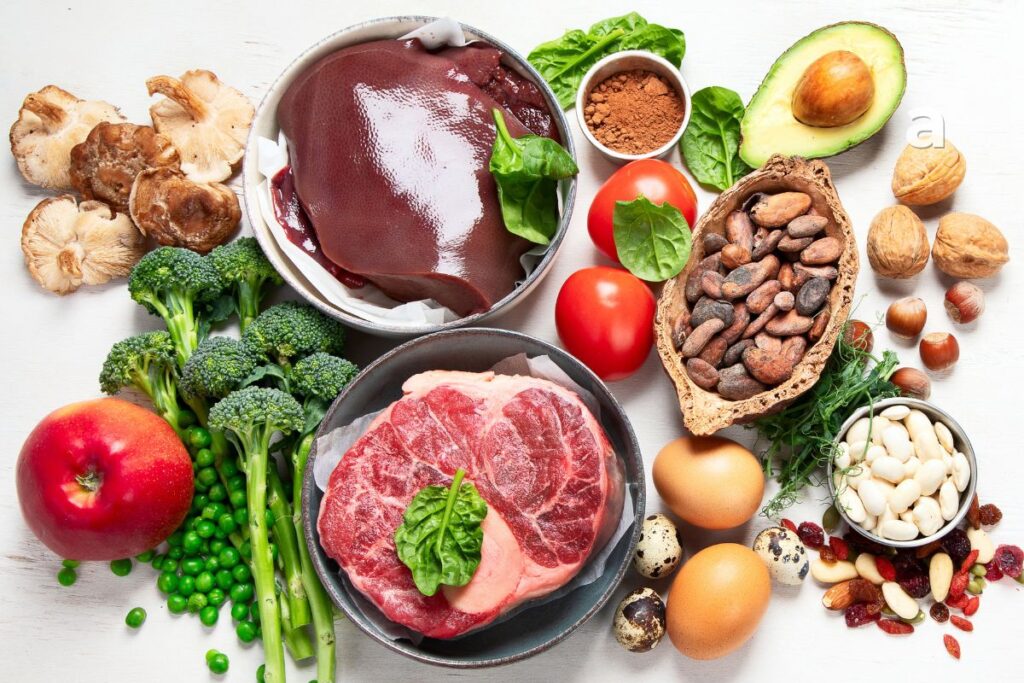
20 Best Iron-Rich Foods to Add to Your Diet
Iron is found in both animal-based and plant-based foods, but not all sources are absorbed equally.
Dietary iron exists in two forms:
- Heme iron – Found in animal foods and generally absorbed more efficiently.
- Non-heme iron – Found in plant foods and fortified foods. Its absorption can be improved by eating vitamin C-rich foods alongside it.
The best approach is to include a variety of iron-rich foods as part of a balanced diet rather than relying on a single source.
1. Lean Beef
Lean beef is one of the richest natural sources of heme iron.
It also provides:
- High-quality protein
- Zinc
- Vitamin B12
Because heme iron is absorbed efficiently, lean beef is an excellent choice for people looking to increase dietary iron intake.
2. Chicken Liver
Chicken liver is among the most iron-rich foods available.
It also supplies:
- Vitamin A
- Vitamin B12
- Folate
Because liver is naturally high in vitamin A, it should be eaten in moderation, particularly during pregnancy.
3. Oysters
Oysters provide:
- Highly absorbable heme iron
- Zinc
- Vitamin B12
- Copper
They are one of the most nutrient-dense seafood options.
4. Sardines
Sardines contain:
- Iron
- Protein
- Calcium (when eaten with the bones)
- Omega-3 fatty acids
They are an excellent all-around nutrient-rich food.
5. Tuna
Fresh or canned tuna provides:
- Iron
- Protein
- Vitamin B12
Choose lower-mercury varieties more often as part of a varied seafood intake.
6. Eggs
Egg yolks contain iron together with:
- Protein
- Choline
- Vitamin B12
Eggs are an easy way to include small amounts of iron in everyday meals.
7. Lentils
Lentils are among the best plant-based iron sources.
They also provide:
- Protein
- Dietary fiber
- Folate
Pair lentils with tomatoes or lemon juice to improve iron absorption.
8. Chickpeas
Chickpeas supply:
- Iron
- Protein
- Fiber
- Magnesium
They work well in salads, curries, soups, and hummus.
9. Kidney Beans (Rajma)
Rajma is a nutritious source of:
- Iron
- Protein
- Fiber
Combining rajma with vegetables rich in vitamin C helps improve non-heme iron absorption.
10. Soybeans
Soybeans naturally provide:
- Iron
- Protein
- Healthy fats
They are one of the richest vegetarian protein sources.
11. Tofu
Tofu is an excellent vegetarian option because it contains:
- Iron
- Protein
- Calcium (if calcium-set)
It fits well into vegetarian and vegan meal plans.
12. Spinach
Spinach is well known for its iron content.
It also supplies:
- Folate
- Vitamin K
- Magnesium
Although spinach contains non-heme iron, pairing it with vitamin C-rich foods improves absorption.
13. Pumpkin Seeds
Pumpkin seeds provide:
- Iron
- Magnesium
- Zinc
- Healthy fats
They make an excellent snack or salad topping.
14. Sesame Seeds
Sesame seeds contain:
- Iron
- Calcium
- Magnesium
Sprinkle them over salads, vegetables, or yogurt for extra nutrition.
15. Fortified Breakfast Cereals
Many breakfast cereals are fortified with iron.
Choose cereals that are:
- High in fiber
- Low in added sugar
- Made with whole grains
16. Fortified Oats
Some oat products are fortified with iron.
Serve them with fruit rich in vitamin C to enhance absorption.
17. Quinoa
Quinoa provides:
- Iron
- Protein
- Fiber
- Magnesium
It is a nutritious whole grain alternative for salads and grain bowls.
18. Dark Chocolate
Dark chocolate contains small amounts of iron along with antioxidants.
Because it can also be high in calories and added sugar, enjoy it in moderation.
19. Raisins and Dried Apricots
These dried fruits contribute:
- Iron
- Fiber
- Potassium
They are convenient snacks but should be eaten in moderation due to their natural sugar content.
20. White Beans
White beans are another excellent plant-based source of iron.
They also provide:
- Protein
- Fiber
- Magnesium
Adding beans regularly to soups, salads, and stews is an easy way to increase dietary iron.
Quick Iron Food Chart
| Food | Type | Iron Source |
|---|---|---|
| Lean beef | Animal | Heme iron |
| Chicken liver | Animal | Heme iron |
| Oysters | Seafood | Heme iron |
| Sardines | Seafood | Heme iron |
| Tuna | Seafood | Heme iron |
| Eggs | Animal | Mostly non-heme |
| Lentils | Plant | Non-heme |
| Chickpeas | Plant | Non-heme |
| Rajma | Plant | Non-heme |
| Soybeans | Plant | Non-heme |
| Tofu | Plant | Non-heme |
| Spinach | Plant | Non-heme |
| Pumpkin seeds | Plant | Non-heme |
| Sesame seeds | Plant | Non-heme |
| Fortified cereals | Fortified | Non-heme |
| Fortified oats | Fortified | Non-heme |
| Quinoa | Plant | Non-heme |
| Dark chocolate | Plant | Non-heme |
| Raisins | Plant | Non-heme |
| White beans | Plant | Non-heme |
Improve Iron Absorption Naturally
Simple food combinations can help your body absorb more iron.
Try pairing iron-rich foods with vitamin C-rich foods such as:
- Lentils + lemon juice
- Spinach + tomatoes
- Rajma + bell peppers
- Fortified cereal + strawberries
- Tofu + broccoli
Vitamin C significantly improves the absorption of non-heme iron from plant foods.
Foods That May Reduce Iron Absorption
Some foods and drinks can reduce non-heme iron absorption when consumed with iron-rich meals.
Examples include:
- Tea
- Coffee
- Large doses of calcium supplements
- Foods high in phytates
You don’t need to avoid these foods completely, but if you have iron deficiency, your healthcare professional may suggest consuming them at a different time from iron-rich meals.
Indian Iron-Rich Foods
Many traditional Indian foods are naturally rich in iron.
Examples include:
- Rajma
- Chana
- Masoor dal
- Moong dal
- Black chana
- Bajra
- Ragi
- Spinach (Palak)
- Sesame seeds (Til)
- Jaggery (contains small amounts of iron but should not be relied upon as a primary source)
A varied diet that combines these foods with fruits and vegetables rich in vitamin C can help support healthy iron intake.
Food First Still Wins
Most healthy adults can meet their iron needs by eating a balanced diet that includes both iron-rich foods and nutrients that support iron absorption.
Rather than focusing on a single “superfood,” aim to build meals that combine:
- Iron-rich foods
- Vitamin C-rich fruits and vegetables
- Adequate protein
- Whole grains
- Legumes
This balanced approach supports both iron intake and overall nutritional quality.
Key Takeaway
Some of the best iron-rich foods include lean beef, chicken liver, oysters, sardines, lentils, chickpeas, beans, tofu, spinach, pumpkin seeds, sesame seeds, and fortified cereals.
Combining plant-based iron sources with vitamin C-rich foods helps improve absorption, making balanced meals more effective than relying on a single ingredient or supplement.
Iron Deficiency: Signs, Causes & Who Is at Risk?
Iron deficiency is one of the most common nutritional deficiencies worldwide and the leading cause of iron deficiency anemia. It can affect people of all ages, although some groups are at much higher risk than others.
One of the challenges with iron deficiency is that it often develops slowly. In its early stages, your body uses iron stored in the liver, spleen, muscles, and bone marrow. As these stores become depleted, symptoms may gradually appear.
Let’s explore the warning signs, causes, and risk factors.
What Is Iron Deficiency?
Iron deficiency occurs when your body’s iron stores become too low to meet its normal needs.
If the deficiency becomes severe enough to reduce hemoglobin production, it can lead to iron deficiency anemia, a condition in which the blood cannot carry oxygen efficiently throughout the body.
It’s important to understand that:
- Iron deficiency and iron deficiency anemia are not exactly the same thing.
- Iron deficiency develops first.
- Iron deficiency anemia develops later if the deficiency is not corrected.
Early detection allows treatment before anemia develops.
Why Does Iron Deficiency Matter?
Iron helps produce hemoglobin, which carries oxygen from the lungs to every part of the body.
When iron stores become low:
- Less hemoglobin may be produced.
- Oxygen delivery becomes less efficient.
- Cells receive less oxygen to support normal function.
This can affect:
- Energy levels
- Physical performance
- Cognitive function
- Immune function
- Overall well-being
Because oxygen is essential for every organ, iron deficiency can influence many aspects of health.
Common Signs and Symptoms of Iron Deficiency
Many people experience no symptoms during the early stages.
As iron stores continue to decline, symptoms may gradually appear.
Common symptoms include:
- Persistent fatigue
- Weakness
- Reduced stamina
- Difficulty concentrating
- Headaches
- Dizziness
- Pale skin
- Shortness of breath during physical activity
These symptoms are not specific to iron deficiency and may have many possible causes.
A proper medical evaluation is needed to determine the underlying reason.
Less Common Symptoms
More significant iron deficiency may also be associated with:
- Brittle nails
- Hair thinning or increased hair shedding
- Cold hands and feet
- Sore tongue
- Cracks at the corners of the mouth
- Restless legs syndrome
- Craving non-food substances such as ice (known as pica)
These symptoms do not confirm iron deficiency by themselves, but they may prompt further evaluation.
What Causes Iron Deficiency?
Several factors can contribute to low iron levels.
1. Inadequate Dietary Iron Intake
People who regularly consume very little iron may gradually deplete their iron stores.
Examples include diets low in:
- Meat
- Seafood
- Beans
- Lentils
- Fortified cereals
- Leafy green vegetables
A balanced diet usually provides enough iron for most healthy adults.
2. Increased Iron Requirements
Certain life stages naturally increase iron needs.
Examples include:
- Pregnancy
- Adolescence
- Rapid childhood growth
During these periods, the body requires more iron to support healthy growth and development.
3. Blood Loss
Blood loss is one of the most common causes of iron deficiency.
Possible causes include:
- Heavy menstrual periods
- Gastrointestinal bleeding
- Stomach ulcers
- Colon polyps or colorectal disease
- Frequent blood donation
- Surgery or trauma
Even slow blood loss over time can gradually reduce iron stores.
4. Poor Iron Absorption
Sometimes the body cannot absorb enough iron even when the diet contains adequate amounts.
Conditions that may affect absorption include:
- Celiac disease
- Crohn’s disease
- Certain stomach or intestinal surgeries
- Long-term digestive disorders
These conditions should be evaluated by a healthcare professional.
5. Certain Medications
Some medicines may affect iron absorption or contribute to blood loss.
Examples include:
- Long-term use of aspirin
- Certain anti-inflammatory medicines (NSAIDs)
- Some medicines that reduce stomach acid
Never stop prescribed medication without consulting your healthcare professional.
Who Is Most at Risk?
Some groups have a greater likelihood of developing iron deficiency.
Women of Reproductive Age
Regular menstrual blood loss increases iron requirements.
Women with heavy periods may have an even greater risk.
Pregnant Women
Pregnancy significantly increases iron needs because iron supports:
- Maternal blood volume
- Placental development
- Fetal growth
Healthcare professionals commonly monitor iron status during pregnancy.
Infants and Young Children
Rapid growth increases iron requirements during infancy and early childhood.
Premature infants may be at particularly high risk.
Teenagers
Adolescents experience rapid physical growth.
Girls also begin losing iron through menstruation.
Both factors increase iron requirements.
Vegetarians and Vegans
Plant foods contain non-heme iron, which is generally absorbed less efficiently than heme iron.
However, a well-planned vegetarian diet that includes iron-rich foods and vitamin C-rich foods can still support healthy iron intake.
Frequent Blood Donors
Regular blood donation removes iron from the body.
Some frequent donors may require monitoring of their iron status depending on donation frequency and individual health.
People With Digestive Disorders
Conditions affecting nutrient absorption may reduce iron uptake from food.
Examples include:
- Celiac disease
- Crohn’s disease
- Certain intestinal disorders
Iron Deficiency in Women
Iron deficiency is particularly common among women because of:
- Menstruation
- Pregnancy
- Breastfeeding
- Increased iron requirements
Women experiencing unusually heavy menstrual bleeding should discuss this with a healthcare professional.
How Is Iron Deficiency Diagnosed?
Iron deficiency cannot be confirmed by symptoms alone.
Healthcare professionals may recommend blood tests such as:
- Complete Blood Count (CBC)
- Serum Ferritin
- Serum Iron
- Transferrin Saturation (TSAT)
- Total Iron-Binding Capacity (TIBC)
Together, these tests help evaluate iron stores and determine whether iron deficiency or iron deficiency anemia is present.
Can You Diagnose Iron Deficiency at Home?
No.
Although symptoms may raise suspicion, only appropriate blood testing can confirm iron deficiency.
Self-diagnosing based on fatigue or weakness alone can delay identification of other important medical conditions.
Iron Deficiency vs. Iron Deficiency Anemia
These terms are often used interchangeably, but they are different.
Iron Deficiency
- Low iron stores
- May not cause symptoms
- Hemoglobin may still be normal
Iron Deficiency Anemia
- Iron stores are depleted
- Hemoglobin decreases
- Oxygen delivery becomes less efficient
- Symptoms become more noticeable
Iron Works With Other Nutrients
Healthy blood formation depends on more than iron alone.
Other important nutrients include:
- Vitamin C (helps absorb non-heme iron)
- Vitamin B12 (supports red blood cell formation)
- Folate (supports healthy blood formation)
- Protein (supports tissue growth and hemoglobin production)
Don’t Self-Prescribe Iron Supplements
Many people assume fatigue automatically means low iron.
In reality, similar symptoms may occur because of:
- Vitamin B12 deficiency
- Thyroid disorders
- Poor sleep
- Chronic illness
- Stress
- Depression
- Other forms of anemia
Taking iron supplements without confirming deficiency can be harmful.
A proper diagnosis should always come first.
When Should You Seek Medical Advice?
Speak with a healthcare professional if you experience:
- Persistent fatigue
- Unexplained weakness
- Pale skin
- Shortness of breath
- Heavy menstrual bleeding
- Blood in the stool
- Symptoms that interfere with daily life
Medical evaluation is also important before taking iron supplements, especially if you have kidney disease, liver disease, or a condition that affects iron metabolism.
Key Takeaway
Iron deficiency often develops gradually and may not cause symptoms until iron stores become significantly depleted. Common causes include low dietary iron intake, blood loss, increased iron requirements, and reduced iron absorption. Because symptoms such as fatigue and weakness have many possible causes, blood tests—not symptoms alone—are needed to diagnose iron deficiency and guide appropriate treatment.
Iron, Hemoglobin & Oxygen Transport: How They Work Together
Iron is often called the oxygen mineral, and for good reason.
Every breath you take depends on iron helping your body transport oxygen from your lungs to every cell. Without enough iron, this remarkable system cannot function efficiently.
But iron doesn’t work alone.
Healthy oxygen transport depends on a partnership between iron, hemoglobin, red blood cells, myoglobin, vitamin B12, folate, protein, and vitamin C. Together, they help deliver oxygen where it’s needed to support normal body functions.
Let’s explore how this system works.
Iron and Hemoglobin: A Perfect Partnership
One of iron’s most important roles is helping the body produce hemoglobin.
Hemoglobin is a protein found inside red blood cells that contains iron.
Its job is simple but essential:
- Pick up oxygen in the lungs.
- Carry oxygen through the bloodstream.
- Deliver oxygen to tissues throughout the body.
- Return carbon dioxide to the lungs for exhalation.
Approximately 70% of the body’s iron is found in hemoglobin, highlighting its central role in oxygen transport.
What Happens When You Breathe?
Every breath begins a remarkable journey.
Step 1
You inhale oxygen into your lungs.
↓
Step 2
Iron inside hemoglobin binds to oxygen.
↓
Step 3
Red blood cells carry oxygen through your bloodstream.
↓
Step 4
Oxygen is released to:
- Brain
- Heart
- Muscles
- Liver
- Kidneys
- Every other tissue
↓
Step 5
Cells use oxygen to produce energy.
Without iron, this process becomes much less efficient.
Why Oxygen Transport Matters
Every cell in your body requires oxygen.
Oxygen supports:
- Energy production
- Brain function
- Muscle activity
- Organ function
- Growth
- Cellular repair
Because iron helps transport oxygen, its effects are felt throughout the entire body—not just in the blood.
Iron and Red Blood Cells
Red blood cells are produced continuously inside the bone marrow.
Each new red blood cell requires iron to produce hemoglobin.
Healthy red blood cells:
- Carry oxygen
- Remove carbon dioxide
- Support physical activity
- Help maintain normal body function
The body constantly replaces older red blood cells with new ones, making an adequate iron supply important throughout life.
Iron and Myoglobin
Iron also helps produce myoglobin, a protein found in muscle tissue.
While hemoglobin transports oxygen through the bloodstream, myoglobin stores oxygen inside muscles and releases it when muscles need it during activity.
Healthy myoglobin supports:
- Muscle movement
- Physical activity
- Exercise
- Everyday mobility
This is one reason why iron is important for both endurance and daily movement.
Iron Supports Energy Production
People often think iron creates energy.
In reality, iron helps deliver oxygen, and oxygen allows cells to produce energy efficiently.
Iron also participates in enzymes involved in cellular respiration and energy metabolism.
Healthy oxygen delivery supports:
- Walking
- Climbing stairs
- Studying
- Working
- Exercise
- Everyday activities
Iron and Exercise
During physical activity, muscles require more oxygen.
Healthy iron levels help support this increased demand by allowing hemoglobin to transport oxygen efficiently and myoglobin to store and release oxygen within muscles.
This is why athletes and highly active individuals should pay attention to adequate dietary iron intake, especially if they belong to groups at higher risk of deficiency.
Iron and Brain Function
Although the brain represents only a small percentage of total body weight, it consumes a significant amount of oxygen.
Iron supports normal brain function by helping ensure oxygen reaches brain tissue and by participating in several neurological processes.
Adequate iron intake is particularly important during:
- Infancy
- Childhood
- Adolescence
- Pregnancy
These life stages involve rapid brain growth and development.
Iron and Healthy Pregnancy
Pregnancy increases the body’s need for oxygen transport.
Iron supports:
- Expansion of maternal blood volume
- Placental development
- Oxygen delivery to the developing baby
Because iron requirements rise during pregnancy, healthcare professionals often monitor iron status as part of routine prenatal care.
Iron and Vitamin C
Iron absorption is strongly influenced by vitamin C.
Vitamin C helps convert non-heme iron into a form that is easier for the body to absorb.
Simple meal combinations can improve iron absorption, such as:
- Lentils with lemon juice
- Spinach with tomatoes
- Chickpeas with bell peppers
Iron and Vitamin B12
Healthy red blood cell production depends on more than iron alone.
Vitamin B12 also plays an essential role in the formation of healthy red blood cells.
Even if iron intake is adequate, a vitamin B12 deficiency can still lead to anemia.
Both nutrients are important, but they work in different ways.
Iron and Protein
Hemoglobin itself is a protein that contains iron.
Without adequate protein intake, the body cannot build many of the structures needed for healthy tissues, muscles, and blood.
This is another reason why balanced meals matter more than focusing on one nutrient.
Iron and Folate
Folate is another nutrient involved in healthy red blood cell production.
Iron, vitamin B12, and folate work together to support normal blood formation.
A varied diet naturally provides these nutrients through foods such as:
- Leafy green vegetables
- Beans
- Lentils
- Fortified grains
- Animal foods
Iron Doesn’t Work Alone
Healthy oxygen transport depends on teamwork.
Iron works alongside:
- Vitamin C
- Protein
- Vitamin B12
- Folate
- Copper
to help maintain healthy blood and support oxygen delivery throughout the body.
No single nutrient can perform all of these functions on its own.
Food First Still Wins
Whole foods naturally provide combinations of nutrients that support iron utilization.
For example:
Lean beef provides:
- Iron
- Protein
- Vitamin B12
- Zinc
Lentils provide:
- Iron
- Protein
- Fiber
- Folate
Spinach provides:
- Iron
- Folate
- Magnesium
Building balanced meals is more beneficial than relying on a single supplement.
Healthy Blood Depends on Balance
Healthy blood is supported by:
- Iron
- Vitamin B12
- Folate
- Protein
- Vitamin C
- A balanced diet
- Healthy digestion
- Appropriate medical care when needed
Rather than chasing one “super nutrient,” focus on an overall healthy eating pattern.
Key Takeaway
Iron plays a central role in hemoglobin production and oxygen transport, allowing red blood cells to deliver oxygen from the lungs to every tissue in the body. It also supports myoglobin in muscles, energy production, brain function, and healthy blood formation. Because iron works closely with vitamin C, vitamin B12, folate, and protein, the best way to support healthy oxygen transport is through a balanced, nutrient-rich diet rather than relying on a single nutrient or supplement.
Iron Supplements: Benefits, Risks & Who Should Avoid Them?
Iron is an essential mineral, but that doesn’t mean everyone should take an iron supplement.
For many healthy people, eating a balanced diet that includes iron-rich foods is enough to meet daily iron needs. However, iron supplements can play an important role for people with confirmed iron deficiency, iron deficiency anemia, pregnancy-related increased needs, or certain medical conditions when recommended by a healthcare professional.
Unlike some vitamins, taking more iron than your body needs can be harmful. That’s why iron supplements should be used thoughtfully and under appropriate medical guidance.
Do Most People Need Iron Supplements?
No.
Most healthy adults who eat a balanced diet obtain enough iron from food.
Iron supplements are commonly recommended for people who have:
- Confirmed iron deficiency
- Iron deficiency anemia
- Pregnancy with increased iron requirements
- Heavy menstrual blood loss
- Certain digestive disorders that reduce iron absorption
- Increased iron needs identified by a healthcare professional
A blood test is usually needed before starting treatment.
Food First Still Wins
Whenever possible, obtain iron from food.
Iron-rich foods provide much more than iron alone.
For example:
Lean Beef
Provides:
- Iron
- Protein
- Vitamin B12
- Zinc
Lentils
Provide:
Spinach
Provides:
- Iron
- Magnesium
- Folate
Whole foods naturally combine nutrients that work together to support healthy blood formation.
Common Types of Iron Supplements
Iron supplements are available in several forms.
Frequently used types include:
- Ferrous sulfate
- Ferrous fumarate
- Ferrous gluconate
- Ferric citrate
These forms contain different amounts of elemental iron, which is the actual amount of iron your body receives.
Your healthcare professional can recommend the most appropriate option based on your individual needs.
Are Iron Supplements Effective?
Yes.
Iron supplements are effective when they are used to treat or prevent iron deficiency in people who need them.
They help replenish iron stores, allowing the body to produce healthy red blood cells and restore normal oxygen transport over time.
However, supplements are not intended to boost energy in people who have normal iron levels. If fatigue has another cause, taking iron is unlikely to help.
How Long Does It Take to Work?
Iron supplements do not work overnight.
Many people begin to notice improvement over several weeks, while restoring iron stores often takes several months, depending on the severity of the deficiency and the underlying cause.
Healthcare professionals may repeat blood tests during treatment to monitor progress.
Can You Take Iron Every Day?
Many iron supplements are prescribed for daily use.
However, the correct dose and schedule depend on:
- Iron levels
- Cause of deficiency
- Age
- Pregnancy
- Overall health
Always follow your healthcare professional’s instructions rather than choosing a dose yourself.
Should Iron Be Taken With Food?
Iron is generally absorbed best on an empty stomach.
However, some people experience stomach discomfort when taking iron this way.
If side effects occur, a healthcare professional may recommend taking iron with food, understanding that absorption may be somewhat reduced.
Vitamin C Can Improve Iron Absorption
Vitamin C helps improve the absorption of non-heme iron.
Many healthcare professionals recommend taking iron together with a vitamin C-rich food or drink.
Examples include:
- Orange
- Guava
- Kiwi
- Lemon juice
- Tomatoes
What Should You Avoid Around the Time You Take Iron?
Certain foods, drinks, and supplements can reduce iron absorption.
These include:
- Tea
- Coffee
- Large amounts of calcium supplements
- Some high-fiber bran products
If advised to take an iron supplement, your healthcare professional may recommend spacing these items apart from your iron dose.
Common Side Effects of Iron Supplements
Most side effects affect the digestive system.
Common examples include:
- Constipation
- Nausea
- Stomach discomfort
- Diarrhea
- Abdominal pain
- Dark or black stools
Black stools are a common effect of oral iron supplements and are usually expected. However, persistent severe abdominal pain or signs of gastrointestinal bleeding should be evaluated promptly.
Can You Take Too Much Iron?
Yes.
Unlike many nutrients, excess iron can damage the body.
Large amounts of supplemental iron may cause:
- Severe stomach pain
- Vomiting
- Organ damage
- Iron overload
- Iron poisoning
Iron supplements should always be stored safely because accidental overdose can be extremely dangerous for young children.
Who Should Avoid Iron Supplements Unless Prescribed?
Iron supplements should not be taken routinely by people who do not need them.
Extra caution is advised for people with:
- Hemochromatosis (an inherited condition causing excessive iron absorption)
- Certain chronic liver diseases
- Repeated blood transfusions
- Other disorders associated with iron overload
These individuals should take iron only under medical supervision.
Can Iron Supplements Interact With Medicines?
Yes.
Iron supplements can interact with several medications.
Examples include:
- Levothyroxine
- Certain antibiotics
- Levodopa
- Some osteoporosis medications
Always tell your healthcare professional about any medicines and supplements you are taking. They can advise you on proper timing to reduce interactions.
Iron Supplements During Pregnancy
Pregnancy increases iron requirements.
Many pregnant women are advised to take iron supplements because diet alone may not meet increased needs.
However, supplementation should follow prenatal medical advice rather than self-prescription.
Routine prenatal care often includes monitoring iron status.
Iron Supplements for Children
Children should receive iron supplements only when recommended by a pediatrician or other qualified healthcare professional.
Because accidental iron overdose can be life-threatening in young children, supplements must always be stored out of their reach.
Iron and Vitamin B12
Iron is only one part of healthy blood formation.
Vitamin B12 also supports the production of healthy red blood cells.
Treating vitamin B12 deficiency requires a different approach than treating iron deficiency.
Iron and Protein
Healthy blood depends on adequate protein as well as iron.
Protein helps build hemoglobin and many other important structures throughout the body.
Balanced meals naturally provide both nutrients.
A Simple Iron Supplement Checklist
Before taking an iron supplement, ask yourself:
✔ Has iron deficiency been confirmed with a blood test?
✔ Has a healthcare professional recommended supplementation?
✔ Am I following the recommended dose?
✔ Am I storing supplements safely away from children?
✔ Am I continuing to eat iron-rich foods?
These simple steps help support safe and effective iron use.
Food First Remains the Best Strategy
For most healthy adults, nutritious meals remain the foundation of good iron status.
Supplements are valuable when they are needed, but they should never replace a balanced eating pattern rich in:
- Lean meats
- Fish
- Beans
- Lentils
- Tofu
- Leafy green vegetables
- Fortified cereals
- Vitamin C-rich fruits and vegetables
Healthy eating provides iron together with many other nutrients that work as a team.
Key Takeaway
Iron supplements are effective for people with confirmed iron deficiency or increased iron requirements, but they are not appropriate for everyone. Most healthy adults can meet their iron needs through a balanced diet, while supplements should be taken only under the guidance of a qualified healthcare professional. Because excess iron can be harmful and supplements can interact with certain medicines, personalized medical advice is important before starting treatment.
10 Iron Myths vs. Facts
Iron is one of the most misunderstood nutrients.
From social media posts to everyday conversations, many myths about iron continue to circulate. Some people believe everyone who feels tired needs iron supplements, while others think spinach alone can solve iron deficiency.
The truth is far more balanced.
Let’s separate the most common myths from the scientific evidence.
Myth 1: Only Women Become Iron Deficient
Fact: Anyone can develop iron deficiency.
Women of reproductive age have a higher risk because of menstrual blood loss and pregnancy, but iron deficiency can also affect:
- Men
- Children
- Teenagers
- Older adults
- Vegetarians and vegans
- Frequent blood donors
- People with digestive disorders
Iron deficiency depends on diet, absorption, blood loss, and individual health, not simply gender.
Myth 2: Feeling Tired Means You Need More Iron
Fact: Fatigue has many possible causes.
Although iron deficiency can contribute to tiredness, fatigue may also result from:
- Poor sleep
- Stress
- Thyroid disorders
- Vitamin B12 deficiency
- Depression
- Chronic illness
- Other nutritional deficiencies
A blood test—not symptoms alone—is needed to diagnose iron deficiency.
Myth 3: Spinach Alone Can Cure Iron Deficiency
Fact: Spinach is nutritious, but it isn’t a complete solution.
Spinach contains non-heme iron, which is absorbed less efficiently than heme iron from animal foods.
Its iron absorption improves when paired with vitamin C-rich foods such as:
- Lemon
- Tomatoes
- Oranges
- Bell peppers
- Guava
Treating iron deficiency often requires a comprehensive dietary plan and, in some cases, supplements prescribed by a healthcare professional.
Myth 4: More Iron Is Always Better
Fact: Your body needs the right amount—not unlimited amounts.
Too little iron can lead to deficiency.
Too much iron can also be harmful.
Excess iron from supplements may contribute to:
- Nausea
- Constipation
- Stomach pain
- Organ damage in severe cases
- Iron overload in susceptible individuals
Iron supplements should only be used when medically appropriate.
Myth 5: Vegetarians Can’t Get Enough Iron
Fact: A well-planned vegetarian diet can provide adequate iron.
Excellent plant-based sources include:
- Lentils
- Chickpeas
- Rajma
- Soybeans
- Tofu
- Pumpkin seeds
- Spinach
- Fortified cereals
Pairing these foods with vitamin C-rich fruits and vegetables helps improve iron absorption.
A vegetarian diet simply requires thoughtful meal planning—not necessarily supplements.
Myth 6: Iron Supplements Are Completely Safe
Fact: Supplements are helpful when needed—but they are not risk-free.
Iron supplements can cause:
- Constipation
- Nausea
- Abdominal discomfort
- Diarrhea
Very large doses may cause iron poisoning, especially in young children.
Always store iron supplements safely and use them according to healthcare advice.
Myth 7: Black Stools Mean Iron Supplements Are Damaging Your Body
Fact: Dark stools are a common and expected effect of oral iron supplements.
This usually reflects unabsorbed iron and is not, by itself, a sign of harm.
However, if you experience:
- Severe abdominal pain
- Vomiting blood
- Bright red blood in the stool
- Black stools unrelated to iron supplementation
seek medical evaluation promptly.
Myth 8: Iron and Vitamin B12 Are the Same
Fact: They are different nutrients with different jobs.
Iron
- Helps produce hemoglobin
- Supports oxygen transport
Vitamin B12
- Supports red blood cell formation
- Supports nervous system function
- Helps DNA synthesis
Both deficiencies can cause anemia, but they require different diagnosis and treatment.
Myth 9: Stop Taking Iron as Soon as You Feel Better
Fact: Feeling better doesn’t always mean iron stores have recovered.
Symptoms may improve before the body’s iron stores are fully replenished.
Healthcare professionals often recommend continuing treatment for the prescribed duration and repeating blood tests when appropriate to confirm recovery.
Myth 10: Food Isn’t Enough to Maintain Healthy Iron Levels
Fact: For most healthy adults, food is the best long-term source of iron.
Iron-rich foods provide much more than iron.
For example:
Lean beef provides:
- Iron
- Protein
- Zinc
- Vitamin B12
Lentils provide:
Whole foods supply several nutrients that work together to support healthy blood formation.
Bonus Myth: Cooking in a Cast-Iron Pan Solves Iron Deficiency
Fact: Cooking in cast-iron cookware can slightly increase the iron content of some foods, especially acidic dishes like tomato-based recipes.
However, it should be viewed as a small contribution—not a treatment for iron deficiency.
People with confirmed deficiency should follow medical advice rather than relying on cookware alone.
Bonus Myth: Everyone Should Take Iron “Just in Case”
Fact: Iron is not a supplement that should be taken routinely without a reason.
Unlike some nutrients, the body has limited ability to remove excess iron.
Taking iron unnecessarily may increase the risk of side effects and, in susceptible individuals, iron overload.
Testing should come before treatment whenever possible.
How to Evaluate Iron Advice Online
Before following iron advice you see online, ask yourself:
Does it promise iron will instantly boost your energy?
If it claims iron is a quick fix for every case of fatigue, be cautious.
Does it recommend supplements without blood tests?
Reliable guidance usually recommends confirming iron deficiency before starting supplements.
Does it ignore vitamin C and other nutrients?
Good nutrition advice explains that iron works together with:
- Vitamin C
- Vitamin B12
- Folate
- Protein
Does it encourage balanced meals?
Evidence-based guidance emphasizes:
- Iron-rich foods
- Balanced nutrition
- Medical evaluation when needed
rather than miracle supplements.
A Better Way to Think About Iron
Iron isn’t a miracle nutrient—but it is an essential one.
It quietly supports:
- Oxygen transport
- Healthy red blood cell production
- Energy metabolism
- Brain function
- Muscle performance
- Immune function
The goal isn’t to consume as much iron as possible.
The goal is to maintain healthy iron levels through nutritious foods and appropriate medical care when needed.
Key Takeaway
Iron is an essential mineral, but many common beliefs about it are misleading. Most healthy adults do not need iron supplements unless deficiency has been confirmed or a healthcare professional recommends them. A balanced diet that includes iron-rich foods, vitamin C-rich fruits and vegetables, adequate protein, and other essential nutrients remains the safest and most effective strategy for supporting healthy iron status.
Practical Ways to Get More Iron Every Day
Getting enough iron doesn’t have to be complicated.
For most healthy people, maintaining good iron levels comes down to eating a balanced diet, choosing iron-rich foods regularly, and combining them with foods that improve iron absorption. Small daily habits often make a bigger difference than relying on supplements.
Let’s look at practical ways to increase your iron intake naturally.
1. Include an Iron-Rich Food in Every Main Meal
Rather than trying to consume a large amount of iron at one meal, aim to include an iron-rich food throughout the day.
Examples include:
- Lean beef
- Chicken
- Fish
- Eggs
- Lentils
- Rajma
- Chickpeas
- Soybeans
- Tofu
- Spinach
A consistent eating pattern helps support healthy iron intake.
2. Pair Iron With Vitamin C-Rich Foods
One of the easiest ways to improve iron absorption is to combine plant-based iron sources with vitamin C-rich foods.
Good combinations include:
- Rajma + lemon juice
- Lentils + tomatoes
- Spinach + oranges
- Chickpeas + bell peppers
- Tofu + broccoli
Vitamin C helps increase the absorption of non-heme iron, making these meal combinations especially helpful for vegetarians and vegans.
3. Choose Both Heme and Non-Heme Iron Sources
If you eat animal foods, include a variety of:
- Lean beef
- Fish
- Poultry
- Seafood
Plant-based sources include:
- Lentils
- Beans
- Soybeans
- Tofu
- Pumpkin seeds
- Spinach
- Fortified cereals
Both types contribute to healthy iron intake, although heme iron is generally absorbed more efficiently.
4. Build Balanced Meals
Instead of focusing on one nutrient, create meals that combine several nutrients.
For example:
Breakfast
Fortified oats with raisins, pumpkin seeds, and fresh strawberries
Lunch
Rajma with brown rice, salad, and lemon
Snack
Roasted chickpeas with guava
Dinner
Grilled fish with spinach and vegetables
These meals naturally provide:
5. Don’t Rely on Spinach Alone
Spinach is nutritious, but it shouldn’t be your only iron source.
A better strategy is to rotate foods such as:
- Lentils
- Beans
- Tofu
- Pumpkin seeds
- Lean meats
- Fish
- Fortified cereals
Variety improves overall nutrition.
6. Time Tea and Coffee Carefully
Tea and coffee contain natural compounds called polyphenols, which can reduce the absorption of non-heme iron when consumed with meals.
If you are trying to increase iron intake or have iron deficiency, consider enjoying tea or coffee between meals rather than alongside iron-rich meals.
7. Include Protein With Your Meals
Many iron-rich foods are also excellent sources of protein.
Examples include:
- Fish
- Chicken
- Lean beef
- Eggs
- Lentils
- Soybeans
- Tofu
Protein-rich meals support overall nutrition and healthy body function.
8. Eat More Legumes
Legumes are among the most affordable and nutritious plant-based iron sources.
Choose foods such as:
- Rajma
- Black chana
- Chickpeas
- Masoor dal
- Moong dal
- White beans
They also provide:
9. Choose Fortified Foods
Fortified foods can help increase iron intake, especially for people who consume little or no meat.
Look for:
- Iron-fortified breakfast cereals
- Fortified oats
- Fortified flour products
Read nutrition labels because iron content varies by brand.
10. Stay Hydrated
Water doesn’t increase iron absorption directly, but good hydration supports digestion and overall health.
Aim to drink water regularly throughout the day, particularly if your diet includes higher-fiber foods such as beans, lentils, and whole grains.
A Simple Iron-Friendly Day
Breakfast
Fortified oats with raisins, pumpkin seeds, and strawberries
Mid-Morning Snack
Guava or an orange
Lunch
Rajma, brown rice, mixed salad, and lemon
Evening Snack
Roasted black chana
Dinner
Grilled fish or tofu with spinach and vegetables
This pattern naturally combines:
- Iron
- Vitamin C
- Protein
- Fiber
- Healthy carbohydrates
Vegetarian Iron Meal Ideas
A vegetarian diet can provide adequate iron when planned carefully.
Breakfast
Fortified cereal with soy milk and kiwi
Lunch
Palak dal with brown rice and tomato salad
Snack
Roasted chickpeas with guava
Dinner
Tofu and vegetable stir-fry with quinoa
Adding vitamin C-rich fruits and vegetables to meals helps improve the absorption of plant-based iron.
Budget-Friendly Iron Sources
Nutritious eating doesn’t have to be expensive.
Affordable iron-rich foods include:
- Lentils
- Rajma
- Black chana
- Soybeans
- Eggs
- Spinach
- Pumpkin seeds
- Fortified cereals
Buying seasonal produce and dried legumes in bulk can also help reduce food costs.
Indian Meal Combinations That Support Iron Intake
Traditional Indian meals already include many iron-rich foods.
Examples include:
- Rajma with lemon and salad
- Chana masala with tomatoes
- Palak dal with roti
- Bajra roti with mixed vegetables
- Ragi porridge with fruit
- Sprouted moong salad with lemon
Simple additions such as amla, lemon, tomatoes, or guava can improve non-heme iron absorption.
Foods to Time Carefully
If you have iron deficiency or are taking iron supplements, your healthcare professional may advise spacing the following away from iron-rich meals:
- Tea
- Coffee
- Calcium supplements
- Antacids
These items can reduce iron absorption in some situations.
Small Habits Make a Big Difference
You don’t need expensive supplements or complicated diets.
Focus on simple daily habits:
✔ Include an iron-rich food at each main meal.
✔ Pair plant-based iron with vitamin C-rich foods.
✔ Eat a variety of legumes, whole grains, vegetables, and lean proteins.
✔ Drink enough water.
✔ Follow healthcare advice if supplements are recommended.
Consistency is more important than perfection.
Food First Still Wins
For most healthy adults, the best long-term strategy is:
- Iron-rich foods
- Balanced meals
- Variety
- Regular physical activity
- Healthy digestion
- Supplements only when medically appropriate
Whole foods provide iron together with protein, vitamins, minerals, and fiber, creating a stronger nutritional foundation than relying on supplements alone.
Key Takeaway
The easiest way to improve iron intake is by building balanced meals that combine iron-rich foods with vitamin C-rich fruits and vegetables. Regularly including legumes, lean meats or seafood, fortified foods, leafy greens, and whole grains can help support healthy iron levels, while spacing tea, coffee, and calcium supplements away from iron-rich meals may improve iron absorption in some people.
Frequently Asked Questions About Iron
Iron is an essential mineral that supports oxygen transport, healthy red blood cell production, energy metabolism, brain function, and many other vital processes. Below are evidence-based answers to the questions people search for most.
How much iron do I need each day?
Daily iron requirements depend on your age, sex, and life stage.
General recommendations include:
Adult men (19–50 years): 8 mg/day
Adult women (19–50 years): 18 mg/day
Pregnancy: 27 mg/day
Adults 51 years and older: 8 mg/day
Women generally require more iron before menopause because of menstrual blood loss. Pregnant women have the highest daily requirement due to increased blood volume and the needs of the developing baby.
What are the best iron-rich foods?
Some of the best dietary sources of iron include:
Lean beef
Chicken liver
Oysters
Sardines
Tuna
Eggs
Lentils
Rajma (kidney beans)
Chickpeas
Soybeans
Tofu
Spinach
Pumpkin seeds
Sesame seeds
Iron-fortified cereals
Including a variety of these foods helps support healthy iron intake.
What are the signs of iron deficiency?
Iron deficiency may develop gradually.
Common symptoms include:
Fatigue
Weakness
Pale skin
Headaches
Dizziness
Shortness of breath during activity
Difficulty concentrating
These symptoms are not unique to iron deficiency, so blood tests are needed for diagnosis.
How is iron deficiency diagnosed?
Healthcare professionals usually recommend blood tests such as:
Complete Blood Count (CBC)
Serum ferritin
Serum iron
Transferrin saturation (TSAT)
Total Iron-Binding Capacity (TIBC)
These tests help determine whether iron stores are low and whether iron deficiency anemia is present.
Can vegetarians get enough iron?
Yes.
A well-planned vegetarian diet can provide enough iron.
Good plant-based sources include:
Lentils
Chickpeas
Rajma
Soybeans
Tofu
Spinach
Pumpkin seeds
Fortified cereals
Because plant foods contain non-heme iron, pairing them with vitamin C-rich foods helps improve absorption.
Final Thoughts
Iron is far more than a mineral associated with anemia.
It supports oxygen transport, healthy red blood cell production, brain function, muscle performance, energy metabolism, immune function, and normal growth and development.
The best way to maintain healthy iron levels is through balanced nutrition, not by taking supplements “just in case.”
Choose a variety of iron-rich foods, include vitamin C-rich fruits and vegetables with plant-based meals, stay physically active, and seek medical advice if you have symptoms or belong to a higher-risk group.
Healthy iron levels support not only healthy blood—but the everyday functions that keep your body moving.
Important Medical Disclaimer
This article is intended for educational purposes only and should not be used to diagnose, treat, cure, or prevent any medical condition.
Iron requirements vary depending on age, sex, pregnancy, breastfeeding, diet, medications, medical conditions, and individual health status.
If you have persistent fatigue, unexplained weakness, heavy menstrual bleeding, digestive disorders, concerns about iron deficiency, or are considering iron supplements, consult a qualified healthcare professional before making significant dietary or supplement changes.
References
The information in this article is based on guidance and educational resources from internationally recognized health organizations and scientific institutions, including:
- National Institutes of Health (NIH), Office of Dietary Supplements — Iron Fact Sheet for Consumers.
- National Institutes of Health (NIH), Office of Dietary Supplements — Iron Fact Sheet for Health Professionals.
- MedlinePlus — Iron in Diet and Iron Health Information.
- National Heart, Lung, and Blood Institute (NHLBI) — Iron-Deficiency Anemia.
- National Academies of Sciences, Engineering, and Medicine — Dietary Reference Intakes for Iron.
If this stayed with you, you can support Aarohi here🌿
If this piece stayed with you, you can support Aarohi 🌿
Secure payments via UPI, Cards, Net Banking & PayPal
This is not a transaction, it is an exchange of energy.



One of the best iron guides I’ve read. The article doesn’t just discuss deficiency—it explains food sources, absorption, supplements, and how iron works together with other nutrients for better overall health.
I especially liked the section explaining the difference between heme and non-heme iron, along with the Vitamin C absorption tips. Small dietary changes can really make a difference.