

Vitamin D Benefits: 12 Powerful Reasons Your Body Needs the Sunshine Vitamin
Vitamin D benefits nearly every stage of life, making this essential nutrient far more important than many people realize. Often called the sunshine vitamin, vitamin D helps your body absorb calcium, supports healthy bones and teeth, contributes to normal muscle and immune function, and plays an important role in many everyday physiological processes. Understanding how vitamin D works can help you make informed choices about sunlight exposure, nutrition, and overall health.
Often called the “sunshine vitamin,” vitamin D is a unique nutrient because your body can produce it when your skin is exposed to sunlight. It is also found naturally in only a few foods and is available in fortified foods and dietary supplements. Vitamin D is a fat-soluble vitamin that helps your body absorb calcium and phosphorus while supporting many essential processes throughout the body.
Unlike many vitamins, vitamin D behaves more like a hormone after it is activated in the body. It influences the function of numerous organs and tissues, helping regulate processes involved in bone health, muscle function, nerve signalling, immune function, and normal cell growth.
Despite its importance, vitamin D deficiency is common in many parts of the world. Modern lifestyles often involve spending more time indoors, using sun protection, or consuming diets that contain very little vitamin D. Because only a limited number of foods naturally provide this nutrient, many people struggle to maintain adequate vitamin D levels through diet alone.
The good news is that maintaining healthy vitamin D levels doesn’t always require complicated routines. A combination of sensible sunlight exposure, nutrient-rich foods, and supplements when medically appropriate can help most people meet their needs.
In this comprehensive guide, you’ll learn:
- What vitamin D is and why your body needs it
- 12 science-backed vitamin D benefits
- The best vitamin D-rich foods
- Recommended daily vitamin D intake
- Signs and causes of vitamin D deficiency
- The relationship between vitamin D and calcium
- Whether vitamin D supplements are necessary
- Safe sunlight exposure and common myths
- Possible risks of excessive vitamin D intake
Rather than relying on social media advice or supplement marketing, this article explains what current scientific evidence tells us about vitamin D and how to support healthy vitamin D status through practical, everyday habits.
What Is Vitamin D?
Vitamin D is an essential fat-soluble vitamin that helps your body absorb calcium and phosphorus—two minerals needed for healthy bones and teeth.
Unlike most vitamins, vitamin D is unique because your body can make it naturally when your skin is exposed to ultraviolet B (UVB) rays from sunlight. It is also obtained from certain foods and dietary supplements.
There are two major forms of vitamin D:
Vitamin D3 (Cholecalciferol)
- Produced naturally in the skin after sunlight exposure
- Found in animal-based foods
- Commonly used in dietary supplements
Vitamin D2 (Ergocalciferol)
- Found in some mushrooms exposed to UV light
- Used in fortified foods and some supplements
Both forms are converted by the body into the active form of vitamin D, which helps regulate calcium balance and supports many physiological functions.
Although vitamin D is best known for supporting bone health, researchers have identified vitamin D receptors in many tissues throughout the body, explaining why this nutrient influences far more than the skeleton.
Natural sources of vitamin D include:
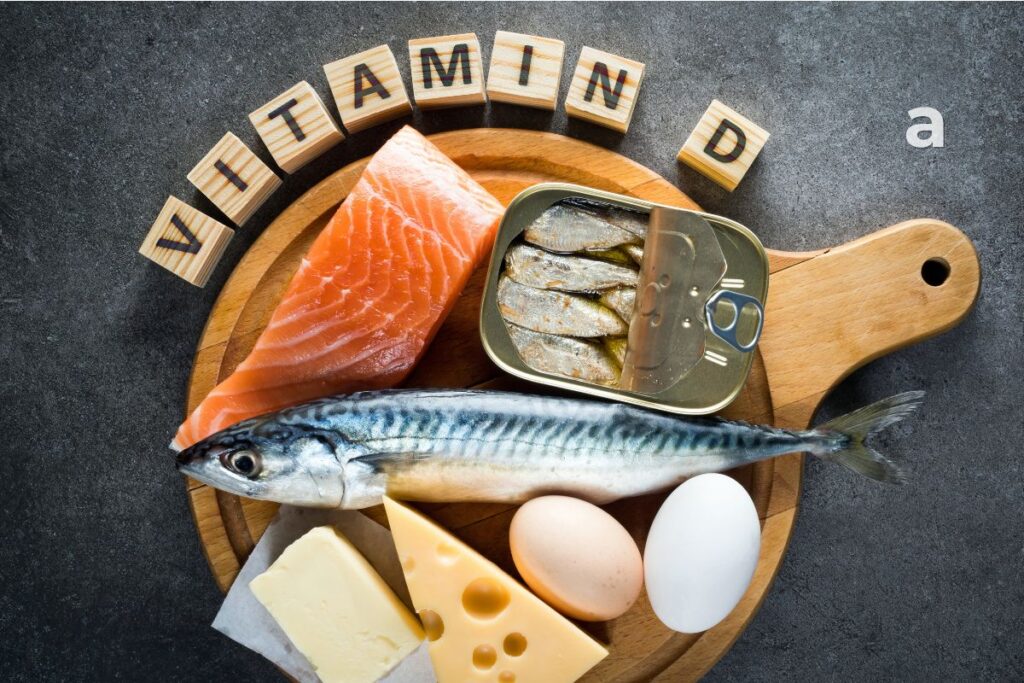
- Fatty fish such as salmon, mackerel, sardines, and trout
- Egg yolks
- Fish liver oils
- Fortified milk
- Fortified yogurt
- Fortified breakfast cereals
- UV-exposed mushrooms
Because relatively few foods naturally contain vitamin D, fortified foods often play an important role in helping people meet their daily needs.
Why Vitamin D Matters
Vitamin D supports many important functions throughout the body.
It helps:
- Absorb calcium and phosphorus
- Maintain healthy bones
- Support normal muscle function
- Contribute to healthy teeth
- Support normal immune function
- Assist nerve and muscle communication
- Support normal cellular processes
These roles explain why vitamin D is important throughout every stage of life—from childhood bone development to healthy ageing.
One of vitamin D’s most important jobs is helping the body absorb calcium from the intestine. Without enough vitamin D, calcium absorption becomes less efficient, making it more difficult to maintain healthy bones over time.
How Vitamin D Works Inside Your Body
Vitamin D follows a remarkable journey.
Step 1: Sunlight or Food
Vitamin D enters the body through:
- Sunlight exposure
- Foods
- Fortified foods
- Dietary supplements
Step 2: Liver
The liver converts vitamin D into 25-hydroxyvitamin D, the form commonly measured in blood tests to assess vitamin D status.
Step 3: Kidneys
The kidneys convert it into its active form, which allows vitamin D to carry out its biological functions throughout the body.
Once activated, vitamin D helps regulate calcium and phosphorus while supporting normal function in many organs and tissues.
Vitamin D Is More Than the “Sunshine Vitamin”
The nickname “sunshine vitamin” is accurate—but incomplete.
Vitamin D is involved in much more than sunlight exposure.
It contributes to:
- Bone health
- Calcium absorption
- Muscle function
- Immune function
- Healthy teeth
- Normal cell function
- Healthy ageing
This is why maintaining adequate vitamin D status remains important throughout life.
Food, Sunlight & Balance
Many people assume they must choose between sunlight and supplements.
In reality, vitamin D status is influenced by several factors, including:
- Sun exposure
- Geographic location
- Season
- Skin pigmentation
- Age
- Diet
- Overall health
Some people can maintain healthy vitamin D levels through sensible sunlight exposure and diet, while others may require supplements based on individual circumstances and medical advice.
Vitamin D and Calcium Work Together
Vitamin D and calcium have one of the closest partnerships in nutrition.
Vitamin D helps the intestine absorb calcium efficiently.
Without enough vitamin D, even a calcium-rich diet may not be used as effectively by the body.
Food First, Supplements When Needed
Vitamin D supplements can be beneficial for some individuals, but they should not automatically replace healthy lifestyle habits.
Whenever possible, focus on:
- Sensible sunlight exposure
- Vitamin D-rich foods
- Fortified foods
- Balanced nutrition
Supplements should be used when appropriate and, ideally, under the guidance of a qualified healthcare professional.
Key Takeaway
Vitamin D is a fat-soluble vitamin that helps your body absorb calcium, maintain healthy bones and teeth, support muscle function, and contribute to many essential physiological processes.
Although sunlight is an important source of vitamin D, diet and supplements may also play a role in maintaining healthy vitamin D levels. A balanced approach that combines sensible sun exposure, nutritious foods, and medical guidance when needed is the most effective strategy.
12 Science-Backed Vitamin D Benefits
Vitamin D is widely recognized for helping maintain healthy bones, but its role extends far beyond the skeleton.
After being activated in the body, vitamin D helps regulate calcium and phosphorus, supports muscle and nerve function, contributes to normal immune function, and influences many cellular processes. Research continues to explore additional roles, but the strongest evidence remains centered on bone health and calcium metabolism.
Let’s explore the most well-established vitamin D benefits.
1. Helps Your Body Absorb Calcium
One of the most important vitamin D benefits is helping your body absorb calcium from the foods you eat.
Without enough vitamin D:
- Calcium absorption becomes less efficient.
- Your body may have difficulty maintaining normal calcium balance.
- Bone health may be affected over time.
Vitamin D doesn’t replace calcium.
Instead, it helps your body use dietary calcium more effectively.
2. Supports Strong Bones
Healthy bones require both calcium and vitamin D.
Vitamin D helps maintain normal bone mineralization by supporting calcium and phosphorus balance.
Throughout life, bones constantly undergo bone remodeling, where old bone tissue is replaced with new bone tissue.
Adequate vitamin D intake helps support this ongoing process as part of an overall bone-healthy lifestyle.
However, bone health also depends on:
- Calcium
- Protein
- Magnesium
- Weight-bearing exercise
- Overall nutrition
Vitamin D is essential—but it is one part of a much bigger picture.
3. Supports Healthy Teeth
Vitamin D indirectly supports healthy teeth by helping the body absorb calcium and phosphorus.
These minerals contribute to the structure and strength of teeth throughout life.
Good oral health also depends on:
- Regular brushing
- Flossing
- Dental care
- Balanced nutrition
Vitamin D supports—but does not replace—these healthy habits.
4. Supports Normal Muscle Function
Vitamin D plays an important role in normal muscle function.
Muscle cells contain vitamin D receptors, and maintaining adequate vitamin D status supports normal muscle performance.
Healthy muscles are important for:
- Walking
- Climbing stairs
- Balance
- Everyday movement
Research on vitamin D supplements and muscle performance has shown mixed results in healthy adults, but correcting deficiency remains important.
5. Supports Normal Immune Function
Vitamin D contributes to the normal function of the immune system.
Immune cells contain vitamin D receptors, allowing vitamin D to participate in normal immune regulation.
Research is ongoing to better understand vitamin D’s broader role in immunity.
Current evidence supports maintaining adequate vitamin D status for normal immune function, but vitamin D should not be viewed as a cure or guaranteed prevention for infections or chronic diseases.
6. Supports Healthy Growth in Children
Children need vitamin D to help develop healthy bones and teeth.
Severe vitamin D deficiency during childhood can interfere with normal bone mineralization and may lead to rickets, a condition that affects developing bones.
A balanced diet, appropriate sunlight exposure, and medical guidance when needed help support healthy growth.
7. Supports Healthy Ageing
As people grow older, maintaining healthy bones and muscles becomes increasingly important.
Adequate vitamin D status supports healthy ageing by helping maintain normal calcium absorption and bone health.
Healthy ageing also depends on:
Vitamin D works together with these lifestyle factors.
8. Supports Normal Nerve Function
Vitamin D contributes to healthy neuromuscular function.
Together with calcium, it helps support the communication between nerves and muscles that allows smooth, coordinated movement.
Although this role receives less attention than bone health, it remains an important part of normal body function.
9. Supports Pregnancy and Breastfeeding
Vitamin D is important during pregnancy because it supports normal calcium metabolism and fetal skeletal development.
Pregnant and breastfeeding women should aim to meet recommended vitamin D intake through:
- Food
- Sensible sunlight exposure
- Supplements when medically recommended
Routine supplementation should follow healthcare guidance rather than self-prescription.
10. Helps Maintain Phosphorus Balance
Vitamin D helps regulate the absorption of both:
- Calcium
- Phosphorus
These minerals work together to support:
- Healthy bones
- Healthy teeth
- Normal cellular function
Balanced nutrition provides all of these nutrients together.
11. Encourages a Nutrient-Rich Lifestyle
Many vitamin D-rich foods are also rich in other important nutrients.
Examples include:
- Salmon
- Sardines
- Egg yolks
- Fortified milk
- Fortified yogurt
These foods often provide:
This is another reason why nutrition experts recommend food first whenever possible.
12. Works Together With Other Essential Nutrients
Vitamin D does not work alone.
It works closely with:
to support healthy bones, muscles, and many normal physiological processes.
Rather than focusing on one nutrient, building balanced meals naturally supports the body’s needs.
Why Food, Sunlight and Lifestyle Matter
After learning about vitamin D, it’s easy to assume that supplements are always the answer.
For many healthy people, maintaining vitamin D status involves a combination of:
- Sensible sunlight exposure
- Vitamin D-rich foods
- Fortified foods
- Supplements only when appropriate
No single source is ideal for everyone.
Age, location, season, skin pigmentation, clothing, and health conditions all influence vitamin D production and requirements.
Vitamin D Isn’t a Miracle Vitamin
Social media often claims that vitamin D can prevent or cure numerous diseases.
Current scientific evidence does not support many of these broad claims.
The strongest evidence supports vitamin D’s role in:
- Calcium absorption
- Bone health
- Prevention of deficiency-related bone disorders
- Normal muscle function
- Normal immune function
Research into additional health effects is ongoing, but results remain mixed for many conditions.
Key Takeaway
Vitamin D helps your body absorb calcium, maintain healthy bones and teeth, support normal muscle and immune function, contribute to nerve function, and regulate calcium and phosphorus balance.
Rather than relying on supplements alone, most people benefit from a balanced approach that combines appropriate sunlight exposure, vitamin D-rich foods, fortified foods, and supplementation only when medically appropriate.
How Much Vitamin D Do You Need Every Day?
Vitamin D is essential throughout life, but your daily vitamin D needs vary depending on age and life stage.
Unlike many nutrients, vitamin D comes from three main sources:
- Sunlight
- Food
- Dietary supplements (when needed)
For many people, maintaining healthy vitamin D levels involves a combination of all three. Because sunlight exposure differs based on location, season, skin tone, clothing, and lifestyle, dietary intake remains important even in sunny countries.
Recommended Daily Vitamin D Intake
Health authorities recommend the following daily intake for healthy individuals.
| Group | Daily Vitamin D |
|---|---|
| Infants (0–12 months) | 10 mcg (400 IU) |
| Children (1–18 years) | 15 mcg (600 IU) |
| Adults (19–70 years) | 15 mcg (600 IU) |
| Adults (71+ years) | 20 mcg (800 IU) |
These recommendations assume minimal sun exposure and include vitamin D obtained from foods, fortified foods, and supplements.
Vitamin D During Pregnancy
Vitamin D supports the normal development of the baby’s:
- Bones
- Teeth
- Muscles
- Nervous system
The recommended intake for most pregnant adults is:
15 mcg (600 IU) per day
Most healthy pregnant women can meet these needs through an appropriate combination of diet, sunlight, and supplements when recommended by their healthcare professional.
Vitamin D While Breastfeeding
Breastfeeding mothers also require:
15 mcg (600 IU) per day
Maintaining adequate vitamin D intake supports maternal health throughout breastfeeding.
Some breastfed infants may also require vitamin D supplementation based on recommendations from their healthcare provider.
Why Older Adults Need More Vitamin D
As we age, the skin becomes less efficient at producing vitamin D from sunlight.
Older adults may also:
- Spend less time outdoors
- Have reduced dietary intake
- Experience changes in vitamin D metabolism
For these reasons, adults over 70 years generally require 20 mcg (800 IU) daily.
Can You Get Enough Vitamin D From Food Alone?
For many people, obtaining enough vitamin D from food alone can be challenging.
Unlike calcium or potassium, very few foods naturally contain significant amounts of vitamin D.
Natural food sources include:
- Fatty fish
- Egg yolks
- Beef liver
- UV-exposed mushrooms
Many people also obtain vitamin D from fortified foods such as:
- Milk
- Yogurt
- Breakfast cereals
- Soy milk
- Oat milk
Because natural food sources are limited, fortified foods often make an important contribution to daily intake.
Best Natural Sources of Vitamin D
Excellent sources include:
- Salmon
- Trout
- Sardines
- Mackerel
- Tuna
- Egg yolks
- Beef liver
- UV-exposed mushrooms
We’ll discuss these foods in detail later in this guide.
Does Sunlight Provide Enough Vitamin D?
Sunlight is the body’s primary natural source of vitamin D.
When ultraviolet B (UVB) rays reach the skin, the body begins producing vitamin D naturally.
However, the amount produced depends on many factors, including:
- Time of day
- Season
- Latitude
- Cloud cover
- Air pollution
- Skin pigmentation
- Clothing
- Sunscreen use
- Age
Because these factors vary widely, there is no single number of minutes in the sun that works for everyone. Public health guidance generally recommends balancing sensible sun exposure with skin cancer prevention rather than aiming for a fixed duration.
Vitamin D in India
Many people assume vitamin D deficiency is uncommon in India because the country receives abundant sunshine.
Surprisingly, vitamin D deficiency is still frequently reported.
Possible reasons include:
- Indoor lifestyles
- Office work
- Air pollution
- Clothing that limits skin exposure
- Consistent sunscreen use
- Limited intake of vitamin D-rich foods
This shows that living in a sunny climate does not automatically guarantee adequate vitamin D status.
Vegetarian Sources of Vitamin D
Vitamin D can be more challenging to obtain from vegetarian diets because relatively few plant foods naturally contain it.
Vegetarian-friendly options include:
- Fortified milk
- Fortified soy milk
- Fortified oat milk
- Fortified breakfast cereals
- UV-exposed mushrooms
Because natural plant sources are limited, fortified foods can play an important role for vegetarians.
Does Everyone Need a Vitamin D Supplement?
No.
Many healthy people maintain adequate vitamin D through a combination of:
- Sensible sunlight exposure
- Vitamin D-rich foods
- Fortified foods
However, supplements may be appropriate for people with:
- Documented vitamin D deficiency
- Limited sun exposure
- Certain medical conditions
- Increased nutritional requirements
Supplementation should ideally be based on individual needs and healthcare advice.
Can You Get Too Much Vitamin D?
Yes.
Unlike sunlight, vitamin D supplements can lead to excessive intake if used in very high doses over time.
Vitamin D toxicity is uncommon but can occur with prolonged excessive supplementation, leading to elevated calcium levels (hypercalcemia). Sun exposure and ordinary foods do not typically cause vitamin D toxicity.
Vitamin D and Calcium Work Together
Vitamin D helps your body absorb calcium efficiently.
Without enough vitamin D, your body cannot make full use of the calcium in your diet.
This is why discussions about bone health almost always include both nutrients.
Vitamin D and Magnesium
Vitamin D metabolism also depends on magnesium, which participates in several enzymatic processes involved in activating vitamin D.
A balanced diet that provides both nutrients supports normal physiological function.
Vitamin D and Protein
Healthy bones depend on more than calcium and vitamin D.
Protein provides the structural framework of bone tissue, while vitamin D supports calcium utilization.
A balanced diet should include adequate protein alongside vitamin D-rich foods.
Food First Still Wins
Before purchasing vitamin D supplements, consider your overall lifestyle.
Ask yourself:
- Do I spend some time outdoors regularly?
- Do I include vitamin D-rich or fortified foods in my diet?
- Has a healthcare professional advised supplementation?
These questions are often more useful than focusing on supplements alone.
Key Takeaway
Most adults require 15 mcg (600 IU) of vitamin D daily, while adults over 70 generally require 20 mcg (800 IU).
Because few foods naturally contain vitamin D, maintaining healthy levels often involves a combination of sensible sunlight exposure, vitamin D-rich foods, fortified foods, and supplements when medically appropriate. Rather than relying on one source, aim for a balanced approach that supports your overall health.
20 Best Vitamin D-Rich Foods to Add to Your Diet
Unlike nutrients such as calcium or potassium, very few foods naturally contain significant amounts of vitamin D. For most people, vitamin D comes from a combination of sunlight, food, fortified foods, and supplements when medically appropriate. Fortified foods contribute a large share of dietary vitamin D in many countries.
Instead of relying on a single food, aim to include a variety of vitamin D sources throughout the week.
Note: The vitamin D values below are approximate and may vary depending on the food variety, preparation method, fortification, and brand.
1. Salmon
Salmon is one of the richest natural sources of vitamin D.
A cooked serving provides substantial amounts of vitamin D together with:
- High-quality protein
- Omega-3 fatty acids
- Vitamin B12
- Selenium
Salmon is also an excellent food for supporting overall nutritional quality.

2. Rainbow Trout
Rainbow trout contains even more vitamin D than many other fish.
It also provides:
- Protein
- Omega-3 fats
- Phosphorus
Regular fish consumption contributes many nutrients—not just vitamin D.
3. Sardines
Sardines are nutrient-dense and naturally provide:
- Vitamin D
- Calcium (when the edible bones are eaten)
- Protein
- Healthy fats
This makes them one of the few foods supplying both vitamin D and calcium together.
4. Mackerel
Mackerel is another oily fish naturally rich in vitamin D.
It also supplies:
- Protein
- Omega-3 fats
- Vitamin B12
5. Tuna
Fresh and canned tuna contribute moderate amounts of vitamin D.
They also provide:
- Lean protein
- Selenium
- Vitamin B12
Choose lower-mercury varieties more often as part of a balanced seafood intake.
6. Cod Liver Oil
Cod liver oil contains very high amounts of vitamin D.
It also provides vitamin A.
Because it is highly concentrated, it should only be used according to product instructions or healthcare advice.
7. Egg Yolks
Vitamin D is found in the yolk, not the egg white.
Whole eggs also provide:
- Protein
- Choline
- Vitamin B12
Including whole eggs can contribute small but useful amounts of vitamin D.
8. UV-Exposed Mushrooms
Most mushrooms naturally contain very little vitamin D.
However, mushrooms exposed to ultraviolet (UV) light produce vitamin D₂ and can become one of the best vegetarian sources.
9. Fortified Milk
Many brands of milk are fortified with vitamin D.
Fortified milk also supplies:
This combination supports healthy bones and muscles.
10. Fortified Yogurt
Some yogurts are fortified with vitamin D.
They also provide:
- Calcium
- Protein
- Beneficial live cultures (where present)
“Gut Health in beneficial live cultures…”
11. Fortified Soy Milk
Fortified soy beverages are excellent choices for people avoiding dairy.
Depending on the brand, they often provide:
- Vitamin D
- Calcium
- Plant protein
Always check the Nutrition Facts label.
12. Fortified Oat Milk
Many oat beverages are fortified with vitamin D and calcium.
Fortification levels vary between manufacturers.
13. Fortified Almond Milk
Many almond beverages are also fortified.
Choose unsweetened varieties whenever possible.
14. Fortified Breakfast Cereals
Many breakfast cereals contain added vitamin D.
When choosing cereals, also look for:
- Whole grains
- Lower added sugar
- Higher fiber
15. Beef Liver
Beef liver naturally contains small amounts of vitamin D.
It also provides:
- Vitamin A
- Iron
- Vitamin B12
Because liver is also rich in vitamin A, moderation is generally recommended.
16. Cheese
Cheese naturally contains only small amounts of vitamin D unless fortified.
It remains a useful food because it also provides:
- Calcium
- Protein
17. Fortified Orange Juice
Some brands of orange juice are fortified with vitamin D.
Check the label because fortification is optional.
18. Margarine and Spreads (Fortified)
In some countries, certain margarines and spreads are fortified with vitamin D.
The amount varies by manufacturer and region.
19. Infant Formula (Fortified)
Commercial infant formulas are fortified with vitamin D according to regulatory standards.
Parents should always follow pediatric guidance regarding infant feeding.
20. Fortified Plant-Based Yogurts
Many plant-based yogurts made from:
- Soy
- Oats
- Coconut
are fortified with vitamin D.
Always compare nutrition labels because nutrient levels differ considerably between brands.
Quick Vitamin D Food Chart
| Food | Typical Serving | Approx. Vitamin D |
|---|---|---|
| Cod liver oil | 1 tbsp | ~34 mcg (1,360 IU) |
| Rainbow trout | 3 oz (85 g) | ~16 mcg (645 IU) |
| Salmon | 3 oz (85 g) | ~14 mcg (570 IU) |
| UV-exposed mushrooms | ½ cup | ~9 mcg (366 IU) |
| Fortified milk | 1 cup | ~3 mcg (120 IU) |
| Fortified soy/oat milk | 1 cup | ~2.5–3.6 mcg |
| Fortified cereal | 1 serving | ~2 mcg |
| Sardines | 2 sardines | ~1.2 mcg |
| Egg | 1 large | ~1.1 mcg |
| Beef liver | 3 oz (85 g) | ~1 mcg |
Values are approximate and depend on preparation and fortification.
Best Vegetarian Sources of Vitamin D
Vegetarian diets contain relatively few natural vitamin D sources.
The best options include:
- UV-exposed mushrooms
- Fortified milk
- Fortified soy milk
- Fortified oat milk
- Fortified breakfast cereals
- Egg yolks (for ovo-vegetarians)
Fortified foods are particularly helpful because naturally occurring vitamin D in plant foods is limited.
Best Indian-Friendly Vitamin D Foods
Many foods commonly available in India can contribute vitamin D.
Examples include:
- Salmon (where available)
- Sardines
- Mackerel (Bangda)
- Egg yolks
- Fortified milk
- Fortified curd
- UV-exposed mushrooms
- Fortified breakfast cereals
When combined with sensible sunlight exposure, these foods help support healthy vitamin D intake.
Vitamin D-Rich Breakfast Ideas
Option 1
Fortified milk with whole-grain cereal
Option 2
Whole eggs with whole-wheat toast
Option 3
Fortified yogurt with fruit
Option 4
Fortified soy milk smoothie
Option 5
Oats prepared with fortified milk
Vitamin D-Rich Lunch Ideas
Option 1
Grilled salmon with vegetables
Option 2
Egg curry with brown rice
Option 3
Mushroom stir-fry with tofu
Option 4
Sardines with whole-grain roti and salad
Vitamin D-Rich Snack Ideas
Try:
- Fortified yogurt
- Boiled eggs
- Fortified milk
- Cheese (in moderation)
- Fortified plant yogurt
Vitamin D and Calcium Work Best Together
Vitamin D’s best-known role is helping your body absorb calcium efficiently.
This partnership helps support healthy bones and teeth.
Vitamin D and Magnesium
Your body requires magnesium to activate vitamin D.
Many nutritious foods naturally provide both nutrients as part of a balanced diet.
Food First Still Wins
Although vitamin D supplements are useful for some individuals, healthy eating should remain the foundation.
Including vitamin D-rich and fortified foods regularly helps improve overall nutrition while providing:
- Protein
- Calcium
- Healthy fats
- Vitamin B12
- Other essential nutrients
Supplements should complement—not replace—a healthy dietary pattern.
Key Takeaway
Some of the best vitamin D sources include salmon, trout, sardines, mackerel, egg yolks, UV-exposed mushrooms, and fortified milk, yogurt, cereals, and plant-based beverages.
Because very few foods naturally contain vitamin D, combining nutrient-rich foods with sensible sunlight exposure—and supplements when medically appropriate—is often the most practical way to maintain healthy vitamin D levels.
Vitamin D Deficiency: Signs, Causes & Who Is at Risk?
Vitamin D deficiency is one of the most common nutrient deficiencies worldwide.
Although vitamin D is often called the “sunshine vitamin,” many people do not maintain adequate vitamin D levels because of limited sun exposure, dietary habits, age, medical conditions, or other lifestyle factors.
One challenge is that vitamin D deficiency may develop gradually, and many people have no obvious symptoms until deficiency becomes more significant.
Let’s explore what current scientific evidence tells us about vitamin D deficiency.
What Is Vitamin D Deficiency?
Vitamin D deficiency occurs when your body does not have enough vitamin D to support normal physiological functions, particularly those related to calcium absorption and bone health.
Healthcare professionals usually diagnose vitamin D deficiency using a blood test that measures:
25-hydroxyvitamin D [25(OH)D]
This is the primary laboratory test used to evaluate vitamin D status.
Blood test results should always be interpreted in the context of a person’s:
- Age
- Medical history
- Symptoms
- Medications
- Overall health
Vitamin D deficiency is not diagnosed based on symptoms alone.
Why Does Vitamin D Deficiency Matter?
Vitamin D helps regulate calcium and phosphorus absorption.
When vitamin D levels remain too low for a prolonged period, the body becomes less efficient at absorbing calcium from food.
Over time, this may affect:
- Bone health
- Muscle function
- Overall mineral balance
In children, severe vitamin D deficiency can contribute to rickets, while in adults it may contribute to osteomalacia, conditions that affect normal bone mineralization.
What Are the Early Signs of Vitamin D Deficiency?
Many people experience no symptoms at all.
When symptoms occur, they may include:
- Fatigue
- Muscle weakness
- Muscle aches
- Bone discomfort
- Reduced physical performance
These symptoms are not specific to vitamin D deficiency and can occur with many other medical conditions.
A blood test is required to confirm deficiency.
Can Vitamin D Deficiency Cause Bone Pain?
Yes, it can.
Vitamin D helps the body maintain healthy bone mineralization by supporting calcium absorption.
When deficiency becomes significant, some people may experience:
- Bone pain
- Bone tenderness
- Increased risk of fractures over time
However, bone pain has many possible causes and should always be properly evaluated.
Can Low Vitamin D Cause Muscle Weakness?
Yes.
Vitamin D supports normal muscle function.
Some individuals with vitamin D deficiency may experience:
- Muscle weakness
- Difficulty climbing stairs
- Reduced balance
- General fatigue
Correcting deficiency under medical guidance may improve these symptoms when vitamin D deficiency is the underlying cause.
Does Vitamin D Deficiency Affect Children?
Yes.
Children require vitamin D for normal bone development.
Severe deficiency during childhood may lead to rickets, a condition characterized by poor bone mineralization and skeletal abnormalities.
Fortunately, rickets is largely preventable through adequate vitamin D intake and appropriate medical care.
What Causes Vitamin D Deficiency?
Several factors can contribute.
1. Limited Sun Exposure
Because sunlight is the body’s primary natural source of vitamin D, limited exposure can reduce vitamin D production.
Examples include:
- Spending most of the day indoors
- Working in offices
- Night-shift work
- Living in institutions
- Consistently covering most of the skin outdoors
2. Low Dietary Intake
Very few foods naturally contain vitamin D.
People who rarely consume:
- Fatty fish
- Fortified dairy products
- Fortified plant beverages
- Egg yolks
may obtain relatively little vitamin D from food alone.
3. Darker Skin Pigmentation
Melanin helps protect the skin from ultraviolet radiation.
However, higher melanin levels also reduce the skin’s ability to produce vitamin D from sunlight.
This simply means that some individuals may require more sun exposure than others to produce similar amounts of vitamin D.
4. Ageing
As people grow older, the skin becomes less efficient at producing vitamin D.
Older adults may also spend less time outdoors and have changes in vitamin D metabolism.
5. Obesity
Vitamin D is a fat-soluble vitamin.
Research suggests that obesity may influence vitamin D status because vitamin D can become distributed within body fat, making less available in the circulation.
6. Digestive Disorders
Certain gastrointestinal conditions may reduce the absorption of fat-soluble vitamins, including vitamin D.
Examples include conditions affecting nutrient absorption after intestinal surgery or chronic digestive diseases.
7. Liver or Kidney Disease
The liver and kidneys help convert vitamin D into its active form.
Diseases affecting these organs may interfere with normal vitamin D metabolism.
8. Certain Medications
Some medications may reduce vitamin D levels or affect vitamin D metabolism.
Examples include certain:
- Anti-seizure medications
- Corticosteroids
- Weight-loss medications that reduce fat absorption
Medication-related concerns should always be discussed with a healthcare professional.
Who Is More Likely to Develop Vitamin D Deficiency?
Certain groups have a higher risk.
Older Adults
Reduced vitamin D production and less time outdoors increase the likelihood of deficiency.
Infants
Breastfed infants may require vitamin D supplementation based on pediatric recommendations.
Pregnant and Breastfeeding Women
Meeting vitamin D requirements remains important throughout pregnancy and breastfeeding.
People Who Rarely Go Outdoors
Office workers, shift workers, and people with limited mobility may receive less sunlight.
People Living in Colder Climates
Winter months and higher latitudes reduce ultraviolet B (UVB) exposure.
People With Digestive Disorders
Conditions affecting fat absorption may reduce vitamin D absorption.
Individuals With Obesity
Vitamin D metabolism may differ, increasing the likelihood of lower circulating vitamin D levels.
Vitamin D Deficiency in India
Although India receives abundant sunshine, vitamin D deficiency remains common.
Contributing factors include:
- Indoor lifestyles
- Urban living
- Air pollution
- Limited skin exposure
- Low intake of vitamin D-rich foods
This demonstrates that sunny weather alone does not guarantee healthy vitamin D levels.
How Is Vitamin D Deficiency Diagnosed?
Healthcare professionals usually evaluate:
- Medical history
- Symptoms
- Lifestyle
- Diet
- Blood tests
The primary laboratory test measures:
25-hydroxyvitamin D [25(OH)D]
Additional evaluation may include:
- Calcium
- Phosphorus
- Parathyroid hormone (PTH)
- Kidney function
These tests help identify both deficiency and possible underlying causes.
Should You Test Vitamin D at Home?
Home testing kits are available in some regions.
However, interpreting vitamin D results requires medical context.
Testing should ideally be discussed with a qualified healthcare professional, particularly if symptoms or underlying medical conditions are present.
Can You Treat Vitamin D Deficiency With More Sunlight Alone?
Sometimes—but not always.
The answer depends on factors such as:
- Severity of deficiency
- Season
- Geographic location
- Skin pigmentation
- Medical conditions
Some people may require dietary changes or supplements in addition to sensible sunlight exposure.
Vitamin D and Calcium Work Together
Vitamin D helps the body absorb calcium, making both nutrients essential for healthy bones.
Without enough vitamin D, calcium absorption becomes less efficient.
Vitamin D and Magnesium
Magnesium helps activate vitamin D within the body.
A balanced diet should include both nutrients.
Vitamin D and Protein
Healthy bones require more than calcium and vitamin D.
Protein provides the structural framework of bone tissue.
Stay Hydrated Too
Although water does not increase vitamin D levels, good hydration supports overall health and normal physiological function.
Healthy nutrition always works best as part of an overall healthy lifestyle.
Don’t Self-Diagnose Vitamin D Deficiency
Many symptoms associated with vitamin D deficiency can also occur because of:
- Iron deficiency
- Thyroid disorders
- Magnesium deficiency
- Chronic illness
- Poor sleep
- Stress
- Other nutritional deficiencies
Symptoms alone cannot confirm vitamin D deficiency.
A blood test remains the most reliable method of diagnosis.
When Should You Seek Medical Advice?
Speak with a healthcare professional if you experience:
- Persistent bone pain
- Ongoing muscle weakness
- Frequent unexplained fractures
- Symptoms that interfere with daily life
- Concerns about vitamin D deficiency due to a medical condition or medication
Medical advice is also important before taking high-dose vitamin D supplements, as excessive intake can be harmful.
Key Takeaway
Vitamin D deficiency is common and may develop because of limited sun exposure, low dietary intake, ageing, digestive disorders, obesity, liver or kidney disease, or certain medications.
Many people have no obvious symptoms, while others may experience fatigue, muscle weakness, or bone discomfort. Because these symptoms have many possible causes, vitamin D deficiency should be confirmed with a 25-hydroxyvitamin D [25(OH)D] blood test and evaluated by a qualified healthcare professional before treatment begins.
Vitamin D, Calcium & Bones: How They Work Together
Vitamin D is often discussed alongside calcium—and for good reason.
While calcium provides the primary mineral that gives bones their strength, vitamin D helps your body absorb and use that calcium effectively. Without adequate vitamin D, even a calcium-rich diet cannot perform its full role in supporting healthy bones.
However, the relationship doesn’t end there.
Healthy bones, muscles, and overall movement depend on a network of nutrients working together, including calcium, vitamin D, magnesium, phosphorus, protein, and regular physical activity.
Let’s explore how these nutrients support one another.
Vitamin D and Calcium: A Powerful Partnership
One of the best-known functions of vitamin D is helping your body absorb calcium from the small intestine.
Think of it this way:
- Calcium provides the building material.
- Vitamin D helps your body use that building material efficiently.
Without enough vitamin D:
- Calcium absorption decreases.
- The body may draw calcium from bones to help maintain normal blood calcium levels.
- Bone health may gradually be affected over time.
This is why healthcare professionals frequently evaluate calcium and vitamin D together.
How Bones Continuously Renew Themselves
Many people imagine bones as permanent structures.
In reality, bones are living tissue.
Throughout life they undergo a continuous process called bone remodeling.
This involves:
- Removing old bone tissue
- Building new bone tissue
- Maintaining bone strength
- Repairing microscopic damage
Bone remodeling occurs throughout life.
Healthy remodeling depends on:
- Calcium
- Vitamin D
- Protein
- Magnesium
- Phosphorus
- Weight-bearing exercise
No single nutrient can perform all of these functions alone.
Vitamin D Helps Maintain Bone Mineralization
Bone mineralization is the process through which calcium and phosphorus become incorporated into bone tissue.
Vitamin D supports this process by helping maintain adequate levels of these minerals.
Healthy bone mineralization contributes to:
- Strong bones
- Healthy teeth
- Normal skeletal development
During childhood, proper mineralization supports normal growth.
During adulthood, it helps maintain bone strength.
Vitamin D and Muscle Function
Vitamin D is important for more than bones.
Muscle cells contain vitamin D receptors, highlighting its role in supporting normal muscle function.
Healthy muscles help you:
- Walk
- Climb stairs
- Lift objects
- Maintain balance
- Stay physically active
Strong muscles also help protect bones by reducing the likelihood of falls and supporting healthy movement.
Vitamin D and Balance
Maintaining balance becomes increasingly important as we age.
Good balance depends on:
- Healthy muscles
- Healthy nerves
- Vision
- Inner ear function
- Physical activity
Vitamin D supports normal muscle function, which is one of several factors involved in maintaining mobility and balance.
Vitamin D and Healthy Ageing
As we grow older:
- Skin produces less vitamin D from sunlight.
- Bone remodeling changes naturally.
- Muscle strength may gradually decline.
Maintaining adequate vitamin D intake becomes increasingly important as part of an overall healthy ageing strategy.
Healthy ageing also depends on:
Vitamin D supports—but does not replace—these healthy lifestyle habits.
Vitamin D and Phosphorus
Vitamin D helps regulate the absorption of phosphorus, another mineral that works alongside calcium.
Together, calcium and phosphorus form hydroxyapatite, the mineral that provides bones and teeth with their hardness.
Most healthy diets naturally provide enough phosphorus.
Vitamin D helps ensure these minerals are used efficiently.
Vitamin D and Magnesium
Many people don’t realize that vitamin D depends on magnesium for several activation steps inside the body.
Magnesium supports enzymes involved in converting vitamin D into its active form.
This doesn’t mean everyone needs magnesium supplements.
Instead, it highlights the importance of eating a balanced diet that naturally provides both nutrients.
Foods rich in magnesium include:
- Nuts
- Seeds
- Beans
- Whole grains
- Leafy green vegetables
Vitamin D and Protein
Protein is often associated with muscles, but it also plays an important role in bone health.
Bones contain a protein framework called collagen.
Calcium and phosphorus strengthen this framework, while vitamin D helps regulate the absorption of the minerals involved.
Healthy bones depend on:
- Protein
- Calcium
- Vitamin D
- Physical activity
—not on any single nutrient.
Vitamin D and Potassium
Vitamin D and potassium support different—but complementary—functions.
Potassium contributes to:
- Normal muscle contraction
- Nerve signalling
- Fluid balance
Vitamin D supports:
- Calcium absorption
- Bone health
- Muscle function
A balanced diet naturally provides both nutrients through whole foods.
Vitamin D and Hydration
Although hydration does not directly increase vitamin D levels, adequate hydration supports overall health and normal physiological function.
During hot weather, outdoor activity, or exercise, maintaining hydration is especially important when spending time outside in the sun.
Water remains the best choice for everyday hydration.
Vitamin D, Fiber and Gut Health
Some vitamin D-rich foods—such as fortified cereals and certain mushrooms—also contribute dietary fiber.
In addition, maintaining a healthy digestive system supports overall nutrition because nutrients must be properly absorbed from the intestine.
A balanced eating pattern that includes fruits, vegetables, legumes, whole grains, and fermented foods contributes to overall gut health, even though vitamin D itself is primarily absorbed as a fat-soluble nutrient.
Exercise Is Just as Important
Nutrition alone cannot maintain lifelong bone health.
Regular physical activity—especially weight-bearing and muscle-strengthening exercises—helps stimulate healthy bones.
Examples include:
- Walking
- Jogging
- Dancing
- Resistance training
- Stair climbing
- Tennis
Exercise and good nutrition work best together.
Healthy Bones Require Teamwork
Instead of asking:
“Which nutrient is most important?”
A better question is:
“Am I supporting my bones with all the nutrients they need?”
Healthy bones rely on:
- Vitamin D
- Calcium
- Protein
- Magnesium
- Phosphorus
- Physical activity
- Healthy lifestyle habits
This team approach is far more effective than focusing on a single vitamin.
Food First Still Wins
Supplements may be appropriate in some situations, but food remains the preferred foundation.
For example:
Fortified milk provides:
- Vitamin D
- Calcium
- Protein
Salmon provides:
- Vitamin D
- Protein
- Omega-3 fats
Eggs provide:
- Vitamin D
- Protein
- Choline
Whole foods naturally deliver combinations of nutrients that support overall health.
Key Takeaway
Vitamin D works closely with calcium, magnesium, phosphorus, and protein to support healthy bones, muscles, and normal body function.
Rather than relying on one nutrient alone, aim for a balanced lifestyle that includes nutritious foods, sensible sunlight exposure, regular physical activity, and supplements only when medically appropriate. This comprehensive approach provides the strongest foundation for lifelong bone and muscle health.
Vitamin D Supplements: Benefits, Risks & Who Should Avoid Them?
Vitamin D is an essential nutrient, but that doesn’t mean everyone needs a vitamin D supplement.
For many healthy people, vitamin D comes from a combination of sensible sunlight exposure, vitamin D-rich foods, fortified foods, and supplements when medically appropriate.
Because vitamin D deficiency is common worldwide, supplements can play an important role for certain individuals. However, they should complement a healthy lifestyle—not replace it.
Let’s look at what current scientific evidence tells us.
Do Most People Need Vitamin D Supplements?
Not necessarily.
Whether someone needs a supplement depends on several factors, including:
- Vitamin D status
- Sunlight exposure
- Diet
- Age
- Medical conditions
- Pregnancy
- Medications
Healthcare professionals may recommend vitamin D supplements for people with:
- Documented vitamin D deficiency
- Limited sun exposure
- Osteoporosis or osteomalacia
- Certain digestive disorders
- Older age
- Conditions affecting vitamin D absorption or metabolism
For many healthy adults, improving diet and maintaining appropriate sunlight exposure are the first steps.
Food and Sunlight Come First
Whenever possible, aim to obtain vitamin D through a balanced lifestyle.
This includes:
- Safe sunlight exposure
- Fatty fish
- Egg yolks
- UV-exposed mushrooms
- Fortified milk
- Fortified yogurt
- Fortified plant-based beverages
Whole foods provide much more than vitamin D.
For example:
Salmon provides:
- Vitamin D
- Protein
- Omega-3 fats
- Vitamin B12
Fortified milk provides:
Whole foods naturally combine several nutrients that support overall health.
Vitamin D₂ vs. Vitamin D₃
The two main forms of vitamin D supplements are:
Vitamin D₂ (Ergocalciferol)
- Usually derived from plant or fungal sources
- Commonly used in some prescription products
- Helps raise vitamin D levels
Vitamin D₃ (Cholecalciferol)
- The form naturally produced in human skin after sunlight exposure
- Found in many over-the-counter supplements
- Also present in some animal-based foods
Both vitamin D₂ and vitamin D₃ can help improve vitamin D status, although some studies suggest that vitamin D₃ may raise and maintain blood vitamin D levels more effectively in many individuals. Treatment decisions should be based on healthcare guidance and individual needs.
Are Vitamin D Supplements Effective?
Vitamin D supplements are effective when they are used to prevent or correct vitamin D deficiency.
They are commonly recommended for people with laboratory-confirmed deficiency or increased risk of deficiency.
However, taking vitamin D supplements without deficiency does not automatically provide additional health benefits.
More is not always better.
Can You Take Vitamin D Every Day?
Yes—when taken in appropriate amounts.
Many vitamin D supplements are designed for daily use.
The appropriate dose depends on:
- Age
- Blood vitamin D levels
- Medical conditions
- Healthcare recommendations
Never assume that higher doses are healthier.
What Happens If You Take Too Much Vitamin D?
Unlike sunlight, vitamin D supplements can cause excessive intake if used in very large doses over time.
Excess vitamin D increases calcium absorption and may lead to hypercalcemia (high blood calcium).
Possible symptoms include:
- Nausea
- Vomiting
- Constipation
- Frequent urination
- Excessive thirst
- Muscle weakness
- Confusion
Vitamin D toxicity is uncommon, but it can occur with prolonged excessive supplementation.
What Is the Upper Safe Limit?
Health authorities have established Tolerable Upper Intake Levels (ULs) for vitamin D.
For most adults:
100 mcg (4,000 IU) per day
is considered the upper intake level unless supervised by a healthcare professional.
Higher doses may sometimes be prescribed for short periods to treat deficiency, but this should always occur under medical supervision.
Can Sunlight Cause Vitamin D Toxicity?
No.
Your body naturally limits how much vitamin D is produced from sunlight.
Vitamin D toxicity is almost always associated with excessive supplementation, not ordinary sun exposure.
This is one reason why sensible sunlight remains a safe natural source for most healthy individuals while still protecting the skin from excessive ultraviolet exposure.
Who May Benefit From Vitamin D Supplements?
Healthcare professionals may recommend supplementation for:
Older Adults
Reduced skin production and limited outdoor activity may increase the likelihood of deficiency.
People With Confirmed Vitamin D Deficiency
Blood testing helps determine whether treatment is necessary.
People With Limited Sun Exposure
Examples include:
- Office workers
- Night-shift workers
- Nursing home residents
- Individuals who remain indoors for long periods
People With Digestive Disorders
Conditions that reduce fat absorption may interfere with vitamin D absorption.
Pregnant and Breastfeeding Women
Some individuals may require supplementation based on dietary intake, blood levels, and healthcare recommendations.
Infants
Breastfed infants are often recommended vitamin D supplementation because breast milk alone may not provide enough vitamin D.
Parents should always follow pediatric guidance.
Who Should Be Careful With Vitamin D Supplements?
Extra caution is advised for people with:
- Hypercalcemia
- Certain kidney disorders
- Sarcoidosis
- Primary hyperparathyroidism
- Certain granulomatous diseases
These conditions may alter vitamin D metabolism and increase the risk of complications.
Can Vitamin D Interact With Medications?
Yes.
Some medications can affect vitamin D absorption or metabolism.
Examples include certain:
- Corticosteroids
- Anti-seizure medications
- Weight-loss medications that reduce fat absorption
- Cholesterol-lowering bile acid sequestrants
Always tell your healthcare professional about any supplements you take.
Should You Take Vitamin D With Food?
Yes.
Because vitamin D is a fat-soluble vitamin, it is generally absorbed better when taken with a meal that contains some dietary fat.
Examples include meals containing:
- Nuts
- Seeds
- Dairy products
- Eggs
- Fish
- Avocado
A balanced meal may improve absorption compared with taking the supplement on an empty stomach.
Is Vitamin D Better From Food or Supplements?
For most healthy people:
Food and sunlight come first.
Supplements help fill nutritional gaps when needed.
Food offers many additional nutrients that supplements cannot fully replace.
For example:
Salmon provides:
- Vitamin D
- Protein
- Omega-3 fats
Fortified yogurt provides:
- Vitamin D
- Calcium
- Protein
Healthy eating remains the foundation.
Can Children Take Vitamin D Supplements?
Yes—but only in appropriate doses.
Vitamin D supplementation for infants and children should follow recommendations from a pediatrician or qualified healthcare professional.
Parents should never give high-dose adult supplements to children.
Vitamin D During Pregnancy
Vitamin D is important during pregnancy.
However, supplementation should follow medical advice rather than self-prescription.
Healthcare professionals consider:
- Diet
- Blood vitamin D levels
- Medical history
- Individual risk factors
before recommending supplements.
Vitamin D and Calcium Work Together
Vitamin D supplements are often discussed alongside calcium because vitamin D helps improve calcium absorption.
For some individuals with low dietary calcium intake or specific medical conditions, healthcare professionals may recommend both nutrients together.
Vitamin D and Magnesium
Magnesium supports the activation of vitamin D in the body.
A balanced diet that includes nuts, seeds, legumes, and leafy green vegetables naturally provides magnesium.
Don’t Self-Prescribe High Doses
Social media often promotes extremely high-dose vitamin D supplementation.
This is not evidence-based for most healthy people.
Instead:
✔ Test if clinically appropriate.
✔ Follow healthcare advice.
✔ Use the recommended dose.
✔ Recheck levels if advised.
This approach is safer than taking large doses indefinitely.
Food First Still Wins
Before buying vitamin D supplements, ask yourself:
- Do I spend some time outdoors most days?
- Do I eat vitamin D-rich or fortified foods?
- Has a healthcare professional recommended supplementation?
- Have I had a blood test confirming deficiency?
For many people, improving everyday habits is the best place to start.
A Simple Vitamin D Checklist
Before taking supplements, ask:
✔ Have I been diagnosed with vitamin D deficiency?
✔ Do I get very little sunlight?
✔ Am I eating vitamin D-rich or fortified foods?
✔ Has my healthcare professional recommended supplementation?
✔ Am I avoiding unnecessary high doses?
These simple questions encourage safe and evidence-based decisions.
Key Takeaway
Vitamin D supplements can be valuable for people with confirmed deficiency, limited sunlight exposure, or certain medical conditions, but they are not necessary for everyone.
For most healthy adults, the best strategy is to combine sensible sunlight exposure, vitamin D-rich foods, fortified foods, and supplements only when medically appropriate. Rather than relying on high-dose supplements, aim for balanced nutrition and personalized healthcare guidance.
10 Vitamin D Myths vs. Facts
Vitamin D is one of the most talked-about nutrients on the internet. Unfortunately, it is also surrounded by myths, exaggerated claims, and misinformation.
Some people believe vitamin D is a cure-all, while others assume they can never become deficient if they live in a sunny country.
Let’s separate the myths from the scientific evidence.
Myth 1: Sunshine Alone Gives Everyone Enough Vitamin D
Fact: Sunlight helps, but it isn’t enough for everyone.
Your body produces vitamin D when your skin is exposed to ultraviolet B (UVB) rays.
However, vitamin D production depends on many factors, including:
- Time of day
- Season
- Latitude
- Air pollution
- Skin pigmentation
- Age
- Clothing
- Sunscreen use
- Time spent outdoors
This is why vitamin D deficiency can occur even in sunny countries.
Myth 2: Everyone Should Take High-Dose Vitamin D Supplements
Fact: Most healthy people do not need high-dose supplements.
Vitamin D supplements are generally recommended when:
- Blood tests confirm deficiency
- Sun exposure is limited
- Certain medical conditions affect vitamin D status
- A healthcare professional recommends supplementation
More vitamin D does not automatically mean better health.
Myth 3: Vitamin D Cures Every Disease
Fact: Vitamin D is essential—but it isn’t a miracle cure.
Vitamin D plays an important role in:
- Calcium absorption
- Bone health
- Muscle function
- Normal immune function
Researchers continue studying vitamin D’s role in many other conditions.
However, current scientific evidence does not support claims that vitamin D alone prevents or cures most chronic diseases.
Myth 4: Only Older Adults Become Vitamin D Deficient
Fact: Vitamin D deficiency can affect people of all ages.
Higher-risk groups include:
- Infants
- Children
- Teenagers
- Adults
- Older adults
- Pregnant women
- People with limited sun exposure
No age group is completely protected.
Myth 5: More Vitamin D Is Always Better
Fact: Your body needs enough vitamin D—not unlimited amounts.
Taking excessive vitamin D supplements over time may increase blood calcium levels and lead to vitamin D toxicity.
Healthy nutrition focuses on meeting your needs—not greatly exceeding them.
Myth 6: Vitamin D Supplements Are Completely Harmless
Fact: Supplements can be beneficial, but they are not risk-free.
Excessive vitamin D supplementation may contribute to:
- Hypercalcemia
- Kidney problems
- Digestive symptoms
- Confusion
- Muscle weakness
This is why supplements should be taken according to healthcare advice.
Myth 7: You Can’t Get Vitamin D From Food
Fact: Some foods naturally provide vitamin D, and many others are fortified.
Examples include:
- Salmon
- Sardines
- Trout
- Egg yolks
- UV-exposed mushrooms
- Fortified milk
- Fortified yogurt
- Fortified breakfast cereals
Although sunlight remains an important source, food also contributes to healthy vitamin D intake.
Myth 8: If You Have Darker Skin, You Must Take Vitamin D Supplements
Fact: Skin pigmentation influences vitamin D production, but supplementation isn’t automatically necessary.
Melanin reduces the skin’s production of vitamin D from sunlight.
However, vitamin D status also depends on:
- Diet
- Lifestyle
- Geographic location
- Time outdoors
- Individual health
Some people with darker skin maintain healthy vitamin D levels without supplements, while others may benefit from testing and individualized advice.
Myth 9: Vitamin D and Calcium Are the Same Thing
Fact: They are completely different nutrients.
Vitamin D is a fat-soluble vitamin.
Calcium is a mineral.
Vitamin D helps your body absorb calcium.
Calcium helps build bones and supports muscles, nerves, and many other functions.
They work together—but they are not interchangeable.
Myth 10: Vitamin D Toxicity Happens From Too Much Sunlight
Fact: Ordinary sun exposure does not cause vitamin D toxicity.
Your body naturally limits how much vitamin D it produces from sunlight.
Vitamin D toxicity is almost always linked to excessive supplementation over a prolonged period, not normal time spent outdoors.
Bonus Myth: If You Feel Tired, You Must Be Low in Vitamin D
Fact: Fatigue has many possible causes.
Although vitamin D deficiency may contribute to fatigue in some people, tiredness can also result from:
- Poor sleep
- Iron deficiency
- Thyroid disorders
- Stress
- Depression
- Chronic illness
- Other nutritional deficiencies
A blood test—not symptoms alone—is needed to diagnose vitamin D deficiency.
Bonus Myth: Living in India Means You Can’t Be Vitamin D Deficient
Fact: Vitamin D deficiency is common even in sunny countries.
Possible reasons include:
- Indoor lifestyles
- Office work
- Air pollution
- Clothing that limits skin exposure
- Limited intake of vitamin D-rich foods
Living in a warm climate doesn’t automatically ensure adequate vitamin D levels.
How to Evaluate Vitamin D Advice Online
Before believing a vitamin D claim, ask yourself:
Does it promise one nutrient will solve many unrelated health problems?
If vitamin D is promoted as a cure for dozens of diseases without strong evidence, be cautious.
Does it recommend very high doses without discussing blood tests?
Evidence-based guidance considers:
- Individual vitamin D status
- Diet
- Sun exposure
- Medical history
before recommending supplements.
Does it ignore calcium?
Reliable information explains that vitamin D and calcium work together to support bone health.
Does it encourage balanced nutrition?
Good nutrition advice emphasizes:
- Whole foods
- Sensible sunlight exposure
- Healthy lifestyle habits
- Supplements only when appropriate
rather than miracle products.
A Better Way to Think About Vitamin D
Vitamin D is neither a miracle cure nor an overrated nutrient.
It is an essential vitamin that quietly supports many important processes every day.
It helps:
- Absorb calcium
- Maintain healthy bones
- Support muscle function
- Contribute to normal immune function
- Support healthy teeth
- Regulate calcium and phosphorus balance
Rather than chasing high-dose supplements or viral health trends, focus on maintaining healthy vitamin D levels through balanced lifestyle habits.
Key Takeaway
Vitamin D is an essential nutrient—not a miracle cure.
Most people benefit from a combination of appropriate sunlight exposure, vitamin D-rich foods, fortified foods, and supplements only when medically appropriate.
The strongest scientific evidence supports vitamin D’s role in calcium absorption, bone health, muscle function, and normal immune function, while many popular claims seen online remain unsupported or still under investigation.
Practical Ways to Get More Vitamin D Every Day
Maintaining healthy vitamin D levels doesn’t usually depend on a single habit. Instead, it comes from a combination of sensible sunlight exposure, vitamin D-rich foods, fortified foods, and supplements when medically appropriate.
Because natural food sources of vitamin D are limited, building small, consistent habits is often more effective than relying on occasional high-dose supplements.
Let’s look at practical, evidence-based ways to increase your vitamin D intake every day.
1. Spend Time Outdoors Safely
Sunlight is the body’s primary natural source of vitamin D.
When your skin is exposed to ultraviolet B (UVB) rays, it begins producing vitamin D naturally.
However, the amount produced varies depending on:
- Time of day
- Season
- Latitude
- Skin pigmentation
- Air pollution
- Clothing
- Sunscreen use
- Age
Instead of aiming for a fixed number of minutes, focus on regular, sensible outdoor activity while protecting your skin from excessive sun exposure.
Walking, gardening, or light outdoor exercise are excellent ways to combine movement with time outdoors.
2. Eat Fatty Fish Regularly
Fatty fish are among the richest natural food sources of vitamin D.
Excellent choices include:
- Salmon
- Rainbow trout
- Sardines
- Mackerel
- Tuna
These foods also provide:
- High-quality protein
- Omega-3 fatty acids
- Vitamin B12
3. Choose Fortified Foods
Because few foods naturally contain vitamin D, fortified foods can make a meaningful contribution.
Look for:
- Fortified milk
- Fortified yogurt
- Fortified soy milk
- Fortified oat milk
- Fortified breakfast cereals
Always check the nutrition label, as fortification varies by brand.
4. Include Eggs in a Balanced Diet
Egg yolks naturally contain small amounts of vitamin D.
Whole eggs also provide:
- Protein
- Choline
- Vitamin B12
They can be included as part of a balanced breakfast or lunch.
5. Try UV-Exposed Mushrooms
For vegetarians, UV-exposed mushrooms are one of the few natural plant-based sources of vitamin D.
They can be added to:
- Stir-fries
- Soups
- Salads
- Pasta dishes
- Sandwiches
6. Don’t Forget Calcium
Vitamin D helps your body absorb calcium more efficiently.
Eating vitamin D-rich foods alongside calcium-rich foods supports healthy bones.
Examples include:
- Fortified milk
- Fortified yogurt
- Sardines
- Fortified plant beverages
7. Include Healthy Fats With Meals
Vitamin D is a fat-soluble vitamin.
Meals containing healthy fats may help support its absorption.
Examples include:
- Nuts
- Seeds
- Avocado
- Olive oil
- Fish
A balanced meal is generally a better choice than taking vitamin D with no food at all.
8. Stay Physically Active
Exercise doesn’t increase vitamin D production directly, but an active lifestyle often encourages more time outdoors.
Weight-bearing activities such as:
- Walking
- Jogging
- Hiking
- Dancing
also help support healthy bones.
Nutrition and physical activity work best together.
9. Build Balanced Meals
Instead of focusing on one nutrient, build meals that combine several important nutrients.
For example:
Breakfast
Fortified milk with whole-grain cereal and a boiled egg
Lunch
Grilled salmon with vegetables and brown rice
Snack
Fortified yogurt with fruit
Dinner
Mushroom and tofu stir-fry with whole grains
These meals naturally provide:
- Vitamin D
- Protein
- Calcium
- Fiber
- Healthy fats
10. Include Magnesium-Rich Foods
Vitamin D depends on magnesium for activation inside the body.
Magnesium-rich foods include:
- Almonds
- Pumpkin seeds
- Spinach
- Black beans
- Whole grains
Eating a variety of whole foods helps support both nutrients.
A Simple Vitamin D-Friendly Day
Breakfast
Fortified milk with oats and a boiled egg
Mid-Morning
A short outdoor walk (weather and local conditions permitting)
Lunch
Grilled fish with vegetables and brown rice
Evening Snack
Fortified yogurt with fresh fruit
Dinner
Mushroom and tofu stir-fry with whole-grain roti
This pattern spreads vitamin D sources throughout the day while supporting overall nutritional quality.
Vegetarian Vitamin D Meal Ideas
Vegetarians can still build vitamin D-rich meals.
Breakfast
Fortified soy milk with oats
Lunch
Mushroom and paneer stir-fry
Snack
Fortified yogurt
Dinner
Tofu curry with vegetables
Fortified foods play an especially important role because natural vegetarian sources of vitamin D are limited.
Budget-Friendly Vitamin D Choices
Healthy eating doesn’t have to be expensive.
Affordable options include:
- Eggs
- Fortified milk
- Fortified curd or yogurt
- UV-exposed mushrooms (where available)
- Fortified breakfast cereals
Combined with sensible sunlight exposure, these foods can help support vitamin D intake.
Vitamin D, Protein and Bone Health
Healthy bones depend on more than vitamin D.
Including adequate protein supports the structural framework of bone tissue.
Choose foods such as:
- Fish
- Eggs
- Yogurt
- Tofu
- Beans
Vitamin D, Fiber and Gut Health
Although vitamin D itself does not provide fiber, many healthy meals that include vitamin D-rich foods also include fiber-rich vegetables, fruits, legumes, and whole grains.
For example:
- Fortified cereal with fruit
- Mushroom and vegetable stir-fry
- Whole-grain meals with beans
These eating patterns support digestive health and overall nutrition.
Stay Hydrated Too
Hydration does not increase vitamin D levels, but it supports overall health and physical performance.
Drink water regularly throughout the day, especially if you spend time outdoors or exercise.
Vitamin D and Potassium
Many nutritious foods naturally provide potassium alongside other essential nutrients.
Vegetables, beans, dairy products, and some fish contribute to a balanced dietary pattern that supports overall health.
Easy Vitamin D Food Swaps
| Instead of… | Try… |
|---|---|
| Sugary breakfast | Fortified cereal with milk |
| Processed snack | Fortified yogurt with fruit |
| Refined lunch | Grilled fish with vegetables |
| Sugary beverage | Fortified milk |
| Highly processed meals | Home-cooked balanced meals |
Small improvements repeated consistently often produce better long-term results than dramatic changes.
You Don’t Need to Chase Perfection
You don’t need:
- Endless supplements
- Expensive superfoods
- Complicated meal plans
Instead, focus on simple daily habits:
✔ Spend time outdoors safely.
✔ Include vitamin D-rich or fortified foods.
✔ Eat balanced meals.
✔ Stay physically active.
✔ Drink enough water.
✔ Follow healthcare advice if supplements are needed.
Consistency matters far more than perfection.
A Simple Vitamin D Formula
Build each day around:
1. Sensible sunlight exposure
Outdoor activity whenever appropriate.
2. A vitamin D-rich or fortified food
Fish, eggs, fortified milk, fortified yogurt, or UV-exposed mushrooms.
3. A calcium-rich food
Milk, yogurt, tofu, leafy greens, or fortified alternatives.
4. A protein source
Fish, eggs, beans, yogurt, tofu, or lean poultry.
5. Plenty of vegetables and whole grains
To provide fiber, vitamins, and minerals.
6. Adequate hydration
Water should remain your primary beverage throughout the day.
This balanced approach supports vitamin D while improving your overall nutritional quality.
Key Takeaway
The best way to support healthy vitamin D levels is through consistent daily habits, not quick fixes.
A combination of safe sunlight exposure, vitamin D-rich or fortified foods, balanced meals, regular physical activity, and supplements only when medically appropriate provides the strongest foundation for maintaining healthy vitamin D status and supporting lifelong bone, muscle, and overall health.
Frequently Asked Questions About Vitamin D
Vitamin D is one of the most important nutrients for lifelong health, yet many people still have questions about how much they need, where to get it, and whether supplements are necessary. Here are evidence-based answers to some of the most commonly searched questions.
How much vitamin D do I need every day?
Daily vitamin D needs depend on age and life stage.
General recommendations include:
Infants (0–12 months): 10 mcg (400 IU)
Children (1–18 years): 15 mcg (600 IU)
Adults (19–70 years): 15 mcg (600 IU)
Adults (71+ years): 20 mcg (800 IU)
These recommendations assume minimal sun exposure and include vitamin D from food, fortified foods, and supplements when needed.
What are the best food sources of vitamin D?
Excellent vitamin D-rich foods include:
Salmon
Rainbow trout
Sardines
Mackerel
Tuna
Egg yolks
UV-exposed mushrooms
Fortified milk
Fortified yogurt
Fortified breakfast cereals
Fortified soy milk
Including a variety of these foods helps improve overall nutrition.
Can I get enough vitamin D from sunlight alone?
Sometimes—but not always.
Vitamin D production depends on many factors, including:
Time of day
Season
Latitude
Skin pigmentation
Clothing
Sunscreen use
Air pollution
Age
Time spent outdoors
Some people maintain healthy vitamin D levels through sunlight, while others may also need dietary sources or supplements.
Can I get enough vitamin D without supplements?
Yes.
Many healthy people obtain sufficient vitamin D through a combination of:
Sensible sunlight exposure
Vitamin D-rich foods
Fortified foods
Supplements may be recommended for people with deficiency or increased nutritional needs.
What are the symptoms of vitamin D deficiency?
Some people have no symptoms.
Others may experience:
Fatigue
Muscle weakness
Muscle aches
Bone discomfort
Reduced physical performance
These symptoms are not unique to vitamin D deficiency, so a blood test is needed for diagnosis.
How is vitamin D deficiency diagnosed?
Healthcare professionals usually diagnose vitamin D deficiency using a blood test that measures:
25-hydroxyvitamin D [25(OH)D]
Additional evaluation may include:
Calcium
Phosphorus
Parathyroid hormone (PTH)
Kidney function
These tests help determine the underlying cause and appropriate treatment.
Is vitamin D important during pregnancy?
Yes.
Vitamin D supports the normal development of the baby’s:
Bones
Teeth
Muscles
Nervous system
Most pregnant women can meet their needs through a combination of diet, sunlight, and supplements when recommended by their healthcare professional.
Is vitamin D important while breastfeeding?
Yes.
Breastfeeding mothers continue to require adequate vitamin D.
Some breastfed infants may also require vitamin D supplementation according to pediatric recommendations.
Can children take vitamin D supplements?
Yes—but only when appropriate.
Vitamin D supplements for infants and children should follow the advice of a pediatrician or qualified healthcare professional.
Routine high-dose supplementation is not recommended without medical supervision.
Can you take too much vitamin D?
Yes.
Excessive vitamin D supplementation over time may lead to:
High blood calcium (hypercalcemia)
Nausea
Vomiting
Constipation
Muscle weakness
Confusion
Kidney problems
Vitamin D toxicity is rare but almost always results from excessive supplement use—not ordinary sunlight.
Final Thoughts
Vitamin D is much more than the “sunshine vitamin.”
It helps your body absorb calcium, maintain healthy bones and teeth, support normal muscle function, contribute to normal immune function, and regulate calcium and phosphorus balance throughout every stage of life.
The encouraging news is that maintaining healthy vitamin D levels doesn’t usually require complicated routines.
A balanced lifestyle that includes:
- Sensible sunlight exposure
- Vitamin D-rich or fortified foods
- Regular physical activity
- Nutritious meals
- Supplements only when medically appropriate
provides the strongest foundation for lifelong health.
Rather than focusing on one supplement or one food, aim to build consistent daily habits that support your overall well-being.
Important Medical Note
This article is intended for educational purposes only and should not be used to diagnose, treat, cure, or prevent any medical condition.
Vitamin D requirements vary depending on age, pregnancy, breastfeeding, sun exposure, medical conditions, medications, and individual health status.
If you have persistent symptoms, osteoporosis, kidney disease, liver disease, digestive disorders, concerns about vitamin D deficiency, or are considering high-dose vitamin D supplements, consult a qualified healthcare professional before making significant dietary or supplement changes.
References
The information in this article is based on guidance and educational resources from internationally recognized health organizations and scientific institutions, including:
- National Institutes of Health (NIH), Office of Dietary Supplements — Vitamin D Fact Sheet for Health Professionals
- World Health Organization (WHO) — Micronutrient and Nutrition Guidance
- National Academies of Sciences, Engineering, and Medicine — Dietary Reference Intakes for Calcium and Vitamin D
- MedlinePlus — Vitamin D
- Academy of Nutrition and Dietetics — Food and Nutrition Resources
- Dietary Guidelines for Americans
If this stayed with you, you can support Aarohi here🌿
If this piece stayed with you, you can support Aarohi 🌿
Secure payments via UPI, Cards, Net Banking & PayPal
This is not a transaction, it is an exchange of energy.


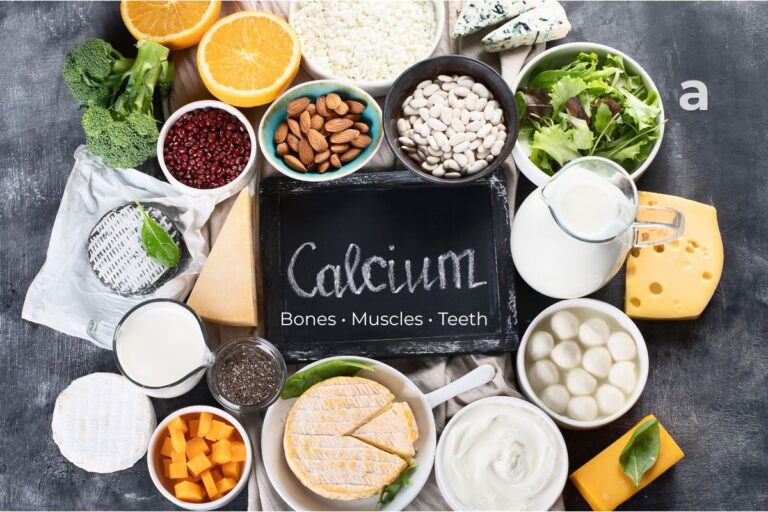
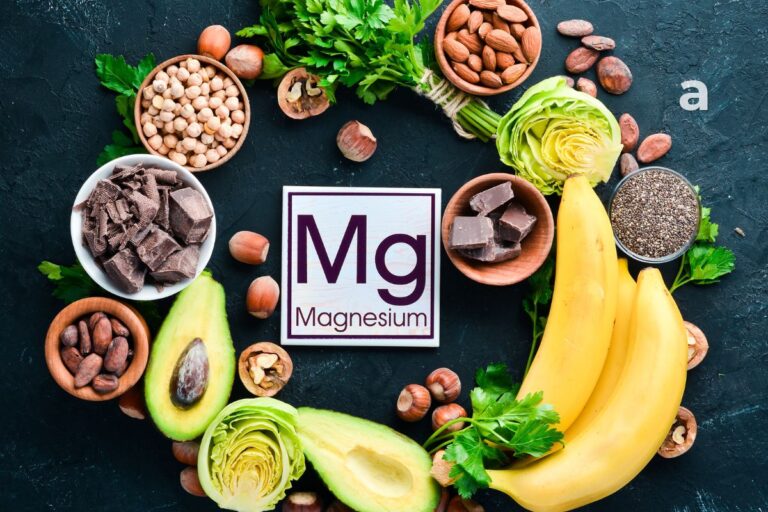



The sections on Vitamin D deficiency, safe sunlight exposure, and how Vitamin D works together with calcium and magnesium were especially helpful. This is one of the most complete guides I’ve read.