
Vitamin B12 Benefits: Foods, Deficiency Signs & Daily Requirements
Vitamin B12 benefits your body by supporting healthy red blood cell formation, normal nerve function, DNA synthesis, brain health, and energy metabolism. Although vitamin B12 is often associated with energy, this essential nutrient plays a much broader role in maintaining overall health. Understanding how vitamin B12 works, recognizing the signs of vitamin B12 deficiency, and choosing vitamin B12-rich foods can help you make informed decisions about your daily nutrition.
Often called cobalamin, vitamin B12 is a water-soluble vitamin that plays a vital role in the formation of healthy red blood cells, normal nerve function, DNA synthesis, and energy metabolism. Unlike most other B vitamins, the body can store vitamin B12 for years, which is why symptoms of deficiency may take a long time to appear.
Vitamin B12 benefits people throughout every stage of life. It supports healthy brain function, contributes to normal psychological function, helps maintain the protective covering of nerves (myelin), and works together with iron and folate to produce healthy red blood cells. Because of these diverse roles, vitamin B12 is essential for overall health—not just for preventing anemia.
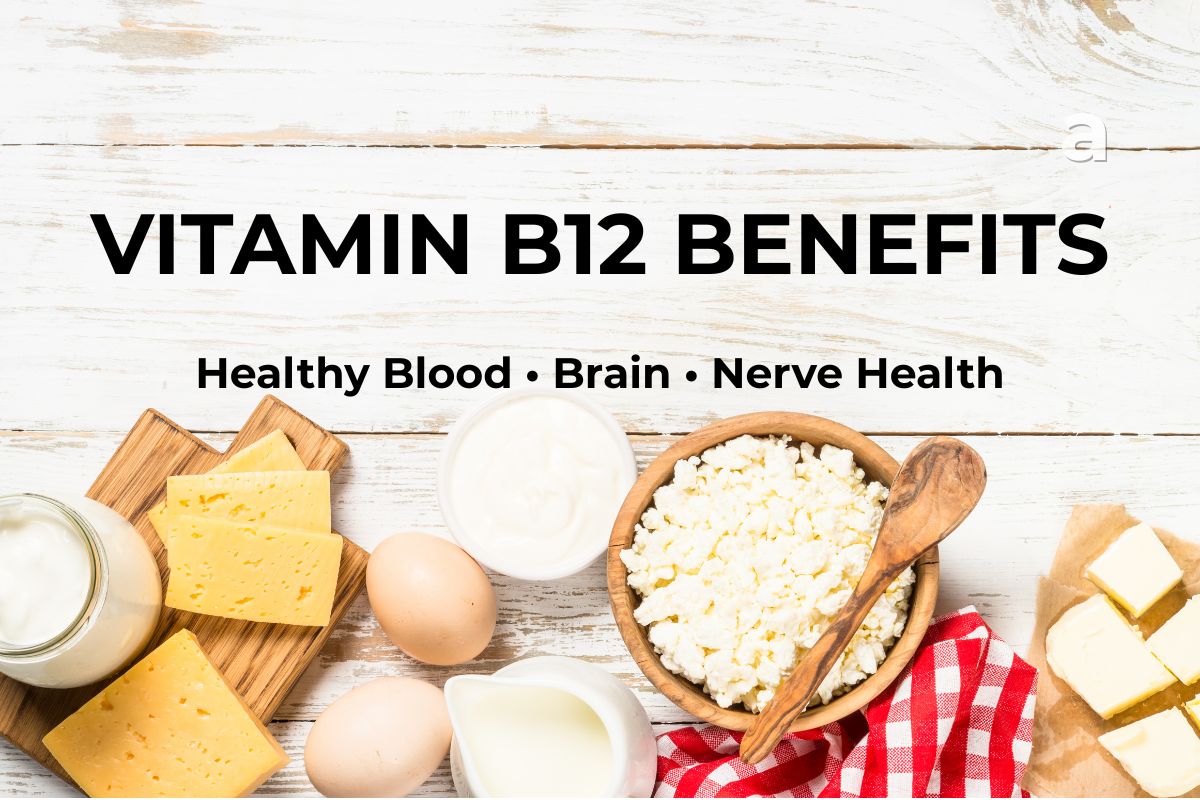
Unlike plants, vitamin B12 is naturally found almost exclusively in animal-based foods, including fish, meat, poultry, eggs, milk, and other dairy products. Some breakfast cereals, nutritional yeast, and plant-based beverages are fortified with vitamin B12, making them valuable options for vegetarians and vegans.
Vitamin B12 deficiency is more common than many people realize. Older adults, strict vegetarians, vegans, people with digestive disorders, individuals taking certain medications, and those with conditions affecting vitamin B12 absorption may have a higher risk of deficiency. Left untreated, deficiency may affect both blood and nerve health.
The encouraging news is that vitamin B12 deficiency is often preventable through a balanced diet, fortified foods, and supplements when medically appropriate.
In this comprehensive guide, you’ll learn:
- What vitamin B12 is and why your body needs it
- The science-backed benefits of vitamin B12
- Recommended daily vitamin B12 intake
- The best vitamin B12-rich foods
- Common signs and causes of vitamin B12 deficiency
- Who is most at risk
- How vitamin B12 supports healthy blood and the nervous system
- Whether vitamin B12 supplements are necessary
- Common myths and frequently asked questions
- Practical ways to maintain healthy vitamin B12 levels
Rather than relying on internet myths or supplement marketing, this guide explains what current scientific evidence says about vitamin B12 and provides practical advice you can confidently apply to everyday life.
Vitamin B12 Benefits: Why This Essential Vitamin Matters
Vitamin B12 is an essential water-soluble vitamin that your body needs for several critical functions.
It helps:
- Produce healthy red blood cells
- Support the normal function of the nervous system
- Synthesize DNA, the genetic material in every cell
- Support normal energy metabolism
- Help maintain healthy brain function
Vitamin B12 belongs to the B-complex family of vitamins and is unique because it contains the mineral cobalt, which is why it is also known as cobalamin.
Unlike many vitamins, vitamin B12 can be stored in the liver for several years. However, because the body cannot make vitamin B12 on its own, it must be obtained from food or supplements when needed.
Why Vitamin B12 Matters
Every second, your body produces new cells, repairs tissues, and carries out countless chemical reactions.
Vitamin B12 supports many of these processes by contributing to:
- Healthy red blood cell formation
- DNA synthesis
- Normal nerve function
- Brain health
- Energy metabolism
- Cell division
Vitamin B12 also works closely with folate and iron to support healthy blood formation.
Without enough vitamin B12, the body cannot produce healthy red blood cells efficiently, increasing the risk of megaloblastic anemia, a condition in which red blood cells become unusually large and function less effectively.
Natural Forms and Supplemental Forms of Vitamin B12
Vitamin B12 exists in several forms.
Naturally Active Forms
- Methylcobalamin
- Adenosylcobalamin
These are the forms used directly by the body’s cells.
Common Supplemental Forms
- Cyanocobalamin
- Hydroxocobalamin
These forms are converted by the body into active vitamin B12 as needed.
Current scientific evidence indicates that commonly used supplemental forms are effective when used appropriately to prevent or treat vitamin B12 deficiency.
How Vitamin B12 Works Inside Your Body
Vitamin B12 follows a remarkable journey from the foods you eat to the cells that depend on it.
Step 1: Vitamin B12 Is Released From Food
Vitamin B12 is naturally attached to proteins in food.
Stomach acid and digestive enzymes help release the vitamin during digestion.
Step 2: It Binds to Intrinsic Factor
Inside the stomach, vitamin B12 combines with a special protein called intrinsic factor.
This protein is essential because it helps vitamin B12 reach the small intestine, where it can be absorbed.
Step 3: It Is Absorbed
Most vitamin B12 absorption occurs in the last part of the small intestine (the ileum).
Healthy digestion and adequate intrinsic factor are both important for normal absorption.
Step 4: It Is Stored
After absorption, vitamin B12 is transported to the liver.
The liver stores enough vitamin B12 to meet the body’s needs for several years, which explains why deficiency often develops slowly rather than suddenly.
Vitamin B12 Is More Than an Energy Vitamin
Vitamin B12 is often marketed as an “energy vitamin.”
In reality, its role is much broader.
It contributes to:
- Healthy blood formation
- Nervous system function
- DNA synthesis
- Cell division
- Brain health
- Normal energy metabolism
Its benefits extend far beyond simply helping you feel energetic.
Food First, Supplements When Needed
For most healthy people, the best way to obtain vitamin B12 is through a balanced diet that includes vitamin B12-rich foods.
Supplements can be valuable for people with confirmed deficiency, reduced absorption, or dietary patterns that provide little or no vitamin B12, but they should complement—not replace—a nutritious eating pattern.
Key Takeaway
Vitamin B12 is an essential water-soluble vitamin that supports healthy red blood cell formation, nervous system function, DNA synthesis, and normal energy metabolism. Because the body cannot produce vitamin B12 on its own, it must come from foods, fortified products, or supplements when medically appropriate. Maintaining healthy vitamin B12 levels is an important part of supporting lifelong health.
Science-Backed Vitamin B12 Benefits
Vitamin B12 is involved in some of the body’s most essential biological processes. While it is often associated with boosting energy, its role extends much further.
As an essential water-soluble vitamin, vitamin B12 supports healthy red blood cell formation, nervous system function, DNA synthesis, brain health, and normal energy metabolism. Every cell in your body depends on vitamin B12 for healthy growth and function.
Let’s explore the most well-established vitamin B12 benefits supported by scientific evidence.
1. Supports Healthy Red Blood Cell Formation
One of the most important vitamin B12 benefits is its role in producing healthy red blood cells.
Vitamin B12 works with folate to help the bone marrow produce red blood cells that are the proper size and function efficiently.
Without enough vitamin B12, red blood cells may become unusually large and develop improperly, leading to megaloblastic anemia, which reduces the blood’s ability to transport oxygen effectively.
2. Supports Normal Nervous System Function
Vitamin B12 is essential for maintaining healthy nerves.
It helps preserve myelin, the protective covering that surrounds nerve fibers and allows electrical signals to travel efficiently throughout the nervous system.
Healthy nerve function supports:
- Movement
- Balance
- Sensation
- Reflexes
- Communication between the brain and body
Long-term vitamin B12 deficiency may affect nerve health if left untreated.
3. Supports Brain Health and Cognitive Function
The brain depends on vitamin B12 for healthy nerve cells and normal neurological function.
Adequate vitamin B12 contributes to:
- Normal cognitive function
- Learning
- Memory
- Concentration
- Mental performance
Researchers continue studying the relationship between vitamin B12 and age-related cognitive health, but maintaining adequate vitamin B12 intake remains an important part of overall nutrition.
4. Supports DNA Synthesis
Every time your body creates a new cell, DNA must first be copied.
Vitamin B12 plays a key role in DNA synthesis, making it essential for:
- Cell division
- Tissue repair
- Growth
- Development
Rapidly dividing cells, such as blood cells, depend particularly on adequate vitamin B12.
5. Supports Normal Energy Metabolism
Vitamin B12 helps convert the food you eat into usable energy by supporting normal energy-yielding metabolism.
It’s important to understand that vitamin B12 does not act like a stimulant.
People with healthy vitamin B12 levels generally do not experience extra energy from taking additional supplements.
However, correcting a vitamin B12 deficiency may help improve symptoms caused by that deficiency.
6. Supports Healthy Pregnancy
Vitamin B12 is important during pregnancy because it contributes to:
- Normal fetal growth
- Healthy nervous system development
- DNA synthesis
- Healthy blood formation
Pregnant individuals should meet their recommended vitamin B12 intake through diet or supplements when advised by their healthcare professional.
7. Supports Healthy Cell Division
Millions of cells divide every second throughout your body.
Vitamin B12 contributes to this continuous process by supporting:
- Cell growth
- Cell renewal
- Tissue maintenance
- Normal development
Healthy cell division is essential throughout life.
8. Works Together With Folate
Vitamin B12 and folate work as partners.
Together they support:
- DNA synthesis
- Healthy red blood cell production
- Cell division
A deficiency of either nutrient may interfere with these important processes.
9. Supports Healthy Homocysteine Metabolism
Vitamin B12 helps convert homocysteine, an amino acid, into other useful substances the body needs.
Vitamin B12 works together with:
- Folate
- Vitamin B6
to maintain normal homocysteine metabolism.
Researchers continue studying how homocysteine relates to long-term health outcomes.
10. Supports Healthy Growth and Development
Vitamin B12 is important throughout life but especially during:
- Infancy
- Childhood
- Adolescence
- Pregnancy
Growing tissues require vitamin B12 for:
- DNA synthesis
- Cell division
- Blood formation
- Nervous system development
Meeting daily vitamin B12 needs supports healthy development during these important stages.
11. Supports Overall Well-Being
Vitamin B12 contributes to many everyday body functions.
Healthy vitamin B12 levels support:
- Healthy blood
- Brain function
- Nerve function
- DNA production
- Cell division
- Normal metabolism
Rather than acting in one specific organ, vitamin B12 supports many systems simultaneously.
12. Works Together With Other Essential Nutrients
Vitamin B12 does not work alone.
It interacts with several other nutrients, including:
- Iron for healthy red blood cell formation
- Protein for tissue growth and repair
- Folate for DNA synthesis
- Vitamin B6 for homocysteine metabolism
A balanced diet naturally provides these nutrients together.
Vitamin B12 Is More Than an “Energy Vitamin”
Many advertisements describe vitamin B12 simply as an energy booster.
In reality, its biological roles are much broader.
Vitamin B12 supports:
- Healthy blood formation
- Nervous system function
- DNA synthesis
- Cell division
- Brain health
- Normal metabolism
These are the reasons vitamin B12 is considered one of the body’s most essential vitamins.
Food First Still Wins
For most healthy adults, obtaining vitamin B12 through food remains the preferred approach.
Excellent dietary sources include:
- Fish
- Lean meat
- Poultry
- Eggs
- Milk
- Yogurt
- Cheese
- Fortified breakfast cereals
Whole foods provide vitamin B12 together with protein, minerals, and other vitamins that support overall health.
Key Takeaway
Vitamin B12 is an essential water-soluble vitamin that supports healthy red blood cell formation, nervous system function, brain health, DNA synthesis, normal energy metabolism, and healthy cell division. Because vitamin B12 works closely with iron, folate, protein, and vitamin B6, maintaining adequate intake through a balanced diet is one of the best ways to support lifelong health.
How Much Vitamin B12 Do You Need Every Day?
Vitamin B12 requirements are relatively small compared to many other nutrients, but they are essential for maintaining healthy red blood cells, normal nervous system function, DNA synthesis, and overall health.
Unlike some vitamins, the body can store vitamin B12 in the liver for several years. However, because absorption becomes less efficient in some people—especially as they age—meeting the recommended daily intake remains important.
Recommended Daily Vitamin B12 Intake
The following Recommended Dietary Allowances (RDAs) are established by the Food and Nutrition Board of the National Academies of Sciences, Engineering, and Medicine.
| Life Stage | Recommended Vitamin B12 Intake |
|---|---|
| Infants (0–6 months) | 0.4 mcg (AI) |
| Infants (7–12 months) | 0.5 mcg (AI) |
| Children (1–3 years) | 0.9 mcg |
| Children (4–8 years) | 1.2 mcg |
| Children (9–13 years) | 1.8 mcg |
| Adolescents (14–18 years) | 2.4 mcg |
| Adults (19+ years) | 2.4 mcg |
| Pregnancy | 2.6 mcg |
| Breastfeeding | 2.8 mcg |
These recommendations are designed to meet the nutritional needs of nearly all healthy individuals.
Why Adults Need Vitamin B12 Every Day
Although the body stores vitamin B12, it cannot produce it on its own.
Vitamin B12 is required continuously for:
- Healthy red blood cell production
- DNA synthesis
- Nervous system function
- Brain health
- Cell division
- Normal energy metabolism
Maintaining adequate intake helps support these essential functions throughout life.
Vitamin B12 Needs During Pregnancy
Pregnancy slightly increases vitamin B12 requirements.
The recommended intake is:
2.6 micrograms per day
Vitamin B12 supports:
- Normal fetal growth
- Nervous system development
- DNA synthesis
- Healthy blood formation
Pregnant individuals who consume little or no animal-based foods should discuss vitamin B12 intake with their healthcare professional.
Vitamin B12 During Breastfeeding
Breastfeeding requires the highest vitamin B12 intake of any adult life stage.
Recommended intake:
2.8 micrograms per day
Adequate vitamin B12 intake helps ensure sufficient vitamin B12 is available in breast milk to support an infant’s growth and neurological development.
Why Older Adults Have a Higher Risk of Deficiency
Interestingly, most older adults do not need more vitamin B12 than younger adults—the RDA remains 2.4 mcg per day.
However, aging can reduce the body’s ability to absorb vitamin B12 naturally from food because of changes in stomach acid production.
For this reason, many adults over age 50 are encouraged to obtain much of their vitamin B12 from:
- Fortified breakfast cereals
- Fortified foods
- Dietary supplements (when appropriate)
These sources contain vitamin B12 in a form that is generally easier to absorb.
Do Vegetarians and Vegans Need More Vitamin B12?
People following vegetarian or vegan diets should pay close attention to vitamin B12 intake.
This is because vitamin B12 is naturally found almost exclusively in:
- Fish
- Meat
- Poultry
- Eggs
- Milk
- Dairy products
Plant foods generally do not naturally contain vitamin B12 unless they are fortified.
Good fortified options include:
- Breakfast cereals
- Nutritional yeast
- Some plant-based milks
Some people following vegan diets may also require vitamin B12 supplements based on individual dietary intake and healthcare advice.
Does More Vitamin B12 Mean Better Health?
Not necessarily.
Once your body’s vitamin B12 needs are met, consuming larger amounts has not been shown to provide additional benefits for healthy individuals.
Vitamin B12 supplements are most beneficial for people with:
- Confirmed deficiency
- Reduced absorption
- Pernicious anemia
- Certain digestive disorders
- Dietary patterns that provide little vitamin B12
The goal is adequate intake, not excessive intake.
Factors That Affect Vitamin B12 Absorption
Several factors influence how much vitamin B12 your body absorbs.
These include:
- Healthy stomach acid production
- Intrinsic factor production
- Healthy small intestine function
- Age
- Certain medications (such as long-term metformin use or proton pump inhibitors)
- Digestive disorders
Even if someone eats enough vitamin B12, poor absorption can still lead to deficiency.
Vitamin B12 Works Best With Other Nutrients
Vitamin B12 supports healthy blood and normal body function alongside several other nutrients.
These include:
- Iron (supports healthy red blood cell formation)
- Protein (supports tissue growth and repair)
- Folate (supports DNA synthesis and cell division)
- Vitamin B6 (supports normal homocysteine metabolism)
A balanced diet naturally provides these nutrients together.
Can You Get Enough Vitamin B12 From Food Alone?
For many healthy adults, yes.
Regularly eating vitamin B12-rich foods such as:
- Fish
- Lean meat
- Poultry
- Eggs
- Milk
- Yogurt
- Cheese
- Fortified cereals
is usually enough to meet daily requirements.
However, individuals with absorption problems or very limited intake of animal foods may need fortified foods or supplements under medical guidance.
There Is No Established Upper Intake Level
Unlike many vitamins and minerals, no Tolerable Upper Intake Level (UL) has been established for vitamin B12 because available evidence has not shown adverse effects from high intakes in healthy individuals.
That said, supplements should still be used appropriately and under healthcare guidance when needed.
Food First Remains the Best Approach
The healthiest long-term strategy is to obtain vitamin B12 through a balanced eating pattern whenever possible.
Whole foods provide vitamin B12 alongside:
- High-quality protein
- Essential minerals
- Healthy fats
- Other B vitamins
These nutrients work together to support overall health.
Key Takeaway
Most adults require 2.4 micrograms of vitamin B12 per day, while pregnancy and breastfeeding slightly increase daily needs. Although the body stores vitamin B12, it cannot produce it, making regular intake through animal-based foods, fortified foods, or supplements when medically appropriate essential for maintaining healthy blood, nerve function, and DNA synthesis.
20 Best Vitamin B12-Rich Foods to Add to Your Diet
Vitamin B12 is naturally present in relatively few foods.
Unlike nutrients such as iron, calcium, or magnesium, vitamin B12 is found primarily in animal-based foods. This makes it especially important for vegetarians, vegans, and older adults to pay attention to their vitamin B12 intake.
Fortunately, many delicious foods—and some fortified products—can help you meet your daily vitamin B12 requirements.

1. Clams
Clams are among the richest natural sources of vitamin B12.
They also provide:
- High-quality protein
- Iron
- Zinc
- Selenium
Even a small serving provides several times the daily vitamin B12 requirement.
2. Beef Liver
Beef liver is one of the most nutrient-dense foods available.
It provides:
- Vitamin B12
- Iron
- Vitamin A
- Copper
- Folate
Because liver contains very high amounts of vitamin A, it should be eaten in moderation, particularly during pregnancy.
3. Sardines
Sardines are an excellent source of:
They are one of the most nutrient-rich seafood choices.
4. Salmon
Salmon provides:
- Vitamin B12
- Protein
- Omega-3 fatty acids
- Vitamin D
- Selenium
It is one of the healthiest fish to include regularly as part of a balanced diet.
5. Tuna
Fresh and canned tuna provide:
- Vitamin B12
- Protein
- Selenium
Choose lower-mercury varieties more often as part of a varied seafood intake.
6. Trout
Trout is naturally rich in:
- Vitamin B12
- Protein
- Omega-3 fats
- Vitamin D
It is another excellent seafood option.
7. Oysters
Oysters provide impressive amounts of:
- Vitamin B12
- Zinc
- Iron
- Copper
They are among the most nutrient-dense shellfish available.
8. Beef
Lean beef supplies:
It is one of the most reliable everyday dietary sources of vitamin B12.
9. Chicken
Chicken provides moderate amounts of vitamin B12 along with:
- Lean protein
- Niacin
- Vitamin B6
It is a practical everyday choice for many families.
10. Eggs
Eggs naturally contain vitamin B12, especially in the yolk.
They also provide:
- Protein
- Choline
- Vitamin D
Eggs are a convenient option for vegetarians who consume animal products.
11. Milk
Milk is an excellent everyday source of:
- Vitamin B12
- Calcium
- Protein
Dairy products help many people meet their vitamin B12 requirements naturally.
12. Yogurt
Yogurt provides:
- Vitamin B12
- Protein
- Calcium
- Probiotics
It supports both nutrition and digestive health.
13. Cheese
Many cheeses naturally provide:
- Vitamin B12
- Protein
- Calcium
Enjoy them in moderation as part of a balanced diet.
14. Fortified Breakfast Cereals
Many breakfast cereals are fortified with vitamin B12.
These are particularly valuable for:
- Vegetarians
- Vegans
- Older adults
Always check the nutrition label because fortification levels vary.
15. Nutritional Yeast (Fortified)
Fortified nutritional yeast is one of the few vegan-friendly sources of vitamin B12.
It also adds a savory, cheesy flavor to meals.
16. Fortified Plant-Based Milk
Many soy, almond, oat, and pea beverages are fortified with vitamin B12.
Choose unsweetened varieties whenever possible.
17. Fortified Tofu
Some tofu products are fortified with vitamin B12.
Check product labels because not all brands contain added vitamin B12.
18. Fortified Meat Alternatives
Many plant-based burgers, sausages, and meat alternatives are fortified with vitamin B12.
These can help vegans and vegetarians meet daily requirements.
19. Fortified Plant-Based Yogurt
Some dairy-free yogurts contain added vitamin B12.
Always read the nutrition facts panel to confirm fortification.
20. Fortified Breakfast Drinks
Certain nutrition drinks and meal replacement beverages are fortified with vitamin B12 and other vitamins.
These may be helpful for individuals with poor appetite or increased nutritional needs when recommended by a healthcare professional.
Quick Vitamin B12 Food Chart
| Food | Type | Naturally Rich or Fortified |
|---|---|---|
| Clams | Seafood | Natural |
| Beef liver | Meat | Natural |
| Sardines | Seafood | Natural |
| Salmon | Seafood | Natural |
| Tuna | Seafood | Natural |
| Trout | Seafood | Natural |
| Oysters | Seafood | Natural |
| Beef | Meat | Natural |
| Chicken | Poultry | Natural |
| Eggs | Animal | Natural |
| Milk | Dairy | Natural |
| Yogurt | Dairy | Natural |
| Cheese | Dairy | Natural |
| Breakfast cereals | Fortified | Fortified |
| Nutritional yeast | Fortified | Fortified |
| Plant-based milk | Fortified | Fortified |
| Fortified tofu | Fortified | Fortified |
| Meat alternatives | Fortified | Fortified |
| Plant-based yogurt | Fortified | Fortified |
| Breakfast drinks | Fortified | Fortified |
Indian-Friendly Vitamin B12 Foods
Vitamin B12-rich foods commonly available in India include:
Non-Vegetarian
- Fish
- Chicken
- Eggs
- Mutton
- Beef (where consumed)
- Dairy products
Vegetarian
- Milk
- Curd (Yogurt)
- Paneer
- Cheese
- Fortified breakfast cereals
- Fortified soy milk
- Fortified nutritional yeast
For people following a strict vegan diet, fortified foods or supplements are often needed because unfortified plant foods generally do not provide reliable amounts of vitamin B12.
Build Balanced Meals
Rather than focusing on one nutrient, build meals that naturally combine vitamin B12 with other essential nutrients.
Breakfast
Fortified whole-grain cereal with milk and fruit.
Lunch
Grilled chicken, brown rice, vegetables, and yogurt.
Snack
Boiled eggs with fruit.
Dinner
Grilled salmon with vegetables and whole grains.
These meals naturally provide:
Can Vegetarians Get Enough Vitamin B12?
Yes—but it requires planning.
Lacto-vegetarians can obtain vitamin B12 from:
- Milk
- Yogurt
- Cheese
- Paneer
Vegans should regularly consume:
- Fortified cereals
- Fortified plant milks
- Fortified nutritional yeast
Some may also require supplements after discussing their needs with a healthcare professional.
Food First Still Wins
For most people, whole foods remain the best source of vitamin B12.
They provide vitamin B12 alongside:
- High-quality protein
- Healthy fats
- Calcium
- Iron
- Zinc
These nutrients work together to support healthy blood, brain function, and overall well-being.
Key Takeaway
The richest natural sources of vitamin B12 include clams, beef liver, sardines, salmon, trout, oysters, beef, eggs, milk, yogurt, and cheese. Fortified cereals, fortified plant-based beverages, and nutritional yeast are valuable alternatives for people who eat little or no animal products. A varied, balanced diet remains the most effective way to maintain healthy vitamin B12 levels for most individuals.
Vitamin B12 Deficiency: Signs, Causes & Who Is at Risk?
Vitamin B12 deficiency develops when the body does not receive enough vitamin B12 or cannot absorb it properly. Because the liver stores several years’ worth of vitamin B12, deficiency often develops slowly, and early symptoms may be mild or easy to overlook. (ods.od.nih.gov)
If left untreated, vitamin B12 deficiency can affect healthy blood formation, the nervous system, brain function, and DNA synthesis. Fortunately, early diagnosis and appropriate treatment can often prevent long-term complications.
Let’s explore the warning signs, common causes, and the people most at risk.
What Is Vitamin B12 Deficiency?
Vitamin B12 deficiency occurs when your body does not have enough vitamin B12 to support its normal functions.
This may happen because of:
- Inadequate dietary intake
- Poor absorption
- Certain medical conditions
- Long-term use of some medications
Without enough vitamin B12, the body cannot produce healthy red blood cells efficiently or maintain normal nerve function.
Why Does Vitamin B12 Deficiency Matter?
Vitamin B12 supports several essential functions throughout the body.
When vitamin B12 levels become too low, it may affect:
- Healthy red blood cell production
- Nervous system function
- Brain health
- DNA synthesis
- Cell division
- Normal energy metabolism
Unlike many nutritional deficiencies, vitamin B12 deficiency may affect both the blood and the nervous system, making early recognition especially important.
Common Signs and Symptoms
Symptoms often appear gradually.
Some people experience only mild symptoms at first, while others develop more noticeable problems over time.
Common symptoms include:
- Persistent fatigue
- Weakness
- Pale or slightly yellow skin
- Shortness of breath
- Dizziness
- Difficulty concentrating
- Poor memory
- Headaches
Because these symptoms can have many different causes, they should not be used to diagnose vitamin B12 deficiency without appropriate testing.
Neurological Symptoms
One unique feature of vitamin B12 deficiency is its effect on the nervous system.
Possible neurological symptoms include:
- Tingling in the hands or feet
- Numbness
- Difficulty walking
- Poor balance
- Muscle weakness
- Reduced sensation
- Coordination problems
These symptoms develop because vitamin B12 is needed to maintain the protective covering (myelin) around nerves.
If nerve damage continues for a long time, recovery may be incomplete even after treatment. This is why early diagnosis is important.
Psychological Symptoms
Some people with vitamin B12 deficiency may also experience:
- Mood changes
- Irritability
- Confusion
- Difficulty concentrating
- Memory problems
These symptoms are not unique to vitamin B12 deficiency and require professional medical evaluation.
Megaloblastic Anemia
One of the best-known consequences of vitamin B12 deficiency is megaloblastic anemia.
In this condition:
- Red blood cells become unusually large.
- Fewer healthy red blood cells are produced.
- Oxygen transport becomes less efficient.
This may contribute to fatigue, weakness, and reduced exercise tolerance.
What Causes Vitamin B12 Deficiency?
Several different factors may contribute.
1. Low Dietary Intake
Vitamin B12 is naturally found mainly in animal foods.
People who consume very little or no:
- Meat
- Fish
- Eggs
- Dairy products
may gradually develop deficiency if they do not consume fortified foods or supplements.
2. Pernicious Anemia
One of the most common medical causes is pernicious anemia.
This autoimmune condition prevents the stomach from producing enough intrinsic factor, a protein needed for vitamin B12 absorption.
Without intrinsic factor, vitamin B12 cannot be absorbed efficiently, even if dietary intake is adequate.
3. Digestive Disorders
Several digestive conditions may reduce vitamin B12 absorption.
Examples include:
- Crohn’s disease
- Celiac disease
- Inflammatory bowel disease
- Surgical removal of part of the stomach
- Surgery involving the small intestine
These conditions interfere with normal absorption.
4. Aging
As people age, stomach acid production may decrease.
Since stomach acid helps release vitamin B12 from food, reduced acid production can lower absorption in some older adults.
5. Certain Medications
Some medicines may interfere with vitamin B12 absorption.
Examples include:
- Metformin
- Proton pump inhibitors (PPIs)
- H2 receptor blockers
Long-term use does not automatically cause deficiency, but healthcare professionals may monitor vitamin B12 status when appropriate.
Who Is Most at Risk?
Some groups have a greater likelihood of developing vitamin B12 deficiency.
Older Adults
Reduced stomach acid production makes absorption less efficient.
Adults over age 50 are one of the highest-risk groups.
Vegans
Strict vegan diets contain very little natural vitamin B12 unless fortified foods or supplements are included.
Fortified cereals, fortified plant milks, and nutritional yeast are valuable sources.
Some Vegetarians
Lacto-vegetarians usually obtain vitamin B12 from dairy foods.
However, intake may still be inadequate if dairy consumption is low.
People With Digestive Disorders
Conditions affecting the stomach or small intestine may reduce absorption.
Examples include:
- Crohn’s disease
- Celiac disease
- Gastric bypass surgery
People With Pernicious Anemia
Because intrinsic factor is required for absorption, people with pernicious anemia usually require lifelong medical management.
People Taking Certain Medicines
Long-term use of medications affecting stomach acid or vitamin B12 absorption may increase the risk of deficiency.
How Is Vitamin B12 Deficiency Diagnosed?
Symptoms alone cannot confirm vitamin B12 deficiency.
Healthcare professionals may recommend:
- Complete Blood Count (CBC)
- Serum Vitamin B12 level
- Methylmalonic Acid (MMA)
- Homocysteine
- Intrinsic factor antibody testing (when pernicious anemia is suspected)
Together, these tests help identify deficiency and determine the underlying cause.
Can You Diagnose Vitamin B12 Deficiency at Home?
No.
Although symptoms may suggest a deficiency, only appropriate laboratory testing can confirm vitamin B12 status.
Self-diagnosis may delay proper treatment or overlook another medical condition with similar symptoms.
Vitamin B12 Deficiency vs. Folate Deficiency
Vitamin B12 deficiency and folate deficiency can both cause megaloblastic anemia.
However:
Vitamin B12 deficiency
- May affect nerves
- May cause numbness and tingling
- Requires vitamin B12 treatment
Folate deficiency
- Does not usually cause nerve damage
- Requires a different treatment approach
Proper testing helps distinguish between the two conditions.
Vitamin B12 Works With Other Nutrients
Healthy blood formation depends on several nutrients working together.
These include:
A balanced diet naturally provides many of these nutrients.
Don’t Ignore Persistent Symptoms
Persistent fatigue, numbness, tingling, memory problems, or unexplained weakness should not automatically be blamed on stress or aging.
Many medical conditions can cause similar symptoms.
Prompt evaluation helps identify the underlying cause and allows appropriate treatment to begin as early as possible.
When Should You Seek Medical Advice?
Speak with a qualified healthcare professional if you experience:
- Ongoing fatigue
- Tingling or numbness
- Difficulty walking
- Memory problems
- Unexplained weakness
- Pale skin
- Persistent dizziness
- Symptoms that interfere with daily life
People following vegan diets or those with digestive disorders may also benefit from discussing vitamin B12 intake during routine healthcare visits.
Key Takeaway
Vitamin B12 deficiency often develops slowly because the body stores vitamin B12 for several years. Common causes include poor dietary intake, reduced absorption, pernicious anemia, digestive disorders, aging, and certain medications. Because deficiency can affect both healthy blood formation and the nervous system, early diagnosis through appropriate blood tests is essential for effective treatment and long-term health.
Vitamin B12, Red Blood Cells & Nervous System: How They Work Together
Vitamin B12 is unique because it supports both healthy blood formation and the nervous system.
While many nutrients have one primary function, vitamin B12 participates in several interconnected processes that help keep your body functioning normally. It contributes to the production of healthy red blood cells, supports DNA synthesis, helps maintain the protective covering around nerves, and works with other nutrients to support normal brain function.
Understanding how vitamin B12 works inside the body helps explain why maintaining healthy vitamin B12 levels is important throughout every stage of life.
Vitamin B12 and Healthy Red Blood Cells
One of vitamin B12’s best-known roles is helping your body produce healthy red blood cells.
Red blood cells are continuously produced in the bone marrow.
To develop normally, they require:
When vitamin B12 is insufficient, developing red blood cells cannot divide properly.
Instead of becoming normal-sized healthy cells, they become large, immature cells called megaloblasts, which may lead to megaloblastic anemia.
Healthy red blood cells allow oxygen to travel efficiently from the lungs to every tissue in the body.
DNA Synthesis: Building Every New Cell
Every day, your body replaces millions of cells.
Before a new cell can form, it must copy its DNA accurately.
Vitamin B12 plays a critical role in this process by supporting:
- DNA synthesis
- Cell division
- Tissue growth
- Cell renewal
Because blood cells divide rapidly, they are especially sensitive to vitamin B12 deficiency.
Vitamin B12 and the Nervous System
Vitamin B12 is essential for maintaining a healthy nervous system.
Nerves act like electrical cables, carrying messages between:
- The brain
- The spinal cord
- Muscles
- Internal organs
- Skin
- Every part of the body
For these signals to travel efficiently, nerves need a protective outer coating called myelin.
Vitamin B12 helps maintain this protective layer.
What Is Myelin?
Myelin is a fatty protective sheath that surrounds many nerve fibers.
You can think of it as the insulation around an electrical wire.
Healthy myelin helps nerve signals travel:
- Faster
- More efficiently
- With fewer interruptions
When vitamin B12 deficiency persists for a long time, the myelin sheath may become damaged, contributing to symptoms such as:
- Tingling
- Numbness
- Poor balance
- Difficulty walking
Early diagnosis and treatment are important because some neurological changes may become difficult to reverse if deficiency continues for a prolonged period.
Vitamin B12 and Brain Health
The brain depends on healthy nerve cells and efficient communication between them.
Vitamin B12 supports:
- Normal cognitive function
- Learning
- Memory
- Concentration
- Psychological function
Researchers continue studying the relationship between vitamin B12 status and age-related cognitive health, but maintaining recommended vitamin B12 intake remains an important part of overall nutrition.
Vitamin B12 and Homocysteine
Vitamin B12 also helps regulate homocysteine, an amino acid naturally produced in the body.
Together with folate and vitamin B6, vitamin B12 helps convert homocysteine into other useful compounds needed for normal metabolism.
This process highlights how closely vitamins work together rather than acting independently.
Vitamin B12 and Energy Metabolism
Vitamin B12 helps your body convert carbohydrates, fats, and proteins into usable energy by supporting normal metabolic processes.
It’s important to remember that vitamin B12 is not a stimulant.
People with healthy vitamin B12 levels generally do not gain extra energy from taking additional vitamin B12 supplements.
However, treating a confirmed vitamin B12 deficiency may improve symptoms that were caused by the deficiency itself.
Vitamin B12 Works Together With Iron
Vitamin B12 and iron both contribute to healthy blood, but they perform different roles.
Iron
- Forms part of hemoglobin
- Helps transport oxygen
Vitamin B12
- Helps produce healthy red blood cells
- Supports DNA synthesis
- Supports normal cell division
Both nutrients are essential, and deficiency of either one may contribute to anemia.
Vitamin B12 Works Together With Folate
Vitamin B12 and folate have one of the closest nutritional partnerships in the body.
Together they support:
- DNA synthesis
- Cell division
- Healthy blood formation
Because both deficiencies can produce similar blood abnormalities, healthcare professionals often evaluate them together.
Vitamin B12 Works Together With Protein
Healthy tissues require both vitamin B12 and protein.
Protein provides the building blocks for:
- Muscles
- Organs
- Enzymes
- Hormones
- Blood proteins
Vitamin B12 supports the production of healthy new cells that use these building blocks.
A balanced diet naturally provides both.
Vitamin B12 Works Together With Vitamin B6
Vitamin B12 also works alongside vitamin B6.
Together with folate, these nutrients help support:
- Homocysteine metabolism
- Healthy nervous system function
- Normal metabolism
No single vitamin can perform all of these functions alone.
Healthy Blood Depends on Teamwork
Healthy blood formation is not controlled by one nutrient.
Instead, it depends on a combination of:
- Vitamin B12
- Iron
- Folate
- Protein
- Vitamin B6
- Healthy bone marrow
A varied diet provides these nutrients together, allowing the body to produce healthy blood cells efficiently.
Healthy Nerves Depend on Good Nutrition
The nervous system also relies on teamwork.
Healthy nerve function is supported by:
- Vitamin B12
- Healthy dietary fats
- Adequate protein
- Overall balanced nutrition
Rather than focusing on one “brain vitamin,” it’s better to view nervous system health as the result of a consistently nutritious dietary pattern.
Food First Remains the Best Strategy
Most healthy adults can meet their vitamin B12 needs through foods such as:
- Fish
- Lean meat
- Poultry
- Eggs
- Milk
- Yogurt
- Cheese
- Fortified breakfast cereals
These foods naturally provide vitamin B12 together with other nutrients that support healthy blood and nervous system function.
Why Balance Matters More Than One Nutrient
Although vitamin B12 is essential, no single nutrient determines overall health.
Healthy blood, nerves, muscles, and the brain all depend on a wide range of nutrients working together every day.
Building balanced meals with:
- High-quality protein
- Whole grains
- Fruits
- Vegetables
- Dairy or fortified alternatives
- Fish, eggs, or other vitamin B12-rich foods
supports overall nutritional quality far better than relying on individual supplements alone.
Key Takeaway
Vitamin B12 supports healthy red blood cell formation, DNA synthesis, and normal nervous system function by helping produce healthy blood cells and maintain the protective myelin sheath around nerves. It also works closely with iron, folate, protein, and vitamin B6, highlighting why a balanced diet—not a single nutrient—is the foundation of long-term health.
Vitamin B12 Supplements: Benefits, Risks & Who Should Take Them?
Vitamin B12 is essential for healthy blood formation, normal nerve function, DNA synthesis, and energy metabolism. While many people can meet their vitamin B12 needs through food, supplements can play an important role for individuals who have difficulty absorbing vitamin B12 or who consume very little of it in their diet.
Unlike many nutrients, vitamin B12 supplements are generally considered safe for most people because excess amounts are not stored in large quantities and are usually excreted in the urine. However, this does not mean that everyone needs a supplement.
The best approach depends on your diet, age, health conditions, medications, and vitamin B12 status.
Do Most People Need Vitamin B12 Supplements?
Not necessarily.
Many healthy adults who regularly eat:
- Fish
- Meat
- Poultry
- Eggs
- Milk
- Yogurt
- Cheese
can usually obtain enough vitamin B12 through food alone.
However, supplements may be recommended for people with:
- Confirmed vitamin B12 deficiency
- Pernicious anemia
- Reduced vitamin B12 absorption
- Certain digestive disorders
- Strict vegan diets
- Some older adults
- Long-term use of medications that reduce vitamin B12 absorption
A healthcare professional can determine whether supplementation is appropriate based on symptoms, diet, and blood tests.
Food First Still Wins
Whenever possible, obtaining vitamin B12 from food remains the preferred approach.
Vitamin B12-rich foods naturally provide other important nutrients.
For example:
Salmon provides:
- Vitamin B12
- Protein
- Omega-3 fatty acids
- Vitamin D
Milk provides:
- Vitamin B12
- Calcium
- Protein
Eggs provide:
- Vitamin B12
- Protein
- Choline
Whole foods offer a nutritional package that supplements cannot fully replace.
Common Forms of Vitamin B12 Supplements
Vitamin B12 supplements are available in several forms.
The most common include:
Cyanocobalamin
- Most widely available
- Stable form
- Commonly used in supplements and fortified foods
Methylcobalamin
- One of the biologically active forms
- Popular in many over-the-counter supplements
Hydroxocobalamin
- Frequently used as an injectable form in some countries
- May be recommended in specific clinical situations
Adenosylcobalamin
- Another active form found naturally in the body
- Less commonly available as a standalone supplement
Current scientific evidence shows that cyanocobalamin and methylcobalamin are both effective for preventing and treating vitamin B12 deficiency when used appropriately.
How Is Vitamin B12 Taken?
Vitamin B12 supplements are available as:
- Tablets
- Capsules
- Chewable tablets
- Sublingual (under-the-tongue) tablets
- Oral liquids
- Nasal sprays
- Injections
The most suitable form depends on the underlying cause of deficiency and should be determined by a healthcare professional.
Are Vitamin B12 Supplements Effective?
Yes.
Vitamin B12 supplements are effective for treating or preventing deficiency in people who need them.
Depending on the cause of deficiency, supplementation may help restore healthy vitamin B12 levels and support normal blood formation and nerve function.
People with pernicious anemia or severe absorption problems may require prescription vitamin B12 injections or high-dose oral supplements under medical supervision.
How Long Does It Take to Work?
The time required varies depending on:
- Severity of deficiency
- Cause of deficiency
- Type of treatment
- Individual health
Some people notice improvement within a few weeks, while neurological symptoms may take several months to improve.
Recovery should be monitored by a healthcare professional.
Can You Take Vitamin B12 Every Day?
Yes—if recommended by your healthcare professional or if you use a vitamin B12 supplement according to product instructions.
Because vitamin B12 is water-soluble, daily supplementation is commonly used when medically appropriate.
The correct dose varies from person to person.
Are There Any Side Effects?
Vitamin B12 supplements are generally well tolerated.
Most people experience no significant side effects.
Occasionally, some individuals may report:
- Mild nausea
- Headache
- Diarrhea
- Skin rash
These effects are uncommon.
If you develop persistent symptoms after starting a supplement, consult a healthcare professional.
Can You Take Too Much Vitamin B12?
Current evidence has not established a Tolerable Upper Intake Level (UL) for vitamin B12 because no harmful effects have been consistently observed from high intakes in healthy individuals.
Even so, taking large doses without a medical reason is generally unnecessary.
More is not always better.
Can Vitamin B12 Interact With Medicines?
Yes.
Some medications may reduce vitamin B12 absorption or affect vitamin B12 status over time.
Examples include:
- Metformin
- Proton pump inhibitors (PPIs)
- H2 receptor blockers
These medicines should not be stopped without medical advice.
If you use them long term, your healthcare professional may recommend monitoring your vitamin B12 levels.
Who May Benefit Most From Vitamin B12 Supplements?
Healthcare professionals may recommend supplements for:
Older Adults
Reduced stomach acid production can lower vitamin B12 absorption from food.
Vegans
Because vitamin B12 is naturally found mainly in animal foods, people following vegan diets often need fortified foods or supplements.
People With Pernicious Anemia
This condition prevents normal vitamin B12 absorption and usually requires lifelong treatment.
People With Digestive Disorders
Conditions such as:
- Crohn’s disease
- Celiac disease
- Gastric bypass surgery
may reduce vitamin B12 absorption.
People Taking Certain Medicines
Long-term use of medications affecting stomach acid or vitamin B12 absorption may increase the need for monitoring or supplementation.
Vitamin B12 Injections vs. Tablets
Many people believe injections are always better.
In reality, this depends on the underlying cause of deficiency.
Research shows that high-dose oral vitamin B12 supplements can be effective for many people, while injections remain important for certain medical conditions, including severe malabsorption and pernicious anemia.
The choice should be individualized.
Vitamin B12 Supplements During Pregnancy
Pregnant individuals who consume little or no animal products may require supplementation.
Adequate vitamin B12 intake supports:
- Healthy fetal development
- Nervous system development
- Healthy blood formation
Prenatal supplements should always be taken according to healthcare guidance.
Vitamin B12 Supplements for Vegetarians and Vegans
Vitamin B12 deserves special attention in plant-based diets.
People following vegan diets should regularly consume:
- Fortified cereals
- Fortified plant-based milk
- Fortified nutritional yeast
If dietary intake remains inadequate, a vitamin B12 supplement may be recommended.
Vitamin B12 Works With Other Nutrients
Vitamin B12 is only one part of healthy nutrition.
It works alongside:
- Iron for healthy blood formation
- Protein for tissue growth
- Folate for DNA synthesis
- Vitamin B6 for homocysteine metabolism
A varied diet naturally provides these nutrients together.
A Simple Vitamin B12 Supplement Checklist
Before starting a supplement, ask yourself:
✔ Do I regularly eat vitamin B12-rich foods?
✔ Have I had a blood test confirming deficiency?
✔ Has a healthcare professional recommended supplementation?
✔ Am I following the correct dose?
✔ Do I understand why I am taking the supplement?
These questions help support informed and appropriate use.
Food First Remains the Best Strategy
For most healthy adults, nutritious meals remain the foundation of good vitamin B12 status.
Supplements are valuable when they are needed, but they work best as part of an overall healthy lifestyle that includes:
- Balanced meals
- Adequate protein
- Fruits and vegetables
- Whole grains
- Regular physical activity
- Routine healthcare when appropriate
Key Takeaway
Vitamin B12 supplements are effective for people with confirmed deficiency, reduced absorption, pernicious anemia, strict vegan diets, or other medically recognized needs. Most healthy adults who consume enough vitamin B12-rich foods can meet their daily requirements without supplements. Because the most appropriate supplement type and dosage depend on individual circumstances, decisions about supplementation should be guided by a qualified healthcare professional.
10 Vitamin B12 Myths vs. Facts
Vitamin B12 is one of the most talked-about vitamins in nutrition, yet it’s also one of the most misunderstood.
From claims that it instantly boosts energy to beliefs that everyone should take vitamin B12 injections, misinformation is common. Understanding what the scientific evidence actually says can help you make informed decisions about your health.
Let’s separate the most common myths from the facts.
Myth 1: Vitamin B12 Gives Everyone More Energy
Fact: Vitamin B12 supports normal energy metabolism—but it is not an energy stimulant.
Vitamin B12 helps your body convert food into usable energy by supporting normal metabolic processes.
However, if your vitamin B12 levels are already normal, taking extra vitamin B12 has not been shown to increase energy levels in otherwise healthy people.
People with a vitamin B12 deficiency may notice improvement after treatment because the deficiency is being corrected—not because vitamin B12 acts like caffeine or an energy drink.
Myth 2: Only Vegans Become Vitamin B12 Deficient
Fact: Anyone can develop vitamin B12 deficiency.
Although vegans have a higher risk because vitamin B12 is naturally found mainly in animal foods, deficiency can also occur in:
- Older adults
- People with pernicious anemia
- Individuals with Crohn’s disease or celiac disease
- People who have undergone stomach or intestinal surgery
- Those taking certain medications such as metformin or proton pump inhibitors
Deficiency depends on diet, absorption, age, and overall health, not simply dietary preference.
Myth 3: More Vitamin B12 Is Always Better
Fact: More isn’t necessarily better.
Once your body’s vitamin B12 needs are met, consuming larger amounts has not been shown to provide additional health benefits for most healthy individuals.
The goal is to maintain adequate vitamin B12 levels, not the highest possible intake.
Myth 4: You Can Get Enough Vitamin B12 From Plants Alone
Fact: Unfortified plant foods are not reliable sources of vitamin B12.
Natural vitamin B12 is found almost exclusively in:
- Fish
- Meat
- Poultry
- Eggs
- Dairy products
Vegans should rely on:
- Fortified breakfast cereals
- Fortified plant-based milk
- Fortified nutritional yeast
- Supplements when recommended
Claims that foods such as seaweed, mushrooms, or spirulina provide reliable vitamin B12 are not supported by current scientific evidence.
Myth 5: Vitamin B12 Injections Are Always Better Than Tablets
Fact: The best treatment depends on the cause of deficiency.
For many people, high-dose oral vitamin B12 supplements are just as effective as injections.
However, injections may be preferred for:
- Pernicious anemia
- Severe malabsorption
- Certain medical conditions
The appropriate treatment should always be determined by a healthcare professional.
Myth 6: Vitamin B12 Deficiency Develops Quickly
Fact: Deficiency often develops slowly.
The liver stores several years’ worth of vitamin B12.
Because of these stores, deficiency usually develops gradually, and symptoms may not appear until vitamin B12 reserves become significantly depleted.
This is why regular intake remains important even when you feel well.
Myth 7: Older Adults Don’t Need to Think About Vitamin B12
Fact: Older adults are one of the groups most likely to experience reduced vitamin B12 absorption.
As people age, stomach acid production may decline, making it harder to release vitamin B12 from food.
Many adults over age 50 benefit from consuming fortified foods or discussing vitamin B12 intake with their healthcare professional.
Myth 8: Supplements Can Replace a Healthy Diet
Fact: Supplements are intended to complement—not replace—a balanced diet.
Whole foods provide much more than vitamin B12.
For example:
Salmon provides:
Milk provides:
- Vitamin B12
- Calcium
- Protein
Balanced meals offer a combination of nutrients that supplements alone cannot provide.
Myth 9: Stop Taking Vitamin B12 as Soon as You Feel Better
Fact: Improvement in symptoms does not always mean vitamin B12 stores have fully recovered.
People being treated for deficiency should continue treatment for the duration recommended by their healthcare professional.
Follow-up blood tests are often used to confirm that vitamin B12 levels have returned to an appropriate range.
Myth 10: Vitamin B12 and Folate Are the Same
Fact: They are different vitamins with different roles.
Vitamin B12
- Supports healthy red blood cell formation
- Maintains nervous system function
- Helps synthesize DNA
Folate
- Supports DNA synthesis
- Supports cell division
- Helps produce healthy blood cells
Although they work closely together, deficiencies require different evaluation and treatment.
Bonus Myth: Everyone Should Take Vitamin B12 Supplements “Just in Case”
Fact: Supplements are most helpful for people who need them.
Many healthy adults who eat enough vitamin B12-rich foods meet their needs through diet alone.
Supplements are particularly useful for:
- People with confirmed deficiency
- Vegans
- Older adults with reduced absorption
- Individuals with pernicious anemia
- People with certain digestive disorders
Routine supplementation without a clear reason is not necessary for everyone.
Bonus Myth: Organic Foods Naturally Contain More Vitamin B12
Fact: Whether a food is organic or conventionally produced does not determine its vitamin B12 content.
Vitamin B12 content depends on the food itself—not whether it is organically grown.
For example:
- Organic milk and conventional milk contain comparable vitamin B12 levels.
- Organic eggs and conventional eggs both naturally provide vitamin B12.
The key is choosing nutrient-rich foods rather than focusing solely on organic labeling.
How to Evaluate Vitamin B12 Advice Online
Before following health advice about vitamin B12, ask yourself:
Does it promise instant energy?
If a product claims vitamin B12 will immediately boost everyone’s energy, be cautious.
Does it recommend injections for everyone?
Evidence-based recommendations tailor treatment to the individual’s health status rather than promoting injections for all.
Does it encourage a balanced diet?
Reliable advice emphasizes:
- Vitamin B12-rich foods
- Fortified foods when appropriate
- Healthy eating patterns
- Medical evaluation for suspected deficiency
rather than miracle supplements.
Does it rely on scientific evidence?
Trust information from recognized organizations such as:
- National Institutes of Health (NIH)
- National Health Service (NHS)
- National Heart, Lung, and Blood Institute (NHLBI)
- Registered healthcare professionals
rather than anecdotal social media claims.
A Better Way to Think About Vitamin B12
Vitamin B12 is not a miracle vitamin.
It is an essential nutrient that quietly supports:
- Healthy blood formation
- Nervous system function
- Brain health
- DNA synthesis
- Cell division
- Normal energy metabolism
The goal isn’t to take the largest possible dose.
The goal is to maintain healthy vitamin B12 levels through balanced nutrition and appropriate medical care when needed.
Key Takeaway
Vitamin B12 is an essential nutrient, but many popular beliefs about it are misleading. Most healthy adults can meet their vitamin B12 needs through a balanced diet that includes vitamin B12-rich or fortified foods, while supplements are especially valuable for people with confirmed deficiency, reduced absorption, or diets that provide little vitamin B12. Evidence-based nutrition focuses on maintaining adequate levels—not chasing unnecessary high doses.
Practical Ways to Get More Vitamin B12 Every Day
Maintaining healthy vitamin B12 levels doesn’t require expensive supplements or complicated meal plans.
For most healthy adults, regularly including vitamin B12-rich foods as part of a balanced diet is the easiest and most sustainable approach. For people who eat little or no animal products, fortified foods and supplements can help meet daily requirements when needed.
Small, consistent habits are often more effective than making major dietary changes all at once.
1. Include a Vitamin B12 Source Every Day
Unlike some vitamins that are found in many plant foods, vitamin B12 is naturally present mainly in animal-based foods.
Try to include at least one vitamin B12-rich food daily, such as:
- Fish
- Chicken
- Eggs
- Milk
- Yogurt
- Cheese
This helps maintain healthy vitamin B12 intake over time.
2. Build Balanced Meals
Instead of focusing on vitamin B12 alone, build meals that provide a variety of nutrients.
For example:
Breakfast
- Milk
- Whole-grain cereal
- Fresh fruit
Lunch
- Grilled chicken
- Brown rice
- Mixed vegetables
- Yogurt
Snack
- Boiled eggs
- Fruit
Dinner
- Grilled salmon
- Steamed vegetables
- Whole grains
These meals naturally provide:
3. If You’re Vegetarian, Include Dairy Regularly
Vegetarians who consume dairy products can obtain vitamin B12 from:
- Milk
- Yogurt
- Paneer
- Cheese
These foods also provide:
- Protein
- Calcium
making them valuable additions to a balanced eating pattern.
4. If You’re Vegan, Choose Fortified Foods
Strict vegan diets require more planning because natural plant foods do not reliably provide vitamin B12.
Helpful choices include:
- Fortified breakfast cereals
- Fortified soy milk
- Fortified oat milk
- Fortified almond milk
- Fortified nutritional yeast
Always check nutrition labels to confirm vitamin B12 fortification.
5. Don’t Skip Breakfast
Breakfast is one of the easiest opportunities to increase vitamin B12 intake.
Healthy options include:
- Fortified cereal with milk
- Eggs on whole-grain toast
- Yogurt with fruit
- Fortified plant-based cereal for vegans
A nutrient-rich breakfast also helps establish healthy eating habits throughout the day.
6. Eat Fish Two to Three Times Per Week
Fish is naturally rich in vitamin B12 while also providing other beneficial nutrients.
Excellent options include:
- Salmon
- Sardines
- Trout
- Tuna
These foods also supply:
- Omega-3 fatty acids
- Protein
- Vitamin D
7. Include Dairy if You Can
Milk and dairy products provide vitamin B12 along with:
- Calcium
- Protein
Examples include:
- Milk
- Yogurt
- Cheese
For those who tolerate dairy, these foods make meeting vitamin B12 requirements easier.
8. Read Nutrition Labels
Not every breakfast cereal or plant-based beverage contains vitamin B12.
When shopping, look for products labeled as:
- Fortified with Vitamin B12
- Source of Vitamin B12
- Contains Vitamin B12
Comparing nutrition labels helps you make informed choices.
9. If You Take Certain Medicines, Discuss Vitamin B12 With Your Healthcare Professional
Some medications may reduce vitamin B12 absorption over time.
Examples include:
- Metformin
- Proton pump inhibitors (PPIs)
- H2 receptor blockers
If you use these medicines long term, routine monitoring may be appropriate.
Never stop prescribed medication without medical advice.
10. Don’t Ignore Persistent Symptoms
Symptoms such as:
- Ongoing fatigue
- Tingling in the hands or feet
- Memory problems
- Poor balance
- Weakness
should not automatically be attributed to aging or stress.
If symptoms persist, seek medical advice rather than self-diagnosing.

A Simple Vitamin B12-Friendly Day
Breakfast
Fortified whole-grain cereal with milk and a banana.
Mid-Morning Snack
Yogurt with fresh fruit.
Lunch
Grilled chicken, brown rice, vegetables, and curd.
Evening Snack
Boiled egg and fruit.
Dinner
Grilled salmon or paneer with vegetables and whole-grain roti.
This eating pattern naturally provides:
- Vitamin B12
- Protein
- Calcium
- Iron
- Vitamin D
Vegetarian Meal Ideas
Lacto-vegetarians can include:
Breakfast
Milk with fortified cereal.
Lunch
Paneer curry with whole-grain roti and salad.
Snack
Curd with fruit.
Dinner
Vegetable pulao with yogurt.
These meals help provide vitamin B12 together with calcium and protein.
Vegan Meal Ideas
Vegans should focus on fortified foods.
Breakfast
Fortified oat milk with fortified cereal.
Lunch
Tofu stir-fry with vegetables.
Snack
Fortified nutritional yeast sprinkled on popcorn.
Dinner
Fortified soy milk smoothie with whole-grain toast.
Supplements may still be needed depending on individual dietary intake.
Budget-Friendly Vitamin B12 Sources
Nutritious eating doesn’t have to be expensive.
Affordable vitamin B12-rich foods include:
- Eggs
- Milk
- Yogurt
- Curd
- Paneer
- Sardines
- Canned tuna
- Fortified breakfast cereals
Buying seasonal foods and comparing fortified products can help reduce costs while maintaining nutritional quality.
Indian Meal Ideas
Traditional Indian meals can support healthy vitamin B12 intake.
Examples include:
- Vegetable omelette with roti
- Paneer bhurji with chapati
- Fish curry with rice
- Chicken curry with vegetables
- Curd rice
- Fortified breakfast cereal with milk
Vegans can substitute fortified soy milk or fortified oat milk where appropriate.
Maintain Overall Nutritional Balance
Vitamin B12 works best as part of a healthy eating pattern.
Include:
- Fruits
- Vegetables
- Whole grains
- Protein-rich foods
- Dairy or fortified alternatives
- Healthy fats
Balanced meals provide many nutrients that work together to support overall health.
Small Habits Make a Big Difference
Simple daily habits can help maintain healthy vitamin B12 levels.
✔ Include a vitamin B12-rich food most days.
✔ Choose fortified foods if you eat little or no animal products.
✔ Read nutrition labels.
✔ Eat balanced meals rather than relying on supplements alone.
✔ Seek medical advice if you have persistent symptoms or belong to a higher-risk group.
Consistency matters more than perfection.
Food First Remains the Best Strategy
For most healthy adults, whole foods remain the foundation of healthy vitamin B12 intake.
Supplements are valuable when medically appropriate, but they work best alongside:
- Balanced nutrition
- Regular physical activity
- Adequate sleep
- Routine healthcare
- Healthy lifestyle habits
Key Takeaway
The easiest way to maintain healthy vitamin B12 levels is to regularly include vitamin B12-rich foods or fortified products as part of a balanced diet. Fish, eggs, dairy products, and fortified foods are excellent choices, while people following vegan diets may require fortified foods or supplements to meet daily needs. Small, consistent dietary habits are the most effective long-term strategy for supporting healthy vitamin B12 status.
Frequently Asked Questions About Vitamin B12
Vitamin B12 is essential for healthy blood formation, nerve function, DNA synthesis, and normal energy metabolism. Below are evidence-based answers to the questions people search for most.
How much vitamin B12 do I need each day?
The Recommended Dietary Allowance (RDA) for most adults is:
2.4 micrograms (mcg) per day
Requirements increase slightly during:
Pregnancy: 2.6 mcg/day
Breastfeeding: 2.8 mcg/day
Children require smaller amounts depending on their age.
What are the best vitamin B12-rich foods?
Excellent natural sources include:
Clams
Beef liver
Sardines
Salmon
Trout
Tuna
Oysters
Beef
Chicken
Eggs
Milk
Yogurt
Cheese
Fortified foods include:
Breakfast cereals
Plant-based milk
Nutritional yeast
These foods can help most people meet their daily vitamin B12 needs.
What are the signs of vitamin B12 deficiency?
Common symptoms include:
Fatigue
Weakness
Pale skin
Tingling or numbness in the hands and feet
Poor balance
Memory problems
Difficulty concentrating
Shortness of breath
Dizziness
Because these symptoms may have many causes, laboratory testing is needed to confirm vitamin B12 deficiency.
How is vitamin B12 deficiency diagnosed?
Healthcare professionals may recommend:
Complete Blood Count (CBC)
Serum Vitamin B12 level
Methylmalonic Acid (MMA)
Homocysteine
Intrinsic factor antibody testing (when pernicious anemia is suspected)
These tests help determine both vitamin B12 status and the underlying cause of deficiency.
Can vegetarians get enough vitamin B12?
Yes.
Vegetarians who consume dairy products and eggs can often obtain vitamin B12 from:
Milk
Yogurt
Cheese
Eggs
Those with low intake of these foods may benefit from fortified foods or supplements based on individual needs.
Can vegans get enough vitamin B12?
Yes—but planning is essential.
Reliable vegan sources include:
Fortified breakfast cereals
Fortified plant-based milk
Fortified nutritional yeast
Vitamin B12 supplements when recommended
Unfortified plant foods are not reliable natural sources of vitamin B12.
What is the difference between vitamin B12 and folate?
Both nutrients support:
DNA synthesis
Healthy red blood cell production
Cell division
However, vitamin B12 is also essential for maintaining normal nervous system function.
Although deficiencies can cause similar blood abnormalities, they require different diagnosis and treatment.
Should everyone take vitamin B12 supplements?
No.
Many healthy adults who regularly eat vitamin B12-rich foods can meet their needs through diet alone.
Supplements are commonly recommended for:
People with confirmed deficiency
Vegans
Pernicious anemia
Certain digestive disorders
Some older adults
Individuals with reduced vitamin B12 absorption
Final Thoughts
Vitamin B12 is much more than an “energy vitamin.”
It supports healthy red blood cell formation, nervous system function, brain health, DNA synthesis, cell division, and normal metabolism. Because the body cannot produce vitamin B12 on its own, obtaining enough through foods, fortified products, or supplements when medically appropriate is essential.
For most people, a balanced diet remains the best foundation for maintaining healthy vitamin B12 levels. Those at higher risk of deficiency—including older adults, vegans, people with digestive disorders, and individuals with pernicious anemia—may require personalized advice from a qualified healthcare professional.
Small, consistent dietary habits combined with evidence-based healthcare decisions can help support lifelong health.
Important Medical Disclaimer
This article is intended for educational purposes only and should not be used to diagnose, treat, cure, or prevent any disease or medical condition.
Vitamin B12 requirements vary depending on age, pregnancy, breastfeeding, dietary pattern, medications, digestive health, and individual medical conditions.
If you experience persistent fatigue, tingling or numbness, memory problems, poor balance, unexplained weakness, or symptoms suggestive of vitamin B12 deficiency, consult a qualified healthcare professional. Blood tests may be needed to determine the underlying cause and the most appropriate treatment.
References
The information in this article is based on guidance and scientific resources from internationally recognized organizations:
- National Institutes of Health (NIH), Office of Dietary Supplements — Vitamin B12 Fact Sheet for Health Professionals
- National Institutes of Health (NIH), Office of Dietary Supplements — Vitamin B12 Fact Sheet for Consumers
- National Academies of Sciences, Engineering, and Medicine — Dietary Reference Intakes: Vitamin B12
- National Heart, Lung, and Blood Institute (NHLBI) — Vitamin B12 Deficiency Anemia
- MedlinePlus — Vitamin B12
If this stayed with you, you can support Aarohi here🌿
If this piece stayed with you, you can support Aarohi 🌿
Secure payments via UPI, Cards, Net Banking & PayPal
This is not a transaction, it is an exchange of energy.





One of the most complete Vitamin B12 guides I’ve read. The sections on food sources, deficiency, supplements, and how Vitamin B12 works with iron and other nutrients were especially helpful.
I always thought Vitamin B12 was only related to energy, but this article explains its importance for healthy nerves, brain function, and red blood cell formation in such a simple way. A very informative read.