

The Life You Keep Waiting to Start
The Life That Was Always Going to Begin Tomorrow
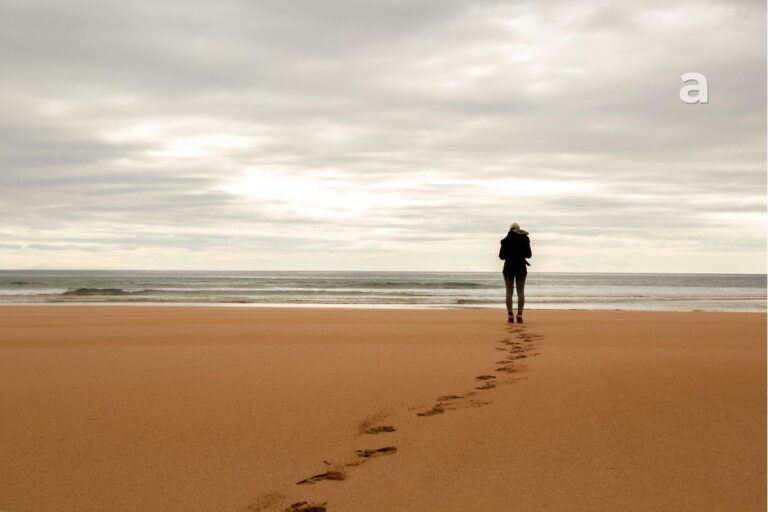
The life you keep waiting to start can feel as though it is always just a little further ahead.
She had always believed her real life was somewhere in the future.
Not far away.
Just after something.
After she earned enough money.
After the children grew older.
After the difficult year was over.
After she found the right job.
After she became more confident.
After she had more time.
There was always a reason to wait.
And the reasons never sounded unreasonable.
That was what made them so convincing.
She wasn’t saying she would never travel. She would travel when things settled down.
She wasn’t giving up on the book she wanted to write. She would start when she had more time.
She wasn’t ignoring the person she wanted to call. She would reach out when she knew what to say.
She wasn’t unhappy with her life. She simply believed that something better was about to begin.
Tomorrow seemed like a perfectly reasonable place to put the things that mattered.
So she kept putting them there.
A dream.
A conversation.
A morning walk.
A new hobby.
A difficult decision.
A little more rest.
A little more courage.
A little more life.
And then one ordinary evening, she looked around her room and realized something strange.
She had been waiting for her life to begin for years.
But nothing had actually been standing at the door.
There was no perfect morning coming to announce:
“Now you can start.”
There was no future version of herself who would suddenly become fearless, completely prepared, endlessly confident, and finally deserving of the life she had imagined.
There was only this day.
This ordinary, imperfect day.
The one she had almost overlooked because she was too busy preparing for another one.
Perhaps that is how postponing life happens.
Not through one enormous decision.
But through hundreds of tiny ones.
I’ll do it later.
I’ll go someday.
I’ll begin next month.
I’ll make time when things become easier.
And slowly, later becomes a place where dreams go to wait.
The difficult truth is that life rarely becomes perfectly convenient.
There will almost always be something unfinished.
Someone who needs you.
A bill to pay.
A responsibility to carry.
A reason to be cautious.
A reason to wait.
And somewhere between all those reasonable reasons, we can forget that we are not waiting outside of life.
We are already inside it.
The question is not whether tomorrow will finally become the day our real life begins.
The question is:
How much of today’s life are we willing to keep postponing for it?
When Things Get Better
She had a sentence she used more often than she realized.
“When things get better…”
When things got better, she would take that trip.
When things got better, she would spend more time with the people she loved.
When things got better, she would finally take care of herself.
When things got better, she would return to the things that once made her feel like herself.
The sentence sounded hopeful.
And perhaps it was.
There is nothing wrong with believing that difficult seasons will eventually pass. Sometimes life genuinely requires patience. There are responsibilities we cannot simply walk away from, circumstances we cannot immediately change, and seasons when getting through the day is enough.
But there is a subtle difference between waiting for a difficult season to pass and making happiness dependent on its ending.
She didn’t notice when that difference began to matter.
At first, she was waiting for one particular problem to end.
Then another appeared.
Then another.
Life did not become dramatically worse.
It simply remained imperfect.
There was always something.
Work was demanding.
Money needed attention.
Someone in the family needed help.
Her plans kept getting interrupted.
She was tired.
And because there was always something that needed fixing, she kept telling herself she would begin living more fully once everything was finally under control.
But everything was never under control.
Perhaps that is one of the strangest things about being human.
We can become so accustomed to solving problems that we start believing life can only be enjoyed after the problems are gone.
So we postpone the dinner.
The walk.
The book.
The weekend away.
The conversation.
The afternoon with someone we love.
The quiet cup of tea.
The photograph.
The celebration.
Not because these things are impossible.
But because they don’t seem important enough yet.
There is always something more urgent.
And urgency has a way of consuming everything around it.
She began noticing how often she used the future as a permission slip.
I’ll rest when this project is finished.
I’ll travel when I have enough saved.
I’ll focus on myself when everyone else is okay.
I’ll start when I feel more confident.
I’ll enjoy this when life becomes easier.
The problem was not that any one of these thoughts was unreasonable.
The problem was that there was always another condition waiting behind it.
More money.
More time.
More certainty.
More confidence.
More energy.
A better year.
A better version of herself.
And eventually, she began wondering whether she was waiting for life to improve—or waiting for life to become risk-free.
Because starting something meaningful always carries a little uncertainty.
Taking the trip means leaving the familiar.
Beginning the project means risking failure.
Speaking honestly means risking rejection.
Resting means accepting that not everything will be finished.
Choosing yourself sometimes means disappointing someone else.
Living fully does not require ignoring responsibility.
But it does require accepting that perfect conditions may never arrive.
There will always be unfinished things.
There will always be another Monday.
Another bill.
Another difficult conversation.
Another reason to say, not yet.
And perhaps the goal isn’t to stop hoping that tomorrow will be better.
Perhaps the goal is to stop making tomorrow responsible for giving meaning to today.
Because sometimes things do get better.
And sometimes they simply become different.
But if we keep waiting for life to become exactly what we imagined before allowing ourselves to live it, we may eventually discover something painful:
We were not waiting for life to begin.
We were waiting for permission to participate in it.
The Perfect Time Never Arrives
She used to imagine that starting would feel different.
There would be a morning when she woke up without hesitation.
She would suddenly have enough time.
Enough money.
Enough confidence.
Enough energy.
Enough certainty.
Everything would somehow line up.
And then she would begin.
The problem was that life never seemed interested in lining everything up at once.
There was always something slightly out of place.
When work became easier, something at home became complicated.
When she had more money, she had less time.
When she had more time, she felt too tired to use it.
When she finally felt ready to make one decision, another uncertainty appeared.
She kept thinking she was waiting for the right moment.
But perhaps she was waiting for a moment that did not exist.
The Myth of Being Ready
We often imagine readiness as a feeling.
As though one day, fear will disappear and confidence will take its place.
But most meaningful beginnings don’t work that way.
You don’t always feel ready before you start.
Sometimes starting is what slowly makes you ready.
The first page of a book does not require you to know how the final chapter will end.
The first walk does not require you to know whether you will become someone who exercises every morning.
The first honest conversation does not require you to have every word perfectly prepared.
And the first step toward a different life rarely comes with a guarantee that everything will work out.
It comes with uncertainty.
That is what makes it a beginning.
She had spent years trying to remove uncertainty before making a move.
Eventually, she began to understand that uncertainty wasn’t necessarily a warning.
Sometimes it was simply the price of moving beyond what was familiar.
The tendency to keep waiting can sometimes overlap with procrastination. The American Psychological Association notes that “waiting for the best time” can become one of the ways people rationalize putting things off.
The Calendar Kept Moving
There was another thing she hadn’t considered.
Waiting did not keep life still.
While she waited, birthdays came.
Seasons changed.
People moved to different cities.
Parents grew older.
Friends became busy with their own lives.
Opportunities appeared and disappeared.
She was not standing outside time, waiting for the perfect door to open.
Time was moving with her.
And that realization was uncomfortable.
Because waiting can feel safe when we imagine that everything will remain available.
The trip can happen next year.
The conversation can happen later.
The dream can wait.
The photograph can be taken someday.
But someday is not a date on the calendar.
It is only a word we use when we don’t know when—or whether—we will actually begin.
Maybe Good Enough Is Enough
She began asking herself a different question.
Not:
“Is this the perfect time?”
But:
“Is this a good enough time to take one small step?”
The difference was almost invisible.
But it changed everything.
She didn’t quit her job overnight.
She didn’t sell her house and disappear.
She didn’t reinvent herself.
She simply stopped requiring her life to be perfect before she allowed herself to participate in it.
She called someone she had been meaning to call.
She went somewhere she had wanted to visit.
She opened the notebook.
She made the appointment.
She took the walk.
Small things.
Almost embarrassingly small.
But they mattered.
Because a life rarely changes all at once.
Sometimes it changes when we stop asking the future for permission.
The perfect time may never arrive.
But an imperfect Tuesday can still be a beginning.
And perhaps that is enough.
Perhaps life was never asking her to wait until everything felt right.
Perhaps it was only asking her to stop waiting for everything to feel right.
The Person She Thought She Had to Become First
For a long time, she believed there was a better version of herself waiting somewhere in the future.
That woman would be confident.
She would know what she wanted.
She wouldn’t overthink every decision.
She would wake up early, take care of her body, manage her money, speak without hesitation, set boundaries without guilt, and never wonder whether she was doing enough.
That was the woman who, she believed, would finally be ready to live.
So she kept working toward her.
There was nothing wrong with wanting to grow.
But somewhere along the way, growth became a condition for permission.
She couldn’t start the thing she loved because she wasn’t disciplined enough.
She couldn’t speak up because she wasn’t confident enough.
She couldn’t travel alone because she wasn’t brave enough.
She couldn’t change direction because she wasn’t certain enough.
She couldn’t rest because she hadn’t accomplished enough.
And she couldn’t fully enjoy the person she was because she was still busy becoming someone else.
The Future Version of Herself

She had created an imaginary person who seemed to have everything figured out.
The future version of herself didn’t hesitate.
She didn’t make embarrassing mistakes.
She didn’t worry about what other people thought.
She didn’t compare herself to anyone.
She simply knew.
And because that person seemed so far away, the present version of herself always felt slightly unfinished.
There was always something to fix.
Something to learn.
Something to improve.
Something to become.
But perhaps becoming better was never supposed to mean becoming someone you could finally approve of.
Perhaps it was supposed to mean becoming more comfortable being yourself while continuing to grow.
She Was Already Allowed to Begin
One evening, she came across an old photograph of herself.
She was younger.
Not particularly confident.
Not especially accomplished.
She didn’t have the answers she thought she needed now.
And yet, looking at that photograph, she felt something unexpected.
Tenderness.
She realized that the woman in the picture had been waiting too.
Waiting to become older.
Wiser.
More capable.
More certain.
She had spent years believing that one day she would finally become enough.
That pressure to become stronger, better, and more capable before allowing yourself to live can quietly become another form of postponement. The Invisible Cost of Always Being the Strong One explores what happens when strength itself becomes a role we feel responsible for playing.
But the woman in the photograph had already deserved kindness.
She had already deserved joy.
She had already deserved experiences.
She had already deserved to take up space.
And perhaps the same was true of the woman she was today.
Maybe she didn’t need to become fearless before she travelled.
She could travel while still carrying fear.
Maybe she didn’t need to become perfectly confident before speaking.
She could speak while her voice still trembled.
Maybe she didn’t need to become completely healed before allowing herself to enjoy life.
She could grow while still carrying unfinished parts of herself.
Because being a work in progress does not make you unworthy of a life in progress.
The Trap of “I’ll Be Better Then”
There is a quiet danger in always imagining happiness on the other side of self-improvement.
When I’m thinner.
When I’m richer.
When I’m successful.
When I’m confident.
When I know what I’m doing.
When I finally become the person I want to be.
The finish line keeps moving.
And if we aren’t careful, we can spend years preparing to live instead of actually living.
Self-improvement can become another form of postponement.
Not because growth is wrong.
But because we start believing that our present self must disappear before our real life can begin.
She began to understand that she didn’t need to wait for a completely different woman to arrive.
She could begin as herself.
Imperfect.
Uncertain.
Still learning.
Still afraid sometimes.
Still changing.
And maybe that was the point.
The life she had been waiting to start did not belong to some future version of her.
It belonged to her now.
She didn’t have to become someone else first.
She only had to stop believing that she did.
The Small Things She Kept Postponing
It was never the big things she meant to postpone.
Those were easy to remember.
The important decisions had dates.
The major responsibilities had deadlines.
The things that could change her life were written down, discussed, planned, and sometimes worried about for weeks.
It was the smaller things that kept disappearing into later.
She wanted to read before bed instead of scrolling through her phone.
Later.
She wanted to sit outside with her morning tea.
Later.
She wanted to call an old friend.
Later.
She wanted to learn how to cook the dish her grandmother used to make.
Later.
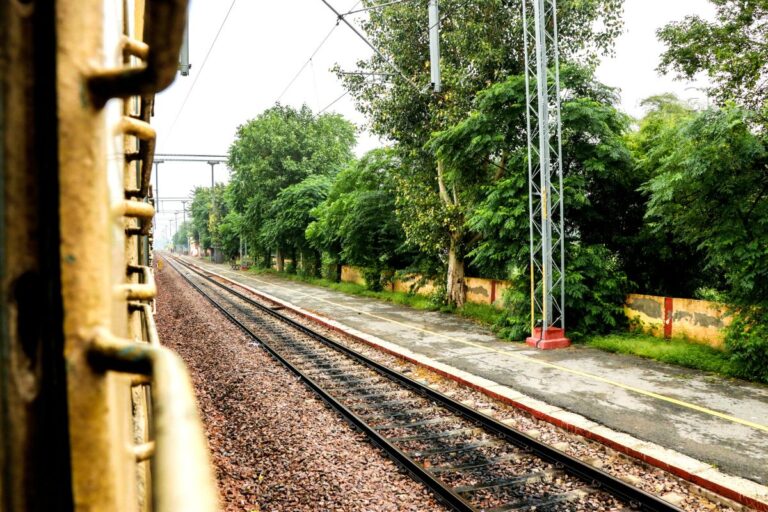
She wanted to take a train somewhere without having a reason to go.
Later.
She wanted to wear the dress she was saving for a special occasion.
Later.
She wanted to spend an entire afternoon doing absolutely nothing productive.
Later.
None of these things seemed urgent.
And because they weren’t urgent, they were easy to sacrifice.
The Things That Don’t Ask for Permission
There is something strange about small joys.
They rarely demand much from us.
A walk can take twenty minutes.
A conversation can take ten.
A book can be opened for a single page.
A song can be played while making dinner.
A cup of tea can be enjoyed without doing anything else at the same time.
Yet these are often the first things we remove when life becomes busy.
We tell ourselves we will return to them when there is more time.
But more time rarely arrives in the form we imagine.
Instead, the days become full again.
And the small things remain somewhere at the bottom of the list.
She began to notice how often she was postponing things not because they were difficult, but because they didn’t seem important enough to come first.
That realization stayed with her.
Because perhaps a meaningful life is not made only from the decisions that change everything.
Perhaps it is also made from the ordinary moments we decide are worth noticing.
The Special Occasion
There was a dress hanging in the back of her wardrobe.
She had bought it years ago.
She loved it.
But she had never worn it.
She kept waiting for the right occasion.
A celebration.
A dinner.
A wedding.
Something special.
One afternoon, she took it out.
There was no celebration that day.
No invitation.
No photograph waiting to be taken.
Just an ordinary afternoon.
She put it on anyway.
For a moment, she felt slightly ridiculous.
Then she laughed.
Not because the dress was funny.
Because she suddenly understood how many things she had been saving for a life that was supposedly going to begin later.
The good plates.
The beautiful notebook.
The expensive perfume.
The photographs.
The places she wanted to see.
The words she wanted to say.
She had been treating ordinary days as though they were rehearsals.
And special days as though they were the actual performance.
But what if there was no rehearsal?
What if this was the life?
Nothing Had to Be Earned
She didn’t suddenly become someone who travelled every weekend or woke up every morning feeling grateful.
Nothing so dramatic happened.
She simply became more careful about what she kept postponing.
Sometimes she took the longer route home.
Sometimes she sat with her tea without checking her phone.
Sometimes she called someone simply because she missed them.
Sometimes she bought herself flowers without needing a reason.
Sometimes she said yes to an afternoon that had no productive purpose at all.
These were tiny acts.
They didn’t solve her problems.
They didn’t make life permanently easier.
But they reminded her of something she had forgotten:
A life can be meaningful without being impressive.
The habit of postponing the life we want is something we often recognize only when we pause long enough to notice what we’ve been putting off. The Life We Keep Postponing explores that feeling from another perspective.
It doesn’t have to look extraordinary from the outside.
Sometimes it is enough that it feels like yours from the inside.
And perhaps the things we keep postponing are worth looking at more closely.
Not because every postponed dream must immediately become a goal.
But because the pattern can tell us something.
If you keep saying you’ll rest later, perhaps you’re forgetting that rest matters.
If you keep saying you’ll call someone later, perhaps the relationship matters more than your schedule admits.
If you keep saying you’ll do something “when life settles down,” perhaps you’re waiting for a version of life that may never exist.
The small things matter.
Not because they are grand.
But because life is mostly made of small things.
And while waiting for the big moment to finally begin, we can accidentally postpone the very moments that were quietly making life worth living.
What Waiting Was Really Protecting Her From
For years, she had called it patience.
She told herself she was being practical.
Careful.
Responsible.
She wasn’t afraid to begin.
She simply wanted to be sure.
But one evening, while thinking about all the things she had postponed, she asked herself a question she had avoided for a long time:
What if waiting wasn’t protecting her from a bad time?
What if it was protecting her from being afraid?
The thought made her uncomfortable.
Because waiting had always felt safe.
As long as she hadn’t started, she couldn’t fail.
As long as she hadn’t spoken, she couldn’t be rejected.
As long as she hadn’t tried, nobody could tell her she wasn’t good enough.
As long as she kept the dream somewhere in the future, it could remain perfect.
The Safety of Never Beginning
There is a strange comfort in an unfinished life.
Possibilities remain possibilities.
The book you haven’t written can still be brilliant.
The business you haven’t started can still succeed.
The journey you haven’t taken can still be wonderful.
The conversation you haven’t had can still end exactly the way you hope.
Nothing has gone wrong because nothing has happened yet.
She realized that this was part of what waiting had been giving her.
Protection from disappointment.
Protection from embarrassment.
Protection from judgment.
Protection from discovering that something she deeply wanted might not work out.
But the protection came with a price.
She was also protecting herself from the possibility that it might work.
Fear Doesn’t Always Look Like Fear
She had never thought of herself as frightened.
Fear, in her mind, looked dramatic.
It looked like running away.
Panic.
Refusal.
But hers had been quieter.
It sounded like:
I’ll think about it.
Maybe next year.
I need to prepare first.
Now isn’t the right time.
I’ll do it once things settle down.
Reasonable sentences.
Responsible sentences.
Sometimes even wise sentences.
But occasionally, beneath a perfectly sensible explanation, there is a much simpler truth:
“I’m afraid of what might happen if I actually try.”
Fear, uncertainty, belonging, security, and the need for meaning can quietly influence the choices we make. We explore some of these deeper forces in The 8 Invisible Forces Behind Every Human Decision.
She began to see that her hesitation wasn’t always a lack of desire.
Sometimes it was the opposite.
She cared so much about the outcome that she was afraid to discover what the outcome would actually be.
The Possibility of Being Seen
There was another fear she hadn’t expected.
Beginning meant being seen.
If she never shared the writing, nobody could criticize it.
If she never changed careers, nobody could question her decision.
If she never said what she really felt, nobody could reject those feelings.
If she never stepped outside the familiar, she could continue believing she was capable of anything.
But potential is comfortable.
Reality is vulnerable.
The moment you begin, the imagined version meets the real world.
And the real world can say no.
It can disappoint you.
It can surprise you.
It can teach you that you’re not as good as you hoped.
Or, sometimes, it can teach you something even more frightening:
You were capable of much more than you had allowed yourself to believe.
She Didn’t Need to Defeat Fear
She used to think courage meant becoming fearless.
Now she wondered whether courage might simply mean stopping the negotiation with fear.
Fear could come along.
She didn’t have to wait for it to leave.
She could be uncertain and still make the call.
She could be nervous and still take the first step.
She could fail and begin again.
She could change her mind.
She could discover that something wasn’t right for her after all.
Starting didn’t require a promise that everything would work.
It only required a willingness to find out.
That changed the question.
Instead of asking:
“What if this goes wrong?”
She began asking:
“What will I never know if I never try?”
And suddenly, the future looked different.
Waiting had been protecting her from disappointment.
But it had also been protecting her from discovery.
From possibility.
From growth.
From the strange joy of finding out that life can sometimes be better than the version we imagined while standing safely on the sidelines.
She finally understood something simple:
You don’t have to stop being afraid before you begin.
Sometimes you begin—
and let courage catch up with you along the way.
The Day She Realized Time Was Moving Anyway
The realization didn’t arrive dramatically.
There was no terrible phone call.
No sudden loss.
No moment that divided her life into before and after.
It was just an ordinary afternoon.
She was looking through a drawer for something she couldn’t remember needing.

Instead, she found an old photograph.
She sat down.
The photograph was from years ago.
She looked younger.
Not necessarily happier.
Not necessarily wiser.
Just younger.
And then she noticed the date.
She stared at it for a while.
She couldn’t understand how so much time had passed.
That version of her had once thought she had plenty of it.
There would be time to travel.
Time to change.
Time to call people.
Time to learn.
Time to begin.
She remembered the things she had said back then.
Someday.
Later.
When things settle down.
When I’m ready.
And suddenly, the word later felt different.
Because later had arrived.
It had simply brought another later with it.
The Future Doesn’t Wait With Us
She had always imagined the future as somewhere ahead.
A place she would eventually reach.
But sitting there with that old photograph, she understood something she had somehow missed:
The future doesn’t wait for us.
It becomes today.
Then tomorrow.
Then another yesterday.
The plans she had once made for “one day” had quietly become memories of things she never did.
Some opportunities were still there.
Others weren’t.
Some people were still close.
Others had moved away, become busy, or simply become different people.
Some dreams still mattered.
Others no longer belonged to the woman she had become.
That last realization surprised her most.
Waiting doesn’t only postpone an experience.
Sometimes it changes the person who was supposed to experience it.
The People We Assume Will Always Be There
She thought about a friend she hadn’t spoken to in years.
They had always promised they would meet.
We’ll find a weekend.
We’ll plan something.
We’ll call soon.
Neither of them had meant to disappear from the other’s life.
Life had simply become busy.
One week became another.
One year became several.
There was no argument.
No ending.
Just distance created by thousands of ordinary days.
She realized that time doesn’t always take things away dramatically.
Sometimes it takes them quietly.
A conversation becomes a message.
A message becomes a memory.
A place you loved becomes somewhere you haven’t visited in years.
A dream becomes something you once wanted.
And sometimes you don’t notice what is changing until you look back.
She Had Been Waiting for More Time
That was the irony.
She had postponed so many things because she believed she needed more time.
But time was the one thing she could never save.
She could save money.
Save a photograph.
Save a dress.
Save a book for later.
But she couldn’t save Tuesday.
She couldn’t put an afternoon in a cupboard and take it out five years later.
She couldn’t preserve this version of herself until she finally felt ready.
Time would keep moving whether she participated in her life or not.
And perhaps that was the part she had been avoiding.
Waiting felt like a decision not to choose.
But time treated it as a choice anyway.
The Question Changed
That evening, she didn’t make a list of everything she needed to change.
She didn’t promise herself a completely different life.
She simply sat quietly and asked:
“If nothing suddenly becomes easier, what would I still want to experience?”
The answer came slowly.
There were people she wanted to call.
Places she wanted to see.
Things she wanted to learn.
Words she wanted to say.
Moments she wanted to stop rushing through.
None of them required her to become a different person.
They only required her to stop assuming that there would always be another year.
Another season.
Another opportunity.
Another tomorrow.
She looked at the photograph one more time.
That younger woman had been waiting for her life to begin.
The woman holding the photograph finally understood.
It had already begun.
It had been beginning every morning.
Every ordinary afternoon.
Every conversation.
Every choice.
Every day she had been too busy waiting to notice.
And time would keep moving.
So would she.
The only question was whether she would keep watching her life pass—
or finally start living inside it.
Starting Doesn’t Have to Look Like Starting Over
For a long time, she had imagined that beginning again would have to be dramatic.
If she truly wanted a different life, she thought she would have to change everything.
Leave the job.
Move somewhere new.
End old relationships.
Become a completely different person.
Wake up one morning and somehow have the courage to walk away from everything familiar.
But the older she became, the less she believed in dramatic beginnings.
Perhaps because she had learned something important:
Most lives don’t need to be destroyed before they can be changed.
Sometimes, they simply need to be adjusted.
The Smallest Beginning
She started with something almost too ordinary to call a beginning.
She began walking in the evening.
Not because she had suddenly become disciplined.
Not because she had created a perfect routine.
She simply put on her shoes and went outside.
Twenty minutes.
Sometimes less.
Sometimes she walked with purpose.
Sometimes she wandered.
Sometimes she came home feeling exactly the same.
But something had changed.
She had stopped waiting for the perfect version of herself to appear.
She was doing something as the person she was today.
That mattered.
Because starting over had always seemed enormous.
Starting something small felt possible.
You Don’t Have to Leave Everything Behind
She began looking differently at the life she already had.
There were things she genuinely loved.
People she wanted to keep close.
Responsibilities that mattered.
Memories she didn’t want to erase.
A home that still felt like home.
She didn’t need to reject any of it simply because she wanted something different.
She could keep some things.
Change others.
Release a few.
Make room for something new.
Maybe that was what she had misunderstood about change.
Change doesn’t always mean replacement.
Sometimes it means rearrangement.
A different boundary.
A new habit.
An honest conversation.
A decision to spend less time somewhere that drains you.
A decision to spend more time somewhere that restores you.
A decision to finally make room for something you’ve been quietly missing.
The life she wanted didn’t necessarily require a completely new life.
It required a more intentional version of the one she already had.
The Beginning Nobody Sees
Some beginnings are invisible from the outside.
Nobody applauds when you finally say no to something you don’t have the capacity for.
Nobody sees when you choose rest instead of proving your worth.
Nobody knows that sending one difficult message took you three months of courage.
Nobody notices when you start believing in yourself a little more.
There may be no photograph.
No announcement.
No dramatic before-and-after moment.
But these quiet choices can change the direction of a life.
She began to understand that a beginning doesn’t need to look impressive.
It only needs to be real.
One Door at a Time
She also stopped demanding that she know where every step would lead.
That had been another reason she waited.
She wanted a complete map before taking the first step.
But perhaps life rarely provides one.
You see the next door.
You open it.
Then you discover another hallway.
Then another choice.
Then another possibility.
Sometimes you turn around.
Sometimes you continue.
Sometimes you realize you were walking toward the wrong thing.
That doesn’t mean the beginning was a mistake.
It means you learned something by moving.
And maybe that is why starting doesn’t have to feel like certainty.
It can simply feel like curiosity.
What happens if I try?
What happens if I say yes?
What happens if I finally give this a chance?
Those questions were enough.
The Life She Wanted Wasn’t Somewhere Else
One morning, she sat by the window with her tea.
Nothing remarkable was happening.
There was no new job.
No plane ticket.
No life-changing announcement.
Just sunlight entering the room.
And for the first time in a long time, she wasn’t thinking about the life she was going to have someday.
She was thinking about the life she was already living.
It wasn’t perfect.
It wasn’t the life she had imagined at twenty.
It wasn’t free from problems.
But it was hers.
And perhaps she didn’t need to start over.
Perhaps she needed to start paying attention.
To what made her feel alive.
To what made her feel tired.
To who she wanted beside her.
To what she had outgrown.
To what she kept postponing.
To what she still hoped for.
Starting again, she realized, didn’t always mean leaving the old life behind.
Sometimes it meant finally becoming present enough to change the life you already have.
And sometimes the first step isn’t walking away.
It’s turning toward yourself.
Sometimes turning toward yourself means giving yourself permission to begin again, even when your life doesn’t look the way you once imagined. The Man Who Started Again explores that quiet kind of beginning.
The Life That Was Already Here
She had spent so much time looking ahead that she had almost forgotten to look around.
The future had always seemed more important.
The next year.
The next opportunity.
The next version of herself.
The life she would eventually build once everything fell into place.
But now, she began noticing things she had been moving too quickly to see.
The morning light across the kitchen floor.
The familiar sound of someone unlocking the front door.
The friend who still called just to ask how she was.
The book beside her bed.
The tree she passed every day without ever really looking at.
The quiet few minutes before the rest of the house woke up.
Nothing had changed dramatically.
She had simply started paying attention.
The Ordinary Wasn’t Empty
She used to think meaningful moments had to be memorable.
A trip.
A celebration.
A new beginning.
A photograph worth keeping.
Something that could be marked on a calendar.
But most of life wasn’t made that way.
Most of it was ordinary.
Breakfast.
Traffic.
Work.
Laundry.
Conversations about nothing particularly important.
Waiting in line.
Making dinner.
Falling asleep.
Waking up and doing it all again.
She had mistaken ordinary for insignificant.
Now she wondered if that had been unfair.
Because perhaps the ordinary wasn’t the absence of life.
It was where most of life was happening.
The people she loved weren’t only present during celebrations.
They were present in small conversations.
In shared meals.
In unanswered messages eventually answered.
In the question, “Did you eat?”
In someone remembering how she liked her tea.
In sitting beside another person without needing to say anything.
These moments would never become headlines.
But they were becoming memories.
She Stopped Saving Herself for Later
There was a particular kind of freedom in that realization.
She no longer needed every day to justify itself.
She could enjoy an ordinary afternoon without turning it into something productive.
She could read a few pages without needing to finish the book.
She could sit in the sun without feeling guilty about wasting time.
She could say yes to a spontaneous plan.
She could say no when she was tired.
She could wear something she liked simply because she liked it.
She could take photographs even when nobody was celebrating anything.
She could call someone because she missed them—not because there was important news to share.
These things seemed small.
But they changed the texture of her days.
And slowly, she understood something she had spent years overlooking:
A meaningful life isn’t necessarily a life filled with extraordinary events.
Sometimes it is a life in which ordinary moments are no longer invisible.
The Future Was Still There
She hadn’t stopped dreaming.
That was important.
She still wanted to travel.
Still wanted to learn.
Still wanted to grow.
Still had plans she hadn’t fulfilled.
She hadn’t suddenly decided that the future didn’t matter.
She simply stopped asking the future to rescue the present.
There was a difference.
She could hope for tomorrow without abandoning today.
She could work toward something without believing that her current life was merely a waiting room.
She could want more without deciding that what she already had wasn’t enough to appreciate.
Perhaps that was the balance she had been searching for.
Hope for the future.
Presence in the present.
One did not have to cancel the other.
The Life She Had Been Looking For
One evening, she was sitting outside as the light began to fade.
Nothing special had happened that day.
There had been no breakthrough.
No exciting announcement.
No reason to remember the date.
And yet, she felt strangely peaceful.
She thought about the younger version of herself who had been waiting for life to begin.
She wished she could tell her something.
That the perfect moment wasn’t coming.
That she didn’t need to become someone else first.
That she didn’t need to solve everything.
That she didn’t need permission.
That the little things mattered.
That time was moving.
And most importantly:
The life she was waiting for wasn’t somewhere in the distance.
It had been quietly gathering around her all along.
In the mornings she rushed through.
In the people she sometimes took for granted.
In the choices she kept postponing.
In the small pleasures she thought she hadn’t earned.
In the imperfect days she had considered insignificant.
In the person she was before she became the person she thought she needed to be.
She looked around.
The same room.
The same street.
The same sky.
But it no longer felt like a waiting room.
It felt like home.
And perhaps that is one of the quietest forms of awakening:
Not suddenly getting the life you always wanted—
but finally noticing the life you already have.
Maybe You Don’t Need to Wait Anymore
She used to think beginning would feel like certainty.
A clear decision.
A sudden burst of courage.
A perfect morning when everything finally made sense.
It didn’t.
There was no announcement.
No sign from the universe.
No moment when every fear disappeared.
There was simply an ordinary day.
And on that day, she understood something she had been slowly learning all along:
Maybe she didn’t need to wait anymore.
Not for everything to become easier.
Not for everyone to understand.
Not for the perfect opportunity.
Not for a future version of herself to arrive.
Not for permission.
There Will Always Be Something
There will always be another reason to wait.
Another responsibility.
Another uncertainty.
Another unfinished task.
Another difficult season.
Another voice asking whether now is really the right time.
And sometimes, waiting will be the right decision.
Some things genuinely require patience.
Some dreams need preparation.
Some wounds need time.
Some decisions should not be rushed.
But there is a difference between waiting because something needs time and waiting because we are afraid to begin.
Only we can decide which one we are doing.
And sometimes the answer becomes clear when we ask ourselves:
“If nothing changes, how long am I willing to keep postponing this?”
You Don’t Need a Completely Different Life
Maybe you don’t need to quit everything.
Maybe you don’t need to move to another city.
Maybe you don’t need to become extraordinarily brave.
Maybe you don’t need a five-year plan.
Maybe you simply need to make one phone call.
Take one walk.
Open the notebook.
Book the ticket.
Have the conversation.
Apply for the opportunity.
Rest without guilt.
Say no.
Say yes.
Tell someone you love them.
Return to something you once loved.
Begin badly.
Begin slowly.
Begin uncertainly.
But begin.
Because sometimes we make starting sound so enormous that we forget:
A beginning can be very small.
Don’t Wait for a Better Version of Yourself
You will probably always have something you want to improve.
There will always be another habit to build.
Another fear to work through.
Another weakness to understand.
Another part of yourself you hope will become stronger.
That’s okay.
You don’t have to finish becoming yourself before you are allowed to live.
You can grow and live at the same time.
You can be uncertain and still move forward.
You can be healing and still experience joy.
You can be imperfect and still make beautiful memories.
You can be a work in progress without putting your entire life on hold.
Your unfinished self is still worthy of an unfinished, unfolding life.
The Day Doesn’t Have to Be Special
Perhaps this is the hardest lesson.
We keep waiting for a special day to do special things.
But most days will not announce themselves as important.
There will be no music.
No dramatic sunset.
No certainty that this particular Tuesday will become a memory you carry for years.
And yet, it might.
The afternoon you finally called someone could become important.
The ordinary dinner with your family could become important.
The walk you almost skipped could become important.
The photograph you almost didn’t take could become important.
The conversation you thought could happen later might become one you are grateful you had today.
We don’t always know which moments will matter.
So perhaps we should stop requiring them to prove their importance before we experience them.
The Life Is Already Happening
She finally understood why she had felt restless for so long.
She had been standing at the edge of her own life, waiting for an invitation.
But there had never been an invitation.
There was only life.
This morning.
This afternoon.
This person beside her.
This dream still quietly asking for attention.
This body carrying her through another day.
This heart still capable of curiosity.
This imperfect, unfinished, ordinary existence.
She had spent years waiting for the beginning.
And then she realized:
There was no beginning coming.
This was it.
Every day had been an opening.
Every ordinary morning had been another chance.
Every small decision had been a direction.
Every moment she had called later had once been today.
And today was still here.
Maybe You Don’t Need to Wait Anymore
You may still have things to figure out.
You may still be tired.
You may still be afraid.
You may not have enough money.
You may not have the perfect plan.
You may not feel ready.
That’s okay.
You don’t have to solve your entire life today.
Just don’t keep postponing all of it.
Leave some room for the thing that makes you feel alive.
For the person you keep meaning to call.
For the dream that still quietly returns.
For the rest your body has been asking for.
For the place you’ve always wanted to see.
For the version of yourself you keep meeting in your imagination.
You don’t have to start everything.
You don’t have to change everything.
You don’t have to become everything.
Sometimes personal growth begins with something much quieter: noticing what you’ve been waiting for and deciding what you no longer want to postpone.
Just stop waiting for the perfect moment to give yourself permission to live.
Because one day, you may look back and realize that the life you were waiting to start—
was the life you were already living.
And perhaps the most important question isn’t:
“When will my real life begin?”
It is:
“What if I stopped waiting—and began with today?”
If this stayed with you, you can support Aarohi here🌿
If this piece stayed with you, you can support Aarohi 🌿
Secure payments via UPI, Cards, Net Banking & PayPal
This is not a transaction, it is an exchange of energy.

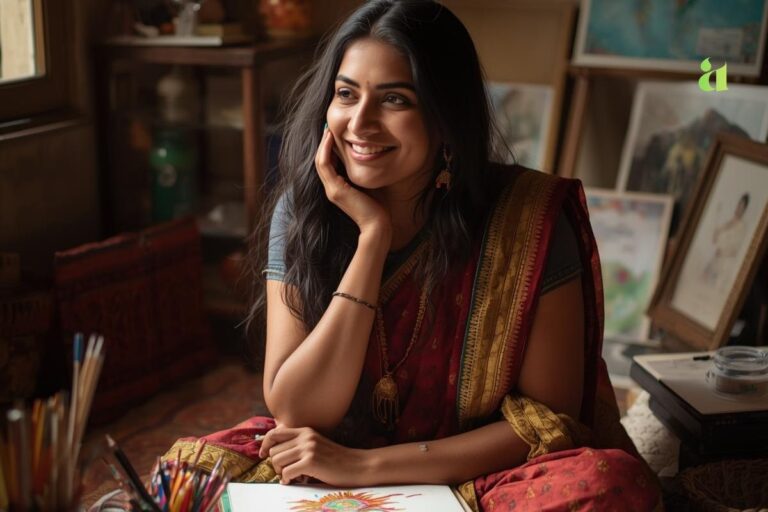



A thoughtful and encouraging reflection. It reminds us that the future is created through today’s choices, not tomorrow’s intentions.