

You Don’t Miss Them, You Miss Who You Were
You Don’t Miss Them. At least, not in the way you think you do.
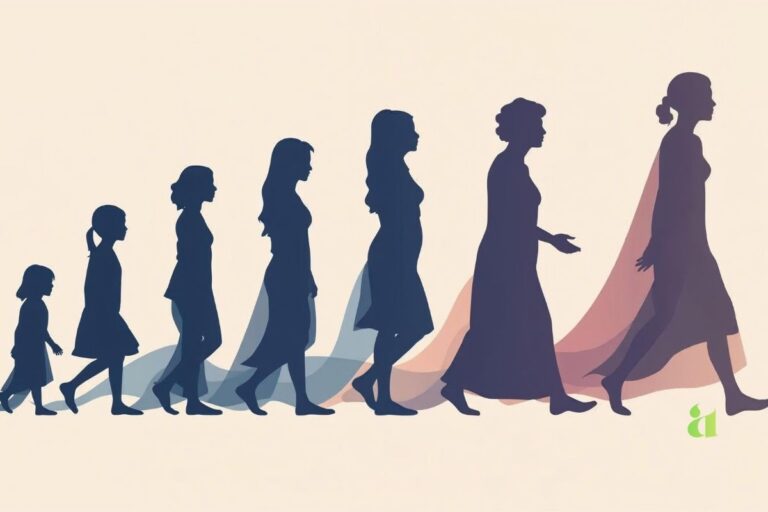
Sometimes what we believe is longing for another person is actually a longing for a version of ourselves that only existed during that chapter of life.
There comes a moment after a relationship ends when something unexpected happens.
You hear a familiar song.
You pass a place you once visited together.
You come across an old photograph tucked away in your phone.
Suddenly, it feels as though you miss them all over again.
But if you pause for a moment and sit with that feeling, you may notice something surprising.
Perhaps you don’t actually miss the person as much as you miss who you were when they were part of your life.
The version of you who laughed more freely.
The version of you who believed the future looked different.
The version of you who felt understood, hopeful, adventurous, or simply less alone.
Sometimes, grief disguises itself as longing for another person when, beneath the surface, it is mourning a former version of ourselves.
Relationships rarely leave us unchanged.
Every meaningful connection shapes our habits, our routines, our dreams, and even the stories we tell ourselves about who we are.
When that relationship ends, we don’t just lose someone’s presence.
We also lose the identity we quietly built while sharing life with them.
That is why moving on often feels so confusing.
People wonder,
“Why do I still miss them even after everything that happened?”
The answer isn’t always love.
Sometimes it is familiarity.
Sometimes it is unfinished dreams.
Sometimes it is the comfort of a life that no longer exists.
And sometimes, it is simply the quiet ache of realizing that a chapter of ourselves has ended.
The heart doesn’t always distinguish between missing a person and missing a period of life.
Both can feel equally painful.
Yet understanding this difference can change the way we heal.
Instead of asking,
“How do I stop missing them?”
Perhaps the better question becomes,
“What part of myself am I truly searching for?”
That is the heart of this article: You Don’t Miss Them as much as you miss the person you were becoming.
If you’ve ever experienced relationships slowly drifting apart, you may also enjoy reading Outgrowing People: Why Some Relationships End Quietly, which explores why some connections end without anger or conflict.
That single question has the power to transform heartbreak into self-discovery.
Because healing is rarely about forgetting someone.
More often, it is about becoming someone new without losing the wisdom of who you once were.
In this reflection, we’ll explore why memories often feel stronger than reality, how relationships shape our identity, and why finding yourself again is one of the most meaningful journeys you can take after letting someone go.
Why Memories Feel Stronger Than Reality
There is a reason the past often feels more beautiful than it actually was.
Our minds are remarkable storytellers.
They don’t preserve every detail of our experiences with perfect accuracy. Instead, they quietly reshape memories over time, softening certain moments while highlighting others. Pain fades. Small acts of kindness become brighter. Ordinary afternoons begin to feel extraordinary simply because they can never be repeated.
This is one of the reasons people often believe they miss someone more than they truly do.
In reality, they may be missing a carefully edited version of the past.
Think about an old photograph.
It captures only one smile, one sunset, one celebration. It doesn’t show the disagreements that happened later that evening, the misunderstandings that took weeks to resolve, or the quiet disappointments that slowly accumulated over time.
Memories work in much the same way.
They preserve moments.
They rarely preserve the complete story.
When we revisit the past, we often return to its brightest scenes while unconsciously leaving behind the complexity that made those moments real.
That doesn’t mean the memories are false.
It simply means they are incomplete.
Perhaps that’s why a song can suddenly make your heart ache.
Or why walking past a familiar café can make you wonder whether you made the wrong decision.
The memory itself isn’t asking you to go back.
It’s reminding you that a part of your life once felt meaningful.
There is an important difference between those two things.
Many people interpret nostalgia as proof that they should reconnect with someone.
But nostalgia is not always an invitation to return.
More often, it is an invitation to understand what that chapter gave you.
Sometimes it reminds you that you once felt deeply loved.
Sometimes it reminds you that you were brave enough to trust.
Sometimes it reminds you that you dreamed without hesitation.
Those qualities didn’t belong exclusively to another person.
They also belonged to you.
The relationship may have ended, but the capacity to love, hope, laugh, and dream still exists within you.
It simply needs space to emerge again.
Psychologists have long observed that nostalgia is not purely about longing for the past. In many cases, it also serves a positive purpose by helping people maintain a sense of continuity between who they were and who they are becoming. Rather than trapping us in yesterday, healthy reflection can strengthen resilience and remind us that our lives are made of many meaningful chapters—not just one.
Research in healthy relationships and emotional well-being suggests that memories often become emotionally selective over time.
The challenge begins when we mistake nostalgia for evidence that the past was perfect.
No relationship is perfect.
No season of life is untouched by uncertainty.
Even the chapters we remember most fondly contained moments of confusion, compromise, frustration, and fear.
Yet our hearts naturally return to the warmth before they remember the weather.
That is why healing requires honesty.
Instead of asking,
“Were they the only person who could make me happy?”
A gentler question might be,
“What did that relationship awaken in me that I can nurture again?”
Perhaps it encouraged your creativity.
Perhaps it made you feel adventurous.
Perhaps it gave you confidence to believe in yourself.
Those gifts are not permanently lost simply because the relationship ended.
They are still part of your story.
The memories are valuable not because they demand that you live in the past, but because they reveal the qualities you want to carry into your future.
When we begin to see memories this way, they become less like anchors holding us back and more like quiet teachers guiding us forward.
Because healing isn’t about erasing beautiful memories.
It’s about allowing them to inspire your next chapter instead of imprisoning you in the last one.
Sometimes, You Don’t Miss Them—you miss the emotions, hopes, and identity those memories represent.

The Identity We Build Inside Relationships
One of the quietest truths about human relationships is that they don’t simply change our lives.
They change us.
Without realizing it, we begin shaping parts of our identity around the people who matter most.
We adjust our routines.
We develop shared traditions.
We start using words and expressions that weren’t part of our vocabulary before.
We discover new interests because someone invited us into their world.
Over time, these small changes become so natural that we no longer notice where they came from.
We simply begin calling them “me.”
Perhaps you became someone who woke up early because the two of you loved watching the sunrise together.
Perhaps you started reading more because they introduced you to books you would never have picked yourself.
Perhaps you became more patient, more adventurous, or more optimistic because their presence quietly encouraged those qualities.
Relationships leave fingerprints on our identity.
Not because we lose ourselves within another person, but because every meaningful connection becomes part of our personal story.
This isn’t a weakness.
It’s one of the most beautiful aspects of being human.
We grow through one another.
Every teacher changes us.
Every close friend influences us.
Every mentor expands our perspective.
Every person we deeply love leaves behind something that continues living inside us long after they’ve gone.
That is why separation can feel so disorienting.
When someone leaves our life, we don’t only lose their presence.
We suddenly find ourselves asking questions we never expected.
“Who am I without this relationship?”
“What do I enjoy now?”
“What does my future look like?”
“Which dreams were truly mine?”
Those questions are not signs that something is wrong with you.
They are signs that your identity is adjusting to change.
Imagine moving into a new home after living in another place for many years.
The furniture may fit.
The walls may be freshly painted.
Yet something still feels unfamiliar.
You instinctively reach for a light switch that no longer exists.
You walk toward rooms arranged differently than before.
For weeks, your body continues expecting the old house.
Eventually, however, the new place begins to feel like home.
The same thing happens emotionally.
Your heart has grown accustomed to a certain way of living.
Certain conversations.
Certain routines.
Certain expectations.
When those disappear, your emotional world doesn’t instantly reorganize itself.
It takes time.
This explains why healing often feels inconsistent.
One day you feel completely at peace.
The next day a simple photograph, a familiar fragrance, or an ordinary Tuesday afternoon brings everything rushing back.
It isn’t always because you’re still in love.
Sometimes your mind is simply remembering an identity that no longer exists.
There is an important distinction between missing a person and missing the life you created together.
The two feelings often arrive together, making them difficult to separate.
Yet understanding this difference changes everything.
If you believe the only way to feel whole again is to bring that person back, healing becomes dependent on circumstances beyond your control.
But if you recognize that many of the qualities you miss still belong to you, something remarkable begins to happen.
You stop searching for yourself in someone else’s absence.
You begin rediscovering yourself in your own presence.
This is often the moment people realize You Don’t Miss Them as much as they miss who they used to be.
Maybe you miss feeling spontaneous.
That doesn’t require the relationship to return.
Maybe you miss feeling deeply understood.
That can grow through future friendships and meaningful conversations.
Maybe you miss laughing until your stomach hurt.
Joy has never belonged to only one person.
It simply found expression during one chapter of your life.
Every meaningful relationship reveals parts of ourselves we didn’t know existed.
Some teach us courage.
Some teach us patience.
Some teach us boundaries.
Some remind us that we are capable of loving more deeply than we imagined.
Even relationships that end become teachers.
Not because they lasted forever.
But because they revealed something true about who we were becoming.
The goal of healing is not to erase those lessons.
Nor is it to become the exact person you were before.
Growth rarely works in reverse.
If you’re trying to reconnect with yourself after emotional change, our guide on How to Feel Like Yourself Again explores practical ways to rebuild your identity.
Instead, healing gently asks a different question:
“How can I carry the best parts of that chapter into the next one?”
Because the strongest identities are never built around one relationship alone.
They are built from every experience, every goodbye, every lesson, and every act of courage that slowly shapes the person we continue becoming.
Perhaps you don’t need to return to who you were.
Perhaps you’re being invited to become someone even more complete.
Why Familiarity Feels Like Love
There is a quiet comfort in what we know.
The streets we drive every day.
The coffee we order without thinking.
The chair we always choose in a familiar café.
Human beings are naturally drawn toward familiarity because it gives us a sense of safety. It asks nothing new of us. It requires no explanation. It simply feels like home.
The same is often true in relationships.
Sometimes, what we believe is love is deeply intertwined with familiarity.
We become accustomed to someone’s morning messages, their voice at the end of a long day, the way they laugh at our jokes, or the small routines that quietly become part of everyday life. Over time, these moments create a rhythm that feels natural.
Then one day, that rhythm disappears.
The silence feels overwhelming.
Not necessarily because love has vanished, but because familiarity has.
This is where healing becomes complicated.
Many people ask themselves,
“If I still miss them, does that mean I’m still in love?”
The answer isn’t always simple.
Missing someone can certainly be an expression of love.
But it can also be an expression of habit.
The human brain is remarkably efficient at building routines. When something becomes part of our daily lives, we begin expecting it without conscious thought. A message every morning. A phone call every evening. Weekend plans that no longer require discussion because they have become tradition.
These patterns become woven into the fabric of our lives.
When they suddenly stop, it feels as though something essential is missing.
And in many ways, something is.
Not necessarily the person.
But the rhythm.
Think about moving to a new city.
You may genuinely miss your old neighborhood.
The familiar grocery store.
The route you walked every evening.
The people who greeted you by name.
Over time, however, you realize that what you missed wasn’t only the place.
It was the comfort of knowing where you belonged.
Relationships create a similar feeling.
They become emotional homes.
Not because every day is perfect, but because they are familiar.
That familiarity is powerful.
It whispers,
“This is where you are safe.”
So when the relationship ends, your heart naturally longs for that feeling again.
It mistakes the absence of comfort for the absence of love.
Yet the two are not always the same.
Love helps us grow.
Familiarity helps us feel secure.
The healthiest relationships offer both.
But when a relationship changes, familiarity often leaves first.
That is why the earliest stages of healing can feel so unsettling.
You are not only learning to live without someone.
You are learning to live without the routines that quietly shaped your days.
The morning message no longer arrives.
The seat beside you is empty.
The person you automatically shared good news with is no longer the first one who comes to mind.
These are not only emotional changes.
They are neurological ones.
Your mind is adapting to a new pattern.
Understanding this can be surprisingly comforting.
It reminds us that the ache we feel is not proof that we can never be happy again.
It is often evidence that our heart and mind are learning a different rhythm.
Every new chapter begins this way.
At first, the unfamiliar feels uncomfortable.
A new job.
A new home.
A new city.
A new version of yourself.
None of them feel natural in the beginning.
But slowly, almost without noticing, they become familiar too.
The café where everyone once knew your name is replaced by another.
The empty weekends become filled with new experiences.
The silence that once felt unbearable begins to make room for peace.
Healing is not the disappearance of memories.
Sometimes what we mistake for love is actually emotional attachment and familiarity, a theme closely connected with Choosing Yourself.
Understanding why You Don’t Miss Them but still miss the familiarity can completely change how you see your healing journey.
It is the gradual creation of new ones.
This is why returning to an old relationship does not always bring lasting happiness.
Sometimes we mistake the comfort of the familiar for the certainty that it is still right for us.
But familiarity alone cannot sustain a healthy relationship.
A pair of old shoes may feel comfortable because they have molded to your feet.
That doesn’t always mean they still provide the support you need for the road ahead.
Relationships are much the same.
Comfort is valuable.
But growth matters too.
As we move through life, we are invited to ask a different question.
Not,
“What feels familiar?”
But,
“What helps me become the person I want to be?”
The answer may not always lead us back to the people we once loved.
Sometimes, it leads us toward new friendships.
New experiences.
New communities.
New dreams.
Eventually, those unfamiliar places begin to feel like home.
And one day, often when you least expect it, you realize something remarkable.
You no longer reach for your phone expecting their message.
You no longer compare every new experience to an old memory.
Not because the past stopped mattering.
But because your life has quietly found a new rhythm.
The familiarity you once thought existed only with one person has slowly been rebuilt within yourself.
That is one of healing’s gentlest miracles.
It doesn’t ask you to erase the past.
It simply teaches your heart that home is not always a person.
Sometimes, home is the peace you discover within yourself.

Grieving the Version of Yourself That No Longer Exists
Grief is often misunderstood.
We tend to associate it with losing someone we love. We imagine it arriving after a goodbye, a funeral, or the end of a relationship. But grief is much quieter and far more complex than that.
Sometimes, we grieve people who are still alive.
Sometimes, we grieve places that still exist.
And sometimes, without even realizing it, we grieve the person we used to be.
That is one of the hidden truths behind “You Don’t Miss Them.”
What you are feeling may not be the absence of another person alone.
It may be the absence of the version of yourself that existed when they were part of your life.
There was a time when your days looked different.
Your plans included someone else.
Your future carried certain expectations.
Your routines felt familiar.
Your laughter came more easily.
Perhaps you believed love would last forever.
Perhaps you imagined growing old together.
Perhaps you simply believed life would continue unfolding the way it always had.
Then life changed.
And with it, so did you.
The person who made those plans no longer exists in exactly the same way.
Not because they were weak.
Not because they failed.
But because every meaningful experience leaves us different from who we were before.
This is one of life’s quiet paradoxes.
We spend so much time trying to become better versions of ourselves that we rarely stop to acknowledge the versions we have already left behind.
The hopeful university student.
The newly married partner.
The ambitious young professional.
The carefree friend who believed weekends would always belong to the same people.
None of these identities disappear overnight.
They slowly dissolve as life continues asking us new questions.
That process can feel surprisingly lonely.
When people tell us,
“Move on.”
or,
“Everything happens for a reason,”
they often overlook what moving on truly requires.
It is not simply letting go of another person.
It is learning to say goodbye to an identity that once felt permanent.
That goodbye deserves compassion.
Think about an old journal.
When you read its pages years later, you may smile at the dreams you once had.
Some came true.
Many did not.
Yet you don’t judge the person who wrote those words.
You recognize them as an earlier version of yourself—someone who believed the best they could with the understanding they had at the time.
Healing asks us to offer that same kindness to ourselves.
Resources on understanding emotional health and resilience explain why self-compassion is an important part of emotional recovery.
Instead of criticizing the person who loved too deeply, trusted too easily, or hoped too much, we can thank them.
Because without that version of ourselves, we would not possess the wisdom we carry today.
Every heartbreak leaves behind knowledge.
Every disappointment teaches discernment.
Every ending quietly reshapes the way we understand ourselves.
Those lessons often arrive disguised as loss.
That is why healing sometimes feels like standing between two identities.
You are no longer the person you were.
This experience often overlaps with emotional exhaustion, which we explore in Signs You Are Emotionally Exhausted.
Accepting that You Don’t Miss Them as much as your former identity is often the beginning of emotional freedom.
But you have not yet become the person you are meant to be.
It is an uncomfortable place.
A place filled with uncertainty.
Questions.
Silence.
And yet, it is also where transformation begins.
Nature understands this better than we do.
A tree does not mourn every leaf that falls.
It trusts that new growth will come in its own season.
A river does not resist the bends in its path.
It continues flowing toward the ocean without needing every mile to look the same.
Life constantly teaches us that change is not evidence that something has gone wrong.
It is evidence that life is still unfolding.
Perhaps we struggle because we expect ourselves to remain recognizable after experiences that were powerful enough to change us forever.
But how could we?
Love changes us.
Loss changes us.
Success changes us.
Failure changes us.
Parenthood changes us.
Friendship changes us.
Time itself changes us.
To expect otherwise is to expect life without growth.
There is a quiet freedom in accepting that you are allowed to become someone different.
Not because your former self was inadequate.
But because every chapter prepares you for the next one.
The version of you that existed inside that relationship completed its purpose.
It laughed.
It loved.
It made mistakes.
It learned.
It hoped.
It gave everything it knew how to give.
That person deserves gratitude, not criticism.
When we stop trying to resurrect old versions of ourselves, we create space for new ones to emerge.
The confidence you haven’t discovered yet.
The peace you haven’t experienced yet.
The friendships you haven’t met yet.
The dreams you haven’t imagined yet.
None of those possibilities can fully arrive while we are asking yesterday to become today again.
Perhaps that is why healing is not really about returning to who you were.
It is about carrying forward everything that version of you learned, while giving yourself permission to become someone they could never have imagined.
One day, you may look back at this chapter the way you now look back at childhood photographs.
With tenderness.
With appreciation.
Without wishing to live there again.
Because growth has a beautiful way of transforming grief into gratitude.
And when that happens, you realize something quietly extraordinary.
You were never meant to spend your life searching for the person you used to be.
You were always meant to become the person your journey was preparing you to meet.
Rediscovering Yourself After Letting Go
There is a question that quietly follows almost every ending.
“Who am I now?”
It rarely arrives all at once.
Instead, it appears in ordinary moments.
The first weekend when you have no plans.
The first birthday that feels different.
The first trip to a place that once belonged to shared memories.
Life continues moving forward, but something inside you feels uncertain, as though you’re learning to introduce yourself to your own reflection.
Many people believe that healing means finding another relationship.
But healing is not about replacing someone.
It is about reconnecting with yourself.
Perhaps that is why letting go often feels less like closing a door and more like walking into an unfamiliar landscape. Everything is still recognizable enough to remind you of the past, yet different enough to make you wonder where you belong.
The answer doesn’t arrive overnight.
It grows quietly.
One small decision at a time.
You wake up one morning and realize you’ve made your favorite cup of tea exactly the way you like it—not the way someone else preferred it.
You choose a book because it genuinely interests you.
You visit a place you’ve always wanted to see.
You laugh at something unexpected and notice, almost with surprise, that the laughter came naturally.
These moments seem insignificant.
Yet together, they become the foundation of a new identity.
One of the greatest gifts we can give ourselves after loss is curiosity.
Not the curiosity that asks,
“Why did everything happen?”
But the curiosity that gently wonders,
“Who am I becoming now?”
That question shifts our attention away from the life we lost and toward the life that is still unfolding.
It reminds us that every ending creates space.
Space for new habits.
New conversations.
New dreams.
New friendships.
New versions of ourselves that could never have existed if life had remained unchanged.
Rediscovering yourself is rarely dramatic.
It happens quietly.
You begin saying yes to things you once avoided.
You spend time alone without feeling lonely.
You stop measuring every new experience against an old memory.
Without realizing it, you begin making decisions based on your present values instead of your past circumstances.
That is growth.
Not because you have forgotten what came before.
But because your future is no longer asking permission from your past.
There is something deeply comforting about understanding that identity is not fixed.
You may also enjoy our reflection on Why You Feel Different Around Different People, which explores how different environments shape our sense of self.
As your confidence returns, you’ll slowly discover that You Don’t Miss Them in the way you once believed.
We often speak about discovering ourselves as though there is one final version waiting to be found.
Life tells a different story.
We are constantly becoming.
The curious child becomes the uncertain teenager.
The uncertain teenager becomes the hopeful adult.
The hopeful adult becomes someone shaped by success, disappointment, love, responsibility, and loss.
None of these identities are fake.
None of them are mistakes.
They are simply different expressions of the same life continuing to unfold.
Perhaps this is why you don’t miss them as much as you first believed.
Perhaps what you truly miss is the certainty of knowing who you were.
But certainty has never been the purpose of life.
Growth is.
And growth asks us to become comfortable with change.
It asks us to trust that the person we are becoming deserves just as much love as the person we used to be.
This trust is not built through grand achievements.
It is built through ordinary acts of self-respect.
Keeping promises you make to yourself.
Organizations focused on coping with change and emotional wellbeing also emphasize that small daily habits can strengthen emotional resilience over time.
Protecting your peace without guilt.
Allowing yourself to rest.
Learning something new.
Saying no when necessary.
Saying yes when your heart feels ready.
These are not dramatic milestones.
They are quiet declarations that your relationship with yourself matters.
One day, almost without noticing, you begin talking about the past differently.
The memories no longer arrive with the same weight.
You smile more than you ache.
You appreciate more than you question.
The relationship becomes one chapter among many rather than the entire story.
That is not because the memories disappeared.
It is because your life continued expanding around them.
Imagine standing on the shore after a storm.
The waves are calmer now.
The sky is beginning to clear.
The shoreline looks different than it did before.
Some things were carried away.
Others were left behind.
At first, the landscape feels unfamiliar.
But as the light returns, you begin noticing something beautiful.
There is still so much shoreline left to explore.
Life after letting go feels much the same.
It is not about rebuilding the exact life you once had.
It is about discovering that there is still more life waiting for you than you have already lived.
More people to meet.
More places to visit.
More conversations that will stay with you.
More mornings that begin with hope instead of hesitation.
More versions of yourself waiting quietly in the years ahead.
Perhaps the person you are searching for has never been behind you.
Perhaps they have been walking toward you all along.
The future version of yourself—the one who has learned from every heartbreak, every goodbye, every unexpected detour—is patiently waiting for you to stop looking backward long enough to finally meet them.
And when you do, you may discover something unexpected.
The life you thought you lost was never the only life you were capable of living.
It was simply the beginning of a story that still has many beautiful chapters left to write.
Moving Forward Without Losing the Past
There is a quiet misconception about healing.
Many of us believe that moving forward means leaving the past behind.
We imagine that one day the memories will disappear.
The photographs will no longer matter.
The songs will no longer remind us of anyone.
The places we once loved will become ordinary again.
But that is rarely how healing works.
Life does not ask us to erase the chapters that shaped us.
It asks us to stop living inside them.
There is an important difference.
Think about your favorite book.
You would never tear out the earlier chapters simply because you reached the final pages.
Every chapter—even the painful ones—gives meaning to the story that follows.
Our lives are no different.
The people we once loved remain part of our story.
Not because they are meant to define our future, but because they helped shape the person who is now walking toward it.
Perhaps that is why you don’t miss them in the way you once believed.
You miss a season.
A feeling.
A dream.
A version of yourself that belonged to another chapter.
And there is nothing wrong with honoring that.
Gratitude is one of the most beautiful forms of letting go.
It allows us to appreciate what was without demanding that it continue forever.
Some people stay for a lifetime.
Others stay only long enough to teach us something we could not have learned alone.
Neither role is more valuable than the other.
Both become part of the person we eventually become.
When we stop asking,
“Why didn’t it last?”
we create space for a different question.
“What did it give me that I can carry forward?”
Perhaps it taught you to communicate more honestly.
Perhaps it showed you the importance of healthy boundaries.
Perhaps it reminded you that your heart is capable of extraordinary love.
Perhaps it revealed strengths you never knew existed until life asked you to survive without what once felt essential.
These lessons do not disappear when relationships end.
They become quiet companions on every road that follows.
The truth is, healing is rarely marked by one dramatic moment.
It is revealed through ordinary days.
The morning you realize an old memory makes you smile instead of cry.
The afternoon you make plans without comparing them to the past.
The evening you notice that your happiness no longer depends on someone else’s presence.
Those moments rarely announce themselves.
They simply arrive.
And when they do, you understand that healing was never about forgetting.
It was about expanding.
Your life became larger than your loss.
Your hope became stronger than your fear.
Your future became more interesting than your memories.
That is the quiet miracle of time.
Not because time heals everything on its own, but because it gives us countless opportunities to become someone new.
Every sunrise offers another beginning.
Every conversation introduces another possibility.
Every unexpected opportunity reminds us that life continues creating chapters we never planned to write.
One day, you may think of that person and genuinely hope they are well.
Not because you wish to return.
But because gratitude has replaced resentment.
Acceptance has replaced resistance.
Peace has replaced the endless search for explanations.
That is not the end of love.
It is one of its most mature expressions.
Love does not always ask us to hold on.
Sometimes it asks us to release with kindness.
To remember without clinging.
To appreciate without returning.
To bless what was while embracing what is becoming.
Perhaps that is what growing up really means.
If this reflection resonated with you, explore more stories inside Life & Reflections.
When you truly understand why You Don’t Miss Them, it becomes easier to appreciate the past without wanting to live in it again.
Not becoming someone who never gets hurt.
But becoming someone who understands that endings are not failures.
They are transitions.
Just as autumn is not a failure of summer, and dawn is not the rejection of night, every ending quietly prepares the world for something that could not exist before.
Life has always moved this way.
So have we.
If today you find yourself missing someone, pause before assuming that your heart is asking you to go back.
Ask yourself a gentler question instead.
“What part of myself is asking to be rediscovered?”
You may find that the answer has very little to do with another person.
It may be your curiosity.
Your confidence.
Your creativity.
Your laughter.
Your ability to trust.
Your willingness to dream again.
Those parts of you have never truly disappeared.
They have simply been waiting for your attention.
And perhaps that is the deepest truth of all.
You don’t miss them as much as you miss the person you were becoming with them.
The beautiful news is this:
You are still becoming.
Not despite what you’ve lost.
Because of everything you’ve lived through.
The story did not end when that chapter closed.
If you’re new to Aarohi, visit Start Here to discover our most meaningful reflections on emotional healing, mindful living, and personal growth.
It simply turned the page.
And somewhere ahead, another version of you is waiting—wiser, gentler, stronger, and more at peace than the one who once believed this heartbreak would last forever.
Walk toward that person.
They’ve been waiting for you all along.
Final Reflection
Some people enter our lives to stay.
Others arrive to shape us before quietly walking away.
Both leave a gift.
The first gives us memories.
The second gives us growth.
So if you ever find yourself wondering why someone is still on your mind, remember this:
The goal isn’t to stop remembering them.
The deeper lesson behind You Don’t Miss Them is remembering yourself with the same kindness you once gave to someone else.
The goal is to remember yourself.
Because the greatest reunion after any goodbye is not with the person you lost—
It’s with the person you find again within yourself.
Because eventually you’ll realize You Don’t Miss Them—you’ve simply been finding your way back to yourself.
If this stayed with you, you can support Aarohi here🌿
Frequently Asked Questions
Why do I feel like I don’t miss them, but I still feel sad?
It often means you are not only missing the person, but also the comfort, routine, and version of yourself that existed in that relationship.
How do I know if I don’t miss them or if I miss my old self?
Yes. Many people miss a chapter of life, not only the individual. Nostalgia can make the past feel warmer and simpler than it really was.
Why do relationships change even when no one has done anything wrong?
People grow, priorities shift, and life changes. Sometimes relationships naturally move in different directions without conflict or betrayal.
How do I know if I miss them or if I miss who I was?
Ask yourself what exactly you long for: the person, the routine, the feeling of being understood, or the identity you had during that time.
Can letting go help me find myself again?
Yes. Letting go can create space to rediscover your interests, values, confidence, and emotional independence.
If this piece stayed with you, you can support Aarohi 🌿
Secure payments via UPI, Cards, Net Banking & PayPal
This is not a transaction, it is an exchange of energy.






The idea that memories can remind us of who we once were really resonated with me. This was gentle, honest, and comforting to read.
A powerful reminder that healing doesn’t mean forgetting. It means carrying memories with gratitude while continuing to grow. Beautifully written.