

A Sense of Belonging: A Heartfelt Story at the Sunday Table
A sense of belonging does not always arrive with a grand welcome. Sometimes it begins with a chair pulled out at an ordinary table, a serving spoon passed across the room, and the freedom to stay only as long as you like.
When Naina moved to Pune, she expected the new city to feel unfamiliar. She did not expect to feel so invisible in it.
Her apartment was on the third floor of a building with twelve flats, two lifts, and a courtyard that residents crossed quickly on their way to work. She knew the security guard’s name because it was printed on his badge. She knew that the family in 3B had a small dog that barked at delivery scooters. She had nodded to several neighbors in the lift.
That was all.
For the first month, Naina ate dinner standing at the kitchen counter. She told herself it was convenient. Her laptop was always open nearby, and she had work to finish after dinner. On weekends, she bought groceries, called her mother, and watched films she had already seen.
She wasn’t unhappy, exactly. She was simply living in a place where no one would notice if she missed a day.
Then, one Sunday morning, the sound of furniture scraping across the courtyard rose through her open window.
The Table in the Courtyard
Naina looked down and saw three people carrying a wooden dining table between them. It was long, square-legged, and scratched along one edge. A fourth person followed with a stack of mismatched chairs.
The people set everything beneath the neem tree.
By noon, the table held steel bowls, covered dishes, a basket of fruit, and a jug of water. A handwritten card rested near the centre:
Sunday lunch. Bring something if you can. Come even if you can’t.
Naina watched from her balcony as residents came and went. A boy carried a plate of cut mango. A woman in a green kurta brought a pot wrapped in a towel. An older man arrived empty-handed and was greeted as if he had brought the whole meal.
Naina considered going down. She changed her mind twice.
She didn’t know what to bring. She didn’t know whether the invitation was meant for everyone. She worried that arriving alone would make her look lonely, although she couldn’t have explained why that seemed worse than eating alone at home.
Just after one, the lift stopped on her floor. Mrs. Fernandes from 2A stepped out, carrying a bowl of curd.
“You’re Naina, aren’t you?” she asked. “We haven’t met properly. There’s lunch downstairs. You can come for ten minutes or the whole afternoon.”
“I didn’t bring anything,” Naina said.
“That is why the card says you can come even if you can’t.”
Mrs. Fernandes smiled and continued down the corridor.
Naina went downstairs a few minutes later. She told herself she was only going to say hello.
A Seat Nobody Had Saved
The table was already busy, though not crowded. People sat wherever they found space. Some ate. Some talked. One little girl was drawing on the back of an old envelope. The older man Naina had seen arrive empty-handed was explaining the difference between two kinds of mango to a boy who seemed more interested in the chutney.
No one announced Naina’s arrival. Mrs. Fernandes introduced her to the people nearby, then pointed to an open chair.
“This is Naina, from 3C,” she said. “She edits books.”
“Mostly instruction manuals,” Naina corrected.
“That still counts as editing,” said the older man. “I once edited a school magazine. We had to remove a poem about a very suspicious pigeon.”
The table laughed. Naina did too, more from surprise than because she understood the pigeon story.
Someone passed her a bowl of lemon rice. Someone else asked if she wanted water. Nobody asked why she had moved, whether she lived alone, or when she planned to get married. The conversation moved from a broken lift to a new bakery nearby, then to the school holiday schedule.
Naina stayed for thirty-five minutes.
When she stood to leave, Mrs. Fernandes asked, “Same time next Sunday?”
“I’ll see,” Naina said.
“That is a perfectly good answer.”
Upstairs, Naina returned to her laptop. She noticed the afternoon had passed differently from the others. It had not been extraordinary. She had eaten, listened, and learned the names of three neighbors. Yet the courtyard no longer seemed like a place people crossed. It seemed like a place where something might happen.
The Call She Kept Delaying
Naina’s mother called that evening.
Naina saw the name on her phone while she was folding laundry. She let it ring, meaning to call back after she finished. Then she opened a work email. Then she made tea. Then it was late enough that she thought her mother might be asleep.
The next morning, her mother sent a message: Hope the new flat is settling in.
Naina typed Yes, all good and stopped. She deleted it. She typed I’m fine, just busy and deleted that too.
They had spoken several times since Naina moved. Their calls were kind, but they had settled into a routine of updates: the weather, a relative’s visit, a parcel that had not arrived, a question about whether Naina was eating properly.
Naina loved her mother. She also didn’t know how to explain that moving had made her feel both independent and untethered. She feared that saying so would sound like a complaint, or that her mother would hear it as a request to come home.
The following Sunday, Naina went back to the courtyard. This time, she brought a packet of biscuits.
“Those are excellent,” said the boy with the mango. “I have personally tested them.”
“You must have worked very hard,” Naina said.
“I make sacrifices for science.”
After lunch, Naina sat near Mrs. Fernandes, who was separating coriander leaves from their stems.
“Do you like it here?” Mrs. Fernandes asked.
Naina thought before answering. “I like the flat. I’m still figuring out the rest.”
“That takes time,” Mrs. Fernandes said. She did not add a lesson or ask Naina to explain. She passed her the bowl of coriander.
The question stayed with Naina on the walk upstairs. That evening, she called her mother before she could postpone it again. They spoke for twenty minutes. Naina told her about the table, the neem tree, and the boy who tested biscuits for science.
Her mother laughed. “You’ve always been better at meeting people when there’s food.”
“Maybe I need snacks as a social strategy.”
“Bring something from home next time,” her mother said. “I’ll tell you how I make the lemon rice.”
Naina wrote the recipe down.
A Recipe Without Exact Measures
Her mother’s recipe began with instructions that were not measurements.
“Take enough peanuts,” her mother said over the phone.
“How much is enough?”
“You’ll know when it looks right.”
“That is not how recipes work.”
“It is how this recipe works.”
They laughed. Naina wrote down approximate quantities anyway, then added her mother’s corrections in the margins. A little more salt. Less chilli than her aunt preferred. Lemon only after the rice had cooled.
On Sunday morning, Naina cooked slowly. She toasted the peanuts too far the first time and started again. She called her mother to ask whether the mustard seeds were supposed to pop so loudly.
“Only if they’re enjoying themselves,” her mother said.
At the courtyard table, Naina set the dish down beside a bowl of dal. She worried it looked too simple. The other dishes seemed to have been carried in from kitchens where people cooked for a crowd.
Mrs. Fernandes tasted it. “This is very good.”
“It’s my mother’s recipe,” Naina said.
“Then you should tell her we approve.”
The boy with the mango took a second helping. The older man asked for the recipe. Naina explained the steps, including the uncertain amount of peanuts.
“I like a recipe that leaves room for judgment,” he said.
For a while, Naina listened as other people talked. A student described the long bus ride to college. Mr. Iyer told the story of a tree he had planted years ago that refused to grow until he stopped checking it every morning. Mrs. Fernandes said she had once tried to make lemon rice for twenty people and had forgotten the lemon.
The meal didn’t turn the neighbors into a family. It didn’t need to. They were people with different routines, different histories, and different ideas about how much conversation a Sunday required. Some stayed for an hour. Others ate quickly and left. One resident came only to collect a parcel from the security desk and waved from the gate.
Naina began to understand that connection did not have to mean constant closeness. Sometimes it meant knowing there would be a familiar face in the courtyard and being able to join without performing a more cheerful version of yourself.
The Sunday the Table Was Missing
The table did not appear the next Sunday.
Naina came downstairs at half past twelve with a container of sliced fruit. The courtyard was empty except for a hose coiled beside the wall. A notice on the gate said the paving stones were being repaired.
She stood there longer than necessary.
Upstairs, the flat felt unusually quiet. Naina put the fruit in the fridge and tried to work. She found herself wondering whether the others had made different plans, whether the table would return, whether she had mistaken a few lunches for the start of something.
She almost sent a message to Mrs. Fernandes, then paused. She did not want to turn a missing table into a test of whether she mattered.
Instead, she called her mother. She asked what she had done with the lemon rice recipe after Naina had written it down.
“Changed it,” her mother replied. “I forgot to mention the curry leaves.”
“You never mentioned them?”
“I thought you knew.”
“I do not know things you forget to mention.”
“That is fair.”
They talked for half an hour. Her mother asked about work. Naina asked what the neighbours in their old building were doing. The conversation wandered, doubled back, and ended without either of them trying to make it important.
The next week, the courtyard was still being repaired. Mrs. Fernandes sent a message to the residents’ group: No table this Sunday. The work is running late.
Naina read it, then typed: Could we have lunch in the common room instead? I can bring the lemon rice.
She stared at the message before sending. It was a small invitation, but it made her feel exposed. She sent it anyway.
Mrs. Fernandes replied with a thumbs-up. Someone else offered to bring dal. The older man said he would bring plates.
They ate in the common room, where the chairs were too heavy to move easily and the air smelled faintly of floor cleaner. It was not the same as the courtyard. It was still lunch.
A Sense of Belonging Is Built in Small Pieces
When the courtyard reopened, the Sunday table returned with one leg slightly shorter than before. Mr. Iyer folded a piece of cardboard beneath it. The table wobbled only when someone leaned on the far end.
Naina started bringing the lemon rice every other week. She learned that the boy’s name was Kabir and that he lived with his father, who worked late shifts. She learned that Mrs. Fernandes collected old cookbooks and that Mr. Iyer had once taught mathematics.
She also learned that not everyone wanted to join. One family preferred quiet Sundays at home. A woman on the fourth floor came once, ate quickly, and didn’t return. Nobody treated her absence as a problem.
That mattered to Naina. The table was an invitation, not an attendance sheet.
One afternoon, Kabir asked if she could help him edit a speech for school. “You edit books,” he said. “So you know where commas go.”
“Sometimes,” Naina said. “Sometimes commas go wherever the writer is nervous.”
He considered this. “My speech is very nervous.”
They worked on it together at the table while the others cleared dishes. Kabir’s speech was about a tree near his school that had been cut down to make room for parking. He wanted the principal to plant another one.
Naina helped him shorten the first paragraph. She did not tell him what to think. She asked what he wanted the principal to remember.
When he finished, Kabir read the speech aloud. He still sounded nervous, but now the words belonged to him.
As Naina listened, she realised she had begun to recognise the small signs of this place. Mrs. Fernandes tapped the table twice before serving. Mr. Iyer always sat with his back to the wall. Kabir kept the mango seed for last. Naina noticed these things without trying.
A sense of belonging had not arrived as a declaration. It had gathered through repetition: a chair, a recipe, a name remembered, a message sent, a space where nobody demanded a reason for being quiet.
The Empty Chair
Months later, Naina’s mother visited.
She came with a bag of homemade snacks and several suggestions about where the curtains should go. On Sunday, she joined the courtyard lunch. Mrs. Fernandes asked about the recipe. Mr. Iyer asked whether the train had been crowded. Kabir wanted to know if Naina’s mother could help him with a speech about trees.
“She is the expert on recipes,” Naina said. “The speech is his.”
Her mother listened to Kabir read it. She told him the strongest line was the one he had written himself.
When they returned upstairs, Naina’s mother stood at the balcony and looked down at the courtyard.
“You have people here,” she said.
“I do.”
“Good people?”
“Some are very serious about mangoes.”
Her mother smiled. She didn’t ask whether Naina would stay in Pune or move again. Naina didn’t promise she had everything figured out. They stood together and watched Mr. Iyer fold the tablecloth.
At the next Sunday lunch, Naina arrived a little later than usual. Someone had left an empty chair beside Mrs. Fernandes.
It wasn’t reserved. No one had put a name on it. But there was room.
Naina sat down. She passed the bowl of lemon rice to her left and listened to the conversation move around the table.
Outside the courtyard, the city carried on at its familiar pace: scooters through narrow lanes, pressure cookers releasing steam, buses stopping and starting in the heat. Inside, lunch lasted as long as it lasted.
Naina had once thought that feeling at home would mean no longer missing the place she had left. Now she understood that the two feelings could sit beside each other. She could miss her mother’s kitchen and still make one of her own. She could build a life in a new city without pretending the old one had mattered less.
Belonging was not a finish line. It was a practice of making room: for other people, for changing plans, for the parts of yourself that did not always know what to say.
The table would not be there every Sunday. Some weeks people would be busy. Some weeks the food would be late, the chairs mismatched, or the conversation awkward. That did not make the invitation less real.
Naina looked around at the neighbors and felt no need to name what had changed. She simply stayed for another cup of tea.
For another story.
For the ordinary comfort of being expected, without being required.
For readers who enjoy reflections on meaningful conversations, continue with The Conversation I Never Forgot.
A note for readers: This story is fiction. For a research-informed explanation of social connection and belonging, see the Greater Good Science Center’s overview of social connection.
If this stayed with you, you can support Aarohi here🌿
If this piece stayed with you, you can support Aarohi 🌿
Secure payments via UPI, Cards, Net Banking & PayPal
This is not a transaction, it is an exchange of energy.





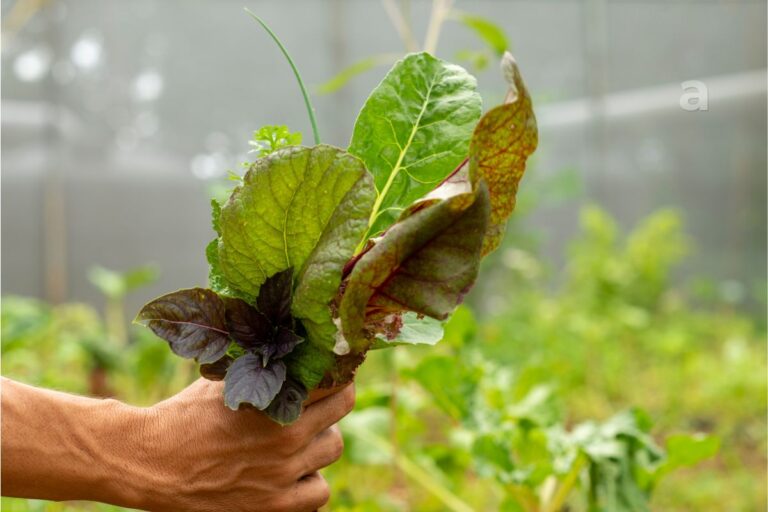

Sometimes, we don’t realise how much we miss human connection until someone makes a little space for us. Naina’s story beautifully captures how belonging can grow from the simplest moments. A shared meal, a familiar face and a kind invitation can mean more than we often imagine. 🌿