Basant Panchami Meaning: History, Seasonal Wisdom & Why It Still Matters
When the Season Begins to Speak
There is a certain softness in the air around Basant Panchami.
Winter has not fully left, yet the cold loosens its grip. The mornings carry more light. Mustard fields begin to glow yellow. The earth itself seems to stretch and wake up—quietly, without announcement.
Basant Panchami is not a loud festival. It does not arrive with fireworks or excess. The Basant Panchami meaning lies in this quiet arrival—where learning, nature, and awareness begin to rise together. It arrives like a knowing.
In the Indian seasonal calendar, this day marks the gentle arrival of Vasant Ritu—spring. In the cultural calendar, it represents learning, clarity, creativity, and new beginnings. And in the deeper civilizational sense, Basant Panchami is about aligning human life with nature’s rhythm.
To understand Basant Panchami meaning fully, we must look beyond rituals and see how knowledge, nature, and inner awareness come together on this day. At its heart, the Basant Panchami meaning is about awakening—of nature, of learning, and of inner clarity.
What Is Basant Panchami? (Basant Panchami Meaning Explained)
Basant Panchami is celebrated on the fifth day (Panchami) of the bright lunar fortnight (Shukla Paksha) in the Hindu month of Magha (January–February).
Traditionally, this day marks:
- The beginning of spring (Vasant Ritu)
- A symbolic shift from dormancy to growth
- A cultural celebration of learning and wisdom
Unlike many Hindu festivals that commemorate events, Basant Panchami celebrates a transition—a movement from stillness to activity, from inwardness to expression.
Across India, the festival is known by different names:
- Basant Panchami in North India
- Sri Panchami in parts of South India
- Saraswati Puja in eastern regions
Despite regional differences, the essence remains the same: honoring knowledge, awareness, and the life force that begins to rise with spring. This understanding forms the foundation of the Basant Panchami meaning as it has been lived and observed for centuries.
What is the meaning of Basant Panchami?
Basant Panchami is a Hindu festival that marks the arrival of spring (Vasant Ritu) and symbolizes learning, clarity, creativity, and new beginnings. It is traditionally associated with Goddess Saraswati, the embodiment of knowledge and wisdom.
Why is Basant Panchami celebrated?
Basant Panchami is celebrated to honor learning, seasonal transition, and nature’s renewal. Historically, it marked the beginning of education, artistic pursuits, and a shift from winter’s stillness to spring’s growth.
Why is yellow worn on Basant Panchami?
Yellow represents blooming mustard fields, warmth, optimism, and digestive activation. It aligns with seasonal changes and Ayurvedic principles as the body transitions from winter to spring.
Saraswati: The Deeper Symbol of Knowledge
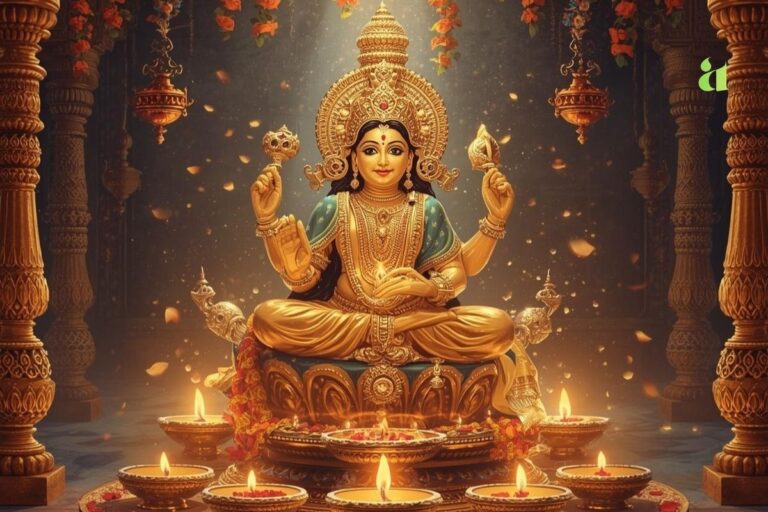
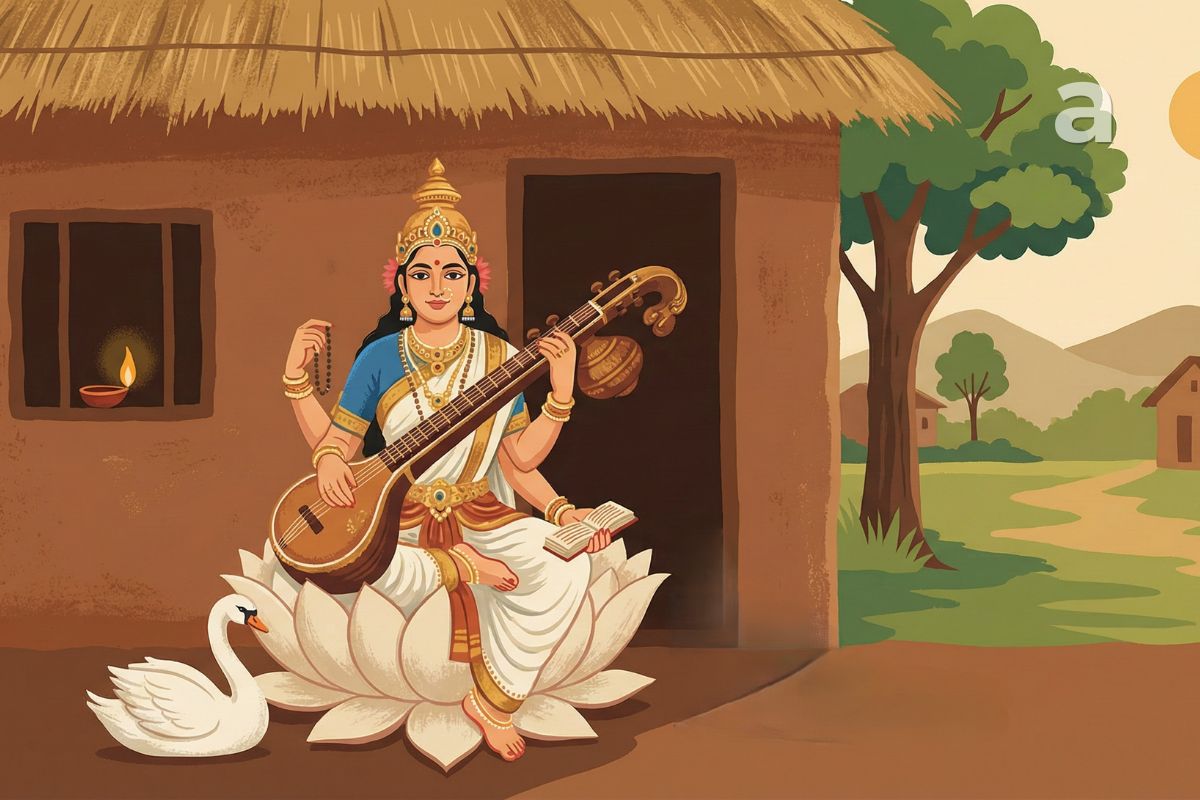
Basant Panchami is traditionally associated with Goddess Saraswati, revered as the embodiment of vidya—knowledge, learning, music, art, and refined intelligence.
But Saraswati is not merely a deity to be worshipped. She is a symbolic principle.
In Indian philosophy, knowledge is not limited to information. Vidya means:
- clarity of thought
- discipline of learning
- harmony between intellect and intuition
- expression through art, speech, and creativity
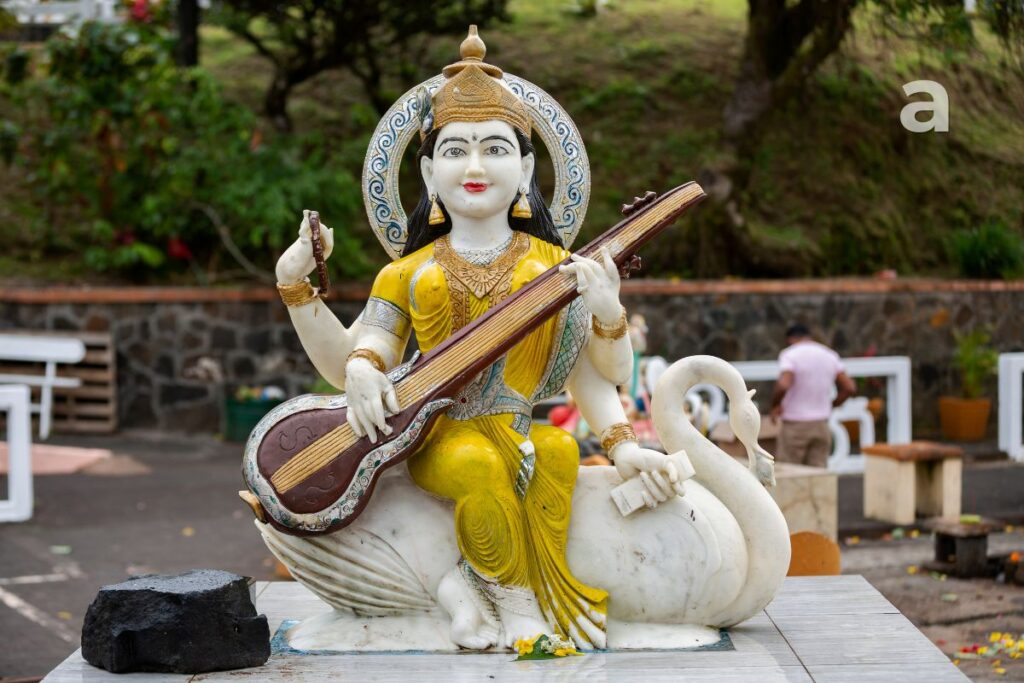
This is why Saraswati is often depicted with:
- a veena (art and creative discipline)
- books (learning and study)
- a swan (discernment between truth and illusion)
Basant Panchami, therefore, becomes a reminder that true learning is not rushed. It is cultivated—just like spring.
Vidyarambh: The Beginning of Learning
Historically, Basant Panchami was considered an auspicious day to begin formal education. This practice is known as Vidyarambh or Akshar Abhyas—the initiation into letters.
In ancient India:
- children were introduced to writing on this day
- students recommitted themselves to learning
- scholars and artists began new works
This tradition reflects a powerful cultural truth: learning is seasonal too.
Just as seeds are sown when the soil is ready, knowledge is received best when the mind is receptive.
To grasp the Basant Panchami meaning more deeply, it helps to observe how tradition mirrors seasonal and natural changes.
Why Yellow Dominates Basant Panchami
One of the most visible aspects of Basant Panchami is the color yellow.
People wear yellow clothes, prepare yellow foods, and decorate spaces in shades of mustard and gold. This is not random.
Nature’s Reason
During this time:
- mustard crops bloom across northern India
- fields turn bright yellow
- pollen activity increases
Human traditions simply mirror what nature is already doing.
Psychological & Ayurvedic Logic
From an Ayurvedic perspective:
- winter is dominated by Kapha dosha (heaviness, inertia)
- spring begins the slow activation of Pitta (movement, metabolism)
Yellow is associated with:
- warmth
- stimulation
- digestion
- optimism
Seasonal foods like turmeric, gram flour, saffron-infused dishes, and yellow lentils align with this shift.
Basant Panchami meaning, therefore, also includes dietary and lifestyle intelligence, not just symbolism.
Basant Panchami and the Indian Seasonal Calendar
India’s traditional calendar was never separate from ecology.
Basant Panchami signaled:
- farmers to prepare for upcoming cycles
- households to shift routines
- communities to engage socially again after winter
Festivals were not escapes from life—they were instructions for living well.
Spring is a time of:
- renewal
- optimism
- outward movement
Basant Panchami gently nudges humans to align with this expansion.
Music, Art, and Creative Awakening
It is no coincidence that classical musicians, poets, and artists hold Basant Panchami in special regard.
Spring has long been associated with:
- Ragas dedicated to Basant
- poetic expressions of longing and renewal
- artistic experimentation
Creativity flows more freely when the environment supports it.
Basant Panchami acknowledges this truth—that creativity is not forced; it arises naturally when conditions are right.
Basant Panchami in Different Regions of India
While the core remains the same, regional expressions add richness.
- In West Bengal, Saraswati Puja is widely observed by students and institutions
- In Punjab and Haryana, Basant is linked with kites and folk celebrations
- In South India, Sri Panchami is observed with prayers for wisdom
These variations show how a single idea adapts while remaining rooted.
Observing Basant Panchami Today (Without Excess)
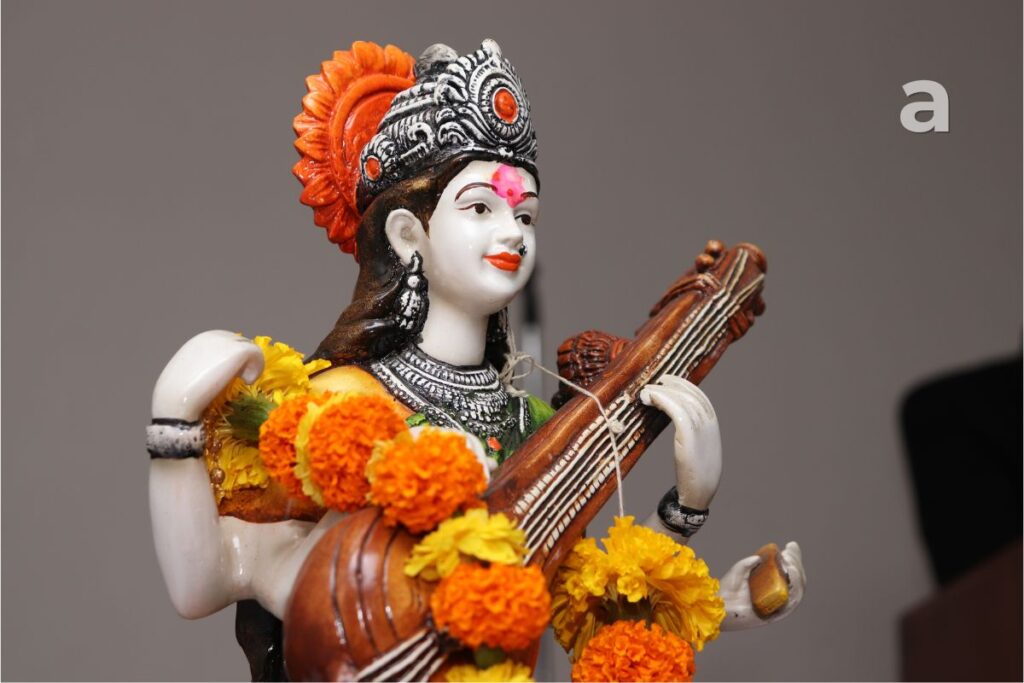
In modern life, festivals often become performative. Basant Panchami invites something quieter.
Meaningful ways to observe the day:
- begin a new book or course
- declutter your study or work space
- eat seasonal, warming foods
- spend time in natural light
- reflect on what you are ready to learn—or unlearn
You do not need elaborate rituals. Awareness itself is enough.
Basant Panchami and Conscious Living
At its heart, Basant Panchami is about attention.
Attention to:
- the changing season
- the state of the mind
- the readiness for growth
In a world that pushes constant productivity, this festival reminds us that beginnings should be gentle and intentional.
Growth that respects rhythm lasts longer.
Why Basant Panchami Still Matters
In modern times, disconnected from seasons and cycles, we often feel out of sync.
Basant Panchami offers a simple correction.
It says:
- notice the light
- honor learning
- begin again, but slowly
The festival survives not because of obligation, but because it speaks to a deep human truth: we are not separate from nature.
A Quiet Closing Thought
Spring does not arrive in a single day.
It unfolds.
Basant Panchami is simply the moment we pause long enough to notice it.
And perhaps, to begin again—with clarity, humility, and curiosity.
At Aarohi, we believe wisdom lives where culture, nature, and inner awareness meet. Basant Panchami reminds us that learning, like spring, is most powerful when it arrives gently. Seen this way, the Basant Panchami meaning is not symbolic alone—it is practical wisdom rooted in nature and time.
Use these naturally within the article:
- Link to Inner Work & Awareness: Articles on mindfulness, attention, and observing inner states
- Link to Ayurveda & Wellness: Posts on seasonal eating, Kapha–Pitta transition, or daily rhythms
- Link to Conscious Living: Essays on intentional living and slow beginnings
- Link to Sustainable Life & Nature: Stories on farming cycles, local food, and seasonal alignment
- Link to Life & Reflections: Personal essays on learning, growth, and renewal
External Sources
If this piece stayed with you, you can support Aarohi 🌿
Secure payments via UPI, Cards, Net Banking & PayPal
This is not a transaction, it is an exchange of energy.