Solo Travel: A Practical Reflection on Independence, Self-Discovery and Traveling Alone
Solo travel can look very different from person to person.
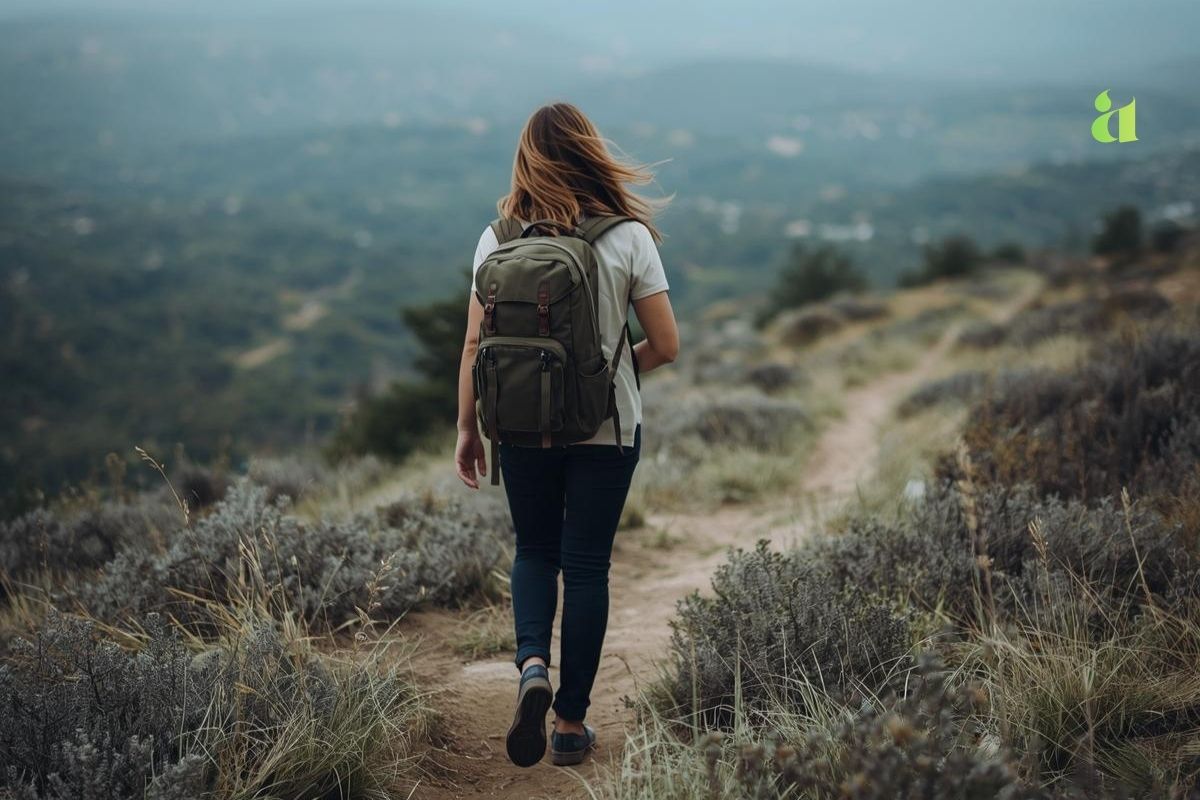
For one person, it may mean spending a weekend in another city. For another, it may mean taking a long journey to a place where no one knows them. It can be carefully planned or relatively spontaneous, familiar or completely new.
But the interesting part of traveling alone is not simply the destination.
When you travel without your usual companions, many small decisions become yours. Where will you eat? Which route will you take? When will you rest? What will you do if your plans change?
These ordinary decisions can create a different kind of experience.
Solo travel gives you more opportunities to notice how you make decisions, respond to uncertainty and spend time with yourself.
That does not mean every solo trip will be transformative.
Some trips may be relaxing.
Some may be uncomfortable.
Some may simply give you a few pleasant memories.
And sometimes the most valuable part is discovering what kind of traveler—and what kind of person—you are when familiar routines are temporarily removed.
Why Do People Choose to Travel Alone?
People choose solo travel for many different reasons.
Some want independence.
Some want a break from routine.
Some enjoy exploring at their own pace.
Some are interested in photography, nature, food, culture or history.
Others simply find that their preferred travel dates do not match those of friends or family.
Solo travel does not have to represent a desire to be alone all the time.
It can simply mean wanting to experience a journey on your own terms.
And importantly, solo travel is not suitable or appealing to everyone.
Personal comfort, destination, finances, health, age, previous travel experience and safety considerations can all influence whether traveling alone feels appropriate.
There is no requirement to prove independence by traveling alone.
1. Solo Travel Can Strengthen Everyday Confidence
Confidence often develops through experience.
When you travel alone, you may need to handle small practical situations yourself:
- finding your way around;
- checking transport schedules;
- communicating with unfamiliar people;
- managing a budget;
- adjusting when plans change;
- deciding what to do next.
None of these tasks is necessarily extraordinary.
But handling them independently can remind you that you are capable of solving ordinary problems without immediately relying on someone else.
The original article described this as confidence growing from capability rather than comfort.
That idea is worth keeping—but without suggesting that every traveler automatically becomes more confident.
The experience depends on the individual and the situation.
Solo travel can also create opportunities for inner awareness, especially when familiar routines and social expectations temporarily become quieter.
2. Traveling Alone Creates Space for Reflection
When traveling with friends or family, much of your attention naturally goes toward conversation, coordination and shared decisions.
When you travel alone, there can be more quiet space.
You may notice your surroundings differently.
You may think about things that have been sitting in the background of your mind.
You may realize that you enjoy something you had never given yourself time to explore.
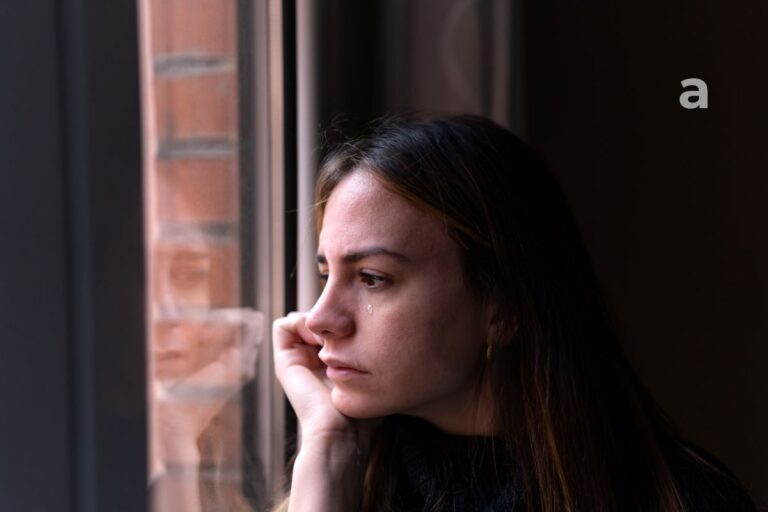
You may also discover that being alone is sometimes comfortable—and sometimes difficult.
Both experiences can teach you something.
Travel experiences can become part of our broader life reflections, especially when we take time afterward to think about what the journey revealed about our habits, preferences and expectations.
3. You Learn More About Your Own Preferences
Traveling with other people naturally involves compromise.
One person wants to wake up early.
Another wants to sleep longer.
One wants museums.
Another wants nature.
One wants to try local food.
Another prefers familiar options.
Solo travel removes some of these negotiations.
You can discover what your own rhythm actually looks like.
Perhaps you enjoy slow mornings.
Perhaps you prefer planning every detail.
Perhaps you like leaving your schedule open.
Perhaps you discover that you do not enjoy certain activities as much as you assumed.
This kind of self-knowledge can be surprisingly useful beyond travel.
Knowing what you genuinely enjoy is different from knowing what you usually agree to because other people enjoy it.
4. Unexpected Problems Become Small Lessons in Adaptability
Travel rarely goes exactly according to plan.
A train may be delayed.
A restaurant may be closed.
The weather may change.
A route may be confusing.
A reservation may need to be adjusted.
When traveling with someone else, you share the process of dealing with these situations.
When traveling alone, you may have to decide what to do yourself.
That can be uncomfortable.
But it can also provide practice in adapting to situations that are not entirely under your control.
The important lesson is not:
“I can handle absolutely anything.”
It is more realistic:
“I can usually pause, assess the situation and decide what to do next.”
That is a much more grounded form of confidence.
5. You May Become More Present in Your Surroundings
When you are not constantly talking with a companion, your attention may naturally move toward the environment around you.
You may notice:
- the architecture of a place;
- sounds you would otherwise ignore;
- local routines;
- the pace of a street;
- the way people interact;
- small details in nature;
- the taste and presentation of unfamiliar food.
This does not happen automatically.
A solo traveler can be just as distracted by a phone as anyone else.
But traveling alone creates an opportunity to put the phone away occasionally and experience the place directly.
That small shift can make the journey feel less like a checklist and more like an experience.
6. You Discover How You Relate to Being Alone
There is an important difference between being alone and feeling lonely.
Solo travel can make that distinction more visible.
You may enjoy having breakfast alone.
You may love walking through a new city without coordinating with anyone.
You may also have moments when you wish you had someone beside you.
Neither experience means that you are doing solo travel incorrectly.
Human beings have different needs for social connection, privacy and independence.
The useful question may simply be:
What kind of alone time feels nourishing to me, and what kind begins to feel isolating?
That is a question worth understanding before, during and after a solo trip.
7. You Become More Aware of Your Decisions
One of the most interesting parts of solo travel is the number of small choices you make.
You decide:
- when to wake up;
- where to go;
- what to eat;
- how much to spend;
- when to rest;
- whether to change your plan;
- when to return to your accommodation.
These choices may appear insignificant.
But together, they create the rhythm of the journey.
This can make solo travel a useful environment for practicing conscious living—paying attention to why you make certain choices instead of moving through the day entirely on autopilot.
The value is not that every decision becomes perfect.
It is that you become more aware of the fact that you are making decisions.
Solo Travel Does Not Have to Be Far Away
A common misconception is that solo travel requires an international trip or an extended backpacking journey.
It does not.
You could begin with:
- a solo visit to a nearby town;
- a day trip;
- a museum or cultural site;
- a nature trail in a familiar region;
- a one-night stay somewhere nearby;
- a meal at a restaurant you have never visited.
Starting small can help you understand how comfortable you are with independent travel without turning the first experience into a major logistical challenge.
There is no prize for making your first solo trip unnecessarily difficult.
How to Plan a First Solo Trip
If you have never traveled alone before, preparation can make the experience more comfortable.
Choose a destination you can reasonably manage
Your first trip does not need to be the most adventurous destination you can find.
A place with straightforward transport, accessible accommodation and reasonable connectivity may be easier to navigate.
Keep the first itinerary manageable
Trying to visit ten places in three days can create unnecessary pressure.
Leave enough space for rest and unexpected delays.
Share your basic itinerary
Let someone you trust know where you are staying and what your broad travel plans are.
Keep important information accessible
Save your accommodation details, transport information, emergency contacts and essential documents somewhere you can access even if your phone battery becomes low.
Keep some flexibility
A plan is useful.
A plan that cannot survive a small change is less useful.
Leave some room to adjust.
Solo Travel and Safety
Independence should never mean ignoring safety.
Before traveling alone, research the destination and consider practical factors such as:
- local transport;
- accommodation location;
- weather;
- local laws and customs;
- connectivity;
- emergency services;
- areas that may be less suitable for visitors at certain times;
- how you will get back to your accommodation.
Avoid assuming that a destination is safe or unsafe simply because of something you saw on social media.
Use reliable, current information when making travel decisions.
During the trip, trust reasonable caution.
If a situation feels uncomfortable, you do not need to prove your independence by staying in it.
Leaving, asking for help or changing your plans can also be a form of good judgment.
What If You Feel Lonely During a Solo Trip?
Feeling lonely does not mean solo travel has failed.
You can create opportunities for connection without giving up the independence of the trip.
Depending on the destination and your comfort level, you might:
- join a guided local activity;
- speak with staff at your accommodation;
- visit a community event;
- call family or friends;
- have a meal in a social setting;
- take part in a group tour for part of the day.
Solo travel does not have to mean avoiding people.
It simply means that you are responsible for deciding when and how you connect.
What Solo Travel Can—and Cannot—Teach You
Solo travel can provide opportunities to learn about:
- your preferences;
- your decision-making;
- your response to uncertainty;
- your relationship with solitude;
- your practical independence;
- your ability to adapt;
- the kind of experiences you genuinely value.
But one trip cannot tell you everything about yourself.
Travel can place you in unusual circumstances.
You may behave differently when you are excited, tired, relaxed or under pressure.
So rather than treating a solo journey as a definitive test of personality, it may be more useful to see it as one experience among many.
Is Solo Travel for Everyone?
No.
And that is completely fine.
Some people genuinely enjoy traveling with family or friends.
Some prefer group tours.
Some feel more comfortable traveling with a partner.
Some have responsibilities or circumstances that make solo travel difficult.
Others simply do not enjoy it.
There is no personal-growth requirement to travel alone.
The point is not to convince everyone to become a solo traveler.
The point is to understand what the experience can offer to someone who chooses it.
A Simple Reflection After Your Solo Trip
When you return home, give yourself some time before immediately moving on to the next thing.
Ask yourself:
- What part of the journey did I enjoy most?
- When did I feel most comfortable?
- What situation made me uncomfortable?
- How did I respond when something did not go according to plan?
- What did I learn about my own preferences?
- Did I enjoy having complete control over my schedule?
- Did I experience loneliness, and how did I respond to it?
- What would I do differently next time?
- What did I notice about the place that I might have missed in a group?
- What did the journey reveal about the way I make decisions?
This kind of reflection does not have to end when the trip does. You can continue the practice through a weekly life audit, using simple questions to notice how your time, attention and decisions are shaping everyday life.
These questions can turn a trip into more than a collection of photographs.
They can turn it into an experience worth remembering and reflecting upon.
FAQ: Solo Travel
Is solo travel safe?
Safety depends on the destination, circumstances, individual preparation and current local conditions. Research your destination carefully, keep trusted people informed of your basic plans and use sensible precautions.
Is solo travel good for personal growth?
It can create opportunities for independence, reflection, decision-making and adaptability. However, personal growth is not guaranteed simply because someone travels alone.
What is a good first solo trip?
A manageable destination with straightforward transportation, suitable accommodation and reasonable connectivity can be a practical starting point. A short domestic trip or day trip may be easier than beginning with a complex international itinerary.
What if I feel lonely while traveling alone?
Feeling lonely is possible. You can stay connected with people you trust or participate in appropriate group activities while still maintaining your independent trip.
Do I need to travel internationally to experience solo travel?
No. A solo day trip or short journey within your own region can provide many of the same opportunities to practice independent decision-making.
Is traveling alone the same as being isolated?
No. Solo travel means traveling without your usual companions. You can still meet people, join activities, communicate with family and maintain social connections.
Final Reflection
Solo travel does not guarantee that you will return as a completely different person.
It may not solve your problems.
It may not suddenly make you fearless.
And it may not even become something you want to repeat.
But traveling alone can create a temporary space where many everyday assumptions become visible.
You decide.
You adapt.
You pause.
You sometimes get things wrong.
You find your way.
You discover what you enjoy.
You learn what you do not.
And sometimes, away from familiar routines, you notice something simple:
You may know yourself a little differently when you are responsible for your own journey.
Perhaps that is the quieter value of solo travel—not that it changes your entire life, but that it gives you a different place from which to look at it.
If this stayed with you, you can support Aarohi here🌿
If this piece stayed with you, you can support Aarohi 🌿
Secure payments via UPI, Cards, Net Banking & PayPal
This is not a transaction, it is an exchange of energy.