
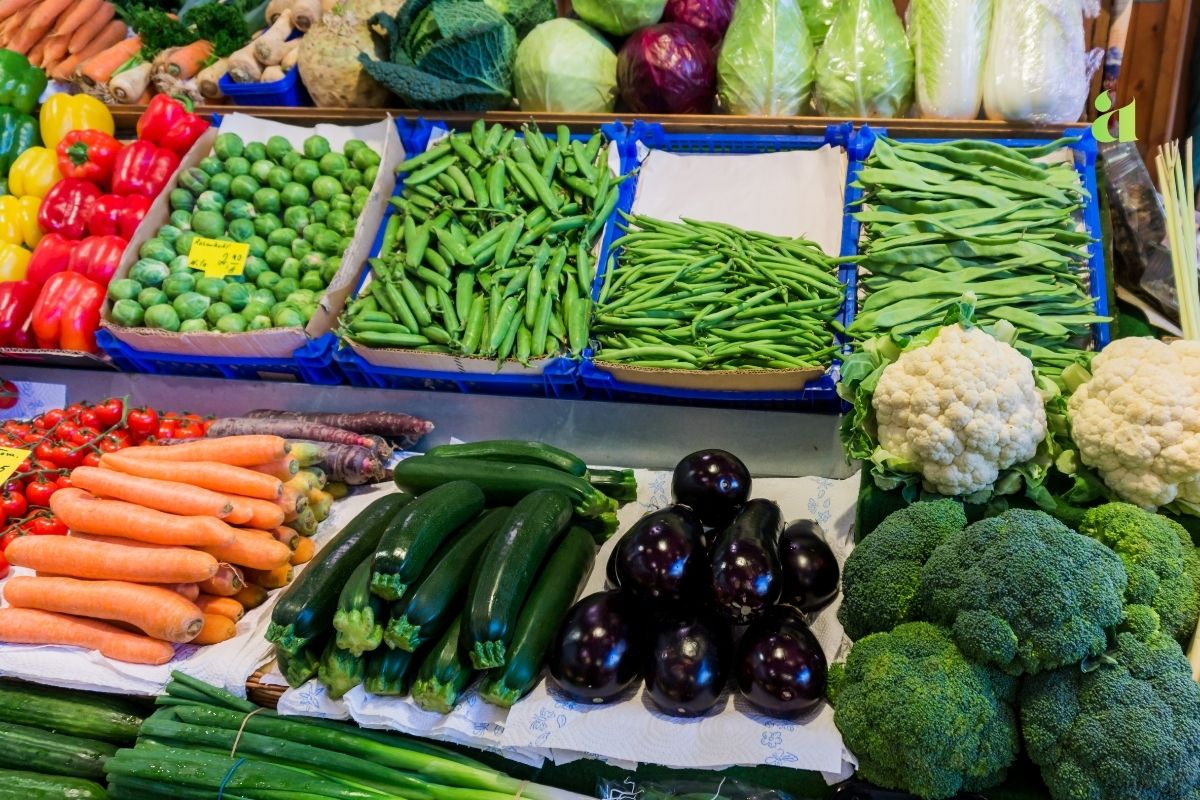
Eating Seasonal and Local: 7 Powerful Truths About the Real Meaning of Organic
Eating seasonal and local is often simpler — and more sustainable — than chasing the organic label alone. While “organic” has become a global standard of food quality, the deeper truth lies in rhythm, proximity, and natural cycles.
Long before certification systems existed, communities ate what grew nearby and in season. That practice naturally supported health, soil balance, and environmental stability.
Eating seasonal and local is not nostalgia. It is alignment.
1. Seasonal Food Aligns With Natural Body Needs
Nature provides foods that match environmental conditions. In summer, water-rich fruits cool the body. In winter, root vegetables provide warmth and grounding.
This principle reflects ideas found in Ayurveda as a traditional system of medicine.
Seasonal alignment supports digestion, hydration, and emotional balance.
2. Local Food Preserves Nutrient Density
Food that travels long distances is often harvested before full ripening. This reduces flavor and nutritional value.
Eating seasonal and local reduces storage time and transportation, preserving freshness and vitality.
Fresh food supports better digestion.
Better digestion supports long-term stability.
3. Environmental Sustainability Begins With Proximity
Transporting food across countries increases carbon emissions and packaging waste.
Choosing local produce reduces environmental strain without requiring dramatic lifestyle changes.
Eating seasonal and local supports regional farmers and strengthens local economies.
Sustainability becomes practical rather than theoretical.
4. Emotional and Cultural Connection to Food
Local foods connect individuals to tradition and memory.
Recipes passed through generations often depend on seasonal ingredients.
This continuity strengthens cultural identity and reflects a deeper lifestyle of wellness rooted in rhythm, simplicity, and intergenerational wisdom.
It aligns with broader ideas of conscious living, where awareness extends to daily choices.
Food becomes more than consumption. It becomes participation.
5. Seasonal Abundance Improves Affordability
When crops grow in natural season, supply increases.
Higher supply reduces cost.
Eating seasonal and local is often more economical than importing out-of-season produce.
Balance becomes accessible.
6. Organic Is Valuable — But Context Matters
Organic certification regulates chemical use. That is important.
However, organic food transported thousands of kilometers may still lack freshness and environmental efficiency.
Eating seasonal and local considers:
- Harvest timing
- Geographic relevance
- Soil conditions
- Freshness
- Community impact
Quality is not only about labels — it is about relationship.
7. Mindful Consumption Reduces Waste
When individuals eat according to season, they become more aware of natural limits.
Seasonal eating encourages appreciation rather than excess.
This reduces food waste.
Reduced waste supports ecological balance.
Eating seasonal and local strengthens daily awareness.
Why Modern Convenience Disrupts Natural Rhythm
Today, supermarkets provide strawberries in winter and pumpkins in summer.
Year-round availability increases convenience but weakens seasonal awareness.
When everything is always available, rhythm disappears.
Rhythm supports biological balance.
Eating seasonal and local restores that rhythm.
Seasonal Eating and Digestive Strength
Digestion fluctuates with climate.
Hot weather weakens digestive intensity.
Cold weather strengthens it.
Seasonal foods naturally compensate for these shifts.
Cooling fruits in summer.
Warming grains and roots in winter.
This adaptive pattern protects internal stability.
Practical Steps to Begin Eating Seasonal and Local
You do not need dramatic change.
You can begin by:
- Visiting local markets
- Observing seasonal produce patterns
- Planning meals around available crops
- Reducing imported out-of-season items
- Supporting nearby farmers
Small awareness creates long-term sustainability.
Eating Seasonal and Local as a Form of Daily Awareness
Food decisions reflect broader values.
When individuals choose seasonal and local ingredients, they strengthen:
- Environmental responsibility
- Nutritional quality
- Cultural continuity
- Emotional mindfulness
Eating seasonal and local becomes a quiet form of conscious living.
It reconnects daily habits with natural order.
Closing Reflection
Eating seasonal and local is not restrictive. It is restorative.
It restores rhythm.
It restores freshness.
It restores connection.
True organic living is not only about certification — it is about alignment with season, soil, and community.
When food aligns with nature, life aligns with balance.