
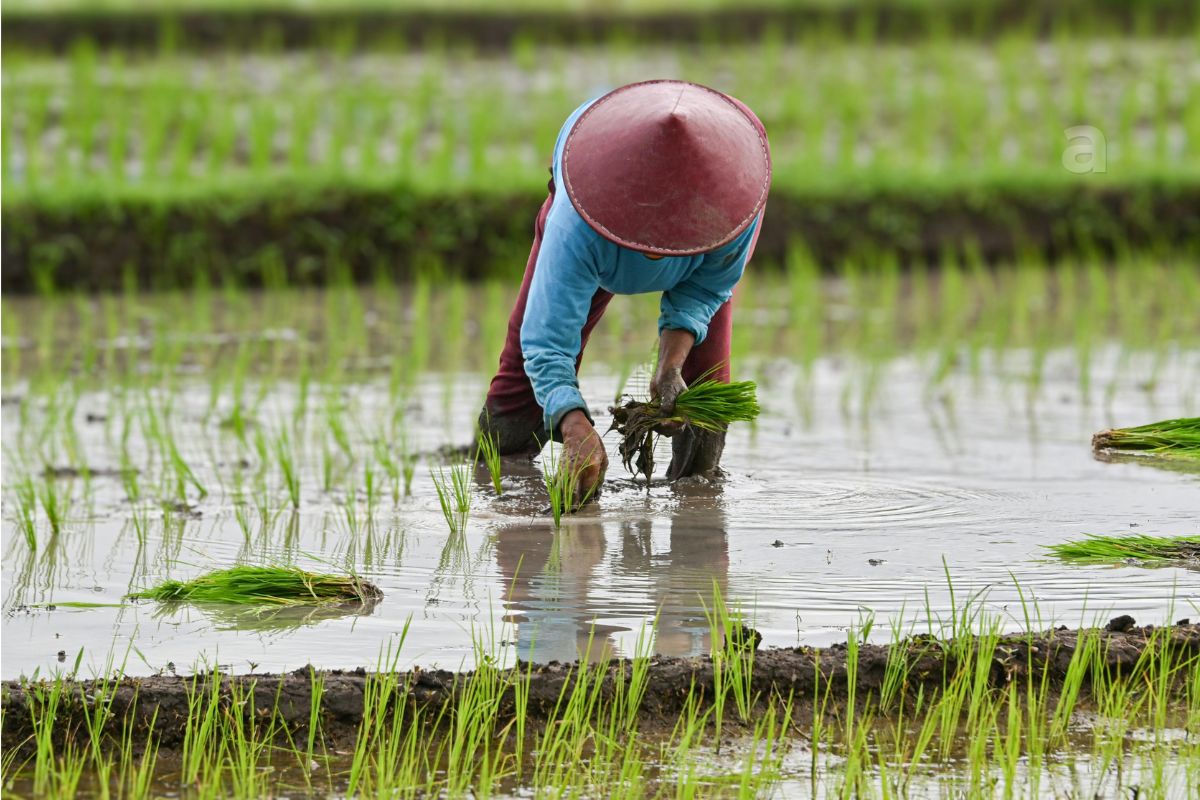
When Rain Means Hope, Not Just Weather
When rain means hope not just weather, the world looks very different.
The first drop falls quietly.
Then another.
Then another.
The dry soil, which has been waiting for weeks, begins to darken.
The sky grows darker.
The wind changes direction.
The scent of dry earth begins to rise.
Children run outside.
Birds become restless.
And somewhere in a field, a farmer looks toward the horizon with folded hands and quiet hope.
For many people, rain is weather.
For a farmer, rain can be an answer.
An answer to weeks of waiting.
An answer to uncertainty.
An answer to prayers spoken softly before sunrise.
That is why rain is never just weather.
For millions of people, it is hope.
We Experience Rain Differently
Most of us experience rain from a distance.
Through windows.
Through weather forecasts.
Through traffic updates.
Sometimes we complain about wet roads.
Delayed plans.
Power cuts.
Forgotten umbrellas.
Rain becomes an inconvenience.
A disruption to routine.
But beyond the cities, rain tells a very different story.
In villages and farming communities, people watch the same clouds with entirely different eyes.
Because their lives move with the rhythm of seasons.
Their work depends on timing.
And their future often depends on water.
Understanding when rain means hope not just weather requires looking beyond cities and into the lives of farming communities.
The Long Wait Before the Rain
Before the monsoon arrives, fields are prepared carefully.
The soil is turned.
Seeds are selected.
Tools are repaired.
Plans are made.
Money is invested.
Time is invested.
Energy is invested.
And then comes the hardest part.
Waiting.
Modern life rarely teaches us how to wait.
Everything arrives quickly.
Messages.
Deliveries.
Entertainment.
Information.
But farming still follows an older rhythm.
A slower rhythm.
A more honest rhythm.
You prepare.
You trust.
And then you wait for nature to do its part.
That waiting carries both hope and fear.
Because no one can negotiate with the sky.
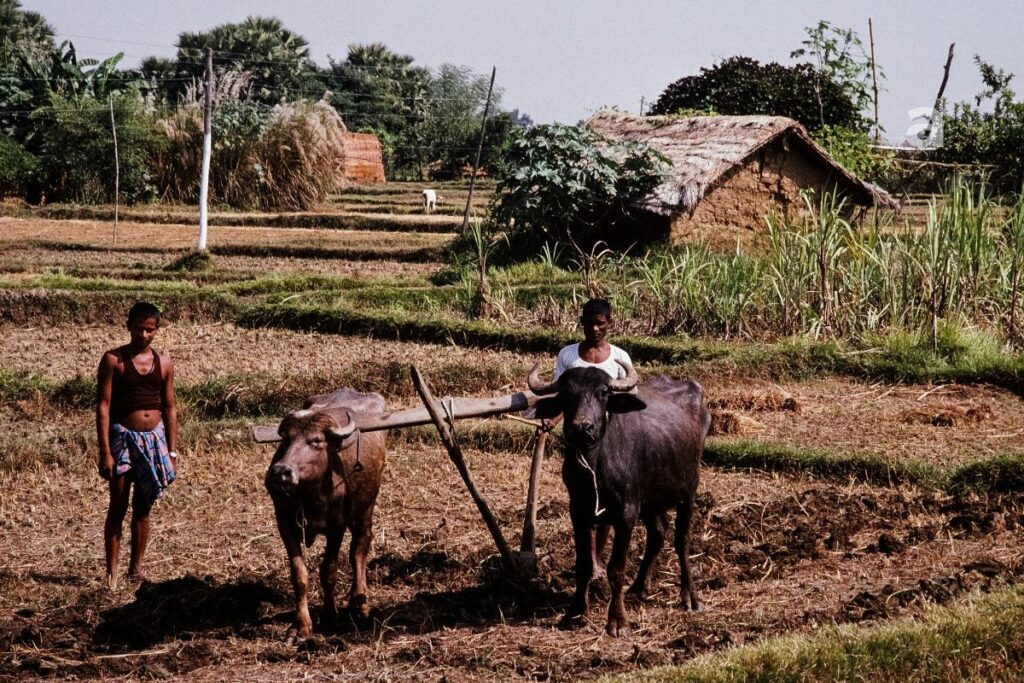
When Rain Means Hope, Not Just Weather
The first rain of the season is often emotional.
Not because it is dramatic.
But because it changes possibilities.
A dry field begins to soften.
Seeds can finally be planted.
Plans can move forward.
Worry begins to loosen its grip.
In cities, the first rain may bring cooler temperatures.
In villages, it may bring relief.
The difference is profound.
One person sees weather.
Another sees livelihood.
The Journey We Rarely Think About
Most of us meet food at the end of its story.
We see vegetables in markets.
Rice in bags.
Wheat in shops.
Fruit in baskets.
But every meal begins much earlier.
Long before food reaches our kitchens, someone has already invested months of effort.
There were mornings spent in fields.
Days under the sun.
Unexpected challenges.
Financial risks.
And countless moments of patience.
Food does not appear.
It grows.
And growth always takes time.
Rain Connects All of Us
Even if we have never stepped into a farm, rain affects our lives.
The vegetables we eat.
The grains we depend on.
The fruits we enjoy.
Much of it begins with healthy rainfall.
This creates an invisible connection between cities and villages.
Between consumers and farmers.
Between daily convenience and seasonal uncertainty.
Yet modern life often hides these connections from us.
We forget how deeply connected we are to the land.
We forget how many people work quietly so that food reaches our tables every day.
The deeper meaning of when rain means hope not just weather becomes clear when we realize how many lives depend on a successful season.
The Wisdom Hidden in Agriculture
Farming teaches lessons that apply far beyond fields.
It teaches patience.
It teaches humility.
It teaches resilience.
Farmers understand something many people struggle to accept:
Not everything happens immediately.
Some things require seasons.
Some things require waiting.
Some things require faith.
A seed planted today does not become a harvest tomorrow.
Growth happens slowly.
Silently.
Almost invisibly.
Until one day, the results appear.
Perhaps life itself works the same way.
When Rain Means Hope, Not Just Weather — A Lesson for Modern Life
Modern culture celebrates speed.
Fast success.
Fast results.
Fast answers.
Fast growth.
But nature rarely works that way.
Trees take years to mature.
Rivers shape landscapes slowly.
And crops grow according to seasons, not schedules.
Rain reminds us of this forgotten truth.
Some of the most meaningful things in life cannot be rushed.
Trust.
Healing.
Growth.
Relationships.
Purpose.
Like a field waiting for rain, many beautiful things require patience.
The Smell of Rain and the Memory of Home
There is a reason so many people love the smell of rain.
It feels familiar.
Comforting.
Grounding.
For many Indians, it carries memories.
Village roads.
Childhood summers.
Grandparents’ homes.
Green fields stretching toward the horizon.
The first monsoon shower often awakens memories hidden deep inside us.
Not because rain is magical.
But because it connects us to places and people we love.
When Rain Means Hope, Not Just Weather — The People Behind Every Harvest
Most of us see food every day.
We see vegetables in markets.
Rice in containers.
Wheat in packets.
Fruit arranged neatly on shelves.
But we rarely think about the people standing behind every harvest.
That is another reason why when rain means hope not just weather becomes such an important reflection.
Because behind every meal is a season of effort.
Behind every harvest is uncertainty.
And behind every crop is a family hoping that nature will cooperate.
A farmer cannot simply press a button and create a harvest.
The process begins with trust.
Trust in the soil.
Trust in the season.
Trust in the rain.
And sometimes that trust is tested.
Too little rain can damage crops.
Too much rain can damage crops.
Late rain can change an entire season.
This is why weather reports carry a different meaning in agricultural communities.
They are not merely forecasts.
They are signals.
Possibilities.
Warnings.
Hope.
The next time fresh vegetables arrive on your table, pause for a moment.
Think about the countless unseen hours that made that meal possible.
The early mornings.
The long days.
The changing skies.
The waiting.
The patience.
And the faith.
Perhaps modern life moves so quickly that we rarely stop to appreciate these invisible connections.
Yet every meal quietly reminds us that human life still depends on nature.
Still depends on seasons.
Still depends on rain.
And for millions of families across the world, when rain means hope not just weather, it is not a poetic phrase.
It is everyday reality.
A Different Kind of Gratitude
The next time rain arrives, try something different.
Pause for a moment.
Look beyond the inconvenience.
Look beyond the wet roads and delayed plans.
Think about the farmer watching the same clouds.
Think about the family hoping for a good season.
Think about the fields waiting for water.
And remember that every meal has a story.
A story of soil.
A story of seeds.
A story of patience.
A story of people.
And very often, a story of rain.
An External Perspective
Agriculture remains deeply connected to rainfall patterns across many regions of India. Rainfall directly affects crop growth, food production, and rural livelihoods, making seasonal weather a critical factor for millions of farming families.
👉 Learn more from the Food and Agriculture Organization (FAO):
A Gentle Reminder
We often celebrate harvests.
But we rarely celebrate waiting.
We appreciate food.
But we rarely appreciate uncertainty.
We enjoy abundance.
But we rarely think about the seasons that made it possible.
Perhaps that is why rain deserves a little more respect.
Because for many people, it represents far more than water.
It represents possibility.
The phrase when rain means hope not just weather is really about gratitude, patience, and recognizing the invisible work that sustains us.
Conclusion: Some People Depend on the Weather
The next time you check the forecast, remember something simple.
For some people, weather is information.
For others, it is livelihood.
For some people, rain means carrying an umbrella.
For others, it means carrying hope.
And perhaps that is the deeper truth.
When rain arrives, it is not always just weather.
Sometimes, it is faith falling from the sky.
Sometimes, it is relief.
Sometimes, it is gratitude.
And sometimes, it is the beginning of an entire season of possibility.
That is when rain means hope, not just weather.
These reflections are part of deeper inner work and awareness that shape how we understand patience, gratitude, and our connection with the natural world.
You can explore more in Sustainable Life & Nature, where everyday experiences reveal the deeper relationship between people, seasons, and the earth.
If this stayed with you, you can support Aarohi here🌿
Frequently Asked Questions
Why is rain important for farmers?
Rain provides the water needed for crops to grow, making it essential for agricultural productivity and food production.
How does rainfall affect agriculture?
Rainfall influences soil moisture, crop growth, irrigation needs, and overall harvest outcomes.
Why is the monsoon important in India?
The monsoon supports agriculture, replenishes water resources, and plays a major role in the country’s economy and food security.
What can farming teach us about life?
Farming teaches patience, resilience, humility, and trust in long-term growth.
Why do people feel emotionally connected to rain?
Rain often triggers memories, nostalgia, comfort, and a sense of connection with nature.
More Stories for Quiet Moments
- Why Your Body Feels Better Near Nature
- Why Slow Eating Feels So Different Today
- digital detox guide
- Why Nobody Sits in Silence Anymore
If this piece stayed with you, you can support Aarohi 🌿
Secure payments via UPI, Cards, Net Banking & PayPal
This is not a transaction, it is an exchange of energy.



This beautifully captures why rain feels emotional. It reminds us that change, renewal, and hope are always possible. 🌿
I’ve always felt calmer during rainfall but never understood why. This reflection explains it perfectly.