
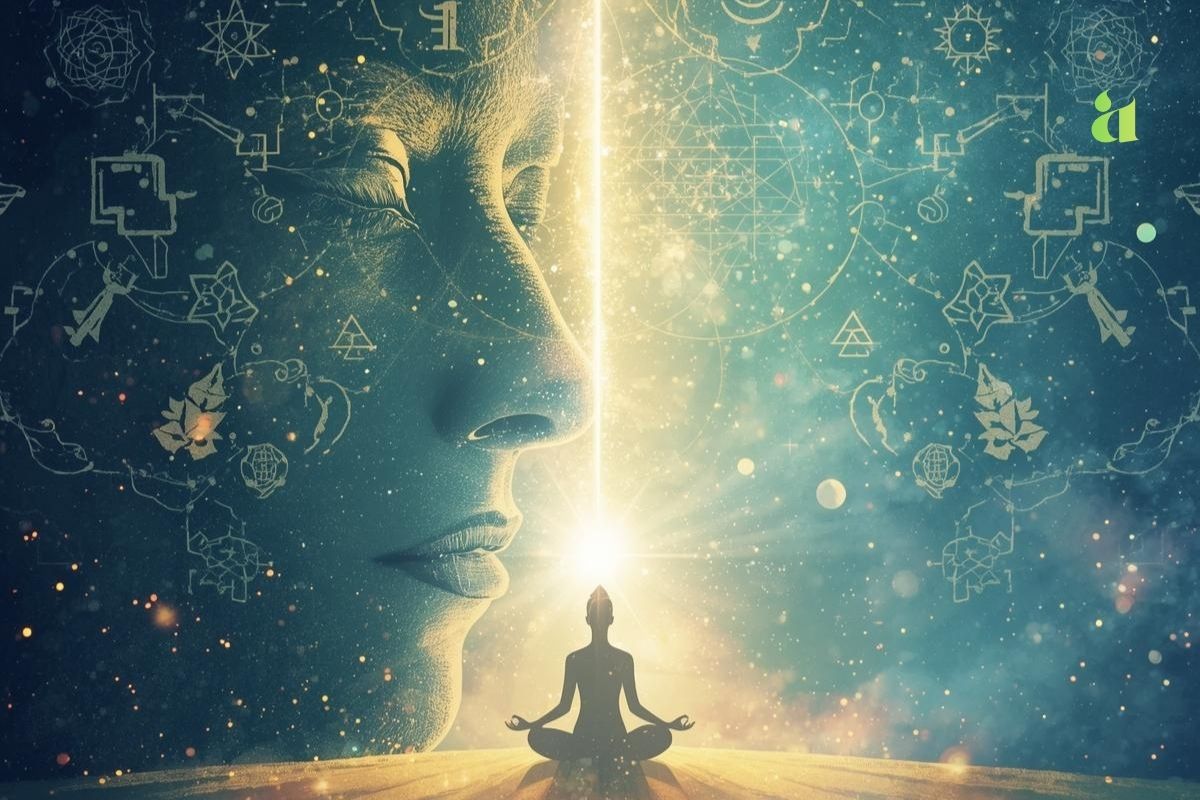
Ego vs Soul: 7 Powerful Lessons About Inner Conflict and True Self-Awareness
Ego vs soul is a conflict most people experience but rarely articulate. The ego seeks validation, control, and recognition. The soul seeks meaning, growth, and alignment. When these two forces move in opposite directions, inner conflict arises.
This conflict does not mean something is wrong. It means awareness is growing.
Understanding the difference between ego and soul helps us respond consciously rather than react impulsively.
The Silent Battle Within Us
Have you ever reacted strongly to something… and later wondered, “Why did that bother me so much?”
Or felt the need to prove a point, win an argument, defend your image — even when your heart quietly said, “Let it go.”
That tension is not weakness.
It is the subtle conflict between ego and soul.
The ego wants validation, recognition, control.
The soul seeks truth, peace, alignment.
Understanding this difference is not about rejecting the ego. It is about learning how to recognize when it is leading — and when it is wiser to let the deeper self take over.
In this article, we’ll explore seven powerful lessons that help you understand inner conflict and build real self-awareness.
Why Ego vs Soul Conflict Matters in Modern Life
We live in a world that constantly stimulates the ego:
- Social media comparison
- Career competition
- Performance pressure
- Identity labels
- External validation culture
The ego thrives in comparison.
The soul thrives in clarity.
Psychology describes ego as the constructed identity — the self-image shaped by upbringing, experiences, and social conditioning. It is not evil. It is protective.
But when ego becomes dominant, we experience:
- Defensiveness
- Overreaction
- Jealousy
- Chronic dissatisfaction
- Fear of being “less than”
The soul, on the other hand, represents your deeper awareness — the part of you that seeks growth over applause.
Understanding this distinction reduces emotional chaos.
Ego vs Soul: Why This Inner Conflict Shapes Your Life
The conflict between ego vs soul is one of the most misunderstood inner battles in modern life.
7 Powerful Lessons About Ego vs Soul
1. Ego Reacts. Soul Responds.
The ego is fast.
The soul is steady.
When criticized, ego immediately wants to defend.
The soul pauses and evaluates.
Example:
A colleague questions your idea.
Ego reaction:
“They’re disrespecting me.”
Soul response:
“Is there something useful in this feedback?”
Learning to pause before reacting is one of the strongest signs of maturity.
Why it works:
Emotional regulation activates the prefrontal cortex — the rational part of the brain — instead of the amygdala (fear response center).
Practical application:
Before responding in conflict, take one deep breath and ask:
“Am I reacting to protect my image, or responding to improve myself?”
2. Ego Seeks Validation. Soul Seeks Meaning.
Ego asks:
“How do I look?”
Soul asks:
“Is this aligned with who I truly am?”
Many career choices, relationship patterns, and lifestyle decisions are ego-driven — shaped by how they appear to others.
Soul-driven decisions feel quieter but more stable.
Example:
Choosing a job that pays well but drains you may satisfy ego.
Choosing meaningful work may satisfy the soul.
Why this matters:
Long-term fulfillment is linked to intrinsic motivation (internal purpose), not external validation.
Life Reflection:
Where in your life are you choosing applause over alignment?
3. Ego Competes. Soul Collaborates.
Ego lives in comparison.
- Who is ahead?
- Who earns more?
- Who gets recognition?
The soul understands that growth is not a race.
Collaboration does not threaten the soul because identity is not built on superiority.
Why ego comparison is exhausting:
Studies show constant social comparison increases anxiety and lowers life satisfaction.
Practice:
When you feel envy, shift perspective:
“What can I learn from this person instead of competing with them?”
4. Ego Clings. Soul Lets Go.
The ego struggles with:
- Being wrong
- Losing control
- Letting relationships end
- Accepting change
The soul understands impermanence.
Letting go does not mean giving up. It means releasing attachment to identity and outcome.
Example:
Holding resentment protects ego pride.
Forgiveness frees the soul.
Why it works:
Psychological flexibility — the ability to adapt to change — is strongly linked to resilience and mental well-being.
Question to ask:
Am I holding this because it protects my pride?
5. Ego Fears Failure. Soul Sees Growth.
The ego equates failure with identity damage.
“If I fail, I am less.”
The soul understands that failure is information.
Growth mindset research shows that people who see setbacks as learning opportunities achieve greater long-term success.
When ego dominates:
- You avoid risks.
- You hide mistakes.
- You blame others.
When soul leads:
- You reflect.
- You adjust.
- You evolve.
Reframe:
Instead of asking “Why did this happen to me?”
Ask “What is this teaching me?”
6. Ego Seeks Control. Soul Trusts the Process.
Ego wants certainty.
- Immediate answers
- Clear outcomes
- Predictable paths
The soul accepts uncertainty as part of life.
Control feels safe — but excessive control creates anxiety.
Acceptance does not mean passivity.
It means understanding what you can influence — and what you cannot.
Practical step:
Make two columns:
Things I can control
Things I cannot control
Shift energy only to the first.
This reduces ego-driven stress dramatically.
7. Ego Is Loud. Soul Is Quiet.
The ego speaks in urgency:
- Prove yourself.
- Impress them.
- Don’t fall behind.
- Don’t look weak.
The soul speaks softly:
- Stay grounded.
- Choose peace.
- Act with integrity.
- Grow quietly.
The challenge?
The ego is easier to hear.
The solution?
Create silence.
Practices like journaling, meditation, and mindful walking increase awareness of inner dialogue.
When you slow down, you begin to recognize which voice is guiding your actions.
Read more: One Day, Gently
What Most People Misunderstand About Ego
The goal is not to destroy the ego.
Without ego, we would lack identity and boundaries.
Healthy ego helps us:
- Set goals
- Protect ourselves
- Build confidence
The problem begins when ego becomes identity.
True self-awareness in daily life means:
You notice ego impulses without being controlled by them.
The soul does not suppress ego — it integrates it.
Ego vs Soul in Daily Decision-Making
Understanding ego vs soul is not only about emotional reactions. It directly affects the smallest decisions you make every day.
When choosing what to post online, ego vs soul shows up.
When deciding whether to apologize first, ego vs soul shows up.
When considering a career move, ego vs soul becomes the silent judge behind your reasoning.
Ego vs soul conflict often appears in subtle thoughts:
- “What will people think?”
- “Will this make me look weak?”
- “Am I losing control?”
These questions are ego-driven because they center on image.
Soul-driven questions sound different:
- “Is this aligned with my values?”
- “Will this bring long-term peace?”
- “Is this honest?”
The difference may feel small in the moment. But over years, the direction you follow — ego vs soul — shapes your character.
A life led mostly by ego often feels restless. Even achievements don’t feel enough.
A life guided more by soul feels grounded, even when progress is slow.
This is why ego vs soul awareness is not a spiritual luxury. It is a psychological necessity.
Research in emotional intelligence shows that self-awareness is one of the strongest predictors of long-term fulfillment and leadership effectiveness. According to insights shared by the American Psychological Association, self-regulation and emotional clarity significantly improve decision-making under stress.
When you begin to observe ego vs soul in your thoughts, you gain distance from automatic reactions. That distance creates freedom.
How to Shift from Ego to Soul in Real Time
Recognizing ego vs soul conflict is the first step. Shifting in real time is the deeper practice.
Here is a practical 5-step micro-shift method:
1. Notice the Trigger
Pause and name the emotion: anger, jealousy, defensiveness.
2. Identify the Fear
Ask:
“What am I afraid of losing right now?”
Ego fears losing status, control, approval.
3. Slow the Reaction
Take one breath before speaking or acting.
This interrupts ego-driven impulses.
4. Choose Alignment Over Victory
Instead of trying to win, try to understand.
In ego vs soul moments, choosing peace often feels like “losing” at first — but it strengthens self-respect long-term.
5. Reflect Later
After the situation passes, journal briefly:
“Was that ego or soul?”
Over time, this builds inner clarity.
This practice connects deeply with your pillar topic on inner awareness.
A Simple Inner Alignment Framework
Use this 4-step reflection tool during emotional conflict:
- What am I feeling right now?
- Is this emotion protecting my image or serving my growth?
- What would a calm version of me choose?
- What action aligns with long-term peace?
Practicing this regularly strengthens conscious decision-making.
Frequently Asked Questions
Is ego always bad?
No. Ego is a natural part of identity. It becomes problematic only when it dominates self-worth and decision-making.
How do I know if ego is leading my actions?
If the action is driven by fear of judgment, comparison, or the need to prove something, ego may be in control.
Can ego and soul work together?
Yes. When ego provides structure and the soul provides direction, decisions become balanced and grounded.
How can I strengthen soul awareness?
Regular reflection, mindfulness, journaling, and intentional living practices help increase inner clarity.
Final Reflection
The conflict between ego and soul is not a flaw.
It is a sign of awareness.
Growth begins the moment you notice:
“I reacted from ego.”
And then gently choose differently next time.
The ego protects who you think you are.
The soul guides who you are becoming.
And maturity is not about silencing one —
It is about listening to both, but choosing wisely.