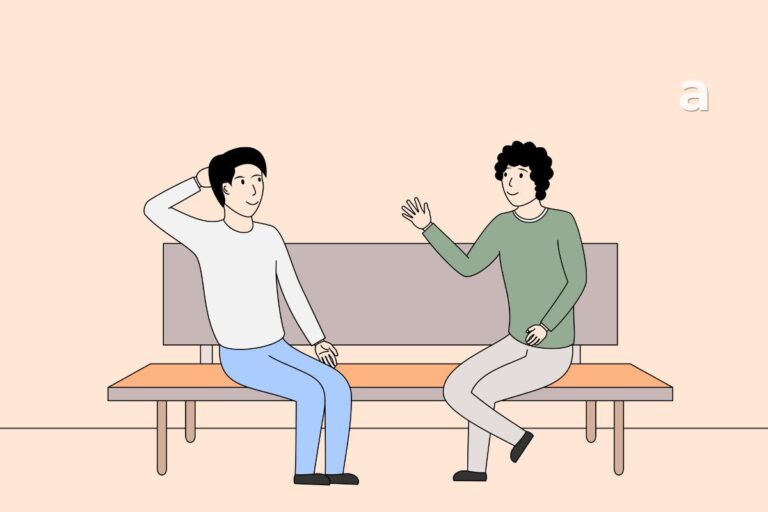

When the Canteen Closes
The campus canteen romance began with a cup of tea that neither of them had ordered.
At 8:17 on the last evening of the college festival, Ira found it cooling beside the register. It was in a chipped blue cup, the kind Shaila Tai kept for people who stayed after everyone else had left. Samar was stacking chairs near the window, his sleeves rolled to his elbows and a streak of poster paint on his wrist.
“I thought you had gone,” Ira said.
“I thought you had,” he replied.
For a moment, they stood there with the day’s noise still ringing faintly in their ears. Outside, paper lanterns swung above the courtyard. A few students crossed the lawn carrying leftover decorations. The college had begun to empty, but the canteen still smelled of fried chillies, cardamom, and the last pot of tea.
Shaila Tai pushed a cloth toward them. “If you’re both staying, wipe the tables. And don’t just talk. These chairs won’t stack themselves.”
Neither of them answered. They reached for the cloth at the same time, their hands almost touching.
It had been nearly a year since they had spoken properly.
How Their Campus Canteen Romance Began
Ira and Samar had met in their second year, when the canteen was so crowded that finding a seat felt like winning a small prize.
Ira usually sat near the window with her notebook open beside her lunch. She drew buildings in the margins: staircases, balconies, the odd shape of an old doorway. Samar came in after his theatre rehearsals, carrying scripts that were always folded at the corners. He preferred the long table by the noticeboard, where everyone seemed to stop for a few minutes, even if they had somewhere else to be.
They first spoke because he borrowed her pen.
He returned it the next day, along with a paper napkin on which he had sketched the canteen’s crooked ceiling fan. Ira laughed at the drawing. Samar said the fan deserved to be remembered before someone finally replaced it.
After that, they began noticing the small things. Their campus canteen romance grew quietly through those repeated gestures, long before either of them called it love.
He saved her a seat when the lunch rush arrived. She knew he liked his tea without sugar. He learned that Ira always drew when she was nervous and that she folded the corners of her notes when she was trying to make a decision.
Their friendship grew in the ordinary way: between lectures, over shared plates of samosas, and in conversations that began with class and wandered somewhere else. It was a campus canteen romance made mostly of little habits. Neither of them called it that.
Maybe they were waiting for the other person to say something first. Maybe they thought there would always be another afternoon.
Then Ira received an offer for a summer architecture fellowship in another city.
She told Samar one evening in the canteen, while rain ran down the window in thin silver lines. He had been telling her about a play he wanted to direct after graduation. She waited until he finished, then told him about the fellowship.
“That’s wonderful,” he said. “You should go.”
She had hoped he might say he would miss her. Instead, he asked when she had to leave.
“Next month.”
He nodded and smiled, but she couldn’t tell whether the smile meant he was happy for her or simply being polite. She wanted him to ask what she wanted. She wanted him to say that her leaving would matter to him.
He didn’t.
On the day she left, Samar was in the theatre auditorium helping with a rehearsal. He had planned to meet her at the gate, but a last-minute problem kept him there. By the time he reached the entrance, Ira’s cab was gone.
He sent a message that evening: Hope the journey went well. You’ll do brilliantly.
She read it on the train and typed, Thank you. I’ll miss the canteen.
She didn’t send the words that followed: And I’ll miss you.
The fellowship ended. Ira returned for her final year. Samar was still there, but they had fallen into the careful distance people sometimes create when they don’t know how to explain a disappointment. They exchanged greetings in corridors. They sat at different tables. Each assumed the other had chosen the distance.
The campus canteen romance they had left unnamed was now buried beneath polite greetings and guesses.
Now, on the last night of the festival, they were standing in the same canteen again.
The Evening the Campus Fell Quiet
The day’s celebration had left the room in cheerful disarray. A paper flower lay under one table. Someone had forgotten a roll of ribbon beside the water cooler. The chalkboard menu still read Masala dosa, lemon rice, tea—though only tea remained.
Ira wiped a table while Samar carried the chairs toward the storeroom. They worked without speaking for a few minutes.
“Did the festival go well?” he asked at last.
“You were there.”
“I saw the end of it. The poetry reading, mostly.”
“You missed the dance performances.”
“I was backstage fixing a microphone.”
“I thought you were avoiding the crowd.”
“I can do both,” he said.
She smiled despite herself. It felt strange how quickly an old rhythm could return, even after so much silence.
Shaila Tai brought them two fresh cups of tea and set them on the counter. “Don’t let it get cold this time,” she said, then went to check the storeroom.
Ira took a sip. It was too sweet.
“You still take yours without sugar,” she said, nodding toward Samar’s cup.
“You still remember?”
“I remember small things.”
He looked down at the cup. “I should have remembered some bigger ones.”
The sentence changed the air between them. Ira set her tea down.
“What do you mean?”
Samar leaned against the counter. “When you got the fellowship, I told you to go because I thought you were waiting for permission. I didn’t want to be the reason you stayed.”
“I wasn’t waiting for permission,” she said. Her voice was quiet, but steady. “I was hoping you would tell me you didn’t want me to go.”
He looked at her then, no longer trying to make his face easy to read.
“I wanted to,” he said. “I didn’t know if I had the right.”
“And I thought you didn’t care enough to say it.”
For a while, the only sound was the rain beginning against the tin shade outside. Neither of them rushed to fill the silence. In that pause, their campus canteen romance became a conversation they could finally share instead of a story each had to guess at alone.
A campus canteen romance doesn’t always turn on a grand confession. Sometimes it turns on finally asking what the other person meant.
“I’m sorry I made you guess,” Samar said. “I should have told you what I felt and let you decide for yourself.”
Ira looked toward the window. The old fan was still turning above them, making its familiar uneven sound. “I could have asked you directly.”
“Maybe we both thought the other person would understand without being told.”
“That didn’t work very well.”
“No,” he said. “It didn’t.”
They laughed softly—not because the year apart had been funny, but because the truth had finally become simple enough to hold.
What They Had Left Unsaid
Samar told her about the theatre work he had taken up after she left: the late rehearsals, the small productions, the way he still wrote scenes in the margins of lecture notes. Ira told him about the fellowship: the long walks through unfamiliar streets, the buildings she had sketched, and how difficult it had been to come home and pretend nothing had changed.
“I thought you’d come back and everything would feel the same,” Samar said.
“Did it?”
“No. But I didn’t know how to ask why.”
“I thought you’d already moved on.”
“Had you?”
She considered the question. “I tried to convince myself I had.”
He didn’t ask for more than she was ready to say. That mattered. The conversation didn’t erase the year they had lost, and neither pretended that one honest evening could repair everything. They were still the same two people who had let silence speak for them. But now they could see it.
Shaila Tai returned carrying a box of spoons. “If you’re finished talking, I have a very important task.”
“What is it?” Ira asked.
“Count these. Somebody took six last week, and I still want to know where they went.”
Samar looked into the box. “There are twenty-three.”
“There should be twenty-four.”
“Then one is missing.”
“Brilliant,” Shaila Tai said. “You two can solve mysteries after you finish the tables.”
They counted the spoons twice and found the missing one behind the water filter. Shaila Tai accepted it with a nod, as if this had been the most important event of the evening.
When the work was done, Ira and Samar stepped outside. The courtyard was almost empty. A few damp paper lanterns clung to the strings above them, their colours blurred by the rain.
“What happens now?” Ira asked.
Samar didn’t answer too quickly. “Would you like to have tea with me tomorrow? Somewhere that isn’t about closing up or cleaning.”
She thought about the question. It was small and clear. It didn’t ask her to decide the rest of their lives.
“Yes,” she said. “Tomorrow.”
They walked toward the campus gate together, not touching, but no longer pretending they had nothing to say.
A Beginning, Not a Promise
The next day, they met at a tea stall outside the college. They talked about graduation, about work, and about the uncertainty that waited beyond the familiar gates. They also talked about what they had each misunderstood, and what they wanted to do differently now.
Their campus canteen romance didn’t arrive with a promise that everything would be easy. Ira might move away again. Samar’s theatre work might take him somewhere new. They knew that liking someone did not remove the need for honest conversations.
But they agreed to have those conversations.
A week later, they returned to the canteen. Shaila Tai served them tea in the chipped blue cups and pretended not to notice that they had chosen the same table by the window.
The fan still turned unevenly overhead. The noticeboard still held a jumble of announcements, auditions, and lost pens. Students hurried in and out, carrying their own unfinished stories.
Ira opened her notebook. Samar placed his script beside it.
“What are you drawing?” he asked.
“The fan,” she said.
“After all this time?”
“Some things take a while to notice properly.”
He smiled. This time, she didn’t have to guess what it meant.
They were learning that a campus canteen romance could not live on remembered gestures alone; it needed honest words, too.
Their campus canteen romance began in the middle of ordinary days, went quiet when neither of them knew what to say, and found its way forward through a simple invitation. The canteen would close again that evening. The chairs would be stacked. The cups would be washed and put away.
But this time, when they left, neither of them had to wonder whether the other wanted them to stay.
Related reading: If you enjoy quiet stories about the words we leave unsaid, read The Conversation I Never Forgot.
If this stayed with you, you can support Aarohi here🌿
If this piece stayed with you, you can support Aarohi 🌿
Secure payments via UPI, Cards, Net Banking & PayPal
This is not a transaction, it is an exchange of energy.