
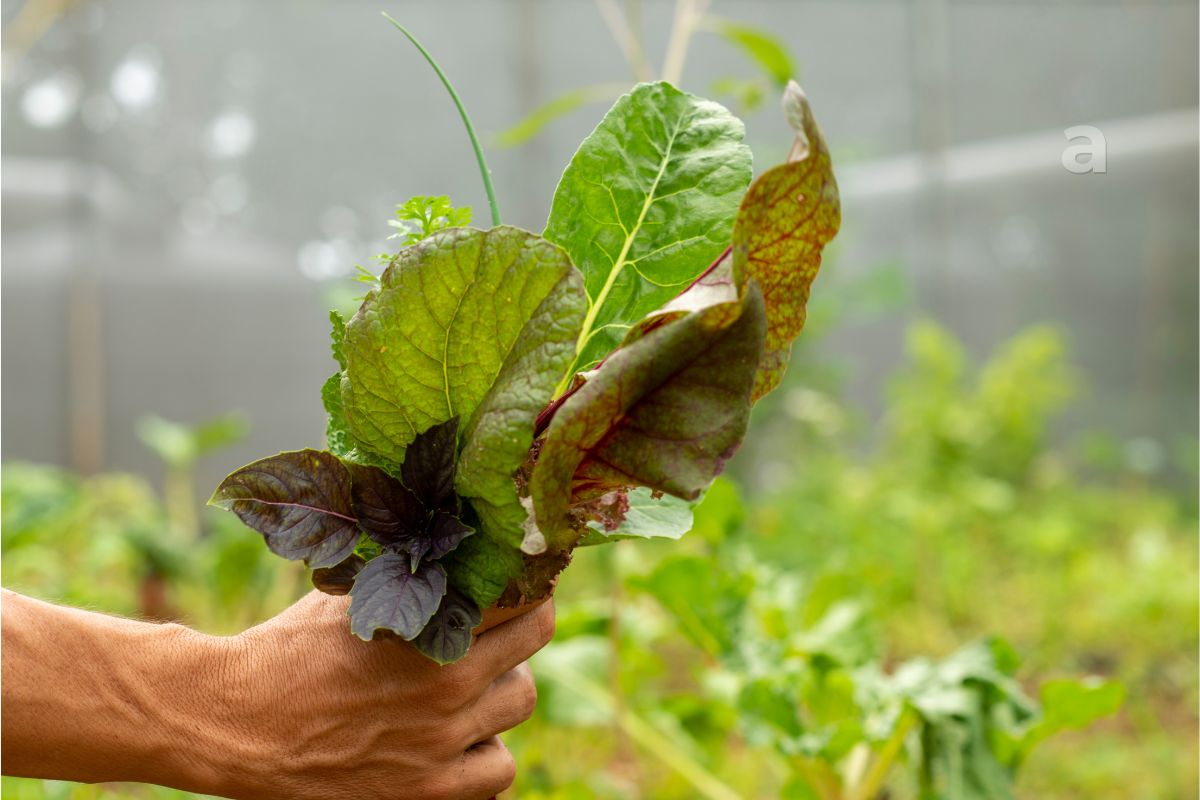
Before Food Reaches Our Plate
Before food reaches our plate, it belongs to the earth.
Not to supermarkets.
Not to delivery apps.
Not to kitchens.
Not even to us.
It begins somewhere far away from dining tables and grocery shelves.
It begins in soil.
In sunlight.
In rain.
In waiting.
And in the quiet effort of people most of us will never meet.
Every day, we sit down to eat.
A simple meal.
Rice.
Dal.
Vegetables.
Chapati.
Fruit.
It feels ordinary because it is familiar.
But perhaps familiarity makes us forget something important.
Nothing on that plate appeared overnight.
Every grain, every leaf, every fruit has a story.
And that story begins long before food reaches our plate.
Understanding before food reaches our plate helps us appreciate the invisible connections between nature, farming, and everyday life.
The Journey Begins With a Seed
Every harvest starts with something remarkably small.
A seed.
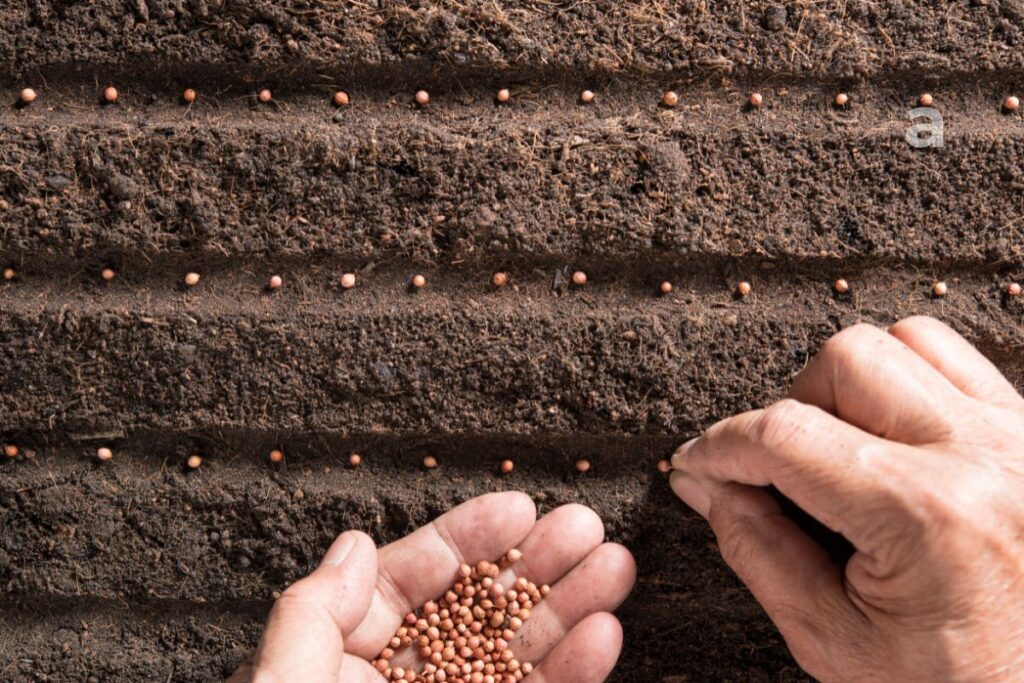
Held in a farmer’s hand.
Placed carefully into soil.
Covered with hope.
The seed does not know whether rain will arrive on time.
The farmer does not know either.
Yet both begin anyway.
There is something deeply beautiful about that.
Because planting is an act of faith.
You place effort into something invisible and trust that growth will follow.
Modern life rarely asks us to trust like this.
We expect immediate results.
Immediate responses.
Immediate outcomes.
But farming reminds us that some things still require patience.
Before Food Reaches Our Plate, Someone Is Already Awake
While many cities are still asleep, countless farmers have already started their day.
Long before sunrise.
Long before office lights switch on.
Long before social media wakes up.
They step into fields.
They inspect crops.
They check the soil.
They watch the sky.
Because agriculture follows a different clock.
A clock set by seasons rather than schedules.
Nature rather than notifications.
And every morning begins with responsibility.
Not only for themselves.
But for millions of people they will never meet.
Including us.
The Rain We Notice Is Not the Rain They Depend On
For many people, rain is an experience.
For farmers, it is a necessity.
A city may see rain as inconvenience.
Traffic.
Delays.
Wet clothes.
Cancelled plans.
A farmer often sees something else.
Possibility.
Relief.
Opportunity.
Hope.
Because crops cannot survive on good intentions.
They need water.
And every season brings uncertainty.
Too little rain creates worry.
Too much rain creates worry.
Rain at the wrong time creates worry.
Agriculture teaches humility because nature always remains larger than human plans.
Before Food Reaches Our Plate, There Is Waiting
Perhaps waiting is the most invisible part of farming.
We see the harvest.
We celebrate the result.
But we rarely think about the waiting.
Waiting for rain.
Waiting for growth.
Waiting for the right season.
Waiting for crops to mature.
Waiting teaches lessons that modern life often avoids.
Patience.
Trust.
Resilience.
The field cannot be rushed.
No amount of pressure can make a crop grow overnight.
Nature moves at its own pace.
And maybe that is one of its greatest lessons.
The Invisible Work Behind Every Meal
Many of us never witness the labor behind food.
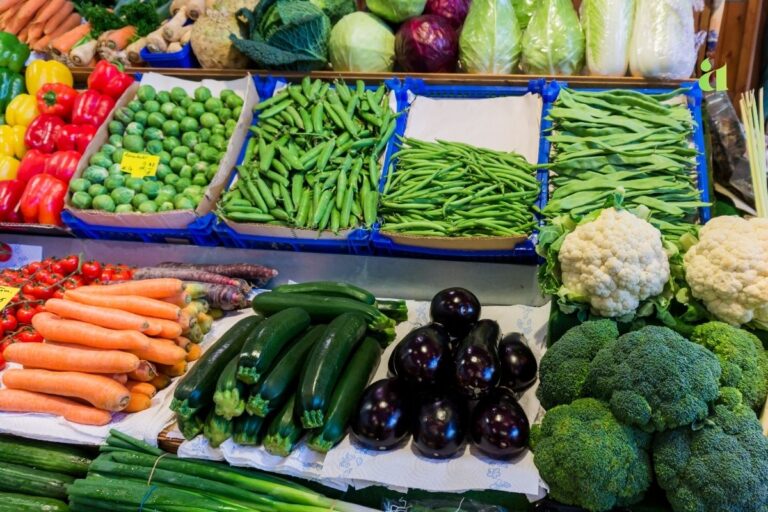
We see clean vegetables arranged neatly in markets.
We see packaged grains on shelves.
We see baskets full of fruit.
But between seed and market exists an enormous amount of work.
Hands touching soil.
Days spent under the sun.
Unexpected weather.
Long journeys.
Physical effort.
Financial risk.
Emotional uncertainty.
All of it hidden beneath the simplicity of a meal.
That is why gratitude matters.
Not as obligation.
But as awareness.
Before Food Reaches Our Plate, It Travels Further Than We Imagine
After harvest, the journey continues.
Food leaves fields.
Moves through villages.
Travels by trucks.
Passes through markets.
Reaches local vendors.
Arrives in homes.
Then enters kitchens.
Only after all of this does it finally arrive at our table.
A simple plate of food represents thousands of invisible moments.
Thousands of decisions.
Thousands of acts of effort.
And yet we often experience only the final step.
Food Connects Us More Than We Realize
One of the most beautiful truths about food is that it connects people who may never meet.
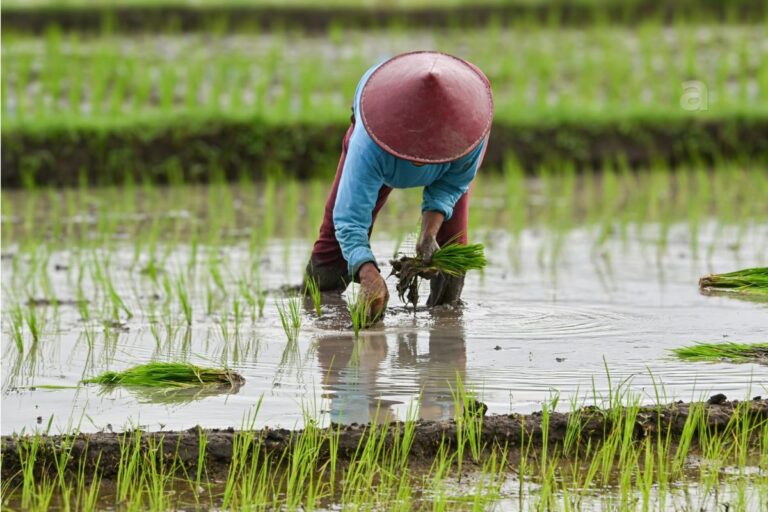
The farmer growing rice.
The driver transporting it.
The vendor selling it.
The family cooking it.
The child eating it.
A chain of human effort exists behind every meal.
And every link matters.
Food quietly reminds us that we are more connected than we often believe.
Before Food Reaches Our Plate, Nature Plays Its Part
Human effort is essential.
But nature remains an equal partner.
Sunlight.
Rainfall.
Healthy soil.
Pollinators.
Seasons.
Without these, agriculture becomes impossible.
This is why respecting nature is not merely an environmental issue.
It is a human issue.
A food issue.
A future issue.
The health of the earth eventually becomes the health of our communities.
An External Perspective
Food systems around the world depend on healthy soil, water, biodiversity, and sustainable agricultural practices. Organizations working in global food security continue to highlight the importance of protecting natural resources while supporting farmers and rural communities.
👉 Learn more from the Food and Agriculture Organization (FAO) about sustainable agriculture and food systems.
Before Food Reaches Our Plate — The Things We Rarely Notice
There are many things we appreciate only after they become scarce.
Clean water.
Fresh air.
Good health.
And sometimes, food.
Because food appears so regularly in our lives, it is easy to forget how much effort exists behind it.
That is another reason before food reaches our plate deserves more attention.
Every meal carries invisible stories.
Stories of people.
Stories of weather.
Stories of uncertainty.
Stories of perseverance.
When we visit a market, we often see abundance.
Rows of vegetables.
Stacks of grain.
Baskets filled with fruit.
Everything appears simple.
But simplicity can be misleading.
What looks effortless often required tremendous effort.
Before food reaches our plate, someone has already spent months preparing for that moment.
A farmer may have watched changing skies every day.
Wondered whether rainfall would arrive on time.
Worked through heat and exhaustion.
Adjusted to conditions beyond their control.
And still continued.
Not because success was guaranteed.
But because hope remained stronger than uncertainty.
Perhaps this is one of the most remarkable things about agriculture.
Every season begins without certainty.
Yet every season begins again.
Fields are prepared.
Seeds are planted.
Effort is invested.
And life moves forward.
Modern life often teaches us to focus only on outcomes.
The harvest.
The result.
The finished product.
But nature reminds us that every result has a long story behind it.
A story that begins quietly.
Long before markets open.
Long before kitchens prepare meals.
Long before families gather around a table.
That story begins in soil.
In patience.
In weather.
In human effort.
And understanding that journey changes how we see food.
Not as something ordinary.
But as something meaningful.
Because before food reaches our plate, countless people, seasons, and moments have already played their part.
A Different Kind of Wealth
Modern life often measures wealth through possessions.
Money.
Property.
Technology.
Success.
Yet few things are more valuable than reliable food.
Food represents stability.
Security.
Health.
Survival.
And behind that security stands a vast system of people, land, and seasons working together.
Perhaps we appreciate it too little because it appears so easily before us.
What a Simple Meal Can Teach Us
The next time you sit down to eat, pause for a moment.
Not out of guilt.
Not out of obligation.
Simply out of awareness.
Look at your plate.
Imagine the soil.
Imagine the seed.
Imagine the rain.
Imagine the waiting.
Imagine the people.
The meal becomes different when you understand its story.
Not more expensive.
Not more complicated.
Just more meaningful.
Before Food Reaches Our Plate, Hope Comes First
Before the harvest comes hope.
Before the market comes hope.
Before the meal comes hope.
Hope that the rain will arrive.
Hope that crops will grow.
Hope that seasons will be kind.
Hope that hard work will bear fruit.
Perhaps this is what makes farming so remarkable.
Every season begins with uncertainty.
And yet every season begins again.
The more we think about what happens before food reaches our plate, the more gratitude naturally becomes part of the meal.
Conclusion: The Story We Rarely See
Most of us meet food at the end of its journey.
We meet it when it is ready.
Prepared.
Available.
Convenient.
But before food reaches our plate, there is a story.
A story of earth.
A story of weather.
A story of patience.
A story of labor.
A story of hope.
And perhaps remembering that story can change the way we see something as simple as our next meal.
Because food is never just food.
It is the result of countless invisible acts of care.
And that makes every meal a little more meaningful.
If This Resonated With You
- When Rain Means Hope, Not Just Weather
- Why Slow Eating Feels So Different Today
- Why Your Body Feels Better Near Nature
- digital detox guide
These reflections are part of deeper inner work and awareness that shape how we understand gratitude, patience, and our relationship with the natural world.
You can explore more in Sustainable Life & Nature, where everyday experiences reveal the invisible connections between people, food, and the earth.
If this stayed with you, you can support Aarohi here🌿
Frequently Asked Questions
What happens before food reaches our plate?
Food goes through multiple stages including farming, harvesting, transportation, distribution, and preparation before reaching consumers.
Why is farming important?
Farming provides the food necessary for human survival and supports millions of livelihoods worldwide.
How does rain affect agriculture?
Rain supports crop growth and directly impacts agricultural productivity and food supply.
Why should we appreciate farmers?
Farmers invest time, effort, resources, and patience to grow the food that sustains communities.
How can food help us feel more connected to nature?
Food reminds us of our dependence on soil, water, seasons, and ecosystems that support life.
If this piece stayed with you, you can support Aarohi 🌿
Secure payments via UPI, Cards, Net Banking & PayPal
This is not a transaction, it is an exchange of energy.



Reading this made me pause and think about how disconnected we’ve become from the origins of our food. A thoughtful reflection.
This beautifully reminds us that food is more than something we consume. Every meal carries a story of effort, patience, and nature. 🌿