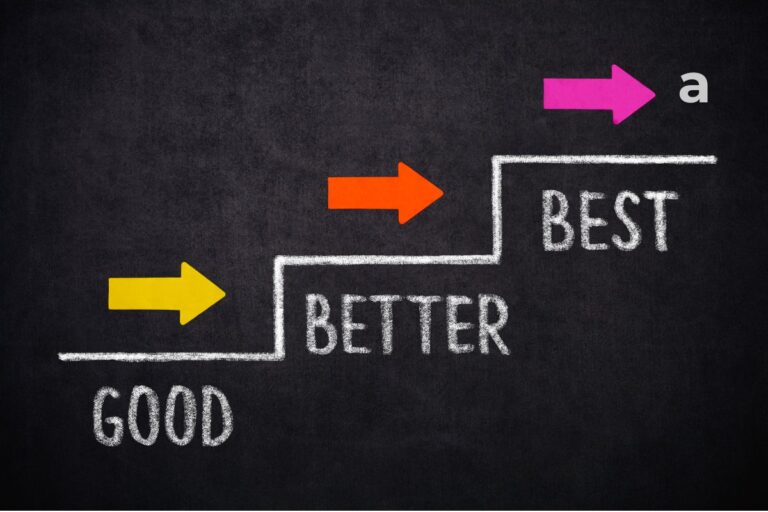

Choosing Yourself: Why Emotional Well-Being Matters
Introduction
Choosing yourself is often misunderstood. It doesn’t mean being selfish—it means recognizing your emotional needs and creating space for your well-being. In a world filled with expectations, responsibilities, and constant noise, many people forget to pause and ask what they truly need.
Over time, this disconnection can lead to stress, imbalance, and even feeling emotionally exhausted. Choosing yourself is not about rejecting others; it is about building a healthier relationship with yourself so you can show up more fully in life.
What Does It Mean to Choose Yourself
Choosing yourself means becoming aware of your thoughts, emotions, and boundaries. It is about listening to your inner voice instead of constantly reacting to external pressure.
It includes:
- Understanding your emotional needs
- Respecting your limits
- Making decisions aligned with your well-being
- Giving yourself permission to pause
This is where developing inner awareness and emotional clarity becomes essential. When you understand yourself better, your choices become more intentional and balanced.
Why Choosing Yourself Is Important
Many people are taught to prioritize others first. While care and compassion are important, constantly ignoring your own needs creates imbalance.
Choosing yourself helps you:
- Maintain emotional stability
- Reduce mental stress
- Improve relationships
- Build self-respect
Without this balance, it becomes easy to feel drained, overwhelmed, or disconnected from your own life.
Signs You Are Not Choosing Yourself
Sometimes, the problem is not obvious. You may continue your routine without realizing what you are sacrificing.
Here are a few signs:
- You feel constantly tired or emotionally drained
- You say yes even when you want to say no
- You struggle to make time for yourself
- You feel disconnected from your own thoughts
- You depend on external validation
These patterns often connect to deeper emotional fatigue. Over time, they can lead to feeling emotionally exhausted, even without clear reasons.
The Emotional Impact of Not Choosing Yourself
Ignoring your needs doesn’t make them disappear. Instead, they accumulate.
When emotional needs are not addressed:
- stress increases
- clarity decreases
- relationships feel strained
- inner peace feels distant
This is why practices that support life reflections and emotional balance are important. Reflection helps you understand what is missing and what needs attention.
How to Start Choosing Yourself Daily
Choosing yourself doesn’t require drastic changes. It begins with small, consistent steps.
- Pause before reacting
- Take time to reflect on your day
- Set simple boundaries
- Prioritize rest when needed
- Listen to your emotional signals
A mindful living journey begins with awareness. The more you observe yourself, the more naturally your choices start to align with your well-being.
Choosing Yourself Without Guilt
One of the biggest challenges is guilt. Many people feel uncomfortable when they begin to prioritize themselves.
But choosing yourself is not about ignoring others—it is about creating balance.
When you are emotionally stable:
- you communicate better
- you support others more effectively
- you feel more present
Letting go of guilt allows you to build a healthier and more sustainable way of living.
The Long-Term Impact of Choosing Yourself
Choosing yourself consistently creates long-term change.
Over time:
- your thoughts become clearer
- your emotional responses become calmer
- your energy becomes more stable
This is part of a broader holistic health and wellness approach that focuses on balance across mind, body, and emotions.
Instead of reacting to life, you begin to respond with awareness.
Common Misconceptions About Choosing Yourself
There are many misunderstandings around this idea.
It is not selfish
It is about balance, not neglecting others.
It is not isolation
You are not disconnecting—you are reconnecting with yourself.
It is not perfection
You don’t have to get everything right. Awareness is enough.
Simple Ways to Reconnect With Yourself
If you feel disconnected, start gently:
- Spend time in silence
- Reduce unnecessary distractions
- Reflect on your thoughts
- Allow yourself to rest
These small steps help rebuild your connection with yourself over time.
The Hidden Cost of Always Putting Yourself Last
Choosing yourself often begins where self-neglect ends. Many people do not realize how much they have been overlooking their own emotional state until the effects become impossible to ignore. At first, it may feel normal to keep giving, keep adjusting, and keep saying yes. But over time, constant self-sacrifice creates quiet exhaustion.
When you consistently place everyone else ahead of yourself, your inner world begins to thin out. You may still function well on the outside, but inside, you feel less connected to your own thoughts and feelings. This is one of the reasons many people slowly become emotionally exhausted without recognizing it right away. The signs are subtle at first: less patience, less clarity, less joy in ordinary moments.
This does not mean you have failed. It simply means your own needs have been waiting too long for attention. Choosing yourself is the step that interrupts that pattern. It allows you to notice what you have been carrying, what you have been ignoring, and what needs care before it turns into deeper strain.
Choosing Yourself Changes the Way You Love Others
A common fear is that choosing yourself will make you distant, cold, or less caring. In reality, the opposite is often true. When you begin to honor your own well-being, your relationships can become healthier and more honest. You stop loving from depletion and start connecting from steadiness.
People who never choose themselves often show up in relationships with hidden resentment, fatigue, or confusion. They may give too much, expect little, and slowly lose their sense of self. But when you create emotional space for yourself, you begin to offer others a more grounded version of who you are.
This is why life reflections and emotional balance matter so much. Reflection helps you understand how your choices affect not only your inner peace but also the quality of your relationships. When you are balanced, you listen better. You communicate more clearly. You are less reactive and more present.
Choosing yourself does not mean loving others less. It means no longer abandoning yourself in the process of loving them.
Small Daily Choices Create Lasting Change
Choosing yourself is rarely a dramatic moment. More often, it is a series of small, repeated choices that slowly reshape your life. You choose to rest when your body feels tired. You choose to pause instead of forcing yourself through emotional overload. You choose honesty instead of pretending everything is fine.
These small choices may seem ordinary, but they create deep change over time. A mindful living journey is built exactly this way — through gentle awareness, one decision at a time. You begin to notice your patterns more clearly. You recognize when you are ignoring your limits. You learn to respond with care instead of self-criticism.
A helpful starting point is to ask yourself simple questions each day:
What am I feeling right now?
What do I need?
What am I saying yes to that I truly want to refuse?
Where am I pushing myself too hard?
These questions are not meant to overwhelm you. They are meant to bring you back to yourself. The more honestly you answer them, the more naturally you begin to choose what supports your well-being.
Why Choosing Yourself Is an Act of Emotional Responsibility
Choosing yourself is not selfish because it is rooted in responsibility. It is the decision to stop pretending that your inner world does not matter. It is the willingness to take your feelings seriously instead of dismissing them.
When you ignore your own needs for too long, the cost shows up everywhere. Your energy drops. Your focus weakens. Your relationships become heavier. Your sense of purpose becomes blurry. This is why self-awareness is not optional — it is foundational. Without it, life becomes something you endure rather than experience fully.
That is where inner awareness and emotional clarity become essential. When you understand your emotions, you can make better decisions. You can set healthier boundaries. You can notice when you are slipping into patterns that no longer serve you. And most importantly, you can stop waiting for permission to care for yourself.
Choosing yourself is not about becoming less available to the world. It is about becoming more whole within it.
A Gentle Practice to Start Today
If choosing yourself feels unfamiliar, begin very small. You do not need to change everything at once. Start by creating one quiet moment in your day that belongs only to you. It might be a few minutes of silence, a short walk, a page of journaling, or simply sitting without a screen.
Use that moment to check in with yourself honestly. Ask:
Am I tired?
Am I carrying too much?
What have I been needing but not asking for?
This is how change begins — not in performance, but in attention. The more you listen, the more clearly you will understand that your life needs your presence, not your perfection.
Choosing yourself is not the end of care. It is the beginning of a more conscious, balanced, and emotionally healthy way of living.
Final Reflection
Choosing yourself is not a one-time decision. It is a continuous process of awareness, reflection, and balance.
Some days will feel easy. Others may feel difficult. But each small step toward understanding yourself creates meaningful change.
Instead of waiting for the right moment, start where you are.
Because sometimes, choosing yourself is the first step toward living more consciously and peacefully.
If this stayed with you, you can support Aarohi here 🌿
If this piece stayed with you, you can support Aarohi 🌿
Secure payments via UPI, Cards, Net Banking & PayPal
This is not a transaction, it is an exchange of energy.