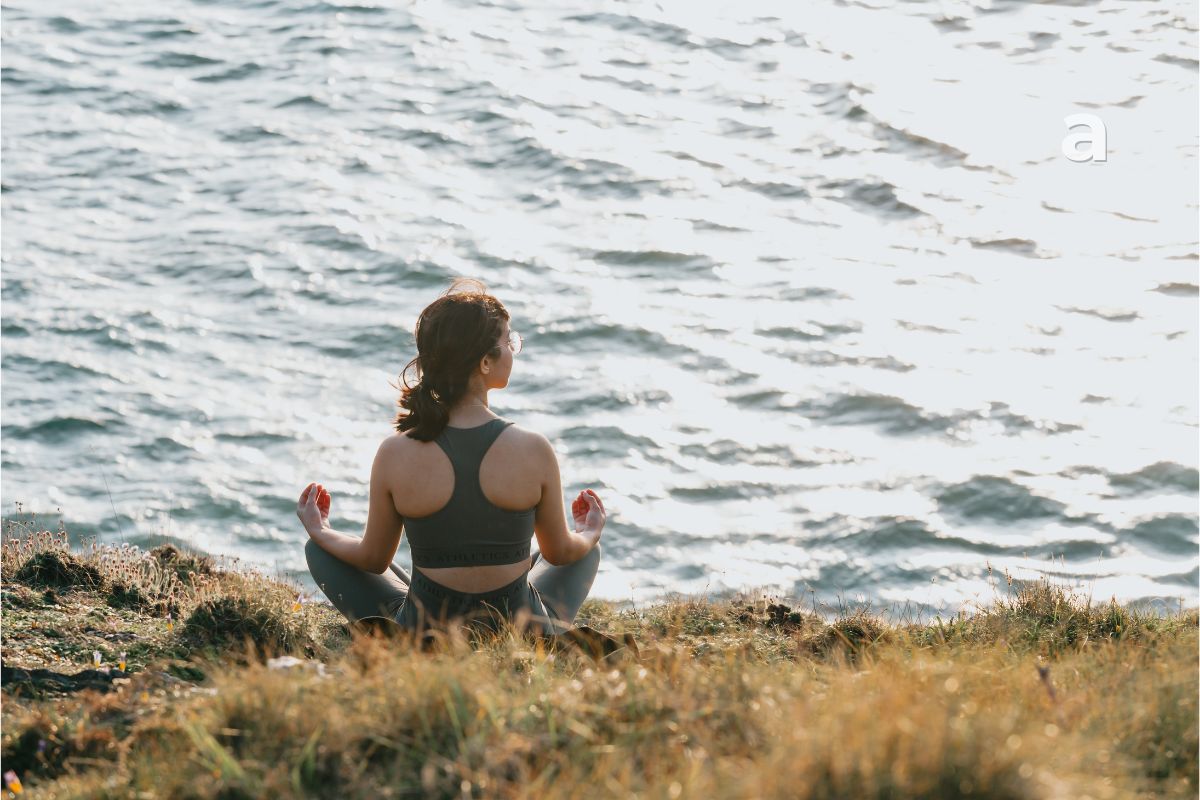
The Art of Doing Nothing
The art of doing nothing is not about wasting time—it is about reclaiming your attention and returning to yourself.
There was a time when doing nothing felt wrong.
Unproductive.
Almost like a waste.
Because somewhere along the way, we learned:
If you’re not doing something, you’re falling behind.
Why the Art of Doing Nothing Feels So Difficult
There is a strange discomfort that comes with stillness.
Even when you finally sit down, with nothing urgent to do, your mind doesn’t settle.
It keeps moving.
Reminding you of tasks.
Of unfinished things.
Of what you “should” be doing instead.
This is where the art of doing nothing feels almost unnatural.
Because somewhere along the way, we learned that stillness equals laziness.
And doing nothing means wasting time.
The Pressure to Always Be Productive
We live in a world where every moment is expected to be useful.
You wake up—and there is already something to do.
You sit down—and there is something to improve.
You pause—and your mind tells you to move again.
Even rest becomes a task.
“Productive rest.”
“Optimized downtime.”
And slowly, the art of doing nothing disappears from your life.
Not because you don’t need it.
But because you don’t allow it.
When Doing Nothing Feels Like Guilt
There is a kind of guilt that comes with slowing down.
You sit quietly, and instead of feeling relaxed, you feel uneasy.
As if you are falling behind.
As if everyone else is moving forward while you are standing still.
But this guilt is learned.
It is not natural.
Because your mind was never meant to be constantly active.
The Lost Ability to Just Be
Think about the last time you sat without distraction.
No phone.
No music.
No conversation.
Just you.
It feels rare, doesn’t it?
Because we have replaced presence with stimulation.
And in that process, we forgot something simple:
How to just exist.
The Art of Doing Nothing Is Not Emptiness
This is where everything changes.
Because the art of doing nothing is not about emptiness.
It is about awareness.
It is about being present without needing to achieve something.
Without trying to improve the moment.
Without turning everything into a goal.
What Happens When You Slow Down
At first, nothing seems to happen.
You sit. You wait. You feel restless.
But if you stay—
Something subtle begins.
Your thoughts start slowing.
Your breathing softens.
Your attention returns.
Not dramatically.
But enough to notice.
The Connection to Overstimulation
Sometimes, the reason you cannot sit still is not because you are restless.
It is because you are overstimulated.
This connects deeply with overstimulation and distraction in modern life.
Many people reach this state after feeling like i needed a break but didn’t know from what.
Because when your mind is constantly fed, it forgets how to pause.
Why Your Mind Resists Stillness
Your mind has adapted.
It expects input.
Constantly.
And when that input stops, it feels uncomfortable.
Almost like withdrawal.
According to the American Psychological Association, constant digital stimulation can reduce attention span and increase restlessness.
This is why the art of doing nothing feels difficult at first.
How This Connects to Mental Clarity
When your mind is always active, clarity becomes difficult.
You think more—but understand less.
This is where digital detox and mental clarity practices become important.
Because clarity doesn’t come from more thinking.
It comes from space.
Relearning Stillness Slowly
You don’t need to suddenly disconnect from everything.
Start small.
Sit quietly for a few minutes.
Watch your surroundings.
Notice your breath.
It will feel uncomfortable.
That’s okay.
Because discomfort is often the first step toward awareness.
The Fear of Missing Out
One reason we avoid doing nothing is fear.
Fear of missing something.
A message.
An update.
An opportunity.
But the truth is—
You are not missing life.
You are missing yourself.
The Quiet Joy of Simple Moments
There are moments that don’t need a purpose.
Watching sunlight.
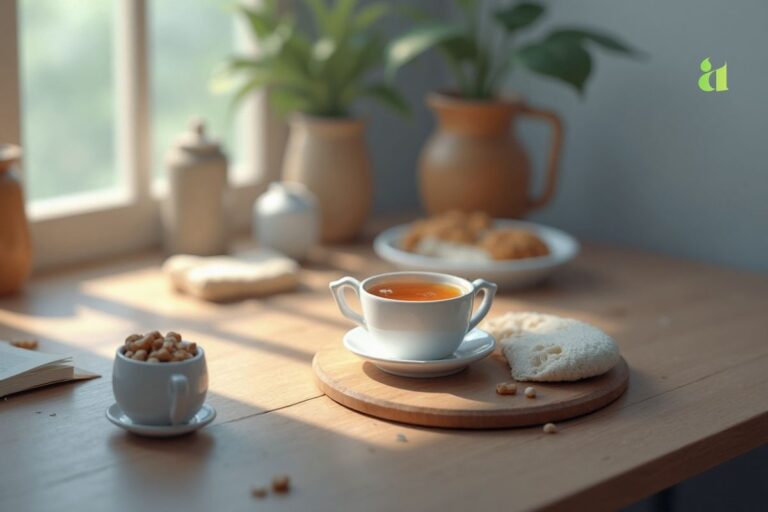
Drinking tea slowly.
Sitting without distraction.
These moments don’t look productive.
But they feel complete.
And slowly, the art of doing nothing starts to feel less like a waste—and more like a return.
When Doing Nothing Becomes Healing
Something shifts when you allow stillness.
You feel lighter.
Less rushed.
More connected to yourself.
This often overlaps with emotional exhaustion signs that begin to ease when your mind gets rest.
Because rest is not just physical.
It is emotional.
You Don’t Need to Earn Your Rest
This is important.
You don’t need to finish everything before you rest.
You don’t need to justify your pause.
Because rest is not a reward.
It is a need.
The Art of Doing Nothing (A Gentle Practice)
You don’t master this overnight.
You practice it.
Quietly.
Without pressure.
Without expectation.
And slowly, it becomes easier.
Not because the world changes—
But because you do.
The Fear of Slowing Down
Even when you sit still—
Your mind doesn’t.
It reminds you of things you should be doing.
Things you haven’t finished.
Things you might miss.
But What If Doing Nothing Is Not Nothing?
What if it’s something deeper?
A reset.
A pause.
A return.
Moments That Don’t Need Purpose
Sitting in sunlight.
Watching the sky.
Drinking tea without distraction.
These moments don’t achieve anything.
But they change something.
You Begin to Feel Present Again
When you stop filling every second—
You start noticing.
Your surroundings.
Your breath.
Your thoughts.
The Quiet Power of Stillness
Stillness is not empty.
It is full.
Of awareness.
Of clarity.
Of peace.
A Different Way to Live
Not everything needs to be optimized.
Not every moment needs productivity.
Some moments are meant to just exist.
When You Stop Doing, You Start Noticing
There is a quiet shift that happens when you stop trying to fill every moment.
At first, it feels unfamiliar.
Almost like you are forgetting something important.
But if you stay—
Something begins to reveal itself.
You start noticing things you didn’t before.
The way light enters your room.
The sound of your surroundings.
The rhythm of your own breath.
These are not big changes.
But they are real.
And slowly, the art of doing nothing becomes less about “doing nothing” and more about noticing everything.
The Space Where Thoughts Become Clear
When your mind is constantly occupied, your thoughts overlap.
One idea replaces another before it fully forms.
But when you allow space—
Your thoughts begin to settle.
They don’t rush.
They don’t compete.
They simply appear.
And in that quiet space, something becomes clear:
You don’t need more information.
You need more understanding.
And understanding only comes when there is space for it.
Letting Go of the Need to Be Constantly Engaged
We have become used to engagement.
Always responding.
Always reacting.
Always involved.
But not every moment needs your participation.
Some moments are meant to be observed.
Felt.
Lived slowly.
And when you step back—even slightly—you begin to realise that life doesn’t lose meaning when you pause.
It deepens.
The Art of Doing Nothing as a Way of Living
At some point, this stops being a practice.
It becomes a way of living.
Not in extreme ways.
But in small, quiet choices.
Choosing to sit without distraction.
Choosing to pause without guilt.
Choosing to exist without needing a reason.
And in those choices, the art of doing nothing quietly integrates into your life.
A Final Gentle Thought
You don’t have to escape the world to find peace.
You don’t have to change everything.
You just have to allow a little space.
Because sometimes, doing nothing is not about stopping—
It is about finally arriving.
Conclusion: Returning to Yourself
In a world that constantly asks you to do more—
Choosing to do nothing is not weakness.
It is awareness.
Because the art of doing nothing is not about stopping life.
It is about reconnecting with it.
And maybe, in those quiet moments—
You finally meet yourself again.
If this stayed with you, you can support Aarohi here 🌿
If this piece stayed with you, you can support Aarohi 🌿
Secure payments via UPI, Cards, Net Banking & PayPal
This is not a transaction, it is an exchange of energy.