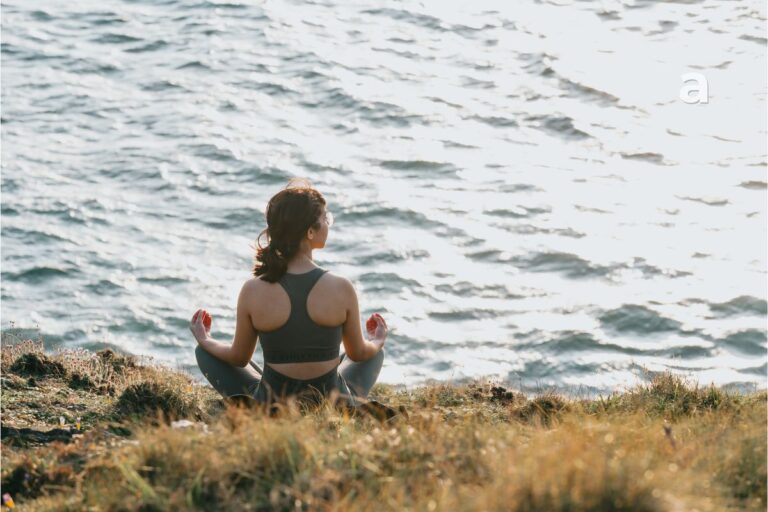

Slow Down in a Fast World: 7 Practical Ways to Reclaim Calm
In a world that never seems to pause, learning to slow down in a fast world can feel unfamiliar — even uncomfortable.
We wake up to notifications, move quickly through tasks, and often end the day feeling like we were busy… but not truly present. Somewhere between deadlines and distractions, life becomes something we rush through instead of experience.
Learning to slow down in a fast world is not about escaping life, but about experiencing it more fully.
But what if slowing down is not falling behind?
What if it is the way back to clarity, balance, and a more meaningful way of living?
Why We Feel Constantly Rushed
Modern life is designed for speed.
From endless scrolling to constant communication, our attention is always being pulled in multiple directions. There is an unspoken pressure to stay productive, respond quickly, and keep up with everything happening around us.
Over time, this creates a subtle but constant urgency.
The mind begins to believe that everything is important.
The body stays in a low state of stress.
And the nervous system rarely gets a moment to reset.
This is why even on a “free day,” it can be hard to truly relax.
What Happens When You Don’t Slow Down
When we don’t slow down, the effects are not always immediate — but they build quietly.
You may begin to notice:
- Mental fatigue even after rest
- Difficulty focusing on simple tasks
- Emotional numbness or irritability
- A constant sense of being “on edge”
- Reduced ability to enjoy small moments
Over time, this state becomes normal. We stop questioning it.
But the truth is, the human mind and body are not meant to operate at high speed all the time.
Slowing down is not a luxury.
It is a form of care.
What Does It Really Mean to Slow Down in a Fast World?
Slowing down does not mean doing less.
It means doing things differently.
It is not about escaping responsibilities or avoiding effort.
It is about:
- Being present with what you are doing
- Reducing unnecessary urgency
- Creating space between moments
- Living with intention instead of reaction
In many ways, slowing down is not about changing your life completely —
it is about changing your pace within it.
7 Practical Ways to Slow Down in a Fast World
These are simple shifts you can begin today. No drastic changes required.
1. Start Your Day Without Immediate Stimulation
Instead of reaching for your phone as soon as you wake up, allow yourself a few quiet minutes.
Sit, breathe, or simply notice the morning.
This small pause sets the tone for a calmer day.
2. Do One Thing at a Time
Multitasking may feel efficient, but it often increases mental load.
Try focusing on one task fully — whether it’s eating, working, or even listening to someone.
Single-tasking brings clarity and reduces internal noise.
Sometimes living too fast can quietly lead to emotional exhaustion.
3. Create Small Pauses Between Tasks
Most of us move from one activity to another without stopping.
Introduce short pauses:
- Take 3 deep breaths
- Stretch your body
- Look away from the screen
These micro-breaks help reset your mind.
4. Reduce Digital Noise
Not every notification needs your attention.
Turn off unnecessary alerts. Limit screen exposure when possible.
A quieter digital environment creates a calmer mental space.
A digital detox for mental clarity can help the mind slow down and reset.
5. Walk Without a Destination
Take a short walk without rushing to reach somewhere.
Notice your surroundings. Feel your steps.
This simple practice reconnects you with the present moment.
6. Simplify Your Daily Choices
Too many decisions can create hidden stress.
Simplify where you can:
- Plan meals in advance
- Reduce unnecessary commitments
- Create routines
Less decision-making = more mental ease.
7. End the Day Slowly
Instead of ending your day with screens or stimulation, create a gentle closing.
You can:
- Reflect on the day
- Write a few thoughts
- Sit quietly for a few minutes
When you begin to slow down in a fast world, you start noticing things that were always there but often ignored. This helps your mind transition into rest.
A Gentle Shift, Not a Sudden Change
Learning to slow down in a fast world is not something you force.
It is something you return to, again and again.
There will still be busy days. There will still be moments of rush.
But within that, you can begin to create small pockets of calm.
And over time, those small moments begin to shape a different rhythm of living.
You May Also Like
If this resonates with you, you may also reflect on:
👉 Slow Living: 7 Powerful Scientific Reasons It Strengthens Your Nervous System
👉 Nothing Is Wrong With You — You’re Just Tired of Carrying Everything
These reflections explore how slowing down supports both emotional and physical well-being.
The Hidden Cost of Always Being in a Hurry
When life moves too fast for too long, we begin to lose something subtle but important — our ability to fully experience moments.
Conversations become shorter. Meals are eaten without awareness. Even rest feels incomplete, because the mind is still moving.
This constant internal speed creates a disconnect.
You may be physically present, but mentally somewhere else — thinking about the next task, the next responsibility, or the next problem to solve.
Over time, this affects not only productivity, but also relationships and emotional well-being.
Slowing down allows you to return to the moment you are already in.
And often, that moment is enough.
How Slowing Down Supports Your Nervous System
There is also a physiological side to this.
When we are constantly rushing, the body remains in a mild stress response — often referred to as “fight or flight.”
In this state:
- Heart rate stays elevated
- Breathing becomes shallow
- The mind stays alert and reactive
While this response is helpful in real danger, it is not meant to be constant.
Slowing down helps activate the opposite state — the parasympathetic nervous system, also known as “rest and restore.”
Simple practices like slow breathing, mindful walking, or reducing stimulation can gently shift the body into this calmer state.
According to the World Health Organization, chronic stress can impact both mental and physical health over time.
Research from Harvard Health highlights how slowing down and mindful practices can support emotional regulation and overall well-being.
This is why even small pauses can feel deeply relieving.
You Don’t Need More Time — You Need More Awareness
Many people believe they need more time to feel calm.
But often, the issue is not time — it is attention.
Even within a busy day, there are moments that can be experienced differently:
- A quiet sip of tea
- A few breaths before starting work
- A short walk between tasks
These moments already exist.
Slowing down is about noticing them.
It is about shifting from “what’s next?” to “what is here?”
And that shift, though simple, can change how the entire day feels.
Building a Slower Life, One Small Step at a Time
You don’t need to transform your entire lifestyle overnight.
In fact, trying to do too much at once can create more pressure.
Instead, begin with one small change:
- One mindful morning
- One distraction-free meal
- One quiet pause in the day
Let that become natural before adding more.
Over time, these small shifts begin to create a different rhythm — one that feels less rushed and more intentional.
A slower life is not built through big decisions.
It is built through consistent, gentle awareness.
The ability to slow down in a fast world is not a skill you master once, but a practice you return to daily.
Conclusion
You don’t need to leave the world behind to slow down.
You don’t need a perfect routine or a quiet life.
You only need a willingness to pause… even briefly.
Because sometimes, the most powerful shift is not in what you do —
but in how gently you move through it.
If this piece stayed with you, you can support Aarohi 🌿
Secure payments via UPI, Cards, Net Banking & PayPal
This is not a transaction, it is an exchange of energy.